2027 Best AI Courses for Life Sciences Strategy Teams

Co-Founder and Chief Data Scientist
Life sciences strategy teams face growing pressure to integrate artificial intelligence into research, development, and decision-making processes. Many professionals entering this field lack the technical background to leverage AI effectively, creating a skills gap that hinders innovation and competitiveness.
Navigating a vast array of courses while ensuring flexibility and accreditation further complicates the transition. This article identifies the best AI courses designed specifically for life sciences strategists, focusing on accessible options for those with unrelated undergraduate degrees. It aims to guide readers toward practical educational pathways that enable a successful career pivot into artificial intelligence within the life sciences sector.
Key Things You Should Know
- AI courses for life sciences strategy teams increasingly focus on data analytics and predictive modeling, addressing a 40% growth in AI-driven decision-making in the sector by 2025.
- Interdisciplinary curricula combining biology, machine learning, and business strategy enhance skillsets, with 65% of programs offering hands-on projects and real-world case studies.
- Certification and professional development in AI applied to life sciences boost career prospects, with AI-related roles expected to grow 35% in healthcare and biotechnology through 2028.
Advance Your Career with AI Online Courses
Artificial Intelligence: Implications for Business Strategy
This program provides an introduction to Artificial Intelligence and their implications for business strategy. Earn an official digital certificate.

Oxford Artificial Intelligence Programme
Explore this Oxford Artificial Intelligence programme offered in a flexible learning environment and explore topics like machine learning, automation, and robotics.

Implementing Agentic AI: Building Your Organizational Playbook
This online MIT Agentic AI course offers a practical approach to deploying AI agents in your organization, including a custom playbook. 3 weeks, exclusive launch price.

AI Adoption: Driving Business Value and Impact
This online MIT AI Adoption: Driving Business Value and Impact offers practical frameworks to close the gap between AI potential and business reality.

Artificial Intelligence in Pharma and Biotech
Discover the applications and limitations of artificial intelligence in pharma and biotech with this MIT online short course.

What is an AI course for life sciences strategy teams and who are they best for?
An AI course for life sciences strategy teams equips professionals to integrate artificial intelligence tools into strategic decision-making within pharmaceuticals, biotech, and healthcare. These programs emphasize machine learning applications, data analytics, and AI-driven modeling relevant to drug development, clinical trials, and market analysis. They also cover interpreting AI outputs to support corporate strategy, regulatory affairs, and R&D investments.
Ideal candidates include strategy managers, product planners, and business analysts who bridge AI technology and business goals. Professionals shifting from traditional analytics or business intelligence roles to AI-focused positions find these offerings valuable. Graduates with backgrounds in life sciences or business aiming for AI fluency in strategic roles also benefit from these training programs that focus on best courses on artificial intelligence in life sciences.
More than 60% of life science companies will require AI and machine learning expertise within R&D and analytics teams by 2028, highlighting the strategic importance of AI awareness. Courses often address practical challenges such as:
- Assessing AI readiness and capacity in existing teams
- Evaluating AI-driven predictive models for forecasting success
- Integrating AI outputs with regulatory compliance strategies
- Collaborating effectively with data science and IT units
Course selection depends on experience; beginner tracks cover foundational concepts and tools, while advanced programs explore AI ethics, bias mitigation, and complex life sciences datasets. To explore data science educational options, consult the data science rankings for more insights and choices.
Advance Your Career with AI Online Courses
Artificial Intelligence: Implications for Business Strategy
This program provides an introduction to Artificial Intelligence and their implications for business strategy. Earn an official digital certificate.
Oxford Artificial Intelligence Programme
Explore this Oxford Artificial Intelligence programme offered in a flexible learning environment and explore topics like machine learning, automation, and robotics.
Implementing Agentic AI: Building Your Organizational Playbook
This online MIT Agentic AI course offers a practical approach to deploying AI agents in your organization, including a custom playbook. 3 weeks, exclusive launch price.
How do AI skills specifically support life sciences strategy, R&D, and commercialization roles?
AI skills directly enhance life sciences strategy, R&D, and commercialization by enabling data-driven decision-making and operational efficiency. In strategy roles, AI applications in life sciences strategy and commercialization analyze complex market trends and competitor data, helping teams optimize portfolio management and forecast product success more accurately. Predictive analytics can identify potential therapeutic targets faster and with higher precision, improving strategic investments.
In R&D, AI-driven research and development in life sciences sectors accelerates drug discovery by processing massive datasets from genomics, clinical trials, and real-world evidence. Machine learning models reduce costly trial failures by predicting patient responses and optimizing trial design, allowing researchers to allocate resources more effectively and shorten development timelines.
Commercial teams use AI to tailor marketing and sales through customer segmentation and sentiment analysis. These insights support pricing decisions, market access planning, and post-market safety surveillance, which are crucial for maximizing revenue and maintaining regulatory compliance. Pharma and medtech executives proficient in AI are 2.5 times more likely to achieve significant EBITDA growth compared to peers with limited adoption (McKinsey, "Scaling Gen AI in the Life Sciences Industry").
Practical AI uses include automating data integration for cross-functional collaboration, developing natural language processing tools for literature reviews, and implementing AI-powered dashboards for real-time KPI monitoring. Pursuing AI competencies can be supported by educational paths such as the cheapest online mechanical engineering degree, which equips professionals to meet evolving industry demands and drive innovation aligned with business goals.
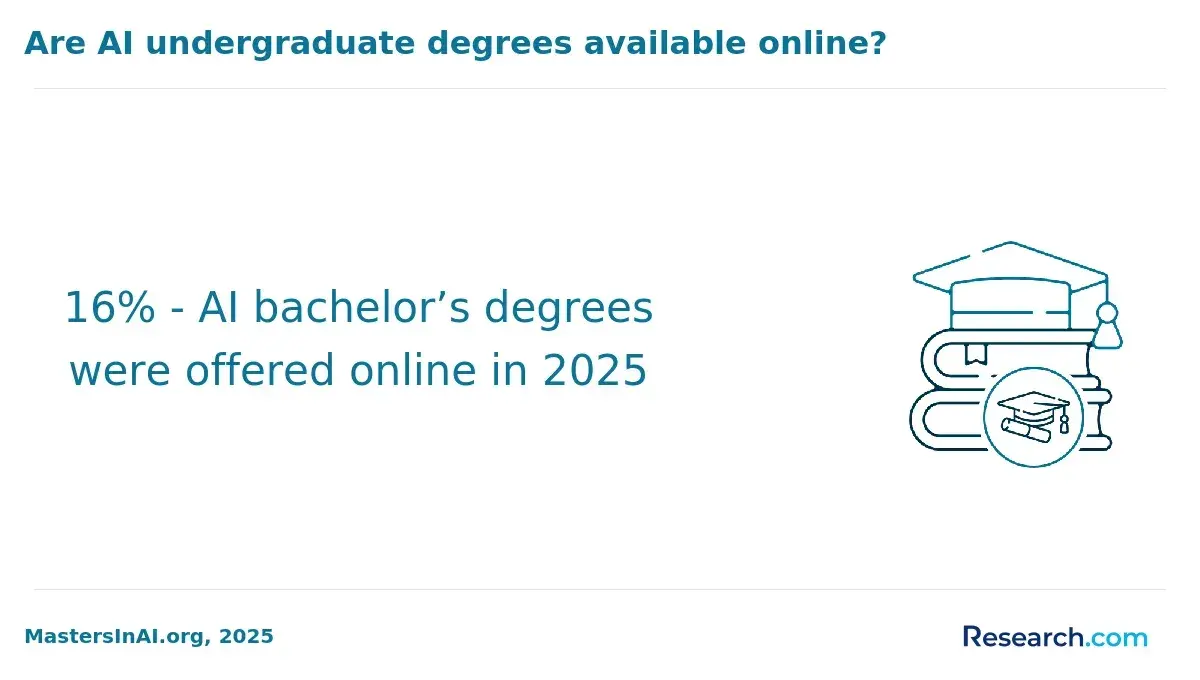
What types of AI programs exist for life sciences professionals (certificates, degrees, bootcamps)?
Life sciences professionals seeking to expand their expertise can choose from AI certificate programs for life sciences professionals that emphasize practical skills in machine learning and AI applications, particularly for non-technical staff. These certificates usually last a few months and highlight real-world uses like predictive analytics and drug discovery without requiring in-depth programming knowledge.
Advanced degrees and bootcamps in AI for life sciences strategy offer more comprehensive training. Degree programs cover undergraduate and graduate studies in AI, data science, or bioinformatics tailored to life sciences, blending computational techniques with biology, chemistry, and pharmacology. These degrees suit those pursuing technical mastery or leadership roles involving AI research and strategy.
For example, a master's in AI applied to life sciences might include neural networks, natural language processing, and ethics. For accelerated learning, bootcamps provide intensive, hands-on training over weeks or months, focusing on Python coding, AI platforms, and data interpretation critical to genomics and clinical trials.
Organizations investing in structured AI education for non-technical life sciences staff realize a 26% higher success rate in AI projects compared to those focusing solely on data scientists and engineers, as noted in BCG's report "From Pilot to Production: Upskilling for Enterprise AI."
Prospective students interested in expanding their AI expertise can consider exploring data science master's online programs that offer affordable options to deepen their knowledge and career prospects.
How do online AI programs for life sciences compare with on-campus and hybrid options?
Online AI courses versus on-campus programs for life sciences offer distinct advantages tailored to different professional needs. Online programs provide greater flexibility and accessibility, allowing working professionals to balance learning with their existing commitments.
However, they may lack the immediate hands-on interaction and networking opportunities that on-campus programs traditionally offer. In contrast, on-campus programs deliver a highly immersive experience with direct faculty access and lab resources, which benefits those needing face-to-face mentorship and collaboration. The downside is these programs can be costlier and less flexible for those unable to relocate or adjust their schedules.
Hybrid versus fully online AI training in life sciences strategy aims to combine the strengths of both options. Hybrid models typically integrate in-person labs or workshops with online coursework, offering a more balanced approach that includes hands-on experience without sacrificing convenience.
A critical challenge across all formats remains ensuring that course content aligns with real-world industry use cases. More than 70% of generative AI projects in commercial life sciences fail to reach production due to unclear use cases and poor change management, highlighting the need for practical, project-based learning.
Prospective students should consider their personal learning style and career goals:
- Choose online formats for flexibility and diverse networking options.
- Select hybrid programs to gain hands-on experience while maintaining some convenience.
- Prefer on-campus courses for immersive study and access to live mentorship.
For veterans seeking flexible options, exploring an online electrical engineering bachelor degree for veterans can provide insight into accessible pathways in STEM education and careers.
What core topics and tools do the best AI courses for life sciences strategy teams cover?
Top AI courses for life sciences strategy teams focus on machine learning, data analytics, and natural language processing, customized for healthcare and pharmaceutical industries. Essential skills include supervised and unsupervised learning, predictive modeling, and neural networks, which enable analysis of complex biological and market data.
Practical training emphasizes tools like Python, R, and AI platforms designed for real-world datasets. Professionals also gain experience with electronic health records (EHR), real-world evidence (RWE) databases, and health economics and outcomes research (HEOR) software, aiding strategic choices in drug pricing, market access, and reimbursement forecasting.
Regulatory and ethical knowledge is critical, with attention to FDA guidelines and data privacy laws to ensure compliance and protect patient confidentiality. Modules often spotlight AI applications in market access and HEOR, showing how these technologies can cut reimbursement decision times by 20-30% for top pharmaceutical firms by 2027, according to IQVIA.
Some programs use scenario-based learning to evaluate cost-effectiveness and value-based pricing with AI models, alongside training in visualization tools to communicate outcomes to stakeholders effectively. This blend of technical proficiency, domain insight, and regulatory awareness helps strategy teams gain competitive advantage.
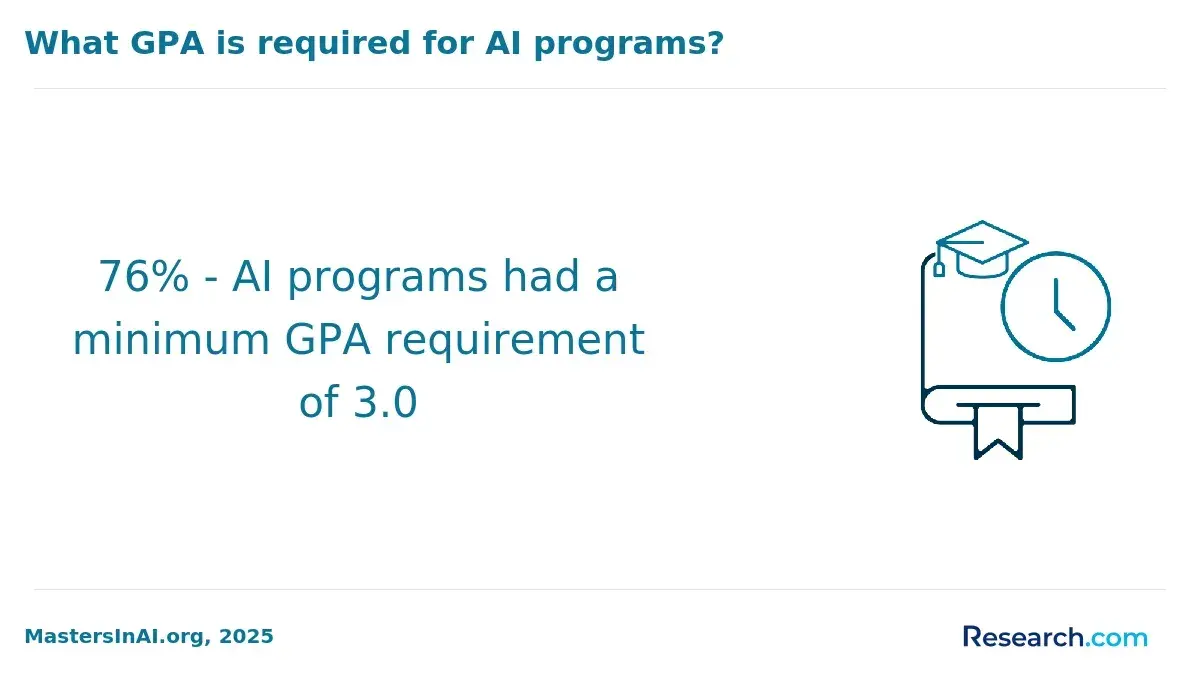
What admission requirements and prerequisites do AI programs for life sciences professionals typically have?
Admission into AI programs for life sciences professionals typically requires a bachelor's degree in fields like biology, pharmacy, computer science, statistics, or engineering. Some advanced tracks prefer or mandate a master's degree or relevant experience in life sciences strategy, data analytics, or healthcare. Candidates must show proficiency in programming languages such as Python or R, essential for building and applying AI models.
Foundational knowledge of statistics, data science, and machine learning principles is crucial, often acquired through prior coursework or professional training. While some programs request GRE scores or similar assessments, many waive this for seasoned professionals. A solid grasp of life sciences data-clinical trial data, genomic sequences, or real-world evidence-is vital for applying AI methods in biological contexts.
Relevant work experience within pharmaceutical companies, clinical research organizations, or healthcare analytics significantly improves admission chances by demonstrating practical skills. The growing emphasis on these competencies reflects broader industry trends.
Global investment in real-world evidence and data science for life sciences is expected to grow at a 14% compound annual growth rate through 2028, reaching about $18 billion, according to the IQVIA Institute's "Global Trends in Real-World Evidence" report. This surge highlights the importance of rigorous admission requirements to prepare professionals for increasingly sophisticated data-driven environments.
How long do AI courses for life sciences strategy teams take and what do they cost?
AI courses tailored for life sciences strategy teams vary from intensive short programs lasting a few days to comprehensive certificate courses spanning several months. Many professional courses require between 20 and 100 hours of study, depending on the focus.
For instance, a specialized module on AI-supported clinical trial design can be completed within 2 to 4 weeks, whereas a broader curriculum covering data analytics, machine learning, and regulatory strategy may extend over 3-6 months part-time.
Costs differ based on provider, duration, and credentialing. Short workshops or bootcamps usually range from $500 to $1,500. More extensive certificate programs offered by universities or specialized platforms typically cost between $2,000 and $6,000. Executive education designed for life sciences strategy teams can exceed $10,000, often including tailored content and valuable networking opportunities.
Many organizations prioritize courses emphasizing practical AI applications in drug development. For example, AI in Clinical Development & Trial Design courses teach techniques that reduce clinical trial cycle times and decrease protocol amendments. According to the Deloitte Centre for Health Solutions in "Intelligent Clinical Trials," AI-supported trial design and patient recruitment can shorten Phase II-III trials by 10-15% while cutting protocol amendments by up to 25%.
Choosing the right course requires balancing duration, cost, and relevance. Online formats offer flexibility for working professionals, whereas in-person sessions provide collaborative learning environments. Evaluating the curriculum against team objectives ensures skills gained lead to strategic advances in clinical research and development outcomes.
How can I verify accreditation and institutional quality for AI programs serving life sciences learners?
Start by confirming that the institution offering AI programs for life sciences learners has recognized regional accreditation, such as from the Middle States Commission on Higher Education or the Higher Learning Commission. This accreditation guarantees rigorous academic standards and institutional quality. It's important the AI program is housed within departments combining expertise in life sciences and computational fields, reflected by faculty qualifications and ongoing research.
Program details should align with industry demands, especially emphasizing ethical, regulatory, and governance topics. Notably, only 35% of life sciences companies have enterprise-wide AI governance frameworks despite 83% experimenting with generative AI (PwC, "AI in Life Sciences: Governance and Risk," 2024). Prospective students should review curricula for comprehensive coverage of compliance, data privacy, and responsible AI use tailored to regulated life sciences environments.
Look for programs that collaborate with industry leaders or incorporate case studies from pharmaceutical, biotech, or healthcare sectors, providing practical insights. Access to current AI tools and software commonly used in life sciences research is also a critical factor.
Evaluate alumni outcomes and industry recognition to ensure program credentials carry weight with employers and certification bodies in regulatory affairs or data science. Utilize reputable education portals or databases to verify program listings and read reviews from peers or graduates, ensuring transparency in student support services and success rates.
What careers, job titles, and salary ranges can AI-trained life sciences strategists expect?
AI-trained life sciences strategists can access a range of well-paid roles in pharmaceutical and biotechnology companies, including AI Strategy Manager, Data Science Lead, Bioinformatics Analyst, and Digital Innovation Specialist. Senior positions such as Director of AI Integration or Chief Data Officer typically command salaries from $150,000 to $180,000.
Entry-level roles generally start between $90,000 and $110,000, with overall compensation influenced by experience, education, and company size.
These roles demand both technical expertise and strategic vision, often involving AI applications like predictive modeling, drug discovery analytics, and clinical trial optimization. Bioinformatics Analysts apply machine learning to decode genomic data, supporting research breakthroughs. AI Strategy Managers oversee multidisciplinary teams to embed AI solutions that enhance product pipelines and market success.
Investing in AI and data literacy training yields strong financial returns. Organizations spending at least $1,000 per employee on these skills are three times likelier to achieve significant AI-driven gains, per IBM's "Global AI Adoption Index." For life sciences professionals, this means accelerated career growth through comprehensive AI training.
- Focus on courses offering practical AI tools relevant to life sciences
- Build skills in data interpretation, model deployment, and strategic decision-making
- Stay updated with evolving AI applications to maximize job prospects and salaries
How should life sciences strategy teams evaluate and select the best AI course for their goals?
Life sciences strategy teams should seek AI courses that align closely with their organizational objectives, such as speeding drug discovery, optimizing processes, or enhancing market predictions. Prioritize programs offering practical, domain-specific case studies instead of generic AI theory. Ideal curricula cover key techniques like machine learning, natural language processing, and generative AI, with direct applications to the life sciences sector.
It's important to evaluate course design for the right balance between technical detail and strategic insight. Teams with limited technical expertise may benefit from courses focusing more on AI strategy, implementation frameworks, and data governance rather than advanced coding. Look for options including hands-on projects or simulations that develop real-world problem-solving skills below the strategic level.
Instructor credentials and provider reputation are crucial to ensure the curriculum reflects the latest AI developments. Peer reviews, alumni success stories, and endorsements from recognized research institutions or pharma leaders are strong indicators of quality and ROI.
Course format and time commitment should align with team availability and learning preferences. Blended or modular formats support flexible pacing without sacrificing content depth.
Track records show firms integrating targeted AI education with deployment achieve notable benefits, including median reductions of 5-10% in SG&A costs and 6-10% revenue growth from AI initiatives within three years, as reported in McKinsey's The Economic Potential of Generative AI in Pharma.
Request detailed outcomes and post-training support, prioritizing programs that offer continued resource access and community engagement to sustain knowledge retention and adaptation as AI evolves.
Other Things You Should Know About Artificial Intelligence
In 2027, top AI courses for life sciences strategy teams include the "AI for Drug Discovery" course by Stanford University, "Life Sciences AI & Machine Learning" by MIT, and "AI Strategy for Life Sciences Executives" from Coursera, focusing on AI applications in biotech and pharmaceuticals.
Artificial intelligence enhances data management by automating the handling of large, complex datasets common in life sciences. It improves accuracy in data curation, integration, and analysis, enabling faster insights and reducing human error. Effective AI tools streamline workflows from genomic sequencing to clinical trial data management, supporting better decision-making in research and strategy.
Yes, artificial intelligence facilitates collaboration by providing shared platforms that integrate diverse data sources and analytical tools. AI-driven communication and project management tools help teams access real-time insights and align strategies across different functions. This leads to more coordinated research, development, and commercialization efforts.
Limitations include potential biases in AI models, data quality issues, and the need for specialized expertise to interpret results correctly. AI cannot replace domain knowledge and critical thinking but serves as a tool to augment decision-making. Life sciences teams should remain cautious about overreliance on AI outputs without proper validation and human oversight.
References
- 10 Useful AI Tools for Life Scientists https://hellobio.com/blog/10-useful-ai-tools-for-life-scientists.html
- Pharma's AI Skills Gap: A 2025 Data-Driven Analysis | IntuitionLabs https://intuitionlabs.ai/articles/pharma-ai-skills-gap
- Artificial Intelligence (AI) in Life Sciences Training Courses https://ipi.academy/product/subject/109/artificial-intelligence-ai-in-life-sciences
- The AI Strategy Job Market in 2026: Analysis of 1,859 Postings https://axialsearch.com/insights/ai-strategy-jobs/
- Choosing the Right AI Course for Business Leaders https://www.tsa-bildung.de/en/blog/choosing-the-right-ai-course-for-business-leaders
- Professional AI Training: How to Choose the Right Program https://www.strategicaileader.com/professional-ai-training-how-to-choose-the-right-program/
- AI and biology https://www.embl.org/about/info/course-and-conference-office/events/ees26-02/
- Accreditation Explained: Guidelines for Global Verification https://www.motaword.com/blog/understanding-accreditation-how-to-verify-institutions-globally
- The Demand for AI Talent in Life Sciences | Panda https://www.panda-int.com/insights/the-demand-for-ai-talent-in-life-sciences/