2027 Best AI Readiness Assessment Courses for Business Leaders

Co-Founder and Chief Data Scientist
Business leaders often struggle to evaluate their organizations' preparedness for integrating artificial intelligence technologies. This challenge stems from unclear metrics, evolving AI capabilities, and the need to align technical readiness with strategic goals. Without a solid assessment, investments risk underperformance or misalignment with business needs. Identifying the right AI readiness assessment course can empower leaders to bridge knowledge gaps and lead effective transformation. This article reviews top assessment programs designed to equip business leaders with practical tools for evaluating and enhancing AI readiness, enabling informed decisions and successful AI adoption strategies.
Key Things You Should Know
- In 2026, AI readiness assessment courses focus on practical business applications, with 72% of participants reporting improved strategic decision-making skills within six months.
- Leading programs emphasize data literacy and ethical AI use, reflecting 2025 research showing 65% of companies stress these competencies for competitive advantage.
- Comprehensive courses combine interactive case studies with real-world scenarios, addressing a 40% skills gap reported among business leaders in AI adoption efforts.
Advance Your Career with AI Online Courses
Artificial Intelligence: Implications for Business Strategy
This program provides an introduction to Artificial Intelligence and their implications for business strategy. Earn an official digital certificate.

Oxford Artificial Intelligence Programme
Explore this Oxford Artificial Intelligence programme offered in a flexible learning environment and explore topics like machine learning, automation, and robotics.

Implementing Agentic AI: Building Your Organizational Playbook
This online MIT Agentic AI course offers a practical approach to deploying AI agents in your organization, including a custom playbook. 3 weeks, exclusive launch price.

AI Adoption: Driving Business Value and Impact
This online MIT AI Adoption: Driving Business Value and Impact offers practical frameworks to close the gap between AI potential and business reality.

Artificial Intelligence in Pharma and Biotech
Discover the applications and limitations of artificial intelligence in pharma and biotech with this MIT online short course.

What is an AI readiness assessment course for business leaders and who needs it most?
An AI readiness assessment course for business leaders in North America evaluates an organization's ability to effectively incorporate artificial intelligence into its strategy and daily operations. These courses help business leaders pinpoint gaps in technological infrastructure, workforce skills, and data quality, aligning these elements with AI adoption. Through this training, leaders can prioritize investments to maximize the value derived from AI-driven initiatives.
Businesses in rapidly evolving sectors like finance, healthcare, manufacturing, and retail benefit greatly from AI readiness courses for business leaders in North America. Executives at mid-sized companies facing competitive pressure from AI-savvy rivals require such training to sustain growth.
Directors managing innovation and digital transformation also gain practical insights on AI feasibility, risk management, and governance.
Participants explore vital questions such as whether their data is sufficient and accessible, if teams possess adequate AI literacy, and how ethical and regulatory issues impact deployment. The curriculum often involves case studies, maturity models, and frameworks that assess multiple dimensions of AI readiness.
Organizations that effectively scale AI see substantial financial rewards. According to McKinsey Global Institute, by 2030, these organizations could achieve an average 122% increase in cash flow, compared to just 10% for those that do not. This gap highlights the critical need for business leaders to undergo business leaders AI adoption readiness training.
For those exploring educational opportunities to boost their AI skills, consider exploring a data science degree, which often complements AI knowledge and supports strategic leadership in technical fields.
Advance Your Career with AI Online Courses
Artificial Intelligence: Implications for Business Strategy
This program provides an introduction to Artificial Intelligence and their implications for business strategy. Earn an official digital certificate.
Oxford Artificial Intelligence Programme
Explore this Oxford Artificial Intelligence programme offered in a flexible learning environment and explore topics like machine learning, automation, and robotics.
Implementing Agentic AI: Building Your Organizational Playbook
This online MIT Agentic AI course offers a practical approach to deploying AI agents in your organization, including a custom playbook. 3 weeks, exclusive launch price.
How do AI readiness assessment courses help organizations evaluate and improve AI maturity?
AI readiness assessment courses provide organizations with systematic methods to evaluate and enhance their AI maturity by identifying current capabilities, gaps, and strategic priorities. These programs equip leaders with frameworks to measure technology infrastructure, data quality, talent competence, and governance-key aspects for effective AI adoption.
Only 13% of companies consistently use AI in leadership decisions, while 79% acknowledge a leadership skills gap, underscoring the need for organizational ai maturity evaluation methods. These assessments help leaders benchmark strengths and weaknesses in areas like data readiness, culture, and ethical AI application.
For example, a business might discover strong data assets but insufficient employee AI literacy, enabling targeted upskilling initiatives.
Courses also foster strategic alignment by enabling leaders to create actionable AI adoption roadmaps aligned with business goals. They address obstacles such as siloed data and limited AI literacy, promoting cultural transformation and reducing resistance to change. Interactive case studies and tools allow simulation of AI deployment scenarios, improving vendor selection and scaling decisions.
Such programs translate abstract AI potential into measurable organizational progress and leadership preparedness, essential for successful business transformation. Professionals interested in advancing their technical expertise might consider related pathways like mechanical engineering programs online as complementary fields.
Overall, AI readiness assessment for business transformation empowers companies to navigate complex AI integration strategically and sustainably.
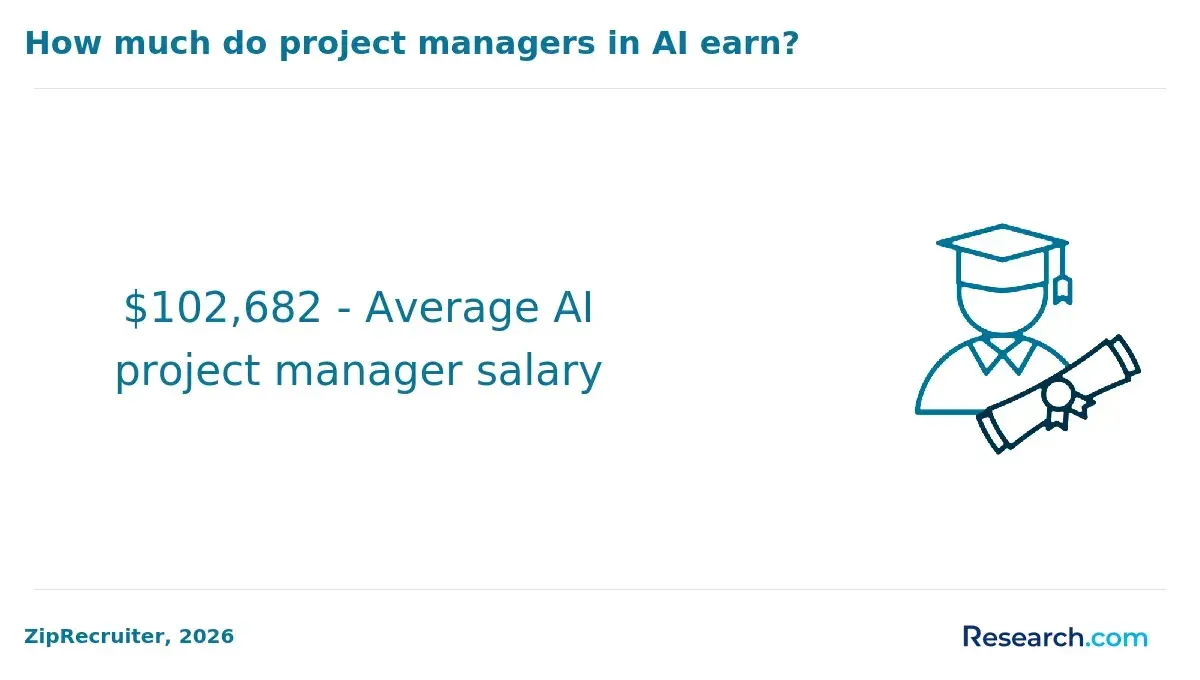
What key topics and skills are covered in leading AI readiness assessment programs?
Leading AI readiness assessment programs cover essential topics and skills that help business leaders deploy AI strategies effectively. Key areas include evaluating data infrastructure, assessing talent expertise, and establishing governance frameworks for ethical AI use. These programs train leaders to spot data quality challenges and manage data-critical foundations for AI performance.
AI strategy development and implementation skills for business leaders are central to aligning AI projects with business goals and managing associated risks and changes.
Training also covers interpreting AI's impact on workflows and customer experience. Case studies often demonstrate how improved data governance can reduce biases in AI-driven decisions, particularly in finance and healthcare. Participants learn to assess workforce skills gaps, including technical roles and AI literacy for non-technical staff. Building AI talent pipelines through hiring, upskilling, and partnerships is emphasized.
Governance training addresses policy creation for AI ethics, transparency, and regulatory compliance, helping leaders mitigate legal and reputational risks. Understanding ethical considerations in AI readiness assessments is a critical focus here.
According to IBM's Global AI Adoption Index, companies investing across data, talent, and governance are 2.6 times more likely to see positive ROI than those relying on isolated pilots. Practical assessment tools like readiness scorecards help benchmark progress and prioritize investments. Cross-functional collaboration skills ensure business, IT, and data teams align effectively.
For those interested in related fields, consider exploring the best online cybersecurity degree programs of 2025 to complement AI knowledge and career growth.
How do online AI readiness assessment courses compare with on-campus or hybrid options?
Online AI readiness assessment courses offer crucial flexibility for business leaders under pressure to integrate new technologies rapidly. Unlike on-campus programs, online formats enable professionals to manage learning alongside demanding roles, which is vital given that 70% of CEOs expect generative AI to transform business models within three years, while only 23% feel highly prepared.
These courses support quick enrollment and paced learning, helping organizations close this readiness gap more effectively.
Compared to hybrid AI readiness courses benefits for business leaders, online courses often feature interactive simulations, AI-driven assessments, and real-time feedback, providing engagement levels that match or surpass traditional on-campus programs.
While hybrid and on-campus programs offer face-to-face networking and hands-on workshops, they require travel and fixed schedules, limiting access for busy executives. Hybrid programs remain valuable when blending digital theory with on-site strategic sessions.
Organizations aiming for team-wide AI readiness appreciate the scalability and consistent training available through online platforms. For learners interested in specialized pathways, exploring options like the cyber security fast track program can complement their AI knowledge and career advancement.
Ultimately, choosing the right format depends on priorities such as flexibility, immediacy, and interaction, but online courses currently lead in delivering accessible, up-to-date preparation for business leaders.
Online AI readiness assessment courses vs on-campus programs demonstrate the growing trend toward digital education, especially for executives balancing innovation demands with tight schedules.
Which types of schools and providers offer reputable AI readiness assessment training?
AI readiness assessment training is available mainly through three provider types: established universities, executive education platforms, and industry-focused consulting firms. Leading business schools, often tied to major research universities, offer rigorous programs blending technical AI knowledge with strategic business insights. These frequently include case studies on data governance, process adaptation, and leadership in AI-driven transformation.
Flexible, modular courses from executive education platforms like Coursera, edX, and LinkedIn Learning-partnering with accredited institutions or recognized AI experts-address practical AI adoption challenges. Notably, a Gartner survey revealed 47% of organizations cite poor data quality as the main barrier to AI value extraction, a critical topic covered in these programs.
Industry-focused consulting firms and AI solution providers deliver tailored training for sectors like finance, healthcare, or manufacturing. Their programs emphasize integrating AI readiness assessments into broader digital transformation strategies, prioritizing measurable outcomes and risk mitigation.
When selecting a program, prospective learners should consider curriculum depth, instructor expertise, and addressing real-world data challenges. Look for courses emphasizing:
- Data quality management
- AI ethics
- Cross-functional team leadership
Such skills help overcome common pitfalls and ensure training aligns with organizational maturity and strategic goals.
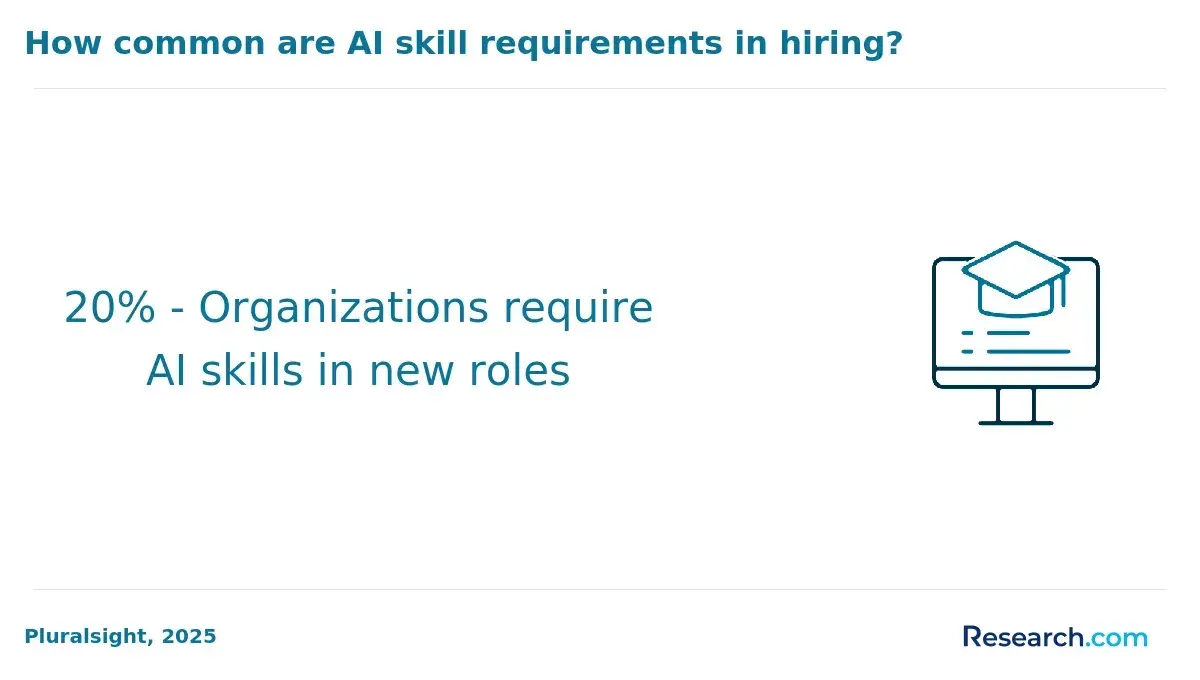
How can business leaders verify accreditation, quality standards, and instructor expertise?
To select credible AI readiness assessment courses, verify accreditation from respected organizations like ABET, AACSB, or recognized regional authorities. Accreditation confirms the program adheres to accepted academic and professional standards, often seen in offerings accredited by universities recognized by the U.S. Department of Education or the Council for Higher Education Accreditation (CHEA).
Assess course quality by checking how well the curriculum aligns with industry frameworks and regulatory requirements. According to Deloitte's State of AI in the Enterprise survey, 62% of organizations identify AI-related regulatory and ethical risks as major concerns. Effective courses should therefore include governance, risk management, compliance, and ethical AI principles to reflect these real-world challenges.
Instructor expertise is equally important. Evaluate backgrounds for published research, industry experience, and roles in AI governance or ethics boards. Faculty with PhDs, certifications, or leadership in AI implementation offer deeper insights and practical knowledge.
- Is the program accredited by recognized authorities?
- Does the curriculum cover governance and compliance addressing enterprise risks?
- What are instructors' professional qualifications and relevant experience?
Request detailed syllabi, sample lectures, and participant testimonials focusing on managing AI risks effectively. This helps ensure courses support well-informed decisions on adopting AI frameworks in business environments.
What are the typical admission requirements, timelines, and costs for these courses?
Admission requirements for AI readiness assessment courses aimed at business leaders typically include a bachelor's degree or relevant professional experience. Many programs seek candidates with backgrounds in business, technology, or data analytics; however, some offer foundational courses tailored for less technical applicants.
While standardized tests are seldom required, international students often must demonstrate English proficiency and basic data literacy. A statement of purpose detailing goals related to AI integration in business is commonly requested.
Courses vary in length from brief executive workshops lasting a few weeks to comprehensive certificate programs extending up to six months. Flexible part-time and fully online formats cater to working professionals. Intensive boot camps spanning two to four weeks provide rapid skill acquisition, whereas longer programs include multiple modules with assignments focused on applying AI concepts to real business challenges.
Costs range widely depending on course length and depth: short workshops generally cost between $1,000 and $3,000, while extensive certification programs can charge $5,000 to $15,000. Corporate training prices often depend on cohort size and may be negotiable. Many learners can access financial aid or employer sponsorship to help offset expenses.
The World Economic Forum's 2024 Future of Jobs report notes that 44% of workers' core skills will transform within five years, emphasizing the importance of timely enrollment in updated AI and big-data literacy courses.
What career benefits, leadership roles, and advancement opportunities follow AI readiness training?
Completing AI readiness training provides significant career advantages, including enhanced leadership capabilities in digital transformation and improved data-driven decision-making. Managers with AI knowledge are better positioned for strategic roles such as Chief Data Officer, AI Strategy Lead, or Innovation Manager.
These roles demand expertise in integrating AI into business operations and guiding teams through technology adoption. Industries like finance, healthcare, and technology increasingly value these skills for maintaining competitive advantage.
AI-competent leaders often manage cross-functional teams bridging technical and non-technical expertise, making them vital to AI project success from conception to deployment. Their understanding also influences corporate policies on AI ethics, compliance, and risk management.
Udemy Business' 2024 Workplace Learning Trends report highlights a 60% year-over-year increase in corporate enrollment for AI and machine-learning courses among managers and leaders, signaling rising industry demand. Those completing this training typically gain faster promotions and higher salaries as they drive innovation and operational efficiency.
Frequently asked questions from professionals include how to transform AI concepts into actionable business strategies and ways to create hybrid teams combining AI experts with traditional staff. Training often covers practical frameworks and case studies for implementing scalable AI solutions within organizations.
AI readiness courses equip business leaders with critical technical fluency and change management skills, opening doors to strategic roles and accelerating career growth.
How do AI readiness assessment skills affect salary potential and executive compensation?
Leaders skilled in AI readiness assessment significantly enhance their salary potential and executive compensation by steering successful AI transformation projects. Research from BCG reveals that companies managed by "AI-fluent" executives are 3.5 times more likely to achieve major financial gains from AI. This drives demand for executives who can evaluate organizational AI maturity, pinpoint gaps, and prioritize integration initiatives.
For instance, CFOs adept at understanding AI readiness can justify investments in automation technologies, boosting profit margins and shareholder value. As a result, their compensation often includes higher base salaries, stock options, and performance bonuses. Mid-level managers with these skills also have stronger leverage for promotions and raises within tech-focused companies.
Key factors influencing compensation linked to AI readiness include:
- Ability to correlate AI readiness metrics with business outcomes.
- Expertise in cross-functional collaboration for embedding AI strategies.
- Proficiency in assessing risks related to AI adoption.
- Forecasting ROI from AI initiatives effectively.
Building AI readiness assessment capabilities opens doors to lucrative roles in industries prioritizing AI investment. Mastery in this area creates measurable value that translates into meaningful increases in executive pay and career growth.
What criteria should business leaders use to choose the best AI readiness assessment course?
Choosing the right AI readiness assessment course involves evaluating several critical factors that ensure practical organizational impact. Firstly, courses should offer comprehensive frameworks assessing technological infrastructure, data maturity, talent capabilities, and governance readiness. These dimensions paint a full picture of an organization's AI potential rather than a superficial overview.
Secondly, the best programs provide industry-specific case studies and benchmarking tools. For instance, courses designed for financial services address compliance and risk management differently than those for healthcare or manufacturing, improving relevance and effectiveness.
Actionable recommendations paired with strategic roadmaps are essential features. Leading courses do more than identify gaps; they guide leaders on prioritizing initiatives and resource allocation. Practical exercises or live simulations enhance skill retention and real-world application.
Instructor credentials and industry experience matter. Courses led by professionals with proven leadership or research backgrounds deliver deeper insights on AI trends and integration challenges.
Finally, course formats that respect busy schedules while maintaining depth-such as short modules combined with ongoing support and peer networking-prove most effective for executives.
According to IDC's 2024 Worldwide AI Spending Guide, over 55% of enterprises will be "AI-first" by 2027, achieving revenue growth 50% faster than competitors. Selecting a rigorous readiness assessment sharpens the competitive edge crucial for this transformation.
Other Things You Should Know About Artificial Intelligence
Ethical concerns around artificial intelligence in business primarily include data privacy, algorithmic bias, transparency, and accountability. Organizations must ensure AI systems do not discriminate unfairly or violate individual privacy rights. Responsible AI governance frameworks are increasingly essential to address these issues effectively.
Business leaders can foster an AI-friendly culture by promoting continuous learning, encouraging experimentation, and aligning AI initiatives with strategic goals. Transparent communication about AI's potential impact and involving employees in change processes helps reduce resistance and build trust around AI adoption.
In 2027, a top AI readiness assessment course for business leaders should include modules on data governance, ethical AI practices, integration of AI with existing business processes, and leadership strategies for AI adoption. These components ensure a comprehensive understanding of preparing businesses for AI implementation.
Organizations often face challenges such as integrating AI with existing IT infrastructure, managing data across departments, and ensuring sufficient talent for deployment. Additionally, maintaining AI model performance, managing costs, and navigating regulatory compliance become increasingly complex as AI initiatives scale.
References
- AI Readiness Assessment | Vention https://ventionteams.com/ai/readiness-assessment
- High School Classes Required for College Admission - National Association for College Admission Counseling (NACAC) https://www.nacacnet.org/high-school-classes-required-for-college-admission/
- Ten Dimension AI Readiness Framework https://www.digitaleducationcouncil.com/post/ten-dimension-ai-readiness-framework
- AI Skills Premium: How AI Competency Directly Affects Your Compensation https://www.businessplusai.com/blog/ai-skills-premium-how-ai-competency-directly-affects-your-compensation
- AI on Campus – Mapping Readiness and Governance for AI Adoption in Teaching and Research https://www.colloquial.io/blog/ai-on-campus
- AI Readiness Assessment: 50 Questions to See If Your AI Investment Makes Sense - Notch https://wearenotch.com/blog/ai-readiness-assessment/
- AI Readiness Assessment: Is Your Business Ready for AI? https://www.mimacom.com/learning-hub/ai-readiness-assessment
- Admission Requirements | Undergraduate Admissions + Programs https://www.ualberta.ca/en/admissions/how-to-apply/admission-requirements/index.html
- Rethinking Talent Strategy in the Age of AI: How to Align Roles, Structure, and Salary in a Changing Workforce https://www.alliedonesource.com/rethinking-talent-strategy-in-the-age-of-ai-how-to-align-roles-structure-and-salary-in-a-changing-workforce
- What Does AI Readiness Actually Mean for a University? | News & Insights | LearnWise https://www.learnwise.ai/news-insights/what-does-ai-readiness-actually-mean-for-a-university