2027 Best AI Courses for Planning and Permitting Teams

Co-Founder and Chief Data Scientist
Planning and permitting teams often face the challenge of managing complex projects with tight deadlines and evolving regulations. Inefficient workflows and repetitive tasks can delay approvals and increase costs. Adopting AI tools and skills can streamline data analysis, enhance decision-making, and improve compliance tracking. However, finding accessible and relevant courses tailored to professionals from unrelated fields remains difficult. This article explores the best AI courses designed specifically for planning and permitting teams, highlighting flexible and accredited programs that equip learners with practical expertise to overcome these industry challenges and accelerate career transitions.
Key Things You Should Know
- AI courses in 2026 emphasize practical skills for planning and permitting teams, integrating regulatory knowledge with machine learning to optimize workflow efficiency by up to 40%.
- Most top programs offer hands-on projects using geospatial data and predictive modeling, reflecting a 35% increase in specialized curriculum since 2024.
- Enrollment in AI-focused urban planning courses grew by 28% between 2024 and 2025, driven by rising demand for smart city solutions and sustainability.
Advance Your Career with AI Online Courses
Artificial Intelligence: Implications for Business Strategy
This program provides an introduction to Artificial Intelligence and their implications for business strategy. Earn an official digital certificate.

Oxford Artificial Intelligence Programme
Explore this Oxford Artificial Intelligence programme offered in a flexible learning environment and explore topics like machine learning, automation, and robotics.

Implementing Agentic AI: Building Your Organizational Playbook
This online MIT Agentic AI course offers a practical approach to deploying AI agents in your organization, including a custom playbook. 3 weeks, exclusive launch price.

AI Adoption: Driving Business Value and Impact
This online MIT AI Adoption: Driving Business Value and Impact offers practical frameworks to close the gap between AI potential and business reality.

Artificial Intelligence in Pharma and Biotech
Discover the applications and limitations of artificial intelligence in pharma and biotech with this MIT online short course.

What are the best AI courses specifically designed for planning and permitting professionals?
The best AI courses for planning and permitting professionals combine domain-specific applications with a strong foundation in machine learning, data analysis, and automation. These programs address challenges such as streamlining permit approval workflows, enhancing compliance monitoring, and improving risk assessment accuracy through AI tools. Professionals often seek ai training programs tailored for planning and permitting teams that offer hands-on projects using real planning datasets and access to practical AI software tools.
Top options include specialized certificates from universities and professional organizations focusing on AI for urban planning, smart city technologies, or regulatory compliance automation. Courses teaching AI models for zoning analysis, environmental impact prediction, and document automation are particularly valuable. Modules on natural language processing help manage large volumes of permitting documents efficiently.
Key skills typically covered include:
- Data preprocessing for planning datasets
- Predictive modeling for land use and permit outcomes
- Automation of regulatory compliance checks
- Use of AI-powered GIS platforms
- Ethical considerations and transparency in AI decisions
With 65% of organizations reporting regular AI adoption in business functions and 55% using AI specifically for risk, compliance, or operational planning, choosing the right courses is critical. Professionals should prioritize programs illustrating AI-driven transformation in municipal or private regulatory environments to improve career readiness. For those exploring what is applied AI engineering, detailed insights can be found at what is applied AI engineering.
Advance Your Career with AI Online Courses
Artificial Intelligence: Implications for Business Strategy
This program provides an introduction to Artificial Intelligence and their implications for business strategy. Earn an official digital certificate.
Oxford Artificial Intelligence Programme
Explore this Oxford Artificial Intelligence programme offered in a flexible learning environment and explore topics like machine learning, automation, and robotics.
Implementing Agentic AI: Building Your Organizational Playbook
This online MIT Agentic AI course offers a practical approach to deploying AI agents in your organization, including a custom playbook. 3 weeks, exclusive launch price.
How can AI skills improve workflows for city planning, permitting, and development review teams?
AI-driven workflow optimization for city planning teams significantly enhances efficiency by automating data analysis and accelerating routine tasks. Teams skilled in AI can process vast datasets such as zoning regulations, geographic information systems, and public feedback to identify patterns and predict project impacts. For example, machine learning models flagging potential zoning conflicts before manual reviews can save weeks in permitting cycles.
Integrating AI skills in permitting and development review processes also improves communication by generating clear, data-backed reports and visualizations, which helps stakeholders reach consensus faster. AI-driven risk assessment models enable prioritizing permit reviews based on project complexity and environmental factors, optimizing resource allocation.
Practical AI applications include automated schedule management to track permit statuses and deadlines, preventing workflow bottlenecks. Natural language processing tools digitize and categorize public comments, helping teams address community concerns systematically without manual sorting.
The World Economic Forum's Future of Jobs Report 2025 projects a 30-35% growth in public administration and construction roles requiring AI and data-analysis skills by 2030, while roles lacking these skills decline about 10%. Prospective students should pursue courses focused on AI applications in urban analytics, machine learning for geographic data, and automated workflow systems. Exploring AI degrees can help professionals meet rising demands for faster, data-driven decision-making in city development projects.
What types of AI training paths exist for planning and permitting staff (certificates, degrees, bootcamps)?
For planning and permitting professionals, three main AI training paths offer structured skill development: certificate programs, degree programs, and bootcamps. AI certification programs for planning and permitting professionals often consist of practical courses in machine learning, data analytics, and AI decision support systems. These programs, typically offered by universities or organizations, take weeks to months and suit those seeking targeted learning without a full degree commitment.
Degree programs provide a comprehensive foundation in AI and advanced skills for leadership roles across data science, computer science, or AI fields. These range from bachelor's to master's degrees and usually span 2-4 years. Staff considering degree options in AI for urban planning and permitting staff may explore specializations that build strong expertise in designing and implementing AI solutions in complex environments. For accessible alternatives, some may review an online game design degree program as an example of affordable degree pathways that can expand tech competencies.
Bootcamps deliver hands-on, intensive training lasting days to months, focusing on coding, AI tools, and project-based learning. These are ideal for quickly acquiring practical AI skills used in planning software and automation.
According to a Boston Consulting Group study, project teams using generative AI finish planning tasks 25% faster and reduce cost-estimation errors by 12%. These varied training paths enable staff to gain expertise that boosts efficiency and matches different time and learning preferences.
Which AI course formats work best for busy planning and permitting teams: online, hybrid, or in person?
Online course formats work best for busy planning and permitting teams seeking to integrate artificial intelligence into their workflows. These formats offer unmatched flexibility, accommodating tight schedules and shift work common in regulatory environments. Asynchronous modules allow team members to learn at their own pace without missing critical deadlines. Interactive webinars and virtual labs replicate hands-on experiences, making learning practical without travel interruptions. This approach supports some of the best AI course formats for busy planning teams.
Hybrid formats provide an effective blend, combining online convenience with occasional in-person sessions that deepen understanding through direct interaction and group collaboration. Such models enhance learning around complex topics like AI applications in compliance by enabling nuanced discussions and boosting retention. Hybrid training also fosters team cohesion, allowing members to apply skills together between sessions.
Pure in-person courses maximize networking and immediate feedback but require significant time away from daily tasks, which may not suit busy permitting professionals. These formats are better for smaller teams or agencies with flexible schedules and dedicated training budgets.
According to a Deloitte survey, organizations embedding artificial intelligence into regulatory review and permitting workflows reduced average permitting cycle times by 20-30% and cut compliance-related rework by 15%. For those seeking effective online and hybrid AI training for permitting professionals, selecting courses with scenario-based content and strong instructor support improves skill application and reduces time to competency.
Professionals aiming to advance their expertise might explore a master in data analytics to deepen their understanding and career prospects.
What core AI topics should planning and permitting teams look for in a high-quality curriculum?
Planning and permitting teams must focus on essential AI topics that enhance project efficiency and decision-making. Key subjects include machine learning fundamentals, covering supervised and unsupervised learning to build predictive models for zoning compliance and land-use forecasting. Staff should also master data preprocessing and management to effectively clean and organize diverse datasets such as geographic information systems (GIS) and building permit records.
Natural language processing (NLP) training enables automation of regulatory text and public comment reviews, reducing manual effort and speeding responses. Equally important are computer vision applications for analyzing satellite imagery and construction site photos to support monitoring and compliance verification.
Quantitative skills in cost estimation analytics and risk assessment have a direct financial impact. A PwC analysis demonstrated that AI-assisted cost estimation and scheduling improved forecast accuracy, increasing project ROI by 5-7 percentage points on large infrastructure projects. Familiarity with AI tools for project scheduling and resource allocation helps optimize timelines and reduce delays.
Ethics and regulatory frameworks surrounding AI use in the public sector must also be incorporated to ensure transparency, privacy, and bias mitigation. Finally, proficiency in AI implementation and integration with existing planning software facilitates adoption and operational benefits.
This comprehensive approach equips professionals to leverage AI effectively in municipal and infrastructure projects, enhancing accuracy, efficiency, and financial results.
How can agencies evaluate the accreditation and credibility of AI programs serving public-sector planners?
Agencies should verify accreditation and credibility for ai programs by confirming recognition from established educational bodies, such as regional accreditors or specialized technology and public administration agencies. Legitimate programs often have accreditation from organizations like the Accreditation Board for Engineering and Technology (ABET) or belong to universities accredited by regional higher education commissions. This ensures the program meets academic standards suited to public-sector planning.
Evaluating faculty expertise and industry partnerships offers added assurance. Programs staffed by instructors experienced in ai applications for urban planning and permitting signal practical relevance. Collaborations with government agencies or technology providers often indicate curriculum alignment with real-world public-sector needs.
Transparency in curriculum is crucial. Agencies should seek programs featuring courses on real-world planning challenges, data governance, ethics, and change management tailored to government settings. These elements equip planners with applicable skills instead of purely theoretical knowledge.
- Confirm accreditation from recognized bodies like ABET or regional higher education commissions.
- Review faculty expertise and partnerships with government or tech organizations.
- Look for curricula focused on public-sector planning issues and ethics.
- Check program outcomes such as graduate placement in public roles or project successes.
Formal training is essential to unlocking significant ai value. According to the MIT Sloan Management Review and BCG's 2024 AI & Business Strategy report, organizations investing in structured ai upskilling are 1.7 times more likely to realize transformative outcomes than those without. This underscores the importance of selecting rigorous, accredited programs rather than ad hoc offerings.
What are typical tuition costs, funding options, and employer-sponsored training models for AI upskilling?
Tuition for ai upskilling courses ranges widely, from free introductory lessons to $1,500 or more for in-depth programs. Entry-level courses, often designed for non-technical professionals, typically cost between $0 and $300. Platforms like Coursera provide accessible options such as "AI for Everyone," making foundational education broadly available.
Financial aid is commonly offered through scholarships, income-based discounts, and employer subsidies, helping ease learner expenses. Employers frequently support ai training by reimbursing tuition, allocating training budgets, or developing custom internal courses. Such investments often integrate ai education into professional development plans, especially for roles in planning and permitting focused on data analysis or process automation.
Self-funded students can explore multiple funding options, including government workforce grants, professional association scholarships, and employer tuition assistance programs. Many learners combine employer sponsorship with personal investment when certification promises career advancement.
Data from Coursera highlights the real-world impact: 76% of business professionals who completed entry-level ai courses applied concepts within six months. This reflects the immediate practical benefits companies and individuals achieve through ai education.
What job roles, promotions, and new responsibilities can AI education unlock in planning and permitting?
AI education enables professionals in planning and permitting roles to advance into higher-level positions with expanded responsibilities. Project coordinators and planners skilled in AI tools often become AI-driven project managers, managing complex development schedules enhanced by data analytics. Permitting specialists can automate compliance checks, allowing them to focus on strategic permitting negotiations and regulatory consultations.
Career advancement frequently leads to roles such as senior planner, AI integration specialist, or project lead, where AI solutions optimize resource allocation and improve stakeholder communication. Emerging roles like data analyst in urban planning provide vital insights for land use decisions using predictive modeling.
AI education also equips professionals to interpret AI-generated risk assessments, evaluate environmental impact simulations, and implement adaptive AI-enabled scheduling systems that increase forecasting accuracy. According to PMI's 2025 AI in Project Management pulse survey, 83% of project professionals who completed an AI-focused project management course reported improved schedule and cost forecasting accuracy within one year.
Key coursework for advancement includes integrating AI with Geographic Information Systems (GIS), using machine learning for zoning predictions, and managing automated workflows. These skills empower professionals to lead digital transformation initiatives in government and private sectors, addressing challenges like reducing permit backlogs and scheduling predictive maintenance.
What salaries and pay differentials are common for planners and reviewers with AI skills?
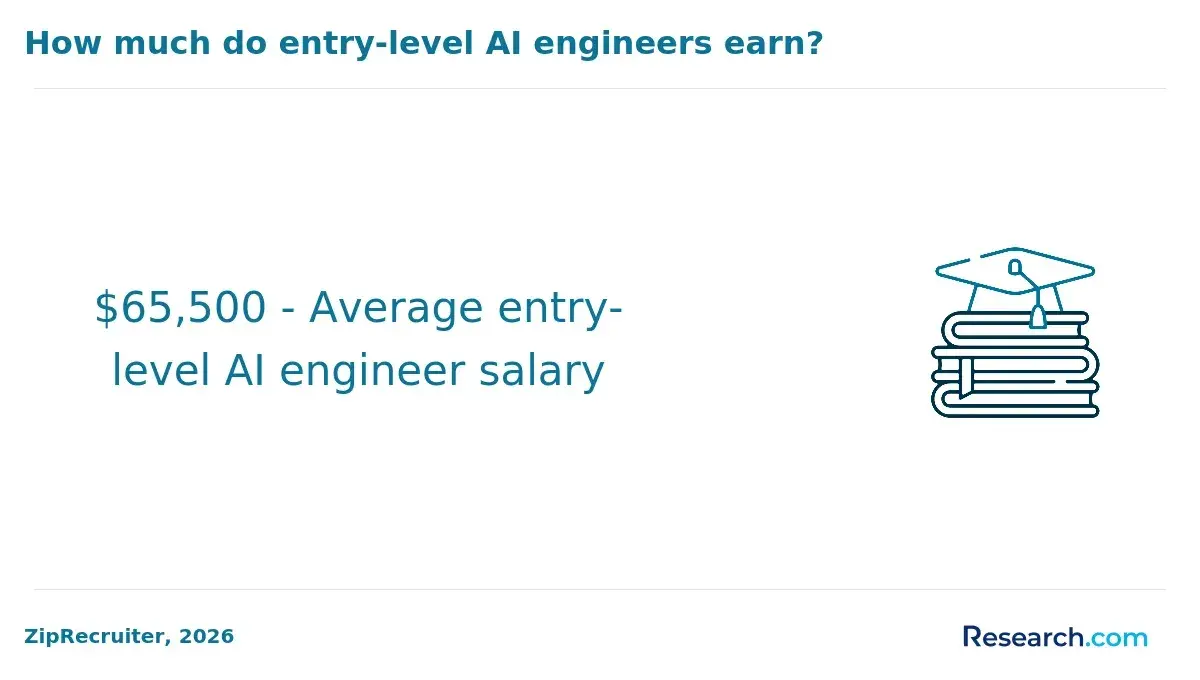
Planners and reviewers with ai skills typically earn higher salaries than those without these capabilities. Entry-level planners proficient in ai make about $65,000 annually, compared to $50,000 for their counterparts lacking such expertise. Mid-career professionals with strong ai abilities see salaries ranging from $85,000 to $110,000. Senior roles that incorporate ai into complex permitting workflows often command over $130,000, reflecting a 20-35% premium over traditional planning positions.
Pay differences depend on factors such as industry sector, location, and how deeply ai is integrated within organizations. Private firms using advanced ai tools generally offer higher wages than public agencies due to competitive pressures and revenue models. For example, industrial planning firms with internal ai development teams can pay up to 30% more than those relying on staff with basic ai familiarity.
Companies investing in internal ai academies for training report higher adoption rates of ai tools and better employee productivity. A 2024 Scaled Agile survey showed agencies with internal ai training had a 24% higher ai tool adoption rate than those using external, ad-hoc courses. Continuous, structured training programs often lead to measurable salary increases for planners and reviewers.
Professionals pursuing ai education should focus on certifications that demonstrate real workplace impact, such as machine learning in spatial data analysis or automated compliance review. Success in these areas frequently translates to salary premiums and faster career advancement opportunities.
Are there industry-recognized AI certifications or standards relevant to planning and permitting practice?
Industry-recognized AI certifications validate skills in applying artificial intelligence for regulatory compliance, spatial data analysis, and process automation-key areas for public-sector planning professionals. Reputable organizations like the International Association for Artificial Intelligence and Planning (IAAI-P) and vendor-neutral programs such as the Artificial Intelligence Board of America (ARTiBA) offer credentials emphasizing AI use in government settings.
Notable certifications include the Certified AI Professional (CAIP), which assesses expertise in AI ethics, governance, and data-driven decision-making-critical for permitting teams managing sensitive regulatory information. For those working with spatial AI, certifications combining Geographic Information Systems (GIS) and AI integration, provided by groups like the Urban and Regional Information Systems Association (URISA), develop specialized skills.
Standards developed by the Institute of Electrical and Electronics Engineers (IEEE), including the IEEE P7000 series focused on ethical AI design, provide frameworks ensuring responsible AI deployment. Adopting these standards enhances public trust and supports compliance with evolving regulations.
According to the OECD's 2024 Skills Outlook, demand for advanced analytical and AI-related skills in public-sector planning is projected to increase by about 40% by 2030, while routine administrative skills decline by 20%. Pursuing certifications with a focus on ethics, data integrity, and regulatory compliance can boost career prospects and aid agencies in modernization efforts.
Other Things You Should Know About Artificial Intelligence
In 2027, recommended AI courses for planning and permitting teams include “AI for Urban Planning” by MIT, “Smart Cities and AI Integration” from Stanford, and Coursera's “AI for Public Policy.” These courses offer insights into AI applications, ethical considerations, and data management tailored for public-sector challenges.
Artificial intelligence systems in public-sector planning often incorporate advanced encryption and access controls to protect sensitive data. AI tools can also monitor for anomalous behavior or potential breaches, enhancing cybersecurity. However, ongoing oversight and compliance with regulatory standards remain essential for secure implementation.
Yes, artificial intelligence can be designed to adapt to evolving regulations by integrating updates into its data models and decision-making frameworks. Machine learning algorithms can learn from new data reflecting policy changes, allowing systems to remain compliant and relevant. Continuous model retraining is necessary to ensure accuracy as rules shift.
Challenges include data compatibility issues, legacy system limitations, and resistance to change among staff. Integrating AI requires significant upfront investment in technology and training. Additionally, ensuring AI outputs are interpretable and align with human expertise is essential to successful adoption.
References
- Google AI Professional Certificate | Become Fluent in AI at Work https://grow.google/ai-professional/
- Artificial intelligence | Adding Value Consulting https://www.addingvalue.nu/courses/artificial-intelligence
- Your Guide to the AI Curriculum Generator https://www.kuraplan.com/us/blog/ai-curriculum-generator
- 8 Ways Companies are Using AI in Compensation Management - Stello AI https://getstello.ai/ways-companies-are-using-ai-in-compensation-management/
- Corporate AI Training for Employees, Corporate Clients & Agencies | Graduate School USA https://www.graduateschool.edu/group-training/ai
- The 12 Best AI Courses Online NZ for Kiwis in 2026 - AutomateAI Blog https://automateai.co.nz/blog/ai-courses-online-nz/
- Towards Generative AI for Course Content Production: Expert Reflections | European Journal of Open, Distance and E-Learning https://eurodljournal.com/en/articles/10.2478/eurodl-2024-0013
- 16 Artificial Intelligence Career Paths https://www.calmu.edu/news/artificial-intelligence-career-paths
- Hybrid Meetings: 10 Best Practices to Keep Remote and In-Office Teams Aligned https://fellow.ai/blog/hybrid-meetings-tips-and-examples/
- AI Upskilling Fund: Application Guide - Local Skills Improvement Plan https://kentemployerskillsplan.org/resources/ai-upskilling-fund-application-guide/