2027 Best AI Courses for Email Marketing Teams Using Generative AI

Co-Founder and Chief Data Scientist
Marketing teams often struggle to keep up with rapidly evolving tools that optimize email campaigns. Generative AI offers powerful solutions for content creation, personalization, and analytics, but mastering it requires targeted training. Without proper guidance, teams risk using these technologies inefficiently, leading to wasted resources and missed engagement opportunities.
This article highlights the best courses designed to equip email marketing professionals with practical skills in generative AI. It aims to help readers identify flexible, accredited programs that enhance their expertise and drive measurable improvements in campaign performance and strategic decision-making.
Key Things You Should Know
- Top AI courses for 2026 emphasize generative AI tools that enhance email personalization and automation, improving open rates by up to 45%, according to 2025 marketing studies.
- Curriculums increasingly combine AI technical skills with marketing strategy, reflecting a 38% rise in demand for professionals fluent in both fields.
- Certification from recognized platforms boosts employability, with 62% of employers favoring applicants trained in the latest generative AI email marketing techniques.
Advance Your Career with AI Online Courses
Artificial Intelligence: Implications for Business Strategy
This program provides an introduction to Artificial Intelligence and their implications for business strategy. Earn an official digital certificate.

Oxford Artificial Intelligence Programme
Explore this Oxford Artificial Intelligence programme offered in a flexible learning environment and explore topics like machine learning, automation, and robotics.

Implementing Agentic AI: Building Your Organizational Playbook
This online MIT Agentic AI course offers a practical approach to deploying AI agents in your organization, including a custom playbook. 3 weeks, exclusive launch price.

AI Adoption: Driving Business Value and Impact
This online MIT AI Adoption: Driving Business Value and Impact offers practical frameworks to close the gap between AI potential and business reality.

Artificial Intelligence in Pharma and Biotech
Discover the applications and limitations of artificial intelligence in pharma and biotech with this MIT online short course.

What is generative AI for email marketing, and why should teams pursue formal courses?
Generative AI applications in email marketing teams enable the automatic creation, personalization, and optimization of email content using advanced machine learning models. This technology generates subject lines, body copy, and calls to action tailored to different audience segments, improving relevance and engagement while reducing manual work.
To harness these benefits, teams should pursue formal generative AI courses for marketers. Structured education provides essential skills in natural language processing, AI ethics, and data hygiene, which are critical for responsible and effective AI use.
Courses also teach practical aspects such as prompt engineering, data segmentation, and automation of A/B testing, empowering marketers to transform AI outputs into measurable performance improvements like higher open and click-through rates.
According to HubSpot's State of Marketing Report 2025, 63% of marketers name generative AI as their top tool for content personalization and campaign optimization. Formal training helps address challenges such as maintaining brand voice and ensuring privacy compliance across automated email campaigns.
For those considering education options, exploring the cheapest data science masters in USA can be a cost-effective way to gain these valuable skills, given the strong overlap between data science and generative AI competencies.
Advance Your Career with AI Online Courses
Artificial Intelligence: Implications for Business Strategy
This program provides an introduction to Artificial Intelligence and their implications for business strategy. Earn an official digital certificate.
Oxford Artificial Intelligence Programme
Explore this Oxford Artificial Intelligence programme offered in a flexible learning environment and explore topics like machine learning, automation, and robotics.
Implementing Agentic AI: Building Your Organizational Playbook
This online MIT Agentic AI course offers a practical approach to deploying AI agents in your organization, including a custom playbook. 3 weeks, exclusive launch price.
Which types of AI courses best support email marketers using generative tools?
Courses that best support email marketing professionals using generative tools focus on AI-driven content creation, data analytics, and marketing automation. Mastery in these areas helps marketers leverage generative AI for crafting personalized subject lines, body copy, and calls to action, reducing manual effort while boosting engagement rates.
Such courses often include hands-on projects with popular generative AI tools like GPT-based writing assistants, enhancing practical skills in brand voice consistency.
Data analytics training for marketers covers interpreting customer behavior and segmentation using AI algorithms. This knowledge enables tailored campaign targeting, improving conversion rates. Marketing automation modules typically teach how to integrate AI with email platforms to optimize send times and perform A/B testing automatically. Specialized courses addressing ethical AI use and data privacy are important for maintaining compliance and customer trust.
Email marketing returns an average $36 for every $1 spent, according to Litmus' 2024 State of Email report, and adopting generative AI can amplify this ROI by generating smarter, more relevant content at scale. Professionals seeking the best generative AI training programs for email marketing teams benefit most from hybrid learning paths that combine AI fundamentals with advanced campaign strategies.
Prospective students interested in deepening their knowledge may explore an AI degree online to build a comprehensive foundation in these transformative technologies.
How do AI courses for email marketing differ between certificates, bootcamps, and degrees?
AI courses for email marketing teams vary significantly depending on whether they are certificates, bootcamps, or degrees. Certificate programs are short-term, focusing on practical skills like using generative AI tools for optimizing email content or segmenting audiences. These courses suit professionals seeking targeted training without large time commitments and often include lessons on GPT-based subject line creation and personalized copywriting.
Bootcamps provide hands-on experience combined with foundational AI concepts. Lasting a few months, they cover data-driven marketing strategies, AI integration into email platforms, and automation using generative AI. Often including project work, bootcamps prepare marketers to implement AI-enhanced workflows such as AI-generated customer journey emails and A/B testing strategies, making them ideal for those aiming to quickly upskill and demonstrate competence.
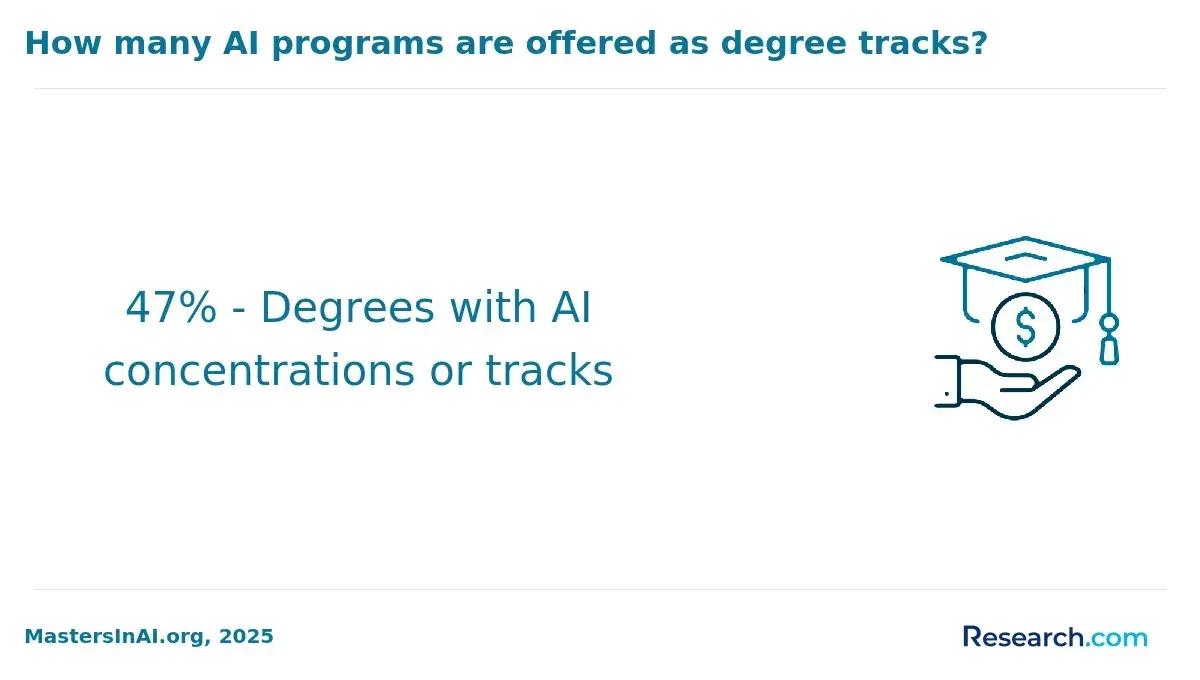
Degree programs in marketing, data science, or computer science with an AI focus offer comprehensive theoretical knowledge and practical depth. These multi-year programs cover machine learning principles, algorithm design, generative AI models, and marketing theory. Graduates gain skills in algorithmic personalization, predictive analytics, and AI ethics, often preparing them for strategic roles developing proprietary AI tools or leading teams.
Prospective students can explore options like an online masters data science to deepen their expertise.
According to McKinsey's 2024 State of AI report, 71% of marketers use AI tools primarily for content creation. This statistic highlights the practical benefits of AI courses for email marketing certification and degrees, emphasizing the growing demand for AI skills. Candidates should consider the differences between certificate, bootcamp, and degree programs in AI email marketing to align their education with their career goals and learning preferences.
What curriculum topics should the best AI email marketing courses consistently cover?
The best AI email marketing courses cover essential topics that empower teams to design, execute, and optimize campaigns using generative AI effectively. Central to this is data-driven customer segmentation and personalization, reflecting that 73% of customers expect companies to understand their unique needs. These courses teach how AI-driven email personalization strategies analyze behavioral data to tailor content, subject lines, and send times, thereby improving engagement and conversion rates.
Generative AI content creation for email campaigns is a critical focus, with practical training on prompt engineering and AI copywriting. Students learn how to craft varied email formats-promotional, transactional, and drip campaigns-while aligning with brand voice and regulatory compliance such as CAN-SPAM and GDPR.
Automation and workflow design train learners to integrate AI with CRM systems and marketing platforms to automate segmentation, trigger-based campaigns, and A/B testing. This reduces manual workload and enhances targeting precision.
Analytics and performance measurement modules enable marketers to interpret AI-powered insights, track KPIs like open and click-through rates, and refine strategies. Exposure to predictive analytics models forecasting customer behavior trends is vital.
Ethical considerations and data privacy form a core part of the curriculum, emphasizing secure data handling and transparent AI use. Additional topics include AI bias mitigation, multilingual content adaptation, and integration with technologies like conversational AI for dynamic interactions.
Those interested in advancing their skills can also consider a cybersecurity degree online for veterans to complement their expertise.
How can learners compare online, hybrid, and campus AI programs for email marketing?
Online, hybrid, and campus-based AI programs for email marketing each offer distinct advantages depending on a learner's needs. Online options provide the greatest flexibility, ideal for professionals balancing work and study. They often rely on pre-recorded lectures and digital materials but may lack live interaction and personalized support.
Hybrid programs combine digital instruction with occasional in-person classes, allowing students to access direct faculty guidance and networking opportunities while maintaining some schedule flexibility. Campus programs deliver fully immersive experiences, featuring hands-on labs, real-time collaboration, and immediate feedback, critical for mastering complex generative AI applications.
However, they require fixed schedules and possible relocation, which might not fit everyone's lifestyle or budget.
Learners should consider factors such as:
- Work and personal commitments affecting availability for structured schedules
- The need for direct instructor interaction to grasp advanced AI concepts
- Access to cutting-edge AI technologies and peer collaboration
- Cost differences, including program fees and living expenses
According to SurveyMonkey's 2024 AI in Marketing report, marketers using AI save an average of 2.5 hours daily. This efficiency underscores the value of programs emphasizing practical, hands-on experience with generative AI tools tailored specifically for email marketing, rather than purely theoretical courses.
What accreditation and industry standards matter for AI and marketing programs?
Accreditation from bodies recognized by the U.S. Department of Education or the Council for Higher Education Accreditation (CHEA) plays a vital role in ensuring AI and marketing programs provide rigorous, credible training. These accreditations guarantee that students gain comprehensive knowledge aligned with ethical and academic standards.
Aligning course content with industry standards such as the CAN-SPAM Act and the General Data Protection Regulation (GDPR) is essential for legal compliance in email marketing. Programs focusing on AI-driven email campaigns that incorporate these regulations prepare learners to develop ethical and compliant strategies.
Technical protocols like DMARC, DKIM, and SPF are critical for improving email deliverability. According to the Validity 2024 Email Deliverability Benchmark report, nearly 1 in 6 legitimate marketing emails fail to reach inboxes. Mastering these standards equips marketers with the skills to enhance campaign performance and reduce bounce rates.
Professional certifications from the Digital Marketing Institute or the Data & Marketing Association (DMA) provide valuable industry validation. Employers increasingly prioritize candidates holding these credentials to demonstrate relevant expertise in AI-powered marketing.
Prospective students should seek programs that offer hands-on experience with AI tools conforming to recognized standards, effectively combining theoretical knowledge with practical skills to meet industry demands.
What are typical admission requirements, timelines, and costs for these AI programs?
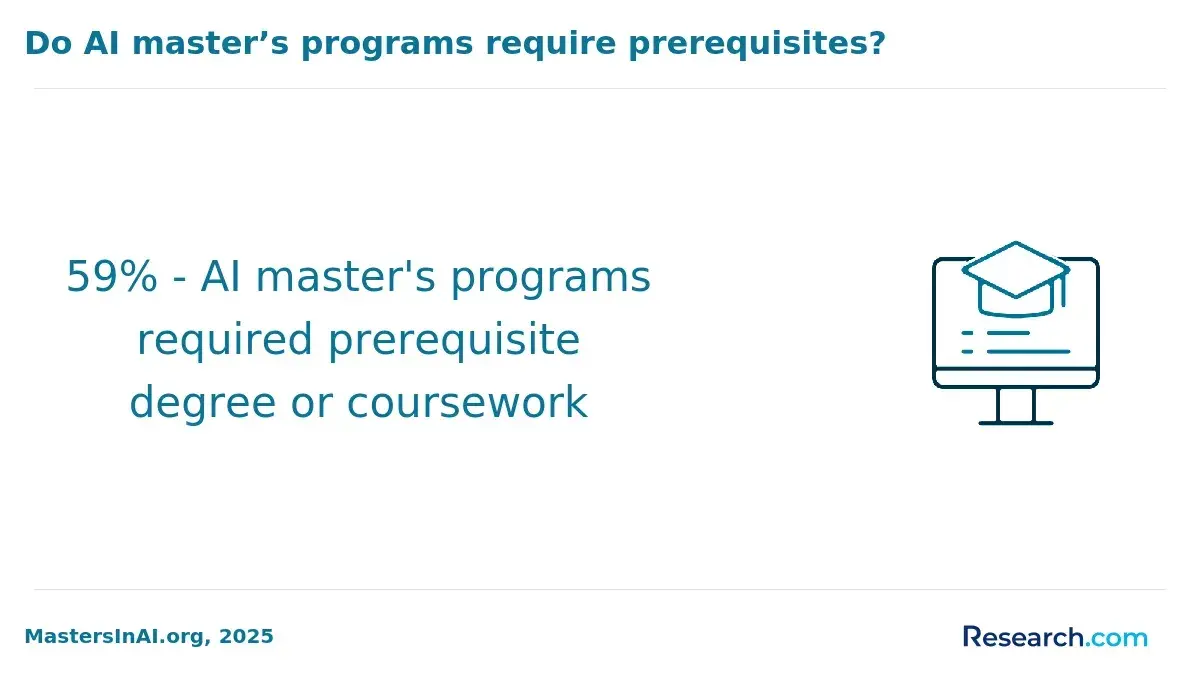
Email marketing teams looking to enhance their skills with AI-focused courses typically need a basic understanding of marketing principles, data analytics, and sometimes prior experience in digital marketing or coding. Many programs accept applicants with a high school diploma or equivalent, though advanced courses may require a bachelor's degree in marketing, business, or computer science.
Program durations vary widely, from short, intensive workshops of 2 to 4 weeks to comprehensive certifications or degree courses lasting 3 to 6 months, often with flexible online options to accommodate working professionals studying part-time.
Costs reflect different formats and providers: entry-level courses range from $300 to $1,200, while advanced or university-backed programs can cost $2,000 to $6,000. For example, a focused online bootcamp on generative AI in marketing might charge around $1,000 for a 4-week course, whereas a university certificate program with hands-on projects could exceed $4,500.
- Tiered pricing and modular content tailor learning to various budgets and speeds
- Scholarships and employer tuition reimbursement are common for marketing roles using emerging AI tools
It is crucial to choose courses that include up-to-date content on generative AI's ethical use. Only 32% of consumers feel comfortable with brands personalizing messages through AI, underscoring the need for training in both technical skills and consumer trust compliance.
Which careers and job titles can AI email marketing training prepare students for?
AI email marketing training supports a wide range of careers in marketing, communications, and data-driven roles. Key positions include email marketing specialists who use generative AI tools to design, execute, and analyze campaigns, optimizing content and segmentation. Marketing automation managers learn to integrate AI-powered platforms that enhance workflows and personalize user experiences.
Content strategists leverage AI for scalable email copy and subject lines, addressing low engagement and high unsubscribe rates.
Other relevant roles are digital marketing analysts who apply AI insights to measure campaign success and forecast customer behavior. Growth marketers combine AI with traditional tactics to boost lead generation and improve conversion rates. CRM managers employ AI skills to refine customer journey mapping and automate communications triggered by behavior.
Leadership positions, such as marketing directors and campaign managers, benefit from AI training by understanding how AI transforms strategy and resource allocation, helping justify technology investments and set team benchmarks. Adobe's Workfront State of Work report states that 87% of marketing leaders say AI helps them produce more content faster, highlighting AI's impact on productivity.
This training suits both graduates starting their careers and experienced marketers transitioning to AI-driven methods. Mastering generative AI addresses real challenges like content bottlenecks, data silos, and personalization gaps, making professionals more competitive in evolving digital marketing landscapes.
What salary ranges and job outlook can AI-skilled email marketers expect in the U.S.?
Email marketers skilled in generative AI can expect annual salaries ranging from $65,000 to $110,000 in the U.S., influenced by experience and company size. Entry-level positions focused on AI-driven campaign strategies typically start near $65,000, while seasoned professionals managing large-scale AI projects or leading teams may earn $110,000 or more.
Expertise in generative AI tools such as GPT models, natural language generation, and predictive analytics enhances earning potential significantly.
The demand for AI-competent email marketers is growing as automation and generative AI reshape marketing workflows, increasing the need for professionals who can leverage these technologies for better engagement and personalized communication. Yet, according to Microsoft and LinkedIn's 2024 Work Trend Index Annual Report, only about 38% of employees receive AI training at work, highlighting a notable skills gap.
Key practical considerations for those pursuing this field include:
- Gaining proficiency with AI content generation tools integrated into email platforms.
- Understanding data privacy and compliance surrounding AI personalization.
- Combining creative instincts with AI analytics to improve targeting and segmentation.
Employers prioritize certifications and evidence of generative AI application in email marketing. Upskilling in AI differentiates candidates, enhances job security, and meets evolving market demands. Engaging with AI-focused marketing communities can also boost professional visibility and opportunities.
How should teams evaluate and choose a reputable AI course provider for email marketing?
Choosing the right AI course provider for email marketing requires careful evaluation of curriculum relevance and practical application. Top providers emphasize generative AI techniques tailored to personalized, scalable email content creation and automation. Courses featuring hands-on projects with real-world datasets enable stronger learning retention compared to purely theoretical instruction.
Instructor expertise is essential. Select courses led by professionals with proven experience in AI-driven marketing analytics. Look for endorsements or partnerships with recognized industry bodies or marketing technology firms, which validate provider credibility. Ensure course material is regularly updated to match the fast-evolving AI tools and marketing trends.
Consider the learning format and support options. Teams pressed for time may benefit from modular or self-paced courses, while others gain from cohort-based programs offering peer interaction. Additional mentorship or direct feedback from instructors can accelerate skill mastery and problem-solving.
Cost and certification value are important factors. Compare pricing with included resources and certificates that boost professional credentials. According to Gartner's 2025 Marketing Technology Survey, only 28% of marketing teams have formal generative AI strategies, so investing in trusted courses offers strategic advantages. Post-course support like community forums or advanced modules helps maintain a competitive edge as generative AI rapidly advances.
Other Things You Should Know About Artificial Intelligence
In 2027, top AI courses for email marketing teams include "Generative AI for Marketers" by Coursera, "Advanced AI Tools for Email Marketing" by Udacity, and "AI-Driven Campaign Strategies" on LinkedIn Learning. These courses introduce the latest generative AI technologies and their applications in crafting innovative email marketing strategies.
Ethical considerations in artificial intelligence marketing include data privacy, transparency, and avoiding bias in AI algorithms. Marketers must ensure AI tools comply with legal standards, respect customer data rights, and provide clear disclosures about AI-generated content to maintain trust and accountability.
Ongoing training is crucial because artificial intelligence technologies evolve rapidly, requiring teams to stay current on new features, best practices, and regulatory changes. Continuous education helps maintain efficiency, improve campaign outcomes, and mitigate risks associated with outdated AI tools or misunderstood capabilities.
Yes, AI has limitations such as difficulty interpreting complex human emotions and context within email responses. While AI excels at analyzing large datasets for trends and patterns, it may struggle with ambiguous language nuances or unique customer preferences that need human judgment for accurate interpretation.
References
- AI Courses for Marketing 2026: Complete Guide to Training Your Team https://technovapartners.com/en/insights/cursos-ia-marketing-2026
- Practical Ways to Use AI in Higher Ed Email Marketing https://www.keg.com/news/using-ai-in-higher-ed-marketing
- 56 Email Marketing Bootcamps https://www.coursereport.com/subjects/email-marketing
- 10 Reasons a Professional Certification is Better than a Degree - Boot Camp Digital https://bootcampdigital.com/blog/10-reasons-a-professional-certification-is-better-than-a-degree/
- 10 Best Free AI Courses for Marketing and Business Professionals (2026) https://willfrancis.com/10-best-free-ai-courses-for-marketing-and-business-professionals-2026/
- CourseCareers https://coursecareers.com/blog-posts/7-best-digital-marketing-courses
- University Degree vs AI Bootcamp: Which is Best Career Path? https://agilefever.com/university-degree-vs-ai-bootcamp-which-is-best/
- Top Career Opportunities in AI Digital Marketing https://www.aipowereddigital.marketing/blog/top-career-opportunities-in-ai-digital-marketing
- How GenAI Changes the Way We Run Email Marketing Campaigns — Serpstat Blog https://serpstat.com/blog/how-genai-changes-email-marketing/
- International Bachelor of Science in AI https://psl.eu/en/education/international-bachelor-science-ai