2027 Best Agentic AI Courses for Founders and CEOs

Co-Founder and Chief Data Scientist
Founders and CEOs face increasing pressure to integrate agentic AI into their business strategies without extensive technical backgrounds. Many struggle to identify courses that balance strategic insight with practical application, complicating their ability to lead AI-driven innovation. This gap can stall growth and reduce competitive advantage in rapidly evolving markets.
The article examines top agentic AI courses designed specifically for busy professionals seeking flexible, accredited learning. It aims to guide readers toward programs that empower effective leadership in AI adoption and strategy execution, helping bridge knowledge gaps and accelerate informed decision-making.
Key Things You Should Know
- Agentic AI courses for founders and CEOs in 2026 emphasize strategic decision-making skills with projected 35% growth in related tech leadership roles by 2027.
- Top programs integrate real-world simulations and ethical AI applications, reflecting 2025 industry demands for responsible autonomous systems.
- Enrollment data shows a 40% increase in executive-level AI education participation since 2024, highlighting growing market adoption and competitive advantage needs.
Advance Your Career with AI Online Courses
Artificial Intelligence: Implications for Business Strategy
This program provides an introduction to Artificial Intelligence and their implications for business strategy. Earn an official digital certificate.

Oxford Artificial Intelligence Programme
Explore this Oxford Artificial Intelligence programme offered in a flexible learning environment and explore topics like machine learning, automation, and robotics.

Implementing Agentic AI: Building Your Organizational Playbook
This online MIT Agentic AI course offers a practical approach to deploying AI agents in your organization, including a custom playbook. 3 weeks, exclusive launch price.

AI Adoption: Driving Business Value and Impact
This online MIT AI Adoption: Driving Business Value and Impact offers practical frameworks to close the gap between AI potential and business reality.

Artificial Intelligence in Pharma and Biotech
Discover the applications and limitations of artificial intelligence in pharma and biotech with this MIT online short course.

What is agentic AI and why should founders and CEOs consider taking specialized courses?
Agentic AI systems autonomously perform multi-step tasks by setting goals, planning, executing actions, and adapting without human input. For founders and CEOs, specialized agentic AI training unlocks significant operational efficiencies and competitive advantages within complex business settings. Incorporating agentic AI courses for founders and ceos equips leaders with skills to harness these autonomous systems effectively.
A 2024 Gartner survey revealed that 38% of organizations piloting or deploying generative AI are already using agent-based systems to automate multi-step business workflows. Additionally, Gartner predicts that by 2026, more than 80% of enterprises will have adopted generative AI APIs, models, or generative AI-enabled applications in production, underscoring the need for executives to gain in-depth knowledge in this area.
Executives benefiting from specialized agentic AI training for executives typically learn to:
- Identify practical use cases for autonomous AI in sales, customer service, supply chain, and product development.
- Design AI integration strategies that complement human teams.
- Address operational risks including AI ethics, bias, and compliance.
- Assess vendor solutions and select scalable AI platforms aligned with organizational goals.
These skills allow startups to automate customer acquisition with limited oversight and enable larger firms to improve procurement by linking AI agents to legacy systems. Founders and CEOs pursuing an AI degree or related courses gain critical expertise that supports data-driven investment decisions and accelerates digital transformation.
Advance Your Career with AI Online Courses
Artificial Intelligence: Implications for Business Strategy
This program provides an introduction to Artificial Intelligence and their implications for business strategy. Earn an official digital certificate.
Oxford Artificial Intelligence Programme
Explore this Oxford Artificial Intelligence programme offered in a flexible learning environment and explore topics like machine learning, automation, and robotics.
Implementing Agentic AI: Building Your Organizational Playbook
This online MIT Agentic AI course offers a practical approach to deploying AI agents in your organization, including a custom playbook. 3 weeks, exclusive launch price.
What types of agentic AI courses are best for busy founders and CEOs?
Agentic artificial intelligence training programs for busy founders and CEOs concentrate on strategic, high-impact learning tailored to leadership demands. These courses prioritize practical AI applications rather than deep technical details, enabling leaders to efficiently integrate AI solutions within their organizations.
The top agentic AI courses tailored for CEO leadership development often include case studies, industry-specific insights, and frameworks addressing governance and ethical AI use. Modular formats with flexible schedules and bite-sized content help executives remain up to date without disrupting their busy agendas. Key course types focus on:
- Strategic AI Leadership: Aligning AI initiatives with business goals, risk management, and change leadership to drive competitive advantage.
- AI Upskilling for Executives: Introducing foundational AI concepts and terminology critical for overseeing AI integration and innovation.
- Applied AI in Business Functions: Exploring AI applications in sales, marketing, operations, and finance to help CEOs prioritize investments and measure ROI.
- Ethics and Governance: Ensuring regulatory compliance and responsible AI deployment to mitigate legal risks and protect reputation.
According to McKinsey's global AI survey, companies adopting GenAI at scale realize a median 10-20% EBIT uplift in AI-enabled business units. Furthermore, 65% of these high performers invest in targeted AI upskilling programs for senior leaders. This data highlights how leadership education enhances organizational outcomes and supports dedicated executive training initiatives.
For those interested in expanding their skills, some may also explore affordable related fields such as mechanical engineering. In fact, the cheapest mechanical engineering degree online options can complement AI expertise in technical foundations.
How do you evaluate the quality and ROI of agentic AI courses for executives?
Evaluating agentic artificial intelligence courses for executives involves assessing curriculum relevance and depth, including foundational AI concepts and advanced agentic AI applications tailored to strategic leadership. Key elements include case studies, real-world projects, and challenges relevant to integrating AI agents into decision-making processes. This approach aligns with key indicators for evaluating agentic AI training quality for founders and CEOs.
Instructor expertise is critical; courses led by industry professionals with proven experience deploying agentic AI at enterprise scale offer higher value. Verify instructor credentials and connections to AI research or companies to ensure alignment with industry standards.
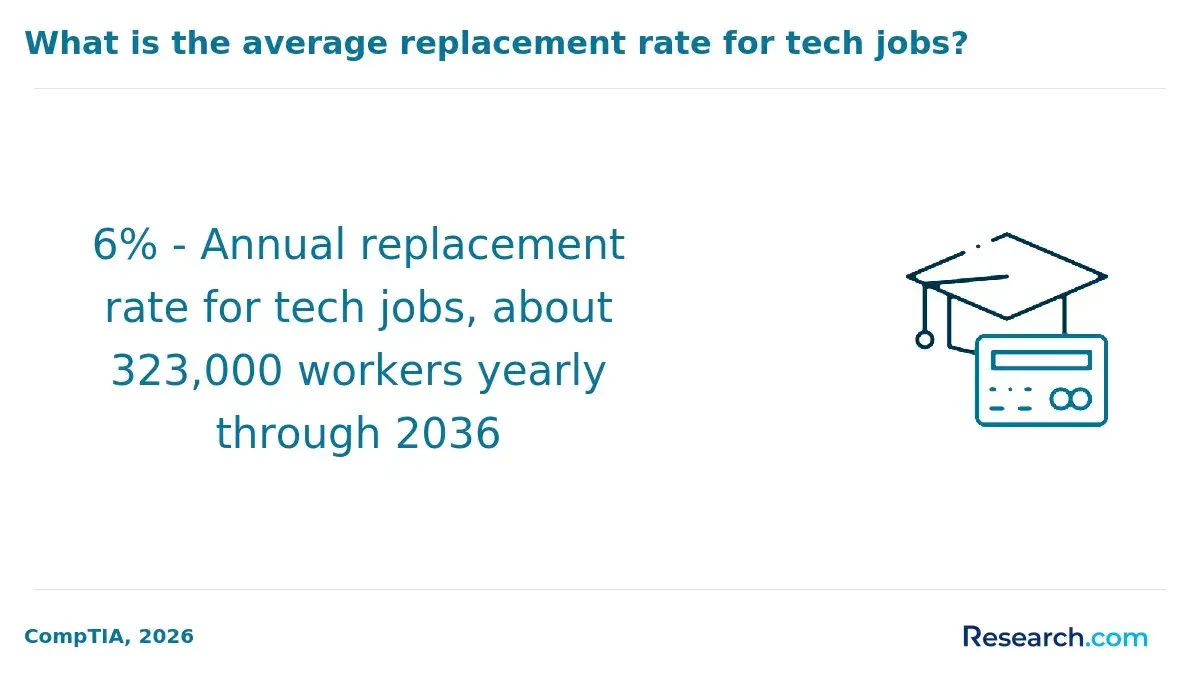
Practical outcomes should be measured through learner testimonials and career impacts. According to LinkedIn's Global Future of Work Report, job postings mentioning "agentic AI" or "AI agents" surged over 70% year-over-year, with roles requiring GenAI skills offering an 18% median salary premium. This showcases the direct return on investment possible when mastering agentic artificial intelligence for executives.
Executive-fit also matters: flexible scheduling, personalized coaching, and peer interaction enhance learning transfer. Comparing course costs against expected salary uplifts or leadership opportunities aids ROI assessment. For example, a $5,000 course that leads to an 18% salary increase justifies the investment. For deeper academic options or to explore advanced credentials, consider exploring an online PhD in AI.
What admission requirements and prior experience do top agentic AI programs expect from leaders?
Top agentic AI programs for founders and CEOs typically require applicants to demonstrate substantial leadership experience combined with a strong foundation in technology management or digital transformation. Most courses expect at least five to seven years in senior executive roles, preferably with direct responsibility for innovation, strategy, or technology adoption. Candidates with prior experience requirements for agentic AI executive programs have an advantage, especially those involved in AI projects, product development, or data-driven decision-making. Evidence of organizational impact, such as leading AI-driven initiatives or digital pivots, is often requested.
Highly selective programs value a proven track record of strategic problem-solving and managing cross-functional teams. For applicants lacking formal AI technical skills, business acumen, change management expertise, and collaboration with technical specialists become critical. Practical experience, such as piloting AI prototypes or leading automation efforts, adds significant value. Some programs request letters of recommendation or endorsements affirming leadership in digital innovation.
Executives should expect rigorous hands-on learning, emphasizing readiness over academic credentials. A BCG survey found that C-suite leaders completing focused, hands-on GenAI training were 2.1× more likely to launch revenue-generating AI use cases within six months. Demonstrating initiative in AI adoption and aligning AI strategy with business goals is crucial for founders and CEOs, often substituting for coding skills.
Programs may assess candidates' ability to drive ethical AI deployment and navigate regulatory challenges relevant to their industries. Prospective students aiming to become proficient in this field can explore career insights, including salary expectations, through resources like AI trainers.
How do online, hybrid, and on-campus agentic AI programs compare for executives?
Online agentic AI programs offer busy founders and CEOs flexibility, allowing them to learn across global time zones. These programs typically provide foundational knowledge and applied case studies but often lack real-time interaction and hands-on mentorship. For example, such courses may focus on AI governance frameworks relevant to strategic risk management but offer limited opportunities to simulate decision-making under uncertainty.
Hybrid programs combine online learning with in-person sessions, enhancing networking and leadership workshops. This approach benefits executives aiming to deepen practical skills while retaining flexibility. Hybrid formats often feature interactive modules like live AI ethics debates and scenario planning exercises, supporting richer peer engagement than purely online options.
On-campus programs deliver immersive, intensive training with direct faculty access and live collaboration. They suit executives who need comprehensive exposure to AI governance, legal risk, and implementation strategies. Hands-on experiences, including labs and simulations, help master complex governance challenges where soft skills and ethical judgment are vital.
According to PwC's 2024 Global AI Jobs Barometer, only 23% of companies provide formal AI governance training for senior management, while 61% cite legal and ethical AI risks among their top concerns. This gap highlights the necessity for executive education that integrates both conceptual understanding and governance application. Executives should choose formats aligned with their schedules and goals: hybrid or on-campus courses for in-depth governance expertise, or online programs for broader foundational awareness.
What core topics and skills are covered in leading agentic AI curricula for decision-makers?
Agentic AI curricula for founders and CEOs emphasize practical skills and strategic insight crucial for leveraging AI in business. These programs focus on AI fundamentals tailored to executives, highlighting AI's capabilities, limitations, and ethical considerations without requiring technical coding expertise.
Key elements include strategic frameworks to identify impactful AI use cases, integration with existing business models, and managing AI-driven transformations. Risk management and governance topics cover data privacy, algorithmic bias, regulatory compliance, and maintaining transparency.
Leadership development plays a vital role, promoting interdisciplinary team management, AI literacy throughout organizations, and fostering innovative mindsets. Scenario planning and decision-making exercises demonstrate applications of generative AI in customer engagement, product development, and operational efficiency.
Practical case studies from industries like finance, healthcare, and retail illustrate AI's influence on competitive strategy and market positioning. Additionally, courses emphasize interpreting AI-driven data analytics to support informed decisions.
Data from Coursera's 2024 Industry Skills report reveals that executive-focused AI and GenAI courses see completion rates near 38%, compared to 22% for broad technical AI specializations, indicating higher engagement when content targets decision-makers. This highlights the value of curricula centered on actionable insights, governance, and leadership in executive education.
How long do agentic AI courses for founders typically take, and what do they cost?
Agentic AI courses designed for founders and CEOs range from brief, intensive bootcamps lasting 20 to 30 hours to more extensive programs exceeding 60 hours. These longer courses often include project-based learning and strategic AI integration tailored to leadership roles. Self-paced options extend over several months but require learners to manage their schedules flexibly.
Pricing varies significantly based on course depth, provider reputation, and delivery format:
- Entry-level programs: $800 to $1,500, focusing on foundational AI application and decision-making
- Mid-tier courses: $2,000 to $5,000, covering specialized AI agent design and management
- Premium offerings: Over $7,000, often including mentorship, case studies, and certification
- Subscription models: $200 to $500 monthly for ongoing executive AI education
According to Deloitte's 2024 State of Generative AI in the Enterprise survey, 44% of companies have increased AI training budgets by more than 25%, with nearly half expecting a positive return on investment within one to two years. This underscores growing organizational commitment to strengthening AI capabilities.
Founders and CEOs should weigh shorter courses for immediate operational benefits against longer, comprehensive ones offering deeper understanding. Combining cohort-based learning with self-directed study can optimize educational outcomes without disrupting executive duties.
Which accredited universities, business schools, and platforms offer reputable agentic AI training?
Several accredited universities and top business schools offer executive training in agentic AI targeting founders and CEOs focused on AI-driven innovation. Notable programs from Stanford University and MIT emphasize autonomous decision-making in AI systems, blending deep technical insights with leadership skills crucial for today's AI landscape.
Harvard Business School and Wharton provide specialized AI management courses designed for C-suite executives. These courses cover AI integration, governance, and scaling AI initiatives, with Wharton's AI for Business strategy program including case studies on agentic AI's role in competitive advantage and leadership challenges.
Online platforms like Coursera, edX, and Udacity extend accessibility through partnerships with leading universities. For example, MIT's Artificial Intelligence: Implications for Business Strategy on edX offers practical guidance on managing autonomous AI systems, while Udacity's AI Product Manager Nanodegree focuses on agentic AI product development-essential for CEOs overseeing AI portfolios.
Research shows that investing in structured GenAI upskilling correlates with stronger innovation outcomes. According to Accenture's 2024 report on GenAI in the enterprise, organizations providing such training are 3.3× more likely to develop proprietary AI solutions and 74% report accelerated innovation cycles. This highlights executive education as a strategic investment for founders and CEOs leading AI initiatives.
How can agentic AI education impact a founder's or CEO's career, salary, and company valuation?
Agentic AI education equips founders and CEOs with the skills to strategically leverage generative AI tools, producing tangible benefits in career growth, salary, and company valuation. The 2024 Global AI Adoption Index from IBM reveals that 61% of top-performing companies credit generative AI with a competitive edge, yet 43% cite limited AI skills among leadership as a major hurdle to scaling AI efforts. This underscores the need for executives to build practical, agentic AI expertise.
Leaders proficient in agentic AI make quicker, data-driven decisions, enhancing innovation and operational efficiency. This attracts investors who value AI-fueled scalability, often resulting in higher company valuations. Moreover, AI-literate executives typically earn premium salaries reflecting their ability to transform business models.
Notable advantages include:
- Faster identification of AI opportunities that accelerate product development and market entry.
- Better alignment of AI initiatives with business objectives, leading to increased profitability.
- Greater influence in board and investor meetings due to confident AI fluency.
Executives lacking these skills risk salary stagnation and diminished market relevance. Conversely, those completing intensive AI programs frequently report 15-30% salary increases within a year and improved company valuations by demonstrating leadership in AI innovation.
Are there certifications or executive badges in agentic AI that enhance leadership credibility?
Certifications and executive badges in agentic AI play a crucial role in enhancing leadership credibility by showcasing specialized expertise in managing AI-driven decision-making and autonomous systems. These credentials provide founders and CEOs with validated knowledge needed to implement AI integration strategically and ethically. Industry-recognized programs often emphasize AI governance, risk management, and innovation management-key areas that senior executives face in real business challenges.
Examples include executive certificates from leading universities and institutes offering targeted curricula on responsible AI deployment and leadership, alongside badges from professional organizations that highlight agentic AI capabilities. These certifications cover topics such as strategic planning for AI autonomy, ethical frameworks, and overseeing AI-enabled operational decisions, all directly relevant for C-suite roles.
The growing pace of AI development has increased the demand for such qualifications. The World Economic Forum's Future of Jobs report estimates that 40% of workers will require reskilling in the next three years due to AI and automation, and over 75% of companies plan AI and generative AI training targeted at managers and executives. This highlights the importance of formal credentials for leaders seeking to future-proof their roles.
Obtaining certifications improves leadership abilities to:
- Align AI strategies with business objectives.
- Manage risks posed by autonomous AI systems.
- Build organizational trust in AI-driven innovation.
- Drive AI literacy and cultural change within teams.
For CEOs and founders, demonstrating expertise through these credentials offers measurable proof of capability, influencing investor confidence and stakeholder trust. Without such qualifications, leaders may find it difficult to validate their grasp of AI's evolving role in strategic decision-making.
Other Things You Should Know About Artificial Intelligence
Business leaders must address several ethical concerns including data privacy, bias in AI decision-making, transparency, and accountability. AI systems can unintentionally reinforce existing biases if not properly designed or audited. Ensuring ethical AI use involves implementing fairness measures, securing sensitive data, and maintaining clear communication about AI's role in decision processes.
In 2027, some of the best agentic AI courses for CEOs include "AI Strategy for Decision Makers" at MIT Sloan, "Art of AI Leadership" at Stanford Online, and "Executive AI Implementation" offered by Harvard Business Review. These courses focus on strategic implementation and leadership in AI environments.
Founders encounter challenges such as limited access to quality data, high costs of AI development, and a shortage of skilled talent. Additionally, they must carefully evaluate AI tools to ensure alignment with business goals and avoid overreliance on untested technologies. Managing expectations and maintaining agility during AI adoption are also key difficulties.
Yes, artificial intelligence can enhance decision-making by providing data-driven insights, predictive analytics, and risk assessment tools. Executives using AI are better equipped to identify trends, optimize operations, and make faster, more informed strategic choices. However, human judgment remains crucial to interpret AI outputs within the broader organizational context.
References
- 7 free agentic AI training courses - PEX Network https://www.processexcellencenetwork.com/ai/articles/7-free-agentic-ai-training-courses-for-business-leaders
- Executive Programme in Generative & Agentic AI for Business | IIM Indore https://iimindore.emeritus.org/iimi-executive-programme-in-generative-and-agentic-ai-for-business-applications
- How IT leaders can measure the ROI of agentic AI initiatives https://www.elastic.co/blog/how-it-leaders-measure-roi-of-agentic-ai-initiatives
- AI agents and agentic AI: A leadership primer for government decision-makers - Global Government Forum https://www.globalgovernmentforum.com/ai-agents-and-agentic-ai-a-leadership-primer-for-government-decision-makers/
- MIT Professional Education Launches New Course on Applied Agentic AI for Organizational Transformation - Mass Tech Leadership Council https://www.mtlc.co/mit-professional-education-launches-new-course-on-applied-agentic-ai-for-organizational-transformation/
- Agentic AI https://www.deeplearning.ai/courses/agentic-ai
- State of Agentic AI: Founder’s edition | MMC https://mmc.vc/research/state-of-agentic-ai-founders-edition/
- How will agentic AI challenge and change your business? https://www.mercer.com/insights/talent-and-transformation/skill-based-talent-management/how-will-agentic-ai-challenge-and-change-your-business/
- Agentic AI ROI: Measure Enterprise Impact https://www.qbotica.com/agentic-ai-roi-guide
- Generative & Agentic AI Certification Course Online | BITS Pilani Digital https://bitspilani-digital.edu.in/certification/generative-ai-agentic-ai-course