2027 Best AI Courses for Grid Management Teams

Co-Founder and Chief Data Scientist
Grid management teams face rising challenges in optimizing energy distribution amid increasing demand and the integration of renewable sources. Legacy systems struggle to adapt, leading to inefficiencies and risks of outages. Upskilling in AI-driven solutions becomes essential for professionals aiming to ensure grid stability and efficiency.
This article examines the best AI courses tailored to equip grid management personnel with practical knowledge and advanced skills. It guides readers through accredited, flexible programs designed to facilitate a career transition into the AI sector focused on modern energy infrastructures.
Key Things You Should Know
- AI courses for grid management emphasize predictive analytics and real-time optimization, essential for improving grid reliability amid increasing renewable integration.
- Enrollment in specialized AI energy programs grew 27% between 2024 and 2025, reflecting rising industry demand for skilled professionals.
- Effective curriculum combines machine learning, control systems, and cybersecurity to equip teams with tools to manage complex power grids securely and efficiently.
Advance Your Career with AI Online Courses
Artificial Intelligence: Implications for Business Strategy
This program provides an introduction to Artificial Intelligence and their implications for business strategy. Earn an official digital certificate.

Oxford Artificial Intelligence Programme
Explore this Oxford Artificial Intelligence programme offered in a flexible learning environment and explore topics like machine learning, automation, and robotics.

Implementing Agentic AI: Building Your Organizational Playbook
This online MIT Agentic AI course offers a practical approach to deploying AI agents in your organization, including a custom playbook. 3 weeks, exclusive launch price.

AI Adoption: Driving Business Value and Impact
This online MIT AI Adoption: Driving Business Value and Impact offers practical frameworks to close the gap between AI potential and business reality.

Artificial Intelligence in Pharma and Biotech
Discover the applications and limitations of artificial intelligence in pharma and biotech with this MIT online short course.

What are the best AI courses for grid management teams and how do they work?
Top AI courses for grid management teams focus on practical skills such as machine learning, data analytics, and predictive modeling tailored to power grids. Programs feature specialized modules on smart grid technologies, real-time demand forecasting, and anomaly detection. These courses blend theoretical knowledge with hands-on projects using historical grid data and simulation platforms. For instance, students often develop AI-driven algorithms to optimize load distribution or predict equipment failures. This approach highlights some of the best AI training programs for grid management teams today.
Offered by technical universities and professional platforms, these courses emphasize reinforcement learning in grid control and integrating distributed energy resources. Participants learn to design AI models that increase grid stability and efficiency amid fluctuating renewable energy inputs. Such models enable significant cost savings and emission reductions by optimizing energy flow and preventing outages.
How AI courses enhance grid management skills includes training in:
- Data preprocessing techniques specific to energy systems.
- Use of neural networks and decision trees for fault detection.
- Simulation of grid scenarios to evaluate AI interventions.
- Hands-on experience with software like TensorFlow and PyTorch applied to grid datasets.
- Case studies showcasing real-world implementation challenges and solutions.
By 2030, AI-enabled power grid optimization may reduce global electricity sector emissions by up to 15% and lower operating costs by up to 10%, according to the International Energy Agency (IEA). Thus, professionals should prioritize programs offering application-oriented training aligned with industry demands. Students interested in advancing their expertise should explore options such as the best online computer science degree programs that often include comprehensive AI curricula applicable to grid management.
Advance Your Career with AI Online Courses
Artificial Intelligence: Implications for Business Strategy
This program provides an introduction to Artificial Intelligence and their implications for business strategy. Earn an official digital certificate.
Oxford Artificial Intelligence Programme
Explore this Oxford Artificial Intelligence programme offered in a flexible learning environment and explore topics like machine learning, automation, and robotics.
Implementing Agentic AI: Building Your Organizational Playbook
This online MIT Agentic AI course offers a practical approach to deploying AI agents in your organization, including a custom playbook. 3 weeks, exclusive launch price.
What skills and knowledge should AI courses for grid management teams focus on?
AI courses designed for grid management teams must blend advanced technical skills with domain-specific knowledge critical for optimizing energy systems. Core competencies include machine learning approaches tailored to load forecasting, which can reduce forecast errors by 20-30% compared to traditional models, as highlighted in a review published in Renewable and Sustainable Energy Reviews. Practical training in demand response modeling and real-time grid balancing algorithms enhances decision-making amid variable renewable energy supplies. These programs also emphasize AI integration techniques for grid management teams to effectively apply these tools within complex infrastructures.
Essential data analytics skills for grid management with AI involve data engineering techniques such as cleaning, processing, and managing large volumes of energy consumption and generation information. Familiarity with Python and key AI frameworks equips participants to build and deploy predictive models proficiently. Understanding grid infrastructure-including smart meters, IoT devices, and SCADA systems-is vital to contextualize AI applications in real-world operations.
Ethical AI use and cybersecurity awareness are equally important. Grid teams must ensure AI solutions maintain system resilience and prevent vulnerabilities that could jeopardize critical infrastructure. Including case studies on AI failures and mitigation strategies prepares students for practical challenges.
Key topics often covered include:
- Advanced load forecasting algorithms and error reduction techniques.
- Demand forecasting and energy consumption pattern recognition.
- Integration of AI with grid automation and control systems.
- Data management for high-frequency sensor and consumption data.
- Cybersecurity principles for AI-enabled grids.
- Regulatory frameworks and compliance in energy AI applications.
Prospective students seeking affordable options for AI education may explore the cheapest online master's in artificial intelligence, which offers accessible pathways to advance these critical skills.
Which accredited universities and training providers offer AI programs for grid management?
Several accredited universities offer targeted AI programs for grid management professionals, addressing the rising need for specialized skills. The Massachusetts Institute of Technology (MIT) provides a MicroMasters program focused on AI and Energy Systems, covering predictive analytics, smart grid technologies, and optimization to improve grid reliability. Stanford University's graduate certificate emphasizes machine learning applications in energy, with practical lessons on grid stability and fault detection.
These AI programs for grid management offered by accredited universities are designed to equip students with both theoretical and applied knowledge essential for the energy sector. Training providers specializing in grid management and artificial intelligence courses further support industry demands. Gridwise Academy offers hands-on, industry-oriented courses on AI-driven predictive maintenance tailored to utilities, focusing on real-time monitoring and sensor integration.
PowerAI Institute delivers practical training to identify degradation patterns and enhance service reliability. These programs reinforce key competencies that have led utilities to report 20-25% reductions in unplanned outages and up to 30% lower maintenance costs according to recent benchmarks.
Prospective students should prioritize programs offering sensor fusion, anomaly detection, and scalable AI solutions, while verifying geographic accreditation and industry partnerships for credential recognition. For those exploring broader options, a useful resource on the best online cybersecurity degree programs can provide insight into related technology fields.
How do online AI courses for grid management compare with on-campus programs?
Online AI courses provide flexibility and accessibility, ideal for working professionals and geographically dispersed grid management teams. These courses often emphasize practical applications like AI-driven outage prediction and restoration, reflecting fast-paced technological advancements. In contrast, on-campus grid management programs emphasize deeper theoretical knowledge and hands-on lab experience, suitable for those aiming for comprehensive academic training.
The effectiveness of online AI training for grid management teams is evident in their use of real-world datasets and simulation tools. For instance, IBM's research on grid resilience shows AI-enhanced outage management can reduce outage durations by up to 50% and improve restoration time estimates by 30-40%. Online courses often integrate such up-to-date case studies, supporting learners to acquire actionable skills efficiently.
On-campus programs offer immediate peer collaboration, mentorship, and access to advanced facilities, fostering complex problem-solving and experimentation. Prospective students evaluating online AI courses versus on-campus grid management programs should consider their career goals and learning preferences:
- Choose online courses for flexibility, timely industry tools, and direct application of AI to grid challenges.
- Select on-campus options for rigorous theory, networking, and lab-based learning.
Those seeking rapid skill acquisition aligned with operational efficiency might also explore related fields such as cybersecurity; for instance, there are tailored online cybersecurity bachelor degree for veterans programs designed to meet specific career needs.
What prerequisites and professional backgrounds are recommended before starting AI grid courses?
Successful engagement in AI grid management courses demands a foundational knowledge of electrical engineering, computer science, or data science to navigate the complexities of distributed energy resources (DER) and smart grid systems. A solid grasp of power systems and grid operations is essential to comprehend the technical and physical constraints involved.
Proficiency in programming languages like Python or MATLAB is critical for implementing AI algorithms in simulations and real-time controls. Familiarity with machine learning techniques-including supervised and unsupervised learning, neural networks, and reinforcement learning-enables effective handling of predictive analytics and optimization tasks within grid management.
Experience in data analytics and statistical methods enhances the ability to preprocess data, engineer features, and detect anomalies from sensor and smart meter datasets. Professionals with backgrounds in utility companies, grid operation centers, or consulting bring practical insights that enrich understanding and application of AI solutions.
Awareness of regulatory frameworks and cybersecurity relevant to electric grids supports responsible AI deployment and compliance. Studies published in Renewable and Sustainable Energy Reviews reveal that AI-enhanced control of DER can boost renewable energy hosting capacity by up to 30% on distribution networks without major infrastructure upgrades, underscoring the importance of these technical prerequisites.
What core subjects and tools are covered in AI curricula for power grid operations?
AI curricula for power grid operations blend multiple disciplines to equip management teams with practical expertise. Core subjects include machine learning algorithms for demand forecasting and anomaly detection, optimization methods for energy distribution, and cybersecurity strategies tailored to operational technology (OT). Given the energy sector's 44% year-over-year rise in cyberattacks on OT systems, cybersecurity training is vital. IBM X-Force Threat Intelligence ranks energy among the top three most-targeted critical infrastructure sectors.
Students delve into data analytics for interpreting large datasets from smart grids and sensors, using programming languages like Python and R. Training often incorporates AI frameworks such as TensorFlow or PyTorch to develop predictive models. Hands-on modules emphasize real-time monitoring, fault detection, and automated control systems that boost grid resilience and efficiency.
Security topics cover intrusion detection systems, secure network protocols, and anomaly detection within SCADA (Supervisory Control and Data Acquisition) platforms. Graduates gain knowledge of regulatory compliance standards like NERC CIP, critical for legal and operational readiness.
Tools taught include cloud computing for scalable data processing, edge AI for decentralized decisions, and simulation software for modeling grid behavior. These programs address varied grid scales, from local microgrids to national systems. Practical experience with AI-driven dashboards and visualization tools enables swift translation of complex data into actionable insights, empowering teams to optimize energy flow, maintain stability, and counter evolving threats effectively.
How long do AI training pathways for grid management take and what do they cost?
AI training programs for grid management professionals typically range from 3 to 12 months. Shorter courses, lasting 3 to 6 months, cover foundational topics like data analysis, basic machine learning models, and grid digital twin concepts. These suit individuals seeking to build core skills or enter specialized roles. Longer, 9-to-12-month pathways delve into advanced subjects such as real-time grid optimization, predictive maintenance algorithms, and smart grid IoT integration.
Costs vary widely by program type and provider. Entry-level online courses range from $1,000 to $3,500 and are ideal for independent learners or teams needing flexible schedules. More intensive bootcamps and certificate programs cost between $4,000 and $10,000, often including hands-on labs and projects simulating real grid challenges. University-affiliated professional training or postgraduate diplomas usually exceed $10,000, providing strong academic credentials and access to cutting-edge research.
Options like financial aid and employer sponsorship can help offset costs. Many training programs offer modular formats that allow teams to scale education according to budget or operational priorities. According to Tribe AI's smart grid optimization analysis, utilities using full-scale grid digital twins have achieved 2-5% reductions in annual energy losses and up to 20% improvements in planning efficiency.
What grid-focused AI certifications or microcredentials strengthen a utility professional's resume?
Certifications and microcredentials focusing on grid-related applications of artificial intelligence strengthen a utility professional's credentials by covering predictive analytics, grid optimization, and smart grid technologies. For example, the IEEE offers certificates in power systems AI applications that emphasize machine learning techniques like fault detection and demand forecasting. The National Institute of Standards and Technology (NIST) provides microcredentials targeting AI-driven grid cybersecurity and resilience.
Practical courses valuable for grid management include:
- AI for Smart Grids from leading engineering schools, covering neural network integration for renewable energy management.
- Microcredentials on predictive maintenance using AI from platforms like Coursera and edX, often developed with industry partners.
- Certifications focused on AI-powered energy storage and load balancing strategies.
Such credentials develop skills crucial for optimizing grid stability and minimizing downtime. According to McKinsey and IEA reports, AI deployments in the energy sector are expected to yield a compound annual ROI of 25-30% through 2030, driven by operational savings and reduced losses.
Professionals benefit most by combining AI theory with grid-specific datasets and simulation tools, bolstered by knowledge of AI ethics and regulatory compliance. Microcredentials offering hands-on projects or internships further enhance a resume's impact, making candidates more attractive in a competitive utility job market.
What careers, roles, and advancement opportunities follow AI training in grid management?
AI training in grid management is fueling career growth in the utilities and energy sectors. Roles such as data scientist, AI engineer, grid operations analyst, and predictive maintenance specialist apply AI models to optimize energy distribution, forecast demand, detect faults, and enhance grid resilience.
Career paths often begin with entry-level analyst positions and progress to senior technical roles like AI architect or grid optimization manager. Leadership roles increasingly emphasize project management and strategic planning related to AI integration in utility infrastructure. Technical specialists may focus on machine learning, neural networks, or reinforcement learning tailored to grid challenges.
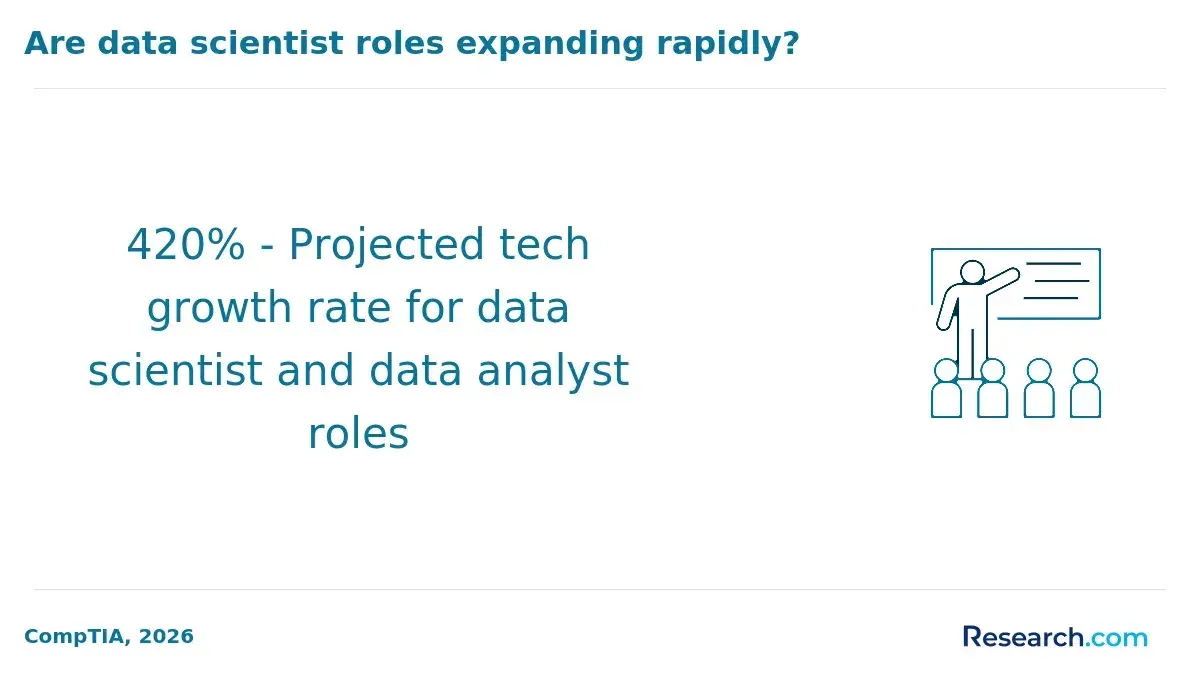
Demand for these professionals is rising rapidly. Data from LinkedIn and the International Renewable Energy Agency (IRENA) show a more than 45% increase in job postings for data scientists and AI engineers in the energy sector between 2022 and 2024. This surge highlights a growing need for experts managing complex, decentralized power systems and incorporating renewable energy sources.
Specialized areas in AI careers for grid management include:
- AI model development for fault detection and predictive maintenance.
- Real-time grid monitoring and anomaly detection.
- Optimization of energy storage and load balancing using machine learning.
- Development of autonomous control systems for smart grids.
- Data governance and cybersecurity roles safeguarding AI-driven grid operations.
Success requires ongoing education and certifications in AI techniques, data analytics, and energy systems. Proficiency in programming, data management, and domain knowledge is essential for advanced roles. Collaboration across engineering teams and practical AI projects in energy accelerate career advancement.
How can utilities and professionals evaluate and choose a reputable AI course for grid work?
Professionals seeking reputable aAIi courses for grid management should prioritize course content that integrates AI with energy grid operations, including demand forecasting, fault detection, and real-time optimization. Instructor expertise is crucial, ideally demonstrated by experience in both AI and power systems along with academic or industry credentials.
Reviewing the syllabus is essential to ensure coverage of modern tools like machine learning algorithms, neural networks, and sensor data analytics applied to grid management challenges. Practical experience through hands-on projects or simulations that mimic real-world scenarios significantly enhances skill development. Choose programs offered by recognized institutions or trusted online platforms with transparent feedback systems.
Certification with endorsements from professional energy or technology organizations adds career value. Many top-tier courses feature updated curricula reflecting the latest industry practices, often supported by data from sources such as GMAC and major MOOC platforms. When evaluating options, balance course duration and flexibility with your schedule, and consider reviews emphasizing the course's relevance to real grid problems. Cost should be balanced against course quality and outcomes rather than being the main deciding factor.
Testing your understanding through available sample lessons or introductory modules can ensure the course matches your technical level and learning preferences. This structured approach helps identify high-value AI educational opportunities tailored for grid management specialists.
Other Things You Should Know About Artificial Intelligence
In 2027, grid management teams can consider courses like "AI for Energy Management" by Stanford, "Smart Grid Technologies and Applications" on Coursera, and MIT’s "AI Innovations for Grid Resilience". These courses focus on AI applications specific to enhancing grid operations and renewable energy integration.
Artificial intelligence enhances power grid reliability by enabling predictive maintenance, fault detection, and real-time monitoring. AI algorithms can anticipate equipment failures before they occur, reducing downtime and preventing outages. This proactive approach ensures more stable and efficient grid performance.
Integrating AI into grid management faces challenges such as data quality, system complexity, and cybersecurity risks. High-quality, comprehensive data is crucial for effective AI modeling, but many utilities struggle with incomplete or inconsistent data sets. Additionally, protecting AI systems from cyber threats is essential to maintain grid security.
Yes, artificial intelligence plays a key role in managing the variability of renewable energy sources like wind and solar. AI models can forecast energy production and adjust grid operations to balance supply and demand efficiently. This capability supports smoother integration of renewables into existing power grids, enhancing sustainability.
References
- Artificial Intelligence for Utilities - EUCI https://www.euci.com/event_post/artificial-intelligence-utilities/
- AI Training Load Fluctuations at Gigawatt-scale - Risk of Power Grid Blackout? https://newsletter.semianalysis.com/p/ai-training-load-fluctuations-at-gigawatt-scale-risk-of-power-grid-blackout
- 16 Artificial Intelligence Career Paths https://www.calmu.edu/news/artificial-intelligence-career-paths
- Artificial Intelligence (AI) https://www.entsoe.eu/technopedia/techsheets/artificial-intelligence-ai/
- Advanced AI applications for integrating and managing renewable energy https://mercury-training.com/c/16073.html
- Beginner's Guide to AI for Electric Power Industry Players | Utilen Blog https://www.utilen.com/resources/beginners-guide-to-ai
- Top 7 artificial intelligence courses 2025: Comparison of the best online programs https://xd-i.com/en/data-en/ai-courses/
- What are the prerequisites for an AI course if I’m from a non-technical background? https://www.h2kinfosys.com/blog/what-are-the-prerequisites-for-an-ai-course-if-im-from-a-non-technical-background/
- Professional AI Training: How to Choose the Right Program https://www.strategicaileader.com/professional-ai-training-how-to-choose-the-right-program/
- Essential AI skills for a thriving team | Access Learning https://www.theaccessgroup.com/en-gb/digital-learning/resources/essential-ai-skills-for-a-thriving-workforce/