2027 Best AI Courses for Amazon Sellers

Co-Founder and Chief Data Scientist
Selling on Amazon presents intense competition and complex market dynamics. Many sellers struggle to efficiently analyze customer data, optimize listings, and automate operations without advanced technical skills. This gap often leads to missed opportunities and stagnant growth.
Integrating AI tools and strategies can streamline processes and boost sales effectiveness, but identifying reliable, practical courses tailored to Amazon's ecosystem remains challenging for sellers transitioning from unrelated fields. This article explores top AI courses suited for Amazon sellers, highlighting flexible, accredited options designed to equip professionals with actionable skills to leverage artificial intelligence for tangible business growth.
Key Things You Should Know
- Top AI courses for Amazon sellers in 2026 emphasize automation tools, predictive analytics, and inventory optimization to enhance sales and reduce operational costs.
- Data from 2025 shows a 45% increase in seller revenue when integrating AI-driven pricing and customer targeting education.
- Leading programs now include practical case studies and real-time AI tool applications tailored specifically for Amazon's marketplace dynamics.
Advance Your Career with AI Online Courses
Artificial Intelligence: Implications for Business Strategy
This program provides an introduction to Artificial Intelligence and their implications for business strategy. Earn an official digital certificate.

Oxford Artificial Intelligence Programme
Explore this Oxford Artificial Intelligence programme offered in a flexible learning environment and explore topics like machine learning, automation, and robotics.

Implementing Agentic AI: Building Your Organizational Playbook
This online MIT Agentic AI course offers a practical approach to deploying AI agents in your organization, including a custom playbook. 3 weeks, exclusive launch price.

AI Adoption: Driving Business Value and Impact
This online MIT AI Adoption: Driving Business Value and Impact offers practical frameworks to close the gap between AI potential and business reality.

Artificial Intelligence in Pharma and Biotech
Discover the applications and limitations of artificial intelligence in pharma and biotech with this MIT online short course.

What are the best AI courses specifically designed for Amazon FBA and marketplace sellers?
Top AI courses for Amazon FBA sellers focus on leveraging artificial intelligence to optimize product listings, automate pricing strategies, and enhance supply chain decisions. These programs teach practical skills in AI-driven tools for product research, keyword optimization, and demand forecasting. Many specialization courses cover machine learning applications in marketplace analytics and boosting profitability.
Top AI training programs for marketplace sellers are offered by providers like Marketplace Superheroes and Udemy, which integrate AI modules on dynamic pricing and customer targeting. These courses break down complex algorithms into actionable strategies that help sellers increase product visibility and conversion rates.
Key features in effective programs include training on AI-powered software such as Helium 10, Jungle Scout, and SellerApp, which facilitate competitor analysis and market trend predictions. Some advanced options also cover automating advertising campaigns, a crucial skill given rising customer acquisition costs.
Inventory management powered by AI is another focus, where hands-on use of predictive analytics helps reduce stockouts and overstocking, improving operational efficiency. According to the Amazon 2024 Small Business Empowerment Report, sellers using AI-driven listing and pricing tools saw sales increase by 15-20% compared to peers not using such technology.
Those interested in exploring AI applications beyond marketplace selling might consider exploring applied artificial intelligence jobs, which reflect a broad range of opportunities in this evolving field.
Advance Your Career with AI Online Courses
Artificial Intelligence: Implications for Business Strategy
This program provides an introduction to Artificial Intelligence and their implications for business strategy. Earn an official digital certificate.
Oxford Artificial Intelligence Programme
Explore this Oxford Artificial Intelligence programme offered in a flexible learning environment and explore topics like machine learning, automation, and robotics.
Implementing Agentic AI: Building Your Organizational Playbook
This online MIT Agentic AI course offers a practical approach to deploying AI agents in your organization, including a custom playbook. 3 weeks, exclusive launch price.
How can AI courses help Amazon sellers improve product research, pricing, and advertising performance?
AI courses empower Amazon sellers by enhancing product research through advanced analytics tools that identify profitable niches with greater speed and accuracy. Data from Amazon's Opportunity Explorer reveals that AI-driven product research tools for Amazon sellers can reduce the time needed to find lucrative products by up to 60%.
This enables sellers to efficiently analyze market demand, competition, and trends, accelerating their entry into high-potential segments while minimizing costly trial-and-error phases. Pricing optimization also benefits from AI training, which teaches sellers how to apply dynamic pricing models adapting to real-time market conditions.
Using machine learning algorithms, sellers can adjust prices based on competitors, seasonal trends, and buyer behavior to enhance profit margins while staying competitive. Predictive pricing strategies help lower the risks of excess inventory or stockouts.
Optimizing Amazon advertising with artificial intelligence courses equips sellers to manage automated campaigns that target customers using data-driven insights on demographics, search behavior, and conversion trends. Skills include automating bid adjustments and keyword optimization to improve return on ad spend (ROAS) and reduce wasted budget.
Integrating AI-powered dashboards allows sellers to monitor product research, pricing, and advertising data streams holistically, supporting timely and informed decision-making across operations. Individuals interested in expanding their skills in these areas may consider pursuing an AI degree online to deepen their expertise in artificial intelligence applications.
What types of AI programs are available for Amazon sellers (short courses, certificates, degrees)?
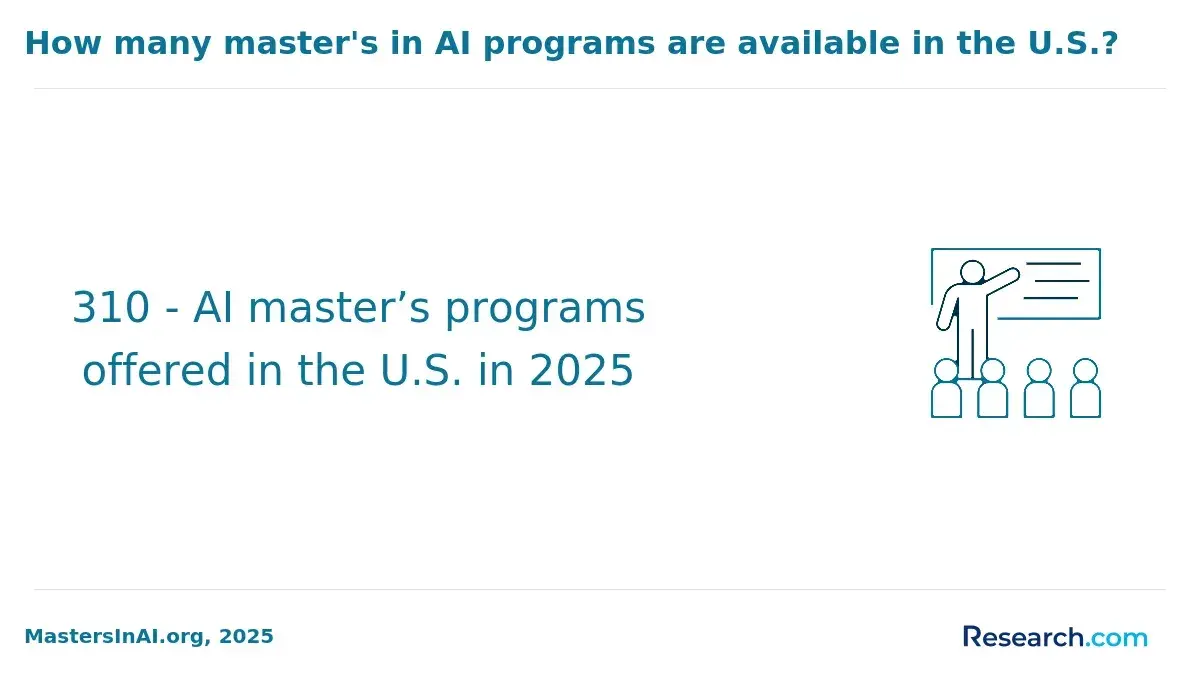
Amazon sellers have access to varied AI certification programs designed to fit different expertise levels and time commitments. Online short courses in artificial intelligence for Amazon selling typically last less than 12 weeks, focusing on skills like AI-driven product research or listing optimization. These are ideal for sellers seeking fast, practical improvements to boost sales without heavy time investments.
Many courses offer workshops centered on AI tools for keyword targeting, a critical factor in sales performance. Certificate programs cover multiple modules over three to six months, providing a comprehensive understanding of AI applications in marketing, inventory management, and customer insights.
These programs emphasize hands-on projects with measurable outcomes, such as a Keywords.am Amazon AI Listing Study 2025 that reported AI-optimized listings increased organic search impressions by 27% and boosted conversion rates by 14% in 60 days compared to human-written content.
For sellers aiming for deep AI integration or career pivots toward analytics and ecommerce leadership, degree programs in data science, business analytics, or artificial intelligence span two to four years. These degrees cover foundational theories and practical skills including machine learning, natural language processing, and algorithmic decision-making. Many consider online data science programs as accessible pathways to advanced expertise.
Choosing the right program depends on individual goals, time availability, and the desired level of AI adoption. Short courses meet immediate tactical needs, certificates offer practical skills with moderate effort, and degrees provide extensive expertise for strategic advantage.
What should you look for in the curriculum of an AI course for Amazon selling success?
An effective curriculum for an AI course focused on Amazon selling success emphasizes practical applications of machine learning and data analytics tailored to e-commerce environments. Key modules include AI-driven product research techniques for Amazon sellers, inventory demand forecasting, and automated pricing strategies.
Perpetua's report reveals a 23% reduction in average Advertising Cost of Sales (ACOS) and a 31% increase in Return on Advertising Spend (ROAS) within 90 days of using their AI bidding automation tools. Courses should cover implementing and optimizing pay-per-click (PPC) campaigns using AI algorithms for bid adjustments and budget allocation. Teaching customer segmentation and personalized marketing powered by AI improves targeting efficiency.
Students must develop skills to interpret AI-generated dashboards and performance data for timely decision-making.
- Focus on AI methodologies directly impacting PPC and advertising performance metrics
- Incorporate modules on real-time reporting and AI-powered customer behavior analysis
- Include hands-on training with current AI tools used by top Amazon sellers
- Teach scaling ad campaigns safely using AI automation limits
Learning tools integration, such as AI software interfacing with Amazon Seller Central and external analytics platforms, is crucial. Practical experience with programming or low-code environments for customizing automation workflows enhances adaptability. Case studies demonstrating success in inventory turnover and ad spend optimization add value.
Curriculums lacking measurable outcomes or current industry data may leave students underprepared for this competitive marketplace. Prospective students interested in expanding their tech skills might also explore related fields by reviewing cyber security courses for additional career opportunities.
How do online AI courses for Amazon sellers compare with campus and bootcamp options?
Online AI courses tailored for Amazon sellers offer unmatched flexibility compared to traditional campus programs and bootcamps. While campus options often span months or even years and demand physical attendance, online courses allow sellers to learn at their own pace without interrupting their existing business operations.
Bootcamps, although immersive, are usually intensive and expensive. Online courses provide affordable, targeted instruction on key Amazon selling strategies like AI-powered pricing, listing optimization, and inventory management. These courses stay current by rapidly updating content to reflect changes in Amazon's algorithms and AI tools-something campus programs may struggle with due to slower curriculum revisions.
Many online platforms include practical case studies, simulations, and tutorials that give sellers hands-on experience with AI software, accelerating their ability to implement new skills. For measurable business impact, AI repricing tools taught in some courses have proven effective. For example, Aura's user analysis highlighted a 19 percentage point rise in Buy Box ownership and an 18% revenue increase within three months for Amazon FBA sellers using their AI repricer.
This emphasizes the practical benefits of online education over broader theoretical campus programs and costly bootcamps.Sellers aiming for rapid, scalable return on investment benefit most from these online AI courses, which blend focus, flexibility, and quick real-world application.
How do accreditation and industry recognition work for AI programs serving Amazon sellers?
Accreditation for AI programs targeting Amazon sellers largely hinges on the credibility of the institutions offering them. Accredited courses undergo evaluation by recognized academic or professional bodies to ensure curriculum quality, faculty expertise, and measurable learner outcomes. This accreditation serves as a strong indicator of rigorous, employer-valued skills.
However, many specialized programs focusing on AI for Amazon sellers operate without formal accreditation but maintain high industry recognition through successful partnerships and expert-led content. Industry recognition often stems from endorsements by Amazon sellers, AI technology providers, or courses integrating proven tools.
For instance, Frontdesk AI's buyer-messaging platform demonstrated significant impact by cutting response times by 72% and boosting 5-star reviews by 22% over six months, showcasing practical benefits of AI application in e-commerce. When evaluating programs, consider whether they provide hands-on training with recognized AI platforms or certify proficiency relevant to Amazon selling challenges like customer service automation and reputation management.
Instructors with backgrounds in Amazon selling or AI development add credibility. Lack of formal accreditation doesn't necessarily mean poor quality; look for transparent success stories and measurable results. Important questions to ask include:
- Does the program grant certificates recognized by industry peers?
- Is the AI training relevant to current Amazon seller challenges?
- Are the skills applicable to improving store metrics?
Programs combining solid teaching methods with proven AI tools in real seller environments offer the best path to meaningful skills and industry acceptance.
What are typical admission requirements for AI certificates and degree pathways relevant to Amazon sellers?
Admission requirements for AI certificates and degree programs relevant to Amazon sellers vary by level and institution. Certificate programs typically require a high school diploma or equivalent, basic computer skills, and sometimes prerequisites like introductory Python or statistics courses. Associate and bachelor's degrees usually expect transcripts demonstrating math skills up to calculus and foundational computer science knowledge.
Practical business experience in marketing or sales can strengthen applications, especially for learners balancing work and study. Graduate degrees in AI often require a bachelor's degree in fields such as computer science, engineering, mathematics, or business analytics. Applicants may also need GRE scores, letters of recommendation, and a statement of purpose that highlights AI applications in commerce and platforms like Amazon.
Specialized AI certifications for e-commerce professionals emphasize tool proficiency alongside professional experience rather than traditional academic criteria. Mastering multiple AI tools is crucial: according to the SalesDuo Amazon AI Tools Adoption Survey 2025, Amazon sellers using three or more specialized AI tools for research, listing optimization, and PPC advertising saw 32% higher revenue growth than those relying solely on Amazon's native tools.
This growing emphasis underlines the need for admission pathways that focus on practical AI skills applicable across multifaceted business environments, helping sellers gain a measurable competitive edge.
How long do AI courses for Amazon sellers take, and what do they typically cost?
AI courses designed for Amazon sellers typically last between 4 and 12 weeks, varying by content depth and format. Shorter programs of 4 to 6 weeks focus on essential AI tools for product research, pricing strategies, and automated advertising. Longer, more comprehensive courses up to three months dive into advanced topics such as predictive analytics, AI-driven inventory management, and machine learning models specifically tailored for private-label brands.
Course pricing varies, reflecting different levels of support and content. Basic online modules generally cost between $200 and $500. Mentored courses with live instruction and personalized feedback are priced from $1,000 to $3,000. Premium options may include group coaching or lifetime access to materials, sometimes exceeding $4,000.
An AMZ Prep 2025 study of 300 private-label brands found sellers who completed structured AI-for-amazon courses reduced their reliance on external agencies by 41%, improving their net margins by 6.8 percentage points within a year. This data underscores the value of acquiring AI skills directly to streamline operations and improve profitability.
For those with limited time, micro-courses focusing on specific AI tools can be useful. However, sellers aiming to fully leverage AI should consider longer curricula that include certification, community access, and regular content updates, which vary by provider.
What career paths and advanced roles can AI training open beyond being an Amazon seller?
AI training equips Amazon sellers with skills that extend well beyond traditional e-commerce roles, enabling career paths in data analysis, strategy, and tech leadership. Professionals proficient in AI become integration specialists who design automated workflows that reduce errors and boost efficiency. For instance, business analysts use machine learning to forecast sales, optimize inventory, and improve customer targeting.
Marketing technologists apply predictive analytics and natural language processing to create hyper-personalized campaigns. Operational positions also evolve as AI-savvy logistics managers leverage predictive algorithms to streamline supply chains, cutting costs and enhancing delivery accuracy. Product managers trained in AI often lead teams developing AI-powered tools aimed at improving user experience and sales.
A critical emerging field is AI ethics and compliance, ensuring AI-generated content follows legal and policy standards-a response to findings in Keywords.am's 2025 audit, which showed 37% of AI-generated Amazon listings contained keyword stuffing or policy violations. Training combined with human oversight cut these issues to under 8%, demonstrating the importance of specialized oversight roles.
Advanced opportunities include AI data scientists refining algorithms for product recommendations and sales funnel analysis. Professionals can also pursue consulting, helping businesses incorporate AI to transform operations. Technical project managers with AI expertise oversee complex AI deployments in retail settings. Overall, AI training unlocks diverse paths in analytics, operations, compliance, and technology leadership beyond standard Amazon seller roles.
How can Amazon sellers evaluate and choose a reputable AI course or program provider?
Amazon sellers seeking AI courses should carefully evaluate course content and instructor expertise. Look for programs that include specialized modules on integrating AI tools with Amazon seller platforms, such as inventory optimization, pricing strategies, and customer engagement automation. Confirm that instructors have verified experience in ecommerce and AI applications, as this contributes to practical, up-to-date knowledge.
Courses endorsed by reputable organizations or industry experts tend to offer more reliable insights. Consider the course format and structure to match your schedule and learning preferences. Short, targeted courses featuring real-world case studies often improve retention compared to broad theoretical programs. Aim for courses providing clear benefits like certification, hands-on projects, or training with marketplace-specific technologies.
Student reviews and performance metrics are key. Independent reviews on forums beyond marketing materials can reveal actual improvements in sales after course completion. Also, ensure the course content is updated regularly, as Amazon's algorithms and AI tools evolve fast.
The rapid growth in demand for Amazon seller AI education is highlighted by a 63% global increase in enrollments for "Amazon selling & marketplaces" courses, as reported in Coursera's 2024 Industry Skills Report. This shows the competitive nature of the field and the importance of choosing courses with proven quality over popularity.
Transparent pricing and ongoing post-course support, like mentorship or subscription access for skill development, are valuable features as AI tools continuously advance.
Other Things You Should Know About Artificial Intelligence
Artificial intelligence tools can significantly enhance decision-making by analyzing large datasets, automating routine tasks, and providing actionable insights. However, they are not full replacements for human judgment, especially in areas requiring creativity, strategic thinking, and customer relationship management. Successful Amazon sellers use AI as a support tool rather than a standalone decision-maker.
Ethical considerations include data privacy, transparency, and avoiding bias in AI algorithms. Amazon sellers should ensure that any AI tools they use comply with data protection laws and do not manipulate customer behavior unfairly. Responsible use also involves monitoring AI outputs and maintaining accountability for decisions that impact customers and competition.
AI technology in e-commerce evolves rapidly, with frequent updates to algorithms, new tools, and features. Sellers need to stay informed about these changes through continuous learning and adapting their strategies accordingly. Many AI course providers offer updated content or ongoing resources to help users keep pace with industry developments.
References
- Best AI Tools for Amazon Sellers: Future of Selling https://www.panda-boom.com/resources/blog/best-ai-tools-for-amazon-sellers-future-of-ecommerce/
- How Amazon Advertisers Can Leverage Chat GPT AI to Increase Sales | Perpetua https://perpetua.io/blog-how-amazon-sellers-can-leverage-chat-gpt-ai-to-increase-sales/
- The Best Amazon FBA Courses in December 2024 https://www.helium10.com/blog/amazon-fba-course/
- Amazon AI Automation Course - Seller Labs: Amazon Seller Software and Platform https://www.sellerlabs.com/amazon-ai-course/
- Ultimate Guide: How to Choose the Right AI Training Course to Boost Your Career - ONLC https://www.onlc.com/blog/how-to-choose-ai-training-courses/
- How to Sell on Amazon UAE: Learn to Become Seller https://sell.amazon.ae/learn
- Top AI Tools for Amazon Sellers: Beginner’s Guide https://www.webgility.com/blog/ai-tools-for-amazon-sellers
- How Much Does AI Training for Businesses Cost? - Bizzuka https://www.bizzuka.com/how-much-does-ai-training-for-businesses-cost/
- Amazon Career Choice: How to choose a program for tech, AI, and career growth - Colorado State University Global https://csuglobal.edu/blog/amazon-career-choice-how-to-choose-a-program-for-tech-ai-and-career-growth
- How AI Is Changing Amazon Advertising Performance https://www.xnurta.com/blog/amazon-advertising-ai-performance