2027 Best AI Courses for Data Science Students

Co-Founder and Chief Data Scientist
Aspiring data science students from unrelated fields often face challenges finding courses that balance foundational theory with practical AI skills. Many available programs lack flexibility or fail to address the rapid evolution of tools and techniques in artificial intelligence. This gap leaves professionals struggling to transition efficiently into data-driven roles. Identifying accredited, comprehensive, and adaptable courses is essential for building relevant expertise without disrupting existing careers.
This article highlights the best AI courses tailored for data science students, focusing on accessibility, curriculum relevance, and career impact to guide readers in making informed educational choices.
Key Things You Should Know
- The best AI courses for data science in 2026 emphasize practical skills, with 78% of programs incorporating hands-on projects using real-world datasets.
- Certification through these courses increases job placement rates by up to 40%, particularly in U.S. tech hubs like Silicon Valley and Austin.
- Curricula focus on ethical AI deployment and advanced machine learning techniques, reflecting a 2025 industry demand for responsible and innovative data scientists.
Advance Your Career with AI Online Courses
Artificial Intelligence: Implications for Business Strategy
This program provides an introduction to Artificial Intelligence and their implications for business strategy. Earn an official digital certificate.

Oxford Artificial Intelligence Programme
Explore this Oxford Artificial Intelligence programme offered in a flexible learning environment and explore topics like machine learning, automation, and robotics.

Implementing Agentic AI: Building Your Organizational Playbook
This online MIT Agentic AI course offers a practical approach to deploying AI agents in your organization, including a custom playbook. 3 weeks, exclusive launch price.

AI Adoption: Driving Business Value and Impact
This online MIT AI Adoption: Driving Business Value and Impact offers practical frameworks to close the gap between AI potential and business reality.

Artificial Intelligence in Pharma and Biotech
Discover the applications and limitations of artificial intelligence in pharma and biotech with this MIT online short course.

What are the best AI courses for data science students and who are they right for?
Top AI courses for data science students focus on practical skills in machine learning, deep learning, natural language processing, and data engineering. Leading programs, such as Stanford's Machine Learning course by Andrew Ng, cover foundational algorithms with real-world applications. MIT's Artificial Intelligence: Principles and Techniques is another standout, ideal for learners with strong programming backgrounds seeking an in-depth AI framework.
These top ai training programs for data science learners are designed for those integrating AI models into data workflows, improving predictive analytics, pattern recognition, and decision-making. Beginners can start with introductory options like Coursera's AI For Everyone, which introduces key concepts without heavy math, offering a gateway to advanced study.
Demand for AI expertise among data scientists remains high. The World Economic Forum's 2024 Future of Jobs report projects 27-35% annual growth in AI and machine learning skills through 2027, creating over 11 million new roles globally. Specialized courses in AI ethics and bias detection meet growing employer emphasis on responsible AI use. Hands-on coding projects on platforms like Kaggle support practical skill validation.
Professionals should prioritize certificate credentials recognized by industry leaders to boost careers. Matching course difficulty to background and goals, students must build competencies in AI algorithms, tools like TensorFlow or PyTorch, and model deployment. For a well-rounded education path, consider exploring the data science master program ranking to find suitable advanced study opportunities.
Advance Your Career with AI Online Courses
Artificial Intelligence: Implications for Business Strategy
This program provides an introduction to Artificial Intelligence and their implications for business strategy. Earn an official digital certificate.
Oxford Artificial Intelligence Programme
Explore this Oxford Artificial Intelligence programme offered in a flexible learning environment and explore topics like machine learning, automation, and robotics.
Implementing Agentic AI: Building Your Organizational Playbook
This online MIT Agentic AI course offers a practical approach to deploying AI agents in your organization, including a custom playbook. 3 weeks, exclusive launch price.
How do AI courses differ from full artificial intelligence or data science degree programs?
AI courses differ markedly from full artificial intelligence degree programs in scope and intent. While AI courses concentrate on specific techniques like machine learning or natural language processing and last weeks to months, degree programs offer broad, in-depth education over several years. These programs cover foundational math, programming, data engineering, ethics, and hands-on projects.
The differences between ai courses and data science degree programs are significant. Degree tracks integrate AI with statistics, computer science principles, and software development, preparing graduates for a wide range of roles and research. In contrast, AI courses focus on skill acquisition for immediate application, beneficial for professionals seeking quick upskilling or students needing specialized knowledge without a multi-year commitment.
For example, full degree programs typically include calculus, linear algebra, data mining, internships, and capstones. AI courses typically emphasize specific algorithms, such as supervised learning or reinforcement learning frameworks.
According to Coursera's 2024 data, university AI courses saw a 79% enrollment increase year-over-year, highlighting demand for accessible, targeted AI training beyond long degree paths.
Students deciding between AI education options should consider career goals, time, and desired expertise breadth. Those aiming for foundational knowledge and long-term careers often benefit from full degrees. Combining both approaches can optimize learning and employment readiness. Prospective students may also explore an affordable online engineering degree as part of their broader educational strategy.
What types of AI courses should data science students prioritize for career readiness?
Data science students should focus on AI courses that build both foundational knowledge and applied skills crucial for career readiness. Core subjects like machine learning and deep learning offer in-depth coverage of algorithms, neural networks, and model optimization techniques widely used in industry. Additionally, natural language processing (NLP) courses enable students to work effectively with text data, a rapidly expanding area in AI-driven business applications focused on practical artificial intelligence skills for data scientists.
Hands-on experience with AI frameworks such as TensorFlow, PyTorch, and scikit-learn is essential. Courses emphasizing practical projects and case studies strengthen problem-solving abilities, boosting employability. Training that includes data engineering and AI system deployment equips students with expertise to build scalable AI pipelines and manage model serving in production environments.
Specialized topics on AI ethics, fairness, and interpretability are increasingly important due to rising regulatory scrutiny. Understanding these issues helps align AI deployment with organizational compliance and responsible practices. Industry-recognized professional certificates in AI and ML significantly elevate career options. According to LinkedIn's Workplace Learning Report, professionals earning such certificates were 2.1x more likely to see notable salary growth within 12 months.
For those searching for affordable degree options, exploring the cheapest masters in data science can offer a cost-effective path. A balanced curriculum combining theory, applied AI skills, ethical awareness, and verifiable credentials forms the strongest foundation for AI career advancement.
How can students choose accredited, reputable AI programs at U.S. colleges and universities?
Students seeking accredited AI degree programs in US universities should prioritize regional accreditation from recognized bodies like the Higher Learning Commission or Middle States Commission. Programmatic accreditation in computer science or data science, such as from ABET, further ensures curriculum quality and relevance to industry needs. Reputation is also crucial, often reflected through faculty expertise, research output, and partnerships with tech companies that enhance networking opportunities.
Many top reputable AI courses for data science students in the United States include metrics on graduate placement rates and salary increases, which provide insight into career outcomes. Intensive AI and data science bootcamps are additional options, with accredited programs reporting median salary increases around 55% and in-field placement near 77% within six months completion, according to Council on Integrity in Results Reporting data.
Prospective students should examine curricula for foundational topics like machine learning, neural networks, and data ethics, while also considering flexibility through part-time or online formats. For advanced learners, exploring an online data science PhD program can deepen expertise and research capabilities.
Key questions to ask when evaluating programs include:
- Is the program regionally and programmatically accredited?
- What are graduate placement rates and average salary increases?
- Do instructors have recognized expertise and active research or industry roles?
- Does the curriculum align with current industry demands?
- Are program outcomes transparent and measurable?
Verifying these factors helps avoid investment in substandard programs and aligns education with career goals in artificial intelligence.
What AI skills and topics do top courses cover for data science careers?
Top AI courses for data science careers provide a strategic mix of foundational skills and advanced techniques tailored to industry needs. Key competencies include machine learning algorithms, statistical modeling, and data preprocessing, essential for building predictive models and extracting insights. These courses cover supervised and unsupervised learning methods such as regression, classification, clustering, and dimensionality reduction.
Deep learning frameworks like TensorFlow and PyTorch are critical for developing neural networks used in complex pattern recognition. Specialized areas include convolutional neural networks (CNNs) for image analysis and recurrent neural networks (RNNs) for sequential data tasks, expanding career applications.
Generative AI is a major focus, with Udemy's 2024 Global Tech Skills report highlighting a 1,060% surge in related course enrollments, making it the fastest-growing technical domain. Skills in generative adversarial networks (GANs), transformers, and natural language processing (NLP) are increasingly vital.
Additional essential topics include model evaluation metrics, ethical AI practices, and deployment strategies. Practical experience with big data platforms, cloud computing, and programming languages like Python and R are standard. Many courses integrate hands-on projects and case studies tailored to sectors such as finance, healthcare, and marketing.
Students aiming for AI-driven data science roles should seek programs that balance theory, coding skills, and exposure to emerging trends to boost employability and career growth.
How do online AI courses compare with campus-based options for data science students?
Online ai courses provide notable advantages for data science students, especially in accessibility, affordability, and flexibility. Learners can study specialized topics anytime and anywhere, fitting education around professional or personal commitments. In contrast, campus programs often require relocation and adherence to fixed schedules, which may not work for everyone.
Cost plays a major role. According to Class Central's 2024 MOOC Trends report, ai and data science courses make up 22% of all new free online courses globally, up from 14% in 2022. This rise creates more opportunities for budget-conscious students to access quality instruction without tuition fees, a notable benefit compared to traditional campus education.
Campus programs offer structured environments with mentorship, labs, and team projects, which might be less common in online settings. However, many top online courses now include interactive tasks, peer engagement, and AI-powered tutoring, helping to bridge this gap. Those seeking hands-on learning and faculty interaction should explore hybrid models or institutions with strong industry connections.
Credential recognition varies. Campus degrees remain widely respected by employers, but reputable online certificates from leading platforms are gaining ground, especially when combined with practical project portfolios. For professionals needing adaptable pacing and current content, online courses excel by quickly updating material to match fast-moving ai innovations.
What are typical admission requirements, time commitment, and costs for AI coursework?
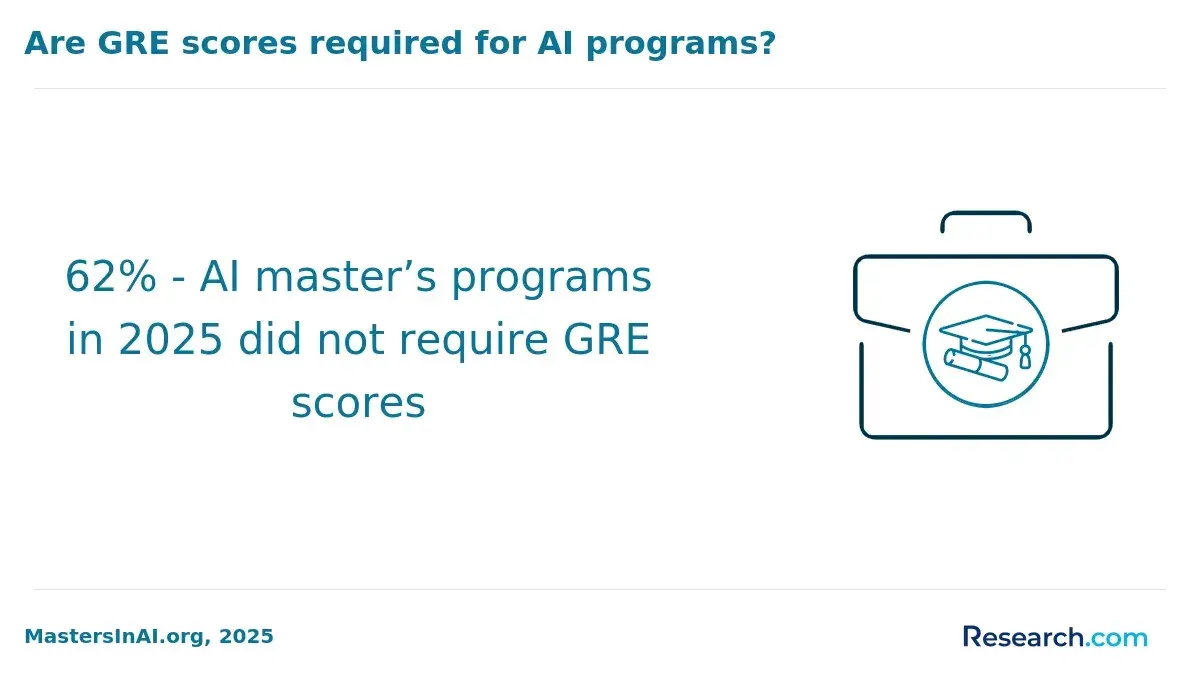
Admission to AI coursework typically requires a bachelor's degree in computer science, engineering, mathematics, or a related STEM field. Some programs also welcome applicants with strong programming skills and relevant work experience from other disciplines. Common prerequisites include proficiency in Python, linear algebra, probability, and statistics. Graduate courses often request GRE scores, letters of recommendation, and statements of purpose highlighting a genuine interest in AI applications.
Time commitment varies greatly based on program format. Part-time asynchronous online courses generally demand 8 to 12 hours per week, while full-time master's programs usually last one to two years with 15-20 hours weekly. Certificate programs are shorter, lasting a few weeks to six months, and focus on specialized skills like machine learning or natural language processing. Managing these courses alongside professional duties requires effective time management strategies.
Costs range widely. Public universities often charge between $15,000 and $30,000 annually for comprehensive AI graduate degrees, whereas private institutions can exceed $50,000 per year. Online certificates typically cost between $1,000 and $5,000. Financial aid, scholarships, and employer sponsorships can ease the financial burden. According to the IEEE's 2024 Global AI Ethics survey, 68% of organizations adopting AI plan to increase investment in responsible-AI and ethics training within two years, up from 42% in 2021, reflecting growing demand for specialized ethics courses in this evolving field.
What entry-level and advanced careers can AI-focused data science students pursue?
Students focusing on artificial intelligence data science have access to varied entry-level and advanced career options across multiple industries such as technology and healthcare. Initial roles commonly include AI data analyst, machine learning engineer intern, and AI research assistant. These positions build foundational skills like data preprocessing, algorithm testing, and model evaluation. For instance, an AI data analyst works on cleaning datasets and interpreting outputs, while a machine learning engineer intern assists in coding supervised learning algorithms, enhancing practical expertise.
Advanced roles encompass AI engineer, machine learning scientist, and AI product manager. AI engineers develop scalable machine learning systems; scientists create novel algorithms to tackle complex problems. Product managers focus on guiding AI-driven strategies across teams. Specialized positions such as natural language processing engineer or computer vision specialist require expertise in deep learning frameworks and specific domains.
GitHub's State of the Octoverse reports a 65% increase in public repositories tagged "machine-learning" by first-time contributors, emphasizing project-based learning's value in building robust portfolios. Students are encouraged to pursue internships and contribute to open-source AI projects early on, while more experienced learners should engage in algorithm innovation and AI product lifecycle leadership.
What salary ranges and job outlook can AI-skilled data scientists expect in the U.S.?
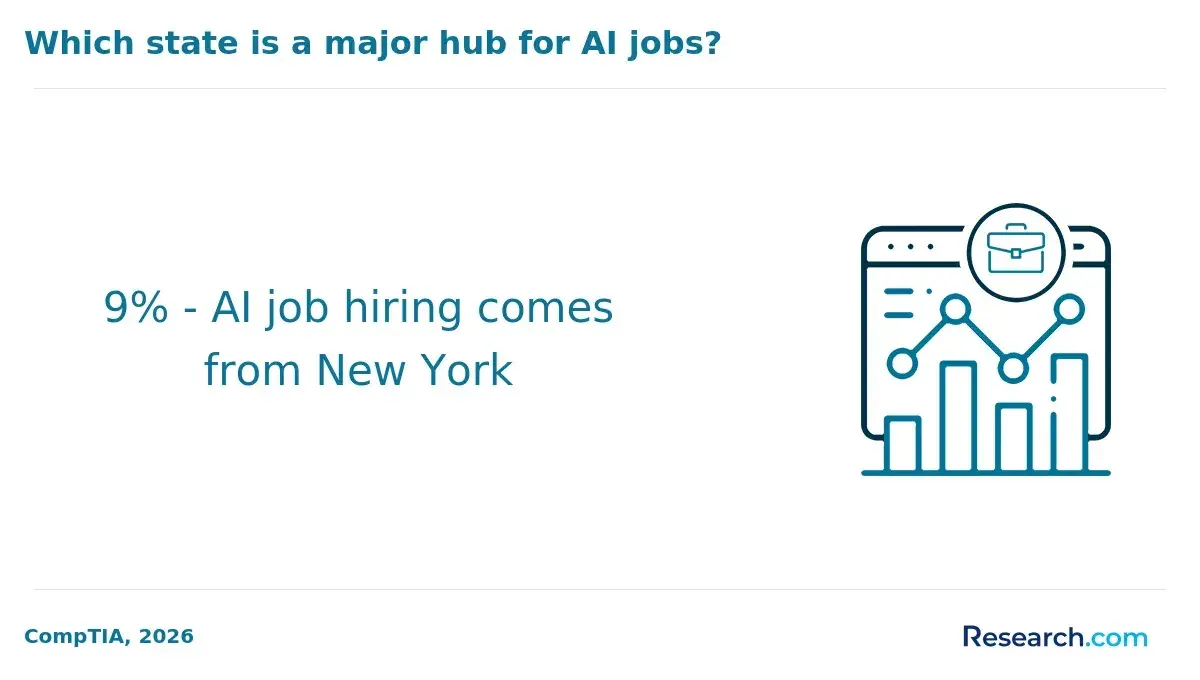
AI-skilled data scientists in the U.S. see a wide salary range influenced by experience, specialization, and location. Entry-level roles start near $85,000 per year, while mid-level professionals earn between $115,000 and $145,000. Senior experts in AI and machine learning often command $160,000 to over $200,000 annually, with top tech hubs like San Francisco and New York providing the highest pay.
The job outlook remains strong, with the U.S. Bureau of Labor Statistics projecting a 36% growth rate for data science and analytics occupations through 2031. This accelerated demand is fueled by widespread adoption of AI across industries for automation, predictive analytics, and customer insights.
Key skills boosting employability include mastery of AI frameworks, coding languages like Python, and tools such as TensorFlow or PyTorch. Certifications and employer-supported training programs are increasingly important; for instance, Amazon's 2024 AI Ready initiative has trained over 2 million people globally in AI and generative AI, demonstrating industry investment in workforce development.
Emerging roles like AI ethics specialists and AI operations managers offer competitive salaries and reflect the growing importance of combining technical expertise with business acumen. For prospective professionals, staying informed on these trends helps navigate the evolving AI job market strategically.
Which industry certifications and advanced credentials complement AI courses for data science?
Professional certifications and advanced credentials play a key role in enhancing AI courses for data science students by validating skills and boosting employability. Industry-recognized certifications like the Certified Analytics Professional (CAP), Microsoft Certified: Azure AI Engineer Associate, and Google Professional Machine Learning Engineer demonstrate expertise in deploying AI models and managing data pipelines in real-world settings.
Advanced degrees such as Master's or PhD programs in Data Science, AI, or Machine Learning deepen theoretical knowledge and support research-focused careers. According to the 2024 Burning Glass Institute analysis, intensive AI training programs offer a median starting salary 43% higher than typical bachelor's-level positions, with salary progression accelerated to 1.2 years compared to over 4 years for traditional degrees. This highlights the advantage of combining focused certifications with advanced credentials.
Complementary certifications in areas like cloud computing (AWS Certified Machine Learning), data engineering (Cloudera Data Platform), and cybersecurity increase versatility across integrated AI environments. Additionally, emerging credentials addressing ethical AI and explainability, provided by organizations such as IEEE and the AI Ethics Institute, respond to growing industry demands for responsible AI solutions.
Career-focused students should tailor credentials based on targeted roles-whether as data scientist, AI engineer, or machine learning specialist-and prioritize certifications that emphasize applied tools and platforms. Gaining practical experience through project-based certifications or partnerships with industry further strengthens competence and career advancement.
Other Things You Should Know About Artificial Intelligence
In 2027, notable AI courses for data science students include Stanford's CS229 Machine Learning, MIT's AI for Data Science, and Coursera's Deep Learning Specialization by Andrew Ng. These courses offer comprehensive insights into machine learning techniques and practical applications in data science, helping students gain expertise in AI technologies.
Python is the most essential programming language for artificial intelligence due to its extensive libraries like TensorFlow, PyTorch, and scikit-learn. Other important languages include R for statistical analysis, Java for scalable applications, and Julia for high-performance computing. Knowledge of these languages helps students implement AI models and conduct advanced data experiments.
Yes, ethics is a critical aspect of artificial intelligence education. Students must understand issues like bias in algorithms, data privacy, transparency, and the societal impacts of AI deployment. Courses increasingly include discussions on responsible AI use to prepare students for the challenges of adopting AI technologies responsibly.
Absolutely, AI skills are valuable across numerous industries beyond technology, such as healthcare, finance, retail, manufacturing, and transportation. Artificial intelligence helps optimize operations, improve customer experiences, and drive innovation in these sectors. Data scientists with AI expertise can offer strategic insights that enhance business outcomes universally.
References
- Free e-learning offers in the field of data science and artificial intelligence - ARIC https://aric-hamburg.de/news/uncategorized/free-e-learning-offers-in-the-field-of-data-science-and-artificial-intelligence/
- Data Science Foundations | AI Campus https://ki-campus.org/en/learning-opportunities/courses/data-science-foundations
- The Top 5 Topics for Professionals Looking to Upskill in Data and AI https://www.cambridgespark.com/blog/the-top-5-topics-for-professionals-looking-to-upskill-in-data
- Data Science & AI course online | Le Wagon https://www.lewagon.com/online/data-science-course
- 10 Best Data Science Courses With Guaranteed Career Growth https://skillifysolutions.com/blogs/data-science/best-data-science-courses/
- Best AI Courses for Data Analysis in 2026 https://mljar.com/blog/best-ai-courses-for-data-analysis/
- AI Certification Programs: Which Ones Matter for Your Career https://www.businessplusai.com/blog/ai-certification-programs-which-ones-matter-for-your-career
- Career-ready in the age of AI https://www.ccdaily.com/2025/05/career-ready-in-the-age-of-ai/
- Career247 | An Adda247 Company https://career247.com/job-assisted-programs/data-science
- Unveiling Excellence: Top US Colleges for Studying Artificial Intelligence (AI) https://www.deltainstitute.co/blog-delta-institute/unveiling-excellence-top-us-colleges-for-studying-artificial-intelligence-(ai)