2027 Best AI Strategy Courses for Life Sciences AI Governance Teams

Co-Founder and Chief Data Scientist
Life sciences AI governance teams often struggle to implement effective strategies due to rapidly evolving regulatory standards and ethical concerns surrounding AI applications. Teams may lack the specialized knowledge to navigate compliance while fostering innovation. This gap hinders timely decision-making and risks costly setbacks in research or deployment.
Professionals transitioning from unrelated fields face additional barriers in acquiring targeted skills for AI governance in life sciences contexts. This article highlights top AI strategy courses designed to equip governance teams with the necessary frameworks and practical tools, helping readers overcome these challenges and advance their careers in this critical interdisciplinary area.
Key Things You Should Know
- Life sciences AI governance teams need specialized strategy courses addressing regulatory compliance, ethical AI use, and data privacy to effectively manage AI-driven research and product development.
- By 2025, 68% of top U.S. life sciences firms reported investing in AI strategy training programs, reflecting growing demand for skilled governance professionals in this sector.
- Current courses emphasize cross-disciplinary skills-combining biotechnology, AI ethics, and governance frameworks-to equip teams for evolving challenges in AI application and risk management.
Advance Your Career with AI Online Courses
Artificial Intelligence: Implications for Business Strategy
This program provides an introduction to Artificial Intelligence and their implications for business strategy. Earn an official digital certificate.

Oxford Artificial Intelligence Programme
Explore this Oxford Artificial Intelligence programme offered in a flexible learning environment and explore topics like machine learning, automation, and robotics.

Implementing Agentic AI: Building Your Organizational Playbook
This online MIT Agentic AI course offers a practical approach to deploying AI agents in your organization, including a custom playbook. 3 weeks, exclusive launch price.

AI Adoption: Driving Business Value and Impact
This online MIT AI Adoption: Driving Business Value and Impact offers practical frameworks to close the gap between AI potential and business reality.

Artificial Intelligence in Pharma and Biotech
Discover the applications and limitations of artificial intelligence in pharma and biotech with this MIT online short course.

What is an AI strategy course for life sciences governance teams and who needs it?
AI strategy courses tailored for life sciences governance teams focus on training professionals to oversee the ethical use, deployment, and development of AI technologies in healthcare and pharmaceutical sectors. These life sciences artificial intelligence governance training programs emphasize aligning AI initiatives with regulatory compliance, risk management, and organizational strategy.
Participants acquire skills to evaluate AI tools, establish governance frameworks, and implement best practices that safeguard patient privacy and mitigate operational risks. Such training is vital for regulatory affairs specialists, quality assurance managers, AI ethics officers, and other compliance officers who navigate complex regulations.
For instance, quality managers monitor AI-driven diagnostic systems for consistency, while regulatory experts stay updated on evolving FDA guidelines and international standards affecting AI applications in drug development and clinical trials. A recent Deloitte survey found that 82% of life sciences and healthcare leaders anticipate significant impact from generative AI within 3-5 years, yet only 18% feel their organizations are very prepared from a governance perspective.
This underscores an urgent need for focused governance education to equip teams to anticipate challenges and ensure responsible implementation. Life sciences organizations must address data privacy, bias reduction, model validation, and regulatory alignment through protocols developed in these courses. Professionals involved in AI governance should consider pursuing such training to meet industry demands and protect public health.
Those interested in expanding their technical foundation may explore a computer science degree accelerated program to complement governance expertise.
Advance Your Career with AI Online Courses
Artificial Intelligence: Implications for Business Strategy
This program provides an introduction to Artificial Intelligence and their implications for business strategy. Earn an official digital certificate.
Oxford Artificial Intelligence Programme
Explore this Oxford Artificial Intelligence programme offered in a flexible learning environment and explore topics like machine learning, automation, and robotics.
Implementing Agentic AI: Building Your Organizational Playbook
This online MIT Agentic AI course offers a practical approach to deploying AI agents in your organization, including a custom playbook. 3 weeks, exclusive launch price.
How do AI strategy courses prepare life sciences teams for responsible AI governance and compliance?
AI strategy courses for life sciences teams governance provide essential expertise to implement responsible AI compliance training for life sciences organizations. These programs focus on adhering to the EU AI Act, which a 2024 analysis by Paul Hastings predicts will classify 70-80% of AI systems in clinical trials and diagnostic imaging as "high-risk," demanding strict governance and oversight.
Training highlights governance practices such as risk assessment, model transparency, bias reduction, and continuous monitoring. Teams learn to document AI decision processes for audits, ensuring clear traceability and evaluating algorithmic fairness to avoid discriminatory clinical outcomes.
Course content often includes case studies centered on high-risk life sciences applications, helping teams navigate regulations impacting patient safety and data integrity. Practical tools like compliance checklists and automated reporting improve regulatory adherence and address challenges like evolving standards and cross-disciplinary collaboration.
Ethical AI principles tailored to life sciences are emphasized to balance innovation with patient welfare. Proactive approaches to unexpected AI behavior and safeguarding sensitive medical data are integral parts of these trainings.
By mastering these skills, governance teams enhance their ability to design, deploy, and oversee AI solutions aligned with legal and ethical standards, minimizing risk and increasing accountability. For those interested in advancing their qualifications, exploring a mechanical engineering degree might provide complementary technical insights beneficial to AI governance roles.
What types of degrees and certificates focus on AI strategy for life sciences professionals?
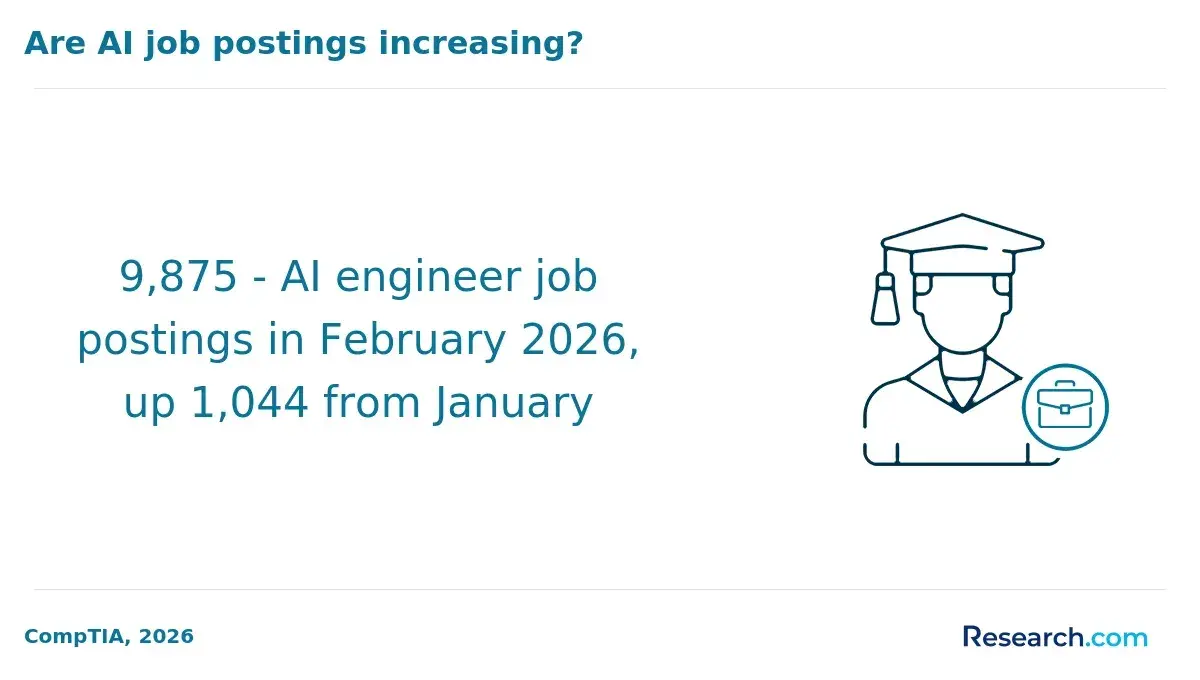
Degrees and certificates focused on AI strategy for life sciences professionals include specialized master's programs, graduate certificates, and executive education courses that bridge technology and business in pharma and biotech sectors. Relevant graduate options often feature Master of Science or MBA programs concentrating on AI, data science, or digital transformation tailored for healthcare or life sciences.
Programs like Master's degrees in Healthcare Informatics or Digital Health combine AI fundamentals with regulatory frameworks and compliance issues critical to life sciences. MBA tracks addressing healthcare innovation or strategy develop leadership and governance skills necessary for implementing AI initiatives in research and commercial functions.
Certifications in AI governance for life sciences teams typically last 3 to 12 months, focusing on AI strategy, governance, risk management, and ethical considerations, suited for professionals looking to upskill without committing to a full degree. Short executive courses cover AI governance frameworks, strategic deployment, and regulatory considerations unique to pharma and biotech.
These aim for measurable outcomes including navigating complex data privacy laws and aligning AI strategy with organizational goals. McKinsey reports life sciences companies scaling AI across R&D and commercial sectors see 3-5% revenue growth and 10-15% operating cost reductions, yet fewer than 20% have adequate strategy and governance capabilities.
Prospective students interested in related fields may also explore a game development online degree as an example of specialized technical education pathways.
How do online, hybrid, and campus-based AI strategy programs for life sciences compare?
Online, hybrid, and campus-based life sciences AI strategy course formats comparison reveals unique benefits aligned with professional needs and learning preferences. Online programs deliver flexibility crucial for working professionals in biopharma or medtech, often featuring asynchronous coursework and global faculty access, though they may reduce networking and hands-on experience opportunities essential in AI governance.
Hybrid programs blend online instruction with periodic in-person sessions, enhancing peer interaction and practical skills, making them suitable for those seeking to advance expertise without pausing their careers. Campus-based AI governance programs offer immersive environments with direct mentorship, collaboration, and cutting-edge lab access.
These features support mastering complex AI risk management but require full-time commitment and relocation, which can limit accessibility. The urgent need for upskilling in this field is highlighted by a 250% increase in relevant job postings in 2024 reported by a Paul Hastings client alert, with many roles unfilled due to a shortage of qualified candidates.
Prospective students should evaluate curricula emphasizing regulatory frameworks, ethical AI deployment, and data privacy tailored to biopharma settings. Those seeking rapid career entry or advancement might consider accredited online or hybrid options offering certifications, while leadership or research-focused individuals may benefit more from campus opportunities with multidisciplinary exposure and close faculty engagement.
For veterans exploring flexible options, there is valuable information about an online cybersecurity degree for veterans. Ultimately, selecting the right program format is key to bridging the AI governance talent gap in life sciences effectively.
Which accreditation and institutional quality signals matter for AI strategy training in life sciences?
Accreditation and institutional quality are vital for evaluating AI strategy training in life sciences, especially as over 60% of organizations experienced at least one significant AI incident in the previous 12 months, according to a global survey by the DIA Global Forum. Education programs must meet rigorous standards in curriculum design, faculty expertise, and alignment with industry regulations.
Accreditation from U.S. bodies like the Accreditation Council for Business Schools and Programs (ACBSP) or the Association to Advance Collegiate Schools of Business (AACSB) helps ensure program quality and relevance. Professionals should select courses affiliated with reputable universities known for healthcare, biotechnology, or pharmaceutical education to guarantee coverage of compliance frameworks such as FDA guidelines, GxP standards, and HIPAA.
Partnerships with authoritative organizations like the DIA or regulatory consultants indicate practical alignment with life sciences challenges. Quality programs feature:
- Experienced instructors with expertise in AI and life sciences compliance
- Real-world case studies
- Training on formal AI governance frameworks
- Regular content updates reflecting evolving regulations and technologies
With fewer than one-third of organizations having formal AI governance frameworks, choosing accredited programs emphasizing regulatory rigor and governance maturity is crucial for career advancement and risk reduction in life sciences AI strategy roles.
What core curriculum and skills should a life sciences AI strategy course include?
A life sciences AI strategy course must equip governance teams with interdisciplinary skills essential for overseeing AI deployment in regulated environments. Core curriculum elements include AI technology basics, data science principles, and machine learning models, focusing on applications in clinical trials, drug discovery, and patient monitoring.
Regulatory frameworks such as FDA guidelines, EMA policies, and global standards are critical for compliance and risk management. Courses should cover quality assurance protocols, data privacy laws like HIPAA, and ethical issues concerning bias and transparency in AI algorithms.
- Cross-functional collaboration skills to coordinate among technical experts, regulatory affairs, quality management, and clinical stakeholders
- Practical training with case studies on AI validation, audit trails, and incident response plans
- Hands-on exercises in AI risk assessment and continuous performance monitoring
- Simulations for improving communication with non-technical stakeholders
According to the DIA Global Forum's 2025 review, over 70% of successful AI governance programs implement structured training spanning these functions, highlighting the importance of an integrated approach rather than focusing solely on IT or data science. Such courses help build operational expertise and enhance decision-making through scenario-based learning, preparing governance teams for the complex challenges of AI integration in life sciences.
What are typical admission requirements and prerequisites for AI strategy programs in life sciences?
Admission to AI strategy programs in life sciences prioritizes candidates with solid professional experience in regulated sectors like pharmaceuticals, biotechnology, or healthcare. Most programs expect applicants to hold senior or mid-level management roles, given the strategic focus of the curriculum.
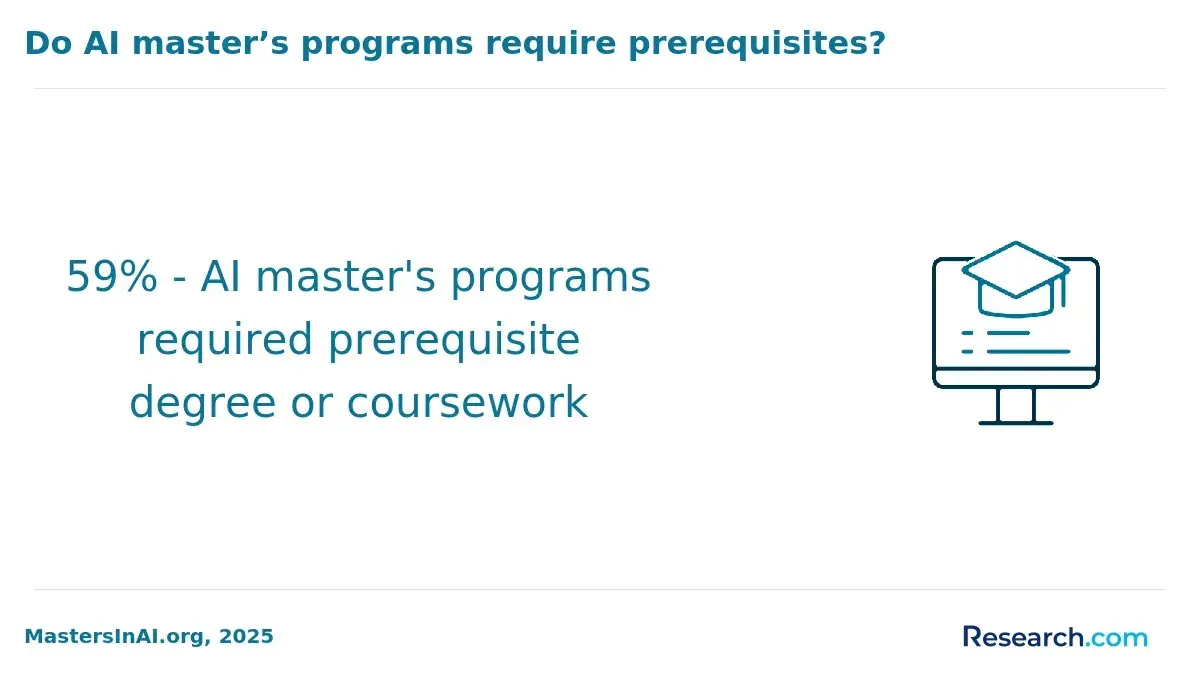
Educationally, a bachelor's degree in relevant areas such as life sciences, engineering, business, or computer science is usually required, with some programs preferring or mandating a master's degree or higher. Applicants should demonstrate both a foundational understanding of artificial intelligence and knowledge of industry-specific regulations.
Practical experience managing AI projects or leading digital transformation efforts in life sciences strengthens an application. Leadership in cross-functional teams is often requested to show capability in driving organizational AI strategy. Supporting documents typically include a professional resume, letters of recommendation, and a statement of purpose explaining how AI aligns with the candidate's current or future roles.
Competitive spots may require evaluation of quantitative skills through standardized testing or internal assessments. Open enrollment executive programs may have looser prerequisites, yet expect substantial professional standing and dedication to AI governance challenges like compliance, ethics, and risk management.
Applicants benefit from a clear understanding of cost and return on investment. Data from MIT Sloan highlights that life sciences participants anticipate an average 2.5× ROI within 12-18 months due to improved AI prioritization and reduced compliance rework, emphasizing strategic impact.
How long do AI strategy programs take, and what tuition, fees, and employer funding can you expect?
AI strategy programs for life sciences governance teams usually last between 3 and 12 months, tailored to various professional needs. Shorter courses (3 to 6 months) cover foundational knowledge and practical AI governance frameworks, while longer options (9 to 12 months) include advanced topics such as compliance with emerging standards and enterprise risk management integration.
Modular and part-time formats support working professionals balancing job responsibilities. Tuition costs vary widely by institution and course type. Certificate programs range from $3,000 to $8,000, whereas advanced diplomas or comprehensive certificates can exceed $15,000. Employer funding and scholarships are increasingly available, especially as many leading life sciences companies align their AI governance with frameworks like NIST AI Risk Management and ISO/IEC 42001.
Over half of large global life sciences firms support internal alignment with NIST's risk framework, and a growing number prepare for ISO/IEC 42001 certification. Employer sponsorship improves access and accelerates returns through audit readiness and regulatory compliance. Prospective students should verify tuition reimbursement or professional development support before enrolling.
Key factors for selecting an AI strategy course include program length, credential recognition, employer support, and alignment with industry standards. Evaluating these elements can optimize both career advancement and compliance benefits in life sciences governance.
What career paths, job roles, and promotion opportunities follow AI strategy training in life sciences?
AI strategy training in life sciences fosters careers centered on governance, compliance, and innovation management. Roles such as AI governance officer, compliance specialist, clinical data strategist, and innovation portfolio manager combine technical expertise with leadership to guide multidisciplinary teams and ensure responsible AI use.
Advancement often leads to senior leadership positions like director of AI strategy, head of digital transformation, or chief data officer within pharmaceutical and biotech firms. These executives shape AI investment decisions, governance protocols, and organizational policies on ethical AI and regulatory compliance.
Many life sciences organizations report limited AI literacy among non-technical leaders as a key challenge. DIA's 2024 industry assessment highlights that over 65% of organizations see "AI literacy for non-technical leaders" as a top barrier to responsible AI adoption. Structured governance training enhances executive confidence and project success.
Career growth typically involves moving from project management to AI policy advisory or business development roles specializing in AI partnerships. Training develops skills in AI accountability, data ethics, and risk assessment, enabling professionals to effectively support AI integration in drug discovery, clinical trials, and patient safety.
- Entry-level roles: AI compliance analyst, digital innovation coordinator
- Mid-level: AI governance officer, clinical AI project lead
- Senior roles: Director of AI strategy, chief AI ethics officer
- Skills developed: Regulatory knowledge, ethical AI frameworks, leadership in tech governance
What salaries, job outlook, and industry demand exist for life sciences AI governance leaders?
Life sciences AI governance leaders in the United States typically earn between $120,000 and $180,000 annually, with senior positions at multinational pharmaceutical or biotechnology companies surpassing $200,000. These higher salaries reflect the complexities of regulatory environments and the strategic importance of ensuring trustworthy AI in clinical trials, drug development, and commercial applications.
The 2025 DIA Global Forum projects a 30-50% increase in AI governance headcount among large life sciences companies over the next three years. This growth is driven by expanding regulatory demands and the need for robust oversight in high-risk areas focused on patient safety and data integrity.
Key skills for governance leaders include cross-functional coordination, working closely with regulatory affairs, data scientists, and legal teams. Staying current with evolving frameworks such as FDA guidelines and international standards is essential, alongside building scalable compliance structures.
Prospective professionals should pursue educational paths that blend technical AI knowledge with regulatory strategy and ethical governance. The most competitive candidates exhibit expertise in life sciences combined with AI policy, risk assessment, and effective communication with stakeholders.
Other Things You Should Know About Artificial Intelligence
Explainability is vital for life sciences AI governance as it allows stakeholders to understand how AI systems generate outputs. This transparency helps validate models, supports regulatory compliance, and facilitates clinical acceptance. Without clear explainability, AI tools risk being viewed as black boxes, hindering their safe integration into healthcare and research environments.
Several regulatory frameworks impact AI strategy, including the FDA's guidance on software as a medical device and international data protection laws like HIPAA and GDPR. These frameworks require life sciences teams to incorporate risk management, validation, and ongoing monitoring into their AI governance strategies. Staying aligned with evolving regulations is essential for legal compliance and patient safety.
Measuring AI governance effectiveness involves using performance metrics such as bias detection rates, compliance audit results, and incident response times. Teams should also evaluate continual monitoring processes and the accuracy of AI-driven decisions in real-world settings. Regular reviews ensure that governance strategies adapt to new challenges and maintain ethical and regulatory standards.
References
- AI pricing: how much does AI cost in 2025? | Future Processing https://www.future-processing.com/blog/ai-pricing-is-ai-expensive/
- AI Governance Salaries 2026: $65K to $400K+ (20 Roles) https://techjacksolutions.com/ai-governance-salary-data/
- Searching for the Hybrid Giants- Do Any Colleges Have a True Hybrid Strategy? https://www.encoura.org/resources/wake-up-call/searching-for-the-hybrid-giants-do-any-colleges-have-a-true-hybrid-strategy/
- A Comprehensive Guide to Responsible AI for Life Sciences https://www.usdm.com/resources/white-papers/a-comprehensive-guide-to-responsible-ai-for-life-sciences
- AI for Executives: Top AI Training Programs (2025) https://www.corpoladder.com/blog/ai-strategy-leadership-training-executives
- AI and machine learning https://www.embl.org/topics/ai-at-embl/
- 16 Artificial Intelligence Career Paths https://www.calmu.edu/news/artificial-intelligence-career-paths
- AI Governance: A Complete Guide to Responsible AI Implementation - EncompaaS https://encompaas.cloud/blog/ai-governance-a-complete-guide-to-responsible-ai-implementation/
- AI Governance for Life Sciences https://www.bioprocessintl.com/regulatory-affairs/ai-governance-the-strategic-imperative-for-life-sciences
- Beyond Passive Viewing: A Pilot Study of a Hybrid Learning Platform Augmenting Video Lectures with Conversational AI https://arxiv.org/html/2604.15334v1