2027 Best Generative AI Courses for Chief People Officers

Co-Founder and Chief Data Scientist
Chief People Officers face growing pressure to integrate generative AI tools to enhance talent acquisition, employee engagement, and workforce analytics. However, many lack the technical background to confidently lead AI-driven initiatives or evaluate suitable training for their teams. This gap can hinder strategic decision-making and slow digital transformation in human resources functions.
Addressing this challenge requires accessible education that bridges leadership expertise with practical AI knowledge. This article outlines the best generative AI courses tailored for Chief People Officers, highlighting flexible, accredited options designed to build essential skills and drive informed adoption of generative AI in HR strategies.
Key Things You Should Know
- Generative AI courses for chief people officers focus on applications in talent management, improving employee engagement by up to 30% through predictive analytics and automated workflows.
- By 2026, over 65% of HR professionals will require advanced AI literacy to effectively lead digital transformation and optimize workforce planning strategies.
- Top courses emphasize ethical AI use, addressing bias and compliance, crucial for maintaining equitable workplace practices amid increasing AI integration.
Advance Your Career with AI Online Courses
Artificial Intelligence: Implications for Business Strategy
This program provides an introduction to Artificial Intelligence and their implications for business strategy. Earn an official digital certificate.

Oxford Artificial Intelligence Programme
Explore this Oxford Artificial Intelligence programme offered in a flexible learning environment and explore topics like machine learning, automation, and robotics.

Implementing Agentic AI: Building Your Organizational Playbook
This online MIT Agentic AI course offers a practical approach to deploying AI agents in your organization, including a custom playbook. 3 weeks, exclusive launch price.

AI Adoption: Driving Business Value and Impact
This online MIT AI Adoption: Driving Business Value and Impact offers practical frameworks to close the gap between AI potential and business reality.

Artificial Intelligence in Pharma and Biotech
Discover the applications and limitations of artificial intelligence in pharma and biotech with this MIT online short course.

What are the best generative AI courses for Chief People Officers?
The best generative AI training programs for Chief People Officers focus on practical applications of AI in human capital management, ethical use, and strategic workforce planning.
Courses that blend technical expertise with leadership, such as MIT Sloan's AI in Business Strategy, provide insights on integrating AI tools for talent acquisition and predictive analytics, essential for managing workforce transformation. Stanford's AI and Ethics for Leaders offers frameworks to address bias and fairness in AI-driven HR systems, a critical topic for many executives.
Top generative AI courses tailored for Chief People Officers also highlight how AI can enhance employee engagement and performance management. The Wharton People Analytics Specialization includes AI-driven talent insights directly impacting retention strategies.
Additionally, Coursera's Professional Certificate in Generative AI for HR professionals teaches deploying AI to automate routine HR tasks, enabling leaders to prioritize strategic initiatives.
With LinkedIn's 2024 Workplace Learning Report showing 90% of global executives increase AI-related training investments, CPOs face challenges such as integrating AI with existing HR technologies and overcoming employee resistance to automation.
Practical, data-driven learning ensures effective company-wide AI adoption. For those exploring further career options, understanding artificial intelligence career paths offers valuable guidance for expanding expertise in this evolving field.
Advance Your Career with AI Online Courses
Artificial Intelligence: Implications for Business Strategy
This program provides an introduction to Artificial Intelligence and their implications for business strategy. Earn an official digital certificate.
Oxford Artificial Intelligence Programme
Explore this Oxford Artificial Intelligence programme offered in a flexible learning environment and explore topics like machine learning, automation, and robotics.
Implementing Agentic AI: Building Your Organizational Playbook
This online MIT Agentic AI course offers a practical approach to deploying AI agents in your organization, including a custom playbook. 3 weeks, exclusive launch price.
What should a Chief People Officer learn in generative AI training?
Chief people officers (CPOs) benefit from focusing on practical generative AI course topics tailored to HR and people strategy. These include designing AI-driven talent acquisition methods, such as automated candidate screening and personalized outreach, which speed hiring and reduce bias.
Key generative AI skills for chief people officer training also cover creating custom learning and development paths that adapt to individual needs, boosting employee engagement and retention.
CPOs must also master interpreting AI-generated workforce analytics to guide talent planning, diversity initiatives, and overall organizational health. Ethical considerations and data privacy issues tied to AI in HR are crucial for maintaining trust and compliance.
Leveraging generative AI to automate routine HR tasks like onboarding and performance feedback frees leaders to focus on strategic and creative challenges.
Effective training includes hands-on experience with popular AI tools and platforms, emphasizing model integration and customization. Scenario-based learning helps prepare leaders for workforce disruption and change management.
Deloitte's Global Human Capital Trends report highlights that 73% of organizations already use generative AI in at least one HR process, with talent acquisition and learning being top applications.
For those interested in expanding their expertise further, exploring a cheapest online electrical engineering degree can provide a strong technical foundation supporting AI fluency in HR roles.
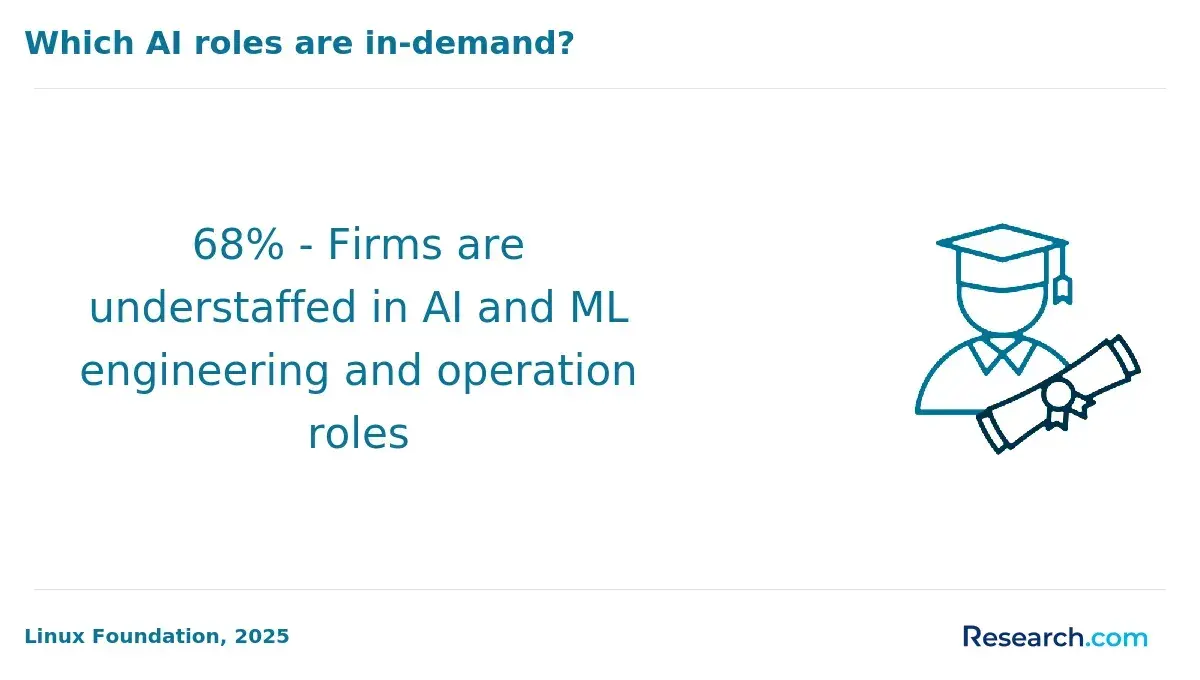
Are online generative AI courses better than campus programs?
Online generative AI leadership courses for chief people officers (CPOs) offer greater flexibility and faster content updates compared to traditional campus programs. Unlike fixed academic calendars, these online courses quickly incorporate the latest AI governance frameworks, bias mitigation strategies, and compliance standards-areas essential for CPOs addressing workforce impact.
According to PwC's AI Jobs Barometer, 81% of large organizations plan to formalize AI governance frameworks by 2026, underscoring the necessity for practical, up-to-date training.
Campus programs tend to provide more theoretical depth but often lag behind in adapting to emerging AI ethics issues. Their time and cost commitments can challenge working professionals balancing heavy workloads.
Online courses, however, frequently offer interactive simulations and real-world scenarios aligned with current organizational challenges in AI accountability and workforce management. This approach enables CPOs to apply knowledge immediately in policy development concerning AI-driven decision-making and diversity considerations in data sets.
When deciding between online generative AI training versus traditional campus programs, consider these factors:
- Need for flexible pacing versus comprehensive academic rigor
- Specificity of course content to AI governance and ethical frameworks
- Access to industry experts and networking opportunities
- Cost and time investment relative to immediate organizational demands
Prospective students and professionals may also explore broader education options such as AI PhD programs to deepen their expertise in artificial intelligence governance and ethics.
What accreditation matters for generative AI courses?
Accreditation plays a vital role in generative AI course accreditation standards in North America, especially for chief people officers balancing innovation with compliance and organizational risk.
Recognized bodies in technology, human resources, and data ethics ensure that curricula align with industry standards and legal requirements.
Key accreditations come from organizations such as the Society for Human Resource Management (SHRM), which validates courses' integration of generative AI into talent management.
Technical and privacy expertise is confirmed through accreditation by bodies like the Computing Technology Industry Association (CompTIA) and the International Association of Privacy Professionals (IAPP).
These top certifications for generative AI training programs for executives impact course credibility and practical value. Accredited programs address critical issues including data privacy, bias mitigation, and ethical AI use in HR-covering automation in recruiting and onboarding while managing algorithmic bias to maintain diversity and compliance.
According to McKinsey, HR leaders adopting generative AI can save 20-30% of staff time through automation, making accredited courses essential for responsible implementation. Prospective students should verify accreditation claims and review syllabi that integrate AI capabilities with people management and data governance.
For professionals seeking advanced skills, consider pursuing an MS in data analytics to deepen understanding of AI's strategic applications in HR and beyond.
What are the admission requirements for these AI courses?
Admission for generative AI courses aimed at Chief People Officers (CPOs) typically centers on relevant leadership experience rather than formal degrees. Programs usually require 3 to 5 years of managerial or executive experience, ensuring participants can relate AI applications to strategic workforce management.
Academic prerequisites are flexible. Many executive-focused, modular online courses-such as those aligned with the edX "AI in Work" survey-do not demand technical degrees but expect basic digital literacy or successful completion of introductory AI or data literacy modules.
Some advanced programs may ask for familiarity with data analytics concepts, often providing preparatory resources to bridge gaps.
Applications often include submitting a resume and a statement of purpose outlining professional goals connected to AI adoption in human resources. Certain elite certificates or programs might also require supervisor endorsements or proof of prior leadership in digital transformation.
Practical considerations matter: about 82% of C-suite leaders prefer commitment periods under six weeks, shaping admission criteria to favor candidates who can devote focused time without disrupting executive duties.
Overall, admission criteria balance leadership experience, readiness for targeted modular learning, and foundational comfort with digital tools, enabling diverse CPOs to harness generative AI's strategic potential.
What topics are covered in generative AI coursework for HR leaders?
Generative AI coursework for HR leaders equips professionals with essential skills to manage AI-enhanced human capital processes. These courses cover AI fundamentals in HR contexts, including machine learning models that streamline candidate screening, analyze employee engagement, and forecast performance outcomes.
HR leaders learn to leverage generative AI tools to improve talent acquisition by creating targeted job descriptions, optimizing recruitment messaging, and personalizing candidate communications.
Ethical considerations and bias mitigation are critical topics, ensuring AI applications foster diversity and inclusion. Training also covers data privacy and compliance with regulations like GDPR and CCPA, which is indispensable for responsible AI use in HR.
Change management skills are emphasized, helping HR teams adopt AI effectively through employee upskilling and cultivating an AI-ready culture. Case studies illustrate AI's role in workforce planning, learning and development, and enhancing employee self-service platforms.
Analytics training enables leaders to interpret AI-generated insights for improved talent management, including predictive attrition models that address turnover risks proactively.
IBM's Global AI Adoption Index notes that 43% of companies view lack of AI skills among leaders as a major deployment barrier. Organizations with AI-skilled leadership outperform by 2.5 times in revenue growth, highlighting the strategic value of advanced AI knowledge for HR professionals.
How long do generative AI courses for CPOs take?
Generative AI courses for Chief People Officers usually last between 4 to 12 weeks, depending on the program's depth, format, and provider. Shorter options, typically 20 to 30 hours of instruction, cover foundational knowledge and strategic implications. These are suitable for CPOs who need a baseline understanding of generative AI to apply in workforce planning quickly.
Longer programs often range from 8 to 12 weeks, blending asynchronous learning with live workshops or coaching. They offer hands-on exposure to AI tools for HR tasks like automated talent acquisition, bias reduction, and employee engagement analytics. Coursework usually includes practical assignments, case studies, and peer collaboration to develop actionable skills.
Executive certificates or postgraduate courses may extend up to 6 months but involve fewer weekly hours, allowing leaders to balance study with full-time work. Typical blended models require 3 to 5 hours per week, ideal for ongoing professional development.
LinkedIn data shows roles requesting generative AI expertise attract 17% more applications and fill 29% faster than those without such skills, highlighting the career advantage of completing these courses.
Consider course delivery, total hours, and learning style to match your schedule and organizational goals. Intensive workshops suit urgent needs, while extended courses offer deeper insights for comprehensive AI integration in talent management.
How much do generative AI courses for Chief People Officers cost?
Generative AI courses for chief people officers (CPOs) vary widely in cost, typically ranging from several hundred to several thousand U.S. dollars. Entry-level online workshops and programs generally fall between USD 300 and USD 800 and provide foundational skills and introductory knowledge.
More advanced certifications or executive-level courses, often offered by universities or specialized providers, can cost between USD 2,000 and USD 7,000. These comprehensive options often include case studies, personalized coaching, and content tailored to people leadership and AI integration.
Corporate executives, including CPOs, should consider that pricing depends on factors like course length, depth, and mode of delivery. Self-paced online programs are usually less expensive, while live virtual or in-person sessions focusing on strategic application come at a premium.
For instance, a university-affiliated AI in HR certificate might be around USD 5,000, whereas a shorter non-credit workshop could cost about USD 600.
The 2024 Training Industry Report highlights an increased commitment to AI education, with average annual training spending per executive at USD 1,928-28% of which is devoted to AI and data-related courses. This underscores why many CPOs are prioritizing investment in generative AI training.
Additional expenses such as travel, time off work, and technology upgrades should be accounted for when budgeting. Corporate training budgets often subsidize or cover these costs, especially if AI skills are deemed essential for leadership roles.
What career roles use generative AI skills in HR leadership?
Generative AI skills have become vital for HR leadership roles focused on strategic workforce management. Chief People Officers and HR Directors use these abilities to enhance talent acquisition, boost employee engagement, and improve performance management with data-driven insights.
HR analytics specialists rely on AI-powered tools to detect workforce trends, forecast attrition, and optimize skill development.
Compensation managers apply generative AI to craft competitive benefit packages by simulating market conditions and employee preferences. Learning and development leaders customize training programs using AI to increase retention and skill growth.
Diversity, equity, and inclusion officers utilize AI to identify bias in recruitment and promotion, promoting fairness and inclusive cultures.
Recruitment managers automate resume screening and candidate matching to reduce hiring time, while workforce planners forecast staffing needs aligned with business goals. HR compliance officers employ AI for monitoring regulatory compliance and automating audit processes.
According to SHRM's 2024 State of AI in HR research, 46% of HR departments actively use generative AI, with another 36% piloting or preparing for adoption within 12 months. This reflects the rising demand for AI proficiency across HR functions to drive innovation and organizational agility.
Successful HR leaders develop skills in AI-driven decision-making, ethical data management, and cross-team collaboration. Practical knowledge of AI platforms and translating AI outcomes into strategic actions are essential for managing workforce transformation effectively.
What salary and job outlook apply to AI-skilled HR leaders?
Chief People Officers (CPOs) with skills in artificial intelligence command significantly higher salaries and better job prospects than their peers without such expertise. In the U.S., AI-proficient HR leaders can earn between $180,000 and over $300,000 annually, reflecting a 20-35% salary premium compared to traditional HR executives.
The evolving role of CPOs increasingly demands hands-on experience with AI governance and deployment. By 2030, over 40% of CPO job listings are expected to explicitly require generative AI expertise, according to Gartner's HR Technology Forecast.
Employers value leaders who can integrate AI-driven workforce analytics, automate talent acquisition, and uphold ethical AI use.
- Oversee AI-enabled diversity and inclusion initiatives.
- Manage AI tools for employee engagement.
- Ensure compliance with emerging AI regulations.
Companies focused on AI transformation prioritize hiring or upskilling CPOs familiar with AI frameworks and challenges. Targeted courses covering HR fundamentals and AI applications, including data privacy, bias mitigation, and AI governance, are highly recommended.
Talent shortage in this niche supports a projected 5-7% annual salary growth, offering a sustainable career edge amid rapid technological changes in human capital management.
Other Things You Should Know About Artificial Intelligence
Chief People Officers must ensure that generative AI systems operate without bias and uphold fairness in hiring and employee evaluations. Transparency and accountability are critical, requiring clear communication about how AI decisions affect employees. Additionally, CPOs should monitor data privacy practices and comply with relevant regulations to protect sensitive workforce information.
Yes, generative AI tools are designed to integrate smoothly with many existing HR systems such as applicant tracking software and human capital management platforms. This interoperability allows for seamless data flow and enhances the functionality of standard HR tools. Proper integration ensures CPOs can leverage AI insights without disrupting current workflows or data integrity.
Challenges include managing employee skepticism, ensuring data quality, and selecting AI solutions that align with organizational goals. CPOs must also address the technical complexity of AI systems and invest in training HR teams to use these tools effectively. Overcoming these hurdles requires a strategic approach combining technology, change management, and ongoing evaluation.
References
- AI Use by ACAHM-Accredited Institutions and Programs — Accreditation Commission for Acupuncture and Herbal Medicine https://www.acahm.org/blog/ai-use
- How Long Does It Take to Learn AI Completely? https://blog.nobledesktop.com/learn/ai/how-long-do-ai-courses-take
- Use of Gen AI in Accreditation https://a3stepaccreditation.org/f/use-of-gen-ai-in-accreditation
- Best Generative AI Courses for Leaders https://www.flexos.work/learn/best-generative-ai-courses-for-leaders
- Generative & Agentic AI Certification Course Online | BITS Pilani Digital https://bitspilani-digital.edu.in/certification/generative-ai-agentic-ai-course
- AI will impact jobs in 2026, say 89% of HR leaders: CNBC survey https://www.cnbc.com/amp/2025/11/14/ai-to-impact-89percent-of-jobs-next-year-cnbc-survey-finds.html
- The chief people officer’s quick guide to generative artificial intelligence https://www.mercer.com/en-in/insights/people-strategy/future-of-work/chief-people-officers-quick-guide-to-generative-artificial-intelligence/
- B.Tech in AI Course: Eligibility, Fees, Admission & Career https://manavrachna.edu.in/blog/btech-ai-course-eligibility-fees-admission-career
- What are the requirements for completing the Introduction to AI and Building AI courses? https://www.elementsofai.com/ie/faq/what-are-the-requirements-for-completing-the-introduction-to-ai-and-building-ai-courses
- The HR Skills That Actually Lead to Higher Salaries (AIHR Careers Research) https://www.aihr.com/blog/hr-skills-salaries/