2027 Best AI Courses for Telecom Executives

Co-Founder and Chief Data Scientist
Telecom executives face mounting pressure to integrate artificial intelligence solutions rapidly to enhance network efficiency and customer experience. Without targeted training, navigating complex AI technologies and their strategic application can lead to costly missteps and missed opportunities.
Many professionals struggle to find flexible learning paths that fit busy schedules while providing credible, industry-relevant knowledge. This article highlights the best AI courses designed specifically for telecom leaders seeking to gain practical skills and insights. It aims to guide readers toward accredited, adaptable programs that enable effective adoption of AI in telecom environments and career advancement.
Key Things You Should Know
- Top AI courses for telecom executives focus on machine learning integration, enhancing network optimization, and predictive maintenance, crucial for the $1.6 trillion global telecom industry in 2025.
- Emphasis on practical skills with case studies and tools like Python and TensorFlow reflects 48% more demand for AI-educated telecom managers in U.S. markets versus 2024.
- Courses increasingly offer flexible online formats and executive-level certifications, matching a 35% rise in professional upskilling investment by telecom firms from 2024 to 2025.
Advance Your Career with AI Online Courses
Artificial Intelligence: Implications for Business Strategy
This program provides an introduction to Artificial Intelligence and their implications for business strategy. Earn an official digital certificate.

Oxford Artificial Intelligence Programme
Explore this Oxford Artificial Intelligence programme offered in a flexible learning environment and explore topics like machine learning, automation, and robotics.

Implementing Agentic AI: Building Your Organizational Playbook
This online MIT Agentic AI course offers a practical approach to deploying AI agents in your organization, including a custom playbook. 3 weeks, exclusive launch price.

AI Adoption: Driving Business Value and Impact
This online MIT AI Adoption: Driving Business Value and Impact offers practical frameworks to close the gap between AI potential and business reality.

Artificial Intelligence in Pharma and Biotech
Discover the applications and limitations of artificial intelligence in pharma and biotech with this MIT online short course.

What makes the best AI courses specifically valuable for telecom executives today?
The best AI courses tailored for telecom executives' industry challenges emphasize practical applications that directly improve network efficiency, customer experience, and operational costs. These programs focus on AI-driven automation, predictive analytics, and real-time decision-making tools specifically designed for telecom infrastructure and services. Executives benefit from hands-on case studies featuring telecom network data sets, helping them understand how AI reduces downtime, optimizes bandwidth, and enhances fault detection.
Practical applications of artificial intelligence in telecom management have shown significant financial impacts. According to GSMA, AI leaders in telecom realized up to a 20% reduction in network operating expenses and a 15% boost in customer satisfaction scores by 2024. Courses covering ROI measurement and strategic AI deployment are essential for grasping these benefits.
Here are key characteristics of the top courses:
- Address telecom-specific AI challenges such as managing massive data flows and ensuring low-latency responses
- Focus on customer-centric AI solutions like chatbots to enhance satisfaction metrics
- Train on integrating AI with 5G, IoT, and edge computing environments unique to telecom
- Include instruction on regulatory compliance and data privacy related to AI implementations
- Develop leadership skills to guide AI adoption across diverse teams and vendors
Given the fast pace of AI technologies, telecom executives must align AI strategies with business objectives, objectively assess vendor tools, and rigorously measure AI's impact. This approach ensures actionable insights over theory, preparing leaders for effective management.
For those interested in expanding their AI expertise, exploring a data science master program ranking can provide valuable guidance on reputable programs to pursue advanced knowledge in this high-demand field.
Advance Your Career with AI Online Courses
Artificial Intelligence: Implications for Business Strategy
This program provides an introduction to Artificial Intelligence and their implications for business strategy. Earn an official digital certificate.
Oxford Artificial Intelligence Programme
Explore this Oxford Artificial Intelligence programme offered in a flexible learning environment and explore topics like machine learning, automation, and robotics.
Implementing Agentic AI: Building Your Organizational Playbook
This online MIT Agentic AI course offers a practical approach to deploying AI agents in your organization, including a custom playbook. 3 weeks, exclusive launch price.
How can telecom executives choose between online, hybrid, and on-campus AI programs?
Telecom executives evaluating online vs. hybrid AI courses must weigh their unique time commitments and learning preferences carefully. Online programs offer unparalleled flexibility, enabling self-paced study that fits around professional obligations. These formats suit those seeking immediate application of artificial intelligence concepts but rely heavily on disciplined time management and may limit direct networking opportunities.
Hybrid courses blend online learning with periodic on-campus sessions, balancing flexibility with valuable face-to-face peer and instructor interaction. This approach fosters collaborative learning and hands-on problem-solving in complex topics like AI-driven network automation, but travel requirements might pose challenges for some executives.
On the other hand, immersive on-campus programs provide intensive access to faculty, labs, and in-person networking, ideal for leaders who can commit full-time. The trade-offs include higher costs and significant time investment.
With the telecom-AI software market projected to reach $20 billion annually by 2028, understanding the best learning formats for telecom leaders in artificial intelligence training becomes essential. Executives should evaluate programs based on curriculum depth, faculty expertise, alumni strength, and flexibility.
Key considerations include:
- Does the program emphasize AI techniques tailored to network automation and customer experience?
- Can the format accommodate ongoing work demands and travel limits?
- What opportunities exist for engaging with industry leaders and peers?
- How accessible are hands-on labs and projects?
Prospective students may explore options like the online masters in AI to balance flexibility and practical expertise in telecommunications. Choosing the right course format remains a pivotal decision that aligns career goals with operational realities.
What are the key admission requirements for AI programs aimed at working telecom leaders?
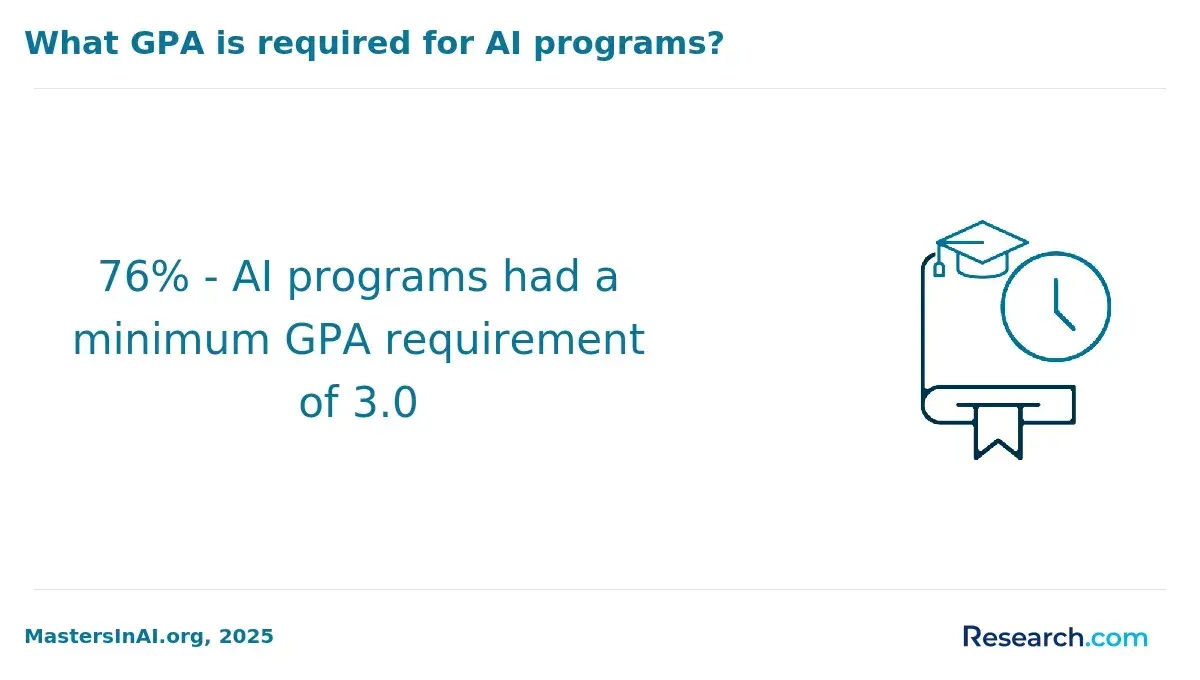
AI programs designed for working telecom executives typically demand a solid professional background paired with relevant technical expertise. Most candidates need at least a bachelor's degree in engineering, computer science, telecommunications, or related disciplines. Eligibility criteria for AI courses targeting telecom industry leaders often include substantial industry experience, commonly 5 to 10 years, with leadership roles that highlight strategic decision-making skills.
Applicants should demonstrate quantitative capabilities such as data analysis, statistics, or proficiency in programming languages like Python or R. Some programs require prerequisite coursework in machine learning or data science, while others provide foundational training to close knowledge gaps.
Executive AI education also expects candidates to submit a clear statement of purpose emphasizing their commitment to applying AI within telecom leadership. Recommendations from supervisors or industry mentors who can verify managerial effectiveness and technical adaptability are often important. Practical experience with AI tools or related projects strengthens applications by aligning with evolving industry demands.
A recent survey revealed that 72% of telecom and technology board members now rank AI capabilities among the top-three skills expected from C-suite leaders, reflecting the growing importance of this expertise.
Some programs may conduct interviews or assessments to evaluate problem-solving and critical thinking relevant to AI integration in telecom operations. Prospective students exploring other tech-related fields might consider a game design online degree as an alternative pathway.
Online Delivery of AI Programs, by Institution Type

Which accredited universities and providers offer reputable AI training for telecom executives?
Leading accredited universities have developed specialized AI training tailored for telecom executives seeking to leverage technological advancements strategically. Carnegie Mellon University offers executive education programs focusing on AI applications in telecommunications, emphasizing data-driven decision-making and network optimization. Stanford University's Graduate School of Business provides courses integrating AI frameworks with telecom management to help executives align AI initiatives with business goals. Such reputable providers ensure comprehensive learning experiences critical for industry leaders.
The Massachusetts Institute of Technology (MIT) Sloan School of Management features programs addressing AI's impact on communication infrastructure, including predictive analytics and enhancing customer experience. The Georgia Institute of Technology's Online Master of Science in Computer Science offers electives on AI and machine learning specifically for telecommunications, designed to deepen technical understanding alongside leadership skills. These programs exemplify accredited universities offering AI training for telecom executives.
Several institutions also offer accessible executive certification programs. New York University's Tandon School of Engineering delivers AI courses emphasizing telecom use cases such as 5G deployment and network security. Platforms like Coursera and edX host university-validated certificates from Columbia University and the University of Illinois, presenting flexible options focused on AI-driven digital transformation in telecom. When exploring such opportunities, prospective students often consider the cost of computer science degree as a key factor.
According to PwC's 2024 Global AI Jobs Barometer, executives in AI-exposed leadership roles within information and communications sectors earn on average 25-30% higher wages than those in non-AI-exposed roles. This compensation premium illustrates the measurable value of pursuing advanced AI credentials.
Telecom leaders should prioritize programs that combine technical AI knowledge with business strategy to maximize this career and compensation upside, highlighting the importance of top providers of reputable AI courses for telecom industry professionals.
What core AI topics and telecom-focused skills do these executive programs typically cover?
Executive programs for telecom professionals cover core artificial intelligence topics such as machine learning fundamentals, natural language processing, computer vision, and advanced data analytics. These programs emphasize designing algorithms and deploying models tailored for telecom environments, including network optimization with AI-driven predictive maintenance, intelligent chatbot integration for improved customer experience, fraud detection, and real-time data stream analysis.
Participants engage with case studies on 5G deployment, IoT connectivity, and edge computing, showcasing AI's role in network traffic management and service automation. Courses also highlight critical areas like regulatory compliance and data privacy, equipping executives to lead initiatives while respecting telecom industry standards.
A 2024 survey by McKinsey revealed that telecom operators with sector-specific AI training are 1.8 times more successful in scaling AI projects than those relying on generic courses. This underlines the importance of combining AI theory with telco-focused applications to enhance operational efficiency and customer retention.
Ultimately, these programs develop executives' ability to supervise AI deployments that boost network reliability, personalize services, and create competitive advantages in a fast-evolving industry.
How long do AI courses for telecom executives usually take and how are they structured?
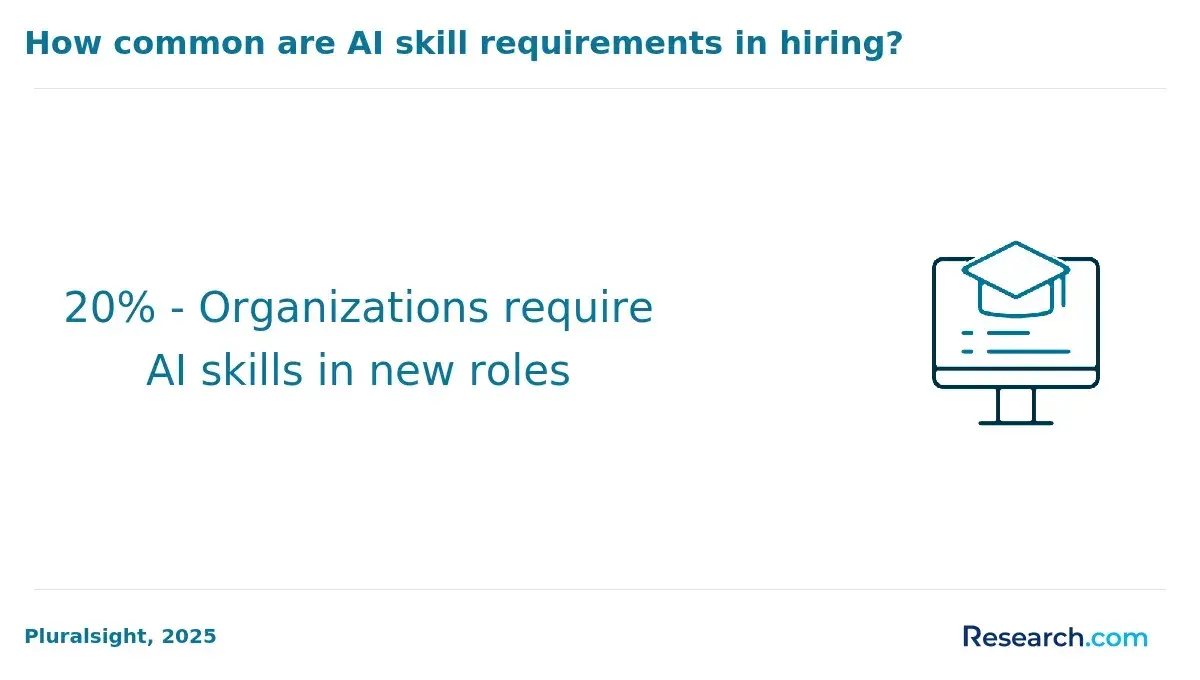
AI courses designed for telecom executives typically span 4 to 12 weeks, blending part-time executive education formats to accommodate ongoing professional duties. These programs focus on modular learning that addresses AI fundamentals, industry-specific applications, and strategic leadership to drive AI transformation.
Course delivery often combines weekly 2- to 3-hour live virtual seminars with asynchronous materials such as self-paced case studies and interactive simulations. Some programs include intensive onsite workshops lasting 1 to 3 days, followed by virtual sessions, creating a flexible hybrid model catering to busy executives.
Advanced offerings incorporate team projects and capstone assignments featuring telecom use cases like network optimization, customer analytics, and automated service operations. This hands-on approach reinforces practical skills and ensures executives can implement AI-driven strategies effectively.
A significant return on investment has been documented: companies investing at least 1.5% of payroll in AI-focused executive training typically achieve a 14-point higher EBITDA margin improvement from AI initiatives, according to a notable study. This evidences how structured AI education supports profitable adoption in telecom sectors.
Executives should prioritize programs offering measurable project outcomes, telecom-specific content, and flexible pacing to maximize ROI and streamline skill transfer for strategic and operational leadership.
How much do AI programs for telecom executives cost and what funding options exist?
AI programs for telecom executives typically cost between $1,000 and $10,000, depending on course length, depth, and format. Short micro-courses or certificate programs usually fall under $2,000, ideal for busy professionals seeking foundational knowledge. More comprehensive executive programs, often from business schools or technology institutes, range from $8,000 to $10,000 and may include live workshops, personalized coaching, and strategic project work tailored to telecom challenges.
Funding options vary widely. Many employers sponsor AI training as part of leadership or digital transformation initiatives, especially when AI skills drive innovation. Executives should explore tuition reimbursement, professional development budgets, and corporate partnerships with education providers. Scholarships and grants are sometimes available through industry associations focused on AI-driven telecom solutions. Some programs also offer payment plans to ease upfront costs.
Deloitte's 2024 Global Human Capital Trends report highlights a growing preference for modular, blended learning: 64% of C-suite respondents engage in learning bursts under 30 minutes, while 71% favor a mix of asynchronous and live sessions. This supports flexible pricing models, allowing executives to tailor investments.
Combining affordable online certificates with employer-funded live workshops can balance cost and time constraints for optimal learning outcomes and return on investment.
What executive and technical roles can AI-trained telecom leaders pursue after completion?
Telecom leaders trained in artificial intelligence hold key roles that enhance network efficiency and innovation. Executive positions such as Chief Technology Officer (CTO), Chief Data Officer (CDO), and Vice President of Network Automation focus on implementing AI-driven strategies that significantly cut operational costs and improve service reliability.
For instance, Ericsson's 2024 report highlights that AI-powered network automation can reduce site visits by up to 40% and lower trouble-ticket volumes by about 25%.
Technical career paths include AI Systems Architect, Network Automation Engineer, and Data Scientist roles dedicated to telecom applications, where experts design and refine AI models to automate network management and predict failures. Professionals also work on validating and integrating AI innovations to ensure seamless adoption within telecom infrastructures.
Other specialized roles involve product management with a focus on AI-driven telecommunications solutions and regulatory affairs specialists who manage compliance related to AI deployment. These roles address critical challenges such as minimizing manual troubleshooting, optimizing bandwidth allocation, and forecasting network demand using generative AI tools.
Graduates with training in AI and telecom are in demand across both technical and leadership teams, driving measurable improvements in industry efficiency and technological advancement.
What salary impact and promotion potential can telecom executives expect after AI upskilling?
Telecom executives who gain skills in artificial intelligence often see notable salary boosts and improved promotion opportunities. Data from the TM Forum survey indicates that 63% of telecom operators have integrated AI into customer-facing roles, resulting in operational gains such as a 50% drop in call center volumes and 20-30% increased digital channel containment. These advantages fuel demand for leaders experienced in AI's strategic uses.
Salary increases after AI upskilling range from 10% to 25%, reflecting the value placed on AI-enabled decision-making. Telecom executives skilled in AI-driven customer experience or predictive network optimization frequently move into roles like AI strategy lead or chief digital officer, which offer higher pay.
AI expertise also accelerates promotion potential. Executives able to guide AI adoption can shift from operational positions to strategic leadership within 12 to 24 months, directly influencing revenue and business models.
Crucial skills that enhance pay and advancement include:
- Understanding machine learning models for network management
- Proficiency with AI-powered automation platforms
- Data analytics focused on predicting customer behavior
Those without AI skills may face career stagnation as telecom workflows evolve. Employers reward professionals who drive efficiency and customer interaction improvements through AI. Upskilling in artificial intelligence has therefore become essential for career growth in telecom sectors.
Are there industry-recognized AI certifications beneficial for advancing a telecom executive career?
AI certifications have become essential credentials for telecom executives aiming to advance their careers. These certifications validate practical skills in AI applications like network optimization, predictive maintenance, and customer experience enhancement, which drive strategic telecom decisions and innovation.
Leading certification programs come from reputable organizations such as the AI Institute, the IEEE Certified AI Professional, and tech industry leaders like IBM and Google. These focus on integrating machine learning with telecom infrastructure and AI-powered data analytics, addressing the sector's unique challenges.
Industry data reflects this growing demand: according to the 2024 LinkedIn Workplace Learning report, the global time spent on AI and data skills learning nearly doubled between 2022 and 2024. AI-related course enrollments among tech and telecom professionals increased over 60% annually, demonstrating the competitive edge such expertise provides.
Telecom executives often pursue these certifications to:
- Enhance strategic planning with AI-driven market insights.
- Lead digital transformation using AI-focused project management.
- Improve operational efficiency through hands-on AI tools.
Many programs offer flexible online modules suitable for busy professionals while also fostering networking with peers and AI experts to accelerate career growth.
Other Things You Should Know About Artificial Intelligence
Telecom executives often encounter challenges such as data privacy concerns, integration of AI with existing systems, and ensuring the quality of data used for AI models. Additionally, aligning AI projects with business goals and managing change within the organization can complicate implementation efforts.
In 2027, top AI courses for telecom executives seeking to enhance customer experience include MIT's Professional Certificate in Machine Learning & AI, offering modules on customer data analysis, and Coursera's AI for Everyone by Andrew Ng, which emphasizes practical AI applications in customer-centric settings.
Executives should build a strong understanding of AI concepts such as machine learning, data analytics, and automation frameworks. Equally important are skills in strategic thinking, data governance, and cross-functional leadership to bridge AI initiatives across technical and business units.
Yes, ethical concerns include ensuring transparency in AI decision-making, maintaining user privacy, avoiding biased algorithms, and securing data from misuse. Telecom executives must also consider regulatory compliance and foster responsible AI practices throughout their organizations.
References
- What is MSc Artificial Intelligence? A Comprehensive Guide | Walbrook https://www.walbrook.ac.uk/subjects/ai/what-is-msc-in-artificial-intelligence/
- Ultimate Guide: How to Choose the Right AI Training Course to Boost Your Career - ONLC https://www.onlc.com/blog/how-to-choose-ai-training-courses/
- 16 Artificial Intelligence Career Paths https://www.calmu.edu/news/artificial-intelligence-career-paths
- The AI Boom In Executive Education: What You Can Study Right Now At The World's Top B-Schools https://poetsandquantsforexecs.com/exec-ed/the-ai-boom-in-executive-education-what-you-can-study-right-now-at-the-worlds-top-b-schools/
- Telecom Giants Launch $500M AI Fund: What It Means for Supply Chain https://www.traxtech.com/ai-in-supply-chain/telecom-ai-investment-fund-supply-chain-implications
- Best AI Courses for Executives & Business Leaders https://www.cbtnuggets.com/blog/technology/devops/best-courses-ai-for-business-leaders
- The $28 Billion Gap: How AI Can Cut US Telecom Costs | Bain & Company https://www.bain.com/insights/the-28-billion-gap-how-ai-can-cut-us-telecom-costs/
- Best Hybrid AI Executive Programs in 2026 - Emeritus Online Courses https://emeritus.org/blog/best-hybrid-ai-executive-programs/
- Artificial intelligence | Adding Value Consulting https://www.addingvalue.nu/courses/artificial-intelligence