2027 Best AI Governance Courses for Claims Management Teams

Co-Founder and Chief Data Scientist
Claims management teams often confront challenges in ensuring ethical, transparent, and compliant use of artificial intelligence tools. Misapplication of AI can lead to biased decisions, regulatory violations, and compromised claim outcomes, jeopardizing both organizational integrity and client trust. Professionals need targeted training to navigate complex governance frameworks and implement best practices effectively.
This article outlines leading AI governance courses designed to equip claims management teams with practical skills and knowledge. It focuses on flexible, accredited programs that facilitate a career pivot into AI governance, helping professionals address real-world risks and optimize AI deployment in claims operations.
Key Things You Should Know
- AI governance courses for claims management focus on ethical frameworks, risk assessment, and regulatory compliance, essential for mitigating AI biases and ensuring transparency in insurance processes.
- By 2025, over 60% of top U.S. claims teams are expected to integrate AI governance training, reflecting growing demand for responsible AI deployment in the insurance sector.
- Leading programs emphasize practical skills like auditing AI models and data privacy, equipping professionals to navigate complex legal and technological challenges effectively.
Advance Your Career with AI Online Courses
Artificial Intelligence: Implications for Business Strategy
This program provides an introduction to Artificial Intelligence and their implications for business strategy. Earn an official digital certificate.

Oxford Artificial Intelligence Programme
Explore this Oxford Artificial Intelligence programme offered in a flexible learning environment and explore topics like machine learning, automation, and robotics.

Implementing Agentic AI: Building Your Organizational Playbook
This online MIT Agentic AI course offers a practical approach to deploying AI agents in your organization, including a custom playbook. 3 weeks, exclusive launch price.

AI Adoption: Driving Business Value and Impact
This online MIT AI Adoption: Driving Business Value and Impact offers practical frameworks to close the gap between AI potential and business reality.

Artificial Intelligence in Pharma and Biotech
Discover the applications and limitations of artificial intelligence in pharma and biotech with this MIT online short course.

What is AI governance for claims management teams and why does it matter?
AI governance frameworks for claims management teams provide structured oversight to ensure ethical, transparent, and compliant use of artificial intelligence tools throughout the claims lifecycle. These frameworks help reduce bias, protect data privacy, and improve decision accuracy by including risk management, algorithm validation, and ongoing monitoring of AI outcomes. Implementing robust governance is critical because claims decisions impact customer trust, legal compliance, and financial results.
Despite 82% of Property & Casualty insurers adopting or piloting AI in claims, only 31% have mature governance processes, creating potential reputational and regulatory risks. Effective governance addresses challenges such as maintaining data quality, defining accountability when AI recommendations fail, and balancing automation with human oversight through continuous model audits and clear exception protocols.
Benefits of effective AI governance in insurance claims include reduced bias, consistent claim outcomes, fraud detection, and adherence to regulatory standards. Clear communication between data scientists, claims adjusters, and compliance officers fosters transparency in AI-driven decisions.
Claims management professionals enhancing their careers should develop skills in AI risk assessment, regulatory compliance, and ethical AI implementation. Prospective students interested in related fields can improve their qualifications by exploring a data science major ranking to identify top programs.
Advance Your Career with AI Online Courses
Artificial Intelligence: Implications for Business Strategy
This program provides an introduction to Artificial Intelligence and their implications for business strategy. Earn an official digital certificate.
Oxford Artificial Intelligence Programme
Explore this Oxford Artificial Intelligence programme offered in a flexible learning environment and explore topics like machine learning, automation, and robotics.
Implementing Agentic AI: Building Your Organizational Playbook
This online MIT Agentic AI course offers a practical approach to deploying AI agents in your organization, including a custom playbook. 3 weeks, exclusive launch price.
What are the best types of AI governance courses for insurance claims professionals?
AI governance training for insurance claims specialists must prioritize regulatory compliance, ethical AI use, and risk management. Emphasizing laws like the EU AI Act, which imposes severe penalties for non-compliance, prepares claims teams to navigate legal risks and foster responsible AI deployment. Effective AI governance programs for claims management teams also focus on algorithmic transparency and bias mitigation, enabling professionals to audit AI models and prevent unfair or damaging outcomes.
Practical risk assessment training enhances the ability to identify AI vulnerabilities and implement controls that reduce harm. Examining real-world case studies of AI failures in insurance offers vital lessons on managing AI liabilities. Privacy protections are equally critical; hands-on instruction in regulations such as GDPR and CCPA helps claims professionals safeguard sensitive claimant data.
Integrating AI governance with enterprise risk frameworks aids smooth operational adoption.
Recommended course features include:
- Up-to-date content on global AI compliance laws
- Techniques for ethical AI auditing and bias detection
- Practical risk management methodologies specific to insurance claims
- Privacy and security controls focused on claimant data
Exploring an affordable online engineering degree can also provide essential technical skills useful for advancing AI knowledge in insurance. Many professionals improve their expertise by selecting such programs to complement AI governance training.
How do AI governance courses help claims teams manage risk, compliance, and fraud?
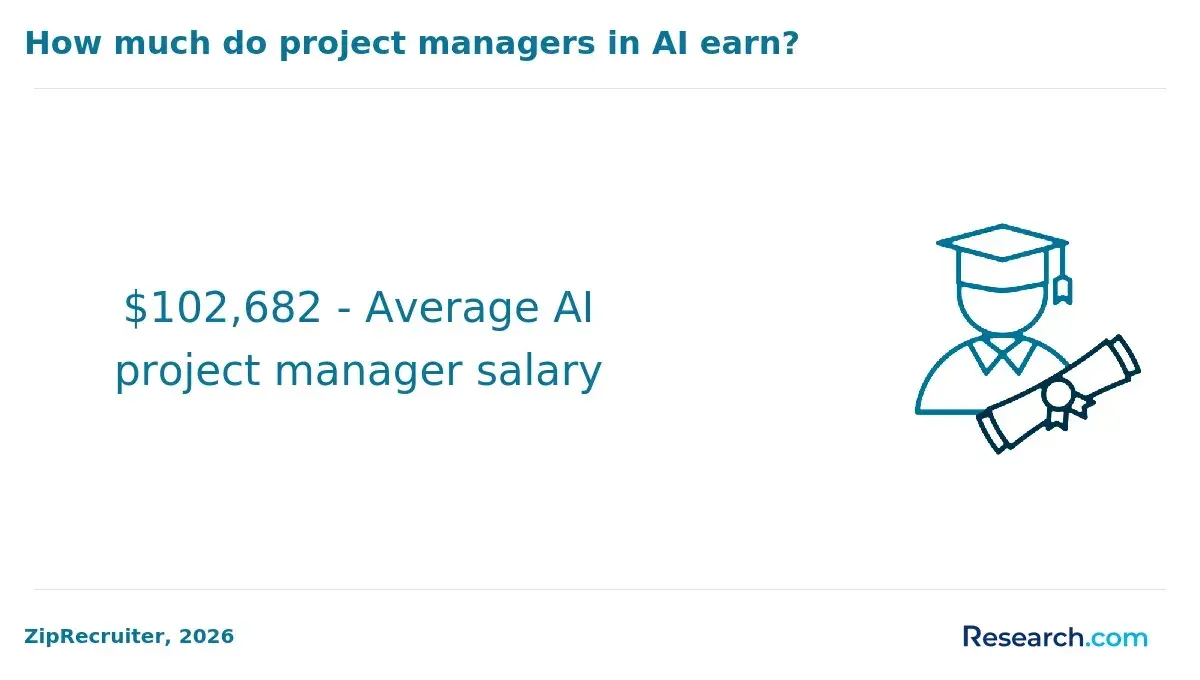
AI governance training for claims risk management equips professionals with frameworks and tools to systematically handle risk, ensure compliance, and detect fraud in claims processing. These courses help identify biases, data privacy issues, and accountability concerns in AI-powered systems, enabling teams to audit algorithms and enforce ethical standards. As a result, operational errors that lead to financial losses or regulatory penalties can be minimized.
Research shows that organizations with formal AI governance education reduce AI-related incidents by 30%, underscoring its impact on claims accuracy and operational stability.
Key benefits of compliance and fraud prevention with AI governance courses include:
- Enhanced risk assessment skills to anticipate failures in AI decision-making during claim evaluations
- Mastery of compliance protocols that align AI outputs with changing insurance regulationsIdentification and mitigation of fraud through AI audits and anomaly detection
- Claims teams trained in AI governance can implement continuous monitoring systems that flag suspicious approvals automatically, lowering manual reviews and fraud losses.
Understanding AI explainability also helps justify decisions during regulatory scrutiny and legal challenges. This education promotes collaboration between claims adjusters, legal experts, and data scientists, essential for adapting frameworks as technologies and regulations evolve.
Prospective students interested in AI-related fields may also explore opportunities like online colleges for game design to broaden their tech expertise.
What curriculum topics should top AI governance courses for claims management include?
Top AI governance frameworks for claims management focus on risk assessment tailored to identifying bias and reducing errors in automated decisions. Effective training covers compliance with insurance regulations, data privacy laws, and ethical guidelines, equipping claims teams with tools to manage legal and reputational risks.
The best curriculum topics in AI for claims teams emphasize transparency and explainability, ensuring learners can interpret and communicate AI outputs clearly to foster stakeholder trust.
Courses often include case studies on model validation, performance monitoring, and continuous improvement to sustain accuracy over time. Data governance remains essential, addressing data quality, security, and proper labeling, while integrating human oversight into AI workflows to prevent systemic errors.
McKinsey & Company's report highlights that insurers combining AI-enabled claims automation with strong governance can reduce claim handling costs by up to 30% and improve loss-adjustment accuracy by 10-15%, underscoring the importance of measurable impact assessment.
Additional modules may cover emerging AI technologies applicable to claims, strategies for risk-based prioritization, and fostering cross-functional collaboration among data scientists, adjusters, and legal professionals. For professionals considering expanding their expertise, exploring online electrical engineering degrees for veterans can be a valuable complement to AI governance knowledge in claims management.
How do online AI governance programs compare to on-campus options for claims teams?
Online AI governance programs provide flexibility and better accessibility for claims management professionals compared to traditional on-campus options. These programs allow participants to balance coursework with job responsibilities, a significant benefit for busy claims teams.
Many online offerings feature modular certificates or micro-credentials focused on governance and risk, enabling learners to customize their education based on current job demands. On-campus programs, by contrast, often require full-time attendance and fixed schedules, which can be less practical for working professionals.
Online courses frequently update content to keep pace with the rapidly changing AI regulatory environment. They also tend to attract diverse cohorts, connecting claims professionals across industries and enhancing peer learning and perspectives. However, on-campus programs often provide more in-depth networking opportunities with faculty and hands-on group projects, which may suit teams looking for intense skill-building experiences.
The Industry Skills report from Coursera highlights that enterprise learners completing governance- and risk-focused AI certificates are 46% more likely to work on AI-related projects within 12 months than those without such credentials. This statistic underscores the tangible career benefits that targeted online governance training can offer.
For claims teams prioritizing practical skills and measurable results, online AI governance programs offer strategic advantages without high time or travel commitments.
Which U.S. accreditations and industry standards matter for AI governance training?
Key U.S. accreditations for AI governance training in claims management align with standards from the National Institute of Standards and Technology (NIST) AI Risk Management Framework and the Institute of Electrical and Electronics Engineers (IEEE). These provide vital guidelines on risk assessment, transparency, and ethics to ensure training covers operational risks and regulatory compliance essential for claims teams.
Additionally, certifications from bodies such as the Project Management Institute (PMI) demonstrate proficiency in managing AI-driven processes in claims adjudication.
Effective programs incorporate U.S. Federal Trade Commission (FTC) guidelines on AI fairness and accountability, embedding legal compliance for financial and insurance sectors. American National Standards Institute (ANSI) criteria further validate courses tailored to organizational needs in claims processing.
Research shows that combining external governance education with internal, role-specific training improves outcomes; organizations blending these approaches report a 1.7 times higher likelihood of confidence in AI-assisted decision reliability, according to Deloitte's Human Capital Trends study.
Prospective learners should verify that accredited courses include compliance frameworks, risk evaluation, transparency protocols, and auditing practices crucial for AI governance in claims management systems.
What are the admission requirements and typical length of AI governance certificates?
Admission to AI governance certificate programs often requires a background in technology, compliance, risk management, or related fields. Applicants typically need at least a bachelor's degree, with some programs recommending professional experience in insurance, finance, or claims management.
Familiarity with data privacy laws, ethical AI frameworks, or machine learning basics is commonly expected. Some courses accept equivalent work experience in regulatory or IT roles instead of formal degrees. Prerequisite knowledge in statistics or coding may also be required based on technical depth.
Program lengths vary widely, ranging from about 6 weeks to 6 months. Short courses with 20 to 40 hours target professionals seeking a quick foundation in compliance and governance relevant to claims management.
Longer certificates exceeding 100 hours usually cover regulatory policies, algorithmic bias mitigation, and implementation strategies within insurance. Many programs offer flexible pacing, allowing part-time study over months or intensive boot camps condensed into weeks.
LinkedIn's 2024 Global AI Jobs report highlights a 62% year-over-year rise in recruiter interest for professionals with AI governance or AI risk management skills. For claims professionals, choosing a certificate with transparent admission criteria and manageable time commitments is key to meeting this growing demand efficiently.
How much do AI governance courses for claims management cost, and who pays?
AI governance courses for claims management typically cost between $1,000 and $4,000, depending on provider, course depth, and delivery method. Short online certifications range from $1,000 to $1,500, while more comprehensive multi-week programs featuring live instruction and hands-on projects can exceed $3,500.
Customized corporate training packages for teams often cost $10,000 or more, especially when tailored to specific fraud detection or claims processing frameworks.
Employers frequently cover the cost of these courses when the training supports company goals like fraud reduction and compliance enhancement. Carriers using AI-driven fraud detection with robust governance controls have been shown to reduce fraud losses by 18-25%, compared to just 8-10% with minimal oversight.
This measurable benefit encourages insurers to invest in educating claims teams. Some companies pay full tuition, provide reimbursements, or offer stipends to support relevant coursework.
Individuals seeking to improve skills independently may pay out-of-pocket or take advantage of employer-subsidized tuition assistance. Scholarships or financial aid might be available for AI governance courses specific to insurance.
Claims teams should look for programs offering:
- Case studies on AI governance impacts in fraud detection and subrogation
- Compliance frameworks aligned with U.S. regulations
- Practical training in AI risk management and transparency
These features justify higher costs and enhance practical application of governance skills to reduce costly errors and fraud exposure.
What careers, job roles, and promotions can AI governance training support in claims?
AI governance training empowers many roles within claims management, such as AI compliance officers, data governance analysts, risk managers, and claims operations leaders. Professionals with expertise in AI governance lead the ethical and transparent development of AI models that improve claims adjudication and fraud detection.
Claims adjusters familiar with AI governance can advance to positions validating AI-based decision tools, ensuring fairness and accuracy in claims outcomes.
Career growth often comes from mastering AI oversight skills. Examples include moving from claims analyst to AI governance coordinator or from claims manager to director of technology risk.
These positions emphasize regulatory compliance, bias reduction, and cross-functional teamwork. Employers value individuals who connect technical AI functions with operational claims workflows.
Organizations build cross-functional AI governance committees with claims team representation to oversee AI use. Data from a survey by LIMRA/LOMA highlights that insurers with formal AI governance committees are 2.3 times more likely to maintain an extensive AI use case inventory across claims, underwriting, and customer service. This fosters leadership roles in AI strategy and enterprise governance.
Key challenges include managing data privacy, reducing algorithmic bias, and ensuring compliance. Training addresses these areas, preparing claims professionals to identify AI risks and promote responsible AI practices-essential for upward mobility in the insurance sector.
How should claims leaders choose a reputable AI governance program for their teams?
Claims professionals aiming to excel in AI governance should choose programs grounded in comprehensive ethics, regulatory compliance, risk management, and practical governance frameworks tailored to claims processes. The most effective courses align with current industry standards and regulations, offering actionable insights for direct application.
Instructor credentials and institutional affiliations matter. Programs taught by recognized experts or accredited universities tend to offer more reliable, current content. For instance, courses featuring recent insurance industry case studies better equip teams for real-world claims challenges.
Hands-on learning opportunities like simulations or project work are especially valuable. Applying governance models to AI-driven claims automation enhances compliance and operational efficiency, benefiting claims leaders and their teams.
Flexibility is key. Modular or online options support professionals balancing ongoing claims duties. Certifications respected by insurers or industry bodies help demonstrate mastery and elevate career prospects.
According to data from research.com, 72% of insurance CEOs consider AI governance and ethics a top-three leadership competency within three years, underscoring the critical need for expertise in this field.
- Comprehensive curriculum with ethics and compliance
- Expert instructors and accredited partnerships
- Practical, hands-on training options
- Flexible delivery and recognized certification
Other Things You Should Know About Artificial Intelligence
In 2027, top AI governance courses for claims management teams include MIT's AI Governance for Executives, Coursera's AI for Healthcare specialization, and Stanford's Professional Certificate in Artificial Intelligence and Ethics. These courses focus on ethical AI implementation, regulatory compliance, and risk management tailored to the claims sector.
Artificial intelligence can analyze large datasets rapidly to detect patterns and inconsistencies that humans might miss, enhancing accuracy in claims assessment. Machine learning algorithms can identify fraudulent claims more effectively and reduce errors caused by manual input. This leads to faster and more reliable claims resolutions for insurance companies.
Key challenges include data quality issues, legacy system compatibility, and the need for staff training on AI tools. Ensuring regulatory compliance and addressing cybersecurity risks are also important when deploying AI solutions. Overcoming these hurdles requires strategic planning and ongoing oversight within the claims management workflow.
Continuous learning allows AI models to adapt to new data and evolving fraud tactics, improving their predictive accuracy over time. In claims management, this means AI systems become more effective at identifying emerging risks and trends. Regular updates and monitoring are essential to maintain AI performance and relevance.
References
- An AI governance certification will boost your career | The Corporate Governance Institute https://www.thecorporategovernanceinstitute.com/insights/guides/an-ai-governance-certification-will-boost-your-career/
- GAICC Certified Professional in AI Governance (GAICC-CPAIG) https://gaicc.org/certified-professional-in-ai-governance/
- Search Keywords https://www.knowledgeleader.com/blog/building-ai-governance-framework-practical-guide-risk-and-audit-teams
- AI Governance Risk and Compliance https://www.modelop.com/ai-governance/ai-governance-risk-compliance
- AIGP: Artificial Intelligence Governance Professional training | IAPP https://iapp.org/train/aigp-training
- AI Governance Platform: Agentic Workflow Governance Layers Compared https://form.io/ai-governance-platform-agentic-workflow-governance-layers-compared/
- AI Governance Professional Certification | CertiProf https://certiprof.com/products/ai-governance-certification-iso-42001
- AIGP training: AI GOVERNANCE PROFESSIONAL https://www.heliossalinger.com.au/training/iapp-certifications/aigp/
- How to Get Your First AI Governance Job: A Career Guide https://governance.aicareer.pro/blog/landing-your-first-job-in-ai-governance
- AI governance: What it is and why it matters https://www.contentful.com/blog/ai-governance/