2027 Best AI Courses for Solopreneurs

Co-Founder and Chief Data Scientist
Many solopreneurs struggle to integrate artificial intelligence into their businesses due to limited time and lack of formal training in the field. Without accessible, flexible learning options, advancing AI skills while managing daily operations can feel overwhelming. This dilemma highlights the need for targeted courses that address the practical challenges faced by solo operators seeking to leverage AI for growth.
The article will explore the best AI courses designed to fit the unique schedules and needs of solopreneurs, helping them acquire relevant expertise efficiently and confidently.
Key Things You Should Know
- Top AI courses for solopreneurs in 2026 focus on practical applications, with 68% offering hands-on projects to build business automation skills.
- Emerging programs emphasize ethical AI use and data privacy, reflecting 2025 regulations impacting small business owners' responsibilities.
- Cost-effective and flexible online courses dominate, with 55% priced under $500 and designed for solo entrepreneurs balancing multiple roles.
Advance Your Career with AI Online Courses
Artificial Intelligence: Implications for Business Strategy
This program provides an introduction to Artificial Intelligence and their implications for business strategy. Earn an official digital certificate.

Oxford Artificial Intelligence Programme
Explore this Oxford Artificial Intelligence programme offered in a flexible learning environment and explore topics like machine learning, automation, and robotics.

Implementing Agentic AI: Building Your Organizational Playbook
This online MIT Agentic AI course offers a practical approach to deploying AI agents in your organization, including a custom playbook. 3 weeks, exclusive launch price.

AI Adoption: Driving Business Value and Impact
This online MIT AI Adoption: Driving Business Value and Impact offers practical frameworks to close the gap between AI potential and business reality.

Artificial Intelligence in Pharma and Biotech
Discover the applications and limitations of artificial intelligence in pharma and biotech with this MIT online short course.

What are the best AI courses for solopreneurs?
The best AI courses for solopreneurs with practical applications focus on skills that deliver immediate business value. Programs like Stanford's Machine Learning by Andrew Ng and MIT's Professional Certificate in AI Strategy combine foundational knowledge with real-world case studies. Top online artificial intelligence training for solo entrepreneurs often includes hands-on tools for e-commerce integration, customer service bots, and data analytics through platforms such as Coursera and Udemy.
Recent data shows 73% of small and midsize businesses using AI reported revenue growth, far surpassing the 39% among non-adopters (Salesforce, 2025 SMB Trends Report). Solopreneurs should seek courses covering both AI concepts and their practical implementation using Python libraries or no-code AI platforms.
Key course features to prioritize include:
- AI tools for automating marketing and operational tasks
- Practical exercises with real datasets and business scenarios
- Instruction on ethical AI use and data privacy compliance
- Modules covering AI-powered customer insights and personalization
Courses offering live projects or mentorships help bridge theory and practice, vital for solo entrepreneurs often lacking technical backgrounds. Beginner-friendly courses with flexible pacing and clear explanations empower learners to increase efficiency, lower costs, and grow revenue. For more insights on career options, explore artificial intelligence career paths.
Advance Your Career with AI Online Courses
Artificial Intelligence: Implications for Business Strategy
This program provides an introduction to Artificial Intelligence and their implications for business strategy. Earn an official digital certificate.
Oxford Artificial Intelligence Programme
Explore this Oxford Artificial Intelligence programme offered in a flexible learning environment and explore topics like machine learning, automation, and robotics.
Implementing Agentic AI: Building Your Organizational Playbook
This online MIT Agentic AI course offers a practical approach to deploying AI agents in your organization, including a custom playbook. 3 weeks, exclusive launch price.
Which AI skills matter most for solopreneurs?
Solopreneurs can significantly boost efficiency by mastering specific ai tools for solopreneurs to improve productivity such as data analysis, natural language processing (NLP), and automation platforms. These skills help automate routine tasks like email marketing and invoicing while enabling smarter business decisions through customer behavior insights. NLP expertise is key for building chatbots and crafting personalized marketing campaigns that engage customers effectively without heavy ongoing costs.
Familiarity with machine learning concepts, especially applying essential machine learning skills for solopreneurs, offers advantages like using recommendation algorithms to enhance upselling in ecommerce. Equally crucial is understanding AI ethics and data privacy to safeguard sensitive information and comply with regulations.
Short, focused online courses are preferred by 84% of small business owners, highlighting the demand for targeted practical knowledge rather than broad theoretical programs. For those interested, pursuing a specialized program such as a mechanical engineering online degree can provide a strong technical foundation, even beyond AI-specific roles.
Key ai skills that solopreneurs should prioritize include:
- Data visualization and interpretation
- Building and managing chatbots using NLP
- Automating workflows with AI-enabled software
- Applying machine learning models to customer data
- Ensuring compliance with data privacy standards
Are online AI courses better than in-person programs?
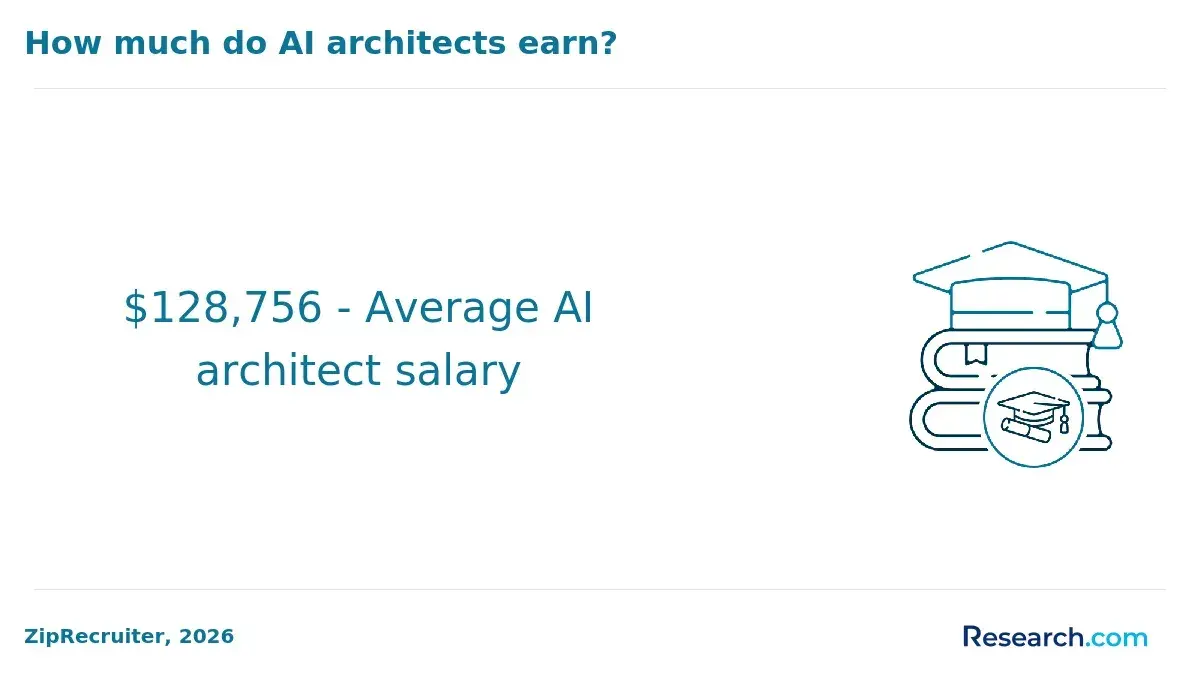
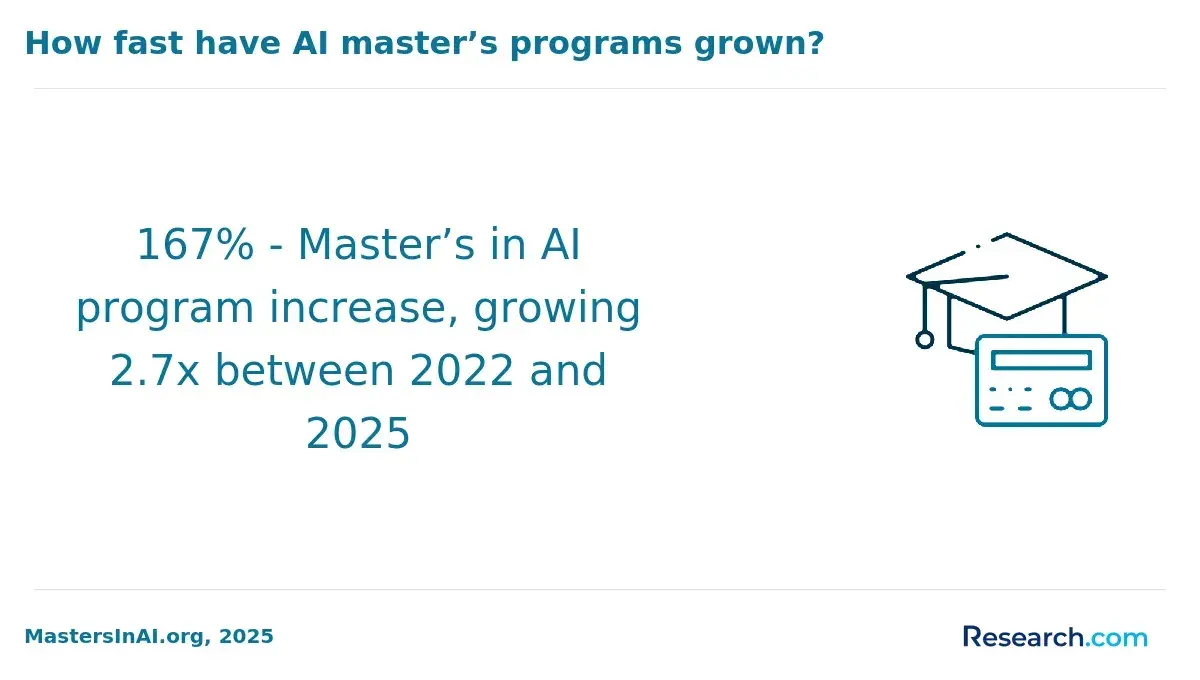
Online AI courses have seen remarkable growth, with enrollment in introductory, non-technical classes on Coursera increasing by 167%. More than half of this surge comes from "AI for Everyone"-style courses, showing the broad appeal and effectiveness of digital learning formats for foundational knowledge. These courses offer solopreneurs advantages of online AI learning over in-person programs by providing flexibility, accessibility, and scalability-key for those juggling multiple responsibilities.
They allow learners to study at their own pace, revisit challenging concepts, and access frequently updated materials created by industry experts. The wide variety of courses available includes both technical coding and strategic AI applications in business, helping solopreneurs customize their education to meet needs like automating marketing tasks or enhancing product recommendations.
In-person programs, while valuable for networking and hands-on workshops, often come with higher costs and less scheduling freedom. Many online courses now compensate with virtual communities and live interactive sessions, addressing some of these gaps. Those seeking immersive collaboration or intensive mentorship might opt for in-person, but solopreneurs often benefit most from the cost-efficiency and convenience of online learning.
For those exploring specialized education options, a game development online degree can serve as an example of focused, affordable online training that aligns with fast-changing tech industries, including AI development roles.
What should an AI course curriculum include?
An ai course curriculum essentials for solopreneurs should focus on practical skills that boost business efficiency and decision-making. Core components include automation technologies, workflow design, and no-code tool integration, empowering solopreneurs to save valuable time. According to the Zapier State of Automation, 78% of small businesses that reported saving more than 10 hours weekly gained these skills via online or self-paced courses.
Comprehensive topics in artificial intelligence training often combine fundamental concepts like machine learning and data analysis with applied modules emphasizing:
- Building and implementing automated workflows specific to business needs.
- Using no-code platforms to create AI-driven processes without coding experience.
- Identifying repetitive tasks suitable for automation to focus on strategic growth.
Courses should also feature case studies showing AI applications in marketing, customer service, and inventory management. This hands-on approach deepens understanding beyond theory and enhances practical skills. Instruction on data privacy and ethical AI use prepares students for legal compliance.
Modules covering cost-effective AI tools and vendor evaluation guide solopreneurs in budget-friendly adoption. Project-based learning allows students to develop functional AI workflows or chatbots, building confidence and measurable outcomes. For those curious about the field's financial prospects, here is insight on how much do AI trainers make.
What admission requirements do AI courses usually have?
Admission requirements for ai courses vary widely by provider and course level. Many introductory options require no prior technical experience, making them suitable for solopreneurs without programming skills. In contrast, intermediate and advanced courses typically expect knowledge in programming languages like Python or R, basic statistics, and machine learning fundamentals.
Applicants may need to prove proficiency through placement tests or prior coursework. University-related programs often ask for transcripts demonstrating completion of relevant subjects such as calculus or linear algebra. Professional experience in data analysis or software development can sometimes replace formal education. Self-paced online courses tend to have fewer barriers but usually recommend preliminary tutorials to prepare students.
A strong foundation in math is crucial, as algorithms rely heavily on mathematical concepts. For those looking to use ai in marketing or client acquisition, familiarity with tools like natural language processing or predictive analytics is recommended but not always required.
Some courses request a statement of purpose or goals, especially cohort-based or certificate programs, to ensure students' objectives align with the curriculum. Financial aid applications may require additional documents, including income verification or recommendation letters.
ai-assisted marketing delivers practical benefits: a HubSpot report found a 28% increase in conversion rates and a 12-point reduction in customer acquisition costs for marketers using ai. These skills can significantly boost business growth for solopreneurs.
How long do AI courses for solopreneurs take?
AI courses for solopreneurs vary widely in duration, from brief 4- to 8-hour introductions to extensive programs lasting 20 to 40 hours or more over multiple weeks. These longer courses often focus on advanced topics like integrating AI tools into business workflows or developing AI-driven products.
Options include self-paced courses, which offer the flexibility needed to fit learning around busy schedules, and cohort-based or instructor-led classes spanning 4 to 12 weeks. For instance, a typical 6-week course might combine weekly 3- to 5-hour modules with hands-on projects to reinforce skills.
Many courses emphasize practical applications such as AI-powered content creation, marketing automation, and customer engagement. Formats range from short workshops lasting 2 to 6 hours to multi-day intensives tailored to actionable business goals.
Data from Thinkific Digital Learning Trends highlights that creators using AI tools launch new courses 2.3 times faster and generate 19% more revenue in their first year compared to those who don't. This reveals how efficient AI education can accelerate growth for solopreneurs.
When selecting a course, consider your technical background, available time, and specific objectives. Short courses suit rapid skill upgrades, while longer programs provide deeper mastery and effective strategy implementation.
How much do AI courses for solopreneurs cost?
AI courses for solopreneurs in 2026 present a range of costs depending on content depth, provider reputation, and delivery format. Entry-level options typically cost between $50 and $200, ideal for exploring foundational concepts via platforms such as Udemy or Coursera. More advanced, instructor-led programs range from $500 to $2,000, offering hands-on projects and mentorship beneficial for integrating AI tools into business workflows.
Subscription-based platforms charge monthly fees from $30 to $100, appealing to solopreneurs who want ongoing updates aligned with rapid AI advancements. Specialized bootcamps focusing on AI coding for indie hackers may cost $2,500 or more for immersive 8- to 12-week experiences, providing technical expertise and networking opportunities.
- Entry-level courses: $50-$200
- Instructor-led programs: $500-$2,000
- Subscription services: $30-$100/month
- Specialized bootcamps: $2,500+
According to the GitHub Copilot Research & Productivity Report (2025), 44% of solo and micro-SaaS founders had adopted AI coding tools by early 2025, doubling feature deployment speed on average. This finding highlights the value of mid-tier options providing practical AI applications for solo developers.
Financial aid, installment plans, and sponsorships sometimes reduce costs. Balancing budget with course quality and outcomes ensures solopreneurs invest wisely in AI education tailored to their business goals.
Which AI certificates are most recognized by employers?
Top AI certifications recognized by employers highlight both theoretical knowledge and practical skills. Industry-leading credentials from Google, Microsoft, and IBM are especially valued. The Google Professional Machine Learning Engineer certification validates abilities in designing and deploying machine learning models, making it highly sought after in tech industries. The Microsoft Certified: Azure AI Engineer Associate certification emphasizes integrating AI solutions within cloud platforms, a critical skill as cloud technology expands rapidly. IBM's AI Engineering Professional Certificate combines programming fundamentals with applied projects via online platforms, appealing to companies seeking hands-on expertise.
These certificates illustrate mastery in using practical tools, frameworks, and ethical considerations in AI. Moreover, they serve professionals outside major tech companies, such as small AI consultancies and solopreneurs, aiding them in winning contracts and enhancing credibility. The AI market is predicted to reach $134.8 billion with a 26% CAGR, underscoring demand for certified skills according to the IDC Worldwide AI Spending Guide, 2024.
Additional valuable programs include foundational offerings like Coursera's AI For Everyone, which helps solopreneurs grasp AI's business impact without extensive coding knowledge. This flexibility enables learners to align certifications with roles in AI development, deployment, or advisory services.
What jobs can AI course graduates pursue?
Graduates of AI courses can pursue diverse roles across industries, reflecting the technology's rapid integration into business operations. Common positions include AI specialist, machine learning engineer, data scientist, AI product manager, and automation consultant. These jobs require expertise in data analysis, model development, and deploying AI tools in corporate environments. For instance, AI specialists design algorithms to enhance customer experience in retail, while machine learning engineers develop predictive models for healthcare diagnostics.
Others find opportunities as business analysts focused on AI-driven insights, helping companies interpret large datasets for better decision-making. Marketing professionals use AI for personalized advertising and customer segmentation. AI project managers coordinate cross-functional teams to implement AI initiatives efficiently, critical for turning course knowledge into practical results.
AI ethics officers and compliance analysts are newer roles addressing data privacy and algorithm fairness. Freelance AI consultants offer flexibility by advising startups on tailored AI adoption strategies.
According to the IBM Global AI Adoption Index 2024, small businesses combining AI staff training with at least one AI project were 3.4 times more likely to achieve significant productivity gains than those relying solely on training or tools. This statistic highlights the demand for graduates who understand AI theory and can apply it effectively in the workplace.
What salary and job outlook do AI skills offer?
AI skills enhance salary prospects and job opportunities across many industries. Professionals with training in machine learning, data analysis, and automation tend to earn higher wages. For example, AI specialists have median annual salaries ranging from $95,000 to $150,000, with data scientists and machine learning engineers among the top earners. According to the LinkedIn Workplace Learning Report (2025), individuals completing at least one AI-related online course in 2024 were 47% more likely to receive a salary increase or generate new revenue streams within 12 months compared to those without AI upskilling.
Employment growth in AI fields is expected to outpace many others. The U.S. Bureau of Labor Statistics projects a 35% increase for computer and information research scientists specializing in AI between 2022 and 2032. Opportunities span technology, healthcare, finance, marketing, and manufacturing, making AI skills valuable for freelancers and solopreneurs seeking diverse income streams.
AI proficiency supports flexible careers through:
- Freelance AI consulting or modeling projects
- Developing AI-driven products or apps
- Enhancing traditional business services with automation
Businesses increasingly prioritize candidates who improve efficiency and generate insights with AI tools. Strategic upskilling with practical, project-based learning is vital to access high-paying roles or monetize AI knowledge independently. Choosing the right courses aligns skills with measurable financial benefits and career advancement.
Other Things You Should Know About Artificial Intelligence
In 2027, "AI Mastery for Solopreneurs" offered by EduTech Institute is highly recommended. This course provides in-depth insights into deploying AI tools effectively, addressing customization for solo business contexts, and offering hands-on projects for practical learning.
Solopreneurs can stay updated by engaging with reputable AI research publications, joining industry forums, and participating in webinars focused on the latest AI trends. Continuous learning through short courses and networking with AI professionals also helps maintain a competitive edge. Technology evolves quickly, so regular education and hands-on experimentation are essential.
Common challenges include the steep learning curve of AI tools and the cost of implementation. Data quality and availability can limit the effectiveness of AI applications, while integrating AI with existing business processes may require technical expertise. Solopreneurs also need to address concerns about user acceptance and maintaining ethical standards.
Artificial intelligence enhances decision-making by providing data-driven insights, predictive analytics, and automation of routine tasks. It helps solopreneurs optimize marketing, customer service, and inventory management. However, it is important to use AI as a complement to human judgment rather than a replacement, ensuring decisions are well-informed and context-aware.
References
- AI certifications: What employers actually want in 2026 - Spiceworks https://www.spiceworks.com/it-careers/ai-certifications-what-employers-actually-want-in-2026/
- AI for Freelancers & Solopreneurs Course - Workplace AI Institute https://workplaceaiinstitute.com/courses/ai-for-freelancers-solopreneurs/
- AI Solopreneur Guide: What Actually Works (Based on Real Data) | Blog | Codridge https://codridge.dev/blog/ai-solopreneur-guide-what-actually-works-based-on-real-data/
- Best AI Certification in 2026: Top Courses, Costs & Career Guide https://www.infotech.edu.sg/blog/best-ai-certification/
- AI Academy 4 All https://aiacademy4all.org/solopreneur/
- Online vs. In-Person AI and Machine Learning Courses: Which is Better for You? https://orhanergun.net/online-vs-in-person-ai-and-machine-learning-courses-which-is-better-for-you
- 16 Artificial Intelligence Career Paths https://www.calmu.edu/news/artificial-intelligence-career-paths
- In-Person vs. Online Training in the Age of AI: Finding the Right Balance https://trainingindustry.com/articles/artificial-intelligence/in-person-vs-online-training-in-the-age-of-ai-finding-the-right-balance/
- Individual Pricing for AI Academy Courses - Enroll Now https://academy.smarterx.ai/individual/pricing
- AI training and tools for small businesses | Grow with Google https://grow.google/ai-for-small-businesses/