2027 Best AI Ethics Courses for QA Engineers

Co-Founder and Chief Data Scientist
Quality assurance engineers face growing challenges as AI systems increasingly impact safety, fairness, and privacy. Without a clear grasp of AI ethics, testers risk overlooking critical biases or harmful behaviors embedded in algorithms. This oversight can lead to flawed products, legal liabilities, and public distrust. Navigating these complexities demands a specialized understanding beyond traditional QA skills.
This article explores the best AI ethics courses tailored for QA engineers, focusing on flexible, accredited programs that bridge technical expertise with ethical frameworks. It aims to guide professionals seeking to ensure responsible AI development and testing in their careers.
Key Things You Should Know
- AI ethics courses for QA engineers increasingly focus on bias detection, with 72% of 2025 curricula incorporating fairness frameworks to ensure equitable AI behavior.
- Data privacy and compliance training now represent over 60% of course content, addressing regulatory demands such as GDPR and CCPA relevant to AI systems testing.
- Practical modules on explainability and accountability are emphasized, as 68% of programs include hands-on case studies to prepare QA engineers for real-world ethical challenges.
Advance Your Career with AI Online Courses
Artificial Intelligence: Implications for Business Strategy
This program provides an introduction to Artificial Intelligence and their implications for business strategy. Earn an official digital certificate.

Oxford Artificial Intelligence Programme
Explore this Oxford Artificial Intelligence programme offered in a flexible learning environment and explore topics like machine learning, automation, and robotics.

Implementing Agentic AI: Building Your Organizational Playbook
This online MIT Agentic AI course offers a practical approach to deploying AI agents in your organization, including a custom playbook. 3 weeks, exclusive launch price.

AI Adoption: Driving Business Value and Impact
This online MIT AI Adoption: Driving Business Value and Impact offers practical frameworks to close the gap between AI potential and business reality.

Artificial Intelligence in Pharma and Biotech
Discover the applications and limitations of artificial intelligence in pharma and biotech with this MIT online short course.

What are the best AI ethics courses for QA engineers and how do they differ?
Among the best AI ethics courses for QA engineers are programs that blend technical rigor with ethical frameworks tailored for software quality assurance. Notable offerings include Stanford's AI Ethics and Society course, MIT's Ethics of AI and Big Data, and IBM's AI Fairness 360 training designed specifically for QA professionals. These programs vary in focus: Stanford highlights social impact and policy implications, MIT emphasizes technical AI auditing methods, and IBM offers practical open-source toolkits to detect bias in testing pipelines.
QA engineers in regulated industries or ethical compliance roles must navigate growing pressure to integrate ethics into their workflows. According to IBM's 2025 Global AI Adoption Index, 85% of enterprises have faced negative outcomes-like customer churn or regulatory challenges-from AI systems perceived as unfair or opaque. Yet only 35% include formal AI ethics reviews in QA processes. This gap illustrates the need for courses that teach how to identify unfair models, ensure transparency, and meet compliance standards before deployment, which distinguishes the differences between AI ethics training for qa engineers.
- Stanford's course provides theoretical foundations and broad societal context but offers fewer hands-on QA tools.
- MIT concentrates on audit methodologies and statistical fairness metrics applicable to automated QA testing.
- IBM's training focuses on integrating fairness toolkits directly into QA workflows.
For professionals seeking a well-rounded education in this field, pursuing a computer science degree online can complement AI ethics training and expand career opportunities.
Advance Your Career with AI Online Courses
Artificial Intelligence: Implications for Business Strategy
This program provides an introduction to Artificial Intelligence and their implications for business strategy. Earn an official digital certificate.
Oxford Artificial Intelligence Programme
Explore this Oxford Artificial Intelligence programme offered in a flexible learning environment and explore topics like machine learning, automation, and robotics.
Implementing Agentic AI: Building Your Organizational Playbook
This online MIT Agentic AI course offers a practical approach to deploying AI agents in your organization, including a custom playbook. 3 weeks, exclusive launch price.
Why do QA engineers need specialized AI ethics training in today's software testing roles?
QA engineers require AI ethics training for QA engineers in software testing to tackle challenges arising from AI integration in quality assurance. As AI increasingly influences critical decisions, adherence to ethical standards ensures fairness, transparency, and safety in software products. LinkedIn's 2025 Jobs on the Rise report notes a 160% surge in job postings combining quality assurance with AI governance and ethics, indicating rising demand for these hybrid skills.
Specialized ethics education for QA professionals equips them to detect algorithmic biases, mitigate discriminatory outcomes, and verify AI models' compliance with frameworks like GDPR and AI-specific regulations. QA engineers must test not only software functionality but also privacy controls and explainability features that clarify AI decision-making for end-users.
Common questions QA professionals face include:
- How to identify biased training data sets causing unfair predictions?
- Which metrics best evaluate AI system transparency and accountability?
- How to validate adherence to evolving legal and ethical standards?
- What processes ensure continuous monitoring of AI behavior post-deployment?
This training provides frameworks and tools integrating technical and ethical assessments, enabling QA engineers to collaborate with data scientists and AI developers effectively. Expertise in responsible AI governance alongside traditional quality assurance is now essential for ensuring ethical, trustworthy AI-driven software. Professionals looking to expand their skills may also explore options such as a mechanical engineering degree online to complement their technical foundation.
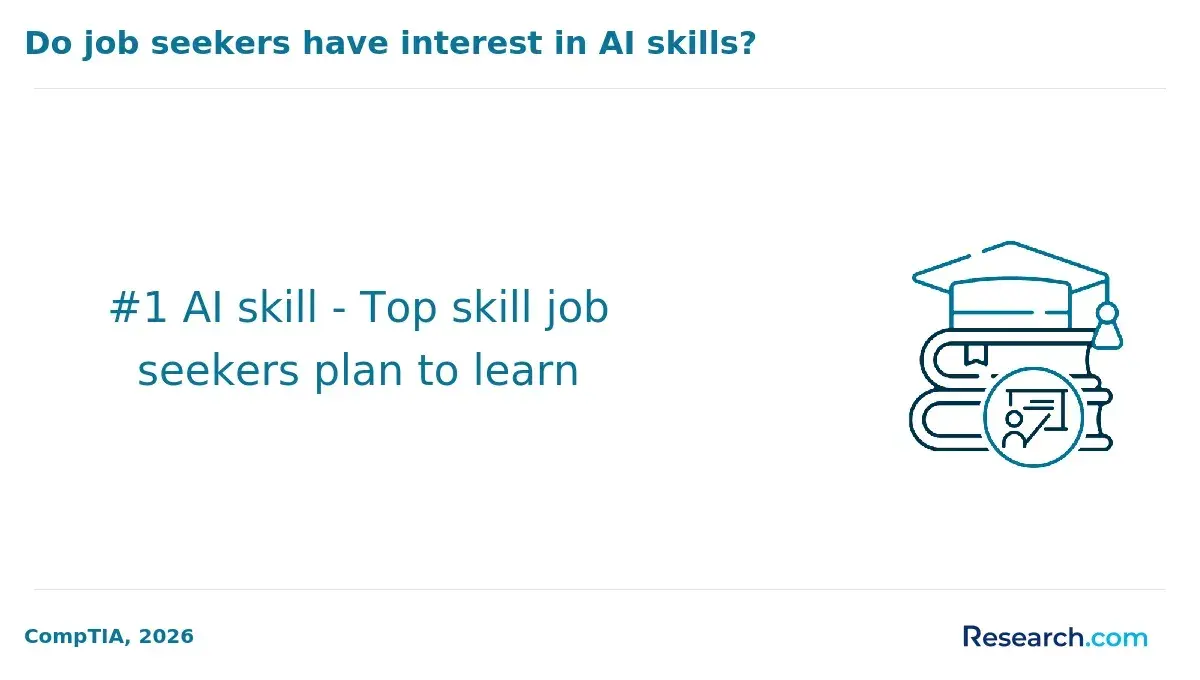
What topics and skills are typically covered in AI ethics courses for QA engineers?
AI ethics frameworks for quality assurance engineers encompass core subjects that ensure the responsible creation and deployment of AI systems. Key skills for QA engineers in AI ethics compliance include detecting fairness issues and bias in algorithms, promoting transparency, and enforcing accountability. Training emphasizes identifying discriminatory patterns in data and model results to preempt ethical problems before software release.
Privacy protection is another crucial area, with courses focusing on regulatory compliance such as GDPR and CCPA. QA professionals learn to audit data management practices and apply secure anonymization techniques to safeguard sensitive user information.
Risk assessment and mitigation are vital components, guiding testers through evaluating potential harms caused by AI in real-world scenarios. This includes stress testing models for adversarial attacks and unintended effects. Interpretability and explainability methods further enable QA engineers to ensure AI decisions are clear and justifiable to stakeholders, enhancing trust.
Practical experience often involves using specialized tools that visualize model behavior. Ethical decision-making models and professional standards are integrated into training to prepare testers for multidisciplinary collaboration on compliance and societal impact challenges.
Burning Glass Institute's labor market analysis reveals that software testing roles requiring AI ethics or responsible AI skills offer an 18-22% median salary premium compared to similar positions without these demands.
Specific competencies include developing test cases with ethical scenarios, continuous monitoring of ethical risks post-deployment, and mastering AI governance frameworks to address challenges throughout the AI lifecycle.
Those interested in strengthening their foundation in related cybersecurity aspects can explore online cybersecurity degree programs as part of their professional development.
How do online AI ethics courses compare with campus-based options for QA professionals?
Online AI ethics courses for QA professionals offer flexibility and up-to-date content that campus-based programs often cannot match. These courses accommodate full-time work schedules and feature modular designs, automated assessments, and real-world case studies. Campus-based options, conversely, excel in fostering deeper interpersonal connections, face-to-face networking, and live discussions. Such engagement aids ethical decision-making in team settings, something particularly valuable for quality assurance engineers.
Benefits of campus vs online AI ethics training for quality assurance engineers include considerations like course rigor and accreditation, with campus programs often linked to recognized certifications valuable for career growth. Technical support and instructor access tend to be more responsive in campus environments, while online courses generally cost less and require less time to complete. Networking opportunities through in-person interaction at colleges or universities create professional relationships critical for ethical audits and compliance.
QA engineers focused on ethical compliance might combine both formats to meet evolving regulatory expectations, using online courses for foundational knowledge and campus workshops to sharpen practical skills. Both avenues emphasize managing risks such as algorithmic bias, highlighted by the World Economic Forum's Global Risks Report 2024 as a driver of increased regulatory audits by 2026.
For those exploring relevant options, there are valuable resources like online cyber security courses that can complement AI ethics education.
What types of degrees, certificates, or bootcamps focus on AI ethics for QA engineers?
Degrees, certificates, and bootcamps focused on AI ethics for QA engineers address a critical need to embed ethical considerations within testing and quality assurance. Formal education options often include master's degrees or graduate certificates in AI ethics or responsible AI, typically offered through computer science or IT departments blending ethics, policy, and compliance. Such programs emphasize fairness, transparency, and accountability frameworks, equipping QA engineers to detect risks and biases from early development through deployment.
For professionals, targeted certificate programs and bootcamps provide modular training on ethical AI testing practices. These cover bias detection, ethical data management, regulatory compliance, and designing test scenarios for ethical AI behavior. Practical, hands-on bootcamps appeal to QA engineers seeking rapid, upskilling opportunities without long-term commitments.
Significantly, Deloitte's 2024 State of AI in the Enterprise survey reveals that 64% of leading AI organizations provide formal ethics training to technical staff, yet only 27% explicitly include QA and testing teams. This gap highlights an important chance for QA engineers to pursue ethics education actively and advocate for broader training inclusion within companies.
QA professionals should prioritize programs combining ethical risk assessment tools with traditional testing methods. Industry certificates focusing on practical ethics-offered by recognized professional bodies-bolster immediate applicability. Blending multidisciplinary AI ethics coursework with QA-specific skills ensures preparedness for evolving ethical standards in AI development and deployment.
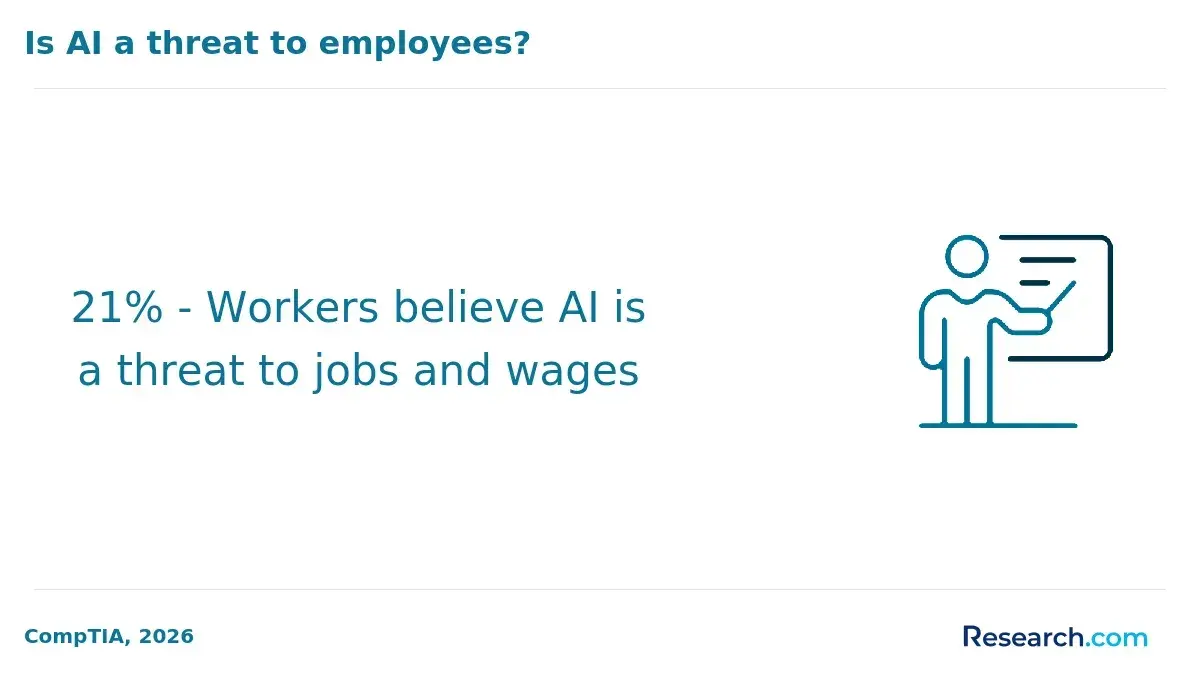
How can QA engineers evaluate accreditation and quality when choosing AI ethics programs?
QA engineers assessing accreditation and quality in AI ethics programs should prioritize recognized institutional credentials and alignment with industry benchmarks. Programs accredited by reputable universities or professional bodies, including regional educational agencies or specialized organizations like ABET, ensure rigor and curriculum relevance. It is crucial to verify if course content covers essential AI ethics frameworks such as fairness, transparency, privacy, and accountability with particular attention to testing environments.
Instructors' expertise and industry affiliations matter greatly. Courses led by faculty or practitioners experienced in AI ethics risk assessment or compliance offer practical insights beyond academic theory. Look for programs incorporating case studies or real-world scenarios that emphasize ethical reviews in AI testing, a key skill for QA roles.
Course outcomes and certifications also influence value. Preference goes to programs offering industry-recognized certificates or continuing education credits that enhance professional credentials. Such courses often align with findings from the Capgemini Research Institute's study, which shows that companies with mature responsible-ai practices, including ethical review in testing, are 1.6× more likely to achieve significant revenue growth and 2.4× more likely to avoid major AI incidents.
Finally, evaluate program updates and flexibility-AI ethics evolves rapidly, so quality programs update content regularly and provide modular learning options. Peer reviews and alumni feedback can further validate effectiveness and real-world relevance in QA engineering contexts.
What are the typical admission requirements and time commitments for AI ethics coursework?
Admission requirements for AI ethics courses tailored to QA engineers typically demand a foundational technology background. Most programs expect applicants to hold at least a bachelor's degree in software engineering, information technology, or computer science. Some advanced courses may also require prior experience in AI development or quality assurance roles. Basic programming skills and familiarity with AI concepts are common prerequisites, as coursework often focuses on ethical frameworks applied to AI systems. Graduate-level offerings might ask for a statement of purpose highlighting candidates' professional goals and interest in AI ethics.
Time commitments vary widely, from short workshops to semester-long courses. Online and part-time formats often require 4 to 8 hours weekly over 6 to 12 weeks, accommodating working QA engineers. More intensive university options may demand 12 to 15 hours weekly for a full semester (14-16 weeks). Self-paced courses offer flexibility but still need steady weekly engagement to master complex ethical principles and case studies. Practical tasks usually center on identifying and mitigating ethical risks in AI testing and deployment.
A 2024 MIT Sloan Management Review and BCG survey reveals that only 19% of technical practitioners involved in building or testing AI systems feel "very prepared" to manage ethical issues. This gap underscores the importance of selecting courses emphasizing applied ethics tailored for real-world AI testing environments, rather than purely theoretical approaches.
How much do AI ethics programs for QA engineers cost, and what funding options exist?
AI ethics programs for QA engineers typically range from $300 to $1,200 depending on the course provider and duration. Platforms like Coursera and edX offer certificate programs around $400, while comprehensive bootcamp-style courses often cost closer to $1,000. Pricing varies by course depth, prestige, and delivery format.
Funding options include financial aid, scholarships for underrepresented groups, and employer tuition reimbursement, which can significantly reduce out-of-pocket costs. Non-profits and workforce development initiatives also offer grants for tech ethics education. Subscription models such as Coursera Plus provide access to multiple courses for a flat annual fee, benefiting learners pursuing several ethics-related subjects.
The demand for AI ethics skills within QA roles is growing rapidly. Coursera's 2025 Global Skills Report highlights a 245% enrollment increase in AI ethics and responsible AI courses from 2023 to 2024, especially among software engineering and QA professionals. This trend reflects expanding career opportunities for QA engineers with specialized training.
Quality assurance professionals seeking to enhance their expertise in responsible AI can explore diverse educational pathways and funding options to stay competitive in this evolving landscape.
What career paths, job roles, and salary ranges link AI ethics with QA engineering?
Career paths merging AI ethics with QA engineering focus on roles like AI compliance tester, ethical AI QA analyst, and AI governance specialist. These professionals ensure AI systems adhere to ethical standards and regulatory requirements during development and deployment. For instance, an AI compliance tester embeds fairness, transparency, and bias mitigation into test plans, lowering the risk of harmful AI outcomes. An ethical AI QA analyst integrates audit trails and accountability checks to maintain quality assurance within AI models.
Salary ranges reflect the blend of QA engineering and AI ethics expertise. Entry-level roles typically start near $75,000 annually, mid-level positions range from $95,000 to $120,000, while senior AI governance specialists and QA leads with strong ethics skills often earn between $130,000 and $160,000 or more, depending on sector and employer.
Research.com reports that 76% of organizations exploring generative AI are adopting or planning AI governance frameworks, but only 32% have incorporated these frameworks into test plans and QA criteria. This gap creates growing demand for QA engineers skilled in ethical AI testing and compliance.
Developing expertise in AI ethics offers several benefits, including verifying bias reduction, validating data provenance, and ensuring model explainability. Familiarity with regulations such as the EU AI Act and U.S. federal initiatives enhances value. Career advancement often involves collaboration with AI developers, legal teams, and compliance officers, alongside certifications focused on AI ethics and QA tools to boost job security and earning potential.
Which professional certifications and standards validate AI ethics skills for QA engineers?
Professional certifications and standards offer essential validation of AI ethics skills for QA engineers, addressing growing concerns about accountability in AI deployment. Key credentials include the Certified Ethical Emerging Technologist (CEET), provided by the International Association of Software Architects, which emphasizes ethical risk identification and mitigation in emerging technologies. Equally significant is the AI Ethics Certification from the Global Institute for Ethical AI and Machine Learning, focused on fairness, transparency, and bias prevention in AI systems.
The IEEE's Ethically Aligned Design standards establish vital principles for QA engineers to integrate transparency, accountability, and data privacy into testing protocols. Meanwhile, the ISO/IEC 42001 standard, currently under development, aims to formalize AI governance and ethical compliance frameworks across industries, promising long-term value for professionals.
- Training in risk assessment aligned with AI ethics is critical, particularly pre-deployment ethical stress-testing frameworks.
- McKinsey's 2024 report highlights that nearly 60% of organizations deploying generative AI at scale encountered material AI incidents, whereas fewer than 30% performed ethical stress-testing.
QA engineers with expertise in these certifications and standards are better equipped to prevent harmful outputs, privacy breaches, and biased decisions. For U.S.-based professionals, combining formal ethics certifications with IEEE guidelines and practical ethical testing aligns with industry expectations and demonstrates a robust commitment to responsible AI quality assurance.
Other Things You Should Know About Artificial Intelligence
AI in quality assurance poses ethical challenges such as bias in testing algorithms, lack of transparency in automated decision-making, and data privacy concerns. Ensuring that AI tools do not perpetuate unfair testing outcomes or compromise user data requires vigilant oversight and adherence to established ethical standards.
QA engineers can stay updated by engaging with professional organizations focused on AI ethics, attending industry conferences, and subscribing to reputable journals and newsletters. Participating in continuous education programs and following updates from regulatory bodies also helps maintain current awareness of ethical guidelines.
Explainability refers to the ability to understand and interpret AI system decisions. In QA engineering, ensuring AI models are explainable is crucial for identifying errors, validating outcomes, and fostering trust in automated testing processes while preventing harmful or unintended behavior.
In 2027, QA engineers can enhance their understanding of AI ethics through courses like "AI Ethics and Quality Assurance" by Coursera, "Responsible AI: Principles and Practice" by edX, and the "AI Ethics for QA Professionals" workshop by Udacity. These courses offer insights into ethical challenges and implementation practices crucial for QA roles.
References
- AI in Software Testing (2026–2030): The Next Five Years of Quality Engineering - Malaysian Software Testing Board https://mstb.org/ai-in-software-testing-2026-2030-the-next-five-years-of-quality-engineering/
- AI Governance Career: Important Roles, Skills & Salary Trends (2025) - Tech Jacks Solutions https://techjacksolutions.com/ai-governance-career-roles-skills-salary/
- Top 7 artificial intelligence courses 2025: Comparison of the best online programs https://xd-i.com/en/data-en/ai-courses/
- How to Achieve Ethical Quality Assurance (QA) for Your Software Using Artificial Intelligence (AI) | Zebra https://www.zebra.com/gb/en/blog/posts/2025/how-to-achieve-ethical-quality-assurance--qa--for-your-software-.html
- Quality Assurance with AI and Automation: The Prospects for Educational Assessment https://www.ieac.org.uk/40-Quality-Assurance-with-AI-and-Automation-The-Prospects-for-Educational-Assessment-blog.php
- Best AI Ethics Certification Courses for Business Leaders in 2026 https://www.teamland.com/post/best-ai-ethics-certification-courses
- The 5 Best AI Engineering Bootcamps in 2026 - tripleten.com/blog https://tripleten.com/blog/posts/best-ai-engineering-bootcamps
- Why Quality Assurance is Essential in AI Projects - Stermedia https://stermedia.ai/why-quality-assurance-is-essential-in-ai-projects/
- Career Opportunities in Artificial Intelligence Ethics https://thamescollege.org/career-opportunities-in-artificial-intelligence-ethics/
- 16 Artificial Intelligence Career Paths https://www.calmu.edu/news/artificial-intelligence-career-paths