2027 Best AI Courses for Engineering Managers With Certificates

Co-Founder and Chief Data Scientist
Engineering managers often face challenges when navigating the rapid advancements in AI technologies while leading multidisciplinary teams.
Lack of specialized knowledge can hinder strategic decision-making and the ability to integrate innovative solutions effectively. Many professionals seek flexible, accredited courses that provide practical skills and recognized certificates to advance their careers without disrupting their current roles.
This article explores top AI courses designed specifically for engineering managers, highlighting programs that combine technical depth with leadership training. It aims to guide readers toward actionable learning paths that strengthen their expertise and enhance their impact in the evolving AI landscape.
Key Things You Should Know
- In 2026, 72% of engineering managers prioritize AI courses offering certificates to validate skills for leadership roles in technology-driven projects.
- Top courses emphasize practical AI applications in engineering management, including machine learning integration, ethical AI use, and project oversight.
- Completion certificates from accredited platforms significantly enhance job prospects, with certified managers earning up to 20% higher salaries in competitive tech industries.
Advance Your Career with AI Online Courses
Artificial Intelligence: Implications for Business Strategy
This program provides an introduction to Artificial Intelligence and their implications for business strategy. Earn an official digital certificate.

Oxford Artificial Intelligence Programme
Explore this Oxford Artificial Intelligence programme offered in a flexible learning environment and explore topics like machine learning, automation, and robotics.

Implementing Agentic AI: Building Your Organizational Playbook
This online MIT Agentic AI course offers a practical approach to deploying AI agents in your organization, including a custom playbook. 3 weeks, exclusive launch price.

AI Adoption: Driving Business Value and Impact
This online MIT AI Adoption: Driving Business Value and Impact offers practical frameworks to close the gap between AI potential and business reality.

Artificial Intelligence in Pharma and Biotech
Discover the applications and limitations of artificial intelligence in pharma and biotech with this MIT online short course.

What are AI courses for engineering managers and who should take them?
AI courses for engineering managers with certificate programs emphasize foundational knowledge and practical skills vital for overseeing AI-driven projects.
These courses cover interpreting AI model outcomes, managing the AI system development lifecycle, and aligning AI initiatives with business objectives. They also address important aspects such as data ethics, model bias, deployment challenges, and leading cross-functional AI teams.
Such training is especially beneficial for engineering managers transitioning from technical roles to leadership positions or those integrating AI into current product lines. The best online artificial intelligence training for engineering leadership enables managers to grasp key concepts without needing deep technical expertise in coding or data science algorithms.
Key topics often include AI strategy, project management, risk mitigation, model validation processes, and collaboration techniques with data scientists and engineers. For instance, a manager launching a machine learning feature should understand each model lifecycle stage to ensure smooth delivery and regulatory compliance.
A recent Deloitte survey found that 79% of high-performing engineering organizations rank "AI fluency of line managers" as a top factor in successful AI adoption. This underscores how technical fluency coupled with leadership acumen strengthens AI initiatives.
Managers preparing for digital transformation or overseeing AI-enhanced products should prioritize such courses to reduce risks and improve team communication. Those interested in advancing their credentials might consider a 2 year bachelor degree computer science as a complementary pathway.
Advance Your Career with AI Online Courses
Artificial Intelligence: Implications for Business Strategy
This program provides an introduction to Artificial Intelligence and their implications for business strategy. Earn an official digital certificate.
Oxford Artificial Intelligence Programme
Explore this Oxford Artificial Intelligence programme offered in a flexible learning environment and explore topics like machine learning, automation, and robotics.
Implementing Agentic AI: Building Your Organizational Playbook
This online MIT Agentic AI course offers a practical approach to deploying AI agents in your organization, including a custom playbook. 3 weeks, exclusive launch price.
Which AI courses for engineering managers offer reputable, recognized certificates?
Several AI courses designed for engineering managers offer reputable, recognized certification that can be critical for career advancement. Among the best artificial intelligence certification programs for engineering leaders are those from leading universities and platforms with industry-standard credentials.
For instance, Stanford University's AI Strategy for Business Leaders provides a certificate highly respected in tech management circles. Similarly, the MIT Sloan AI in Business certificate combines technical knowledge with leadership skills, preparing managers to oversee AI projects effectively.
Certification from these programs signals verified expertise in AI technologies, ethical considerations, and strategic implementation. Platforms like Coursera and edX also offer professional certificates, such as AI for Everyone by deeplearning.ai or the AI Product Manager Nanodegree by Udacity, which are widely acknowledged by employers.
Engineering managers should seek courses balancing technical AI knowledge and leadership training. Programs emphasizing AI project governance, cross-functional team management, and data-driven decision-making can significantly enhance a manager's profile.
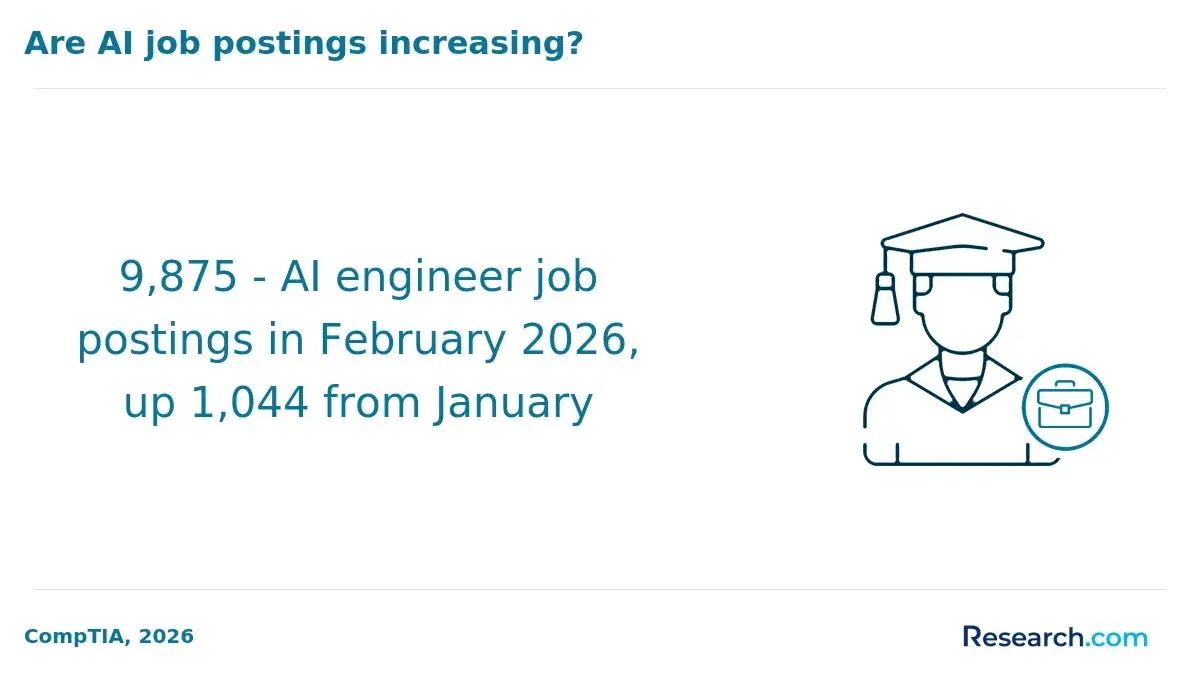
The demand for AI-savvy engineering managers continues to grow rapidly. LinkedIn's 2024 Workplace Learning Report shows a 160% increase in job postings mentioning both "AI" and "engineering manager" between 2022 and 2024.
Key factors when selecting certification include accreditation, instructor expertise, curriculum relevance to engineering leadership, and industry recognition. Certificates from top institutions offer strong proof of capability. For those interested, exploring a mechanical engineering degree can also complement AI management skills in technical roles.
How do AI courses for engineering managers differ from general AI or data science programs?
AI courses tailored for engineering management roles focus on integrating AI technologies within teams and projects rather than deep technical development alone.
Unlike general data science courses, which emphasize algorithm design and coding, these specialized programs concentrate on leadership, cross-functional communication, and strategic decision-making to support AI deployment in complex environments.
Key differences between engineering manager AI programs and general data science courses include:
- Managing AI lifecycle stages such as problem framing, model evaluation, and deployment risks over purely technical development.
- Skills development in resource allocation, stakeholder alignment, and AI-specific ethical considerations.
- Case studies demonstrating leadership of AI initiatives that drive business value and manage interdisciplinary teams effectively.
Such courses enable managers to interpret AI outputs and make data-driven decisions, bridging gaps between data scientists and business units. Companies investing in AI upskilling for technical managers have reported a 21% average increase in AI project success rates within 12 months, according to McKinsey's "The Economic Potential of Generative AI: The Next Productivity Frontier - 2024 Update."
Data science programs often overlook leadership and operational challenges, making it harder to scale projects. Engineering managers gain practical frameworks to assess project viability, manage ethical risks, and drive outcomes.
Those interested may also explore specialized paths like an online game design degree to expand interdisciplinary expertise alongside AI skills.
What admission requirements do AI certificate programs for engineering managers typically have?
AI certificate programs for engineering managers generally require applicants to hold a bachelor's degree in engineering, computer science, or a related technical field.
Eligibility requirements for AI courses with certificates in engineering management often include foundational knowledge of programming languages such as Python or Java, along with practical experience in software development or systems engineering. Prior coursework in data structures, algorithms, or introductory AI concepts may also be necessary to ensure readiness for advanced content.
Professional experience is typically valued, with many programs expecting two to five years in engineering roles involving leadership of technical teams or projects. This experience supports the leadership and strategic decision-making skills essential to managing AI-driven initiatives.
Applicants might need to submit a statement of purpose explaining their career goals and how AI learning integrates with their managerial responsibilities. Letters of recommendation from supervisors or academic mentors are often required to validate both technical knowledge and leadership potential.
Some selective programs include interviews or assessments to gauge candidates' quantitative skills and familiarity with machine learning fundamentals, reflecting a thorough admission criteria for AI certificate programs engineering managers.
Commitment to ongoing learning is notable: Gartner's survey reported that 68% of engineering leaders have increased their personal AI learning budgets, and 41% dedicate at least two hours weekly to AI education. Program formats vary from flexible online or part-time options to full-time tracks.
Prospective students aiming for advanced AI credentials may also consider pursuing an online PhD in data science as a longer-term educational pathway.
How do online, hybrid, and on-campus AI programs for engineering managers compare?
AI programs for engineering managers come in online, hybrid, and on-campus formats, each offering distinct advantages.
Online courses provide the greatest flexibility, featuring video lectures, discussion forums, and virtual labs that suit professionals juggling work and study across time zones. However, they may lack the immediate feedback and hands-on teamwork available in more immersive settings.
Hybrid programs combine online study with in-person sessions, delivering flexibility alongside valuable face-to-face networking and leadership workshops. This model supports practical collaboration on real projects and is ideal for engineering managers seeking meaningful engagement without full-time residency.
On-campus AI programs offer structured, immersive experiences with access to advanced labs and intensive peer collaboration. These are best for candidates ready to reduce professional commitments and dive deeply into AI concepts and leadership exercises. Although time-intensive, they often foster stronger professional networks.
Certification remains a critical factor regardless of format. LinkedIn's 2024 report reveals candidates with AI or machine learning certificates receive 44% more recruiter InMails for leadership roles than peers without credentials. This shows that earning a recognized certificate significantly boosts career prospects beyond delivery method.
Engineering managers should weigh their priorities: whether they value scheduling flexibility, practical teamwork, or immersive learning to align their AI education with career development goals.
What core topics and skills do top AI courses for engineering managers cover?
Top AI courses for engineering managers emphasize essential skills for leading AI-driven projects with strategic insight. Instead of deep coding, these courses focus on machine learning fundamentals, data management, AI model deployment, and aligning technology with business goals while managing risks effectively.
Managers develop the ability to interpret AI outcomes to fuel product innovation and lead cross-functional teams through the AI adoption process. Ethical and regulatory topics such as bias, privacy, and transparency are covered extensively. Case studies from industries like manufacturing, software development, and healthcare illustrate practical AI integration.
Strong communication skills for diverse stakeholders are also a priority, helping managers bridge technical and non-technical gaps. Risk assessment related to scalability and cost-benefit analysis supports better resource decisions. Leadership modules include change management and building an AI-ready organizational culture.
According to Coursera's 2024 Global Skills Report, leadership-focused AI courses boast a 26% higher completion rate compared to technical AI courses for individual contributors. This emphasizes that managerial AI education effectively combines strategic leadership with technical understanding, making it particularly engaging and relevant for professionals aiming to lead AI initiatives successfully.
Online Delivery of AI Programs, by Institution Type

How long do AI certificate programs for engineering managers take and what do they cost?
AI certificate programs for engineering managers generally span three to nine months, depending on the study format and intensity. Part-time courses suited for working professionals typically require 4 to 6 hours weekly, enabling completion within six months.
Accelerated bootcamps can reduce this to as little as three months, while comprehensive tracks focusing on AI strategy, machine learning systems, and hands-on projects may take up to nine months to master.
Costs vary, with many reputable programs priced between $1,000 and $5,000. Certificates from established universities or tech companies usually fall in the $2,000 to $4,000 range.
Premium courses offering mentorship and real-world projects can approach $5,000. Although free or low-cost options exist, they often lack formal certification or the specialization needed for career advancement in engineering management.
Engineering managers proficient in AI strategy and ML systems tend to earn about 17% more than their peers without AI expertise, according to the Levels.fyi 2024 Engineering Manager Compensation & Skills Report. Choosing certificates that combine technical AI knowledge with managerial applications can enhance salary potential and leadership impact.
Consider a program's time flexibility and pricing against your professional goals. Blended or modular courses offer adaptability, making them excellent options for busy managers.
How can I verify accreditation and the quality of AI programs for engineering leaders?
To ensure an AI program for engineering leaders meets high standards, verify three critical components: institutional accreditation, curriculum relevance, and faculty expertise. Confirm the institution holds accreditation from recognized U.S. agencies such as ABET or regional bodies like WASC or Middle States, which guarantees academic quality and credibility.
Next, assess the curriculum's alignment with current technologies and management challenges. Effective programs should include topics like machine learning, ethical AI use, data governance, and leadership in AI deployment. Reviewing course content against standards set by organizations like IEEE or ACM helps ensure topical relevance.
Faculty qualifications are equally important. Instructors with doctoral degrees, demonstrated research in AI, or leadership experience in the industry can provide vital practical knowledge for engineering managers navigating AI initiatives.
Practical steps for verification include:Confirming the certificate is recognized by engineering professional organizations or continuing education credit systemsGathering alumni feedback and employment success dataChecking for partnerships with leading AI companies or research labs
Addressing these factors is essential in light of a 2024 PwC survey revealing that 52% of technology executives see engineering managers lacking AI skills within three years as a key barrier to competitiveness. Validating program legitimacy ensures managers gain the credentials and expertise to lead effectively.
What career outcomes and job titles can AI-trained engineering managers expect?
AI-trained engineering managers often fulfill critical roles involving technical leadership, strategic oversight, and operational excellence in AI-driven settings.
Common positions include AI engineering manager, machine learning project lead, AI product manager, data science team lead, and AI risk and compliance manager. These professionals coordinate cross-functional teams to develop, deploy, and maintain AI systems aligned with business objectives and ethical standards.
Many graduates with skills in AI management transition into roles focused on governance and risk management. IBM's 2024 "AI Adoption for Business Leaders" survey found that 61% of organizations identify "AI governance and risk management" as a top skill for technical managers. This reflects the increased need for experts overseeing AI model compliance, data privacy, and algorithmic fairness.
Additional career paths include AI system integration, where managers bridge software developers, data scientists, and business units to optimize solutions. Opportunities also exist in innovation management, where leaders drive AI adoption strategies and identify efficiency or revenue-boosting use cases.
Advancing professionals often take on responsibilities involving ethical AI frameworks, risk mitigation, and regulatory navigation. Experience in AI governance can lead to executive roles like director of AI operations or chief AI officer, influencing organizational policies and long-term AI investments.
How can AI certificates help engineering managers boost salary and long-term career growth?
AI certificates allow engineering managers to showcase expertise in emerging technologies crucial for leadership.
Verified skills in AI-driven decision-making and automation integration are increasingly sought by employers, often resulting in salary boosts of 10% to 25%. Companies compete for talent who can guide teams through technology transformations, making AI certification a valuable credential.
According to the World Economic Forum's Future of Jobs Report 2025, by 2028, 42% of the core skills for engineering managers will be shaped by AI and automation. Those with AI certificates gain advanced competencies in data-driven strategy, algorithmic risk assessment, and AI-enhanced product development, essential for maintaining a competitive edge in technology-focused industries.
Certification also enhances career progression by enabling managers to:
- Lead cross-functional teams working with AI-powered systems.
- Drive change aligned with digital transformation.
- Convert complex AI concepts into clear business strategies.
- Qualify for senior roles requiring AI oversight.
Paired with practical experience, AI certification distinguishes candidates in industries like software, manufacturing, and automotive engineering, opening pathways to executive leadership and increased marketability in a tech-driven job market.
Other Things You Should Know About Artificial Intelligence
Engineering managers must address ethical issues such as data privacy, algorithmic bias, and transparency when deploying artificial intelligence systems. Ensuring that AI models make fair and unbiased decisions is critical to maintaining trust and avoiding discriminatory outcomes. They should also comply with relevant regulations and promote responsible AI usage within their teams.
Yes, many AI tools for engineering managers are designed with user-friendly interfaces that do not require advanced coding skills. However, a foundational understanding of AI concepts is beneficial for making informed decisions and effectively overseeing AI projects. Training programs often focus on equipping managers with practical knowledge rather than deep technical expertise.
In 2027, "AI for Leaders" from MIT offers a leading certification course for engineering managers, focusing on strategic AI implementation and management without requiring a deep technical background. The program emphasizes real-world applications in engineering management.
Artificial intelligence is increasingly being used to automate routine tasks, optimize project workflows, and support decision-making in engineering management. Advances in machine learning and predictive analytics offer more accurate project risk assessments and resource allocation. These developments are transforming how engineering teams operate and innovate.
References
- Decoding Artificial Intelligence Job Titles https://www.pecan.ai/blog/decoding-artificial-intelligence-job-titles/
- Can AI Certification Improve Your Salary Potential? - IABAC https://iabac.org/blog/can-ai-certification-improve-your-salary-potential
- 5 Best AI Engineer Certifications for 2025 https://www.peopleinai.com/blog/ai-engineer-certification-guide
- Best AI Certifications to Boost Your Career in 2026 – Dataquest https://www.dataquest.io/blog/best-ai-certifications/
- How to become an AI engineer: Steps & skills | edX https://www.edx.org/become/how-to-become-an-ai-engineer
- AI Engineering Roles & Training Guide | Code Labs Academy https://codelabsacademy.com/en/blog/ai-engineering-roles-what-they-do-train/
- How AI Certification Can Skyrocket Your Career | SkillUp Online https://skillup.online/blog/how-ai-certification-can-skyrocket-your-career/
- Top 5 AI Certifications That Actually Help You Get Hired https://aixqp.com/top-5-ai-certifications-that-actually-help-you-get-hired/
- The Impact of AI on Engineering Jobs - Intuit Blog https://www.intuit.com/blog/innovative-thinking/ai-impact-engineering-jobs/