2027 Best Generative AI Courses for Product Marketing Managers

Co-Founder and Chief Data Scientist
Product marketing managers often face pressure to leverage emerging technologies to create compelling campaigns and drive customer engagement. However, many struggle with understanding generative AI's potential and practical applications across marketing strategies.
Limited technical background and rapidly evolving tools create barriers to effective adoption. This challenge can stall innovation and reduce competitive advantage in crowded markets.
This article reviews top generative AI courses designed specifically for product marketing managers seeking flexible, accredited pathways to build relevant skills. It aims to help readers identify educational opportunities that bridge marketing expertise with AI proficiency to enhance career growth and impact.
Key Things You Should Know
- Generative AI courses for product marketing managers in 2026 focus on practical applications, including content generation, customer insights, and campaign optimization, critical for competitive advantage in a $120 billion AI-driven marketing industry.
- Most top courses emphasize hands-on experience with leading AI tools like GPT-4, DALL·E, and AI-powered analytics platforms, addressing a 45% workforce demand increase for AI marketing skills by 2027.
- Certification from accredited programs increases hiring potential by up to 30%, with many courses offering flexible formats to accommodate working professionals balancing ongoing product strategy responsibilities.
Advance Your Career with AI Online Courses
Artificial Intelligence: Implications for Business Strategy
This program provides an introduction to Artificial Intelligence and their implications for business strategy. Earn an official digital certificate.

Oxford Artificial Intelligence Programme
Explore this Oxford Artificial Intelligence programme offered in a flexible learning environment and explore topics like machine learning, automation, and robotics.

Implementing Agentic AI: Building Your Organizational Playbook
This online MIT Agentic AI course offers a practical approach to deploying AI agents in your organization, including a custom playbook. 3 weeks, exclusive launch price.

AI Adoption: Driving Business Value and Impact
This online MIT AI Adoption: Driving Business Value and Impact offers practical frameworks to close the gap between AI potential and business reality.

Artificial Intelligence in Pharma and Biotech
Discover the applications and limitations of artificial intelligence in pharma and biotech with this MIT online short course.

What makes a generative AI course valuable specifically for product marketing managers?
Generative AI courses designed for product marketing managers focus on enhancing actionable skills like campaign creativity, customer segmentation, and personalized messaging using AI tools.
These programs emphasize practical uses such as creating AI-driven content, optimizing market analysis with natural language processing (NLP), and leveraging automated data insights to improve product positioning. Incorporating generative AI skills for product marketing managers can significantly boost the effectiveness of marketing campaigns.
Gaining a solid understanding of core AI concepts such as machine learning models and data ethics tailored to marketing helps managers develop realistic and responsible strategies.
Hands-on projects with real-world tools, like AI-powered copywriting platforms or predictive analytics software, are essential for moving beyond theory. For instance, training on adapting generative AI to craft targeted ad copy or automate customer feedback analysis directly addresses marketing challenges.
Integrating AI into existing marketing workflows is critical. Valuable courses cover combining generative AI outputs with traditional marketing data to ensure managers interpret AI insights within broader market contexts. They also prepare managers to recognize AI's limitations, including bias risks in audience profiling. Effective generative AI training for marketing teams often includes ethical considerations and strategies for AI-human collaboration.
A recent LinkedIn report shows AI literacy as one of the fastest-growing marketing skills, with a 70% increase in demand for marketing roles requiring AI expertise, accompanied by salaries averaging 21% higher than those without such skills. Prospective students might explore a 2-year computer science degree online to build foundational AI and data knowledge.
Advance Your Career with AI Online Courses
Artificial Intelligence: Implications for Business Strategy
This program provides an introduction to Artificial Intelligence and their implications for business strategy. Earn an official digital certificate.
Oxford Artificial Intelligence Programme
Explore this Oxford Artificial Intelligence programme offered in a flexible learning environment and explore topics like machine learning, automation, and robotics.
Implementing Agentic AI: Building Your Organizational Playbook
This online MIT Agentic AI course offers a practical approach to deploying AI agents in your organization, including a custom playbook. 3 weeks, exclusive launch price.
Which are the best generative AI programs and certificates for product marketing professionals?
Top generative AI certification programs for product marketing professionals emphasize practical skills in AI-driven customer insights, content creation, and campaign optimization.
Notable courses include Coursera's Generative AI with Large Language Models and edX's AI for Marketing Certificate, which combine technical AI knowledge with marketing strategies. These programs focus on leveraging generative AI tools like GPT and diffusion models to address real-world product marketing challenges effectively.
The competition for AI-skilled talent remains intense. The AWS Global AI Skills Study 2024 reveals that 73% of organizations aim to hire generative AI professionals by 2026, yet more than 75% report a shortage.
This gap fuels demand for marketing professionals who master both AI technologies and marketing effectiveness. Certificates from well-regarded platforms demonstrate this expertise, making candidates stand out.
For those seeking the top generative AI courses for product marketing managers, options such as LinkedIn Learning's Generative AI for Marketing Professionals offer hands-on case studies in personalizing campaigns and boosting customer engagement. MIT Sloan's AI in Business Strategy course helps marketers integrate AI tools into product life cycles to foster innovation and growth.
Professional certificates that highlight applied AI skills related to marketing metrics, data ethics, and AI tool management are especially valuable. Many programs offer flexible pacing, enabling working marketers to reskill without disrupting their careers.
Those exploring affordable education alternatives may consider the cheapest online industrial engineering degree programs as a potential option to enhance technical skills alongside marketing expertise.
How do online generative AI courses compare with campus-based options for marketers?
Online generative AI courses offer valuable flexibility for product marketing managers, allowing them to learn at their own pace without interrupting their professional duties. This flexibility makes it easier for working professionals to immediately apply newly acquired skills, contrasting with campus programs that follow fixed schedules and academic calendars.
Additionally, online courses tend to feature the latest content, keeping pace with rapid developments in AI tools and marketing applications. Such benefits are central to comparing benefits of online and in-person generative AI education for product marketing roles.
Campus-based generative AI programs provide structured learning environments rich in in-person mentorship and peer collaboration. These settings promote deeper understanding through direct interaction and often involve practical projects and networking with faculty and industry partners. These immersive experiences, however, usually require significant time and financial investment, which may not suit every working marketer's circumstances.
A 2024 PwC analysis highlights that generative AI skills command a 25-30% salary premium in marketing and product roles, underscoring the value of acquiring practical genAI expertise promptly.
Online courses' rapid delivery aligns well with professionals aiming to capitalize on this salary uplift efficiently. When comparing online generative AI courses versus campus training for marketers, factors like career stage, learning style, and time availability are crucial.
Beginners may find campus programs offer the comprehensive curriculum they need, while experienced marketers benefit from the agility of online options. Hybrid models that blend online flexibility with occasional on-site sessions can balance these advantages. Verifying course content relevance to marketing and ensuring hands-on AI tool usage remains essential across formats.
For those interested in accelerated pathways outside AI but related fields, an accelerated cyber security program may be worth exploring.
Online Delivery of AI Programs, by Institution Type

What prerequisites and admission requirements do generative AI programs for product marketers typically have?
Generative AI course admission criteria for product marketing managers typically include a bachelor's degree in marketing, business, communications, or related fields.
Programs highly value practical experience in product marketing or campaign management, ensuring candidates can effectively apply generative AI within marketing scenarios. Admissions often require familiarity with data analysis and basic programming concepts like Python or SQL to interact efficiently with AI tools.
Prerequisites for generative AI training in product marketing sometimes involve completing foundational modules in machine learning or data-driven marketing. Some courses mandate an introductory AI or analytics course before advanced generative AI lessons.
While standardized tests or portfolios are less common, they may be requested for selective or university-level certificates. Professional certifications or prior courses in marketing technology strengthen applications.
The rapid adoption of AI in marketing underscores these prerequisites. According to the Salesforce "State of Marketing" report, 71% of marketers already use generative AI, with 68% noting significant improvements in campaign personalization and content quality. This highlights the importance of blending marketing expertise with AI fluency to lead effectively.
Those interested in advancing their skills may also explore related fields through cybersecurity courses, which complement knowledge of digital tools and technical security aspects in modern marketing.
Overall, admissions favor candidates who understand marketing workflows and possess foundational technical knowledge, enabling quick adaptation to generative AI's evolving capabilities.
What core skills and topics do generative AI courses cover for product marketing roles?
Generative AI courses tailored for product marketing managers emphasize skills in AI-driven content creation, data analysis, and campaign optimization.
These programs focus on mastering prompt engineering to efficiently produce marketing messages, product descriptions, and ad copy. Learners gain expertise in leveraging generative AI tools to segment audiences, analyze customer data, and customize campaigns for enhanced personalization.
Key topics include AI model capabilities, ethical AI use, and integrating AI outputs with traditional marketing strategies. Hands-on training covers popular platforms and APIs, enabling professionals to scale AI solutions and automate tasks such as A/B testing and content variation generation, thus speeding up campaign cycles and reducing manual effort.
Courses also teach frameworks for evaluating AI-generated content quality, ensuring alignment with brand voice and regulatory standards. Marketers learn to critically assess AI suggestions to foster responsible, effective use.
Microsoft's 2024 Work Trend Index reveals that marketers using generative AI create content 27% faster and develop nearly twice as many campaign variants per cycle, demonstrating significant productivity gains.
Product marketing managers benefit from blending AI-driven strategic insight with technical knowledge, positioning them to lead innovative, data-informed campaigns and reliably optimize marketing ROI.
How long do generative AI programs for product marketing managers take, and what do they cost?
Generative AI training programs for product marketing managers vary widely in duration and depth. Short courses typically range from 4 to 12 hours, ideal for quick skill acquisition or learning specific tools.
More comprehensive options, like professional certificates or specializations, often last 6 to 12 weeks, requiring 3 to 5 hours per week and combining theoretical concepts with practical applications. Executive-level or advanced programs may extend from 3 to 6 months, focusing on AI strategy, integration, and leadership in marketing contexts.
Cost structures also differ significantly. Many introductory or short courses are free or priced under $100, suitable for basic skill building. Professional certificates typically cost between $200 and $1,200, often billed per course within a specialization.
Specialized bootcamps or university-affiliated offerings generally range from $1,000 to $5,000 and include mentorship and rigorous content. Subscription platforms charge around $30 to $50 monthly for access to multiple AI and marketing courses.
For time- and cost-sensitive learners, options like a 6-week Coursera specialization at approximately $400 provide structured, credible instruction with hands-on projects. Alternatively, platforms like Udemy offer 8-hour courses costing about $50 for immediate upskilling.
According to Coursera's 2024 Global Skills Report, enrollments in generative AI courses grew over 13-fold from 2022 to 2024, with business, marketing, and product management professionals among the fastest-growing audiences. This surge highlights expanding access and the increasing market value of focused AI education in marketing roles.
How can product marketing managers evaluate accreditation and credibility of AI courses and providers?
Product marketing managers should verify the accreditation and credibility of AI courses by checking recognized credentials and industry endorsements. Confirm if the provider is accredited by established educational bodies, such as regional U.S. commissions or specialized technology education organizations, as accreditation ensures quality and professional recognition.
Evaluate course affiliations with reputable companies or professional groups focused on marketing technology and AI. Programs linked with firms or certified by associations like the Digital Marketing Institute or the AI Marketing Association often deliver relevant, vetted content aligned with industry needs.
Instructor expertise is crucial. Seek courses taught by professionals or academics with proven backgrounds in generative AI and marketing technologies. Transparency about instructor qualifications and practical AI experience in marketing strategy enhances course trustworthiness.
Course curricula should reflect current technologies and trends. The CMO Spend and Strategy Survey reports that generative AI is a prioritized investment area, with 63% of CMOs focusing on it and marketing technology budgets averaging 19.2%. Credible courses incorporate such data and emphasize practical AI applications.
Look for clear learning outcomes, skills assessments, and ongoing support like networking or certification maintenance. Reliable providers often offer continuous resources or career development assistance, demonstrating commitment beyond initial certification.
What career outcomes and job titles can generative AI training unlock in product marketing?
Generative AI training opens new career pathways for product marketing managers by equipping them with advanced skills that drive measurable business impact.
Roles such as AI product strategist, marketing automation lead, and data-driven growth manager become attainable, with a focus on integrating AI-generated insights into product positioning, demand generation, and campaign optimization.
Professionals adept in generative AI often move into specialized positions like AI marketing analyst or AI-enabled product evangelist. These roles emphasize personalized customer engagement, dynamic content creation, and quick market adaptation.
Additionally, generative AI training prepares managers for leadership roles that oversee AI-driven marketing transformation and cross-functional AI adoption initiatives.
A 2024 McKinsey study highlights the tangible benefits of AI expertise, showing a 3-15% revenue uplift and a 10-20% improvement in marketing ROI for companies applying advanced AI in commercial activities. These numbers underline how generative AI skills contribute directly to organizational growth.
This practical knowledge enables product marketing managers to enhance campaign efficiency and promote data-informed decision-making. By mastering generative AI, they position themselves for roles that blend technical expertise with strategic marketing leadership.
What salary ranges and earning potential are associated with product marketers skilled in generative AI?
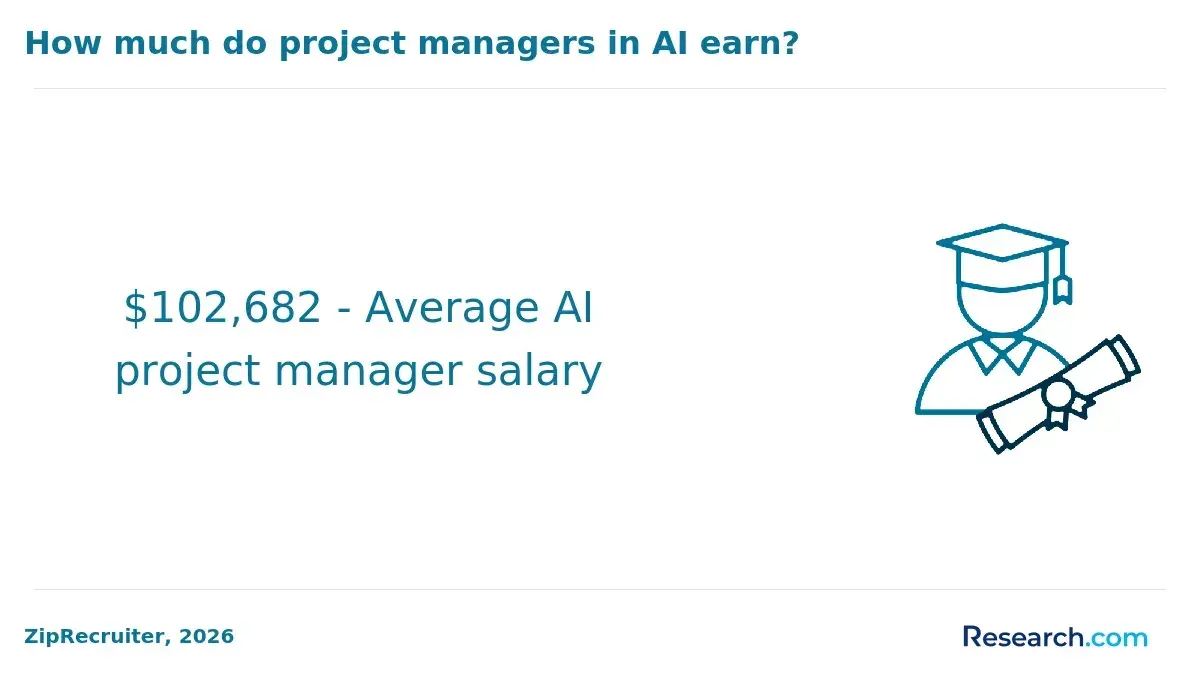
Product marketers with expertise in generative AI command higher salary ranges due to increasing demand for specialized skills in this niche. Salary expectations generally range from $85,000 to $140,000 annually, influenced by experience level and company size.
Entry-level professionals typically start around $85,000, while senior marketers or campaign leaders can earn $130,000 to $140,000 or more. Specialized skills, such as prompt engineering, AI ethics awareness, and integrating generative AI within marketing automation, further boost earning potential.
Businesses prioritize these skills because generative AI enables scalable content production. However, Deloitte's 2024 AI Governance Survey reveals that 61% of companies worry about brand risks from unregulated AI use.
Despite this, only 29% have formal AI policies and training programs in place. Product marketers skilled in risk mitigation, ethical AI use, and compliance often gain a competitive edge, securing premium salaries and leadership positions.
Freelancers and consultants advising on generative AI strategy and content governance can earn competitive fees, sometimes surpassing six figures annually. Combining generative AI expertise with strong data analytics or consumer behavior knowledge further elevates market value.
For professionals interested in expanding their career opportunities, focusing on AI governance and ethical applications of generative AI is crucial.
How should working professionals choose the right generative AI course for their product marketing goals?
Working professionals should focus on generative AI courses tailored to product marketing goals and industry trends. With 75% of companies planning to adopt generative AI by 2027 and AI plus big data emerging as the fastest-growing skill cluster (World Economic Forum Future of Jobs 2025), choosing programs that emphasize AI-assisted marketing and product development is essential.
Effective courses typically include modules on natural language processing, predictive analytics, and AI-driven decision-making customized for marketing roles. Practical experience through hands-on projects or case studies helps learners apply AI to real product marketing challenges.
Consider your existing experience with AI technologies when selecting a course. Beginners benefit from foundational tracks covering AI basics, while seasoned marketers should pursue advanced training focused on AI strategy and implementation within product lifecycles.
Instructor expertise and provider reputation matter greatly. Learning from professionals experienced in AI-driven marketing innovation adds valuable insight beyond theory. Additionally, flexible delivery formats such as part-time online courses support working professionals managing busy schedules.
Courses covering ethical AI use, data privacy, and compliance are increasingly important for product managers handling customer data. Aligning learning content with industry expectations ensures relevance and boosts future employability.
Other Things You Should Know About Artificial Intelligence
Artificial intelligence models often rely on large datasets, which can lead to biased or incomplete insights if the data is not diverse or representative. AI may struggle with understanding nuanced human emotions and cultural context, limiting its effectiveness in personalized marketing campaigns. It requires ongoing monitoring and human oversight to avoid errors or unethical use.
Artificial intelligence is a tool designed to augment and support product marketing managers rather than replace them. It automates routine tasks, analyzes data at scale, and provides strategic recommendations, but decision-making, creativity, and relationship-building remain human strengths. Successful marketing integrates AI capabilities with human expertise.
In 2027, leading generative AI courses for product marketing managers include the "AI for Marketers" course by Stanford University, "Generative AI in Marketing" from Coursera, and MIT's "Artificial Intelligence: Strategies for Product Marketing." These courses focus on integrating AI tools and concepts into effective marketing strategies.
Product marketing managers must ensure transparency in AI-driven decisions and avoid using AI in ways that manipulate or deceive customers. Protecting customer data privacy and obtaining consent are critical for ethical AI use. Additionally, they should address potential biases in AI algorithms to promote fairness and inclusivity in marketing practices.
References
- AI for Product Marketers | Pragmatic Institute https://www.pragmaticinstitute.com/product/course/ai-for-product-marketers/
- AI for product marketing: A practical guide https://www.productmarketingalliance.com/4-steps-to-implementing-ai-in-your-product-marketing/
- What 8 Skills Do Marketers Need to Use AI Effectively? | Digital Marketing Institute https://digitalmarketinginstitute.com/blog/8-digital-skills-you-need-to-survive-the-rise-of-ai
- Generative AI in Marketing: Five Steps to Scale for Real ROI | Bain & Company https://www.bain.com/insights/generative-ai-in-marketing-five-steps-to-scale-for-real-roi/
- GenAI Skills for Digital Marketing Professionals - SkillUp Online https://skillup.online/courses/course-v1:IBM+AI0285EN+v1/
- Why AI-Based Digital Marketing Course Is Best for College Students - MarketersPedia https://marketerspedia.com/blog/why-ai-based-digital-marketing-course-is-best-for-college-students/