2027 Best AI Courses for Technical Program Managers With Certificates

Co-Founder and Chief Data Scientist
Technical program managers often face challenges when transitioning into the artificial intelligence field due to a lack of targeted knowledge and relevant credentials. Without a structured learning path, it becomes difficult to grasp complex AI concepts or to demonstrate expertise to employers. Many existing courses either demand extensive prior experience or do not offer recognized certification, limiting career mobility.
This article reviews the best AI courses that provide flexible schedules, comprehensive curricula, and certificates valued by industry professionals. It aims to guide readers through selecting programs that effectively bridge their technical management background with practical AI skills for career advancement.
Key Things You Should Know
- AI courses for technical program managers in 2026 emphasize practical skills in machine learning integration, with 68% of programs offering project-based certification to enhance real-world application.
- Certifications from accredited institutions improve career prospects, with certified technical program managers reportedly earning 15% higher salaries on average in the U.S. compared to non-certified peers.
- Top AI courses focus on interdisciplinary knowledge, combining AI fundamentals with leadership and product management, reflecting industry demand for managers proficient in both technology and strategy.
Advance Your Career with AI Online Courses
Artificial Intelligence: Implications for Business Strategy
This program provides an introduction to Artificial Intelligence and their implications for business strategy. Earn an official digital certificate.

Oxford Artificial Intelligence Programme
Explore this Oxford Artificial Intelligence programme offered in a flexible learning environment and explore topics like machine learning, automation, and robotics.

Implementing Agentic AI: Building Your Organizational Playbook
This online MIT Agentic AI course offers a practical approach to deploying AI agents in your organization, including a custom playbook. 3 weeks, exclusive launch price.

AI Adoption: Driving Business Value and Impact
This online MIT AI Adoption: Driving Business Value and Impact offers practical frameworks to close the gap between AI potential and business reality.

Artificial Intelligence in Pharma and Biotech
Discover the applications and limitations of artificial intelligence in pharma and biotech with this MIT online short course.

What are the best AI courses for technical program managers?
Several top online ai courses with certificates for program managers combine foundational knowledge with practical skills to help align AI initiatives with business goals. One highly recommended option is the AI For Everyone course by Andrew Ng, offering a non-technical but comprehensive overview of AI concepts relevant to technical program managers.
For those seeking deeper technical insight, the Artificial Intelligence: Business Strategies and Applications specialization from the University of California, Berkeley, focuses on data strategy, machine learning workflows, and ethical considerations essential for professionals leading AI adoption.
edX's AI Project Management professional certificate trains managers to handle cross-functional coordination, data governance, and risk mitigation in AI deployments, emphasizing the translation of AI capabilities into measurable business results.
Coursera's TensorFlow in Practice specialization equips program managers with practical knowledge of AI tools and frameworks to better evaluate development pipelines and support team collaboration.
Research shows companies adopting AI at scale are significantly more likely to see EBIT margin increases, underscoring the value of AI fluency for program managers. To build expertise, candidates should seek the best ai certification courses for technical program managers that enhance business-relevant AI literacy and hands-on insights.
More information exploring career paths can be found by reviewing an AI degree overview that highlights opportunities in AI-driven fields.
Advance Your Career with AI Online Courses
Artificial Intelligence: Implications for Business Strategy
This program provides an introduction to Artificial Intelligence and their implications for business strategy. Earn an official digital certificate.
Oxford Artificial Intelligence Programme
Explore this Oxford Artificial Intelligence programme offered in a flexible learning environment and explore topics like machine learning, automation, and robotics.
Implementing Agentic AI: Building Your Organizational Playbook
This online MIT Agentic AI course offers a practical approach to deploying AI agents in your organization, including a custom playbook. 3 weeks, exclusive launch price.
Do AI certificates help technical program managers advance?
AI certificates notably enhance the ability of technical program managers (TPMs) to advance by closing critical skill gaps that often restrict leadership roles in AI-driven projects. Gartner's report reveals that 68% of organizations investing in AI identify a "lack of AI-skilled product and program leaders" as a major barrier. This underscores that TPMs with AI certification address significant talent shortages and gain a competitive edge for senior positions. Advancing technical program management careers with AI certificates enables professionals to demonstrate proven expertise in AI concepts, project execution, and ethical considerations necessary to lead complex AI initiatives.
Certified TPMs typically show proficiency in machine learning fundamentals, data pipeline management, and AI deployment strategies. This skill set helps them act as vital liaisons between technical teams and business stakeholders. AI certification benefits for technical program managers include:
- Establishing credibility in leading AI projects with verifiable skills.
- Accessing higher salary ranges due to specialized knowledge.
- Broadening career opportunities in AI-centric industries.
Employers trust certificates as indicators of current expertise without the time commitment of traditional degrees. TPMs should select AI courses emphasizing practical skills and industry relevance, ideally those offering hands-on projects. Exploring options like an AI degree can further support professional growth.
Ultimately, AI certificates empower TPMs to meet workforce demands, improve leadership effectiveness, and secure long-term career progression in the evolving AI landscape.
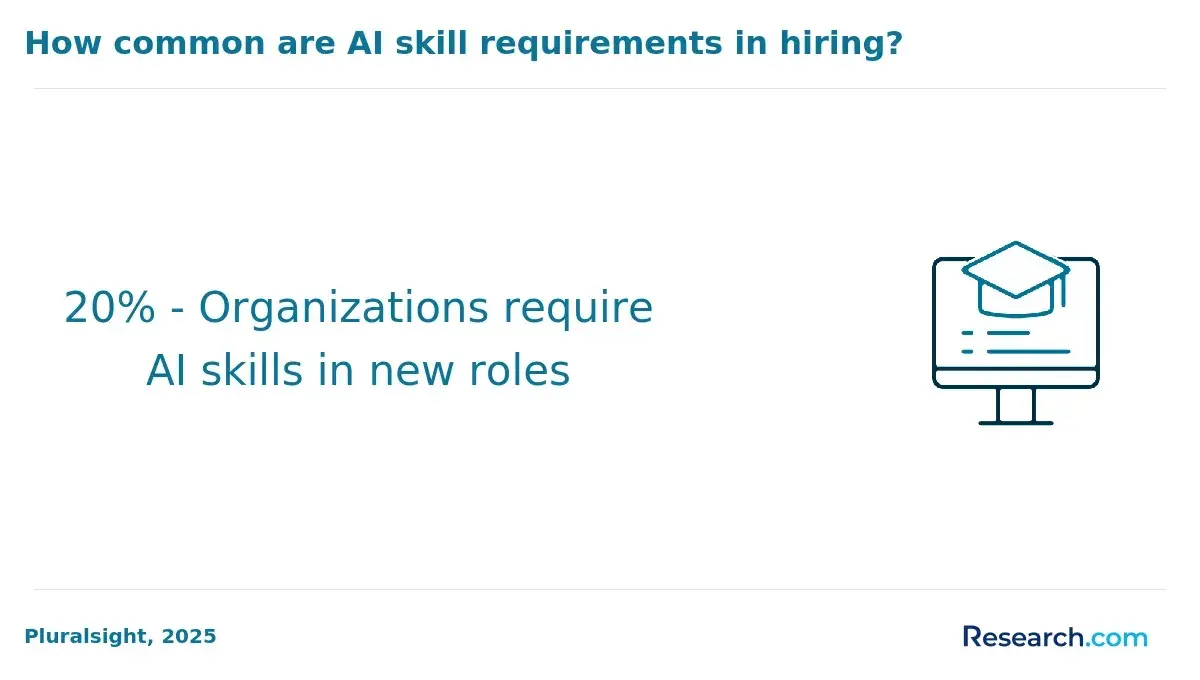
How do you choose a reputable AI certificate program?
Choosing the best accredited ai certificate courses for technical managers requires careful evaluation of curriculum depth, instructor expertise, and measurable career impact. Strong programs balance theory with practical tasks such as coding assignments, projects, and case studies addressing real-world business problems. Core topics should include machine learning, neural networks, data preprocessing, along with emerging trends like natural language processing and ethical AI.
Instructor credentials and institutional affiliations matter. Programs led by established experts or connected to respected universities ensure up-to-date material and maintain high teaching standards. Career outcomes are critical; for instance, Coursera's Impact Report shows 40% of professionals completing similar entry-level ai courses report promotions or pay increases within a year. Such data demonstrate the value of certificates linked to tangible career advancements.
Technology platforms and resources that support hands-on learning-like cloud labs and AI frameworks-enhance skill acquisition. Flexibility and program duration should align with your schedule without compromising content quality. It is also important to verify whether certificates are recognized in your target industry through alumni testimonials and employer endorsements.
Finally, compare pricing and financial aid options to find affordable yet comprehensive programs. For those considering broader technology and design education, reviews of online colleges for game design can provide insight into reputable online learning providers.
Are online AI courses better than campus programs?
Online ai courses often surpass traditional campus programs for technical program managers (TPMs) seeking specialized education. Unlike broad university curricula, targeted online courses-such as Interview Kickstart's TPM-focused bootcamps-address both managerial and technical aspects of ai integration in project delivery. This precise focus accelerates skill acquisition relevant to current industry needs.
Flexibility is a major advantage of online programs, allowing TPMs to learn without interrupting their work schedules, unlike campus programs with fixed timelines and attendance requirements. This helps professionals stay current while maintaining job performance.
Practical outcomes back these benefits. According to Interview Kickstart's 2024 outcomes report, TPMs completing their ai programs saw an average total compensation increase of 35% within one year, with many advancing to staff or principal-level roles. Campus programs often emphasize theory and broad computer science foundations rather than the applied project management skills vital for TPMs overseeing ai initiatives.
For TPMs comparing campus vs online artificial intelligence certification programs, key considerations include:
- The relevancy of curriculum to project management in ai environments
- Flexibility to balance work and study
- Demonstrated career advancement linked to course completion
- Access to mentorship and real-world case studies
Many professionals looking for a more efficient approach also explore a computer science degree online as an alternative path to build foundational skills alongside ai expertise.
What AI topics do technical program managers need?
Technical program managers must develop expertise in several AI domains to lead projects successfully and integrate AI solutions seamlessly. Key knowledge areas include machine learning fundamentals, data analytics, and natural language processing. Mastering machine learning enables managers to understand model development and make informed decisions on project scope and resources.
Data quality and governance directly affect AI performance, so familiarity with these concepts is vital. Additionally, generative AI models and prompt engineering have become important for automating and optimizing project management tasks, enhancing efficiency.
Addressing AI ethics, bias, privacy, and regulatory compliance is critical for risk management and ensuring responsible use of AI technologies. Managers with this expertise help maintain ethical standards and legal adherence in project deployments.
Practical skills such as using cloud-based AI tools, APIs, and integrating AI with software development and operations teams empower managers to guide AI initiatives effectively. AI-driven productivity and project management platforms further streamline workflows.
According to PMI's 2024 Pulse of the Profession report, project professionals using generative AI tools finish projects on time 22% more often and on budget 25% more often than those who use them rarely, highlighting a strategic advantage. Program managers should pursue certified courses covering these topics to validate their proficiency and drive successful AI projects in a fast-evolving technical landscape.
What are the admission requirements for AI certificate programs?
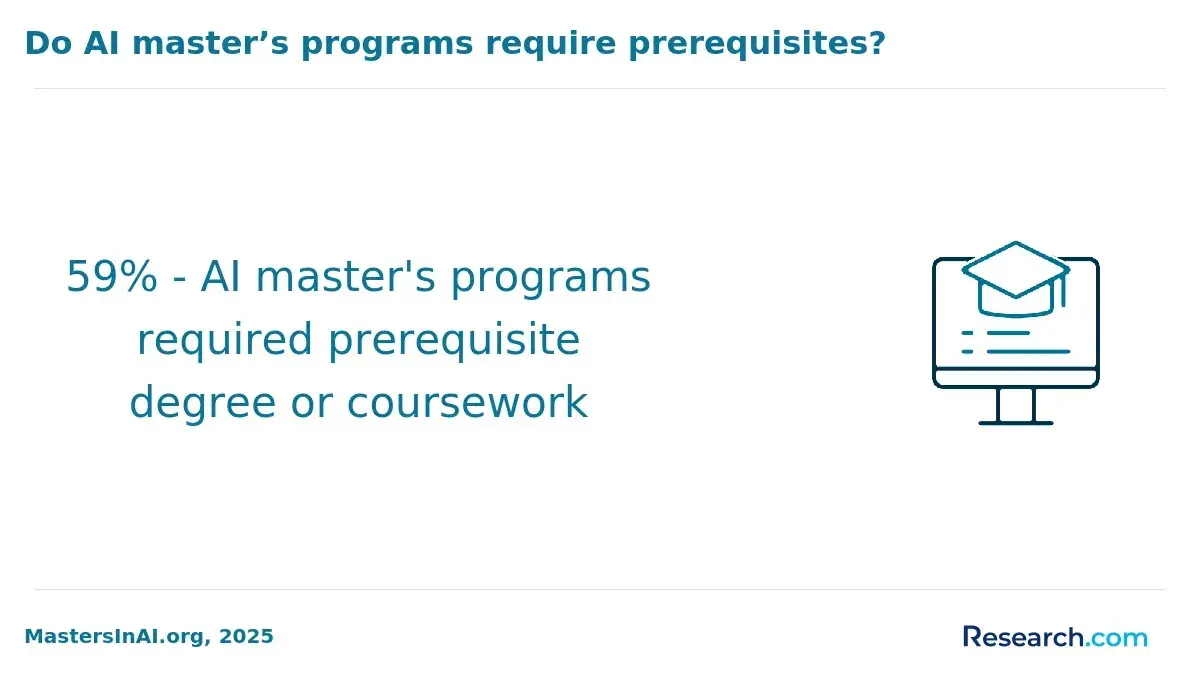
Admission to ai certificate programs typically requires a bachelor's degree in a relevant STEM field such as computer science, engineering, or data science. However, candidates with significant professional experience, especially technical program managers (TPMs), may also qualify for some tracks. Strong programming skills, particularly in Python, and familiarity with data structures and algorithms are often prerequisites or highly recommended.
Knowledge of cloud platforms like Google Cloud, AWS, or Microsoft Azure can enhance eligibility, notably for specialized courses like Cloud & Machine Learning Foundations for TPMs. Many programs use placement tests or prerequisite courses in mathematics, statistics, and machine learning to assess prior knowledge. Applicants usually need to submit a résumé highlighting AI-related work experience or technical management roles.
Part-time and executive certificate options sometimes waive formal degree requirements for candidates demonstrating extensive professional experience and leadership in AI deployment. Preparing transcripts, work portfolios, and letters of recommendation showcasing technical and project management skills is often part of the application process.
According to the 2024 Google Cloud Skills Report, 82% of organizations with certified cloud and ML professionals deploy ai projects faster. This emphasizes the value of rigorous certification programs in delivering measurable business impact and maintaining high standards.
How long do AI certificate programs usually take?
AI certificate programs for technical program managers vary from 3 to 12 months, depending on program depth and format. Shorter options like bootcamps or nanodegrees typically last 3 to 6 months and emphasize hands-on skills and project-based learning. Longer professional certificates from universities or online platforms can extend up to a year, covering foundational AI concepts alongside advanced management strategies. For instance, Udacity's AI product & platform management courses offer about a 6-month comprehensive curriculum that blends AI technology understanding with product strategy and leadership skills.
Many programs offer part-time, self-paced options, ideal for working professionals balancing full-time jobs. This flexible learning demands strong time management to finish within the intended timeframe.
Programs focusing on technical program managers prioritize applying AI capabilities effectively within existing workflows, often minimizing deep coding or data science content. Outcomes data from Udacity highlight a median salary increase of 27% within six months post-completion, demonstrating the value of these courses for career advancement.
How much do AI certificate programs cost?
AI certificate program costs vary significantly based on the provider, program length, and format. Most technical program manager (TPM) courses range from $500 to $3,000. Shorter online certificates typically cost $500 to $1,200, suited for professionals seeking quick foundational knowledge. More comprehensive programs with multiple modules, projects, and instructor mentoring can reach $2,000 to $3,000 or higher, reflecting their in-depth career focus.
Factors such as access duration, mentorship, and career support affect pricing. Some courses offer lifetime access to materials, which may justify higher fees for ongoing skill development. Specialized certificates targeting AI applications in software engineering or MLOps for TPMs often command premium prices due to their niche content.
Platforms like Coursera and edX provide tiered pricing or financial aid, making programs more affordable for eligible students. University-affiliated certificates usually cost more but offer academic rigor and valuable networking opportunities. Professional certificates from top universities can exceed $2,500.
Investing in an AI certificate aligns with industry needs. The 2024 State of AI in Software Development report by GitLab notes teams using AI-assisted development and MLOps shipped features 55% faster. For TPMs, mastering these workflows is increasingly critical and justifies spending on quality education.
What jobs can technical program managers get with AI training?
Technical program managers with AI training qualify for specialized roles blending management and technical expertise. Common positions include AI product manager, guiding product development from idea to launch; AI project manager, managing timelines, resources, and teams; and AI strategy consultant, advising on AI integration strategies. Other roles include machine learning operations (MLOps) manager, overseeing AI model deployment and maintenance, and AI solutions architect, designing systems aligned with business goals.
These professionals bridge gaps between data science teams and business units, leading cross-functional AI projects that require knowledge of algorithms, data engineering, and ethical AI practices. Managing AI-driven automation projects, for example, demands skill in both AI capabilities and workflow optimization.
Corporate and vendor certifications from PMI, IBM, Google, and Microsoft hold strong market value. IBM's SkillsBuild report found 72% of learners completing its AI and automation certificates improved job prospects or advanced careers within 12 months, highlighting the impact of formal credentials.
Prospective candidates should prioritize courses offering practical skills in AI model lifecycle management, risk assessment, and stakeholder communication. Certifications focused on AI project governance increase visibility in competitive job markets.
Strong AI competencies combined with proven program management experience open doors to leadership roles driving AI adoption in healthcare, finance, and technology industries, where understanding AI project nuances directly impacts successful innovation delivery.
What salary and job outlook exist for AI-trained program managers?
Technical program managers (TPMs) with expertise in artificial intelligence earn significantly higher salaries and benefit from strong job prospects. Data from Glassdoor and Levels.fyi show that TPMs skilled in AI or machine learning command 18-22% more total compensation than their counterparts without such experience at major tech firms. This salary premium reflects growing demand for managers who can oversee AI projects and integrate AI solutions into existing business processes.
The outlook for AI-trained TPMs is expanding rapidly as more companies adopt AI-driven technologies. These professionals play a vital role in bridging development teams and strategic stakeholders and are sought after in industries such as software, finance, healthcare, and autonomous systems. Common responsibilities include managing machine-learning model deployments, directing AI infrastructure projects, and leading cross-functional AI teams.
Typical salary ranges exceed $130,000 annually in the U.S., with senior roles at leading companies reaching over $180,000 depending on experience and location. Benefits and bonuses often align with this specialized expertise, while TPMs without AI skills typically see lower compensation.
Building skills in AI fundamentals, data science, and machine-learning lifecycle management is critical for career growth. Practical experience managing AI initiatives and understanding AI's impact on product strategy and ethics make TPM candidates far more competitive. Employers value TPMs with AI knowledge as key drivers for innovation and business success.
Other Things You Should Know About Artificial Intelligence
In 2027, recommended AI courses for technical program managers with certifications include the "AI for Leaders" by Coursera, "Artificial Intelligence for Project Managers" by edX, and "AI Strategy and Governance" by LinkedIn Learning. These courses equip managers with necessary AI knowledge and strategic insights.
Artificial intelligence enhances decision-making by providing data-driven insights, automating routine tasks, and predicting trends. It helps technical program managers analyze complex datasets quickly, enabling more informed and timely decisions. However, reliance on AI outputs requires understanding its limitations and ensuring human oversight to avoid errors or unintended consequences.
Alongside AI knowledge, skills in project management, data analysis, communication, and change management are essential for technical program managers. Familiarity with software development lifecycles and cloud computing also helps in overseeing AI projects effectively. These complementary skills enable managers to bridge technical and strategic aspects of AI initiatives.
Some artificial intelligence systems, especially those utilizing unsupervised learning, can identify patterns and make decisions without explicit human-labeled data. However, most AI systems require human input for training, validation, and ongoing supervision to ensure accuracy and relevance. Full autonomy in AI learning is limited and often monitored to prevent unintended behaviors.
References
- AI for Technical Program Managers and Software Managers https://www.mariogerard.com/ai-for-technical-program-managers-and-software-managers/
- Top 10 AI certifications and courses for 2025 https://www.techtarget.com/whatis/feature/10-top-artificial-intelligence-certifications-and-courses
- What 468 AI Program Management Jobs Tell Us https://axialsearch.com/insights/ai-program-management-jobs/
- How Long Does It Take to Learn AI Completely? https://blog.nobledesktop.com/learn/ai/how-long-do-ai-courses-take
- AI certificates | edX https://www.edx.org/certificates/ai-certificates
- AI-Driven Project Manager (AIPM) https://apmg-international.com/product/ai-driven-project-manager-aipm
- University Degree vs AI Bootcamp: Which is Best Career Path? https://agilefever.com/university-degree-vs-ai-bootcamp-which-is-best/
- Ultimate Guide: How to Choose the Right AI Training Course to Boost Your Career - ONLC https://www.onlc.com/blog/how-to-choose-ai-training-courses/
- How AI is challenging the credibility of some online courses https://theconversation.com/how-ai-is-challenging-the-credibility-of-some-online-courses-264851
- AI Governance Salaries 2026: $65K to $400K+ (20 Roles) https://techjacksolutions.com/ai-governance-salary-data/