2027 Best AI Courses for Nonprofit Leaders

Co-Founder and Chief Data Scientist
Nonprofit leaders often face pressure to leverage artificial intelligence tools without formal training, risking misaligned strategies or wasted resources. Many seek a clear pathway to acquire practical AI skills while managing their demanding schedules. The challenge lies in finding flexible, credible courses tailored to nonprofit contexts that enhance leadership without requiring a technical background.
This article evaluates top AI courses designed for nonprofit professionals aiming to bridge knowledge gaps and implement AI effectively. It highlights programs that balance accessibility, accreditation, and real-world application to empower nonprofit leaders in adopting AI confidently and strategically.
Key Things You Should Know
- AI courses for nonprofit leaders in 2026 emphasize practical skills in data ethics, automation, and impact measurement, addressing the sector's unique challenges.
- Recent studies indicate 68% of nonprofits adopting AI report improved operational efficiency and donor engagement within the first year of implementation.
- Leading programs integrate case studies from 2024-2025, highlighting AI-driven fundraising successes and ethical use to foster trust among diverse communities.
Advance Your Career with AI Online Courses
Artificial Intelligence: Implications for Business Strategy
This program provides an introduction to Artificial Intelligence and their implications for business strategy. Earn an official digital certificate.

Oxford Artificial Intelligence Programme
Explore this Oxford Artificial Intelligence programme offered in a flexible learning environment and explore topics like machine learning, automation, and robotics.

Implementing Agentic AI: Building Your Organizational Playbook
This online MIT Agentic AI course offers a practical approach to deploying AI agents in your organization, including a custom playbook. 3 weeks, exclusive launch price.

AI Adoption: Driving Business Value and Impact
This online MIT AI Adoption: Driving Business Value and Impact offers practical frameworks to close the gap between AI potential and business reality.

Artificial Intelligence in Pharma and Biotech
Discover the applications and limitations of artificial intelligence in pharma and biotech with this MIT online short course.

What makes an AI course valuable specifically for nonprofit leaders and mission-driven organizations?
An AI course designed for nonprofit leaders should emphasize practical skills that enhance mission impact and operational efficiency. Leaders need training in data analysis, predictive modeling, and AI-driven decision-making that fit the unique goals and limited budgets of mission-driven organizations.
Effective artificial intelligence training for nonprofit leaders includes ways to leverage AI tools for fundraising optimization, donor engagement, program evaluation, and resource allocation, addressing the specific challenges nonprofits face.
Ethical AI use and data privacy are critical because nonprofits are responsible for protecting vulnerable populations and maintaining donor trust. Courses featuring case studies on artificial intelligence applications in mission-driven organizations-such as improving outreach for social services or automating administrative tasks-offer valuable context. Leaders also benefit from learning to interpret AI outputs for informed strategic decisions, avoiding reliance on technical jargon.
Salesforce's Nonprofit Trends Report highlights that nonprofits using data and analytics extensively are 3.5 times more likely to achieve their mission. This underscores the importance of data-driven, AI-powered strategies to improve fundraising campaigns, precisely target community needs, and accurately measure program outcomes. Providing hands-on experience with accessible AI platforms tailored for nonprofits increases usability and adoption.
Training should include guidance on integrating AI with existing nonprofit CRMs and databases, supporting smoother implementation. Leadership education must also address the unique blend of social impact goals, limited technical staff, and ethical responsibilities characteristic of mission-driven organizations. Prospective students interested in advancing their knowledge might consider exploring the top data science master's programs in the US, which offer relevant AI education pathways suited for nonprofit leadership.
Advance Your Career with AI Online Courses
Artificial Intelligence: Implications for Business Strategy
This program provides an introduction to Artificial Intelligence and their implications for business strategy. Earn an official digital certificate.
Oxford Artificial Intelligence Programme
Explore this Oxford Artificial Intelligence programme offered in a flexible learning environment and explore topics like machine learning, automation, and robotics.
Implementing Agentic AI: Building Your Organizational Playbook
This online MIT Agentic AI course offers a practical approach to deploying AI agents in your organization, including a custom playbook. 3 weeks, exclusive launch price.
Which types of AI courses are best for nonprofit professionals with no technical background?
Nonprofit professionals benefit most from AI courses that prioritize practical applications and foundational concepts over complex coding. The best AI courses for nonprofit leaders focus on user-friendly tools that enhance fundraising, donor engagement, and administrative efficiency. For example, programs teaching AI-powered data visualization or automated email campaigns enable leaders to harness AI without needing technical expertise.
Courses emphasizing the fundamentals of AI for nonprofit professionals often include case studies tailored to the nonprofit sector, helping learners connect AI's potential to real organizational challenges. Hands-on modules using no-code platforms or drag-and-drop interfaces reduce entry barriers for busy staff. Topics such as ethical AI use in decision-making and AI for impact measurement combine practical skills with strategic insights.
Surveys show 62% of nonprofit workers cite "lack of staff time and skills" as a key barrier to adopting AI. Therefore, courses that offer time-efficient, self-paced lessons with clear ROI are critical. Interactive tutorials on AI-driven data analysis teach leaders how to interpret insights without deep technical knowledge.
For those interested in more extensive education, an online artificial intelligence degree can provide broader expertise in this evolving field.
How do online AI courses for nonprofit leaders compare with campus or hybrid options?
Online AI courses offer nonprofit leaders key advantages in flexibility, accessibility, and cost, especially when compared to campus learning. These programs allow busy professionals to study at their own pace without changing work schedules or relocating.
Many online courses feature modular, short, and free introductions to AI, which help users assess relevance before investing further. LinkedIn's 2024 "AI for Nonprofits" initiative highlights that nonprofit professionals who completed at least one unlocked AI course were 43% more likely to feel confident using AI tools daily.
Campus or hybrid AI training programs, compared to fully online options for nonprofit management, can provide direct interaction with instructors and peers, enhancing networking and immediate feedback. However, such formats require fixed schedules or physical attendance, which can conflict with nonprofit operational needs. Hybrid models try to balance these factors but often still demand significant onsite presence.
Many online courses now offer content tailored to nonprofits' specific AI needs, such as data analysis or donor engagement, with rapid updates not always possible in campus settings. Practical advice for nonprofit leaders includes prioritizing online programs with sector-specific case studies, using free introductory courses, and considering hybrid options when in-person collaboration is vital.
- Prioritize online courses with strong, sector-specific case studies and tool demonstrations.
- Use free introductory courses to gauge content relevance before committing financially.
- Consider hybrid options if peer collaboration and in-person learning are crucial for your organization's culture.
For those seeking additional affordable pathways, exploring affordable cybersecurity programs may also provide complementary skills relevant to nonprofit data security and AI initiatives.
What core AI skills and topics should nonprofit leaders expect to learn in these courses?
Nonprofit leaders developing core AI skills for nonprofit leaders acquire strategic and operational expertise to transform their organizations. Key topics taught in AI courses for nonprofit management typically include foundational machine learning principles such as supervised and unsupervised learning, which enhance donor data analysis and fundraising strategies. Data literacy is critical, covering methods to collect, cleanse, and interpret data for evidence-based program evaluation and decision-making.
Natural language processing (NLP) techniques are emphasized to help leaders utilize AI tools for grant writing, volunteer outreach, and social media engagement. Addressing AI ethics and bias mitigation is essential, ensuring nonprofits deploy AI responsibly and maintain community trust.
Practical applications focus on automation to streamline administrative activities like scheduling and reporting, allowing executives to concentrate on mission-focused work.
Training in predictive analytics supports forecasting funding trends, optimizing resources, and identifying vulnerable beneficiaries. Research from the Kellogg School of Management shows 84% of nonprofit execs implemented significant AI-related changes within six months, highlighting the direct impact of these skills.
Courses also cover problem-solving frameworks for AI adoption and change management, plus collaboration techniques for communicating AI requirements and managing projects with technical teams.
Leaders learn to assess AI tools' ROI and establish measurable goals aligned with organizational impact. Professionals interested in related fields might also explore cybersecurity programs online for veterans for expanded technology career options.
How can nonprofit leaders evaluate accreditation, instructor expertise, and course credibility?
Nonprofit leaders should prioritize certification, instructor expertise, and proven course impact when selecting AI training programs. Verifying a provider's accreditation through recognized educational or industry bodies ensures the curriculum meets high standards relevant to nonprofit needs.
Instructor qualifications are essential; leaders need to review professional backgrounds, including academic credentials, nonprofit sector experience, and practical AI achievements. Courses taught by professionals with demonstrable success or published research typically provide both theoretical and applied knowledge. Checking instructor endorsements from former students can also validate credibility.
Course effectiveness should be measured by participant outcomes. NTEN's 2024 impact report on its AI for Nonprofits Professional Certificate reveals 71% of graduates save at least 5 hours weekly via AI-powered process improvements within three months of course completion. Such data is valuable for assessing real-world benefits.
Additional evaluation steps include ensuring course materials align with organizational goals, reviewing transparent learning objectives, and confirming content is updated with the latest AI trends. Third-party reviews and case studies offer further insight before enrolling.
Focused attention on accredited certification, expert instructors with nonprofit AI experience, and measurable participant success enables leaders to make informed decisions, maximizing investments in AI education for better operational efficiency and mission impact.
What are typical admission requirements and time commitments for AI upskilling programs?
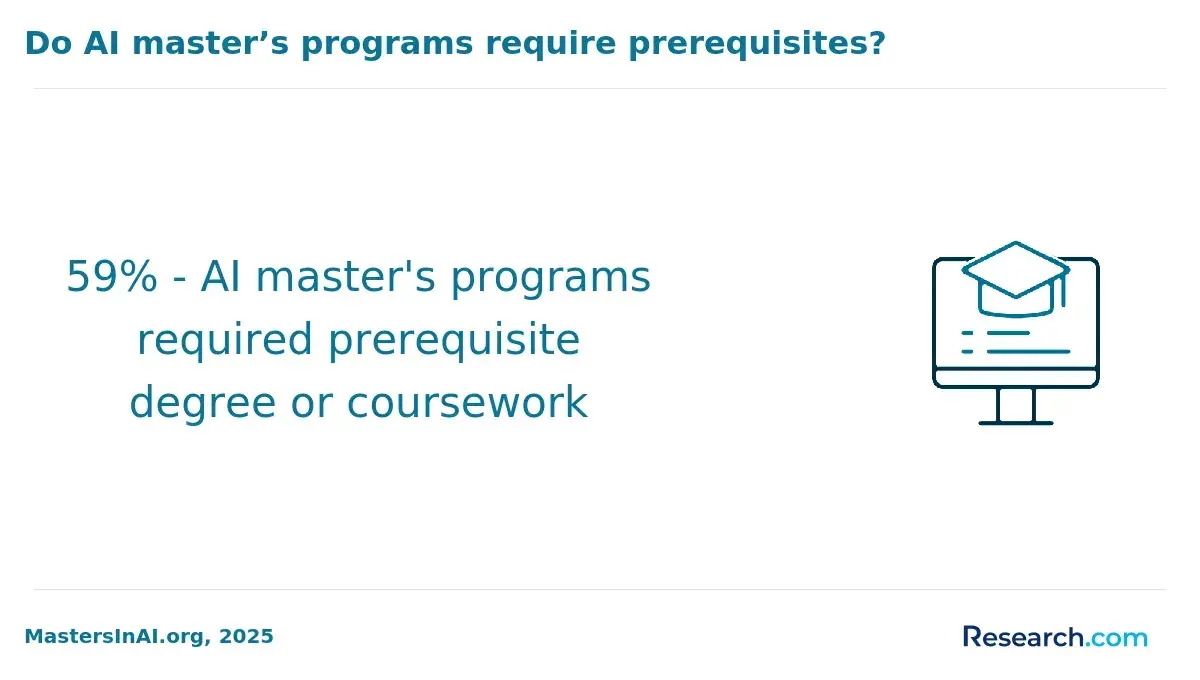
Admission requirements for AI upskilling programs aimed at nonprofit leaders typically include a high school diploma or equivalent. Many programs favor candidates with experience in nonprofit management, marketing, or fundraising to better tailor AI applications to organizational goals.
While basic digital literacy and data familiarity are often recommended, advanced courses may require knowledge of statistics, data analysis, or introductory AI concepts-especially if coding or model training is involved.
Time commitments vary widely: shorter workshops or certificate programs often demand 10 to 20 hours, fitting busy schedules, while comprehensive boot camps or specialization tracks may require 80 to 150 hours across weeks or months. Courses focused on AI for fundraising and donor engagement balance strategic and technical skills through a mix of asynchronous content, live discussions, and project work.
A benchmark study by GivingTuesday Data Commons and BoodleAI highlights the effectiveness of such training, showing nonprofits using AI-driven fundraising tools achieved a 26% rise in email-generated revenue and a 17% boost in donor retention-demonstrating clear returns on investing the necessary time to master these skills.
Many programs offer modular learning paths covering topics like AI ethics, fundraising algorithms, and marketing automation, with flexible, self-paced options to accommodate leaders' demanding schedules.
Prospective candidates should carefully evaluate program content, time demands, and prerequisites to ensure relevant, manageable skill development without overcommitment.
How much do AI courses for nonprofit leaders cost, and what funding options exist?
AI courses tailored for nonprofit leaders span a wide cost range, from free introductory workshops to certificate programs exceeding $3,000. Basic webinars and short courses are often available at no cost or under $100 through nonprofit networks or educational platforms.
More advanced offerings focused on program design or impact measurement typically cost between $500 and $2,000. For instance, a certificate program in AI-driven program evaluation from a university extension may charge around $1,800.
Securing funding is vital, given budget limitations common in nonprofits. Organizations should consider:
- Grants earmarked for capacity building and technology adoption.
- Partnerships with foundations providing professional development funds.
- Employer-sponsored tuition reimbursement or internal training budgets.
- Scholarships and financial aid from course providers.
- Group discounts for enrolling multiple staff members together.
Aligning course choices with grant or donor priorities enhances funding opportunities. Data from Data.org highlights that nonprofits using AI for monitoring and evaluation are 2.8 times more likely to present strong impact evidence to funders, reinforcing the value of strategic education investments.
Leaders should also assess total costs, factoring in time and software needs. Combining free tools with paid courses can maximize budgets while ensuring hands-on AI tool training, which boosts program evaluation and reporting skills essential for many nonprofits.
What AI-related roles and responsibilities can nonprofit leaders take on after completing training?
Nonprofit leaders trained in artificial intelligence play vital roles that boost organizational efficiency and mission success. They often drive AI strategy, optimizing fundraising, program evaluation, and community engagement. Leveraging AI tools enables them to use predictive analytics for forecasting donor behavior or program outcomes, leading to more informed decision-making.
These leaders also oversee AI projects while ensuring ethical practices and transparency. By coordinating cross-functional teams, they implement AI-driven automation for routine tasks such as volunteer management and administrative reporting. This shift allows staff to prioritize higher-value activities. Additionally, nonprofit leaders frequently educate their teams on AI literacy, strengthening overall organizational capacity.
Vendor selection and evaluation is another key area, where leaders assess AI platforms for alignment with nonprofit values and compliance standards. They address challenges like data privacy, algorithmic bias, and accessibility to ensure equitable AI deployment.
Recent data from Coursera's 2024 Global Skills Report reveals that nonprofit learners using social-impact partnerships increased enrollment in AI and data courses by 58% year-over-year. This trend highlights a growing commitment among nonprofit professionals to develop competencies that tackle complex social issues with innovative AI solutions.
Effective AI-trained nonprofit leaders serve as strategists, project managers, educators, and ethical stewards, guiding AI from concept to implementation to strengthen impact and maintain community trust.
How does AI education impact nonprofit career growth, salary potential, and job security?
AI education enhances nonprofit career advancement, salary growth, and job security by equipping professionals with critical digital skills in high demand. Nonprofit employees trained in AI tools and data analysis can develop more impactful programs, improve fundraising effectiveness, and streamline organizational operations, positioning themselves for leadership roles.
For instance, program managers with AI knowledge often progress to director or executive positions more quickly due to their ability to align technology with organizational goals.
Salary potential increases as AI expertise becomes a key factor in hiring and promotions. Industry reports reveal that nonprofit professionals with AI training earn 15% to 25% more, especially in roles focused on impact evaluation and donor analytics. This upskilling also opens doors to grant-funded opportunities requiring advanced technical skills.
Job security is strongly tied to adaptability within digital and AI environments. The NTEN Digital Skills Survey found organizations dedicating at least 20 hours annually per staff member to digital and AI training are over twice as likely to successfully adopt new technologies. Cultivating this ongoing learning culture creates a workforce resilient to budget fluctuations and shifting technology demands.
Key AI competencies include machine learning basics, data visualization, and automation software. Nonprofits prioritizing continuous AI education build sustainable teams equipped for future challenges.
What ethical, legal, and data privacy issues should nonprofit leaders understand when using AI?
Nonprofit leaders face complex challenges when integrating artificial intelligence, particularly around ethics, legality, and data privacy. AI bias can unintentionally reinforce discrimination in services or fundraising, so leaders must advocate for transparency about AI models' development and usage to ensure fairness.
Compliance with regulations like the General Data Protection Regulation (GDPR) and the California Consumer Privacy Act (CCPA) is essential, especially when handling sensitive donor or client information.
Strict data privacy measures are necessary since nonprofits often manage confidential health or financial data. Implementing access controls and limiting data collection according to data minimization principles reduces risk. Regular audits and risk assessments help identify vulnerabilities in AI systems.
Leaders are encouraged to establish an AI governance framework to define ethical guidelines, legal compliance checkpoints, and data privacy protocols. This framework fosters accountability and aligns all stakeholders on acceptable AI use.
A 2024 IBM Global AI Adoption Index update highlights that 42% of nonprofit and public-sector leaders see "AI governance and ethics" as a top emerging leadership skill. Practical steps include publishing transparency reports to reveal AI decision processes and conducting bias audits. Consulting legal counsel routinely ensures that organizations remain up to date with AI-related laws.
Prioritizing these measures protects mission integrity and donor trust in an AI-driven nonprofit environment.
Other Things You Should Know About Artificial Intelligence
Nonprofit leaders often encounter challenges such as limited budgets for advanced technology, lack of in-house AI expertise, and concerns about data quality or availability. Additionally, integrating AI systems with existing workflows and ensuring staff are adequately trained can complicate implementation. Addressing these challenges requires strategic planning and often partnering with external AI specialists.
Yes, many AI tools and platforms are designed to be user-friendly and do not require deep data science knowledge. Nonprofit leaders can leverage pre-built AI applications for tasks like donor analysis, outreach automation, and fundraising prediction. Moreover, cloud-based AI services often offer scalable solutions suitable for organizations of varying sizes without the need for large technical teams.
AI enhances donor engagement by analyzing donor behavior patterns to personalize communications and predict giving trends. It can automate segmentation, tailor messaging, and optimize campaign timing to increase responsiveness. This targeted approach helps nonprofits build stronger relationships and improve fundraising outcomes efficiently.
The best AI courses for nonprofit leaders in 2027 include Stanford's "AI for Social Good," Coursera's "AI for Everyone" by Andrew Ng, and MIT's "AI: Implications for Business Strategy," designed to empower leaders with AI expertise tailored for nonprofit applications.
References
- Amplify Your Impact: Integrating Leadership Development & Program Evaluation for Greater Community Outcomes https://www.ccl.org/webinars/amplify-your-impact-integrating-leadership-development-and-program-evaluation-for-greater-community-outcomes/
- AI for nonprofit decision-makers https://www.nten.org/learn/courses/ai-for-nonprofit-decision-makers
- AI’s Impact on Job Growth | J.P. Morgan Global Research https://www.jpmorgan.com/insights/global-research/artificial-intelligence/ai-impact-job-growth
- The growing data privacy concerns with AI: What you need to know https://www.dataguard.com/blog/growing-data-privacy-concerns-ai/
- Leadership Skills for Non-profit Managers Training Course https://trainingcred.com/training-course/leadership-skills-for-nonprofit-managers-training
- How Accreditation is Transforming Non-Profit Organizations & Empowering Leaders - CESRA https://csr-world.org/transforming-non-profit-organizations-empowering-leaders/
- Four AI Upskilling Strategies for Business Leaders https://www.jff.org/blog/four-ai-upskilling-strategies-business-leaders/
- Harnessing AI Responsibly: A Guide For Nonprofit Leaders https://orrgroup.com/harnessing-ai-responsibly-a-guide-for-nonprofit-leaders/
- Best AI Courses for Non-Tech Students in 2026 https://www.masaischool.com/blog/best-ai-courses-for-non-tech-students-in-2026/
- Kaya https://kayaconnect.org/course/view.php