2027 Best FutureLearn Generative AI Courses

Co-Founder and Chief Data Scientist
Many professionals face challenges transitioning from unrelated fields into the expanding domain of generative AI. Without dedicated educational pathways, acquiring relevant skills and credentials can seem overwhelming or impractical amid busy schedules. Flexible, accredited courses offer a viable solution for individuals seeking meaningful career pivots without returning to traditional full-time study. This article explores the best futurelearn generative AI courses designed to equip learners with foundational knowledge, practical skills, and industry recognition. It aims to guide prospective students toward informed decisions, enabling smooth entry into generative AI roles through accessible and reputable online education.
Key Things You Should Know
- FutureLearn's generative AI courses in 2026 emphasize practical applications, with over 65% of offerings including hands-on projects and real-world case studies to boost employability.
- Many courses integrate ethical considerations and bias mitigation, reflecting growing industry demand for responsible AI use among professionals.
- Enrollment in generative AI topics has surged by 45% since 2024, showing increased interest from both recent graduates and mid-career U.S. professionals seeking upskilling.
Advance Your Career with AI Online Courses
Artificial Intelligence: Implications for Business Strategy
This program provides an introduction to Artificial Intelligence and their implications for business strategy. Earn an official digital certificate.

Oxford Artificial Intelligence Programme
Explore this Oxford Artificial Intelligence programme offered in a flexible learning environment and explore topics like machine learning, automation, and robotics.

Implementing Agentic AI: Building Your Organizational Playbook
This online MIT Agentic AI course offers a practical approach to deploying AI agents in your organization, including a custom playbook. 3 weeks, exclusive launch price.

AI Adoption: Driving Business Value and Impact
This online MIT AI Adoption: Driving Business Value and Impact offers practical frameworks to close the gap between AI potential and business reality.

Artificial Intelligence in Pharma and Biotech
Discover the applications and limitations of artificial intelligence in pharma and biotech with this MIT online short course.

What is FutureLearn and how does it deliver generative AI courses online for U.S. learners?
FutureLearn offers flexible generative AI courses designed specifically for U.S. learners, combining foundational knowledge with technical skills and ethical considerations. The platform's modular structure allows students to progress at their own pace, starting with basics like natural language processing and generative adversarial networks (GANs) and advancing to applications in creative industries, software development, and data science. This flexible approach meets the needs of professionals seeking to upskill or pivot into AI-related careers.
As one of the leading online generative AI learning platforms in the United States, FutureLearn enhances engagement through video lectures, interactive quizzes, and practical projects while supporting diverse skill levels from beginners to advanced. Mobile-friendly design enables convenient learning for working professionals, and peer discussion forums alongside instructor feedback foster a collaborative digital environment. Certificates and micro-credentials offer valuable credentials for career advancement.
With worldwide spending on generative AI projected to surge significantly, the demand for skilled professionals across healthcare, marketing, and software sectors is growing rapidly. For those exploring career options, understanding what is applied artificial intelligence can provide insights into practical roles and opportunities enabled by this technology.
Advance Your Career with AI Online Courses
Artificial Intelligence: Implications for Business Strategy
This program provides an introduction to Artificial Intelligence and their implications for business strategy. Earn an official digital certificate.
Oxford Artificial Intelligence Programme
Explore this Oxford Artificial Intelligence programme offered in a flexible learning environment and explore topics like machine learning, automation, and robotics.
Implementing Agentic AI: Building Your Organizational Playbook
This online MIT Agentic AI course offers a practical approach to deploying AI agents in your organization, including a custom playbook. 3 weeks, exclusive launch price.
Which FutureLearn generative AI courses are best for beginners, and who are they for?
FutureLearn offers beginner-friendly generative AI courses suited for diverse professional backgrounds and learning goals. One popular course, "Introduction to Generative AI", covers fundamentals like machine learning models, neural networks, and text/image generation. It is ideal for recent graduates and working professionals seeking entry into AI-related roles without advanced technical skills, making these FutureLearn generative AI courses for beginners highly accessible.
For those in creative industries such as marketing, design, or content creation, the course "Creative Applications of Generative AI" provides practical, hands-on projects to leverage AI tools effectively while avoiding complex technical language.
Beginners with some programming experience may prefer "Foundations of AI and Machine Learning", which incorporates Python exercises and theory tailored for STEM students and developers aiming to specialize in AI development or research.
These courses address challenges like grasping complex algorithms and ethical AI use through structured modules, helping learners build skills progressively. Given the rapid growth of AI's economic impact, such training supports those exploring career shifts or augmenting current roles with new competencies.
FutureLearn's diverse teaching methods-video lectures, quizzes, and community discussions-cater to different learning styles. This flexibility is useful for students in related fields, such as those pursuing a mechanical engineering online program, looking to broaden their expertise. The question of who should take beginner generative AI courses on FutureLearn often hinges on career goals and existing technical skills, both of which these courses thoughtfully consider.
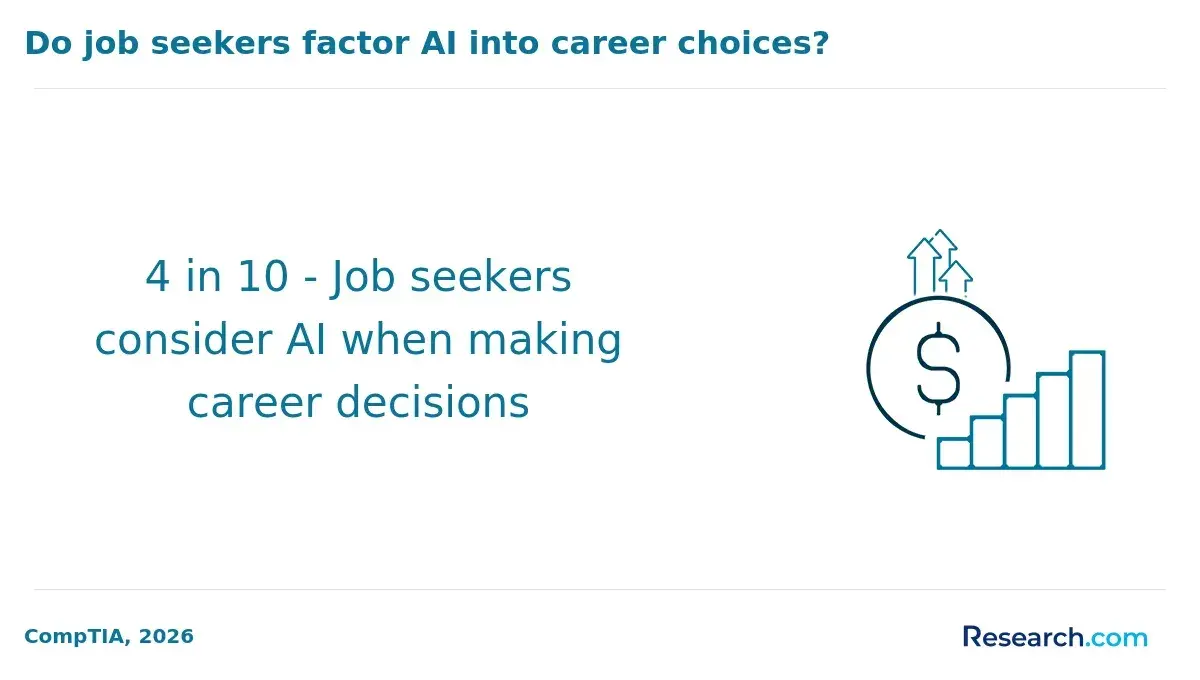
What advanced FutureLearn generative AI courses help upskill working professionals in tech and data?
FutureLearn offers advanced FutureLearn generative AI courses for tech professionals designed to enhance skills in practical areas such as deep learning model optimization, natural language processing, and AI-driven data analytics. These programs emphasize hands-on projects focused on building and fine-tuning generative models like GPT and GANs, preparing professionals to deploy scalable AI solutions in real-world settings.
One course covers advanced generative model architectures and their integration into business workflows, helping learners connect technical theory with strategic implementation. Another course addresses ethical considerations and bias mitigation in generative AI, equipping professionals to tackle regulatory and societal challenges increasingly relevant across industries.
Professional upskilling in generative AI and data science on FutureLearn also includes specialized tracks in synthetic data generation to boost model robustness and combat data scarcity. Curricula are regularly updated to incorporate emerging research, focusing on technologies like large language models and multimodal AI systems.
According to Coursera's 2025 Learner Outcomes Survey, 77% of entry-level AI and data learners improve their career trajectories through online courses. For working professionals, these advanced offerings can lead to promotions, new roles, or entrepreneurial paths within the AI ecosystem. Prospective students seeking affordable education options may also explore online cybersecurity degree programs, which complement AI skill development in technology careers.
How do FutureLearn generative AI courses compare with U.S. university and bootcamp programs?
FutureLearn generative AI courses provide a flexible alternative to traditional U.S. university programs and bootcamps. Unlike lengthy university degrees focusing on deep theory and research, FutureLearn offers modular courses that can be completed in weeks or months, appealing to working professionals and graduates seeking targeted upskilling. In comparison, bootcamps prioritize intensive, hands-on coding skills and rapid job placement, often at a higher cost and pace.
FutureLearn balances practical instruction with foundational concepts and ethical considerations, making it especially relevant in education and academic environments. This approach supports interdisciplinary applications across fields like healthcare and education, unlike many university programs that emphasize computer science fundamentals more suited for research or development careers. For those comparing FutureLearn generative AI training with U.S. bootcamps, key distinctions include the flexibility and broader career focus of FutureLearn versus the skill-driven intensity of bootcamps.
A 2024 EDUCAUSE QuickPoll found that 92% of instructors believe AI will transform education within five years, underscoring the importance of practical AI integration FutureLearn addresses. For individuals exploring AI education pathways, it is also valuable to consider options such as cyber security courses that complement AI skills in the current job market.
What skills, tools, and topics do FutureLearn generative AI syllabi typically cover?
FutureLearn's generative AI courses combine foundational programming skills, primarily in Python, with practical tools and emerging topics essential for real-world application. Students gain proficiency in machine learning fundamentals, focusing on neural networks and deep learning models, including GANs and transformers widely used in generative AI.
Hands-on experience with frameworks such as TensorFlow, PyTorch, and Hugging Face libraries is a significant component, alongside training in prompt engineering and model evaluation to enhance natural language processing and image synthesis outcomes. Learners explore ethical concerns and bias mitigation to promote responsible AI development.
Course content often includes:
- Data preparation and API integration for embedding AI into workflows
- Prompt design tailored to business use cases like personalized advertising and customer engagement
- Optimization algorithms and reinforcement learning in advanced syllabi
These programs align with industry demands, reflecting insights from Deloitte's 2024 Global Marketing Trends report, which notes that 61% of leading marketing organizations leverage generative AI to scale content creation. FutureLearn's approach prepares students to innovate and lead in AI-driven environments through a blend of theoretical understanding and practical skills.
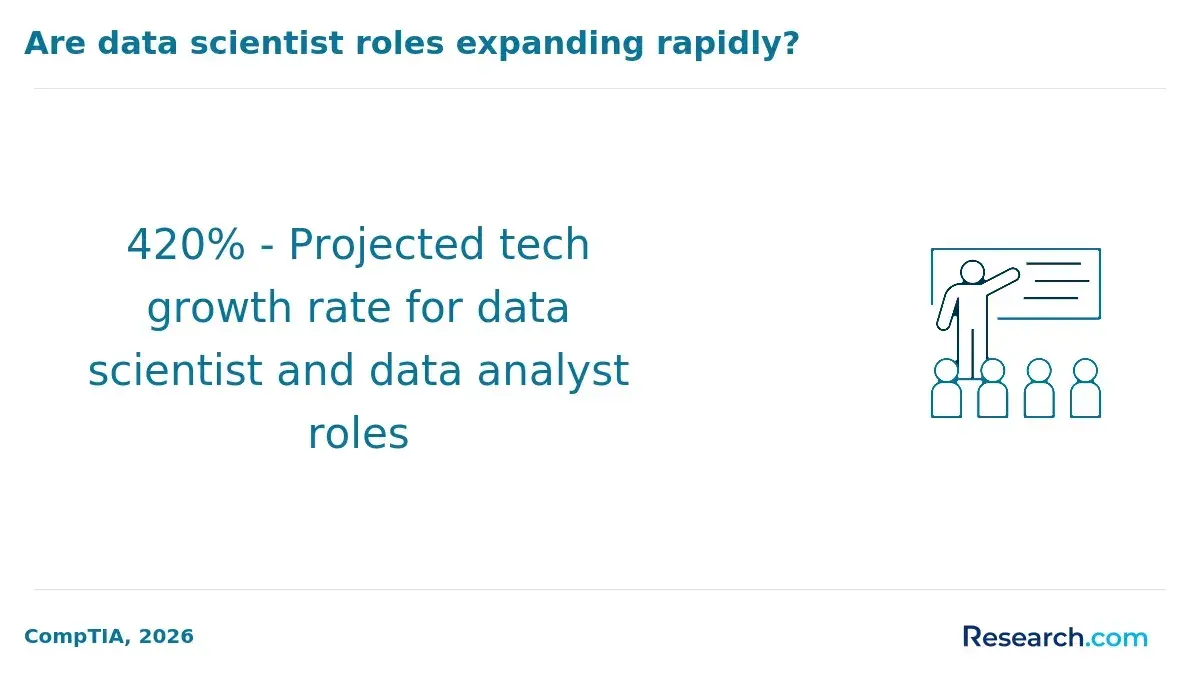
Do FutureLearn generative AI certificates help with U.S. hiring, promotions, or grad school applications?
FutureLearn generative AI certificates provide measurable advantages for U.S. career and academic advancement when applied effectively. Employers prioritize demonstrated skills and practical experience over the certificate title alone. Completing these courses indicates proficiency with emerging technologies, which is particularly valuable for developers and data scientists.
GitHub's 2024 State of the Octoverse report reveals that developers using AI coding tools improve productivity by 55% on repetitive tasks, showing the real-world benefits of generative AI skills. For job seekers, these certificates serve as verified proof of relevant technical knowledge, distinguishing candidates in competitive fields such as software engineering, data analysis, and machine learning.
Including course projects or specific tools on resumes and LinkedIn profiles highlights practical expertise rather than mere participation. Within current workplaces, generative AI certificates support promotions by demonstrating continuous learning and innovation. Professionals like marketing or product managers who integrate generative AI into workflows show strategic foresight valued by employers.
Graduate programs in STEM fields view foundational AI training favorably, especially for applicants without prior AI coursework. FutureLearn certificates validate baseline competency but are strongest when paired with research experience or academic achievements. Admissions committees consider them supplementary credentials.
What are the time commitment, format, and workload like in FutureLearn generative AI courses?
FutureLearn's generative AI courses are designed for busy professionals, requiring a manageable weekly commitment of 3 to 5 hours. Delivered entirely online, these courses include video lectures, readings, quizzes, and interactive forums, allowing learners to progress flexibly while engaging with peers and instructors.
The workload varies with course length, typically spanning 2 to 8 weeks. Shorter courses (2 to 3 weeks) focus on specific generative AI tools with lighter weekly tasks, while more comprehensive 6 to 8-week courses emphasize creative industries or technical skills and include projects and assignments requiring deeper engagement.
Hands-on activities like designing AI-generated content, coding exercises, and case studies embed practical skills that reflect workplace challenges. This structure encourages steady weekly participation to build mastery and confidence.
According to Adobe's 2024 Future of Creativity Study, 83% of creative professionals using generative AI report increased content output without compromising quality, highlighting how these courses fit well into professional schedules.
When choosing a course, consider your own goals and time availability: short, intensive courses suit quick skill acquisition, while longer options offer deeper knowledge and certification prospects. For more details on generative AI education, visit FutureLearn's offerings and course outlines.
How much do FutureLearn generative AI courses cost, and are they worth it financially?
FutureLearn's generative AI courses offer flexible pricing options to suit various learner needs. Many courses start with free access featuring limited content, while paid options generally range from $39 to $200. Monthly subscriptions around $39 typically provide unlimited access to multiple courses, making them ideal for professionals seeking to quickly upskill. More comprehensive microcredentials and professional certificates, priced between $150 and $200, include practical projects and verified certification, adding value for those focused on formal recognition.
Industry data highlights the value of such credentials. A World Economic Forum study indicates candidates holding digital skills certificates are 30% more likely to secure job offers compared to peers with similar experience but no official credentials. This underscores how FutureLearn's certificates can enhance employability in competitive markets.
Aligning course choice with career goals is crucial. Specialized certificates in generative AI applications-such as data science or software engineering-offer targeted skills that match employer demand and maximize return on investment. FutureLearn's pricing structure balances affordability with credential credibility, allowing learners at different stages-from undergraduates to working professionals-to invest according to their career ambitions and financial capacity.
What generative AI job roles and salary ranges can these courses realistically support?
FutureLearn generative AI courses prepare learners for key roles like AI developer, machine learning engineer, data scientist, and AI product manager. These programs focus on practical skills such as model building, fine-tuning, and deploying generative AI models-capabilities highly valued in technology, healthcare, finance, and media sectors.
- AI Developer: $90,000 to $140,000 annually
- Machine Learning Engineer: $110,000 to $160,000 annually
- Data Scientist: $95,000 to $150,000 annually
- AI Product Manager: $100,000 to $155,000 annually
Such salaries reflect the growing demand for generative AI expertise as businesses integrate AI tools in automation, content creation, and decision-making processes. Professionals transitioning from software engineering or analytics can leverage FutureLearn's targeted courses to upskill quickly and fill these roles.
According to HolonIQ's 2024 Global EdTech Market report, the online AI and data science upskilling market is projected to grow at a 21% compound annual rate through 2028, signaling sustained demand and rising compensation. FutureLearn's curriculum balances foundational artificial intelligence techniques with the latest generative models, aligning well with industry trends.
Beyond development roles, students benefit from training in AI ethics, model auditing, and AI-enhanced UX design, enabling career paths in governance and user experience optimization within the expanding generative AI market.
How should learners choose the right FutureLearn generative AI course for their goals and background?
Choosing FutureLearn generative AI courses depends on your current knowledge, career goals, and skill level. Beginners without a technical background should select introductory courses that emphasize foundational concepts like machine learning basics and natural language processing fundamentals. These courses typically focus on theory and avoid extensive coding.
Individuals with programming or STEM experience can benefit from intermediate or advanced courses involving practical projects, coding assignments, and algorithm design. Courses that teach building AI models using Python or TensorFlow are ideal for those aiming to become AI engineers or data scientists.
Career-focused learners should prioritize courses offering industry-relevant projects and certifications to boost employability. The World Economic Forum's Future of Jobs Report 2025 notes a projected 39% growth in AI and machine learning roles between 2025 and 2030, adding around 2.3 million jobs globally, underscoring the value of targeted learning paths.
Professionals seeking to apply AI in fields like marketing, healthcare, or finance may prefer courses centered on AI applications and ethical implications, offering practical knowledge without deep technical demands.
FutureLearn enables learners to specialize in areas such as generative text models, computer vision, and AI ethics. Key factors to consider include course syllabi, estimated learning hours, and instructor expertise to ensure alignment with personal goals and time availability.
Other Things You Should Know About Artificial Intelligence
In 2027, some of the top-rated generative AI courses on FutureLearn include "Introduction to Generative AI," "Creative Applications of AI," and "Ethics in AI Development." These courses are designed to equip learners with comprehensive skills and understanding in the field of generative AI.
Artificial intelligence can both displace and create jobs. While automation may reduce demand for certain routine tasks, AI also generates new roles in development, maintenance, and oversight of these technologies. Understanding AI's impact helps workers prepare for shifts by acquiring relevant skills and adapting to evolving job requirements.
Artificial intelligence is the broader concept of machines performing tasks that require human intelligence, while machine learning is a subset focused on training algorithms to learn from data. Machine learning enables AI systems to improve their performance over time without explicit programming for each new task.
While AI systems aim to make objective decisions, they can inherit biases present in their training data or design. Mitigating bias requires careful data selection, diverse development teams, and ongoing evaluation. Achieving truly unbiased AI remains an active area of research and development.
References
- How to Build AI-Ready Courses Without Overloading Your Faculty https://feedbackfruits.com/blog/ai-instructional-design-higher-education
- Top 7 artificial intelligence courses 2025: Comparison of the best online programs https://xd-i.com/en/data-en/ai-courses/
- Ultimate Guide: How to Choose the Right AI Training Course to Boost Your Career - ONLC https://www.onlc.com/blog/how-to-choose-ai-training-courses/
- How much do FutureLearn courses cost? | Class Central Help Center https://www.classcentral.com/help/how-much-futurelearn-cost
- The Best Generative AI Courses Money Can Buy https://bernardmarr.com/the-best-generative-ai-courses-money-can-buy/
- Generative AI Careers: Complete Guide https://www.sproutern.com/blog/generative-ai-careers
- Best Generative AI Courses and Certifications in 2026 https://ryantronier.com/resources/generative-ai-courses/
- Are AI Courses Worth It? - MMC Learning https://mmclearning.com/artificial-intelligence/are-ai-courses-worth-it/
- Towards Generative AI for Course Content Production: Expert Reflections | European Journal of Open, Distance and E-Learning https://eurodljournal.com/articles/10.2478/eurodl-2024-0013
- Choosing the Right AI Course: A Comprehensive Guide https://www.upskillist.com/blog/choosing-the-right-ai-course-a-comprehensive-guide/