2027 Best AI Adoption Courses for Healthcare AI Vendor Evaluation Teams

Co-Founder and Chief Data Scientist
Healthcare AI vendor evaluation teams often face challenges in accurately assessing emerging technologies due to a lack of specialized knowledge in artificial intelligence applications. Misjudging vendor capabilities can lead to costly implementation failures and missed opportunities for innovation. Teams require targeted training to bridge the gap between healthcare expertise and AI technical understanding. This article discusses the best AI adoption courses designed specifically for healthcare vendor evaluation professionals, focusing on flexible, accredited programs that empower learners to make informed decisions and successfully integrate AI solutions within healthcare organizations.
Key Things You Should Know
- Healthcare AI vendor evaluation teams benefit from courses emphasizing clinical data interpretation, regulatory compliance, and ethical AI deployment amid a 30% rise in healthcare AI investments in 2025.
- Top courses in 2026 integrate hands-on training with datasets and case studies, addressing the 45% increase in demand for proficient AI evaluators in healthcare technology purchasing.
- Leading programs focus on explainability, risk management, and interoperability of AI tools, crucial for informed vendor decisions in light of evolving FDA guidelines introduced in early 2025.
Advance Your Career with AI Online Courses
Artificial Intelligence: Implications for Business Strategy
This program provides an introduction to Artificial Intelligence and their implications for business strategy. Earn an official digital certificate.

Oxford Artificial Intelligence Programme
Explore this Oxford Artificial Intelligence programme offered in a flexible learning environment and explore topics like machine learning, automation, and robotics.

Implementing Agentic AI: Building Your Organizational Playbook
This online MIT Agentic AI course offers a practical approach to deploying AI agents in your organization, including a custom playbook. 3 weeks, exclusive launch price.

AI Adoption: Driving Business Value and Impact
This online MIT AI Adoption: Driving Business Value and Impact offers practical frameworks to close the gap between AI potential and business reality.

Artificial Intelligence in Pharma and Biotech
Discover the applications and limitations of artificial intelligence in pharma and biotech with this MIT online short course.

What is an AI adoption course for healthcare AI vendor evaluation teams, and who should take it?
An AI adoption course designed for healthcare AI vendor evaluation teams equips professionals with the critical skills needed to assess AI solutions targeted for clinical and administrative applications. These healthcare AI vendor assessment training programs emphasize understanding AI capabilities, regulatory compliance, data security, interoperability, and the practical usefulness of AI products within healthcare systems. Participants gain expertise in evaluating vendors via clinical evidence, algorithm transparency, and feasibility of implementation to ensure alignment with organizational priorities and patient safety standards.
These courses serve procurement officers, clinical informaticists, healthcare IT managers, and quality assurance teams involved in selecting or advising on AI technology adoption. For instance, clinical informaticists can differentiate between vendors delivering validated outcomes versus those merely promising better diagnostics. Meanwhile, IT managers focus on integration complexities, and procurement teams learn to negotiate contracts emphasizing proven results.
Despite growing interest, by 2026 only 11% of healthcare organizations have incorporated generative AI into workflows, according to Bessemer Venture Partners' Healthcare AI Adoption Index. This underscores the urgent need for targeted vendor-evaluation training to close the adoption gap responsibly.
Topics covered often include:
- Techniques to analyze AI model validation and bias
- Regulatory frameworks and compliance requirements
- Data privacy and cybersecurity concerns
- Vendor risk management and contract negotiation
Healthcare professionals managing AI adoption can enhance responsible integration and maximize ROI, especially as these technologies evolve rapidly but remain underutilized. Students and professionals interested in related fields may find value in exploring the best data science undergraduate programs to support their expertise in AI and healthcare technology.
Advance Your Career with AI Online Courses
Artificial Intelligence: Implications for Business Strategy
This program provides an introduction to Artificial Intelligence and their implications for business strategy. Earn an official digital certificate.
Oxford Artificial Intelligence Programme
Explore this Oxford Artificial Intelligence programme offered in a flexible learning environment and explore topics like machine learning, automation, and robotics.
Implementing Agentic AI: Building Your Organizational Playbook
This online MIT Agentic AI course offers a practical approach to deploying AI agents in your organization, including a custom playbook. 3 weeks, exclusive launch price.
How do AI adoption courses prepare healthcare teams to evaluate and select AI vendors safely?
AI adoption courses enhance healthcare vendor evaluation skills by teaching teams how to rigorously assess AI providers through clinical validity, regulatory compliance, and real-world performance data. Participants learn to verify FDA approval status, a critical safety marker highlighted by a 45% rise in FDA-approved AI/ML-enabled medical devices, reaching 673 devices according to a Stanford HAI report. This knowledge helps teams rapidly identify credible AI technology. Training healthcare teams to safely select AI technology providers also involves due diligence practices such as reviewing transparent documentation, evaluating model training datasets, and assessing bias risks.
Courses include practical exercises simulating vendor negotiations, focusing on contract terms around data privacy, monitoring, and liability in AI failure scenarios. Ethical considerations, HIPAA compliance, and tailored risk management strategies are also emphasized. Additionally, attendees gain tools to implement post-deployment surveillance programs that continuously monitor AI performance and vendor support quality. These trainings promote multidisciplinary collaboration among clinicians, IT specialists, and administrators to ensure consistent and unbiased vendor evaluations.
The combination of technical and ethical training ultimately transforms healthcare teams into knowledgeable evaluators capable of navigating the complex AI vendor market confidently and precisely. For those interested in broadening their expertise, some consider pursuing the cheapest online master's mechanical engineering to complement their technical skills and career prospects in this rapidly evolving field.
What types of AI adoption programs exist for healthcare professionals, and which format fits my role?
AI adoption programs for healthcare professionals typically fall into three categories: foundational courses, technical skill training, and vendor evaluation-focused programs. Foundational courses introduce clinicians and administrators to AI concepts, covering capabilities, ethics, and clinical applications. These are mainly online or hybrid formats emphasizing case studies rather than coding, ideal for strategic leaders seeking broad understanding.
Technical skill training suits data scientists, IT personnel, and AI leads who need hands-on experience in AI model development, deployment, and troubleshooting. These offerings frequently include live workshops or certificate programs with coding exercises in Python or R, delivered in-person or via synchronous virtual labs.
Vendor evaluation programs are designed for procurement, compliance, and risk teams evaluating third-party AI tools. They focus on cybersecurity risks, regulatory compliance, and performance validation. A 2024 U.S. Department of Health and Human Services report highlighted a breach incident through Change Healthcare affecting over 100 million people, demonstrating the importance of best AI training formats for healthcare vendor teams to address third-party vulnerabilities effectively.
Many institutions offer modular programs combining these formats for personalized learning paths tailored to diverse professional roles. Those interested in exploring related fields may also consider video game programs, which share some technological and design skill overlaps.
How do online AI adoption courses compare with campus or hybrid options for healthcare teams?
Online healthcare AI adoption courses for vendor teams offer unmatched flexibility, allowing professionals to balance demanding work schedules with ongoing education. These courses frequently update their curricula to reflect the rapid evolution of AI technology, unlike many campus-based programs that may lag in delivering new content. For instance, platforms can swiftly add modules on generative AI applications, crucial as only 11% of healthcare companies have integrated generative AI into active workflows, indicating early-stage vendor maturity.
Campus versus online AI training programs for healthcare professionals highlights that campus programs excel in providing hands-on experiences and face-to-face collaboration vital for deep technical training and vendor assessments. However, campus options often require relocation and fixed schedules, which limit accessibility. Hybrid models attempt to merge these benefits but typically sacrifice either full online convenience or in-person engagement.
Healthcare evaluation teams need practical skills such as interpreting clinical AI validation studies, assessing regulatory compliance, and conducting operational impact analyses. Many online courses now include interactive case studies, virtual labs, and live expert sessions that effectively simulate these tasks. Additionally, online platforms frequently offer access to broader expert networks and updated resources not always available through single-campus offerings.
Prospective students should consider:
- The balance between hands-on vendor evaluation skills and theoretical knowledge.
- Time and geographic constraints affecting course accessibility.
- Industry adoption rates showing a need for rapidly updated course content.
Those interested in advancing their expertise may explore a data analytics masters program to complement AI-focused training and enhance career prospects.
What core curriculum and real-world projects do top AI adoption courses in healthcare include?
Top ai adoption courses for healthcare vendor evaluation teams focus on foundational knowledge and practical skills essential for effective assessment. Core topics typically include healthcare data standards, ai model validation, regulatory compliance, and ethical considerations. Emphasis is placed on interpreting clinical data, understanding machine learning algorithms, and evaluating model bias and generalizability to diverse clinical populations. Vendor teams learn to critically analyze claims regarding ai's impact on patient outcomes and operational efficiency.
Real-world projects are central to these courses, offering hands-on experience with:
- Evaluating diagnostic support tools and patient risk stratification systems through live case studies
- Simulating return on investment (ROI) analyses reflecting cost reductions and improved workflows, aligned with findings that 79% of healthcare executives noted measurable ai business value in a Bain survey
- Developing risk frameworks that incorporate HIPAA compliance and FDA ai device regulations
- Performing comparative assessments of vendor algorithms on varied datasets to gauge robustness
- Designing validation plans using metrics such as sensitivity, specificity, and fairness
Courses also include collaborative exercises where teams negotiate vendor contracts and align ai adoption with institutional strategies. This approach equips participants to engage with real datasets and vendor documentation, enabling them to challenge unsupported ROI claims and identify solutions that provide transparent clinical and financial benefits.
Which accreditation, institutional quality markers, and industry partnerships should these programs have?
Accreditation from reputable organizations like ABET (Accreditation Board for Engineering and Technology) or CAHIIM (Commission on Accreditation for Health Informatics and Information Management Education) is critical for AI adoption courses aimed at healthcare vendor evaluation teams. These accreditations guarantee that programs meet rigorous academic and industry standards, essential for mastering complex healthcare AI environments.
Programs affiliated with established universities or medical centers provide enhanced credibility and practical exposure. For instance, partnerships with academic medical centers offer direct insight into clinical workflows, addressing interoperability challenges. Top research institutions contribute curriculum shaped by ongoing healthcare AI innovations, tackling barriers such as workflow integration highlighted by the 2024 HIMSS survey, where 77% of healthcare organizations used AI yet struggled with these issues.
Industry collaborations with leading healthcare AI vendors, technology firms, and professional organizations like HIMSS and AMIA add significant value. These partnerships deliver real-world case studies, internships, and up-to-date content on vendor evaluation skills. They also expose students to vital standards like HL7 FHIR and current compliance requirements.
Prospective students should confirm that programs include current compliance and ethics modules addressing healthcare regulations such as HIPAA and FDA AI guidelines. Certifications aligned with vendor evaluation competencies help validate expertise for hiring managers and health systems conducting detailed AI implementation due diligence.
What are the typical admission requirements, prerequisites, and needed clinical or technical background?
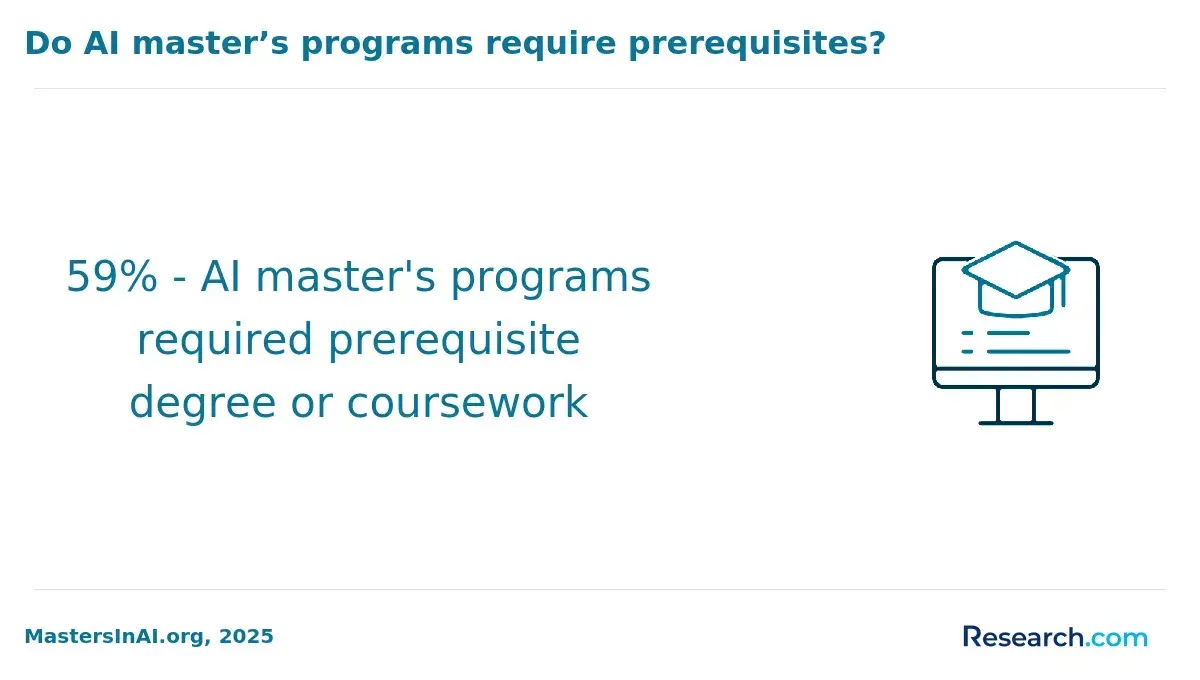
Admission to healthcare AI vendor evaluation courses generally requires a bachelor's degree in healthcare, computer science, data science, biomedical engineering, or related areas. Some programs accept those with substantial clinical or health IT experience even without formal degrees. Prerequisites often include coursework or demonstrated skills in statistics, programming languages like Python or R, machine learning basics, and an understanding of clinical workflows.
Strong clinical backgrounds-such as those held by nurses, physicians, clinical informaticists, and allied health professionals-offer valuable insights into the practical challenges AI tools address in patient care and medical decision-making. Technical candidates benefit from gaining clinical exposure to critically evaluate vendor claims.
Data literacy is crucial. Research highlights that AI performance may suffer from underrepresented or biased training datasets, and few healthcare AI models undergo external validation. Therefore, coursework often emphasizes external validation methodologies, bias detection, and statistical performance metrics. Compliance knowledge, including HIPAA and FDA guidelines, is also increasingly important.
Successful candidates blend clinical insight with technical proficiency, preparing for intensive study of validation techniques and data integrity. This combination ensures robust and reliable vendor evaluations essential for advancing healthcare AI applications.
How long do AI adoption programs for healthcare vendor evaluation teams take, and what do they cost?
AI adoption programs for healthcare vendor evaluation typically span 3 to 6 months, balancing thorough testing with timely decision-making. Smaller institutions often complete pilots in about 3 months, targeting specific workflow improvements, while larger organizations may extend this period to 6 months or more for enterprise-scale deployments to minimize risk.
Costs differ widely based on program scope and vendor complexity. Basic pilot programs start at $25,000 to $50,000, which covers training, software licenses, and consulting. Comprehensive programs with multi-vendor analyses and extended support can exceed $150,000. Teams should also consider indirect expenses such as staff time and IT resources.
Bessemer's Healthcare AI Adoption Index highlights that only 11% of organizations have reached meaningful generative AI workflow adoption. This low figure emphasizes the need for reliable pilot metrics to identify solutions likely to scale effectively. Effective adoption programs blend clinical, technical, and procurement training and use simulation or real-world scenarios to assess vendor tools under authentic conditions.
Key evaluation criteria include accuracy, usability, compliance risk, and transparent cost breakdowns. This approach enables healthcare teams to prioritize vendors that demonstrate measurable value early in the evaluation process.
What career outcomes, roles, and advancement paths can AI adoption training open in healthcare?
Training in ai adoption for healthcare vendor evaluation teams enhances career opportunities and advancement pathways. Professionals develop critical skills to evaluate ai-enabled medical devices' safety, compliance, and suitability, enabling roles like ai product manager, clinical informatics specialist, and healthcare technology consultant. These positions require understanding both clinical workflows and ai functionalities, bridging vendors, providers, and regulators effectively.
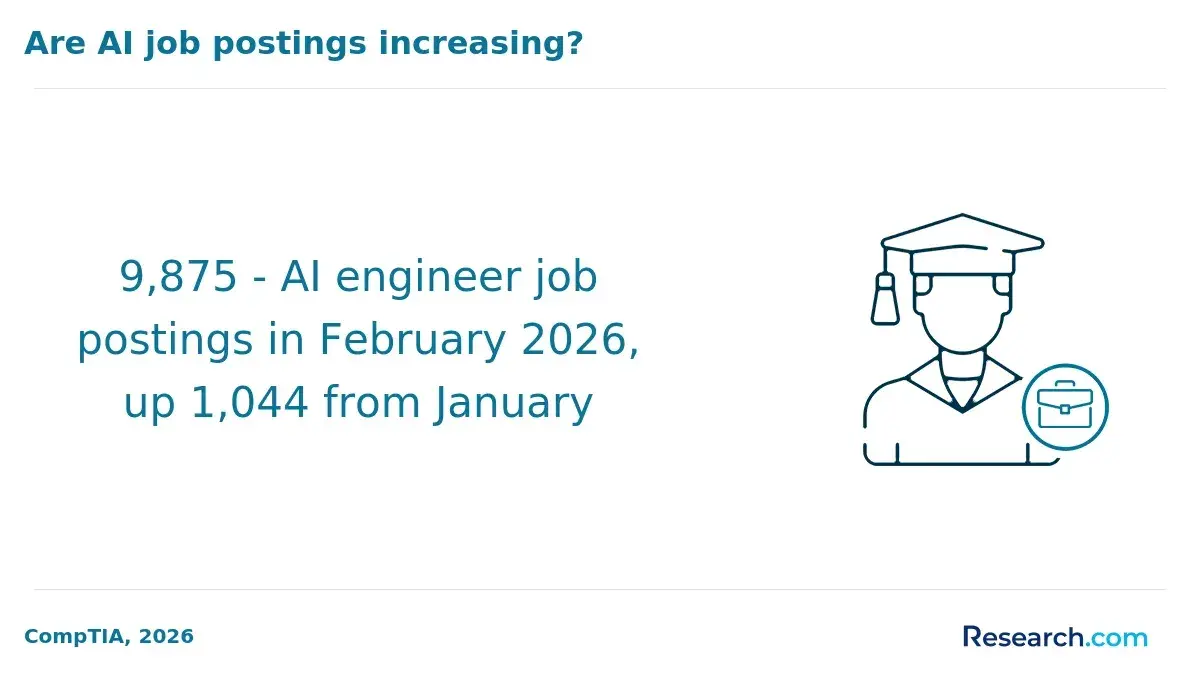
With hundreds of ai-enabled medical devices authorized by the FDA, vendor teams must refine their comparative evaluation methods. Focused training offers expertise in performance benchmarking, risk analysis, and regulatory compliance, increasing job prospects and salary potential as healthcare increasingly relies on evidence-based ai integration.
Key career trajectories include:
- Moving from technical evaluation to leadership roles such as ai adoption program manager or director of digital health innovation.
- Specializing in ai ethics, data governance, and regulatory compliance amidst growing scrutiny.
- Advising on clinical trials for ai tools and institution-wide ai deployment strategies.
Training also mitigates challenges like limited domain knowledge or translating ai metrics into clinical outcomes. Hands-on experience with real-world device assessment and regulatory frameworks establishes credibility. Developing these competencies helps vendor teams play a crucial role in advancing technology that improves patient care and operational efficiency.
Are there recognized certifications or professional standards for healthcare AI procurement and governance?
Recognized certifications and professional standards for healthcare AI procurement and governance are vital for vendor evaluation teams. These credentials help decision-makers assess technical capabilities, ethical concerns, and regulatory compliance effectively. Notable certifications include the Certified Professional in Healthcare Information and Management Systems (CPHIMS) and the Health IT Certification offered by the Healthcare Information and Management Systems Society (HIMSS). These programs feature modules focused on AI governance frameworks, data security, and healthcare-specific compliance standards.
Regulatory guidance from bodies like the U.S. Food and Drug Administration (FDA) is critical for procurement teams to ensure AI-based medical devices meet safety, efficacy, and post-market surveillance requirements. Understanding FDA guidelines is essential for vendor adherence and overall risk management.
Key areas procurement officers should emphasize when seeking certifications include:
- Ethical AI use aligned with privacy laws such as HIPAA
- Risk management protocols specific to AI-driven healthcare tools
- Integration and interoperability standards for clinical workflows
Programs like Harvard Medical School Executive Education's AI in Health Care address the growing need for governance certifications tailored to executives who evaluate AI vendors on operational impact and regulatory compliance, beyond just the technical aspects.
Multidisciplinary certifications that combine IT management, clinical knowledge, and AI ethics best prepare procurement teams to assess vendor proposals and governance structures comprehensively.
Other Things You Should Know About Artificial Intelligence
Healthcare teams often encounter challenges such as data privacy concerns, integration issues with existing health information systems, and a lack of clear regulatory guidelines. Additionally, the complexity of AI algorithms can make it difficult for non-technical staff to interpret outcomes accurately. These obstacles require thorough training to ensure safe and effective implementation.
Bias in AI can lead to inaccurate or unfair healthcare decisions, affecting patient outcomes and equity. During vendor evaluations, teams must assess how algorithms were trained, including the diversity and quality of data sets. Recognizing and mitigating bias ensures that AI solutions are reliable and beneficial for all patient populations.
Yes, AI adoption courses often include content on regulatory frameworks such as HIPAA and FDA guidelines, which are essential for compliance. Learning about these regulations helps teams navigate legal considerations and avoid costly mistakes during procurement and deployment. Understanding compliance is a key competency for healthcare AI vendor evaluation.
References
- Future Skills Centre • Centre des Compétences futures https://fsc-ccf.ca/projects/ai-health-care/
- Artificial Intelligence in Health Care - URAC https://www.urac.org/accreditation-cert/healthcareai/
- Certified AI Procurement and Vendor Evaluation Professional https://thecasehq.com/courses/certified-ai-procurement-and-vendor-evaluation-professional/
- AI in Healthcare Masterclass | Momentum https://www.themomentum.ai/masterclass
- Prerequisites and Requirements - M.D. Program - Mayo Clinic Alix School of Medicine - Mayo Clinic College of Medicine & Science https://college.mayo.edu/academics/mayo-clinic-alix-school-of-medicine/md-program/how-to-apply/prerequisites-and-requirements/
- The Healthcare AI Adoption Index https://www.bvp.com/atlas/the-healthcare-ai-adoption-index
- Cost Of Implementing AI In Healthcare 2025: Crucial Factors https://murphi.ai/cost-of-implementing-ai-in-healthcare/
- How to Evaluate AI Vendors: 5 Key categories for AI Adoption https://www.darktrace.com/blog/how-to-evaluate-ai-vendors-5-key-categories-for-ai-adoption
- Responsible AI in Health Care: What Providers and AI Vendors Must Do Now https://www.bakerdonelson.com/responsible-ai-in-health-care-what-providers-and-ai-vendors-must-do-now
- 16 Artificial Intelligence Career Paths https://www.calmu.edu/news/artificial-intelligence-career-paths