2027 Best AI Agent Courses for Program Managers

Co-Founder and Chief Data Scientist
Program managers seeking to lead AI-driven projects face the challenge of mastering complex concepts while balancing their current workload. Many struggle with finding courses that combine practical skills with a flexible schedule and credible accreditation. Without targeted training, navigating AI's rapid evolution and its applications in various industries can stall career progress.
This article explores the best AI agent courses designed specifically for program managers aiming to transition smoothly. It highlights programs that provide relevant knowledge, hands-on experience, and flexibility to help professionals effectively manage AI initiatives and enhance their leadership capabilities in this dynamic field.
Key Things You Should Know
- AI agent courses for program managers focus on integrating AI tools to enhance project efficiency, with 72% of professionals reporting improved decision-making after training in 2025.
- Top courses emphasize practical skills in automation, data analysis, and ethical AI use, reflecting industry demand for responsible AI management in complex projects.
- Certificates from accredited programs in 2025 often lead to a salary increase averaging 15%, showing strong ROI for program managers investing in AI education.
Advance Your Career with AI Online Courses
Artificial Intelligence: Implications for Business Strategy
This program provides an introduction to Artificial Intelligence and their implications for business strategy. Earn an official digital certificate.

Oxford Artificial Intelligence Programme
Explore this Oxford Artificial Intelligence programme offered in a flexible learning environment and explore topics like machine learning, automation, and robotics.

Implementing Agentic AI: Building Your Organizational Playbook
This online MIT Agentic AI course offers a practical approach to deploying AI agents in your organization, including a custom playbook. 3 weeks, exclusive launch price.

AI Adoption: Driving Business Value and Impact
This online MIT AI Adoption: Driving Business Value and Impact offers practical frameworks to close the gap between AI potential and business reality.

Artificial Intelligence in Pharma and Biotech
Discover the applications and limitations of artificial intelligence in pharma and biotech with this MIT online short course.

What are AI agent courses for program managers and who are they best suited for?
AI agent courses for program managers teach essential skills for designing, implementing, and overseeing intelligent software agents that automate workflows and decision-making in complex projects. These courses are ideal for program managers looking to enhance operational efficiency through AI, or those who lead teams developing AI-powered solutions. They cover topics such as agent-based modeling, ethical AI deployment, real-time data analysis, and risk management related to autonomous systems.
Professionals in industries like technology, finance, healthcare, and manufacturing-sectors rapidly adopting AI agents-benefit greatly from these courses. Program managers with limited technical backgrounds can gain crucial knowledge to effectively communicate with AI developers and align AI initiatives with business goals. Examples include supply chain managers coordinating AI to predict delays or IT managers automating cybersecurity incident responses.
According to Boston Consulting Group's "AI & the Future of Work" survey, program managers with advanced AI expertise command up to 35% higher compensation than those lacking such skills. This trend underlines why enrolling in the best artificial intelligence training programs for program managers is critical to stay competitive.
Developing these skills transforms program management from reactive oversight to proactive orchestration. For those exploring AI career paths, exploring AI degrees can provide a foundation for deeper expertise and opportunities in this domain.
Advance Your Career with AI Online Courses
Artificial Intelligence: Implications for Business Strategy
This program provides an introduction to Artificial Intelligence and their implications for business strategy. Earn an official digital certificate.
Oxford Artificial Intelligence Programme
Explore this Oxford Artificial Intelligence programme offered in a flexible learning environment and explore topics like machine learning, automation, and robotics.
Implementing Agentic AI: Building Your Organizational Playbook
This online MIT Agentic AI course offers a practical approach to deploying AI agents in your organization, including a custom playbook. 3 weeks, exclusive launch price.
What skills and learning outcomes should top AI agent programs deliver for program managers?
Top AI agent program management skills for program managers blend technical knowledge with strategic project leadership. Essential competencies cover AI architectures such as natural language processing, machine learning deployment, and autonomous decision-making frameworks. Program managers must also be adept at evaluating AI agent performance to ensure business goal alignment and compliance.
Learning outcomes in AI agent training for program management emphasize practical application. These include managing AI-driven projects with copilot tools, orchestrating cross-functional teams, and mastering data literacy to accurately interpret AI outputs while mitigating biases and errors. Programs should incorporate AI governance and ethical protocols tailored to AI agent use in program contexts.
Core skills involve strategic planning using AI augmentation, adapting project management methods to hybrid human-machine workflows, and applying change management techniques that facilitate AI adoption. Real-world examples include integrating sales forecasting AI agents into product roadmaps and optimizing resource allocation with autonomous scheduling.
LinkedIn's 2025 Global Skills Outlook reports a 421% increase in job postings mentioning AI agents, copilots, or autonomous workflows for program and product managers between Q1 2024 and Q1 2025. This surge highlights the urgent need for program managers skilled in guiding AI-enhanced projects and interpreting AI-driven insights.
Prospective students looking to develop these competencies can explore AI degree programs designed to equip learners for the evolving landscape of program management.
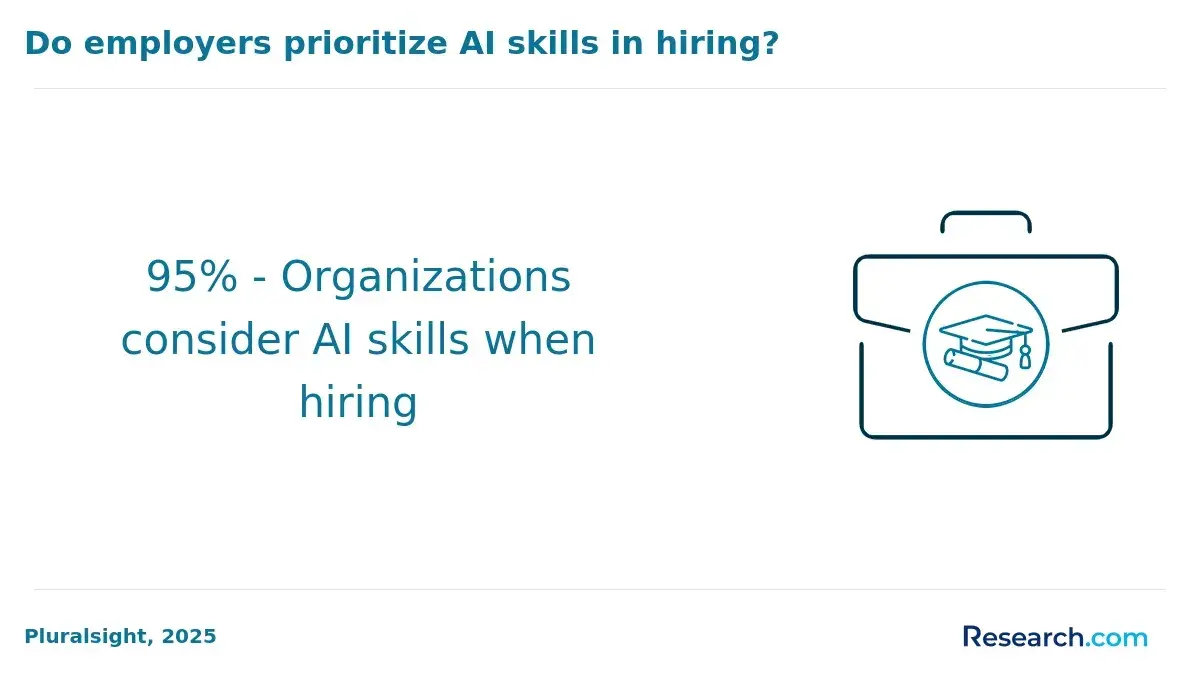
How do you evaluate and compare the best AI agent courses available online today?
Choosing the best AI agent courses for program managers online involves careful evaluation of curriculum relevance, instructor expertise, and practical application. Look for courses covering essential topics such as AI agent design, orchestration, automation frameworks, and integration with business processes. Programs with hands-on projects or real-world case studies better prepare project leaders to tackle practical challenges.
In top-rated AI agent training programs for project leaders, instructor credentials and accreditation play a pivotal role. Instructors should have industry experience or ties to leading AI research institutions to ensure content stays up-to-date amid rapid advancements.
Flexibility is key for program managers balancing many responsibilities. Self-paced learning, weekend classes, or hybrid formats improve access without compromising depth. Community support and active forums during and after the course provide valuable ongoing collaboration and problem-solving opportunities.
Measurable outcomes matter greatly. A 2025 Coursera/Ipsos survey of 3,000 tech and operations professionals found that completing formal AI agent training leads to an average 22% salary increase within 12 months and a 46% higher chance of promotion, highlighting the career uplift potential.
Price-performance balance should be considered carefully. Compare costs against curriculum breadth and return on investment, since premium-priced courses without tangible benefits may not be worthwhile. For affordable options in related fields, consider exploring the cheapest masters in data science.
Finally, reviews and success stories from past program managers offer insights into practical utility and skill transfer, helping learners select courses aligned with their professional goals.
What admission requirements and prior experience do AI agent programs expect from program managers?
AI agent program admission requirements for program managers typically include a bachelor's degree in business, engineering, computer science, or related fields. Prior experience needed for AI agent courses for program managers often covers managing technical teams or projects involving automation and software development, ensuring candidates understand AI agent integration within workflows.
Proficiency in data analysis, programming languages like Python, and foundational machine learning concepts is frequently expected. Certifications in Agile, Six Sigma, or data analytics improve admission prospects. Leadership experience in cross-functional teams is highly valued to oversee AI-driven initiatives.
Those lacking technical backgrounds can take foundational courses in AI basics or coding before applying. Some hybrid programs offer preparatory modules in statistics and computing. Admissions often require a resume outlining relevant work projects, a statement of purpose focused on AI agent applications, and letters of recommendation highlighting leadership and technical skills.
Specialized AI agent courses with high career ROI emphasize technical readiness combined with leadership development. According to Emeritus' "Professional Education ROI in the Age of AI," targeted AI-agent and automation courses deliver a median 6.2x ROI over three years, surpassing general AI courses. Program managers benefit from demonstrating problem-solving in AI projects or familiarity with automation toolkits.
For advanced study paths, students may consider a data science PhD online that complements AI agent program skills and leadership experience.
How do online, hybrid, and campus-based AI agent programs differ for working professionals?
Online, hybrid, and campus-based AI agent programs each offer unique benefits tailored to working professionals' needs. Online programs provide maximum flexibility, ideal for those balancing tight schedules or remote work, but may limit direct networking and hands-on experience.
Hybrid models blend online learning with in-person sessions, offering a mix of convenience and practical training. These often feature workshops or labs simulating real-world applications, helping learners better integrate AI agents into program management. Such hands-on experiences align with findings from PMI's survey, which highlights that organizations using AI agents see up to 30% faster project delivery and 27% less coordination overhead.
Campus-based programs immerse students in a structured environment with access to faculty and peers, fostering deeper collaboration and networking. These programs are well-suited for those seeking comprehensive, experiential learning, often including AI-specific labs that enhance practical skills for complex projects.
Working professionals should consider time availability, learning preferences, and career goals when choosing a program. For instance, an IT program manager might opt for online courses to upskill rapidly, while a project director aiming for leadership may benefit more from hybrid or campus formats.
What core curriculum, tools, and projects do AI agent courses typically include?
AI agent courses for program managers cover foundational concepts, key tools, and practical project experience essential to leading AI-driven initiatives. Core topics include agent architectures, decision-making workflows, multi-agent systems, reinforcement learning, and natural language processing. These areas prepare managers to oversee AI teams and products effectively.
Training typically involves popular AI platforms and frameworks such as OpenAI's GPT models, Google's TensorFlow, Microsoft's Azure AI services, and RPA (Robotic Process Automation) software. Program managers learn to integrate AI agents with existing infrastructure, monitor their performance, and apply prompt engineering techniques for improved results.
Hands-on projects often require designing and deploying AI agents for real-world business scenarios like customer service chatbots, workflow automation, or recommendation engines. This practical experience equips professionals to meet organizational AI demands.
Enterprise adoption of AI agents is growing quickly: Gartner's survey shows that 65% of large enterprises will pilot or use AI agents in at least one business function by 2025, up from 18% in 2023. This surge drives the need for managers skilled in AI strategy, tool selection, project oversight, and ethical governance.
How long do AI agent programs for program managers take, and what do they cost?
AI agent programs for program managers typically range from a few weeks to six months, depending on depth and format. Short, intensive bootcamps or certificate courses usually last 4 to 8 weeks and focus on core skills such as AI fundamentals, agent architecture, and risk governance. Longer part-time professional certificates or executive courses can extend from 3 to 6 months, offering detailed modules on managing AI workflows, compliance, and ethics.
Costs vary widely, reflecting program length, provider reputation, and included resources. Entry-level certificates and bootcamps generally cost between $1,000 and $4,000, targeting specific skills for managing AI deployments. More comprehensive options from universities or professional organizations range from $5,000 to $15,000 and often include case studies, live projects, and expert mentorship. Financial aid and employer sponsorship may be available to offset expenses.
Deloitte's 2024 "State of Responsible AI" report highlights a significant skills gap, with only 19% of organizations confident their leaders are well-prepared to handle AI-agent risks like hallucinations and autonomy boundaries. Meanwhile, 72% plan to scale agentic AI systems, emphasizing the practical value of such training.
Prospective learners should evaluate curricula for governance, risk management, and hands-on agent tools experience. Combining shorter foundational courses with longer compliance programs allows flexibility tailored to individual career goals.
What career paths, job titles, and industries can AI agent training open for program managers?
Program managers skilled in AI agent deployment unlock diverse career paths across technology, healthcare, finance, and manufacturing sectors. Roles such as AI project manager, automation strategist, and digital transformation lead require expertise in integrating AI agents to improve workflows, decision-making, and cross-functional initiatives.
Healthcare organizations value program managers who oversee AI-driven patient management systems. Finance firms prioritize those implementing AI agents for fraud detection and personalized customer service, while manufacturing emphasizes predictive maintenance and supply chain automation through AI. Retail and logistics sectors increasingly seek leaders to measure and enhance operational efficiency via AI agent initiatives.
Rapid upskilling is achievable; Udemy Business reports that 78% of mid-career managers gain job-usable proficiency in AI agents within six months of part-time online learning. This accelerates transitions into AI-focused roles offering growth and leadership opportunities.
To capitalize on training, program managers should focus on AI governance, ethical applications, and AI-driven analytics while specializing in agent software tools, machine learning frameworks, and data-driven project management. Combining AI agent expertise with domain-specific knowledge further enhances employability and career advancement.
What salary ranges and job outlook can program managers expect after AI agent upskilling?
Program managers skilled in AI agent technologies are positioned for higher salaries as demand grows. Median salaries for program managers range from $90,000 to $130,000, but those with advanced AI and automation expertise often earn between $110,000 and $160,000. This reflects the value companies place on AI-literate leadership that combines technical know-how with strategic oversight.
The job outlook remains strong, with a projected 10% growth in program management roles through 2031-faster than average for all occupations. Organizations increasingly prioritize leaders who can manage AI-driven projects and complex automation efforts.
Recent data highlights significant investment in AI skills development: LinkedIn Learning's 2025 Workplace Learning Report notes a 92% increase in learning and development spending on AI and automation for project and program leaders from 2023 to 2025. Additionally, 61% of enterprises name AI their top training priority.
Key skills to develop include AI workflow design, data-driven project evaluation, and cross-functional collaboration. Certifications in AI project management and practical experience with AI agents enhance career prospects. Moreover, program managers who balance innovation with risk management and ethics are especially sought after.
How can program managers identify reputable, accredited AI and data programs in the U.S.?
Program managers seeking credible AI and data programs in the U.S. should prioritize institutions with accreditation recognized by the U.S. Department of Education or the Council for Higher Education Accreditation (CHEA). Regional accreditations, such as from the Middle States Commission or the Western Association of Schools and Colleges, confirm rigorous academic standards. Additionally, specialized accreditations like ABET enhance credibility in technology and computer science fields.
Evaluating curriculum quality is vital. Strong programs cover core AI topics including machine learning, natural language processing, and data governance, with practical applications tailored to program management. Faculty expertise and partnerships with industry provide insight into a program's relevance.
Examining post-graduation outcomes reveals market alignment. Roles such as "AI Workflow Orchestrator," "AI Program Manager," and "AI Automation Lead" have surged 11x between January 2024 and March 2026, per Indeed hiring trends. Programs with high placement rates in these emerging fields are often better suited for career success.
Look for opportunities offering internships, capstone projects, or collaborations with AI companies to gain hands-on experience. Flexibility through part-time or online options supports working professionals.
Peer and alumni reviews can uncover program strengths or weaknesses. Direct questions to admissions about industry connections and job support clarify practical benefits.
Other Things You Should Know About Artificial Intelligence
In 2027, top courses for program managers include the "AI Agent Management for Non-Technical Leaders" by MIT, "AI and Business Strategy" by Stanford, and "AI Program Management Essentials" from Coursera. These courses focus on practical AI applications, strategy alignment, and leadership skills in AI integration.
Artificial intelligence enhances decision-making by providing data-driven insights, predictive analytics, and automation of routine tasks. For program managers, AI tools can improve project forecasting, risk assessment, and resource allocation. However, it is important to combine AI outputs with human judgment to ensure balanced and effective decisions.
AI has limitations such as dependence on the quality of input data, difficulties in understanding context or nuance, and challenges in handling unforeseen scenarios. It cannot fully replicate human creativity or emotional intelligence, which remain essential in many business processes. Program managers should consider these limitations when integrating AI into operations.
Program managers can stay current by following industry publications, attending AI-focused conferences, and engaging in continuous learning through online courses and webinars. Networking with AI professionals and participating in relevant professional organizations also provide valuable insights into emerging trends and best practices.
References
- What is an AI Program Manager? - Data Science PM https://www.datascience-pm.com/ai-program-manager/
- The AI Agents Roadmap Nobody Is Teaching You https://www.decodingai.com/p/ai-agents-foundations-course
- Program Manager AI Agent https://www.elixirclaw.ai/ai-agents/program-manager-ai-agent
- Best AI Project Management Courses: 2025 Guide https://www.techademy.com/ai-project-management-courses
- Medical Assistant Training https://cambridgeopenacademy.com/how-ai-agents-will-impact-work-learning-and-everyday-life-by-2030/
- What are AI agents and why they matter for IT professionals - K2 University https://k2university.com/news/what-are-ai-agents-and-why-they-matter-for-it-professionals/
- Five AI Skills Every Project Manager Should Build https://humentum.org/resources/five-ai-skills-every-project-manager-should-build/
- Understanding Agentic AI - FREE Online AI Agent Crash Course https://agentacademy.ai/courses/understanding-agentic-ai/
- One moment, please... https://nearshore-it.eu/articles/ai-in-project-management-ai-agents/
- How do AI agents work in hybrid environments? https://milvus.io/ai-quick-reference/how-do-ai-agents-work-in-hybrid-environments