2027 Best AI Agent Courses for Business Unit Leaders

Co-Founder and Chief Data Scientist
Business unit leaders often face challenges integrating artificial intelligence into their teams without technical expertise or clear guidance on upskilling. This gap can stall innovation and reduce competitive edge. Leaders need accessible, practical learning opportunities that align with their strategic goals and time constraints. Without targeted education, decision-making about AI adoption risks being uninformed or inefficient.
This article explores top AI agent courses designed specifically for business unit leaders, focusing on flexibility, accreditation, and relevance to non-technical professionals. It aims to help readers identify effective pathways to confidently lead AI initiatives within their organizations.
Key Things You Should Know
- Business unit leaders increasingly seek AI agent courses that emphasize strategic implementation, with 68% of surveyed professionals prioritizing actionable skills over theoretical knowledge in 2025.
- Courses integrating real-world case studies and hands-on AI tool training outperform traditional programs, driving a 45% higher job placement rate within six months post-completion.
- The 2026 curriculum trends highlight ethical AI use and cross-functional collaboration as essential components, reflecting industry demands for responsible innovation and leadership skills.
Advance Your Career with AI Online Courses
Artificial Intelligence: Implications for Business Strategy
This program provides an introduction to Artificial Intelligence and their implications for business strategy. Earn an official digital certificate.

Oxford Artificial Intelligence Programme
Explore this Oxford Artificial Intelligence programme offered in a flexible learning environment and explore topics like machine learning, automation, and robotics.

Implementing Agentic AI: Building Your Organizational Playbook
This online MIT Agentic AI course offers a practical approach to deploying AI agents in your organization, including a custom playbook. 3 weeks, exclusive launch price.

AI Adoption: Driving Business Value and Impact
This online MIT AI Adoption: Driving Business Value and Impact offers practical frameworks to close the gap between AI potential and business reality.

Artificial Intelligence in Pharma and Biotech
Discover the applications and limitations of artificial intelligence in pharma and biotech with this MIT online short course.

What are AI agent courses for business leaders and how can they transform business units?
AI agent courses for business leaders provide executives with the skills to implement and manage AI-powered autonomous systems that optimize workflows, enhance decision-making, and drive innovation within business units. These programs are essential for transforming business units with AI agent training, allowing leaders to deploy AI agents in areas such as predictive analytics in supply chains or customer service automation, which can significantly reduce operational costs and boost revenue.
The curriculum blends foundational AI concepts with practical applications in management, including strategy development, ethical issues, and seamless integration with existing business processes. Business leaders learn to identify industry-specific high-impact AI use cases, evaluate vendor solutions, and oversee cross-functional AI initiatives to align with corporate objectives. Such training often involves scenario-based exercises to simulate challenges like data bias, performance measurement, and regulatory compliance.
Effective AI adoption requires fostering collaboration between technical teams and business units, ensuring continuous value creation. Companies that embrace AI across their operations are 3.5 times more likely to outperform peers on revenue growth and cost reduction, according to McKinsey's global AI survey. This statistic underscores the transformative potential of AI agents when guided by informed leadership.
By mastering AI agent integration, business leaders improve agility, accelerate innovation pipelines, and achieve measurable business outcomes. Professionals interested in learning more about AI roles can explore what is applied AI engineering to understand career pathways in this expanding field.
Advance Your Career with AI Online Courses
Artificial Intelligence: Implications for Business Strategy
This program provides an introduction to Artificial Intelligence and their implications for business strategy. Earn an official digital certificate.
Oxford Artificial Intelligence Programme
Explore this Oxford Artificial Intelligence programme offered in a flexible learning environment and explore topics like machine learning, automation, and robotics.
Implementing Agentic AI: Building Your Organizational Playbook
This online MIT Agentic AI course offers a practical approach to deploying AI agents in your organization, including a custom playbook. 3 weeks, exclusive launch price.
Which AI agent courses are best for business unit leaders seeking practical, real-world impact?
Programs focusing on ai agent training for business unit leaders emphasize practical applications that drive real-world business impact. These courses blend technical knowledge with strategic use, prioritizing hands-on projects, case studies, and frameworks for deploying AI agents in areas like operations, marketing, customer service, and decision-making processes.
Effective courses cover:
- Developing agentic workflows to automate routine tasks and boost team productivity.
- Evaluating AI's impact through performance metrics aligned with business KPIs.
- Addressing ethical and compliance considerations for autonomous systems.
- Leading cross-functional teams to coordinate AI initiatives company-wide.
Some programs offer real-time simulations of AI agent deployment or collaborations with AI vendors, enabling leaders to troubleshoot adaptation challenges and optimize AI tools for measurable outcomes. Modules on managing AI-related change also help reduce resistance and align technology adoption with corporate goals.
Global spending on AI agents and related workflows is expected to surpass $80 billion annually by 2030, growing at over 40% compound annual growth, per a 2024 BCG analysis. Leaders aiming to harness this expansion should seek updated curricula tailored to their industries and taught by experts experienced in enterprise AI deployment.
Exploring a range of options, professionals may also consider pursuing an affordable online engineering degree to strengthen their technical foundation alongside leadership skills.
Top choices emphasize actionable insights over abstract theory, ensuring that business leaders gain skills directly impacting operational efficiency and strategic agility.
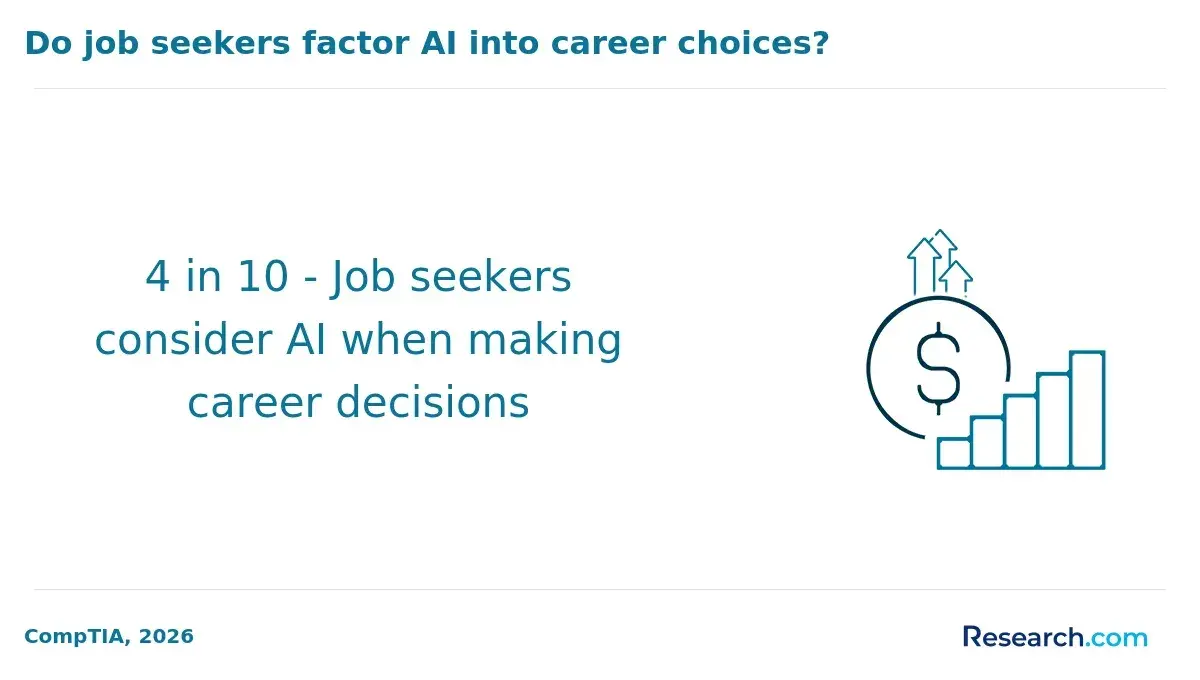
How do I choose the right AI agent course for my industry, team size, and goals?
Choosing the right AI agent course depends on your industry, team size, and specific business goals. Tailored training addressing sector-specific challenges is essential; financial services focus on risk management and compliance, while manufacturing emphasizes automation and predictive maintenance. When selecting the ideal ai agent training program based on team size and business goals, smaller teams under 20 benefit from foundational courses with practical tools, whereas larger teams should explore programs offering advanced collaboration and scalable deployment methods.
Clearly defining objectives-whether boosting productivity, reducing costs, or improving customer experience-is critical. A Bain & Company study revealed organizations using autonomous AI agents achieved productivity gains of 30-50% and cost reductions of 10-20%. This underscores the value of selecting education that aligns with measurable business impact.
Key factors to consider include:
- Course customization for your industry vertical
- Balance between technical expertise and leadership-focused AI strategy
- Inclusion of case studies relevant to your business size and complexity
- Access to ongoing support or learning communities
For example, retail leaders may prioritize AI-driven inventory optimization and consumer analytics, while healthcare managers need compliance, data privacy, and patient interaction automation modules. Verify course credentials, instructor expertise, and the success rate of alumni implementing AI agents effectively. Those interested in broader technology education might explore a reputable cyber security degree to complement AI skills.
What are the key admission requirements and ideal background for AI agent training programs?
Admission requirements for AI agent training programs combine educational background, professional experience, and demonstrated aptitude in technology or business. Prospective students typically need at least a bachelor's degree in relevant fields such as business administration, computer science, engineering, or related disciplines. Courses or experience in data analytics, programming, or machine learning can enhance suitability, especially in programs with a technical focus. This aligns closely with key admission criteria for artificial intelligence agent programs.
Many programs expect candidates to have leadership experience or strategic roles within a business unit, enabling them to apply AI concepts to real-world challenges effectively. Advanced certificates or executive courses often require 3 to 5 years of management experience to bridge technical knowledge with leadership skills. Ideal candidates often present a mix of business acumen and technological curiosity, such as a business unit leader involved with product development and AI tool usage.
Problem-solving abilities, analytical thinking, and a strong desire to lead AI-driven changes are also valued. The importance of these traits is emphasized by PwC's CEO survey, where 70% of CEOs prioritize leaders with robust AI skills and 60% expect business heads to directly manage AI transformation outcomes.
The ideal educational background for AI agent training courses reflects this blend of skills and experience. For those exploring AI career paths, particularly AI trainer jobs represent a growing opportunity requiring both strategic vision and technical expertise.
How do online, hybrid, and on-campus AI agent courses compare for working professionals?
Online, hybrid, and on-campus courses for AI agents offer varied benefits suited to working professionals pursuing leadership in AI governance and application. Online options are highly flexible, featuring asynchronous lectures and digital materials that help learners balance work and study across time zones, though they limit direct mentorship and spontaneous networking.
Hybrid programs blend online learning with periodic in-person sessions, giving professionals the advantage of interactive labs and group projects without the need for full campus attendance. This format supports practical skill development while maintaining considerable convenience.
On-campus courses demand more time but provide immersive experiences, fostering peer interaction and immediate instructor feedback. These environments benefit individuals seeking deep mastery and networking within AI leadership, although the schedule may be challenging for full-time professionals.
A 2024 IBM global skills report reveals that only 26% of business leaders believe their managers are adequately trained to govern generative AI tools and agents, despite 74% planning major AI investments. This highlights the urgent need for targeted training programs.
- Online courses maximize flexibility and accessibility
- Hybrid models offer a balance of engagement and convenience
- On-campus learning promotes intensive skill-building and networking
Professionals should choose a format that aligns with their schedules and learning goals, with curriculum quality and business relevance as critical factors. For detailed guidance on AI education paths, exploring research.com/artificial-intelligence is recommended.
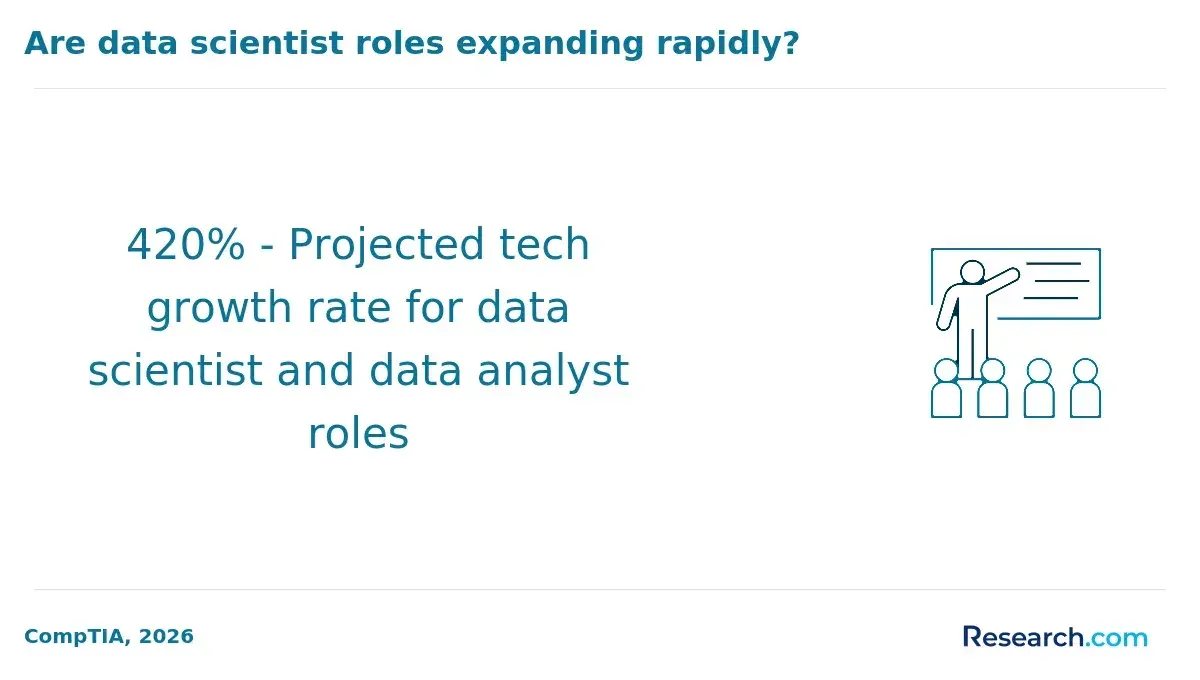
What core topics and tools are covered in leading AI agent courses for managers?
Leading ai agent courses for business unit leaders cover essential topics that empower managers to leverage artificial intelligence for strategic benefits. These programs focus on ai fundamentals like machine learning, natural language processing, and automation principles, designed specifically for non-technical leaders to grasp ai's potential and limitations.
The curriculum often includes ai integration into business workflows, teaching process optimization methods by identifying inefficiencies and applying ai-driven tools such as predictive analytics and robotic process automation. Real-world examples highlight how ai reduced cycle times by up to 40% in industries like manufacturing and customer service.
Decision-making using ai tools is a core skill taught, including interpreting model outputs, managing bias, and aligning recommendations with organizational goals. Courses also emphasize ai governance, ethics, and risk mitigation to ensure responsible and compliant ai use.
Popular platforms featured are TensorFlow and Azure AI, along with dashboard and visualization software to monitor performance. Some programs offer hands-on training with conversational agents and recommendation systems relevant to sales and customer engagement.
According to MIT Sloan Executive Education, alumni of applied ai leadership programs report a median ROI of 310% within 12 to 18 months. This impressive return stems chiefly from ai-driven process improvements and new revenue streams, underscoring the practical value of mastering these topics and tools.
How long do AI agent courses typically take and what do they cost in the U.S.?
AI agent courses in the U.S. vary widely in duration and depth, catering to different learning goals and schedules. Short workshops usually last 4 to 12 hours and are often completed over a few days or weeks, making them ideal for business leaders seeking a quick yet practical introduction. More extensive certification programs and professional development tracks can take 4 to 12 weeks, requiring 3 to 10 hours per week for hands-on learning with agent frameworks and strategy implementation.
Costs differ considerably based on course format and depth. Entry-level or introductory courses range from $50 to $300, commonly offered as self-paced modules on online platforms. Professional certification courses typically cost between $500 and $2,500, reflecting added mentorship and project work. Executive education programs, often provided by universities or specialized schools, may range from $3,000 to $10,000 or more, offering live instruction and networking opportunities.
Coursera reported a more than 750% year-over-year increase in enrollment for "AI agents" and "agentic AI" courses for leaders between 2023 and 2024, highlighting growing demand and expanding options. When choosing a course, leaders should consider their current expertise, time commitment, and specific business objectives. Shorter courses suit those wanting foundational knowledge, while advanced certification tracks benefit professionals aiming to deploy AI agents within teams or products.
Employers frequently support such training as part of digital transformation initiatives, helping to offset costs and encourage skill development in this rapidly evolving field.
How can I verify accreditation, quality, and instructor expertise for AI agent programs?
Accreditation is essential when selecting an AI education program. Verify if the program is recognized by reputable bodies such as ABET or regional higher education commissions to ensure it meets established educational standards, important for credentials valued in business and technology fields. Legitimate programs usually provide clear accreditation information on their official websites or in promotional materials.
Quality assessment should include reviews from former students and independent evaluators focusing on course content, practical application, and outcomes like job placement or career growth. Partnerships with established technology firms or research institutions often indicate higher program quality.
Instructor expertise matters. Prefer programs with faculty experienced in AI agent deployment in business settings, published research, or leadership in AI initiatives. Transparency about instructors' qualifications and industry experience signals program reliability.
Curriculum alignment with industry demands is crucial. Gartner's CIO and Technology Executive Survey highlights that over half of generative-AI funding is now spearheaded by business units, making courses focused on business applications and strategic budget management especially relevant.
- Look for capstone projects or real-world AI agent case studies within the curriculum.
- Check for endorsements or partnerships with leading AI technology providers and professional organizations.
- Request detailed syllabi and instructor resumes before enrolling.
What roles, responsibilities, and career paths can AI agent training open for business leaders?
AI agent training equips business leaders with essential skills to manage, oversee, and innovate AI-driven processes within organizations. Roles such as AI integration managers focus on aligning AI solutions with business strategies, while governance coordinators implement risk controls and ensure compliance with evolving regulations. Additionally, AI ethics officers develop frameworks to address ethical challenges, an important need as Deloitte's 2024 State of Generative AI in the Enterprise report shows 73% of organizations experimenting with AI agents lack formal governance, with 62% concerned about regulatory and reputational risks.
Trained leaders take on responsibilities like developing policies for autonomous AI applications, monitoring system performance, and mitigating legal or operational risks. They often lead cross-functional teams deploying AI agents in areas such as customer service and supply chain management, ensuring transparency and accountability.
These leaders also pursue strategic roles in innovation management, driving competitive advantage through AI adoption, project leadership, vendor evaluation, and continuous improvement. Key questions they address include:
- How to balance automation efficiency with compliance and ethical standards?
- What governance structures are needed for effective autonomous system management?
- Which AI agent applications best align with organizational goals?
AI agent training prepares business leaders to navigate challenges at technology, regulation, and strategy intersections, advancing careers in operations, risk management, and AI-driven business development.
What salary impact and job market demand exist for leaders skilled in AI agents?
Leaders skilled in ai agents receive significant salary increases and enjoy strong demand in the job market. Research from Accenture indicates that companies actively using generative ai and agents across business units are twice as likely to expand market share and 1.4 times more likely to boost profits within three years compared to peers. This advantage often results in salaries for ai-savvy leaders being 20% to 35% higher than industry averages.
These leaders are sought after across sectors such as technology, finance, healthcare, and manufacturing. Executives who can effectively integrate ai agents drive cost efficiencies, improve decision-making, and accelerate innovation. Roles like Chief AI Officer, Digital Transformation Leader, or AI Strategy Manager are common career targets, offering premium salaries and growth opportunities.
For professionals aiming to advance, expertise in ai agent orchestration is a practical way to improve marketability and job security. Those holding certifications or advanced training in ai agent design, ethics, and deployment typically access higher-paying leadership roles amid growing ai adoption.
- Salary increases for ai-agent skilled leaders range from 20% to 35% above industry averages.
- Hiring demand for ai leadership roles is projected to grow by over 30% annually through 2028.
- Cross-industry applicability of ai skills enhances career mobility and job security.
Other Things You Should Know About Artificial Intelligence
Artificial intelligence enhances decision-making by providing data-driven insights, predictive analytics, and automation of routine tasks. It enables faster, more accurate decisions based on vast amounts of data that humans alone could not process efficiently. However, human oversight remains vital to interpret AI outputs and maintain strategic alignment.
Common challenges include data quality and availability, integration complexity with legacy systems, and resistance to change among employees. Additionally, a lack of skilled personnel to manage AI initiatives and unclear return on investment can impede successful integration. Addressing these issues requires strategic planning and robust change management.
Artificial intelligence cannot replace human leadership but can augment it by handling analytical and repetitive tasks. Leadership involves empathy, strategic vision, and complex interpersonal skills that AI currently cannot replicate. Effective AI adoption relies on collaboration between intelligent systems and human decision-makers.
References
- How I Validate Quality When AI Agents Write My Code https://dev.to/teppana88/how-i-validate-quality-when-ai-agents-write-my-code-481c
- Agentic AI Agent Building, AI Team Creation and human-AI Team Collaboration Skills | EIT Deep Tech Talent Initiative https://www.eitdeeptechtalent.eu/courses/agentic-ai-agent-building-ai-team-creation-and-human-ai-team-collaboration-skills/
- Best AI Agent Courses for C-Level Leaders (2026 Guide) https://aiagentsacademy.ai/blog/best-ai-agent-courses-c-level-leaders-2026
- AI Agents for Business Leaders: Adopt and Scale Agentic AI https://ctme.caltech.edu/ai-agents-for-business-leaders-custom.html
- Best AI Automation Courses 2026 | WBS CODING SCHOOL https://www.wbscodingschool.com/blog/best-ai-automation-course/
- Best AI Courses Online: Free and Paid Options Compared https://hakia.com/news/best-ai-courses-online/
- AI Agents Academy - AI Agent Online Training & Certification https://agentacademy.ai/
- AI Agents: Evolution, Architecture, and Real-World Applications https://arxiv.org/html/2503.12687v1
- 7 free agentic AI training courses - PEX Network https://www.processexcellencenetwork.com/ai/articles/7-free-agentic-ai-training-courses-for-business-leaders
- AI Agents for Education: Complete Guide https://www.mindstudio.ai/blog/education