2027 Best AI Courses for Transportation AI Adoption Teams

Co-Founder and Chief Data Scientist
Transportation AI adoption teams face challenges integrating advanced technologies into legacy systems while meeting safety and efficiency standards. This complexity often slows innovation, causing delays and increased costs. Professionals transitioning from unrelated fields need targeted education that bridges technical gaps and industry demands. Flexible, accredited courses provide essential skills without requiring extensive prior experience, enabling smoother career pivots.
This article explores the best AI courses designed expressly for transportation teams, highlighting programs that combine practical knowledge with flexible learning formats to accelerate expertise and successful AI implementation in transportation sectors.
Key Things You Should Know
- Transportation AI adoption teams benefit from courses emphasizing machine learning applications in traffic prediction, with studies showing a 35% improvement in route efficiency using AI models trained in 2024-2025.
- Courses increasingly focus on integrating AI with Internet of Things (IoT) devices for real-time vehicle diagnostics and autonomous fleet management, a sector projected to grow 20% annually through 2026.
- Data privacy and ethical AI use are critical components, with over 60% of 2025 curriculum incorporating regulatory compliance training tailored to transportation industry standards.
Advance Your Career with AI Online Courses
Artificial Intelligence: Implications for Business Strategy
This program provides an introduction to Artificial Intelligence and their implications for business strategy. Earn an official digital certificate.

Oxford Artificial Intelligence Programme
Explore this Oxford Artificial Intelligence programme offered in a flexible learning environment and explore topics like machine learning, automation, and robotics.

Implementing Agentic AI: Building Your Organizational Playbook
This online MIT Agentic AI course offers a practical approach to deploying AI agents in your organization, including a custom playbook. 3 weeks, exclusive launch price.

AI Adoption: Driving Business Value and Impact
This online MIT AI Adoption: Driving Business Value and Impact offers practical frameworks to close the gap between AI potential and business reality.

Artificial Intelligence in Pharma and Biotech
Discover the applications and limitations of artificial intelligence in pharma and biotech with this MIT online short course.

What are the best AI courses for transportation teams?
Top ai courses for transportation teams emphasize hands-on skills in machine learning, optimization, and data analytics critical for logistics and network planning. Programs that incorporate real-world transportation datasets and case studies are particularly effective. Key topics include reinforcement learning for dynamic routing, predictive maintenance with sensor data, and geospatial AI models.
Leading platforms like Coursera and edX partner with universities specializing in transportation engineering to offer targeted curricula. Courses such as "AI for Logistics Optimization" and "Data Science for Transportation Systems" cover algorithms essential for reducing costs and improving delivery efficiency. Specialized training often focuses on vehicle telematics, fleet management, and supply chain AI applications.
AI training programs for transportation professionals should also emphasize certification and hands-on projects in neural networks, natural language processing for autonomous vehicle communication, and optimization algorithms. Ethical and safety considerations for autonomous transport are increasingly important. Advanced courses might include multi-agent systems to simulate traffic flows and collaborative AI for smart city integration.
Given the economic impact-AI could add $1.3-$2.0 trillion annually worldwide according to a McKinsey analysis-training that bridges AI theory with transportation specifics delivers a strong ROI. Route optimization and network planning alone generate up to $340 billion in value. Transportation teams are best served by flexible, modular learning paths that support roles from data engineers to operations managers.
For those seeking pathways into this field, a data science degree remains a practical foundation to build AI expertise tailored to transportation. Prioritizing comprehensive, applied learning maximizes adoption and impact within organizations.
Advance Your Career with AI Online Courses
Artificial Intelligence: Implications for Business Strategy
This program provides an introduction to Artificial Intelligence and their implications for business strategy. Earn an official digital certificate.
Oxford Artificial Intelligence Programme
Explore this Oxford Artificial Intelligence programme offered in a flexible learning environment and explore topics like machine learning, automation, and robotics.
Implementing Agentic AI: Building Your Organizational Playbook
This online MIT Agentic AI course offers a practical approach to deploying AI agents in your organization, including a custom playbook. 3 weeks, exclusive launch price.
Which AI skills do transportation adoption teams need?
Transportation AI adoption teams require a diverse mix of technical, analytical, and domain-specific skills to successfully integrate artificial intelligence solutions. Essential competencies include expertise in machine learning algorithms, data engineering, and software development to create AI models that improve traffic operations and incident management. Proficiency in data processing is critical, as teams must preprocess large datasets from sensors, cameras, and vehicle telemetry to maintain accuracy and relevance.
Experience with cloud computing platforms and real-time data frameworks supports scalable AI deployment across complex transportation systems. Teams also benefit from a strong understanding of transportation systems, including asset management, traffic flow theory, and safety regulations, ensuring AI applications comply with operational and regulatory standards. Such essential AI competencies for transportation teams foster development of tailored tools that enhance roadway efficiency and reduce incident response times.
Collaboration between data scientists, engineers, public officials, and stakeholders is vital to align AI projects with practical needs. The 2025 Transportation Energy Transition Coalition report noted that over 60% of U.S. state Departments of Transportation are actively piloting or deploying AI for core functions, fueling demand for professionals skilled in both AI and transportation domains.
Additional critical skills include:
- Computer vision for traffic surveillance and real-time incident detection;
- Predictive analytics to optimize maintenance scheduling and asset lifecycle management;
- Cybersecurity measures to safeguard AI infrastructure.
Prospective students seeking to build transportation AI adoption team skills often pursue engineering degrees that focus on these interdisciplinary areas, preparing them to design, implement, and oversee transformative AI systems in public infrastructure.
How do online and campus AI programs compare?
Online vs campus artificial intelligence training programs each offer distinct advantages for transportation teams. Online courses provide unmatched flexibility, allowing working professionals to balance training with job duties. They often include specialized modules in areas like machine learning for traffic prediction or autonomous vehicle data analysis. However, these may lack the immersive, hands-on labs and peer interaction found in campus settings. Campus programs offer structured, in-depth curricula with direct faculty engagement, practical projects, and collaborative environments that foster deeper understanding and real-time problem solving.
Transportation professionals considering these options should evaluate their career stage and learning preferences. Recent graduates may find campus programs' research and internship opportunities more beneficial, while experienced professionals often prefer asynchronous online courses. Cost and duration also vary: online options tend to cost 30-50% less and last weeks to months, whereas campus programs generally span full semesters with higher fees.
Quality can differ significantly among online courses, making accreditation and instructor expertise essential factors. According to LinkedIn's 2025 Workplace Learning Report, AI and data literacy course enrollments grew by 160% year over year worldwide, underscoring rising demand across delivery formats. Transportation teams should prioritize programs that integrate practical AI tools with domain-specific applications and offer strong career support.
Key considerations include curriculum relevance, hands-on components, peer interaction, scheduling flexibility, and long-term career support services. For those exploring related online options, consider reputable video game programs as an example of specialized, affordable online learning pathways.
What accreditation should an AI program have?
Accreditation is essential when selecting accredited AI certification programs for transportation teams. Programs accredited by recognized U.S. bodies such as the Accreditation Board for Engineering and Technology (ABET) or the Distance Education Accrediting Commission (DEAC) guarantee that their curriculum, faculty, and resources meet strict academic and professional standards. Without recognized accreditation standards for AI courses in transportation, students risk enrolling in programs that provide outdated or irrelevant content, which can hinder career growth and industry acceptance.
Additional recognition by professional organizations like the Institute of Electrical and Electronics Engineers (IEEE) or the Association for the Advancement of Artificial Intelligence (AAAI) enhances a program's credibility. These endorsements indicate alignment with industry demands, especially important for transportation teams working on applications like autonomous vehicles, predictive maintenance, and supply chain optimization.
Employers in transportation and regulatory agencies often prefer candidates with degrees from accredited programs to meet compliance requirements. Accreditation also affects eligibility for certifications, financial aid, and graduate education, further benefiting career prospects.
Research shows that organizations implementing generative-ai-for-employees programs saw productivity increases of 8-15% among non-technical staff, demonstrating the practical advantages of well-accredited programs that blend AI principles with hands-on skills.
For those exploring related fields, the best cybersecurity courses provide additional pathways to enhance technological expertise applicable to transportation AI integration.
What curriculum should a transportation AI course cover?
A comprehensive transportation AI course blends data science fundamentals with advanced machine learning techniques and domain-specific applications to address the complexities of modern transport systems. Essential topics include supervised and unsupervised learning, neural networks, and reinforcement learning, all aimed at optimizing traffic flow, vehicle routing, and predictive maintenance. A solid grasp of geospatial data analysis and sensor technology is critical, as real-time data from cameras, IoT devices, and GPS drive intelligent transportation systems.
Practical experience is emphasized by hands-on projects where students develop AI-driven traffic management solutions like adaptive signal control. Studies such as the 2025 "Transforming DOT Operations with AI" demonstrate that these systems can reduce travel times by up to 25% and lower crash rates by 10-20% on corridors using AI technology.
Courses also focus on ethics, safety, and regulatory compliance in transportation, addressing bias mitigation, privacy, and adherence to federal and state guidelines. Additionally, integration of AI with legacy infrastructure and cloud computing ensures scalability and resilience. Instruction in interpreting AI model outputs enhances communication with non-technical stakeholders and decision-makers.
- Data science and machine learning fundamentals for transportation
- Geospatial analytics and sensor technology
- AI-driven traffic management and vehicle routing
- Ethics, safety, and regulatory frameworks
- Practical projects simulating real-world transport AI applications
- Cloud integration and model interpretability
What admission requirements do AI programs usually have?
Applicants to AI programs typically need a strong foundation in mathematics, computer science, and programming. A bachelor's degree in computer science, engineering, data science, or related STEM fields is commonly required. Candidates from other quantitative disciplines may gain admission by demonstrating relevant coursework or work experience. Essential math topics include linear algebra, calculus, probability, and statistics.
Proficiency in programming languages such as Python, Java, or C++ is often expected. Practical understanding of data structures, algorithms, and software development enhances an applicant's profile. Admissions may involve submitting transcripts, letters of recommendation, and standardized test scores like the GRE, though requirements vary by program.
Specialized AI courses in transportation emphasize familiarity with machine learning frameworks and knowledge of logistics or supply chain management. A statement of purpose clarifying career goals related to AI can strengthen applications. Graduate programs often expect prior coursework in machine learning, artificial intelligence, or data analytics, with relevant work experience in tech or transportation sectors considered a plus.
Admission processes may include rigorous interviews to assess problem-solving and technical skills. AI-powered route optimization and load planning can reduce fuel consumption and emissions by 10-15% and cut delivery times by up to 30% for freight operators, making applied skills highly valuable in transportation settings, as highlighted by a 2025 SmartDev review.
How long do AI training programs take to finish?
AI training programs vary significantly in length, tailored to different roles and learning objectives within transportation and related fields. Short executive courses typically last 2 to 5 days, concentrating on strategy, ethical considerations, and leadership skills. These intensive formats enable managers to quickly understand AI's business impact and lead initiatives effectively.
Certificate programs for practitioner teams usually run 6 to 12 weeks. These combine hands-on learning with theory, covering areas such as machine learning, data analytics, and transportation-specific AI applications. For example, a 10-week curriculum might include modules on predictive maintenance, AI-driven logistics, and sensor data processing.
More comprehensive academic or professional development programs span 4 to 6 months or longer. These aim for deep technical mastery, integrating AI ethics, system integration, and real-time decision-making, with project-based learning across engineering, data science, and transportation planning disciplines.
Companies with executives completing structured AI strategy training were 2.6 times more likely to scale AI successfully, according to Correlation One's 2024 enterprise data. This highlights that investing sufficient time in leadership development is critical to achieving real-world results.
Prospective students should align training duration with their role and goals:
- Short courses for strategic leaders
- Medium-length certificates for technical practitioners
- Extended programs for those seeking broad, advanced expertise
How much do AI courses and programs cost?
AI education costs vary significantly by format and depth. Self-paced online courses typically cost between $50 and $500, ideal for beginners or professionals focusing on specific skills. More intensive certificate programs from universities or specialized providers range from $1,000 to $5,000 and often include practical projects and mentorship, adding value for those aiming to join or advance within transportation AI teams.
For organizations, developing internal AI training programs can be a more substantial investment, sometimes reaching tens of thousands annually. However, such initiatives can accelerate AI project deployment by up to 40%, according to a 2024 IBM/BCG workforce study, highlighting the importance of integrated, ongoing training beyond one-off courses.
Public university graduate programs in AI usually charge tuition from $15,000 to $40,000 per year, reflecting deeper theoretical and applied learning. These programs are frequently combined with short-term courses to keep pace with evolving technologies in sectors like autonomous vehicles and supply chain optimization.
When exploring AI courses, consider your role and organizational goals carefully. Look for offerings that emphasize applied skills in machine learning, data analytics, and use cases relevant to your field to ensure the best return on investment.
What jobs can transportation AI training lead to?
Transportation AI training opens doors to diverse roles in both public agencies and private companies. Key positions include AI systems analysts who enhance models for traffic management and maintenance, and machine learning engineers focused on developing algorithms for predictive maintenance and dynamic routing. Data scientists analyze extensive sensor and infrastructure data to uncover trends that drive cost savings and operational improvements. The 2025 Transforming DOT Operations with AI report highlights that mature AI programs can reduce operational costs by 15-25% in maintenance, traffic operations, and planning.
Project managers with AI expertise facilitate the integration of AI solutions into transportation projects while ensuring regulatory compliance. Urban planners use AI insights to design smarter and safer transportation systems. Roles such as AI ethicists and policy advisors focus on ethical standards and data privacy, which are critical as AI expands across sectors. In private industry, AI roles extend to autonomous vehicle development, supply chain logistics, and sensor network management.
Professionals with transportation AI training often work on:
- Developing predictive models for infrastructure maintenance schedules
- Enhancing traffic signal systems with adaptive control algorithms
- Analyzing mobility data to improve transit planning and reduce congestion
- Integrating AI tools with geographic information systems
By addressing challenges like downtime reduction and service reliability, AI expertise delivers measurable benefits. Agencies adopting mature AI solutions typically see payback periods of less than three years, emphasizing the career value in this field.
What salary and job outlook do transportation AI roles offer?
Roles in transportation AI are growing rapidly due to the increasing adoption of advanced technologies in the sector. The U.S. Department of Transportation's 2024 AI strategic plan forecasts that by 2030, more than 70% of transportation safety, mobility, and infrastructure initiatives will incorporate AI or advanced analytics. This trend creates strong demand for professionals who combine expertise in AI techniques with transportation systems knowledge.
Salary ranges vary by experience level:
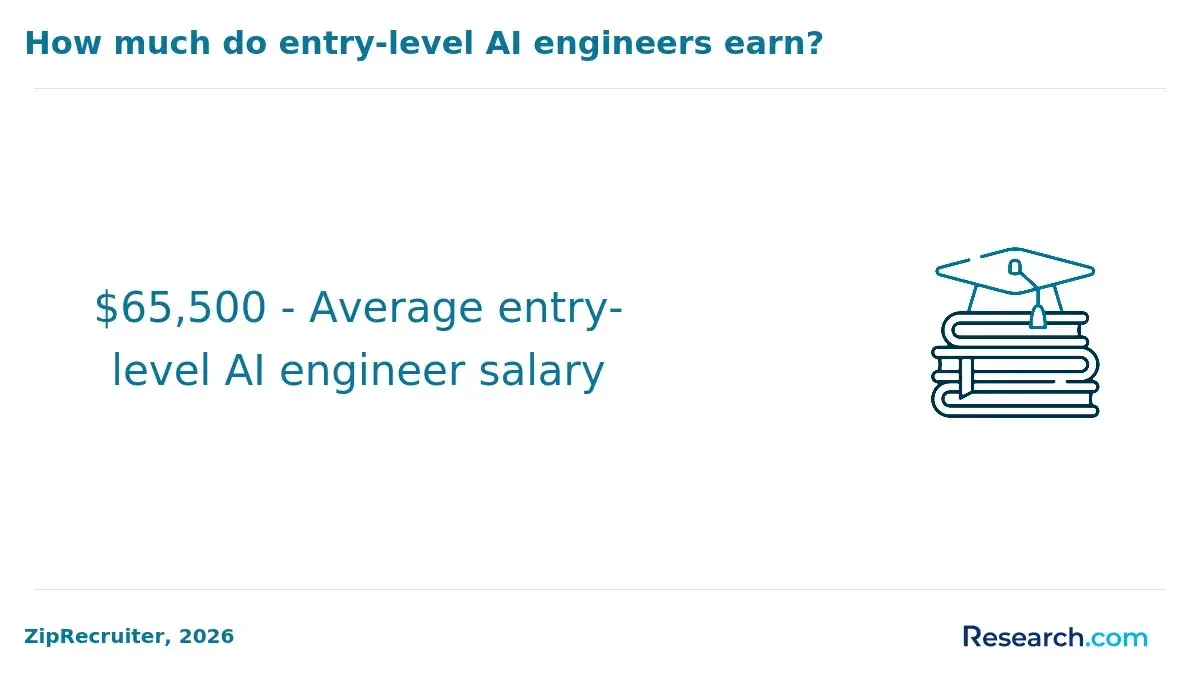
- Entry-level roles such as AI data analysts and transportation analytics specialists typically earn between $70,000 and $90,000.
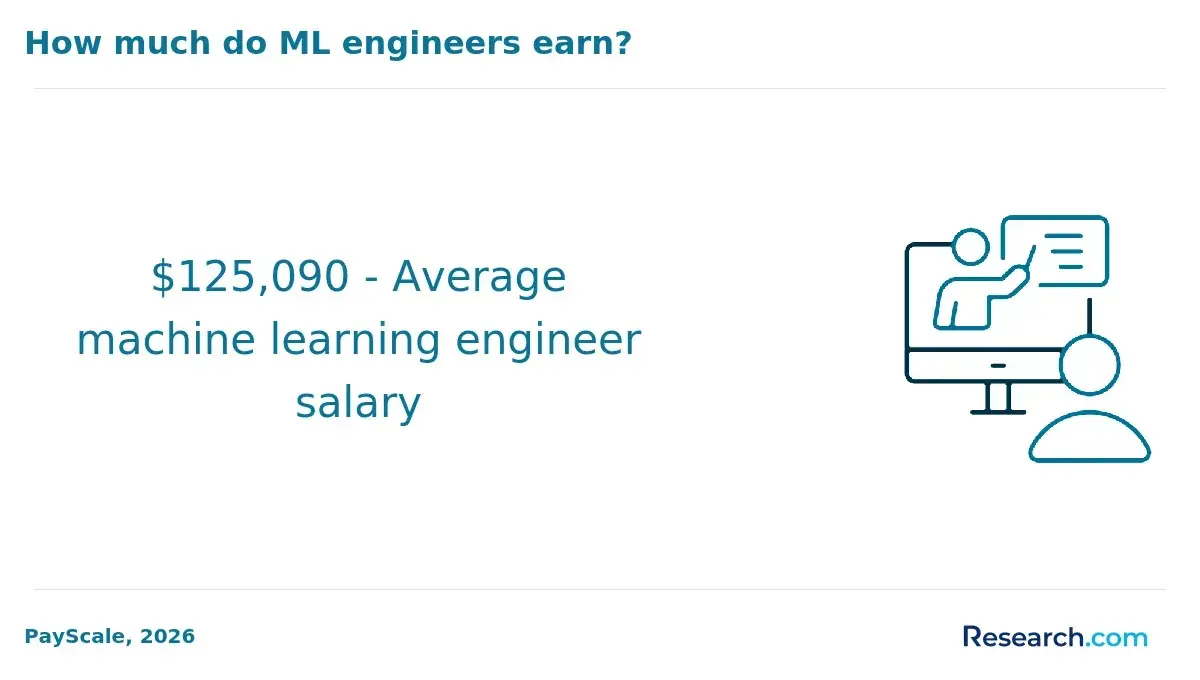
- Mid-career professionals like AI systems engineers and machine learning modelers focused on traffic management or predictive maintenance can expect $100,000 to $140,000 annually.
- Senior positions, including AI project managers, research scientists, and automation architects working on autonomous vehicles or smart infrastructure, often exceed $150,000 per year.
The job outlook is strong, driven by integration efforts in federal and private transportation sectors. High demand exists for hybrid skills combining AI programming, data science, software engineering, and transportation engineering or urban planning expertise. Key skills include neural networks for autonomous vehicle object detection, reinforcement learning to optimize traffic signals, and predictive analytics for managing infrastructure lifecycles.
Transportation AI professionals often work across disciplines, collaborating with software developers, civil engineers, and policy analysts to deliver innovative solutions.
Other Things You Should Know About Artificial Intelligence
In 2027, key courses for transportation AI adoption include MIT's "AI in Transportation Systems," Coursera's "AI Applications in Transportation" by Stanford University, Udacity's "AI for Autonomous Vehicles," and edX's "AI for Urban Mobility." These courses cover practical applications, data analytics, and advanced AI technologies for the transportation sector.
Data privacy is a critical concern in transportation AI due to the vast amounts of personal and operational information processed by AI systems. Organizations must comply with regulations such as GDPR and CCPA when handling location data, driver behavior, and passenger information. Responsible AI adoption requires implementing strong data encryption and transparent privacy policies to protect individuals' rights.
Yes, AI can optimize route planning and traffic management to reduce fuel consumption and emissions. It enables more efficient logistics by minimizing idle times and avoiding congested routes. Additionally, AI supports the development of autonomous electric vehicles which contribute to lower carbon footprints in the transportation sector.
Common challenges include integrating AI with legacy systems and ensuring high data quality. Transportation teams also must address workforce training gaps to effectively use AI tools. Moreover, ethical considerations and regulatory compliance require ongoing oversight to maintain trust and safety in AI-driven operations.
References
- Here’s How an AI Degree Stacks Up Against Other Options https://www.aidegree.org/blog/comparison-table
- ABET Accreditation and Artificial Intelligence - ABET https://www.abet.org/accreditation/ai-policy/
- Artificial Intelligence and Transportation https://www.oxfordhomestudy.com/courses/ai-courses-online/artificial-intelligence-and-transportation
- Leveraging AI for Roadway Innovations https://www.irf.global/event/ai25-ws-online-training/
- Adoption of generative AI will have different effects across jobs in the U.S. logistics workforce https://equitablegrowth.org/adoption-of-generative-ai-will-have-different-effects-across-jobs-in-the-u-s-logistics-workforce/
- Supply Chain AI Jobs Are Here | U.S. Hiring Research 2025 https://scmtalent.com/supply-chain-ai-jobs/
- AI In The Transportation Industry https://www.oliverwymanforum.com/mobility/what-business-can-learn-from-mobilitys-early-ai-adoption.html
- Harnessing AI in Transportation and Logistics - Numalis https://numalis.com/harnessing-ai-in-transportation-and-logistics/
- The Intelligent Highway: How AI is Revolutionizing Transportation - IMD business school for management and leadership courses https://www.imd.org/news/artificial-intelligence/how-ai-is-revolutionizing-transportation/
- How Long Does it Take to Complete an AI Training Program? - Bizzuka https://www.bizzuka.com/how-long-does-it-take-to-complete-an-ai-training-program/