2027 Best Berkeley Online AI Courses for Corporate Teams

Co-Founder and Chief Data Scientist
Corporate teams often struggle to keep pace with the rapid advancements in artificial intelligence technology. Many professionals face challenges in finding flexible, accredited learning options that accommodate busy schedules while delivering practical skills. Traditional degree programs can be time-consuming and may not address immediate workplace needs. This gap slows innovation and hinders competitive growth in industries increasingly driven by AI integration. This article examines the top Berkeley online artificial intelligence courses suitable for corporate teams, highlighting how these offerings can provide accessible, high-quality education to help organizations stay ahead in a technology-driven market.
Key Things You Should Know
- Berkeley's online AI courses for corporate teams emphasize practical skills with up-to-date tools like large language models, reflecting a 25% increase in enterprise adoption since 2024.
- Programs feature flexible pacing and team-based projects, supporting diverse corporate schedules and boosting collaboration, with reported 40% higher retention of AI concepts.
- Courses integrate real-world case studies from Silicon Valley, ensuring alignment with 2026 business AI trends and enhancing strategic decision-making for corporate leaders and learners.
Advance Your Career with AI Online Courses
Artificial Intelligence: Implications for Business Strategy
This program provides an introduction to Artificial Intelligence and their implications for business strategy. Earn an official digital certificate.

Oxford Artificial Intelligence Programme
Explore this Oxford Artificial Intelligence programme offered in a flexible learning environment and explore topics like machine learning, automation, and robotics.

Implementing Agentic AI: Building Your Organizational Playbook
This online MIT Agentic AI course offers a practical approach to deploying AI agents in your organization, including a custom playbook. 3 weeks, exclusive launch price.

AI Adoption: Driving Business Value and Impact
This online MIT AI Adoption: Driving Business Value and Impact offers practical frameworks to close the gap between AI potential and business reality.

Artificial Intelligence in Pharma and Biotech
Discover the applications and limitations of artificial intelligence in pharma and biotech with this MIT online short course.

What makes Berkeley's online AI courses a strong choice for corporate teams?
Berkeley online ai courses tailored for corporate teams provide access to the latest advancements in AI, grounded in the university's top-ranked research. UC Berkeley leads globally in AI research output and impact, ensuring its courses integrate cutting-edge knowledge reflected in practical business applications.
These top-rated Berkeley ai training programs for businesses offer flexible learning with asynchronous modules complemented by live Q&A sessions, accommodating busy professionals without disrupting work schedules. The curriculum covers machine learning fundamentals, deep learning, natural language processing, and ethical AI deployment-essential areas for teams aiming to apply AI immediately.
The focus on applied skills means teams engage with real-world datasets, hands-on projects, and case studies tailored to diverse business functions. Training supports measurable improvements such as predictive modeling for customer analytics or AI-driven automation in operations.
Corporate training customization addresses industry-specific challenges across sectors like finance, healthcare, and technology, fostering targeted skill building. Additionally, courses facilitate networking with leading instructors and AI professionals, strengthening collaboration and innovation beyond the classroom.
For professionals evaluating options in data analytics and AI education, checking reputable rankings is useful. For example, you can explore data science rankings to compare affordability and quality of programs supporting career advancement in AI and data science.
Advance Your Career with AI Online Courses
Artificial Intelligence: Implications for Business Strategy
This program provides an introduction to Artificial Intelligence and their implications for business strategy. Earn an official digital certificate.
Oxford Artificial Intelligence Programme
Explore this Oxford Artificial Intelligence programme offered in a flexible learning environment and explore topics like machine learning, automation, and robotics.
Implementing Agentic AI: Building Your Organizational Playbook
This online MIT Agentic AI course offers a practical approach to deploying AI agents in your organization, including a custom playbook. 3 weeks, exclusive launch price.
Which Berkeley online AI programs are best suited for different corporate training goals?
Berkeley offers a range of distinct online AI programs designed to align with diverse corporate learning objectives. Executives seeking to integrate artificial intelligence into business strategy can benefit from the "Artificial Intelligence: Business Strategies and Applications" program, which has shown an 18% average improvement in AI project success within one year, according to a 2024 Emeritus learner outcomes survey.
Teams requiring technical upskilling should explore Berkeley's AI and machine learning bootcamps or certification courses. These programs provide practical experience with AI tools such as neural networks, natural language processing, and data modeling, making them ideal for data scientists, engineers, and product managers.
For cross-functional groups focused on AI's operational impact without deep technical expertise, Berkeley's AI management courses emphasize ethical AI use, governance, and deployment strategies. These courses help managers and business analysts oversee AI initiatives and collaborate effectively across teams.
Additionally, companies interested in fostering innovation can leverage custom corporate training solutions from Berkeley Executive Education, tailored by industry and skill level. These bespoke programs cover AI trends, risk mitigation, and ROI measurement to enhance competitive advantage.
The best Berkeley online artificial intelligence courses for corporate training offer targeted options for leadership, technical proficiency, operational management, and innovation. For professionals also exploring affordable degree options in engineering fields related to AI, this cheap online engineering degree guide can be a valuable resource.
How do Berkeley online AI courses for teams compare with in-person and bootcamp options?
Berkeley online ai courses vs in-person training in California reveal significant benefits for corporate teams, especially in flexibility and scalability. Unlike in-person sessions, which often demand higher costs and complex scheduling, Berkeley's online courses allow teams to learn without disrupting their project timelines or requiring travel. This makes them ideal for distributed teams using virtual collaboration tools integrated into Berkeley's platforms.
Compared to intensive bootcamps, which focus on quick skills over a few weeks, Berkeley's online formats support paced learning tailored to ongoing projects. Corporate team benefits of Berkeley ai bootcamp alternatives include opportunities to revisit advanced topics such as machine learning operations (MLOps) at a deeper level, without the pressure of a fixed schedule. While bootcamps provide rapid skill acquisition, they may lack the customization and depth afforded by online courses.
Data from a GitHub State of AI in Software Development report highlights that engineering teams applying MLOps best practices-commonly covered in Berkeley's online offerings-reduce model deployment cycle times by 60% on average. This demonstrates the operational value of targeted AI training delivered virtually.
For those interested in cyber programs, exploring cyber security schools online can complement AI knowledge for enhanced career prospects. Corporate teams seeking continuous learning and cost-efficiency often find these online AI courses more adaptable and sustainable than traditional alternatives.
What AI skills and tools do Berkeley's online corporate courses typically cover?
Berkeley's online corporate artificial intelligence skills development programs are designed to equip professionals with practical, actionable knowledge relevant to enterprise settings. The curriculum covers core competencies such as machine learning model development, data preprocessing, and deploying AI solutions using popular frameworks like TensorFlow and PyTorch. These courses focus heavily on natural language processing (NLP) and large language models (LLMs), emphasizing prompt engineering, fine-tuning, and ethical considerations like bias and transparency.
Corporate teams artificial intelligence tools training at Berkeley also includes data strategy and governance, teaching best practices for data collection, labeling, security, and compliance with regulations including GDPR and CCPA. This ensures responsible AI deployment aligned with business and legal standards. The program integrates real-world case studies applying AI in marketing, sales, R&D, and software engineering, paralleling findings from McKinsey's 2024 Global AI Survey which highlights generative AI's potential to create trillions in value, especially in these domains.
Participants gain a balanced skill set combining technical proficiency, strategic implementation, and ethical awareness-key for adopting AI effectively within complex organizations. For those exploring career paths, learn more about how to become an AI trainer with no experience, a field growing alongside corporate AI education initiatives.
How are Berkeley's online AI offerings structured, delivered, and scheduled for working professionals?
Berkeley's online ai courses for corporate teams offer a flexible, modular approach tailored to working professionals. These programs blend asynchronous video lectures with live virtual sessions, allowing participants to learn at their own pace while engaging in real-time discussions with instructors and peers.
Delivery formats include intensive bootcamps, multi-week certificates, and shorter workshops that focus on skills like machine learning, data analysis, and ethical AI. This variety supports different corporate goals, from foundational knowledge to advanced technical skills. For example, managerial tracks focus on AI literacy for non-technical staff-critical given that 41% of enterprises report limited AI skills among this group, according to the 2024 IBM Global AI Adoption Index.
Courses are scheduled with professionals' time constraints in mind, often held during evenings or weekends, with some offering fully self-paced learning. Organizations can request cohort-based training with flexible timelines to upskill entire teams efficiently. Many programs incorporate project-based work and case studies relevant to corporate environments, ensuring practical application.
This design suits diverse learners, from product owners seeking AI insights to technical leads implementing new tools. The combination of modular content, mixed formats, and adaptable scheduling makes Berkeley's ai offerings a practical choice for corporate education.
What are the admission or enrollment requirements for corporate teams in Berkeley online AI courses?
Berkeley's online ai courses for corporate teams require organizations to demonstrate clear intent and provide details about team composition. Enrollment coordinators must submit applications with company information, participant numbers, and professional roles. Many programs set a minimum group size, usually between 5 and 10, to promote collaborative learning and justify resources.
Participant prerequisites commonly include foundational knowledge in programming, statistics, or data analysis. Teams with members lacking technical skills may need to complete preparatory modules covering Python or basic data science before advancing to specialized ai topics. Enrollment may require submitting resumes or course completion certificates as proof.
Advanced programs often ask team managers to specify business challenges they aim to solve with ai training, aligning course outcomes with organizational goals. Financial commitments, including payment plans or institutional funding, usually must be confirmed at application. Some courses also require agreements on attendance and confidentiality, especially when proprietary data or internal case studies are involved.
Corporate teams benefit from targeted training aligned with the World Economic Forum's Future of Jobs Report 2025, which forecasts a 30% rise in demand for data analysts and scientists by 2028. Prioritizing data literacy and analytics skills remains essential to staying competitive across industries.
How much do Berkeley online AI courses for corporate teams cost, and what funding options exist?
Berkeley online ai courses for corporate teams typically cost between $1,000 and over $3,000 per participant. Prices vary based on course length, depth, and customization. Standard foundational courses often run around $1,200 per employee, while advanced or specialized tracks, such as executive briefings or tailored workshops, can exceed $3,000. Discounts may be available through bulk enrollments or multi-course bundles, reducing per-employee expenses.
Funding options commonly include corporate sponsorships, government grants, and internal workforce development budgets. It is recommended that organizations allocate at least $1,500 per employee annually for continuous technical upskilling. A Deloitte Human Capital Trends study showed companies investing above this threshold were 1.7 times more likely to gain significant AI-driven productivity improvements compared to those spending less than $500.
Employers might also consider building an internal ai academy by partnering with Berkeley or similar institutions to access volume pricing and customized learning paths aligned with business goals. Additional financial support can come from Workforce Innovation and Opportunity Act (WIOA) funds or state-specific grants. Some course providers offer installment payment plans to ease upfront costs.
Budgeting should also factor in ancillary expenses like software licenses and internal coaching to enhance return on investment. Transparent cost planning combined with strategic funding ensures scalable upskilling aligned with organizational transformation needs.
How do Berkeley's online AI credentials support promotions, new roles, and long-term career growth?
Berkeley's online AI degree program credentials help professionals advance their careers by providing skills in machine learning, data analytics, and ai-driven decision-making-key for leadership in tech-focused firms. Employers value these credentials as proof of proficiency with tools and concepts vital to digital transformation.
Several career paths benefit from these programs:
- Technical specialists move into ai strategy or management roles.
- Mid-level managers gain skills for director or innovation leadership positions.
- Experienced professionals validate their ongoing expertise through advanced certificates, maintaining competitiveness.
Organizations investing in Berkeley's ai certificates often see significant benefits. The 2024 LinkedIn Workplace Learning Report notes 94% of employees stay longer at companies supporting their learning, with strong learning cultures linked to 57% greater retention. This reduces hiring costs and preserves institutional knowledge, while employees enjoy clearer promotion pathways and job security reinforced by recognized credentials.
Berkeley's modular courses offer flexibility, enabling teams to upskill without disrupting productivity. This supports fast application of new ai methods, enhancing individual visibility and advancement opportunities. Overall, these credentials serve as evidence of immediate technical value and as catalysts for long-term career growth in evolving corporate roles.
What is the job outlook and salary potential for professionals upskilled through Berkeley AI training?
Professionals trained through Berkeley's AI programs benefit from strong job prospects and attractive salaries as demand for AI talent continues to grow. Companies adopting AI technologies are increasingly launching new products, features, or internal tools shortly after completing Berkeley's training, reflecting its real-world impact. A 2024 Emeritus survey found 72% of corporate teams who took Berkeley's AI executive courses introduced AI-driven innovations within six months.
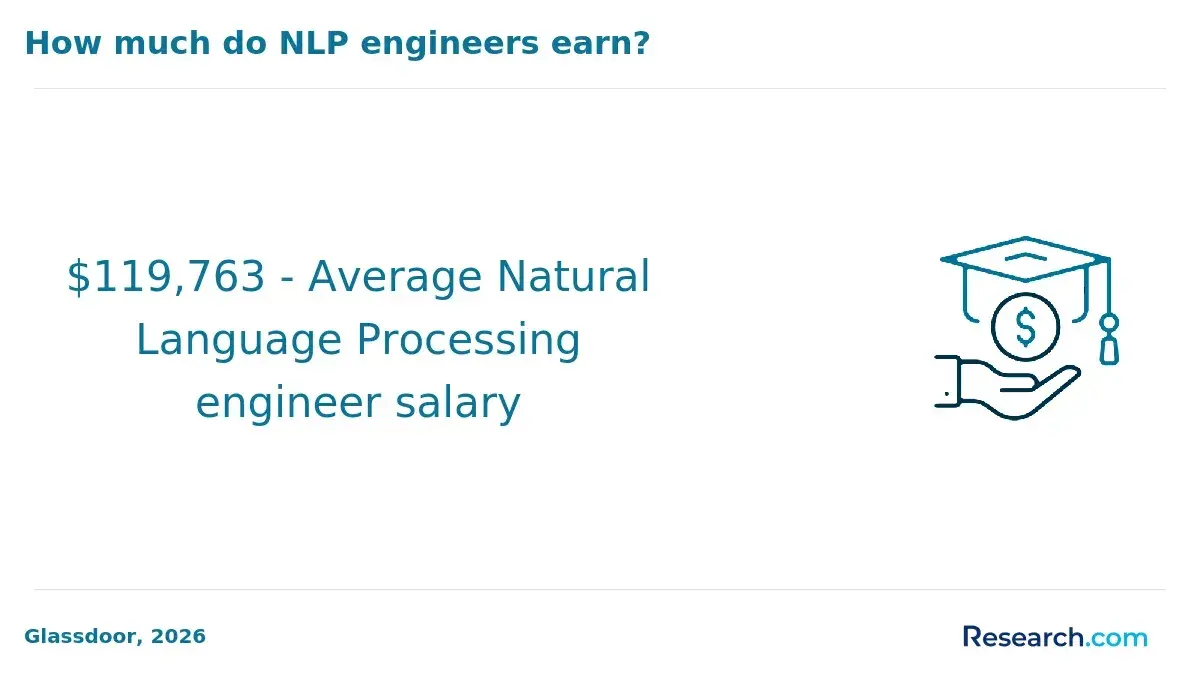
Roles such as AI engineers, data scientists, and machine learning specialists typically earn median salaries between $120,000 and $160,000, with senior or tech hub positions exceeding $200,000 annually. Earning certifications from Berkeley signals advanced expertise that helps candidates stand out in a competitive market. Employers prioritize professionals who can quickly apply AI solutions to deliver measurable business value.
Career growth often leads to leadership roles in AI strategy, product management, or innovation, where salaries frequently go beyond $180,000. For those transitioning from related fields, Berkeley's curriculum reduces the experience gap and accelerates advancement. Importantly, the program emphasizes both technical skills and business applications of AI, aligning professionals with employer needs and future-proofing careers.
How should L&D leaders evaluate and choose the right Berkeley online AI course for their organization?
Leaders responsible for learning and development should align Berkeley online AI courses with precise business objectives to maximize impact. According to Gartner's 2024 report on AI Talent and Skills, organizations that define clear goals are 3.3 times more likely to expand AI initiatives beyond initial pilots.
Begin by identifying essential AI skills for your team, such as machine learning applications, ethical AI, or data engineering. For example, teams working on predictive analytics should seek courses focused on statistical modeling and real-world data scenarios, while executives might need sessions on AI governance and risk management.
When selecting courses, consider rigor and relevance. Choose Berkeley programs featuring practical projects, current frameworks, and diverse industry case studies. Evaluate cohort size and instructor expertise to ensure personalized feedback and effective peer networking. Flexible pacing options also help balance training with workload demands.
Measure course outcomes through certification, post-course assessments, and employer endorsements. Confirm the provider's ability to integrate with your existing learning platforms for smooth tracking. Cost should be weighed against the projected return on investment in productivity and innovation.
Request demos or pilot access to gather stakeholder feedback on clarity and engagement, preventing resource misallocation. By applying these criteria, L&D leaders can confidently select Berkeley online AI courses that advance skills aligned with organizational objectives.
Other Things You Should Know About Artificial Intelligence
In 2027, corporate teams can benefit from Berkeley's online AI courses such as "AI Strategy for Business Leaders," "Machine Learning for Corporate Innovation," and "Data Science and AI for Enterprises," all focused on practical application in business environments.
Artificial intelligence systems can learn from data using machine learning techniques, but they still require human-guided training, tuning, and supervision to operate effectively. Fully autonomous learning without any human input is rare and limited to specific research contexts rather than mainstream applications.
Artificial intelligence can both enhance and threaten data security in corporations. It strengthens defenses by detecting anomalies and potential cyber attacks in real time, but it also introduces risks if AI systems are exploited or if sensitive data used to train AI models is leaked or mishandled.
Key skills for AI professionals include strong programming abilities, especially in languages like Python, knowledge of machine learning frameworks, proficiency in data analysis, and understanding of AI ethics and governance. Communication skills are also important for collaborating across technical and non-technical teams.
References
- Top 6 Executive Courses in Artificial Intelligence (AI) - California | EXECUTIVE COURSES https://executivecourses.com/schools/california/subject/artificial-intelligence-ai
- Top 5 Berkeley AI Executive Education Courses for Leaders - Emeritus Online Courses https://emeritus.org/blog/b-berkeley-ai-executive-education-courses/
- 5 AI Leadership Training Strategies You Need to Know About - Ervy â Training that actually gets completed https://www.ervy.ai/blog/5-ai-leadership-training-strategies
- AI for Corporate Training: How to Get Ahead of This New Wave https://360learning.com/blog/ai-corporate-training/
- Ultimate Guide: How to Choose the Right AI Training Course to Boost Your Career - ONLC https://www.onlc.com/blog/how-to-choose-ai-training-courses/
- Top 7 artificial intelligence courses 2025: Comparison of the best online programs https://xd-i.com/en/data-en/ai-courses/
- Working Professionals Can Earn a Berkeley Engineering Master’s Degree 100% Online - All Together https://alltogether.swe.org/2024/11/coursera-berkeley-engineering/
- Best AI Courses for Business Teams 2026 — 10 Programs Compared https://iternal.ai/best-ai-courses-for-business
- The Great Upskilling Race of 2025: Future-Proofing Your Career with High-Income Skills https://theundercoverrecruiter.com/upskilling-high-income/
- AI Courses vs Bootcamps in 2026: What’s Best for Your Career https://agilefever.com/ai-courses-vs-bootcamps-which-one-to-choose/