2027 Best AI Adoption Courses for Underwriting Teams

Co-Founder and Chief Data Scientist
Underwriting teams often face challenges in integrating new technologies efficiently, risking accuracy and productivity setbacks. Rapid advancements in artificial intelligence demand specialized knowledge, yet many professionals lack formal training tailored to underwriting contexts. Selecting the right course can be overwhelming, given the diversity in curriculum, format, and accreditation.
This article addresses these issues by examining top AI adoption courses suited for underwriting teams. It offers clear guidance to help professionals identify flexible, accredited programs that enhance relevant skills, enabling teams to leverage AI effectively in decision-making and risk assessment processes.
Key Things You Should Know
- AI adoption courses for underwriting teams in 2026 increasingly focus on practical integration, enabling 75% of students to improve risk assessment accuracy within six months of training.
- Top programs emphasize data ethics and regulatory compliance, addressing a 40% rise in underwriting disputes linked to biased AI models reported in 2024.
- Emerging courses include hands-on experience with AI tools like machine learning and natural language processing, critical for underwriting automation and reducing human error by up to 30%.
Advance Your Career with AI Online Courses
Artificial Intelligence: Implications for Business Strategy
This program provides an introduction to Artificial Intelligence and their implications for business strategy. Earn an official digital certificate.

Oxford Artificial Intelligence Programme
Explore this Oxford Artificial Intelligence programme offered in a flexible learning environment and explore topics like machine learning, automation, and robotics.

Implementing Agentic AI: Building Your Organizational Playbook
This online MIT Agentic AI course offers a practical approach to deploying AI agents in your organization, including a custom playbook. 3 weeks, exclusive launch price.

AI Adoption: Driving Business Value and Impact
This online MIT AI Adoption: Driving Business Value and Impact offers practical frameworks to close the gap between AI potential and business reality.

Artificial Intelligence in Pharma and Biotech
Discover the applications and limitations of artificial intelligence in pharma and biotech with this MIT online short course.

What are AI adoption courses for underwriting teams?
AI adoption courses for underwriting teams equip insurance professionals with the skills to integrate artificial intelligence into risk assessment and decision-making. These programs focus on leveraging generative AI tools to analyze large datasets, automate routine tasks, and improve accuracy in underwriting evaluations. Common topics include machine learning basics, natural language processing applied to insurance documents, and ethical considerations in AI use.
Such training addresses problems underwriting teams face, like reducing manual data entry errors, speeding policy approvals, and identifying subtle risk patterns traditional methods miss.
Practical exercises often simulate real-world underwriting scenarios, such as using AI to detect fraudulent claims or customize policies based on customer data analytics. Despite the growing importance of AI adoption courses for underwriting teams benefits, skill gaps remain a critical barrier-62% of insurance leaders identify these gaps as the top obstacle to adopting generative AI, according to Deloitte's 2024 Global Insurance Outlook.
As a result, many courses emphasize foundational AI literacy alongside advanced applications to bridge this divide. Course formats vary from short workshops for immediate skill upgrades to comprehensive certificate programs and vendor-specific training tailored to popular underwriting AI platforms.
To choose the best AI training programs for underwriting professionals, individuals should assess their current expertise and business needs. For those interested in related data and analytics fields, exploring the top US colleges for data science can provide a broader foundation for working with AI technologies.
Key learning outcomes typically include:
- Understanding AI fundamentals relevant to underwriting
- Interpreting AI-generated risk models and predictions
- Applying AI tools ethically and compliantly within insurance regulations
- Collaborating with data scientists to enhance AI implementations
Advance Your Career with AI Online Courses
Artificial Intelligence: Implications for Business Strategy
This program provides an introduction to Artificial Intelligence and their implications for business strategy. Earn an official digital certificate.
Oxford Artificial Intelligence Programme
Explore this Oxford Artificial Intelligence programme offered in a flexible learning environment and explore topics like machine learning, automation, and robotics.
Implementing Agentic AI: Building Your Organizational Playbook
This online MIT Agentic AI course offers a practical approach to deploying AI agents in your organization, including a custom playbook. 3 weeks, exclusive launch price.
Which skills do underwriting teams learn in AI courses?
Underwriting teams develop essential skills in machine learning techniques for underwriting teams, enabling them to harness technology for faster, more accurate risk assessment. These skills include analyzing large datasets to identify key risk indicators and applying algorithms that automate routine tasks, reducing manual workloads and errors. Training also covers workflow automation, which helps streamline claims processing.
Proficiency in natural language processing (NLP) tools allows underwriters to efficiently review documents and detect fraud, accelerating the evaluation process. Risk prediction modeling is a core focus, teaching learners to build models that forecast potential losses using historical data for improved pricing and policy decisions.
Courses emphasize the integration of AI tools in underwriting processes, ensuring these systems complement existing platforms for seamless real-time decision support. Ethical AI use and regulatory compliance are also addressed, guiding underwriters to interpret outputs critically while managing bias and maintaining transparency.
Practical training often involves programming languages like Python and R, alongside industry-specific software, enabling customization of AI applications across different insurance products. For those concerned about educational investment, resources such as mechanical engineering degree online cost can offer insight into affordable options for related technical education.
How do you choose the best AI adoption course?
Choosing the best AI adoption course for underwriting teams involves focusing on content relevance, practical application, and alignment with industry demands. Key topics should include machine learning models, natural language processing, and predictive analytics tailored to underwriting tasks. Courses with hands-on projects or case studies simulating insurance risk assessment enhance real-world understanding.
With 40% of insurers already leveraging AI in underwriting or pricing, according to Capgemini's 2024 World Insurance Report, selecting programs that reflect current industry usage is crucial. When evaluating AI adoption courses for underwriting teams, consider instructors' expertise. Professionals with underwriting or insurance technology backgrounds add practical value. Look for content addressing ethical AI deployment and regulatory compliance, essential for underwriting roles.
Delivery format matters. Online, self-paced courses fit busy schedules, while cohort-based programs support interaction and structure. Some offer certifications recognized by industry associations, boosting career prospects. It's also important to verify curriculum updates that incorporate the latest AI trends and underwriting data, facilitating effective integration into existing risk assessment frameworks.
Top criteria for selecting AI adoption training programs in underwriting also include alumni success and employer endorsements, which demonstrate course effectiveness. For those interested in related fields, exploring options like a game design degree online can expand career opportunities.
Are AI courses for underwriting teams available online?
AI courses for underwriting teams cover a range of skill levels and focus on challenges unique to insurance professionals. Many programs emphasize data analytics, machine learning integration, and automating risk assessment, often using practical case studies to demonstrate underwriting workflows enhanced by AI tools. These underwriting teams artificial intelligence certification programs often blend technical training with insurance domain knowledge and compliance education.
Course options vary from brief modules lasting a few hours to in-depth certification tracks spanning weeks. A key area covered is the ethical use of AI and compliance, critical given that only 28% of insurers report mature AI governance capabilities per EY's insurance AI governance survey. Such governance frameworks help teams implement AI responsibly and align with regulatory requirements.
Training typically includes interpreting AI-driven insights and incorporating these into decision-making to maintain accuracy while improving efficiency. Interactive simulations are commonly provided for practical experience embedding AI within existing underwriting processes.
For U.S.-based professionals, asynchronous courses allow flexible pacing that fits shift work and busy schedules. Some platforms offer live Q&A sessions and networking to enhance learning. Certifications from recognized bodies boost career prospects by validating relevant AI expertise.
Prospective learners should consider programs combining technical AI skills, industry knowledge, and compliance focus. Access a selection of the best online cybersecurity courses to complement underwriting teams' artificial intelligence certification programs and advance your proficiency.
What topics do underwriting AI courses usually cover?
Underwriting AI courses focus on essential skills that integrate AI technologies into underwriting workflows to improve efficiency and accuracy. Key areas include document processing and data extraction techniques, enabling automation of complex documents like mortgage applications. For instance, mortgage underwriting teams using AI-driven document automation have reported up to an 80% increase in processing productivity, according to Ocrolus.
Training typically covers machine learning models for risk assessment, helping underwriters interpret AI-generated credit scores and predictive analytics. This ensures learners can validate AI outputs to meet regulatory and compliance standards. Ethical AI use and data privacy are also emphasized to promote responsible deployment without bias or discrimination.
Workflow integration is another major topic, demonstrating how AI tools connect with existing underwriting platforms to enhance decision-making speed and accuracy. Hands-on exercises often focus on natural language processing (NLP) used to extract information from unstructured data, which supports fraud detection and claims verification.
Advanced courses teach model tuning, monitoring, and troubleshooting, preparing professionals to oversee AI systems continuously and address errors. These comprehensive skills enable underwriting teams to adopt AI confidently while maintaining industry best practices and operational excellence.
What are the admission requirements for these courses?
Admission criteria for AI adoption courses designed for underwriting teams typically require a bachelor's degree in business, finance, insurance, or related fields. Many advanced programs prefer candidates with prior experience in underwriting or risk management to better contextualize AI tools within existing workflows.
Technical skills vary: entry-level courses expect basic computer literacy, while more specialized programs ask for knowledge in data analytics, statistics, or programming languages like Python or R. Professional experience of 2-3 years in underwriting or insurance is often necessary, ensuring learners can engage meaningfully with practical case studies. Career changers may be admitted if they complete foundational underwriting modules.
Many programs also require assessments or statements of purpose to verify motivation, addressing the high failure rate driven by employee resistance to transformation, as noted in research on change management. International students might need to prove English proficiency through tests such as TOEFL or IELTS. Additionally, access to certain hardware and software might be mandatory.
How long do AI adoption courses for underwriters take?
The duration of artificial intelligence adoption courses for underwriting teams varies significantly based on format, content depth, and learner goals. Foundational courses usually last 4 to 12 weeks with part-time commitment, covering machine learning basics, data interpretation, and underwriting-specific applications. Shorter bootcamps, lasting 2 to 6 weeks, focus on practical skills for rapid AI integration.
More advanced certifications combining underwriting and AI expertise may extend from 3 to 6 months. Course timing depends on the learning model:
- Self-paced online courses offer flexibility, with 5-8 hours per week recommended.
- Instructor-led classes provide structured schedules, often in evenings or weekends.
- Hybrid formats mix short in-person workshops with online sessions to balance hands-on and theoretical learning.
Prior experience in data analytics and programming enhances progress since foundational AI concepts require technical familiarity. Courses emphasizing real-world underwriting automation tools and case studies tend to deliver faster returns on learning investment.
The World Economic Forum's 2025 Jobs report highlights that AI and machine learning specialists are among the fastest-growing roles, with demand increasing 40% by 2027. This trend underscores the importance of timely, practical education that aligns with underwriting workflows.
How much do AI underwriting courses cost?
AI underwriting courses in 2026 vary significantly in cost and format, ranging from self-paced online classes to intensive instructor-led programs. Platforms such as Coursera and edX offer courses priced between $200 and $1,000, providing foundational to intermediate knowledge ideal for flexible learners. More advanced certificate programs and bootcamps offered by universities or specialized training providers generally cost between $2,000 and $8,000.
Corporate or group training designed for underwriting teams often exceeds $10,000, tailored to align with specific company workflows and AI integration tools. Industry certifications focused on AI applications in underwriting usually charge between $500 and $3,000, covering exams and preparation materials.
- Consider indirect costs, including time off work and technological needs, when budgeting.
- Many programs offer financing options or employer sponsorships to ease the investment.
- Evaluate courses based on curriculum relevance, hands-on AI underwriting tools, and post-course support.
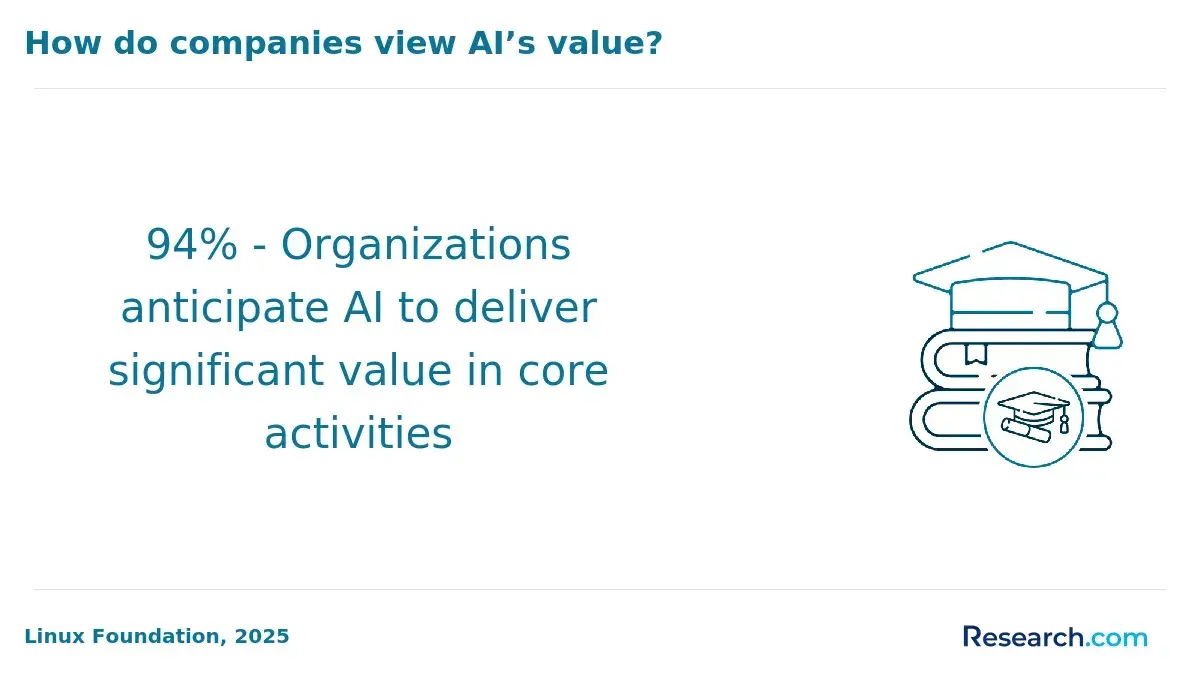
Organizations investing in AI upskilling report productivity gains of 20% or more in knowledge work, according to PwC's 2025 AI Jobs Barometer. This return on investment supports the increasing emphasis on AI-driven risk assessment skills in underwriting roles. Prospective students should balance pricing with program quality to maximize career impact.
What jobs can AI-trained underwriting professionals pursue?
AI-trained underwriting professionals have diverse opportunities to apply their skills in data analysis and risk management. Prominent roles include AI underwriting analysts who utilize machine learning models to enhance risk evaluation and automate policy decisions. AI risk managers integrate AI tools to detect emerging risks and boost portfolio outcomes. Compliance specialists ensure AI underwriting systems meet regulatory standards.
Other career paths include AI data scientists specializing in predictive algorithms tailored to underwriting challenges, and AI-driven claims analysts who use natural language processing and computer vision to streamline claims validation, reducing fraud and costs. Additionally, AI insights are valuable in product development, guiding innovative insurance offerings.
- AI underwriting analyst
- AI risk manager
- AI compliance specialist
- AI data scientist
- AI claims analyst
- Product development roles
Despite these opportunities, only 25% of organizations report their underwriting staff as fully prepared to utilize AI tools effectively, according to Microsoft and LinkedIn's 2024 Work Trend Index. This skills gap drives demand for professionals trained in practical AI applications, data governance, and ethical AI use, ensuring alignment with evolving employer expectations and regulatory compliance.
Do AI underwriting courses offer certifications or credentials?
Many AI underwriting courses offer certifications that validate skills in applying artificial intelligence tools to underwriting. These credentials often enhance career opportunities by demonstrating competency in improving underwriting efficiency and customer experience, a priority for 58% of insurers investing in AI, according to Accenture's 2024 insurance technology survey.
Course providers may offer professional certificates requiring exams, projects, or participation benchmarks. Such certificates are valued by employers as proof of practical AI proficiency in underwriting workflows. Examples include university programs offering certificates in AI for finance or insurance risk analytics, alongside specialized platforms focused on underwriting automation.
These programs cover topics like machine learning models for risk evaluation, natural language processing for claims analysis, and predictive analytics for customer profiling. Accredited certificates also show commitment to upskilling, meeting employer demands in a sector rapidly adopting AI technology.
Prospective learners should ensure certifications align with industry standards and emphasize hands-on AI applications relevant to underwriting. Certification programs provide structured learning with measurable outcomes, supporting professionals who want to leverage AI effectively in underwriting.
Other Things You Should Know About Artificial Intelligence
Recommended AI adoption courses for underwriting teams in 2027 include Udemy's "AI Applications in Underwriting" and Coursera's "Machine Learning for Finance and Insurance". These courses cover AI integration practices, ethical considerations, and navigating regulatory landscapes to enhance underwriting processes.
AI improves decision-making by quickly analyzing large volumes of data to identify patterns and trends that humans might miss. It enhances accuracy by reducing human error and provides consistent evaluations, allowing underwriters to make more informed and data-driven decisions.
Yes, AI systems can be updated to comply with new regulatory requirements, but this requires regular maintenance and oversight. Developers must ensure that algorithms align with legal standards to avoid compliance risks. Continuous monitoring is essential to keep AI tools up-to-date with evolving laws.
Ethical concerns include potential biases in AI algorithms that could unfairly disadvantage certain groups. Transparency in how AI makes decisions is critical to maintain trust. Additionally, there are concerns over data privacy and ensuring that AI does not infringe on consumer rights during risk evaluation.
References
- Best AI Learning Courses to Transform Your Career (The Top 10 Courses in 2026) - First Movers https://firstmovers.ai/ai-learning-courses/
- Underwriter’s edge: Harnessing Generative AI for optimal outcomes https://www.deloitte.com/us/en/industries/financial-services/articles/generative-ai-insurance-underwriting.html
- AI in Insurance Underwriting: A Practical Guide | RMAI https://rmaindia.org/ai-in-insurance-underwriting/
- AI Underwriting & Credit Risk Modeling | Underwrite.ai https://www.underwrite.ai/
- How to Choose AI Courses for Professionals https://thecasehq.com/how-to-choose-ai-courses-for-professionals/
- Advancing Personal Lines Underwriting With AI | The Institutes https://web.theinstitutes.org/advancing-personal-lines-underwriting-ai
- The Complete Guide to AI in Insurance Underwriting https://www.salesforce.com/financial-services/artificial-intelligence/ai-in-insurance-underwriting/
- AI in Underwriting: Will It Replace Underwriters? A 2026 Playbook for P&C Carriers https://www.decerto.com/us/post/will-ai-replace-underwriters-jobs
- The 8 best AI courses for beginners in 2026 | Zapier https://zapier.com/blog/best-ai-courses/
- Best AI Courses for Finance & Business Professionals (2026) https://www.wallstreetprep.com/knowledge/best-ai-courses-for-finance-business-professionals/