2027 Best Generative AI Courses for Digital Transformation Leaders

Co-Founder and Chief Data Scientist
Digital transformation leaders often face the challenge of integrating generative AI technologies without a clear, structured learning path. Many professionals in unrelated fields struggle to find courses that combine technical depth with strategic understanding. This slows innovation and limits competitive advantage. As industries rapidly adopt generative AI, upskilling becomes essential to lead effectively and drive value within organizations.
This article highlights top generative AI courses designed for working professionals seeking flexible, accredited options. It aims to guide readers in selecting programs that balance practical skills and leadership knowledge to accelerate their career transition into artificial intelligence.
Key Things You Should Know
- Generative AI courses for digital transformation leaders emphasize practical skills in model deployment and ethical AI use, reflecting a 45% rise in demand for these competencies since 2024.
- Top programs integrate industry case studies and cross-disciplinary learning, preparing professionals to lead AI-driven innovation in sectors like healthcare, finance, and manufacturing.
- By 2026, 60% of courses offer hands-on labs using real-world datasets, enabling learners to develop strategies aligning AI capabilities with organizational goals efficiently.
Advance Your Career with AI Online Courses
Artificial Intelligence: Implications for Business Strategy
This program provides an introduction to Artificial Intelligence and their implications for business strategy. Earn an official digital certificate.

Oxford Artificial Intelligence Programme
Explore this Oxford Artificial Intelligence programme offered in a flexible learning environment and explore topics like machine learning, automation, and robotics.

Implementing Agentic AI: Building Your Organizational Playbook
This online MIT Agentic AI course offers a practical approach to deploying AI agents in your organization, including a custom playbook. 3 weeks, exclusive launch price.

AI Adoption: Driving Business Value and Impact
This online MIT AI Adoption: Driving Business Value and Impact offers practical frameworks to close the gap between AI potential and business reality.

Artificial Intelligence in Pharma and Biotech
Discover the applications and limitations of artificial intelligence in pharma and biotech with this MIT online short course.

What is generative AI for digital transformation leaders, and who should take these courses?
Generative AI enables digital transformation leaders to create innovative processes, products, and customer experiences by producing new content, insights, and solutions. These advanced models generate text, images, code, or data patterns that accelerate automation and decision-making across business functions.
Leaders in digital transformation must understand how generative AI applications for digital transformation leaders can boost efficiency, agility, and competitive advantage within their organizations.
A recent IBM CEO Study reveals that 51% of CEOs globally recognize generative AI as a value driver, while only 29% believe their organizations have the expertise to leverage it fully. This skills gap creates urgency for leaders to acquire robust knowledge of generative AI's capabilities and limitations, especially through the best generative AI courses for business innovation.
These courses benefit C-level executives, innovation managers, IT directors, and business strategists by addressing challenges such as selecting appropriate AI applications, ethical AI use, and aligning AI initiatives with organizational goals. Participants typically cover topics like model architectures, data governance, AI ethics, and deployment strategies tailored to industries—for example, customer insights in retail or predictive maintenance in manufacturing.
Professionals seeking to close the expertise gap and lead AI-driven change can explore advanced education options, including highly ranked programs found in the data science master program ranking. Understanding generative AI's impact on workforce roles also supports effective upskilling and strategic leadership in evolving markets.
Advance Your Career with AI Online Courses
Artificial Intelligence: Implications for Business Strategy
This program provides an introduction to Artificial Intelligence and their implications for business strategy. Earn an official digital certificate.
Oxford Artificial Intelligence Programme
Explore this Oxford Artificial Intelligence programme offered in a flexible learning environment and explore topics like machine learning, automation, and robotics.
Implementing Agentic AI: Building Your Organizational Playbook
This online MIT Agentic AI course offers a practical approach to deploying AI agents in your organization, including a custom playbook. 3 weeks, exclusive launch price.
What types of generative AI courses best prepare digital transformation leaders today?
Generative AI training programs for digital transformation professionals combine technical skills and strategic insight to help leaders drive innovation. Key topics include foundational AI models like natural language processing and image generation, alongside real-world applications such as automating workflows, enhancing customer experiences, and enabling data-driven decision-making.
Ethical leadership is also central, as managing risks related to bias, privacy, and compliance becomes vital. Courses offer governance frameworks and change management techniques to address organizational culture shifts and employee adoption challenges during AI integration.
Hands-on experience with prompt engineering, model fine-tuning, and AI-driven content creation bridges theory and practice, enhancing leaders' capability to oversee AI-human team collaboration and infrastructure.
With job postings mentioning "generative AI" growing over 36 times faster than applications, digital transformation leaders must seek programs that balance AI expertise with leadership. For those exploring educational options, finding the cheapest online mechanical engineering degree can be a cost-effective way to gain relevant technical skills that complement generative AI coursework.
The best generative AI courses for digital transformation leaders equip professionals with both the depth of AI knowledge and the ability to lead effective, ethical digital change in their organizations.
How do you choose the best generative AI course or certificate for leadership roles?
Choosing the best generative AI course for digital transformation leaders involves prioritizing programs that combine practical skills with strategic insights. The ideal course should go beyond technical foundations to include leadership in AI adoption, ethical considerations, change management, and business integration. Look for curricula that provide case studies or projects showcasing how generative AI delivers measurable business impact.
Top criteria for choosing generative AI certification programs in leadership include:
- Alignment with industry needs, focusing on real-world enterprise challenges and AI deployment strategies.
- Curriculum depth, covering AI fundamentals, model governance, data privacy, and emerging trends.
- Certification credibility through accreditation by respected academic institutions or industry leaders.
- Flexible formats such as part-time or online options suitable for working professionals.
- Opportunities for networking with peers, mentors, and experts in the field.
Deloitte's State of Generative AI in the Enterprise survey highlights that 79% of organizations investing in generative AI are increasing budgets for employee training, while 43% cite skill gaps as a barrier to scaling.
Leadership programs should include modules on AI strategy, risk management, and regulatory compliance, offering hands-on experience with generative models to strengthen decision-making.
Avoid courses focused solely on coding or technical details; instead, seek programs that prepare leaders to translate AI innovation into business value. For those interested in related fields, exploring reputable game design schools online can provide additional perspectives on digital creativity and innovation.
What should the curriculum of a high-quality generative AI course for leaders include?
High-quality generative AI courses designed for digital transformation leaders should integrate curriculum essentials for generative AI courses for digital transformation leaders that blend technical expertise with ethical and strategic insights. Foundational knowledge includes neural networks, natural language processing, and generative adversarial networks, enabling leaders to understand how generative AI models create innovative content and solutions to aid strategic decisions on AI adoption.
Case studies and practical applications across industries demonstrate generative AI's impact on redesigning workflows and enhancing customer engagement. Leaders benefit from exploring AI-driven product innovation and automated content creation, highlighting key competencies in generative AI training for business leadership necessary to envision transformation opportunities.
Risk management and ethical AI practices are equally critical. Training covers bias detection, transparency frameworks, regulatory compliance, and crucial topics like data privacy and intellectual property. This ensures responsible AI deployment and builds stakeholder trust, key elements in digital transformation leadership.
Strategic modules emphasize aligning AI initiatives with business goals, change management, and fostering collaboration between data science and business teams. This includes developing metrics to measure AI's financial and operational impact. Digital skills training correlates strongly with success; as BCG's report highlights, companies investing in such leadership training achieve greater financial outcomes.
Curriculum enhancements also include hands-on simulations and AI project tools, preparing leaders for rapid technological changes. For those interested in strengthening their technical foundation, programs like online electrical engineering degree programs for veterans may complement AI learning paths effectively.
How do online generative AI programs for leaders compare with campus-based options?
Online generative AI programs provide flexibility for working professionals balancing career and education, featuring modular structures that allow learners to progress at their own pace. These programs often offer up-to-date content closely tied to digital transformation strategies, making them particularly relevant for leaders seeking to apply AI concepts immediately within their organizations.
In contrast, campus-based options deliver immersive learning with face-to-face interaction, networking opportunities, and hands-on labs, valuable for leadership roles emphasizing collaboration and real-time problem-solving.
Both formats have adapted to increasing demand for AI content, as highlighted by the Graduate Management Admission Council's 2024 Prospective Students Survey, where 57% of candidates prefer AI topics in business and executive education, up from 38% in 2022. This trend is pushing programs across the board to enhance their AI curriculum.
Campus programs usually offer stronger institutional branding and access to on-site resources such as innovation hubs and AI labs. Online programs, meanwhile, often partner with industry to provide live case studies and AI-driven decision-making simulations. Hybrid models are also emerging, combining online coursework with periodic residencies to balance flexibility and interaction.
Which accreditation and industry affiliations matter for generative AI leadership programs?
Accreditation by recognized bodies such as ABET, AACSB, or regional agencies plays a vital role in ensuring generative AI leadership programs meet rigorous academic standards and offer transferable credits. This guarantees that curricula remain aligned with evolving industry requirements, especially important for professionals focused on digital transformation.
Strong industry affiliations with organizations like the Association for the Advancement of Artificial Intelligence (AAAI), OpenAI, or partnerships with global technology leaders such as Microsoft and IBM significantly boost program credibility.
These connections provide students with access to current technologies and hands-on experience through real-world projects guided by expert instructors.
Together, accreditation, industry partnerships, and professional certifications demonstrate educational rigor, relevance, and workforce readiness essential for career advancement in generative AI leadership.
Online Delivery of AI Programs, by Institution Type

What are the typical admission requirements for generative AI courses aimed at executives?
Generative AI courses for executives typically focus on relevant professional experience and foundational knowledge rather than strict academic qualifications. Candidates are generally expected to hold senior management or leadership roles in digital transformation or technology-driven fields. This practical emphasis ensures they can apply AI concepts to strategic decision-making and innovation.
Common requirements include 5 to 10 years of industry experience in areas like data analytics, technology management, or business strategy. Additionally, applicants may need to demonstrate familiarity with basic AI concepts through prior coursework, certifications, or project experience. Some programs ask for a statement of purpose outlining how candidates plan to leverage generative AI within their organization, aligning with company transformation goals.
Assessment methods often involve interviews or case studies testing problem-solving skills in AI deployment. These courses prioritize leadership and change management abilities alongside technical knowledge.
Data from McKinsey's 2024 Global Survey on Reskilling reveals that companies with structured in-house AI academies are 1.7 times more likely to close critical AI skill gaps within two years compared to those relying on external hiring or ad-hoc training. This highlights the value of tailored executive programs aligned with business strategies.
How long do generative AI leadership programs take, and what do they typically cost?
Generative AI leadership programs vary widely in duration, ranging from four weeks to six months based on content depth and delivery format. Shorter bootcamp-style courses typically last four to eight weeks, emphasizing practical skills and strategic frameworks.
In contrast, extended executive education programs offer comprehensive coverage of AI technologies, ethics, and leadership for up to six months. These formats suit professionals juggling continuing education with job responsibilities.
Costs for these programs span broadly, generally between $2,000 and $25,000. Bootcamps and certificate courses are more affordable, often priced from $2,000 to $5,000, ideal for those pursuing rapid upskilling. Executive-level programs from leading institutions can cost $10,000 to $25,000, reflecting their in-depth curriculum and valuable networking opportunities. Additional features like personalized coaching or hands-on labs may drive fees higher.
Students should weigh time investment, cost, and desired outcomes carefully. For instance, a six-week course on generative AI API integration might cost around $3,000 and focus on immediate application skills. Meanwhile, a six-month executive program priced near $20,000 provides strategic insights, leadership development, and peer networking essential for enterprise transformation roles.
The 2024 CIO and Technology Executive Survey highlights that nearly 80% of enterprises plan to deploy generative AI in production by 2026, up from under 5% in 2023. This trend underscores the importance of strong generative AI leadership education for professionals aiming to innovate and maintain competitive advantage in their organizations.
What careers, roles, and promotion pathways can generative AI training unlock for leaders?
Training in generative AI provides leaders across industries with essential skills to advance into diverse roles such as AI product managers, innovation directors, and chief digital officers. These roles demand expertise in overseeing AI-driven projects, aligning technology with business strategies, and managing cross-functional teams. For instance, AI product managers bridge engineering teams and market analysts to develop generative AI solutions that improve customer experiences.
Career progression often leads from mid-level management to senior leadership positions like VP of AI Strategy or Chief Analytics Officer. Individuals in these roles are responsible for scaling AI initiatives and fostering organizational culture shifts by educating teams about AI capabilities and risks.
According to Accenture's "Work, Workers and AI" report, organizations with at least 75% of non-technical managers trained in AI are over three times more likely to achieve significant productivity gains than those focusing solely on technical training, underscoring the value of broad AI literacy among leaders.
Additional advancement comes through consulting and advisory roles, where leaders help businesses navigate digital transformation by establishing AI governance and addressing biases and privacy concerns. Gaining generative AI expertise can set emerging leaders apart in competitive promotion environments.
What salary ranges and job outlook can digital transformation leaders expect with generative AI skills?
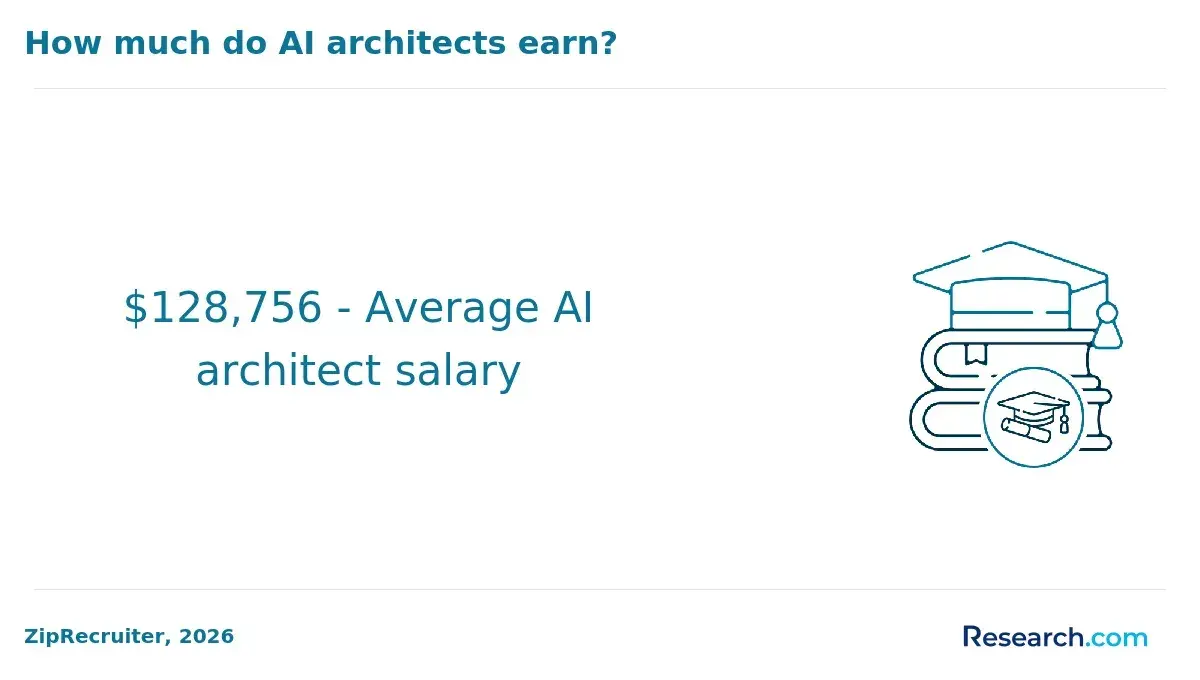
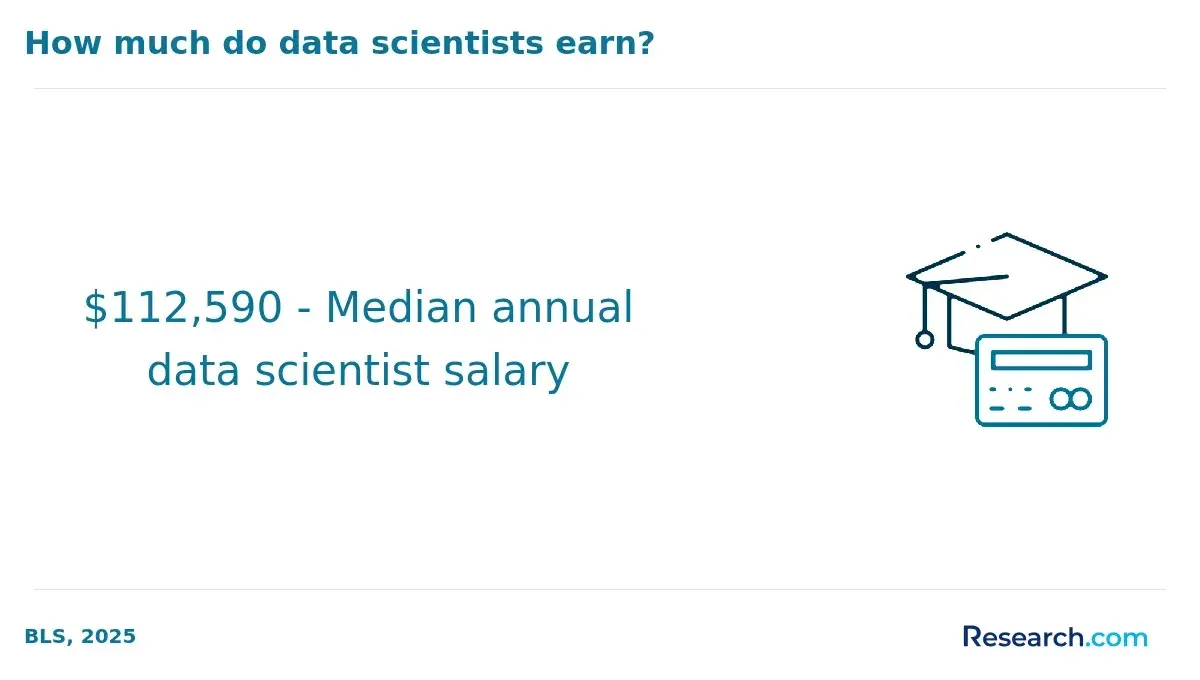
Digital transformation leaders skilled in generative AI command competitive salaries, reflecting strong demand across industries. Entry-level professionals typically earn around $90,000 annually, while experienced experts often see salaries ranging from $140,000 to $200,000. Senior roles like Chief AI Officer or Director of Digital Transformation may exceed $220,000.
The job outlook is promising, driven by increasing investments in AI technologies. According to the World Economic Forum's Future of Jobs report, AI and big data skills are the fastest-growing cluster, with 65% of companies expecting higher demand for AI and machine learning specialists through 2028.
Employers highly value expertise in AI strategy, integration, and ethical governance, which tends to correlate with higher pay. Leaders capable of driving company-wide AI adoption and workforce upskilling are especially sought after in sectors such as finance, healthcare, and manufacturing.
To boost employability and earnings, professionals should pursue certifications in generative AI tools and data analytics. Knowledge of AI regulatory frameworks also provides an edge. Networking in AI-focused groups and lifelong learning remain essential for career progress in this evolving field.
Other Things You Should Know About Artificial Intelligence
Ethical concerns in artificial intelligence primarily involve issues of bias, privacy, and accountability. AI systems can inadvertently perpetuate existing biases if training data is not diverse or representative. Additionally, there are worries about data privacy as AI often relies on large datasets, sometimes containing personal information. Transparency and responsible AI deployment remain critical for addressing these challenges.
Artificial intelligence is designed to augment human decision-making rather than replace it entirely. AI excels at processing large volumes of data and identifying patterns quickly, but it lacks human judgment, intuition, and ethical reasoning. Effective leadership requires combining AI insights with human expertise to make balanced and informed decisions.
Artificial intelligence is transforming workforce dynamics by automating routine tasks and enabling new roles centered on AI management and oversight. While some jobs may be displaced, many more are created in AI development, strategy, and ethics. Leaders need to focus on reskilling and upskilling their teams to adapt to these changing roles.
In 2027, leading courses such as MIT's "AI for Digital Transformation Leaders" and Stanford's "Generative AI Executive Program" are crucial for digital leaders. These programs deeply focus on harnessing AI for strategic business innovation, giving leaders the insights needed to drive successful digital transformations.
References
- How Much Does AI Training for Businesses Cost? - Bizzuka https://www.bizzuka.com/how-much-does-ai-training-for-businesses-cost/
- AI essentials for executives | AI training course https://www.dnv.com/training/ai-essentials-for-executives/
- Why AI Training Should Be in Employee Development https://www.techclass.com/resources/learning-and-development-articles/why-ai-training-should-be-part-of-every-employees-development-plan
- Generative AI for executives: from strategic vision to practical application https://www.afiexpertise.com/en/training/generative-ai-for-executives-from-strategic-vision-to-practical-application-2450
- AI - Artificial Intelligence | London Business School https://www.london.edu/executive-education/ai
- Generative AI Salary in India: Trends You Need to Know https://socialprachar.com/blog/generative-ai-salary-in-india-trends-you-need-to-know
- Generative AI Leader Certification | Google Skills https://www.skills.google/paths/1951
- Leadership for the AI Age https://online.professionalprogramsmit.com/leadership-ai-age
- Four AI Upskilling Strategies for Business Leaders https://www.jff.org/blog/four-ai-upskilling-strategies-business-leaders/
- Executive Generative AI for Business Certificate https://neoma-bs.com/programmes/executive-generative-ai-business-certificate