2027 Best AI Courses for Managing Directors Managing AI Adoption

Co-Founder and Chief Data Scientist
Many managing directors face challenges when integrating artificial intelligence into established business models without clear guidance on effective adoption strategies. Misalignment between technical teams and leadership often leads to stalled projects and resource mismanagement.
Understanding how to oversee AI initiatives is essential for driving innovation and maintaining competitive advantage. This article reviews the best AI courses designed specifically for managing directors, focusing on practical skills and strategic insights. It aims to help leaders acquire the knowledge needed to confidently manage AI adoption and align technology deployment with business goals.
Key Things You Should Know
- By 2026, over 70% of managing directors report AI adoption as critical for competitive advantage, highlighting the urgent need for targeted AI management courses.
- Effective AI courses emphasize strategic implementation, risk management, and ethical considerations, equipping leaders to oversee complex AI-driven transformations.
- Top programs combine technical understanding with leadership skills, reflecting a 45% increase in demand for AI-savvy executives since 2024 in U.S. industries.
Advance Your Career with AI Online Courses
Artificial Intelligence: Implications for Business Strategy
This program provides an introduction to Artificial Intelligence and their implications for business strategy. Earn an official digital certificate.

Oxford Artificial Intelligence Programme
Explore this Oxford Artificial Intelligence programme offered in a flexible learning environment and explore topics like machine learning, automation, and robotics.

Implementing Agentic AI: Building Your Organizational Playbook
This online MIT Agentic AI course offers a practical approach to deploying AI agents in your organization, including a custom playbook. 3 weeks, exclusive launch price.

AI Adoption: Driving Business Value and Impact
This online MIT AI Adoption: Driving Business Value and Impact offers practical frameworks to close the gap between AI potential and business reality.

Artificial Intelligence in Pharma and Biotech
Discover the applications and limitations of artificial intelligence in pharma and biotech with this MIT online short course.

What are the best AI courses for managing directors leading enterprise AI adoption?
Top AI courses for managing directors leading enterprise AI adoption focus on strategic, operational, and ethical aspects of integration. These programs emphasize skills in AI governance, change management, and value creation by leveraging AI technologies. Executive education platforms like MIT Sloan's Artificial Intelligence: Implications for Business Strategy highlight real-world applications tailored for senior leaders facing enterprise-wide AI transformations.
Stanford's AI for Business covers essential topics such as AI risk management and scaling AI initiatives, addressing challenges managing directors encounter, like aligning technical teams with business objectives and navigating evolving AI regulations. Harvard Business School's Artificial Intelligence and Business Strategy offers frameworks to assess AI's impact on competitive advantage, helping directors make data-driven decisions critical for success.
Such top AI training programs are designed to equip leaders with comprehensive knowledge.
Managing directors often seek ways to measure AI project success and mitigate related risks. Leading courses integrate case studies with metrics like ROI, time-to-market improvement, and productivity gains. They also provide tools for cross-functional collaboration, vital for overcoming organizational silos common in large enterprises.
McKinsey's 2024 Global AI Survey reveals executives with advanced AI literacy are 2.3 times more likely to experience significant revenue growth from AI initiatives. This underscores the importance of selecting courses balancing technical proficiency and leadership skills.
Recommended topics include AI ethics, data strategy, and innovation management, often delivered through cohort-based learning and personalized coaching to maximize impact.
For those exploring further education options, consider a computer science accelerated degree to deepen technical foundations supporting enterprise AI leadership.
Advance Your Career with AI Online Courses
Artificial Intelligence: Implications for Business Strategy
This program provides an introduction to Artificial Intelligence and their implications for business strategy. Earn an official digital certificate.
Oxford Artificial Intelligence Programme
Explore this Oxford Artificial Intelligence programme offered in a flexible learning environment and explore topics like machine learning, automation, and robotics.
Implementing Agentic AI: Building Your Organizational Playbook
This online MIT Agentic AI course offers a practical approach to deploying AI agents in your organization, including a custom playbook. 3 weeks, exclusive launch price.
How can AI education help managing directors design an effective AI adoption strategy?
AI education equips managing directors with essential skills to develop an effective AI adoption strategy by deepening their understanding of AI capabilities, risks, and system integration methods. Targeted training helps leaders identify AI use cases aligned with company objectives, choose appropriate technologies, and create realistic implementation roadmaps that minimize costly trial-and-error and speed up value creation.
AI training for managing directors also addresses common challenges like assessing data quality, managing workforce impacts, and handling ethical concerns. Education on AI governance frameworks enables leaders to establish policies ensuring transparency and compliance, reducing legal and reputational risks. Mastery of AI lifecycle processes aids in setting measurable KPIs and monitoring outcomes effectively.
Companies investing more than 5% of their digital budgets in AI-related C-suite education achieve a 43% higher three-year total shareholder return, proving the tangible benefits of executive AI upskilling, according to BCG's "AI-Driven Performance" report.
Developing an effective AI adoption strategy often requires knowledge of change management and cross-functional collaboration. Managing directors learn to foster cultural readiness and secure buy-in from stakeholders, preparing their organization to scale AI initiatives beyond pilot projects.
By mastering AI fundamentals and advanced applications through specialized education, leaders enhance decision-making with data-driven insights, reduce risks, and unlock innovation potential. Prospective students interested in technical disciplines may also explore pathways like the cheapest online mechanical engineering degree to complement their AI expertise.
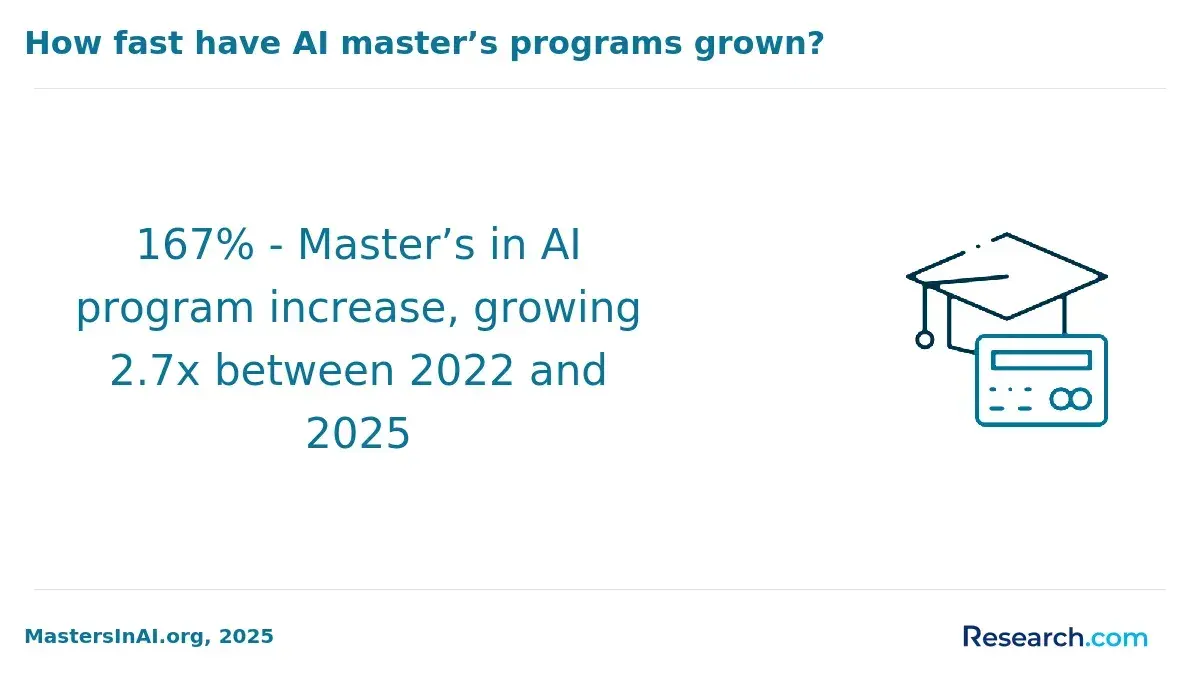
Which AI skills do managing directors need versus technical team members?
Managing directors require a strategic set of AI skills that differ significantly from those of technical team members. Their competencies emphasize integrating AI into business processes, aligning AI initiatives with organizational goals, and ensuring ethical governance.
Unlike technical teams focused on coding or data analysis, managing directors must develop AI literacy to assess technology risks, investment potential, and workforce impacts effectively. This distinction highlights the differences in AI competencies between executives and technical teams.
Key AI skills required for managing directors include:
- Strategic planning and opportunity assessment to guide enterprise-wide AI adoption.
- Risk management addressing AI compliance, bias, and data privacy challenges.
- Change management to lead cultural shifts and reskill employees in an AI-driven environment.
- Decision-making using AI-generated insights without hands-on technical expertise.
- Understanding AI ethics and relevant regulatory frameworks.
Technical teams, by contrast, need proficiency in machine learning algorithms, data engineering, model validation, and system maintenance, emphasizing implementation skills like programming and statistical analysis.
According to Gartner's forecast, 70% of board-level and C-suite roles will require AI competencies by 2028, underscoring the need for managing directors to shift from passive AI use to active leadership. This includes evaluating vendor AI solutions, scaling pilot projects, and translating AI potential into measurable ROI while communicating strategy to stakeholders.
Professionals aiming to build these leadership skills may consider pursuing an online PhD in artificial intelligence USA to deepen their understanding and stay competitive in evolving executive roles.
What types of AI programs exist for executives, and how do they differ?
AI programs for managing directors generally split into executive and non-technical AI courses and technical AI courses. Executive AI adoption training courses focus on leadership, strategic evaluation of AI vendors, risk management, and ethical frameworks. These programs help managing directors integrate AI into business strategies without requiring deep technical expertise.
Technical AI courses, on the other hand, prioritize understanding algorithms, data processing, and coding skills, often appealing to professionals with a background in technology. Enrollment trends highlight growing demand for executive programs, with Coursera's 2024 Global Skills Report showing a 61% increase globally in executive and non-technical AI programs compared to a 24% rise in technical courses.
Choosing between these depends largely on the managing director's goals. Non-technical courses benefit those leading adoption strategies and innovation across teams, while technical courses suit those involved directly in AI development or collaboration with technical teams.
For professionals exploring broader AI education options, reviewing offerings such as the best cybersecurity courses can provide additional insights on relevant technical skills complementary to AI training.
How should managing directors evaluate accreditation and institutional quality for AI courses?
Managing directors selecting AI courses should prioritize accreditation and institutional quality to ensure rigorous, relevant content. Confirm the program is offered by institutions accredited by recognized U.S. agencies like the Middle States Commission or the Higher Learning Commission. Such accreditation assures adherence to standardized educational standards necessary for dependable training.
Assess the institution's reputation in AI and business communities. Partnerships or endorsements from leading AI companies or professional bodies, such as the Association for the Advancement of Artificial Intelligence (AAAI), often indicate curricula closely aligned with industry best practices. This alignment enhances learning on governance and risk management.
Course content should explicitly cover governance, ethical AI, and risk management. According to Deloitte's 2024 State of AI in the Enterprise report, only 27% of organizations feel their leadership training adequately prepares them to handle AI risks, highlighting a vital gap. Programs focusing on these areas rather than just technical skills offer stronger leadership preparedness.
Evaluate faculty qualifications and experience in AI adoption, policy, and governance. Faculty with hands-on involvement in AI compliance bring practical insights and leadership skills. Prefer courses that include case studies or real-world simulations, which improve the ability to navigate complex AI challenges.
Consider program duration and flexibility, such as intensive short courses or executive certificates suited for busy professionals. Finally, review alumni outcomes to gauge whether graduates have advanced effectively in AI management within their organizations.
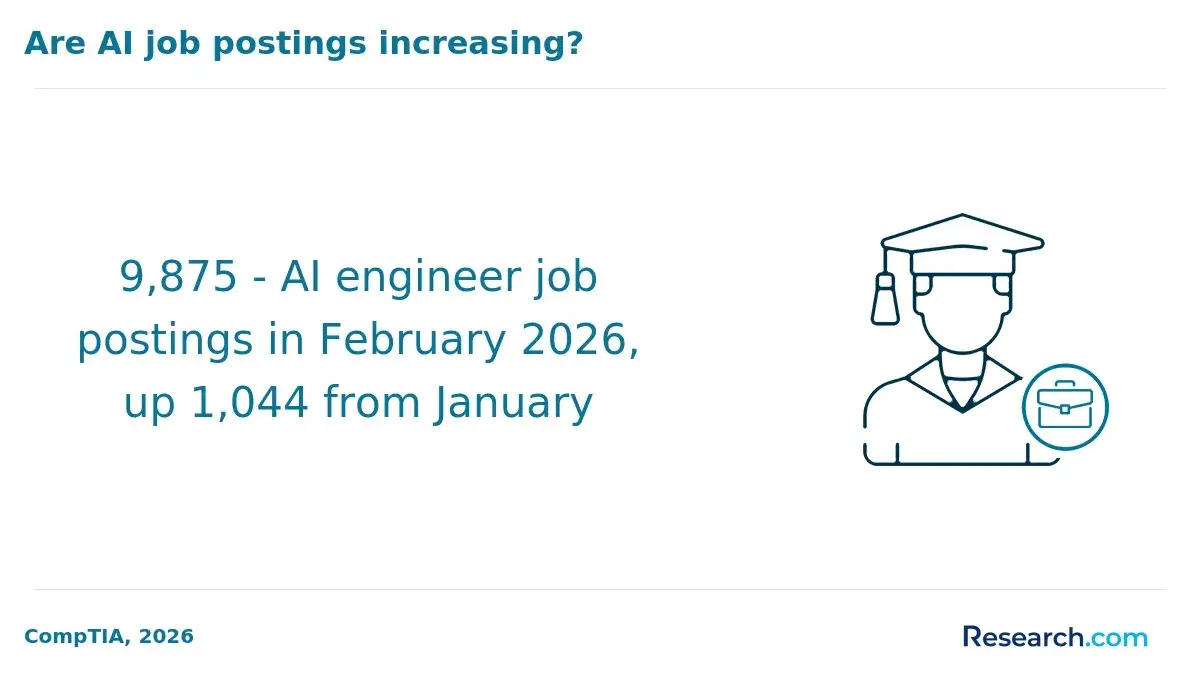
What AI course formats work best for busy executives: online, hybrid, or on campus?
Online course formats offer busy managing directors the most flexible way to integrate artificial intelligence into their organizations. Asynchronous modules let executives study at their convenience—early mornings, late evenings, or between meetings—maintaining learning without disrupting busy schedules.
Hybrid courses blend the benefits of online learning with in-person sessions to enhance networking and real-time feedback, ideal for those seeking peer interaction without full-time campus presence. These often include quarterly or biannual workshops combined with continuous online instruction.
On-campus programs provide immersive experiences with live faculty interactions and simulations, best suited for directors who can dedicate uninterrupted time for intensive study. However, high travel and operational demands may make this option less practical for many executives.
Targeted sector-specific AI programs, such as those in finance, demonstrate significant organizational impact. For example, firms led by directors who completed specialized AI courses are 1.8 times more likely to implement AI across core functions like risk, compliance, trading, and customer service, according to Accenture's 2024 AI in Financial Services study.
Choosing the right format depends on individual time constraints, desire for hands-on experience, and organizational goals. Online courses fit those needing ongoing learning flexibility, hybrid suits executives wanting some in-person engagement, and on-campus works for those available for intensive study blocks.
Online Delivery of AI Programs, by Institution Type

What core topics and case studies should AI management courses cover?
AI management courses designed for managing directors focus on essential areas such as AI strategy development, ethics, and governance frameworks. These programs help align AI initiatives with business goals, including opportunities for automation, improving customer experience, and making data-driven decisions.
Technical literacy is a key component, enabling executives to understand AI architectures, machine learning models, and data infrastructure without deep programming knowledge.
Risk management and compliance are critical modules that address regulatory requirements and bias mitigation. Leaders gain tools to assess AI risks and ensure responsible implementation. Change management and workforce transformation prepare directors to handle talent shifts, retraining, and collaboration between humans and AI systems.
Courses commonly use case studies from various industries, such as supply chain optimization in manufacturing, predictive analytics in finance, and personalized marketing in retail. They also examine failed AI projects to highlight challenges like data quality and unrealistic expectations.
Measuring ROI is emphasized, with studies showing senior executives completing intensive AI leadership programs achieving a median 5.7x return on training investment within three years through efficiency gains and new revenue. Teaching financial justification and performance tracking of AI projects is therefore vital.
What are typical admission requirements, time commitments, and program lengths?
Admission requirements for AI courses aimed at managing directors usually include a bachelor's degree in business, engineering, computer science, or related fields. Many programs prefer at least five years of professional experience, often involving leadership roles in technology adoption or digital transformation. Some executive programs request a statement of purpose outlining goals for integrating AI into strategic operations, as well as letters of recommendation or proof of experience with data-driven decision-making.
Time commitments vary by program type. Short courses and executive certificates typically require 10 to 20 hours per week over four to twelve weeks. For instance, an 8-week online course might cover AI fundamentals, risk management, and organizational strategy in flexible, modular formats.
Longer executive master's or professional diploma programs often span six months to two years with 8 to 15 hours weekly. These include live sessions, case studies, project work, and sometimes immersive workshops or residencies requiring full days. Part-time and hybrid options provide flexibility but assume ongoing engagement.
Choosing a course that balances technical knowledge and strategic insight is critical. PwC's AI Business Survey highlights that 68% of organizations failing to scale AI cite lack of executive understanding of AI's limitations and risks as a main barrier. This reinforces the need for thorough executive education that addresses both technology and business strategy.
How do AI leadership courses impact career prospects, compensation, and board readiness?
AI leadership courses equip managing directors with strategic skills essential for accelerating AI adoption within organizations. Executives with AI training are 4.2 times more likely to progress from initial experiments to full-scale deployments, according to Microsoft and LinkedIn's 2024 Work Trend Index. This expertise significantly enhances their value in the job market, making them critical assets for companies scaling AI initiatives.
Compensation improvements typically follow demonstrated skill and leadership in AI projects. Industry analyses reveal that directors proficient in AI integration often earn 15-30% higher salaries compared to peers without such expertise. Bonuses and performance incentives also frequently reward successful AI-driven outcomes, reflecting the growing premium organizations place on AI knowledge.
Formal AI leadership education prepares executives to engage confidently with stakeholders on AI ethics, risk management, and competitive strategy. Such board readiness enables directors to guide investment priorities and ensure regulatory compliance during digital transformation efforts.
Prospective candidates should seek programs balancing technical knowledge with strategic leadership, emphasizing real-world applications and cross-functional team management. Continuous upskilling remains vital to staying relevant amid evolving AI challenges.
What certifications or professional designations support credibility in AI leadership?
Certifications that build credibility in AI leadership focus on strategic management, ethical AI implementation, and technical oversight. Notable credentials include the Certified Artificial Intelligence Practitioner (CAIP), which blends AI technologies with leadership skills, and the Artificial Intelligence Leadership Program from institutions like MIT Sloan or Stanford Graduate School of Business. These programs integrate business strategy with AI governance frameworks.
For managing directors overseeing AI adoption, certifications such as the AI for Executives Certificate offer valuable insights into AI-driven decision-making and risk management. The Certified Analytics Professional (CAP) designation also helps leaders interpret AI analytics to guide corporate strategies effectively.
Ethical considerations and regulatory compliance are increasingly critical; programs like the IEEE Certified AI Ethics Professional equip leaders to address legal and societal challenges surrounding AI deployment. Technology-focused executive tracks, including offerings by the AI Governance Alliance, encourage continuous learning aligned with evolving boardroom priorities.
Boards that incorporate ongoing AI education see AI as a key agenda item in strategic discussions—60% compared to 29% of boards without such education, according to EY's 2024 Board Barometer on AI. This highlights how formal certifications combined with board-centric education strengthen leadership credibility.
Practical guidance for managing directors includes selecting certifications that balance technical fluency, strategic insight, and ethical responsibility. Maintaining continuous AI education ensures leaders stay authoritative in guiding organizational AI adoption and governance.
Other Things You Should Know About Artificial Intelligence
Managing directors often encounter challenges such as aligning AI initiatives with business goals, handling data privacy and security concerns, and addressing the cultural resistance within the organization. They must also navigate complexities related to integrating AI into existing systems and ensuring workforce readiness for AI-driven changes.
To stay current, managing directors should engage in continuous learning through executive education programs, industry conferences, and professional networks focused on AI. Subscribing to reputable AI research publications and collaborating with AI experts also helps maintain awareness of emerging trends and technologies.
Managing directors must ensure AI systems operate transparently, fairly, and without bias, protecting user privacy and complying with legal regulations. Establishing ethical guidelines and promoting accountability in AI deployment are critical to maintain trust among stakeholders and avoid reputational risks.
In 2027, top AI courses for managing directors focus on strategic AI implementation. Leading courses include MIT's AI for Business Strategy, Coursera's AI for Everyone by Andrew Ng, and Harvard's Executive Program on AI Leadership. These courses emphasize strategic adoption, ethical considerations, and innovative implementation practices.
References
- The AI Boom In Executive Education: What You Can Study Right Now At The World's Top B-Schools https://poetsandquantsforexecs.com/exec-ed/the-ai-boom-in-executive-education-what-you-can-study-right-now-at-the-worlds-top-b-schools/
- Best Corporate AI Training Programs for Business Leaders in 2026 https://www.teamland.com/post/best-corporate-ai-training-programs-for-business-leaders
- Ultimate Guide: How to Choose the Right AI Training Course to Boost Your Career - ONLC https://www.onlc.com/blog/how-to-choose-ai-training-courses/
- Aligning on AI in the Boardroom: Connecting Leadership, Change Management, and Executive Compensation https://pearlmeyer.com/insights-and-research/advisor-blog/aligning-on-ai-in-the-boardroom-connecting-leadership-change-management-and-executive-compensation
- Accreditation and AI: Ensuring Quality in an Era of Smart Learning https://www.qahe.org/article/accreditation-and-ai-ensuring-quality-in-an-era-of-smart-learning/
- Use of Gen AI in Accreditation https://a3stepaccreditation.org/f/use-of-gen-ai-in-accreditation
- An AI governance certification will boost your career | The Corporate Governance Institute https://www.thecorporategovernanceinstitute.com/insights/guides/an-ai-governance-certification-will-boost-your-career/
- Professional AI Training: How to Choose the Right Program https://www.strategicaileader.com/professional-ai-training-how-to-choose-the-right-program/
- Elevate Your Leadership in the AI Era: EXIN AI Certifications for Business Professionals https://www.exin.com/article/exin-ai-certifications-for-business-professionals/
- The 5 Types of AI Every Small Business Should Know https://pcg.io/insights/5-types-of-ai-small-business-guide/