2027 Best AI Program Management Courses Online

Co-Founder and Chief Data Scientist
Facing the challenge of transitioning into an Artificial Intelligence career without a related background can feel overwhelming. Prospective students often struggle to find flexible, accredited programs that provide practical skills and accommodate busy schedules. Many online courses lack comprehensive curricula that bridge theoretical knowledge and real-world application. The demand for proficient AI program managers is rising, making targeted education crucial for career pivots. This article reviews top online Artificial Intelligence program management courses designed to equip learners with essential expertise, helping them navigate course selection confidently and achieve meaningful career advancement.
Key Things You Should Know
- Top AI program management courses in 2026 emphasize practical applications, with 72% offering hands-on projects and case studies to enhance real-world skills.
- Enrollment in AI management courses grew by 45% between 2024 and 2025, reflecting rising industry demand for professionals who can lead AI initiatives.
- Leading programs incorporate interdisciplinary content, combining AI fundamentals with leadership, ethics, and data governance to prepare students for evolving challenges.
Advance Your Career with AI Online Courses
Artificial Intelligence: Implications for Business Strategy
This program provides an introduction to Artificial Intelligence and their implications for business strategy. Earn an official digital certificate.

Oxford Artificial Intelligence Programme
Explore this Oxford Artificial Intelligence programme offered in a flexible learning environment and explore topics like machine learning, automation, and robotics.

Implementing Agentic AI: Building Your Organizational Playbook
This online MIT Agentic AI course offers a practical approach to deploying AI agents in your organization, including a custom playbook. 3 weeks, exclusive launch price.

AI Adoption: Driving Business Value and Impact
This online MIT AI Adoption: Driving Business Value and Impact offers practical frameworks to close the gap between AI potential and business reality.

Artificial Intelligence in Pharma and Biotech
Discover the applications and limitations of artificial intelligence in pharma and biotech with this MIT online short course.

What is an AI program management course and who are these online programs best for?
An AI program management certification online is designed to help professionals integrate artificial intelligence technologies into project management. These courses focus on improving decision-making, automating routine tasks, and optimizing resource allocation for complex projects. Curricula often cover AI fundamentals, data analytics, machine learning applications, and ethical considerations involved in AI-driven project implementation.
Such online programs are ideal for:
- Project managers upgrading skills to match evolving industry demands.
- IT specialists and data scientists bridging technical AI work and management roles.
- Business leaders and consultants overseeing AI initiatives.
- Recent graduates in computer science, management, or related fields pursuing AI-focused career paths.
With 68% of project managers expected to need AI competencies by 2027, proficiency in AI program management is essential. Flexible online courses often provide practical case studies that allow professionals to apply AI concepts directly to projects. Specializations may include AI risk management, automated reporting, or agile frameworks enhanced by AI tools.
The best online courses for AI program managers address challenges like understanding AI algorithm impacts, managing risks, and ensuring ethical compliance. Completing these courses empowers leaders to confidently implement AI, optimize outcomes, and stay competitive in a digital landscape. For those evaluating options, considerations such as the data science master rank of institutions can help identify affordable, quality programs.
Advance Your Career with AI Online Courses
Artificial Intelligence: Implications for Business Strategy
This program provides an introduction to Artificial Intelligence and their implications for business strategy. Earn an official digital certificate.
Oxford Artificial Intelligence Programme
Explore this Oxford Artificial Intelligence programme offered in a flexible learning environment and explore topics like machine learning, automation, and robotics.
Implementing Agentic AI: Building Your Organizational Playbook
This online MIT Agentic AI course offers a practical approach to deploying AI agents in your organization, including a custom playbook. 3 weeks, exclusive launch price.
What types of online AI program management credentials can you earn?
Online AI program management credentials cater to various career stages by offering professional certificates, micro-credentials, and specialized diplomas designed to help manage AI initiatives effectively. These credentials combine project management principles with AI-specific knowledge like data ethics, model lifecycle, and AI risk mitigation. Earning advanced professional credentials in ai program management prepares individuals to lead cross-functional AI teams and deploy AI systems with confidence.
Many programs provide tiered certification paths from beginner to advanced levels. Beginner courses typically cover foundational AI concepts and agile program management frameworks, while advanced options emphasize AI governance, compliance, and strategic planning for enterprise-scale AI projects. Practical components such as case studies, simulations, or capstone projects often accompany these courses to ensure applied learning.
Popular credentials include:
- AI Program Management Professional Certificate - applying PMI standards to AI projects
- AI Strategy and Leadership Diploma - for senior managers overseeing AI adoption
- Specialized micro-credentials focused on AI ethics, data governance, or AI product lifecycle
Coursera's AI course catalog shows thousands of enrollments and certificates issued across these categories. This variety signals multiple pathways for students and professionals, whether aspiring to become AI project managers or strategic leaders. Choosing certified online artificial intelligence program management courses that blend technical AI understanding with proven management methodologies is crucial for success.
Those seeking affordable degree options might also explore the cheapest online mechanical engineering degree programs, which often complement AI program management skills in technical leadership roles.
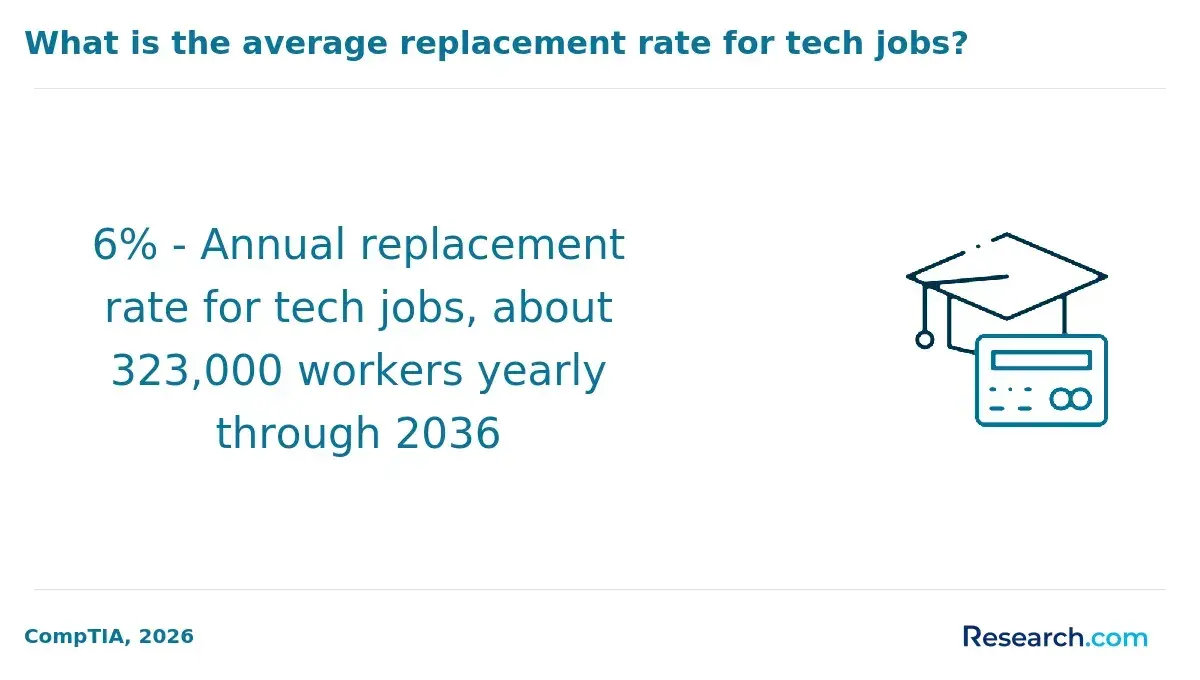
How do online AI program management courses compare with on-campus programs for flexibility and outcomes?
Online AI program management courses provide notable flexibility, making them attractive for working professionals and students balancing career and personal commitments. These programs typically offer asynchronous learning, allowing access to materials anytime, which supports those with unpredictable schedules or living outside major educational centers. This flexibility is a key advantage when comparing online ai program management courses flexibility and effectiveness.
In terms of outcomes, many online courses rival on-campus programs by combining rigorous content with industry-recognized certifications. For instance, specialized credentials such as APMG International's AI-Driven Project Manager Certification deliver practical skills highly valued by employers. This reflects a broader trend towards integrating measurable AI-focused certification value into project management education.
Online offerings often include interactive features like virtual simulations, peer collaboration, and instructor feedback to enhance learning and application. However, the lack of direct face-to-face engagement may limit networking opportunities compared to traditional on-campus programs, which provide richer in-person connections with faculty and peers. Prospective students should assess this when considering a comparison of ai program management online and on-campus outcomes.
- Flexibility: Study whenever and wherever, unlike fixed on-campus schedules.
- Certification value: AI-focused credentials such as APMG's boost employability in AI project management.
- Networking: On-campus programs offer more in-person interactions.
- Learning style: Online suits independent learners; on-campus supports hands-on, face-to-face engagement.
For those exploring advanced study options, exploring AI PhD programs can provide further specialization and research opportunities in this evolving field.
What should you look for in accreditation and institutional quality for AI program management training?
Accreditation and institutional quality remain essential when choosing AI program management certification standards. Select programs accredited by respected organizations such as the Project Management Institute (PMI), the Accreditation Council for Business Schools and Programs (ACBSP), or regional accreditors recognized by the U.S. Department of Education. This ensures the curriculum meets rigorous educational benchmarks and undergoes regular updates for relevance.
Institutional quality often reflects faculty expertise, industry partnerships, and resource availability. Look for programs led by instructors with a blend of academic credentials and practical experience in AI and program management. For instance, PMI provides two free AI-focused courses tailored for project managers, highlighting a commitment to integrating AI skills without mandatory paid membership.
Top accredited institutions for ai program management training typically feature curricula that include up-to-date AI technologies, machine learning frameworks, and ethical considerations. Effective programs incorporate case studies, real-world simulations, and collaborative projects to foster practical skills. Additionally, consider career support services such as internships and connections to employers in AI industries.
Other factors to evaluate include program flexibility with part-time or online options, and certification pathways that enhance job market competitiveness. Programs should also cover cross-functional skills like data governance and risk management related to AI projects. Prioritize those institutions with demonstrable outcomes like strong graduate employment rates or industry endorsements. For those seeking affordability alongside quality, research the cheapest online computer science degree options available.
What core courses and skills are typically covered in AI program management curricula?
Core courses in AI program management blend AI technologies with traditional project management to improve efficiency, decision-making, and workflow automation. Students learn fundamentals such as machine learning, natural language processing, and data analytics to grasp AI capabilities and limitations. A key focus is on managing AI project lifecycles, incorporating agile methodologies, risk assessment, and the ethical issues relevant to AI deployments.
Skills developed include AI-driven data interpretation, leading AI development teams, and implementing AI-powered project tracking systems. Coursework often offers hands-on experience with software tools that use predictive analytics to forecast risks and automate routine tasks, enabling managers to concentrate on strategic initiatives.
Addressing challenges like bias in AI models, data privacy, and regulatory compliance is critical. Communication training helps translate complex AI concepts for diverse stakeholders, fostering collaboration between technical and non-technical teams. Stanford's PMAI workshop, highlighted by the Stanford Technology Training Program, showcases the practical application of AI workflow training to boost productivity through task automation and better decision-making.
Additionally, proficiency in tools such as Python for AI prototyping, AI project budgeting, and strategic planning equips students to manage AI initiatives effectively from conception to deployment.
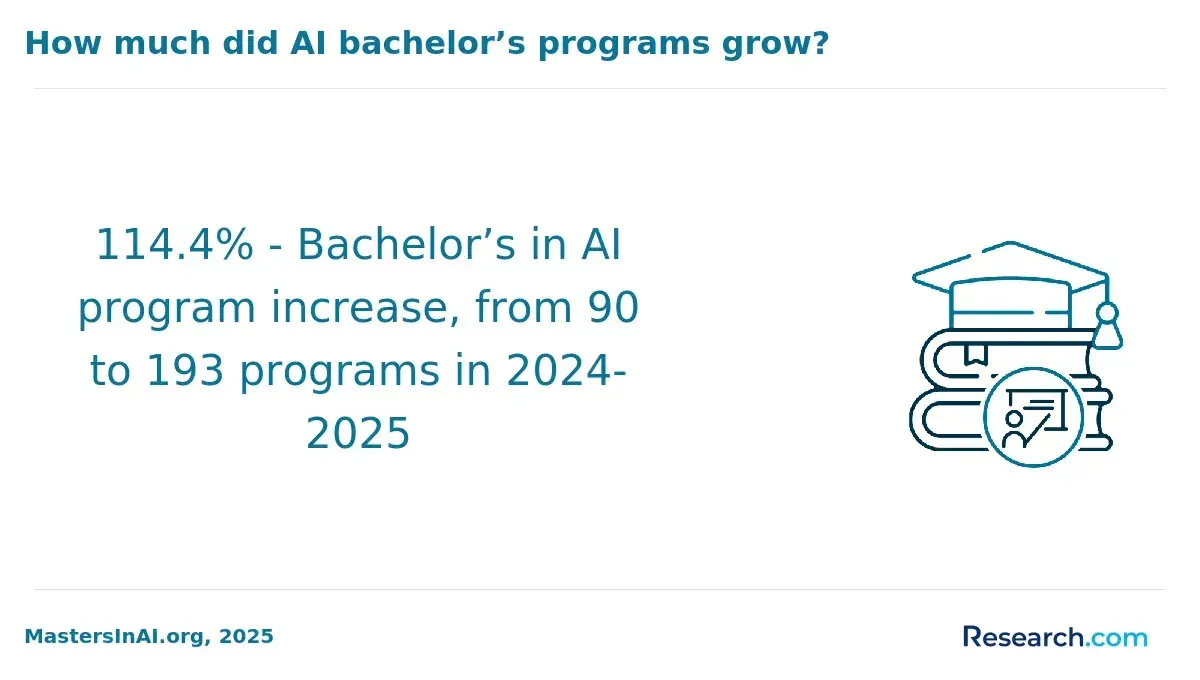
What are the usual admission requirements for online AI program management programs?
Admission requirements for online AI program management degrees typically include a bachelor's degree from an accredited institution, often favoring candidates with backgrounds in business, engineering, computer science, or STEM fields. Some programs consider applicants with non-technical degrees if they have relevant experience in project management or technology sectors. Required documents usually include undergraduate transcripts, a current resume, and letters of recommendation highlighting leadership potential and familiarity with AI concepts.
Standardized tests like the GRE are sometimes optional but can enhance an application depending on the program's selectivity. Programs often expect proficiency in quantitative skills and programming basics, sometimes requesting proof of coursework in statistics, data analysis, or coding languages like Python. Candidates with limited technical knowledge may need to complete prerequisite courses before full admission.
Professional experience expectations vary: entry-level tracks serve recent graduates, while executive or certificate programs require several years of managerial or technical experience managing AI initiatives. Strong communication skills and the ability to lead interdisciplinary teams are frequently emphasized for effective AI project management.
Business schools like Harvard and MIT Sloan highlight 15 top AI-for-business courses, showing robust institutional commitment to AI management education, according to GMAC. Their competitive admissions standards select motivated candidates prepared to connect AI technology with strategic business management.
How long do online AI program management courses take and what do they cost?
Online ai program management courses vary significantly in length and format, typically lasting from four weeks to six months. Shorter courses, such as bootcamps or introductory certifications, require 20 to 40 hours of study and suit busy working professionals seeking targeted skill updates. More comprehensive programs aimed at mastery or certification often span 3 to 6 months, combining asynchronous lessons, live sessions, and hands-on projects.
Costs depend on course duration, provider prestige, and certification level. Entry-level programs usually start between $300 and $800. Mid-tier professional certificates range from $1,000 to $3,000, offering more depth and industry recognition. High-end courses with personalized mentoring or from reputable institutions can exceed $5,000. Subscription platforms charging $50 to $100 monthly may also grant access to multiple courses.
The Digital Project Manager lists nine AI certifications tailored for project managers, highlighting a growing credential market. These options allow learners to pick courses fitting their schedules, budgets, and career aims.
For U.S.-based professionals balancing full-time jobs, modular courses with flexible pacing are practical. Those targeting specialized roles in AI project oversight might prefer longer, enrolled programs featuring hands-on experience with AI tools. Checking alignment with recognized AI certifications can improve job market competitiveness.
What careers can you pursue with AI program management training and in which industries?
AI program management training prepares professionals to oversee projects that combine project management skills with AI technology expertise. Typical roles include AI project manager, AI product manager, data science program lead, and automation strategy manager. These positions involve directing AI software development, deploying machine learning models, and coordinating teams to implement AI solutions effectively.
Industries seeking these skills include:
- Technology firms managing AI initiatives for software platforms and cloud services.
- Healthcare organizations focusing on AI diagnostics and medical imaging automation.
- Finance companies optimizing trading algorithms and fraud detection.
- Manufacturing firms driving AI-powered automation and predictive maintenance.
- Retail and e-commerce businesses applying AI to customer analytics and inventory management.
Successful AI program managers blend technical AI knowledge with agile project management, strong stakeholder communication, and ethical awareness. They tackle challenges such as aligning AI capabilities with business objectives, managing data privacy, and maintaining model reliability amid changing conditions. LinkedIn Learning's AI for Project Management course highlights industry recognition of this specialized field.
With AI adoption expanding rapidly, demand is growing for leaders skilled in risk mitigation, bias detection, and AI lifecycle management. Training programs that emphasize these areas equip professionals to bridge technical development and strategic outcomes effectively.
What is the salary outlook and job demand for professionals in AI program management roles?
Salaries for professionals managing artificial intelligence (AI) programs show strong growth potential. Entry-level AI program managers in the U.S. typically earn between $90,000 and $110,000 annually. With experience, salaries increase to a range of $140,000 to $180,000, especially in tech companies and sectors heavily investing in AI innovations. Senior managers and directors can earn over $200,000, reflecting the high demand for expertise in complex AI initiatives.
Job opportunities continue to expand across healthcare, finance, manufacturing, and retail as AI adoption grows. AI program managers play a crucial role in aligning AI projects with business goals while leading cross-functional teams of data scientists, engineers, and business stakeholders. Employers seek candidates who combine technical knowledge of AI frameworks with strong leadership and project management capabilities.
Interest in AI program management training remains robust. Online communities highlight the demand for practical courses and certifications that blend AI strategy with project management discipline. Prospective students and professionals should consider credentials like PMI-ACP or specialized AI project management courses that improve both methodological rigor and domain expertise.
Such certifications enhance employability and negotiating leverage in a market focused on delivering measurable AI outcomes within complex organizations.
Are there industry certifications or professional standards that strengthen an AI program management career?
Industry certifications and recognized professional standards are essential for strengthening a career in AI program management. These credentials demonstrate verified expertise and show adherence to best practices designed for AI's distinct challenges. Providers such as Stanford, PMI, APMG, Coursera, and LinkedIn have developed AI-specific project management certificates and workshops, reflecting the growing need for specialized skills in managing AI initiatives.
Certifications like the PMI-ACP (Agile Certified Practitioner) with AI-focused extensions and APMG International's AI Project Management credentials validate proficiency in handling AI project lifecycles. They address critical topics including ethical considerations, data governance, model validation, and cross-functional teamwork. Programs from Stanford and Coursera incorporate case studies and hands-on applications to prepare professionals for real-world AI risks.
Adhering to professional standards helps managers implement AI strategies aligned with organizational goals and regulatory compliance while promoting responsible AI use. Understanding frameworks that focus on bias mitigation, explainability, and security is increasingly important to reduce project failures.
For professionals, obtaining such credentials not only meets employer expectations but also correlates with salary growth and career advancement. These certifications provide a foundation for continuous learning, essential for staying current with evolving AI tools and methodologies.
- Certifications confirm expertise in AI-specific project challenges
- They ensure alignment with ethical and regulatory standards
- Credentials often enhance job prospects and earning potential
- Workshops and courses provide practical experience with emerging AI issues
Other Things You Should Know About Artificial Intelligence
Effective AI project management requires a combination of technical understanding and strong coordination abilities. Managers need a solid grasp of AI concepts, data analytics, and software development alongside skills in communication, risk management, and stakeholder collaboration. This blend ensures that AI initiatives align with business goals and deliver measurable results.
Courses like AI and Ethics from institutions such as Stanford or MIT include modules on ethical considerations, focusing on mitigating biases and ensuring fairness in AI deployment. These courses equip managers with the skills needed to address ethical dilemmas in AI projects.
Common challenges in AI implementation include data quality issues, integration complexity, and aligning AI capabilities with business needs. Additionally, teams often face a shortage of skilled professionals and must navigate evolving regulatory environments. Effective risk assessment and adaptive project planning help mitigate these obstacles.
Cross-functional collaboration is essential for successful AI projects because AI development typically involves experts from diverse fields such as data science, engineering, and business strategy. Collaboration fosters innovation and ensures that AI solutions address real-world problems effectively. Project managers play a key role in facilitating communication and aligning diverse team goals.
References
- AI for Project Management https://www.aim.com.au/digital-skills/courses/ai-for-project-management
- Top 7 artificial intelligence courses 2025: Comparison of the best online programs https://xd-i.com/en/data-en/ai-courses/
- IPM AI Project Professional® https://projectmanagement.ie/courses/ipm-ai-project-professional/
- What Topics are Covered in an Artificial Intelligence online Course? | H2K Infosys Blog https://www.h2kinfosys.com/blog/topics-covered-in-artificial-intelligence-course/
- Best AI Certifications to Boost Your Career in 2026 – Dataquest https://www.dataquest.io/blog/best-ai-certifications/
- Ultimate Guide: How to Choose the Right AI Training Course to Boost Your Career - ONLC https://www.onlc.com/blog/how-to-choose-ai-training-courses/
- AI Policies Every Online Institution Should Adopt Before 2027 https://iacde.org/uncategorized/ai-policies-every-online-institution-should-adopt-before-2027/
- Best Artificial Intelligence (AI) and ML Courses Online [2025] - Great Learning https://www.mygreatlearning.com/artificial-intelligence/courses
- Bachelor in Management and Artificial Intelligence https://www.kozminski.edu.pl/en/programs/undergraduate-programs-bachelor/bachelor-management-and-artificial-intelligence
- qa.com | Top 10 Must Have AI Certifications in 2026 https://www.qa.com/browse/certifications/ai-certifications/