2027 Best Cambridge Online AI Courses With Certificates

Co-Founder and Chief Data Scientist
Many graduate students and working professionals face challenges transitioning into the artificial intelligence field without prior technical backgrounds. Traditional degree programs often demand full-time commitment and extensive prerequisite knowledge, blocking access to flexible learning opportunities. Finding reputable, flexible courses that provide credible certificates can be overwhelming when considering career pivots into AI.
This article highlights the best Cambridge online AI courses offering certification, designed to accommodate learners seeking a recognized, adaptable pathway. It will help readers identify programs that blend quality, flexibility, and accreditation to support successful entry into the artificial intelligence industry.
Key Things You Should Know
- Cambridge's online AI courses in 2026 provide professional certificates, emphasizing practical skills in machine learning, deep learning, and ethical AI development tailored for global industry demands.
- Enrollment data from 2024 shows a 40% growth in U.S. students choosing Cambridge's AI programs, reflecting rising demand for certified expertise in technology and data-driven careers.
- These courses combine academic rigor with flexible learning, enabling working professionals and graduates to upgrade skills efficiently while accessing cutting-edge research and tools from Cambridge's AI labs.
Advance Your Career with AI Online Courses
Artificial Intelligence: Implications for Business Strategy
This program provides an introduction to Artificial Intelligence and their implications for business strategy. Earn an official digital certificate.

Oxford Artificial Intelligence Programme
Explore this Oxford Artificial Intelligence programme offered in a flexible learning environment and explore topics like machine learning, automation, and robotics.

Implementing Agentic AI: Building Your Organizational Playbook
This online MIT Agentic AI course offers a practical approach to deploying AI agents in your organization, including a custom playbook. 3 weeks, exclusive launch price.

AI Adoption: Driving Business Value and Impact
This online MIT AI Adoption: Driving Business Value and Impact offers practical frameworks to close the gap between AI potential and business reality.

Artificial Intelligence in Pharma and Biotech
Discover the applications and limitations of artificial intelligence in pharma and biotech with this MIT online short course.

What makes Cambridge online AI courses with certificates different from other providers?
Cambridge online AI courses with certificates provide unique advantages due to their rigorous academic foundation and strong industry relevance. The university's curriculum combines cutting-edge research with practical applications, ensuring students grasp both theoretical concepts and real-world challenges. This approach prepares graduates for impactful roles in sectors such as healthcare, finance, and technology development, highlighting the unique features of Cambridge UK artificial intelligence certification programs.
Cambridge's verified certification is highly respected globally, especially in competitive markets like the U.S. and Europe. Courses are taught by expert faculty engaged in pioneering AI research, offering learners insights into emerging trends and crucial ethical issues. This contrasts with many generic online offerings lacking mentorship or live interaction.
According to the UK government's Longitudinal Education Outcomes data, Cambridge graduates in computer science and AI report a median salary of £65,000 within six months of graduation, nearly twice the UK median. This underscores the market value of Cambridge's AI education and its relevance for those pursuing advanced careers. Students looking to understand potential earnings can also consult resources like the artificial intelligence degree salary data.
Cambridge's flexible course structure suits diverse learners, including working professionals, recent graduates, and interdisciplinary experts. Programs often include hands-on projects, access to exclusive research labs, and networking opportunities, making them a top choice among Cambridge online AI courses with certificates benefits in the UK.
Advance Your Career with AI Online Courses
Artificial Intelligence: Implications for Business Strategy
This program provides an introduction to Artificial Intelligence and their implications for business strategy. Earn an official digital certificate.
Oxford Artificial Intelligence Programme
Explore this Oxford Artificial Intelligence programme offered in a flexible learning environment and explore topics like machine learning, automation, and robotics.
Implementing Agentic AI: Building Your Organizational Playbook
This online MIT Agentic AI course offers a practical approach to deploying AI agents in your organization, including a custom playbook. 3 weeks, exclusive launch price.
Which Cambridge online AI certificates are available fully online and part-time?
Cambridge offers several fully online, part-time artificial intelligence certificate programs tailored for working professionals and students across different time zones. Notable courses such as "Machine Learning for Artificial Intelligence" and "Introduction to Artificial Intelligence" are available on edX and feature asynchronous learning with flexible deadlines, enabling learners to balance their studies with existing commitments. These programs emphasize core concepts including supervised and unsupervised learning, neural networks, and ethical AI, delivering rigorous academic training accessible outside traditional campus settings.
Designed for part-time study, courses generally run from six to twelve weeks with estimated study hours of 5-8 per week. For instance, the "Machine Learning for Artificial Intelligence" course allows learners to pause and resume without penalties, a valuable feature for busy professionals. Assessments involve project-based assignments and quizzes, encouraging practical application while supporting paced progress.
Enrollment in Cambridge online courses for artificial intelligence with part-time study options has surged, increasing by 78% between 2022 and 2024, according to edX's 2025 learner trends report. This growth significantly exceeds the broader MOOC trend, highlighting the expanding demand and value of these credentials for career advancement.
Additionally, Cambridge provides AI-related micro-credentials in data science and computer vision that can be completed part-time online. These modular certifications offer focused skill development without the need for a full degree commitment. For those exploring complementary fields, programs such as an online mechanical engineering bachelor degree may also be considered.
How do Cambridge online AI certificates compare to campus-based AI study options?
Cambridge online AI certificate benefits versus campus programs center on flexibility and practical skills. Unlike traditional campus study, these online courses enable professionals and students to learn without relocating or pausing their careers. For example, Cambridge Advance Online offers a Generative AI in Business course priced at US$2,970, designed for business leaders seeking immediate AI application for competitive advantage.
Campus programs often involve multi-year commitments focused more on theoretical foundations and research. They offer immersive lab settings and direct faculty interaction, favorable for those pursuing research or academic careers but less accessible due to high costs and time demands.
Online certification from Cambridge aligns well with career-oriented learners looking for swift ROI. The IBM 2025 Global AI Adoption Index highlights that 42% of enterprises using generative AI expect revenue growth exceeding 10% within three years, underscoring the business value of such credentials.
Differences between Cambridge online AI courses and traditional campus study are crucial when choosing an education path. Many prospective students also explore online colleges for game design as alternatives offering flexible learning across tech disciplines.
Are Cambridge online AI courses accredited and recognized by employers in the U.S.?
Cambridge online artificial intelligence courses recognized by US employers offer credible certification through Cambridge's rigorous academic framework. These credentials are valued in the U.S. for demonstrating a solid foundation in AI concepts alongside practical programming skills such as Python, machine learning, and statistics. This us employer accreditation for Cambridge online AI certification is especially advantageous when combined with portfolios or demonstrated project experience, boosting appeal to hiring managers.
Research shows U.S. demand for foundational AI skills is climbing rapidly, highlighting the relevance of courses like Cambridge's Foundations of Artificial Intelligence offered through the Cambridge Open Academy. This course aligns well with industry requirements cited in the UK government's "Skills for an AI Economy" report, ensuring that certified candidates meet evolving employer expectations.
Still, confirming specific employer preferences is important since some prioritize hands-on experience over academic credentials. Supplementing Cambridge certificates with internships or projects can enhance competitiveness in the U.S. AI job market. For those seeking relevant degrees, resources such as the online cybersecurity bachelor degree for veterans may offer useful pathways within tech education.
What prerequisites and admission requirements do Cambridge online AI certificates have?
Cambridge online AI certificate programs expect candidates to have a solid foundation in mathematics, including linear algebra, calculus, probability, and statistics. Proficiency in programming languages such as Python is typically required, as practical coding exercises form a major part of the curriculum. Admission commonly requires a bachelor's degree or equivalent experience in computer science, engineering, or related technical fields. Some advanced courses may demand prior exposure to machine learning concepts or successful completion of preparatory modules.
Applicants without formal technical backgrounds should consider taking introductory courses in math and programming to build necessary skills. Cambridge online programs often verify readiness through quizzes or prerequisite checks before enrollment. English language proficiency is essential, especially for international candidates, to understand complex material and engage effectively.
Flexible scheduling options help part-time professionals and graduates balance their commitments while pursuing these programs. Credential verification may involve submitting transcripts or proof of relevant work experience.
According to edX's 2025 Learner Outcomes Survey for the Best Technical Track - Machine Learning and AI MicroMasters and Professional Certificates, 72% of learners reported career improvements such as promotions or salary increases within a year of completion. This underscores the practical value and rigor of such certificates.
What AI topics and skills are taught in Cambridge online certificate curricula?
Cambridge online certificate programs in artificial intelligence provide comprehensive training in core areas such as machine learning algorithms, natural language processing, computer vision, and data ethics. Students learn to design predictive models, analyze large datasets, and develop AI applications across sectors including healthcare, finance, and robotics. The curriculum emphasizes hands-on experience with Python programming, neural networks, and deep learning frameworks, preparing learners to tackle real-world challenges.
Courses often cover AI system deployment, cloud computing, and scalable architectures, alongside ethical approaches and bias mitigation strategies. This ensures graduates understand AI's societal impact and meet industry standards. Hands-on projects in speech recognition, autonomous systems, and recommendation engines help students apply theory practically.
Some programs include advanced topics like reinforcement learning, unsupervised learning, and AI-driven decision-making, honing skills for specialized roles. Training in data preprocessing, visualization, and model evaluation rounds out proficiency in the full AI workflow.
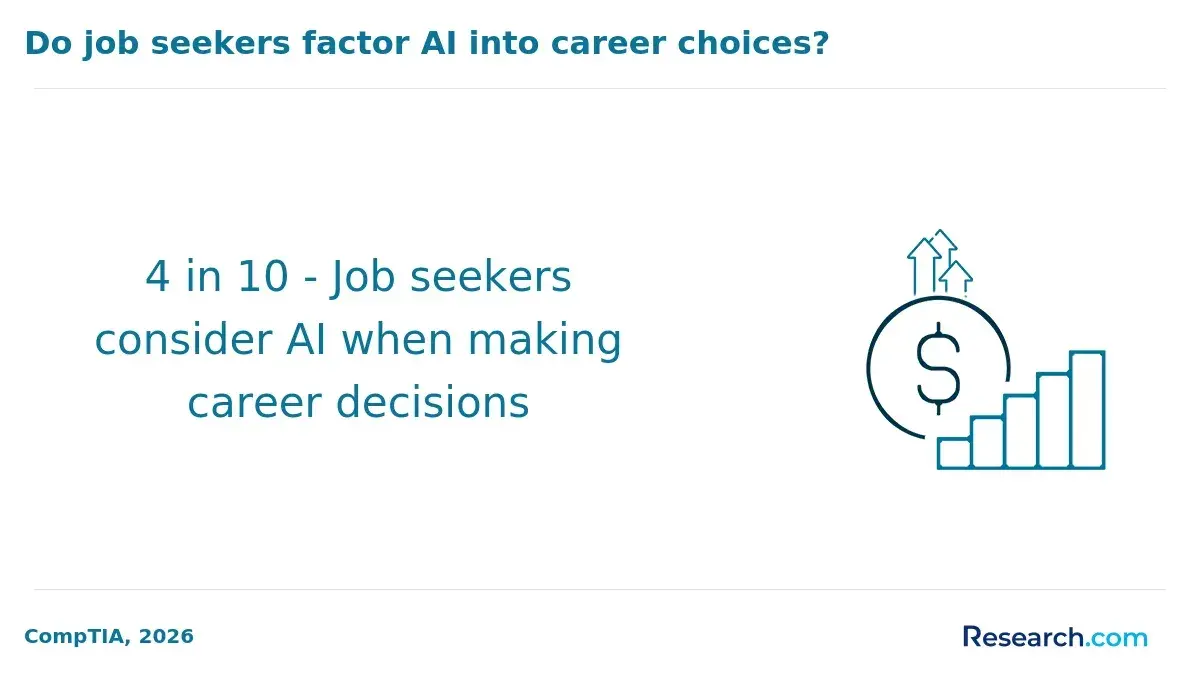
The 2025 Dice Tech Salary Report highlights the economic advantage of AI skills, showing U.S. data professionals with AI expertise earn 18% more on average-$139,000 compared to $118,000 for those without. These insights affirm the career value fostered by Cambridge's AI education offerings.
How long do Cambridge online AI certificates take and what do they cost?
Cambridge online AI certificates typically take 6 to 12 weeks, varying by course intensity and format. Foundational programs often require about 6 weeks with part-time study, while advanced courses, especially those focusing on large language models and LangChain technologies, extend up to 12 weeks. This flexibility suits both full-time learners and working professionals.
Costs for these certificates range from $800 to $2,000, influenced by course depth, mentorship availability, live sessions, and hands-on project components. More comprehensive options featuring practical projects and machine learning framework integration tend to be at the higher end. Free introductory courses rarely offer official certificates, making paid options essential for credential acquisition.
Students should weigh these time and cost commitments against their career goals. Developers specializing in emerging tools benefit from longer programs focused on large language models-a field rapidly expanding. According to Stack Overflow's 2025 Developer Survey, 45% of professionals use these models weekly, an increase from 27% in 2023. These structured programs enable individuals to align their learning with professional goals and time availability, supporting growth in AI-related careers.
What AI and data roles can Cambridge online AI certificates help you qualify for?
Cambridge's online AI certificates prepare professionals for a wide range of roles across technical and business domains. Graduates can pursue careers such as data analyst, machine learning engineer, AI product manager, and business intelligence specialist. These programs cover fundamental and applied knowledge in AI algorithms, data processing, and strategic implementation of AI systems.
Technical positions like machine learning engineer demand skills in model development and data management, which are addressed in Cambridge's advanced AI courses. Non-technical roles benefit from offerings like "AI for Everyone" and AI Strategy short courses, focusing on AI's impact and leadership in AI-driven projects.
Data from edX's 2025 workforce survey shows that 54% of professionals see AI skills as vital to staying competitive in non-technical careers, while 62% plan to upskill due to AI's rapid evolution. This underscores AI literacy's growing importance in project management, marketing analytics, and operational strategy, where deep programming is less critical but AI understanding is essential.
Students aiming for careers in data science, AI consulting, or system implementation gain credential validation and enhanced employability. Cambridge's focus on ethics, practical use, and tackling challenges like data bias and AI governance equips learners for dynamic roles.
What salary ranges and job outlook can AI certificate graduates realistically expect?
AI certificate graduates in the United States can expect starting salaries typically ranging from $80,000 to $120,000 annually, depending on experience and specific roles. Entry-level positions such as AI analysts or junior machine learning engineers generally offer between $80,000 and $95,000, while more specialized roles like AI engineers or data scientists earn from $110,000 to $140,000. Senior or leadership roles often command salaries exceeding $160,000. Geographic location, particularly tech hubs like Silicon Valley and New York, also impacts compensation levels.
The job outlook is exceptionally promising, with the World Economic Forum's Future of Jobs Report 2025 projecting a 39% growth in AI and machine learning employment worldwide by 2028. AI specialists rank among the fastest-growing professions, driven by demand in sectors such as healthcare, finance, automotive, and manufacturing.
To stay competitive, graduates should focus on continuous upskilling and gaining practical experience through internships or applied projects. Combining AI expertise with domain-specific knowledge often leads to higher salaries-for example, AI roles in financial services tend to pay more than general IT positions. Strong programming skills in Python, TensorFlow, and cloud technologies further enhance job prospects.
Considering the growth trajectory, those entering with an AI certificate can anticipate increasing demand and salary growth as they gain experience and specialize in their fields.
How should students choose the best Cambridge online AI course for their goals?
Choosing the best Cambridge online AI course depends on your career goals and skill level. Beginners should focus on foundational classes covering basic machine learning, Python programming, and data management. Advanced learners or professionals might prefer specialized subjects like natural language processing, computer vision, or reinforcement learning to enhance their expertise.
Prioritize courses emphasizing practical skills through real-world case studies, coding projects, or capstone assignments. These elements help build portfolios that boost employability. Those pursuing research or academic careers should select courses with strong theoretical foundations and access to research tools.
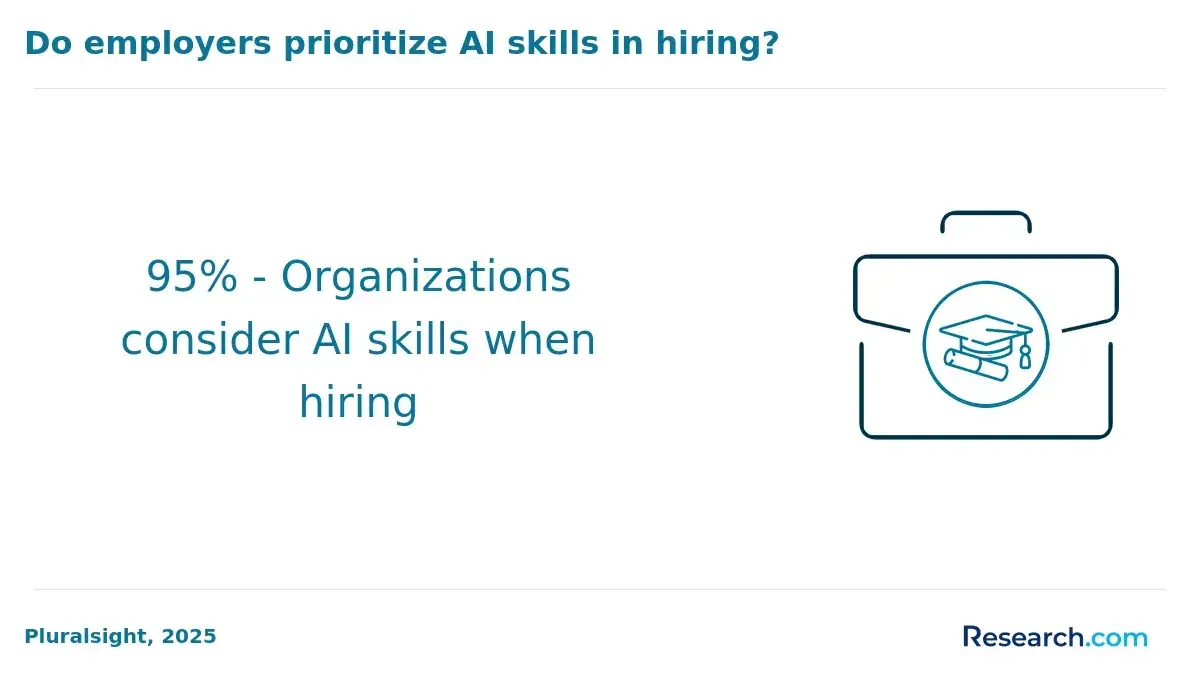
Certification credibility plays a vital role in career advancement. According to TechTarget's 2026 "Top AI Certifications" report, 69% of employers value reputable AI certificates during candidate screening. Cambridge's accredited certificates provide a strategic advantage aligned with industry standards.
Consider course duration, flexibility, and tuition relative to your budget and schedule. Self-paced or part-time options often suit working professionals better. In addition, evaluate instructor qualifications and student support services since they impact learning quality and completion rates.
Research alumni outcomes and employer partnerships specific to Cambridge AI programs to confirm their relevance in the U.S. job market. Feedback from course graduates or mentors can also offer valuable insights for prospective students.
Other Things You Should Know About Artificial Intelligence
Artificial intelligence is widely used in everyday technology such as voice-activated assistants, recommendation systems on streaming platforms, and smart home devices. AI also powers features like facial recognition on smartphones and personalized advertising online. Many industries, including healthcare and finance, use AI to improve diagnostics, customer service, and fraud detection.
Yes, many artificial intelligence systems use machine learning techniques to identify patterns and improve their performance over time without explicit programming. This ability allows AI to adapt to new data and situations, increasing accuracy and effectiveness in tasks such as speech recognition and predictive analytics. Continuous learning is a core characteristic of advanced AI models.
Key ethical concerns in artificial intelligence include privacy issues, biases in training data, and the transparency of AI decision-making processes. There is also ongoing debate about job displacement due to automation. Ensuring that AI systems are developed and deployed responsibly requires clear guidelines and human oversight to mitigate these risks.
In 2027, Cambridge offers cutting-edge online AI courses like "Introduction to Artificial Intelligence," "Machine Learning and Data Science," and "AI Ethics and Society." These courses, available with certificates, provide comprehensive insights into AI technologies and their societal impacts.
References
- BSc in AI & Data Analytics https://cambridgeuniv.org/bsai.php
- AI Certification Salary Guide: How Much Can You Earn with an AI Certification? https://dumpsgate.com/ai-certification-salary/
- How to Choose a Good Online Course https://verbit.ai/choose-good-online-course/
- Explore online courses and certificate programs in AI | edX https://www.edx.org/learn/artificial-intelligence
- AI Careers - Top AI Jobs with Education Requirements and Pay https://aidegreeprograms.org/ai-careers/
- Artificial Intelligence Certification | AI Certification | USAII® https://www.usaii.org/artificial-intelligence-certifications
- Teaching, learning, assessment and artificial intelligence https://www.cambridgeinternational.org/support-and-training-for-schools/artificial-intelligence
- Top 7 artificial intelligence courses 2025: Comparison of the best online programs https://xd-i.com/en/data-en/ai-courses/
- Foundations of Artificial Intelligence – Cambridge Open Academy https://cambridgeopenacademy.com/course/foundations-of-artificial-intelligence/
- Online Learning - Cambridge Regional College https://www.camre.ac.uk/courses/online-learning/