2027 Best AI Courses for Chief Strategy Officers Managing AI Adoption

Co-Founder and Chief Data Scientist
Chief strategy officers often face challenges aligning rapidly evolving AI technologies with long-term business goals. They must navigate complex technical landscapes while managing diverse teams and stakeholder expectations. The risk of costly missteps and missed opportunities increases without a solid understanding of AI concepts and practical applications. This gap can stall innovation and hinder competitive advantage.
This article explores the best AI courses designed to equip chief strategy officers with the skills to lead successful AI adoption. It highlights flexible, accredited programs that balance technical knowledge with strategic insight to support effective decision-making and organizational transformation.
Key Things You Should Know
- Chief Strategy Officers must master AI course content emphasizing ethics, risk management, and strategic implementation to guide responsible adoption across enterprises in 2026.
- Data from 2025 shows 68% of executives prioritize courses integrating real-world AI applications with leadership and change management skills for effective AI transformation.
- Top AI courses for CSOs increasingly combine technical literacy with business strategy, reflecting rising demand for hybrid expertise amid growing AI adoption challenges.
Advance Your Career with AI Online Courses
Artificial Intelligence: Implications for Business Strategy
This program provides an introduction to Artificial Intelligence and their implications for business strategy. Earn an official digital certificate.

Oxford Artificial Intelligence Programme
Explore this Oxford Artificial Intelligence programme offered in a flexible learning environment and explore topics like machine learning, automation, and robotics.

Implementing Agentic AI: Building Your Organizational Playbook
This online MIT Agentic AI course offers a practical approach to deploying AI agents in your organization, including a custom playbook. 3 weeks, exclusive launch price.

AI Adoption: Driving Business Value and Impact
This online MIT AI Adoption: Driving Business Value and Impact offers practical frameworks to close the gap between AI potential and business reality.

Artificial Intelligence in Pharma and Biotech
Discover the applications and limitations of artificial intelligence in pharma and biotech with this MIT online short course.

What does a chief strategy officer need to know before choosing AI courses for leadership?
Chief strategy officers (CSOs) must align their AI course selection criteria with their organization's AI maturity and strategic goals. According to McKinsey's 2025 State of AI report, 78% of organizations employ AI in at least one business function, up from 55% the previous year.
This growth requires CSOs to move beyond conceptual understanding to practical insights on AI integration challenges and opportunities.
Key considerations for leadership artificial intelligence training include:
- Does the course cover technical AI fundamentals enough to engage data scientists and engineers without deep coding skills?
- Are governance, ethics, and regulatory compliance topics included to prepare leaders for risk management?
- Is organizational change management and AI adoption framework addressed to help lead cultural transformation?
- Does it emphasize identifying use cases aligned with business goals to avoid inefficient AI investments?
- Are case studies or simulations provided to demonstrate AI-driven decision-making across industries?
CSOs should select programs that blend strategy, technology, and leadership rather than those that are purely technical or overly abstract. Courses offering methods to evaluate AI readiness and measure ROI empower CSOs with effective oversight skills.
Practical exposure to AI vendor landscapes and data strategy formulation further equips leaders. For professionals interested in advancing in this field, exploring applied artificial intelligence jobs can provide valuable career insights.
Advance Your Career with AI Online Courses
Artificial Intelligence: Implications for Business Strategy
This program provides an introduction to Artificial Intelligence and their implications for business strategy. Earn an official digital certificate.
Oxford Artificial Intelligence Programme
Explore this Oxford Artificial Intelligence programme offered in a flexible learning environment and explore topics like machine learning, automation, and robotics.
Implementing Agentic AI: Building Your Organizational Playbook
This online MIT Agentic AI course offers a practical approach to deploying AI agents in your organization, including a custom playbook. 3 weeks, exclusive launch price.
Which AI courses and programs best prepare executives to manage enterprise AI adoption?
Leading executive AI training programs for enterprise strategy emphasize practical frameworks combining strategy, governance, and ethical considerations for AI adoption.
Notable courses like MIT Sloan's Artificial Intelligence: Implications for Business Strategy and Stanford's Executive Program in AI Strategy provide comprehensive guidance for integrating AI into business models. They include readiness assessments, data infrastructure insights, and encourage cross-functional collaboration to align AI initiatives with corporate goals.
Leadership courses in managing AI adoption for executives focus on measurable impact, enabling leaders to overcome challenges such as unclear ROI, legacy systems, and workforce transformation.
For example, the Wharton AI for Business Leaders course uses real-world case studies to teach executives how to critically evaluate AI projects and allocate investments effectively.
Demand for executive-level AI skills is rapidly growing. LinkedIn's 2025 Workplace Learning Report identifies AI literacy as the fastest-growing skill in leadership job postings, stressing the need for strategic AI education beyond technical know-how.
Prospective learners should seek programs offering:
- Modules on AI governance and risk management to ensure responsible adoption.
- Hands-on strategy development tailored to various industries.
- Instruction on aligning AI initiatives with broader digital transformation.
- Opportunities to engage with AI practitioners and interdisciplinary teams.
These key components prepare officers to lead AI projects, navigate organizational complexities, and turn AI potential into sustainable business value.
For those balancing career advancement with education costs, consider exploring the cheapest online mechanical engineering degree options as a model of affordable, high-quality programs that can complement AI leadership skills.
How can chief strategy officers compare online versus on-campus AI executive education options?
Chief strategy officers (CSOs) comparing AI executive education options should weigh flexibility, networking, curriculum focus, and cost. Online AI courses are ideal for executives balancing multiple priorities, offering scheduling flexibility through modular and self-paced lessons.
This format is well-suited for CSOs wanting to integrate AI governance training without interrupting work, making it a practical choice for those managing global teams.
In contrast, on-campus programs provide immersive experiences with direct peer interaction and collaboration, crucial for strategy leaders aiming to deepen professional networks in AI-focused cohorts. These programs often include workshops, case studies, and access to renowned faculty, enriching practical knowledge but may require time away from work and additional travel expenses.
When evaluating curriculum, CSOs should seek leadership-centered courses emphasizing AI strategy and governance rather than purely technical content.
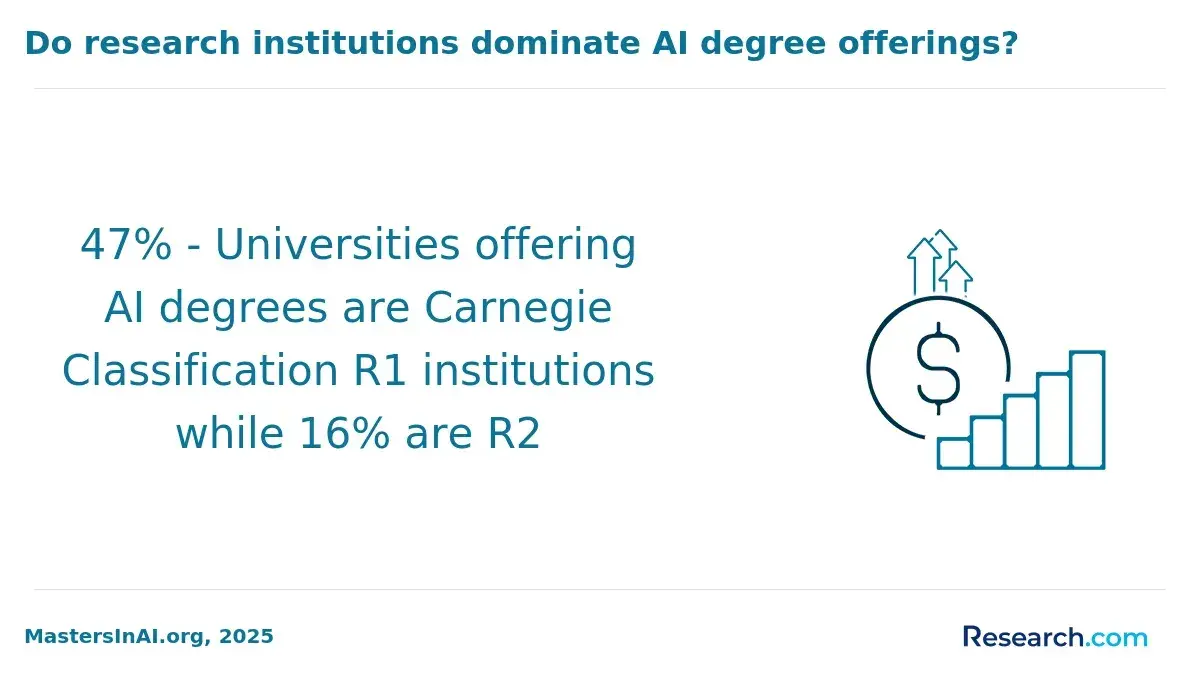
MIT Sloan executive education data highlight that such courses are among the fastest-selling short executive programs, underscoring demand for programs that connect AI capabilities to organizational strategy. This focus aligns with priorities seen in chief strategy officer AI executive education comparison discussions across industries.
Cost and accreditation vary: online programs tend to be more affordable and globally accessible, while prestigious university on-campus courses offer a stronger credential signal.
Choosing the right course depends on learning style, availability, and strategic career goals. For those interested in related fields, exploring cybersecurity programs can complement AI skills effectively.
Online versus on-campus AI courses for strategy leaders continue to evolve as institutions adapt to executive needs and technological trends, making informed choice critical for career advancement.
What AI skills and competencies should CSOs prioritize for strategic transformation roles?
Chief Strategy Officers managing artificial intelligence adoption must develop a focused set of AI strategic leadership skills for chief strategy officers to lead successful transformation. Strong data literacy is crucial for evaluating data quality, analytics, and AI-driven opportunities or risks.
Proficiency in AI fundamentals such as machine learning, natural language processing, and automation technologies enables effective guidance in technology selection and integration.
Key competencies for managing artificial intelligence adoption include strategic deployment knowledge that identifies use cases delivering measurable business value and sustaining competitive advantage. Change management and stakeholder engagement skills are essential to align organizational units and foster adoption across departments.
Risk management expertise around AI ethics, bias mitigation, and regulatory compliance protects against legal issues and reputational damage. Collaboration with technical teams, regulators, and external partners accelerates AI initiatives.
PwC's 2025 Global AI Jobs Barometer highlights a 56% wage premium for workers with AI skills, emphasizing the financial importance of these competencies for strategy leaders.
Practical skills include mastering AI-driven scenario planning, predictive analytics, vendor evaluation, technical feasibility assessments, and quantifying ROI.
Fluency in AI project lifecycle management helps keep initiatives aligned with business goals and expected outcomes. Professionals interested in learning more about what does an AI trainer do can explore related career paths that build on these foundational skills.
Which types of AI credentials-degrees, certificates, or bootcamps-fit CSO career paths?
Chief Strategy Officers (CSOs) managing AI adoption face choices among degrees, certificates, and bootcamps depending on career goals and learning needs. Advanced degrees, such as a master's in AI or data science, offer deep theoretical knowledge and research skills.
These are suitable for CSOs focused on leading large-scale AI initiatives and shaping long-term strategic frameworks. However, such programs require notable time and financial investment, which may be challenging for executives in fast-paced roles.
Professional certificates provide targeted expertise on specific AI topics like ethics, risk management, or business transformation. They allow CSOs to quickly validate skills essential for aligning AI projects with organizational goals and regulatory requirements.
Reports such as IBM Security's 2025 Cost of a Data Breach highlight that firms with strong AI governance can save an average of $1.9 million, underscoring the value of focused credentials in risk mitigation.
Bootcamps emphasize practical skills and rapid application of AI tools, ideal for CSOs who need operational knowledge without deep theory. These intensive, condensed programs improve communication with technical teams and speed understanding of current AI technologies.
CSOs benefit from matching credential types to their roles: degrees for foundational strategy, certificates for governance and risk expertise, and bootcamps for tactical technology use. Combining these over time supports a well-rounded leadership profile essential for navigating AI adoption risks and opportunities effectively.
How can CSOs evaluate accreditation and institutional quality for AI-focused programs?
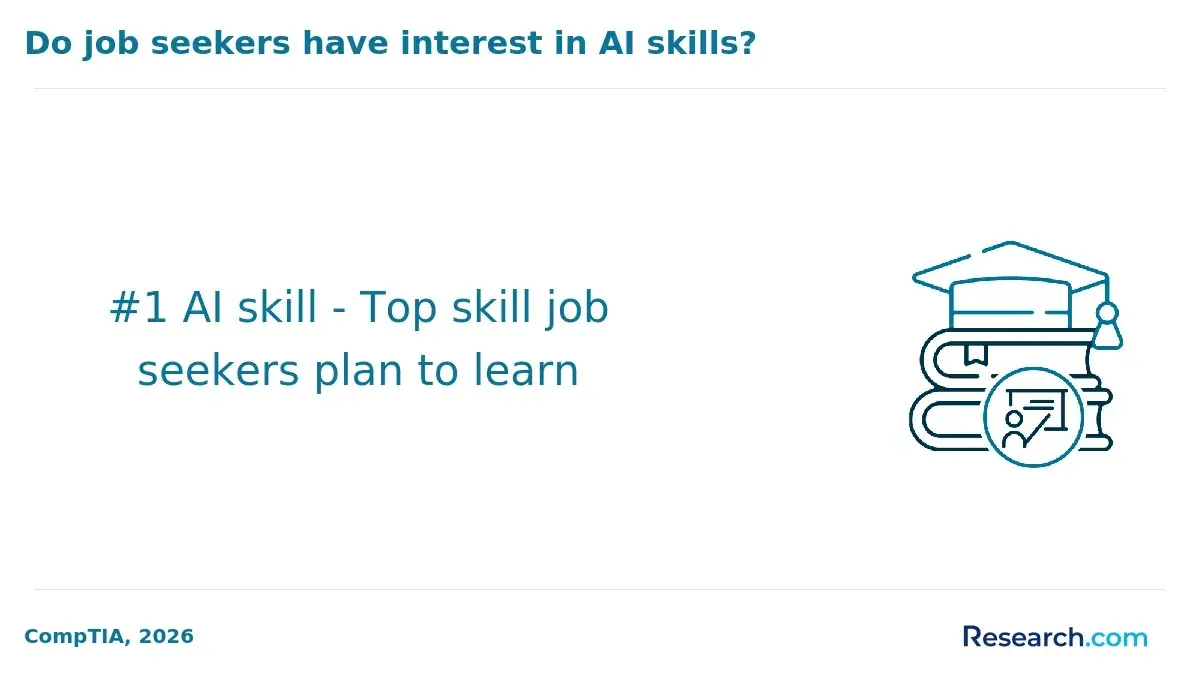
Chief strategy officers (CSOs) assessing AI-focused educational programs should prioritize institutions accredited by recognized bodies. Regional accreditors like the Higher Learning Commission or Middle States Commission on Higher Education ensure a foundation of academic rigor and stability.
Additionally, specialized accreditation from technology and engineering organizations such as ABET confirms curriculum quality and relevance to AI fields.
Faculty expertise is another crucial factor. CSOs should examine instructors' backgrounds in AI research, industry engagement, and peer-reviewed publications.
Programs with faculty involved in generative AI research or consulting align well with industry trends, especially as Deloitte's 2025 State of Generative AI in the Enterprise report notes that 62% of large enterprises are actively experimenting with generative AI.
Curriculums should cover key topics like AI ethics, governance, data strategy, and integration frameworks, incorporating hands-on projects or enterprise partnerships. Evaluating alumni outcomes is also important, focusing on graduate placement in AI leadership or strategy roles, which indicates strong real-world connections and networking benefits.
Finally, programs must offer flexibility in delivery and regularly update coursework to keep pace with the rapidly evolving AI landscape. A thorough evaluation involves cross-checking accreditation status, faculty credentials, curriculum content, industry partnerships, and transparent graduate data to ensure readiness for AI adoption challenges.
What core AI strategy and governance topics do high-quality CSO-oriented courses cover?
High-quality courses for chief strategy officers (CSOs) on AI strategy and governance cover critical topics to prepare leaders for effective AI integration. These courses focus on frameworks that align AI operating models with corporate goals while addressing data privacy, security, and algorithmic bias.
CSOs learn how to design governance structures promoting collaboration among data scientists, legal teams, and compliance officers for comprehensive oversight.
Key course elements include strategic decision-making tools to evaluate AI investments with measurable business outcomes. Change management techniques are also vital for boosting organizational AI literacy and overcoming resistance.
Robust risk assessment methodologies stress continuous monitoring and auditing to avoid unintended consequences. Compliance training covers regulations such as GDPR and prepares CSOs for evolving global policies. Ethical AI is emphasized through transparency, accountability, and explainability, building stakeholder trust.
Assessing AI maturity is essential; firms with advanced AI operating models are thrice as likely to achieve positive ROI, according to Forrester's research. Practical case studies from finance, healthcare, and manufacturing illustrate successful AI governance. Strategic frameworks also guide scalable AI adoption and budget justification based on data-driven evidence.
Such comprehensive training equips CSOs to lead AI initiatives responsibly and strategically within their organizations.
What are typical admission requirements, program length, and costs for advanced AI studies?
Advanced AI programs tailored for chief strategy officers typically require a master's degree in business, technology, or a related discipline. Some programs also welcome professionals with extensive executive experience. Candidates must often show expertise in data analysis, strategic management, or programming basics.
Common application materials include a professional resume, statement of purpose, and recommendation letters. While some offerings request GRE or GMAT scores, many executive-focused courses waive these in favor of assessing work experience.
Program durations vary widely to suit busy professionals. Many advanced AI courses last from 6 to 18 months, while executive certificates often run 3 to 6 months and concentrate on strategy and leadership.
More comprehensive master's degrees or specialized certifications can extend to two years. Delivery formats include part-time, online, and hybrid options, allowing flexibility to balance career and study.
Costs for these programs can range broadly: executive certificates typically fall between $5,000 and $15,000, whereas master's degrees or professional diplomas might require $25,000 to over $70,000 depending on prestige and institution.
This investment reflects industry priorities. According to KPMG's 2025 CEO Outlook, 84% of CEOs view AI investment as a crucial focus for the coming year, underlining the strategic importance of advanced AI education.
How do AI courses impact salary potential and career trajectories for chief strategy officers?
Chief strategy officers (CSOs) who complete AI courses gain crucial skills to lead digital transformation and optimize business models. Their expertise in AI enables data-driven decisions that can increase salaries by 15% to 30%. Organizations now prioritize executives capable of integrating AI into their strategic initiatives, rewarding them with bonuses and stock options tied to successful projects.
The World Economic Forum's 2025 Future of Jobs report highlights that 44% of workers' core skills will be disrupted within five years. For CSOs, acquiring advanced AI knowledge is essential to stay relevant, secure leadership roles, and accelerate career growth into higher C-suite or board positions.
Practical training often includes case studies in finance and supply chain management, providing actionable insights to address ethical concerns, organizational resistance, and deployment challenges. This hands-on expertise enhances risk mitigation and return on investment.
Completing AI courses also expands professional networks across industries, increasing visibility and opportunities for consulting or advisory roles. Certifications validate skills and can command higher fees, ultimately boosting both immediate salary potential and long-term career evolution.
How should CSOs assess ROI and select reputable AI programs aligned with business goals?
Chief Strategy Officers (CSOs) evaluating roi for AI programs should focus on measurable business impact over technical features alone. Prioritizing courses with live, industry-relevant business use cases enhances practical learning.
Research from Harvard Business Review shows leaders who engage in AI training combined with real-world application are 40% more likely to advance AI projects beyond pilot phases than those in theory-only programs. This highlights the value of hands-on experience.
Key factors for selecting AI programs aligned with business goals include:
- Alignment with strategic priorities such as supply chain efficiency or customer personalization.
- Credibility of providers from established institutions or recognized industry experts with proven enterprise AI success.
- Customization options offering adaptable modules to fit organizational context.
- Clear success metrics tied to outcomes like cost savings, revenue growth, or faster time-to-market.
- Post-course support including mentorship, peer networking, and follow-up resources.
CSOs should pilot training programs by tracking participant performance against business objectives and comparing these results with initial investments. Avoid programs centered solely on theoretical frameworks lacking actionable insights. Emphasizing experiential learning that aligns with strategic needs reduces risk and maximizes roi for AI adoption.
Other Things You Should Know About Artificial Intelligence
The time required to learn artificial intelligence varies widely depending on prior knowledge, course intensity, and learning goals. Foundational courses may take a few weeks to months, while comprehensive programs designed for executives can span several months to a year. Continuous learning is essential due to the fast-evolving nature of AI technologies.
Python is the most widely used programming language in artificial intelligence because of its simplicity and extensive libraries like TensorFlow and PyTorch. Other important languages include R for statistical analysis, Java for large-scale applications, and C++ for performance-critical AI tasks. Familiarity with these languages enhances the ability to implement and manage AI models effectively.
Chief strategy officers must consider bias in AI algorithms, data privacy, and transparency in decision-making processes. Ensuring AI systems are fair and accountable helps prevent ethical pitfalls and regulatory risks. Additionally, understanding the societal impact of automation and addressing workforce displacement are critical for responsible AI adoption.
References
- Making the Business Case for AI Investment https://www.techclass.com/resources/learning-and-development-articles/making-business-case-for-ai-how-to-justify-investment
- Chief AI Officer Course: Lead AI Strategy & Implementation | ELVTR https://elvtr.com/course/chief-ai-officer
- AI career paths: 2026 job guide https://www.pluralsight.com/resources/blog/ai-and-data/ai-career-guide-2025
- AI Leadership and Strategy Path – AI Professional Institue https://aipro.institute/en/paths/ai-leadership-and-strategy/
- AI Certification Programs: Which Ones Matter for Your Career https://www.businessplusai.com/blog/ai-certification-programs-which-ones-matter-for-your-career
- University Degree vs AI Bootcamp: Which is Best Career Path? https://agilefever.com/university-degree-vs-ai-bootcamp-which-is-best/
- Artificial Intelligence (AI) Strategy & Leadership Train... https://oxford-management.com/course/artificial-intelligence-ai-strategy-leadership-program
- AI+ Chief AI Officer — LEXX https://lexx.com/live/training-courses/ai-chief-ai-officer/
- Advanced Master’s in AI for Complex Systems https://www.ensiie.fr/en/advanced-masters-ai-complex-systems