2027 Best AI Policy Development Courses Online

Co-Founder and Chief Data Scientist
Professionals from unrelated fields often face challenges when trying to enter the rapidly evolving AI policy sector. Without structured guidance, grasping the intersection of technology, ethics, and regulation can feel overwhelming. This gap can limit career transitions into roles that shape how ai integrates safely and fairly into society.
Finding flexible, accredited courses that blend technical understanding with policy analysis is essential for success in this niche. This article explores the best online ai policy development courses, highlighting options that provide practical knowledge and the credentials needed to pivot effectively into this growing industry.
Key Things You Should Know
- AI policy development courses in 2026 emphasize ethics, regulatory frameworks, and technological impacts, aligning with 2025's growing demand for governance expertise in AI deployment.
- These courses increasingly incorporate real-world case studies and interactive simulations, reflecting a 40% rise in enrollment since 2024 among U.S. graduate and professional students.
- Top programs offer interdisciplinary curricula combining technology, law, and social sciences to prepare students for roles shaping AI policy at federal and corporate levels.
Advance Your Career with AI Online Courses
Artificial Intelligence: Implications for Business Strategy
This program provides an introduction to Artificial Intelligence and their implications for business strategy. Earn an official digital certificate.

Oxford Artificial Intelligence Programme
Explore this Oxford Artificial Intelligence programme offered in a flexible learning environment and explore topics like machine learning, automation, and robotics.

Implementing Agentic AI: Building Your Organizational Playbook
This online MIT Agentic AI course offers a practical approach to deploying AI agents in your organization, including a custom playbook. 3 weeks, exclusive launch price.

AI Adoption: Driving Business Value and Impact
This online MIT AI Adoption: Driving Business Value and Impact offers practical frameworks to close the gap between AI potential and business reality.

Artificial Intelligence in Pharma and Biotech
Discover the applications and limitations of artificial intelligence in pharma and biotech with this MIT online short course.

What is AI policy development and why are online courses important for this field?
AI policy development involves creating frameworks, regulations, and ethical guidelines to manage artificial intelligence technologies responsibly. It addresses important issues such as data privacy, bias mitigation, and accountability, emphasizing the social consequences of automation. Professionals in this field must have multidisciplinary knowledge covering technology, law, ethics, and public administration to help AI systems benefit society while minimizing harm.
The importance of online learning for AI policy professionals is paramount, as it provides flexible access to expert-led courses covering the evolving policy landscape. Through online formats, students worldwide engage with interactive case studies and real-world scenarios, enhancing practical skills needed in this fast-changing domain.
Demand for experts in AI policy is surging. LinkedIn's Global AI Talent Trends report shows job postings requiring skills in AI governance, ethics, or policy grew over 130% recently. These capabilities open opportunities in government agencies, tech companies, consultancy firms, and think tanks addressing AI's societal impacts. For prospective students and professionals, well-structured online education offers a targeted, cost-effective pathway, including options like a one year computer science degree, to enter this dynamic field.
Advance Your Career with AI Online Courses
Artificial Intelligence: Implications for Business Strategy
This program provides an introduction to Artificial Intelligence and their implications for business strategy. Earn an official digital certificate.
Oxford Artificial Intelligence Programme
Explore this Oxford Artificial Intelligence programme offered in a flexible learning environment and explore topics like machine learning, automation, and robotics.
Implementing Agentic AI: Building Your Organizational Playbook
This online MIT Agentic AI course offers a practical approach to deploying AI agents in your organization, including a custom playbook. 3 weeks, exclusive launch price.
What types of online AI policy development courses and certificates are available?
Online AI policy certification programs for professionals offer structured learning paths that focus on regulatory, ethical, and governance aspects of AI deployment. These programs range from foundational certificates introducing legal frameworks and bias mitigation to advanced courses that build skills in risk assessment and governance implementation. Many emphasize hands-on experience through case studies and policy drafting exercises.
Specialized certifications often address sectors like healthcare, finance, or public administration, where AI policy intersects with industry regulations. Most professional certificates span 3 to 6 months, blending theory with practical application, while shorter courses or micro-credentials focus on emerging topics such as algorithmic accountability and international coordination.
A significant advantage of mature AI risk and governance expertise is supported by a McKinsey survey showing organizations with these capabilities are 2.6 times more likely to see substantial financial benefits from AI. This underscores the value of governance skills in maximizing AI's potential.
Those exploring online courses in AI policy and governance should choose offerings aligned with their career goals-whether targeting government, corporate compliance, or ethics committees. Certificates that provide real-world policy development experience improve employability in this evolving sector. For more options on affordable pathways, prospective students can consider online AI degrees tailored to diverse professional needs.
How do you choose the best online AI policy development course for your goals?
Choosing how to select the best online ai policy development course depends largely on your career goals and the specific skills you wish to develop. If you are focusing on government or legal compliance roles, prioritize programs covering regulatory frameworks, data privacy laws, and ethical AI design. For careers in corporate governance, seek courses emphasizing technology assessment and risk management. Factors to consider when choosing ai policy development training include the presence of practical components like case studies, simulations, and projects, which help apply theory to real-world AI governance challenges.
Look for courses led by faculty actively engaged in AI policy research to ensure content is current and relevant. Balance course duration and flexibility with your professional and personal commitments. Self-paced formats offer convenience but less interaction, while instructor-led options provide valuable networking opportunities essential for advancing your career.
Some programs offer certifications or credits recognized by industry bodies, adding value to your resume and validating your expertise. Industry demand for skills in ai governance, ethics, and policy is rising sharply; for context, the World Economic Forum's Future of Jobs Report 2025 forecasts nearly 30% job growth in this sector by 2028, outpacing other public policy areas. Prioritize courses that address emerging AI policy debates and international regulatory trends to remain competitive. For additional educational pathways, consider exploring the best online cybersecurity degree programs of 2025 as complementary skills.
What should you look for in accreditation and institutional quality for AI policy programs?
Accreditation and institutional quality remain key markers when evaluating AI policy program accreditation standards in North America. Prospective students should ensure the institution holds recognized regional or national accreditation from bodies like the U.S. Department of Education or the Council for Higher Education Accreditation (CHEA). Additional specialized accreditation, such as ABET or NASPAA, strengthens credibility for programs focused on governance and public administration.
A strong faculty with active research output in AI ethics, law, and policy contributes significantly to institutional quality markers for AI policy education. Collaborations with government agencies or AI policy organizations offer valuable hands-on experience and networking opportunities, which enhance career readiness.
Career outcome data is crucial; Coursera's 2025 Impact Report found that learners completing governance- and policy-focused AI specializations saw median salary increases of 14% globally, rising to 19% in government roles. This underlines the benefits of aligning study programs with public sector policy frameworks. For those exploring AI careers, consider reviewing paths for AI trainers.
Curricula should balance technical AI concepts with policy development, covering topics like ethics, data governance, regulatory frameworks, and impact assessment. Flexible learning formats, combining asynchronous and synchronous methods, suit working professionals well. Finally, alumni success in government, think tanks, or international organizations reflects program effectiveness, making employment rates a key consideration alongside accreditation when choosing an AI policy education path.
What core topics and skills are covered in AI policy development curricula?
AI policy development courses delve into essential areas for crafting effective, ethical governance frameworks. Key topics include AI ethics, focusing on fairness, transparency, bias mitigation, and accountability. Students learn to assess AI's impact on human rights and society, a vital skill as many governments adopt trustworthy AI principles.
Legal and regulatory frameworks are another cornerstone, exploring national and international AI laws, data privacy regulations like GDPR, and cross-border governance challenges. Policy design techniques balance innovation with societal values and public safety. Technical literacy is integral, covering AI algorithms, machine learning basics, risk assessment, and system audits. These skills empower policymakers to create nuanced regulations that reflect AI's capabilities and limitations.
Governance strategies emphasize overseeing AI deployment across public and private sectors. Case studies in healthcare, law enforcement, and finance highlight challenges such as mitigating unintended consequences and ensuring equitable access. This includes developing stakeholder engagement and cross-sector collaboration skills.
Courses also teach impact analysis and evaluation methods to measure policy outcomes and refine regulatory approaches over time. Graduates are equipped to address the complex task of aligning AI technologies with ethical standards and societal needs.
How do online AI policy development courses compare with campus-based and hybrid options?
Online ai policy development courses offer significant advantages for working professionals and those managing multiple commitments. They provide flexible access to materials and assignments asynchronously, ideal for students unable to relocate or follow strict campus schedules. In comparison, campus-based programs often demand full-time presence, along with higher costs such as commuting and housing.
Hybrid programs mix online and in-person learning, granting some flexibility but less than fully online options. They benefit students who want networking and hands-on experience while still enjoying remote coursework. However, hybrid formats may still limit scheduling freedom and require geographic proximity.
Cost is a key consideration. Online courses usually have lower tuition and fewer additional expenses. Many programs also offer scholarships aimed at underserved communities or career changers. Professionals with AI governance skills earn 9-12% more in OECD countries, highlighting the value of investing in accessible, affordable education.
Students should assess accreditation, faculty expertise, and curriculum focus. For policy careers, courses emphasizing ethical ai frameworks might be preferable, while campus programs often provide broader interdisciplinary exposure. Career services and alumni networks may be stronger in campus or hybrid settings, important for job placement support.
What are the typical admission requirements, program lengths, and study commitments?
Admission requirements for ai policy development courses often include a bachelor's degree in fields such as political science, public administration, law, or computer science. Many programs also expect some professional experience, especially those designed for public sector professionals or government officials. Foundational knowledge of ai concepts or prior coursework in data ethics and technology policy can be prerequisites, though some executive or certificate programs waive degree requirements for candidates with significant industry or policy experience.
Program lengths vary widely: short-term certificates or professional training usually last 4 to 12 weeks, catering to working professionals, while graduate-level programs can extend from 6 months to 2 years, covering policy frameworks, technology assessment, and governance models. Part-time and online formats help balance studies with work, although accelerated programs may require weekly commitments of 10-20 hours.
Attendance and study expectations depend on delivery mode. Online courses often involve asynchronous learning with occasional live seminars. Students typically spend 6 to 15 hours weekly on lectures, readings, case studies, and assignments. Hybrid models add in-person workshops to deepen practical understanding but increase time demands.
The 2025 UN e-Government Survey highlights that 64% of UN member states have adopted ai governance frameworks, driving demand for professionals trained in this field. Programs strive to balance academic rigor with real-world applicability, preparing graduates for diverse roles in policy and governance.
How much do online AI policy development courses cost, and what financial aid exists?
Online courses in artificial intelligence policy vary widely in cost, ranging from under $200 for short individual classes to over $2,000 for comprehensive certificate programs. For example, a focused 4- to 6-week course on AI governance can cost between $150 and $500, while professional certifications for legal, compliance, or risk management professionals often exceed $1,500, reflecting more in-depth material and expert involvement.
Financial aid options differ by provider, with many platforms offering partial scholarships or income-based discounts for students and early-career professionals. Employers frequently sponsor these programs to build AI governance expertise, especially given that 42% of large firms with 5,000 or more employees have AI governance leads or are hiring in legal, compliance, and risk roles, according to the International Association of Privacy Professionals' governance survey.
Additional supports include federal financial aid where applicable, payment plans, and deferred tuition options, which can help ease upfront costs. Potential students should verify eligibility requirements directly with course providers. Budget-conscious learners may also audit courses for free or access open educational resources, though certification generally requires payment. Choosing a course involves considering length, credentials, and post-completion support-factors that can justify higher fees, particularly for roles in regulated industries or government.
What careers can AI policy development training lead to, and in which sectors?
AI policy development training equips students and professionals to navigate the complex landscape of regulating, guiding, and implementing artificial intelligence technologies. Careers in this field include roles such as AI policy analysts, ethics advisors, compliance officers, and regulatory affairs specialists, all requiring a solid grasp of legal frameworks and ethical considerations related to AI deployment.
Professionals are employed across diverse sectors including government agencies, where they help shape national AI strategies; technology companies focused on responsible innovation; and international organizations addressing AI governance and security challenges. Nonprofits and think tanks also offer opportunities to conduct research and advocate for fair AI regulations.
Common career paths include:
- AI governance consultant advising corporations on regulatory risk management
- Legal advisor specializing in AI intellectual property and liability
- Public policy researcher analyzing AI's impact on labor and social equity
The rise in university-based AI policy and governance programs-growing by more than 60%-underscores growing demand for interdisciplinary expertise combining law, ethics, technology, and policy. Prospective students should seek programs that provide this comprehensive approach to address AI's societal implications effectively.
What are the salary ranges and job outlook for AI policy and governance professionals?
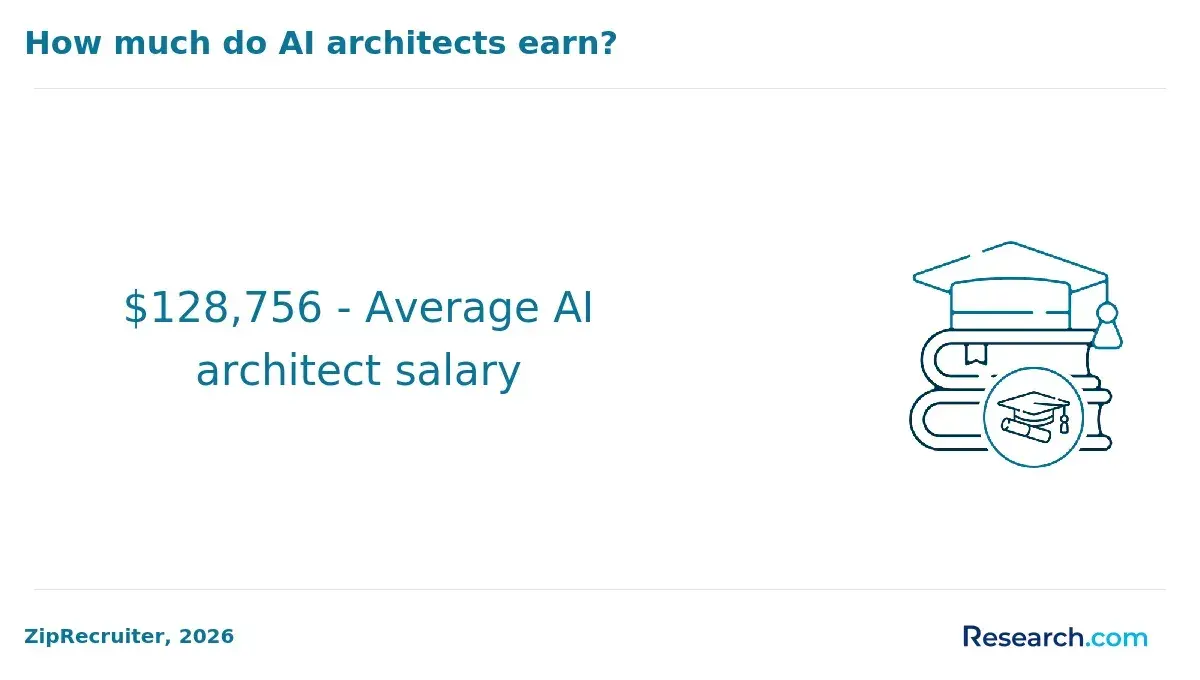
Salary ranges for AI policy and governance professionals in the U.S. vary widely by experience, role, and sector. Entry-level roles typically start around $70,000 annually, while mid-career specialists earn between $100,000 and $140,000. Senior positions, often involving strategic decision-making and regulatory compliance, command salaries from $150,000 to over $200,000. Common job titles include AI policy analyst, governance officer, ethics advisor, and regulatory compliance manager, with pay levels influenced by organization size and industry.
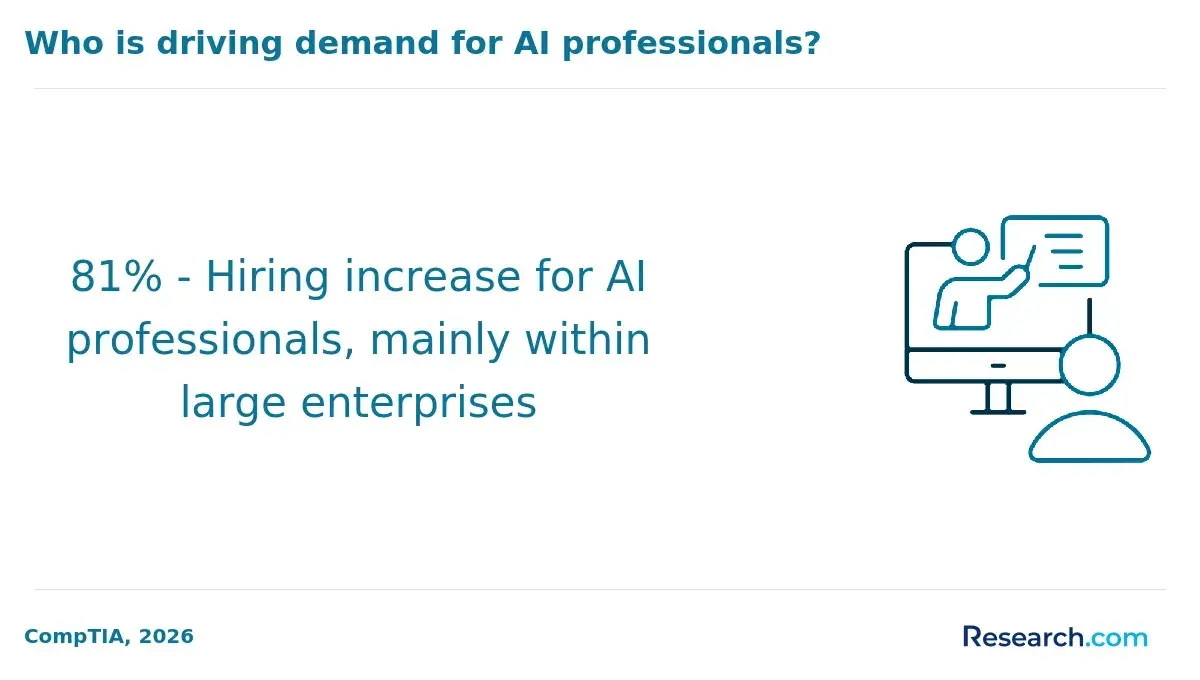
The demand for AI policy experts is driven by rapid AI advancements and growing regulatory focus on ethical use, data privacy, bias mitigation, and accountability. According to a World Economic Forum-PwC survey, 79% of executives deploying generative AI named "insufficient internal AI governance expertise" as a key barrier to scaling. This skills shortage creates strong opportunities for professionals with policy knowledge and technical acumen.
Other Things You Should Know About Artificial Intelligence
The 2027 top online courses in AI policy development typically require a basic understanding of artificial intelligence and policy issues. Some courses may need prior experience or education in technology or public policy. Always check specific course prerequisites before enrolling.
AI policy shapes data privacy laws by setting standards for how data can be collected, stored, and used by automated systems. Effective policies ensure that AI applications comply with privacy protections and prevent misuse of sensitive information, which is critical given AI's reliance on large datasets.
Government regulation establishes legal boundaries for AI usage and development, addressing safety, ethical use, and competitive fairness. Regulators work to balance innovation with protecting public interests, including setting standards for AI transparency, robustness, and mitigating risks associated with autonomous systems.
Yes, AI policy development can help reduce algorithmic bias by promoting guidelines for fair data practices and inclusive design. Policies often encourage audits, accountability measures, and diverse stakeholder involvement to ensure AI systems do not reinforce discrimination or unequal treatment.
References
- How Much Does It Cost to Build an Online Course? https://onedtech.philhillaa.com/p/how-much-does-it-cost-to-build-an-online-course
- AI Governance in Higher Education: A Practical Framework for Institutions in 2026 | Guides | LearnWise https://www.learnwise.ai/guides/ai-governance-in-higher-education
- AI governance salaries 2026: what does the market pay? https://verifywise.ai/blog/ai-governance-salary-report-2026
- Online Course: Artificial Intelligence for Policy Makers https://d4daccess.eu/fr/online-course-artificial-intelligence-for-policy-makers
- AI Policy Creation & Implementation https://www.cmgtraining.com/courses/ai-policy-creation-implementation
- AI+ Policy Maker | AI CERTs | Lumify Work https://www.lumifywork.com/en-au/courses/ai-policy-maker/
- AI Governance in Higher Education: Policies That Enable Innovation https://feedbackfruits.com/blog/ai-governance-higher-education
- Artificial Intelligence in Governance and Policy Design https://govcentre.org/course/artificial-intelligence-in-governance-and-policy-design/
- AI Policies Every Online Institution Should Adopt Before 2027 https://iacde.org/uncategorized/ai-policies-every-online-institution-should-adopt-before-2027/
- Entry Requirements to Study Abroad | Study Group https://students.studygroup.com/admission-support/entry-requirements