2027 Best AI Courses for Compliance Professionals Using Generative AI

Co-Founder and Chief Data Scientist
Compliance professionals face increasing pressure to manage regulatory risks in an environment rapidly transformed by generative AI. Traditional methods of monitoring and enforcement struggle to keep up with automated, complex processes that can generate vast, nuanced data. This gap leads to challenges in ensuring ethical standards, data privacy, and regulatory adherence. Without specialized training, professionals risk falling behind as AI reshapes compliance frameworks. This article explores the best courses designed to equip compliance experts with the skills needed to harness generative AI effectively, ensuring they stay ahead in a dynamic regulatory landscape and maintain robust compliance strategies.
Key Things You Should Know
- Courses integrating generative AI for compliance professionals focus on enhancing risk assessment skills, with recent studies showing a 40% efficiency increase in regulatory reporting accuracy.
- Top programs emphasize ethical AI use and data privacy laws, reflecting a 2025 surge of 60% in compliance-related AI regulatory frameworks across U.S. industries.
- Demand for these courses rose 35% in 2025 as 78% of compliance officers adopted AI tools to manage complex, evolving legal requirements and streamline audits.
Advance Your Career with AI Online Courses
Artificial Intelligence: Implications for Business Strategy
This program provides an introduction to Artificial Intelligence and their implications for business strategy. Earn an official digital certificate.

Oxford Artificial Intelligence Programme
Explore this Oxford Artificial Intelligence programme offered in a flexible learning environment and explore topics like machine learning, automation, and robotics.

Implementing Agentic AI: Building Your Organizational Playbook
This online MIT Agentic AI course offers a practical approach to deploying AI agents in your organization, including a custom playbook. 3 weeks, exclusive launch price.

AI Adoption: Driving Business Value and Impact
This online MIT AI Adoption: Driving Business Value and Impact offers practical frameworks to close the gap between AI potential and business reality.

Artificial Intelligence in Pharma and Biotech
Discover the applications and limitations of artificial intelligence in pharma and biotech with this MIT online short course.

What does an AI course for compliance professionals cover and who should consider it?
AI compliance training modules for professionals focus on integrating generative AI tools into regulatory, risk management, and security operations. Key content covers regulatory frameworks affecting AI use, data privacy, ethical AI practices, and risk assessment tailored to automated compliance systems. Trainees gain practical skills in designing AI-powered monitoring systems that identify policy breaches, automate reporting, and adjust AI models to keep pace with evolving regulations.
Participants also learn to critically evaluate AI outputs to ensure adherence to legal and ethical standards, reducing false positives and negatives in compliance alerts. Training often includes hands-on exercises with AI platforms for improving decision-making in anti-money laundering, fraud detection, and cybersecurity incident response.
Organizations leveraging generative AI applications in compliance roles require professionals who understand both AI capabilities and regulatory demands. Compliance officers, risk managers, legal advisors, and IT staff in regulated industries benefit greatly from specialized AI courses. This is increasingly important as Gartner predicts 70% of organizations will adopt generative AI for compliance and risk workflows by 2027.
Staff transitioning from manual processes to AI-driven compliance need education to mitigate operational risks while enhancing efficiency. Experienced professionals dealing with complex AI integration and interpretation challenges find targeted AI compliance training especially valuable.
Prospective learners interested in what can you do with an applied artificial intelligence degree will discover that gaining AI literacy in compliance roles opens diverse career pathways.
Advance Your Career with AI Online Courses
Artificial Intelligence: Implications for Business Strategy
This program provides an introduction to Artificial Intelligence and their implications for business strategy. Earn an official digital certificate.
Oxford Artificial Intelligence Programme
Explore this Oxford Artificial Intelligence programme offered in a flexible learning environment and explore topics like machine learning, automation, and robotics.
Implementing Agentic AI: Building Your Organizational Playbook
This online MIT Agentic AI course offers a practical approach to deploying AI agents in your organization, including a custom playbook. 3 weeks, exclusive launch price.
How can generative AI be safely used in corporate and regulatory compliance work?
Generative AI can enhance corporate compliance work when integrated with strict governance that ensures transparency, accountability, and data privacy. Compliance professionals focused on safe applications of generative AI in corporate compliance should embed controls to monitor AI outputs for accuracy and bias, ensuring models adhere to legal and ethical standards.
With the EU AI Act expected to regulate 40% of AI systems in financial and corporate sectors by 2026, organizations must prepare for rigorous documentation and risk management processes.
Regulatory compliance best practices with generative AI include:
- Using explainability tools to clarify AI-driven decisions critical for compliance assessments.
- Performing regular audits to detect biased or noncompliant outputs.
- Protecting training data privacy through restricted access and anonymization.
- Incorporating human oversight to review AI-generated materials, especially for regulatory filings and policy documents.
For instance, AI can draft due diligence reports but requires expert validation of facts and legal interpretations. In risk management, AI flags suspicious activity that must be reviewed manually to reduce false positives. All AI-produced documentation should be securely version-controlled to support audit compliance.
Professionals should pursue continuous education in evolving AI regulations and update policies accordingly.
Collaborating with legal and AI ethics experts is crucial to minimizing liability and ensuring generative AI supports compliance goals. For those interested in advancing their knowledge in related fields, exploring the cheapest online engineering degree programs can provide valuable technical foundations.
What types of AI and compliance courses are available, from certificates to graduate programs?
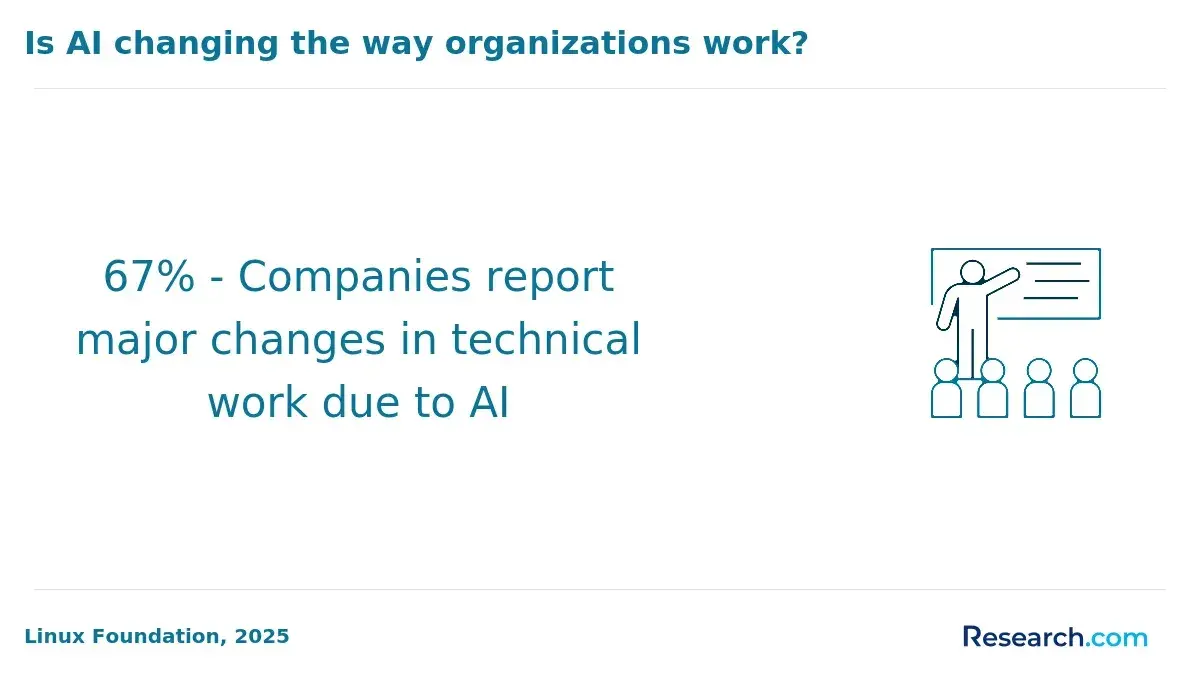
AI compliance certificate programs and graduate degrees in generative AI are increasingly tailored to professionals aiming to master governance and risk management. Certificate programs emphasize practical skills, aligned with key frameworks like ISO/IEC 42001 and the NIST AI RMF. These courses are designed for working professionals who want targeted expertise quickly, covering ethical AI deployment, risk mitigation, and regulatory standards applicable to compliance officers.
More comprehensive graduate programs, including master's degrees focused on AI ethics, law, and policy, offer an interdisciplinary education. Such programs prepare students for leadership by exploring AI technologies alongside legal and regulatory compliance deeply. Many universities now incorporate hands-on labs where students develop AI governance policies or audit AI systems for adherence to regulations.
Hybrid course formats are popular, blending online learning with in-person workshops to enhance practical application of governance frameworks. This format reflects trends from the 2024 Deloitte Risk & Compliance Outlook, which found 63% of compliance leaders prefer AI training that includes governance frameworks over purely technical instruction.
- Short certificates targeting AI governance and compliance frameworks
- Master's programs integrating AI policy, ethics, and regulatory law
- Hybrid courses with hands-on projects on risk and compliance frameworks
- Professional development seminars on AI bias, privacy, and explainability
Professional development courses also target current challenges such as bias mitigation, data privacy, and explainability in AI models, often featuring insights from industry experts and regulators. For those seeking broader educational paths, online masters in data science increasingly offer modules integrating compliance elements with AI training.
How do online AI compliance programs compare with on-campus or hybrid options?
Online AI compliance courses offer unmatched flexibility and accessibility, making them ideal for professionals seeking quick, targeted skill development. These programs often use asynchronous modules that fit diverse schedules without sacrificing the curriculum's depth. Notably, micro-courses in AI ethics, risk, and compliance have seen a 42% rise in corporate spending from 2023 to 2024, reflecting growing demand for short online offerings.
This trend highlights advantages over traditional, lengthier on-campus programs, which require substantial time and geographic commitment and often provide deeper, immersive learning with face-to-face interactions and networking.
Hybrid AI compliance training options blend online convenience with occasional in-person sessions, supporting learners who balance work and study. These formats often incorporate hands-on labs and case studies, enhancing practical application for those needing direct interaction with instructors and peers.
- Faster learning: Online micro-courses enable rapid acquisition of compliance-specific AI knowledge compared to semester-long campus programs.
- Cost savings: Online programs generally reduce costs by eliminating relocation and facility fees.
- Credential value: On-campus and hybrid programs may enjoy greater employer recognition, especially for leadership roles in AI compliance governance.
Choosing among formats depends on career goals, time availability, and professional context. For veterans or others exploring flexible options, the online electrical engineering bachelor degree for veterans exemplifies accessible education paths adaptable to diverse needs.
Which accreditation, regulatory, or industry standards should AI compliance programs meet?
AI compliance programs must align with key regulatory and industry standards to promote ethical, transparent, and accountable use of generative AI technologies. The U.S. Federal Trade Commission (FTC) provides essential frameworks focusing on fairness in automated decision-making. Equally important is adherence to the National Institute of Standards and Technology (NIST) AI Risk Management Framework, which addresses privacy, bias, and cybersecurity risks in AI systems.
Standards like ISO/IEC 42001 guide governance and oversight in AI management, while ISO 27001 ensures robust data privacy and information security. Organizations operating with European data must comply with the EU's General Data Protection Regulation (GDPR), which enforces strict protections and user consent obligations.
AI ethics and governance certifications are increasingly valued, with professionals earning them reported to receive a 21% salary premium, according to the IBM Global AI Governance Survey. This highlights the importance of knowledge about frameworks such as the Algorithmic Accountability Act and AI-related Sarbanes-Oxley provisions for corporate compliance.
Continuous monitoring and audit readiness are critical for compliance, demanding standards around audit trails, explainability, and bias testing. Industries with heightened regulatory focus-like healthcare and finance-also need to adhere to specific rules such as HIPAA and the Dodd-Frank Act, which address AI's impact on risk management and consumer protection.
What core topics and skills are taught in AI courses for compliance professionals?
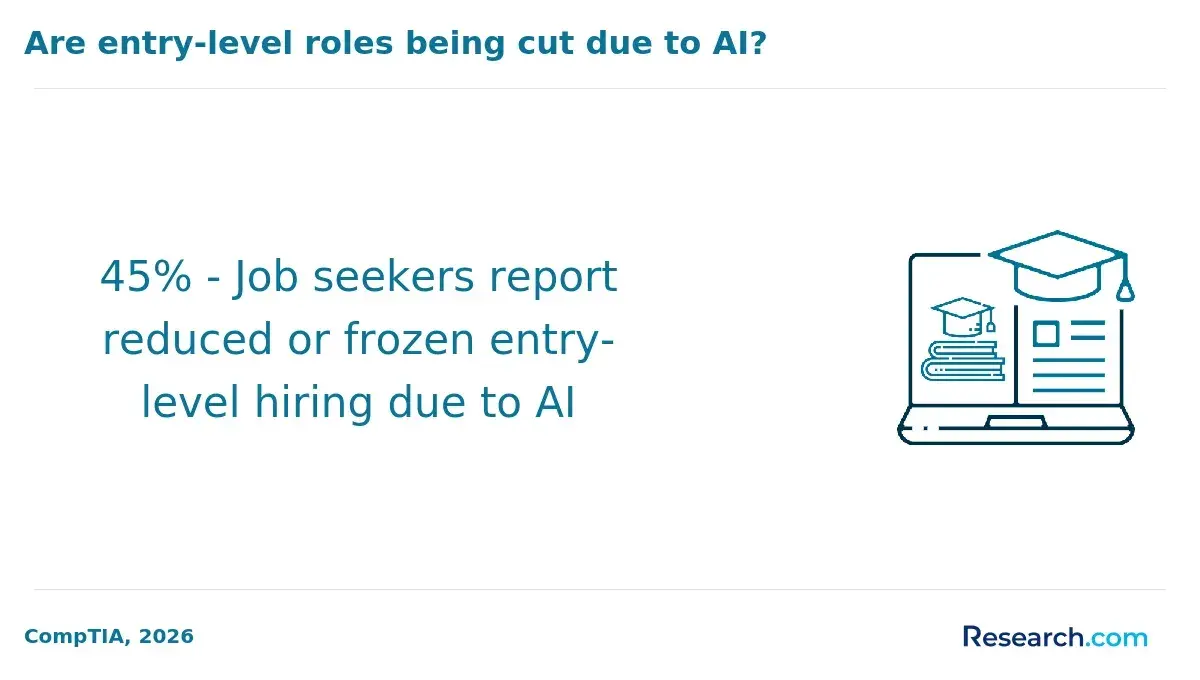
AI courses designed for compliance professionals cover essential topics needed to navigate regulatory and ethical challenges linked to generative AI technologies. These programs build expertise in AI governance frameworks, risk assessment strategies, and compliance monitoring to ensure AI systems follow legal and organizational standards.
Participants learn to interpret key regulations such as the EU AI Act and emerging US AI policies, helping align AI projects with compliance requirements.
Ethical considerations are a major focus, including bias mitigation, transparency, and explainability. Compliance experts develop skills for conducting impact assessments that identify potential harms caused by algorithmic decisions, which is especially important in finance and healthcare sectors.
Courses also introduce AI model fundamentals and data privacy principles, enabling professionals to effectively engage with technical teams.
Practical elements include case studies on AI failures and corresponding regulatory actions, teaching students how to draft AI-specific policies and audit plans. Many curricula also cover tools for ongoing compliance monitoring and reporting, addressing challenges like interpreting complex AI outputs and managing vendor accountability within AI supply chains.
Enrollment data from edX and Coursera shows a 78% growth in university-level AI governance and responsible AI credential programs from 2022 to 2024. More than 50% of participants hail from compliance, legal, or risk roles rather than technical backgrounds, highlighting the increasing role of non-technical professionals in AI risk management.
What are typical admission requirements and prerequisites for AI-focused compliance training?
Admission requirements for compliance training focused on artificial intelligence vary by program level and provider but generally expect foundational knowledge in compliance, risk management, or legal frameworks. Most applicants hold a bachelor's degree or equivalent experience in related fields such as finance, law, IT, or regulatory affairs. Advanced training often requires prior coursework or certifications in data science or machine learning basics.
Prerequisites typically include proficiency in compliance principles and familiarity with regulations like GDPR or CCPA. Technical skills, including basic programming (commonly Python) or AI system design exposure, are often recommended. Non-technical professionals may need to complete introductory AI modules or bridging courses before advancing.
Relevant experience in compliance audits, risk assessments, or policy development strengthens candidacy for specialized courses that integrate generative AI tools into compliance workflows. Some programs also require assessments or resumes to evaluate readiness for advanced AI ethics and compliance training.
Research shows that organizations offering at least 8 hours of structured, affordable AI ethics and compliance training per employee reduce AI-related incidents by 30% compared to those with none or sporadic training. This highlights the importance of consistent education rather than ad-hoc learning.
Applicants should verify course prerequisites on official program sites to ensure they align with career goals and focus areas, whether technical AI skills or regulatory expertise, to effectively address emerging generative AI challenges.
How long do AI compliance programs take, and what tuition and total costs should you expect?
AI compliance programs generally span from 3 to 12 months, with shorter courses (3 to 6 months) emphasizing foundational knowledge and regulatory frameworks. Programs lasting 9 to 12 months or longer often include hands-on projects, case studies, and specialization in generative AI applications within compliance. Many working professionals prefer part-time or hybrid formats that balance steady progress with career commitments.
Tuition fees vary significantly. Entry-level certificates and short courses can range from $1,000 to $3,000, while comprehensive programs from accredited institutions typically cost between $5,000 and $15,000. Advanced or executive certification programs may exceed $20,000.
Additional expenses such as course materials, exam fees, and technology access often apply. Employer tuition subsidies or reimbursement programs can help reduce out-of-pocket costs.
The value of such training is clear: PwC's Global AI Jobs & Skills Survey found that 54% of compliance and risk managers with AI-specific education experienced job growth or promotion within 12 months, compared to just 22% without it.
- Course length: 3 to 12 months
- Tuition range: $1,000 to over $20,000
- Career impact: 54% career advancement within 12 months for trained professionals
Before enrolling, assess your current skillset, time availability, and whether the curriculum addresses generative AI risks, governance, and ethical considerations. Programs offering recognized certification and practical experience can significantly boost readiness for evolving regulations and digital audits.
What careers, roles, and industries can AI compliance training prepare you for?
AI compliance training equips professionals to navigate the intersection of governance, ethics, and regulatory adherence in emerging technologies. Key careers include AI compliance officers, risk managers, data protection specialists, and ethical AI auditors. These roles are vital across industries like finance, healthcare, technology, manufacturing, and government agencies.
For example, compliance officers in finance ensure fairness and transparency in AI-driven credit scoring, while healthcare compliance experts protect patient data and validate AI diagnostic tools.
Industries adopting AI depend on compliance professionals to handle evolving regulations and ethical challenges. Technology firms assign specialists to assess AI risks and prevent bias or legal issues. Manufacturing sectors employ compliance experts to meet safety standards in automation and robotics. Public sector jobs focus on regulating AI in civic services, law enforcement, and social welfare.
- AI roles span entry-level analysts to senior compliance directors and consultants
- Understanding industry-specific AI challenges enhances career prospects
- Practical ethical evaluation and compliance skills are essential
Strong credentials in AI compliance are highly valued in hiring. The World Economic Forum Future of Jobs Report highlights that 72% of large enterprises see AI governance and ethics certifications as a strong positive signal for candidates across all levels.
Prospective professionals should develop skills in regulatory policy, data ethics, AI risk assessment, compliance frameworks, and auditing AI systems.
What salaries and job outlook can AI-trained compliance professionals expect in the U.S.?
AI-trained compliance professionals in the U.S. can earn competitive salaries tied to growing demand for expertise in AI governance and risk management. Entry-level roles typically pay from $75,000 to $95,000 annually. More experienced specialists and compliance officers with AI knowledge earn between $110,000 and $150,000, while senior or managerial positions in large financial institutions, tech firms, or regulatory agencies may exceed $160,000.
The demand for these experts is rising sharply due to increased use of generative AI across industries paired with intensifying regulatory scrutiny. Industry forecasts estimate that global spending on AI governance, risk, and compliance solutions will reach $14 billion by 2030, growing at roughly 32% per year. This points to strong career opportunities for those skilled in AI risk mitigation and compliance frameworks.
Key specializations include developing AI audit methods, interpreting evolving regulations, and implementing risk management strategies. Urban tech and financial hubs-like New York, San Francisco, and Washington D.C.-offer more job openings and higher pay. Professionals with certifications in AI ethics, data privacy, and compliance frameworks stand out and command better salaries.
Staying current with changing regulations and generative AI advancements is essential. Employers increasingly value candidates who blend legal, technical, and ethical expertise to navigate complex AI compliance challenges.
Other Things You Should Know About Artificial Intelligence
Compliance professionals must recognize that artificial intelligence systems can embed bias, leading to unfair or discriminatory outcomes. Transparency and explainability of AI decision-making processes are critical to ensure accountability. Additionally, safeguarding privacy and data security when handling sensitive information is a fundamental ethical concern.
Artificial intelligence enhances regulatory risk management by automating monitoring and detection of compliance violations in large datasets. It enables faster identification of anomalies and patterns that may indicate risk, improving the efficiency and accuracy of compliance oversight. However, professionals must validate AI outputs to avoid false positives or overlooked risks.
Data privacy is paramount in AI-driven compliance applications, requiring strict adherence to regulations like GDPR and HIPAA. Compliance professionals need to ensure that AI systems process personal data lawfully and minimize unnecessary data collection. Implementing data anonymization and secure data storage are standard practices to mitigate privacy risks.
In 2027, the best AI course for compliance professionals using generative AI focuses on practical implementation, ethical practices, and case studies. Institutions like Coursera and edX offer courses by leading universities such as MIT and Stanford, tailored to compliance needs.
References
- Best AI Compliance Courses and Certifications in 2025 https://learnprompting.org/blog/ai-compliance-courses-and-certifications
- The Legal and Compliance Risks of Generative AI https://www.privatecompanydirector.com/the-legal-and-compliance-risks-of-generative-ai/
- EU AI Act Compliance training + certificate - DPO Europe https://data-privacy-office.eu/courses/artificial-intelligence-regulation-the-fundamentals-of-risk-management-personal-data/
- Best AI Compliance Certification Guide 2025: Compare AICP, ISO, IAPP & ISACA https://www.exin.com/article/best-ai-certification-guide-2025/
- qa.com | Top AI Certifications - 2025 | QA https://www.qa.com/en-us/browse/certifications/ai-certifications/
- Generative AI for Regulatory Compliance | TrustArc https://trustarc.com/resource/generative-ai-for-regulatory-compliance/
- How much might AI legislation cost in the U.S.? https://exformation.williamrinehart.com/p/how-much-might-ai-legislation-cost
- Market Analysis of 146 AI Governance Job Postings https://axialsearch.com/insights/ai-governance-jobs/
- Master AI Compliance in 2026 — EU AI Act & NIST https://www.modulos.ai/ai-compliance-guide/
- Hybrid approach – speed and AI compliance in harmony - Banking.Vision https://banking.vision/en/hybrid-approach-ai-compliance/