2027 Best AI Productivity Transformation Courses for Business Leaders

Co-Founder and Chief Data Scientist
Business leaders face growing pressure to integrate AI-powered tools to enhance efficiency and decision-making. Many struggle to identify which productivity transformation courses offer practical skills without demanding extensive prior technical knowledge. Time constraints and rapidly evolving AI applications add complexity to making informed learning choices. This gap often delays strategic innovation and puts organizations at a disadvantage. This article evaluates top AI productivity transformation courses designed for executives and managers. It highlights flexibility, accreditation, and relevance to non-technical professionals, helping readers choose the best programs to accelerate their AI adoption and leadership effectiveness.
Key Things You Should Know
- In 2026, AI productivity courses for business leaders emphasize practical integration of AI tools, with 78% of programs including real-world case studies to enhance strategic decision-making skills.
- Latest curricula focus on ethical AI use and data governance, reflecting growing regulatory demands; 65% of courses incorporate compliance frameworks relevant to U.S. industries.
- Enrollment in AI transformation courses surged by 42% from 2024, driven by business leaders' need to boost efficiency and adaptation to rapid technological change.
Advance Your Career with AI Online Courses
Artificial Intelligence: Implications for Business Strategy
This program provides an introduction to Artificial Intelligence and their implications for business strategy. Earn an official digital certificate.

Oxford Artificial Intelligence Programme
Explore this Oxford Artificial Intelligence programme offered in a flexible learning environment and explore topics like machine learning, automation, and robotics.

Implementing Agentic AI: Building Your Organizational Playbook
This online MIT Agentic AI course offers a practical approach to deploying AI agents in your organization, including a custom playbook. 3 weeks, exclusive launch price.

AI Adoption: Driving Business Value and Impact
This online MIT AI Adoption: Driving Business Value and Impact offers practical frameworks to close the gap between AI potential and business reality.

Artificial Intelligence in Pharma and Biotech
Discover the applications and limitations of artificial intelligence in pharma and biotech with this MIT online short course.

What are the best AI productivity transformation courses for business leaders?
Business leaders seeking AI productivity courses for business leaders should focus on programs that combine practical strategy, leadership development, and technology integration. Top executive education tracks from renowned institutions such as MIT Sloan, Stanford, and Wharton emphasize how to implement generative AI to improve decision-making, automate workflows, and foster innovation across teams. According to Deloitte's 2024 global survey of 2,835 executives, 79% expect generative AI to transform their organizations within three years, yet only 22% feel their leadership is fully prepared to deploy it effectively, highlighting the need for targeted education.
The best online AI transformation programs for executives often include:Assessment of AI readiness and transformation roadmapsFrameworks for ethical AI deployment and risk managementPractical use cases in finance, marketing, and operationsStrategies for building a data-driven cultureOnline platforms like Coursera and edX provide flexible courses with real-world projects tailored for busy executives. Additionally, specialized bootcamps cover tools such as ChatGPT and Microsoft Azure AI, enabling leaders to grasp technical capabilities without coding expertise.
Choosing the right program depends on your industry and digital maturity. Effective courses offer:
- Case studies with measurable business outcomes
- Networking opportunities with peers facing similar AI transformation challenges
- Training on leading organizational change driven by AI adoption
Those aiming to close the leadership readiness gap must combine technical understanding with strategic skills to ensure AI initiatives succeed at scale. For further insight into AI educational paths, explore what is applied artificial intelligence.
Advance Your Career with AI Online Courses
Artificial Intelligence: Implications for Business Strategy
This program provides an introduction to Artificial Intelligence and their implications for business strategy. Earn an official digital certificate.
Oxford Artificial Intelligence Programme
Explore this Oxford Artificial Intelligence programme offered in a flexible learning environment and explore topics like machine learning, automation, and robotics.
Implementing Agentic AI: Building Your Organizational Playbook
This online MIT Agentic AI course offers a practical approach to deploying AI agents in your organization, including a custom playbook. 3 weeks, exclusive launch price.
How do AI leadership courses improve business productivity?
AI leadership courses significantly boost business productivity by equipping leaders with the skills needed to apply AI tools strategically. This accelerates decision-making and operational efficiency by focusing on high-impact AI applications tailored to specific business challenges. Leaders learn to automate routine tasks, enhance data-driven insights, and optimize resource use, directly influencing the impact of AI-driven leadership training on organizational efficiency.
Structured AI training goes beyond mere tool adoption, teaching leaders to transform workflows and business models. It covers AI ethics, risk management, and change leadership to reduce resistance and maintain team alignment. For example, leaders skilled in AI-driven customer behavior analysis can quickly refine marketing strategies, improving conversion rates and customer retention.
Research shows that companies investing in formal gen-AI upskilling realize productivity gains 30-40% faster than those deploying AI without structured training, shortening trial-and-error cycles and boosting ROI. These courses also foster cross-functional collaboration by creating a shared language for interpreting AI outputs, helping bridge gaps between technical teams and business units to avoid misaligned goals.
These programs prepare professionals to compete in increasingly AI-driven markets by combining informed strategy, ethical oversight, and effective team management. For those interested in expanding their technical education alongside AI leadership, an engineering online degree can be a valuable complement to AI expertise.
What should business leaders look for in an AI course?
Business leaders prioritizing AI-driven business strategy development courses should focus on programs that deliver practical skills for immediate implementation. Effective curricula emphasize generative AI applications, automation, and data-driven decision-making, supported by real-world case studies. For example, Boston Consulting Group's study with 758 consultants revealed generative AI users completed tasks 25% faster and achieved work quality rated 40% higher.
Look for courses offering hands-on exercises with popular AI platforms to build true competence beyond theory. A solid program includes frameworks addressing AI risks, ethics, and compliance, essential for safeguarding organizations. Practical applications of artificial intelligence for business leaders demand integration techniques with existing systems and strategies to handle change management challenges brought by AI adoption.
Flexible learning formats-such as blended or asynchronous modules paired with live Q&A-support busy professionals. Industry-recognized certification can validate proficiency to peers and stakeholders. Instructor expertise, especially from experienced practitioners or researchers tied to business applications, enhances learning value.
Ensure the course provides tools to measure AI impact post-implementation, promoting accountability and strategic insight. For those exploring cybersecurity integration with AI skills, consider reviewing cybersecurity programs that complement AI knowledge for broader competitive advantage.
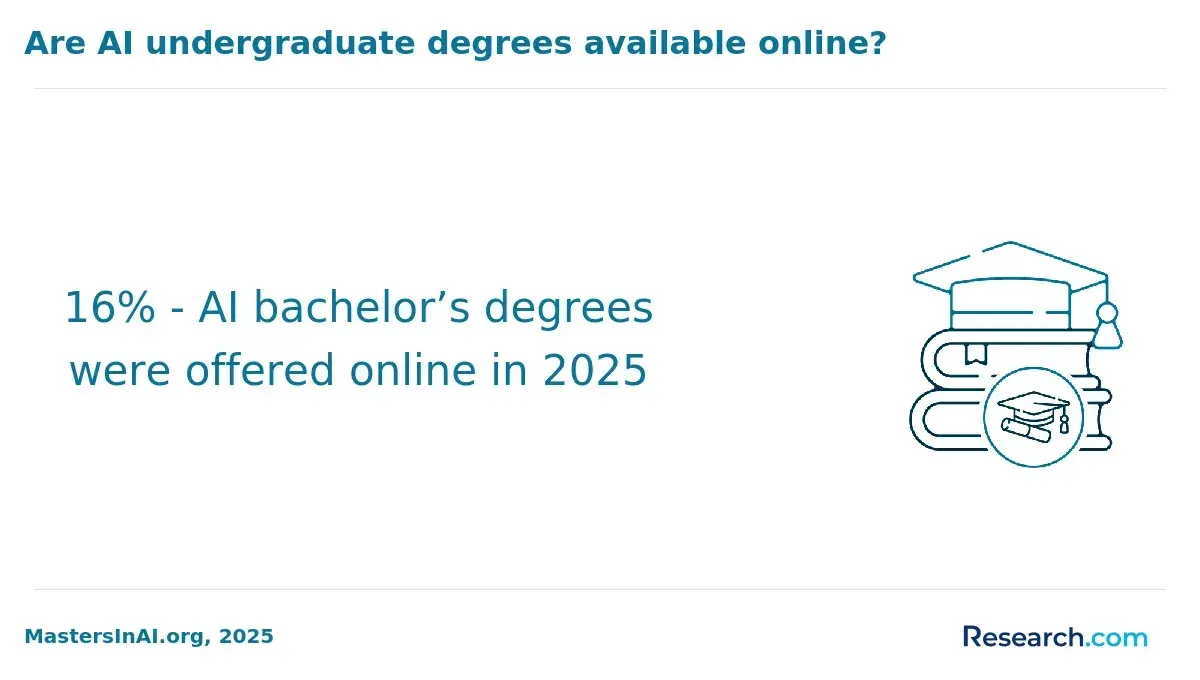
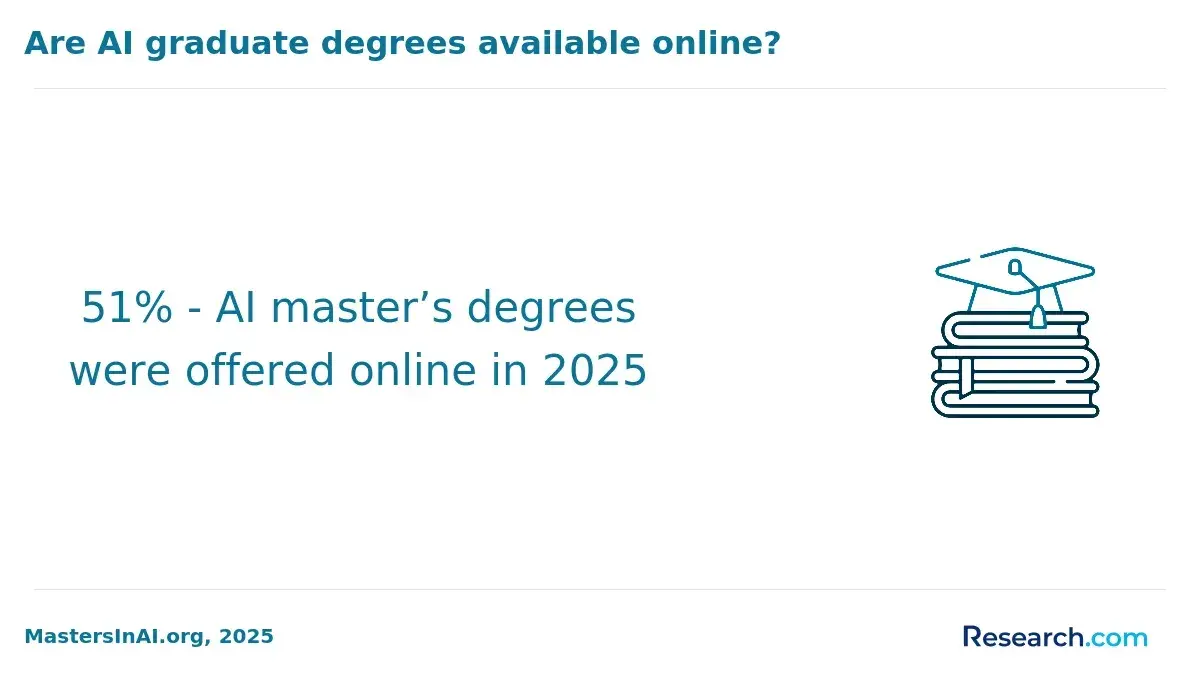
Are online AI courses better than campus programs?
Online AI courses offer several benefits tailored for business leaders needing flexibility amid demanding schedules. They enable participants to access lectures and assignments anytime, supporting a balance between work and skill development. This flexibility is crucial given PwC's finding that only 36% of middle managers currently have adequate AI skills, despite 73% of CEOs prioritizing AI strategically. Such online AI courses vs campus programs for business leaders highlight the value of adaptable learning paths.
Cost efficiency is a significant advantage of online AI training for business executives. By eliminating commuting, housing, and campus fees, these programs reduce barriers to advanced education. Many also deliver modular content focused on key business applications like predictive analytics or AI-driven marketing, offering precise skills faster than broader campus curricula. For example, professionals might pursue specific modules like natural language processing without committing to full degree programs.
On the other hand, campus programs provide in-person networking, hands-on labs, and direct faculty access that some learners find essential for deeper AI understanding and peer collaboration. Yet, virtual classrooms and AI-powered collaboration tools are increasingly bridging these gaps.
Choosing the right format depends on individual learning style, goals, and time. Those seeking immediate, practical AI skills for business transformation may prefer online paths, while others aiming for comprehensive foundational knowledge might look to campus programs. For veterans exploring education options, resources such as electrical engineering degree online for veterans can also offer valuable insight.
What topics are covered in AI productivity courses?
AI productivity courses for business leaders focus on essential technologies such as machine learning, natural language processing, and data analytics. These courses equip leaders to use AI for automating routine tasks, improving decision-making, and optimizing workflows. A strategic approach to integrating AI into existing business processes is emphasized, helping identify high-impact areas and design AI-driven solutions.
Ethical considerations, including bias, transparency, and compliance, form a key part of the curriculum. Leaders learn governance frameworks to meet legal and social responsibilities, maintaining trust and protecting brand reputation.
Practical skills taught include data literacy for interpreting AI outputs and managing data quality. Hands-on experience with AI platforms enables leaders to effectively oversee AI projects and collaborate with technical teams. Change management modules prepare leaders to handle employee reskilling and cultural shifts linked to AI adoption.
Use cases such as AI in customer experience, supply chain optimization, and predictive analytics showcase diverse applications that reduce response times and operational costs. According to the World Economic Forum's 2024 Future of Jobs report, roles involving AI and big data are expected to grow by 30-35% by 2028, with up to 44% of core skills disrupted by AI technologies. This highlights the urgent need for leaders to develop relevant AI skills to navigate evolving workplaces.
What admission requirements do AI leadership programs have?
Applicants to AI leadership programs typically need a bachelor's degree from an accredited institution, often in business, technology, or related areas. Preference is given to candidates with three to five years of professional experience in management or tech roles, ensuring they possess foundational leadership skills and some familiarity with AI concepts.
Standardized test scores like the GRE or GMAT are becoming less common, especially for mid-career professionals. Admissions often emphasize practical experience and measurable impact in AI-related projects-for instance, leading digital transformation efforts or overseeing AI implementations can offer an advantage.
Technical requirements vary: some programs expect knowledge of data analytics, programming, or machine learning, while others prioritize strategic leadership and business acumen. In some cases, completing preparatory courses before starting the core curriculum is necessary.
Recommendation letters usually come from supervisors or colleagues familiar with the applicant's leadership potential in AI initiatives. Certifications in AI tools or management methodologies can further strengthen applications.
According to McKinsey's 2024 State of AI report, organizations with advanced AI adoption are 2.8 times more likely to report at least a 20% EBIT improvement. This highlights the value of leaders who combine technical understanding with strategic vision to maximize AI's business impact.
How long do AI productivity courses usually take?
AI productivity courses for business leaders vary widely in duration and content, typically ranging from a few hours to several weeks. Shorter programs, often 4 to 8 hours, provide foundational skills and practical strategies for integrating generative AI tools into existing business workflows. These may be delivered as 1- or 2-day workshops covering key AI concepts and popular software applications.
Intermediate courses aimed at managers generally last 2 to 4 weeks, with 15 to 30 hours of structured lessons. These offer deeper insights, including hands-on projects, change management approaches, and ethical considerations around AI deployment. Many combine asynchronous videos with live sessions to reinforce real-world application and problem-solving.
Comprehensive programs or executive tracks extend from 6 to 12 weeks and often require 40 to 60 hours. They emphasize strategic frameworks for AI transformation, risk management, and leadership in AI adoption. Addressing organizational change is critical, as 75% of knowledge workers use generative AI but over half hesitate to inform managers due to unclear guidance, according to Microsoft and LinkedIn's 2024 Work Trend Index. Longer courses allow necessary time for mindset shifts and implementation planning.
When selecting a course, consider your current AI familiarity, team readiness, and the level of change management support to ensure effective AI productivity transformation.
How much do AI business leader courses cost?
AI business leader courses vary widely in cost, typically ranging from $500 for short workshops to over $5,000 for comprehensive certificate programs through universities or professional institutes. Weekend executive courses usually cost between $800 and $1,200, focusing on quick skill development. Longer executive certificates, often blended or online, can run from $3,000 to $5,500. Corporate training, especially custom-designed programs, may cost significantly more due to tailored content and personalized coaching.
According to the World Economic Forum's 2024 data, 84% of organizations plan to invest in training employees in AI and big data over five years, making it the top prioritized skill area globally. This trend encourages more accessible and diverse pricing options to accommodate various budgets.
Consider the course format when evaluating costs-online courses often cost 30-50% less than in-person options but can offer comparable quality. Many platforms also use tiered pricing depending on access to faculty or networking events. Financial aid and employer sponsorships can further reduce expenses.
Focus on curriculum relevance and practical application rather than just price. Courses with case studies on AI strategy or ethics tend to command higher fees due to specialized expertise. Many programs include project-based learning to help leaders apply AI-driven transformation effectively.
What careers can AI productivity training lead to?
AI productivity training opens diverse career paths across business, technology, and compliance sectors. Many roles require expertise in AI integration and management as companies strive to operationalize AI effectively. Key positions include AI project managers who oversee adoption strategies, ensuring alignment with corporate goals and workflow optimization. Business analysts with AI skills interpret data-driven insights, enhancing decision-making and operational efficiency.
Experts in AI governance, risk, and compliance are increasingly essential. According to IBM's Global AI Adoption Index, 61% of enterprises identify skill gaps in these areas as major barriers to AI scaling, while only 27% have formal training for business leaders. This creates demand for compliance officers and risk managers specialized in AI ethics, regulation, and policy development to mitigate legal and operational risks.
Other important roles include AI product managers who design and improve AI-powered tools in collaboration with engineering teams. AI strategists and transformation consultants guide organizations through AI-driven change tailored to industries like finance, healthcare, and retail. Meanwhile, data scientists and machine learning specialists remain vital, but business leaders trained in AI productivity gain a competitive edge by bridging technical expertise with strategic goals.
These careers favor professionals capable of leading AI initiatives that balance technological advances with compliance and ethics. Success demands critical thinking, cross-functional collaboration, and continuous learning to sustain effective AI governance and innovation.
What certifications help validate AI leadership skills?
Certifications that validate AI leadership skills combine strategic, technical, and ethical expertise needed to lead AI initiatives effectively in business environments. Notable credentials include the AI Leadership Professional Certificate from institutions like MIT Sloan School of Management, which emphasizes AI strategy, governance, and transformation. The Certified Artificial Intelligence Leader (CAIL) by the Global Association for AI Ethics and Standards focuses on responsible AI adoption and regulatory compliance.
Technical leadership is also reflected in certifications such as the Microsoft Certified: Azure AI Fundamentals and Google Professional Machine Learning Engineer. These programs build a foundation in AI technologies while preparing leaders to leverage insights for informed decision-making.
Specialized programs like AI for Business Leaders from INSEAD train professionals to integrate AI into business models with emphasis on change management and measuring return on investment. Such certifications assist hiring managers in evaluating candidates who can turn AI capabilities into tangible business value.
LinkedIn's 2024 Global Talent Trends report reveals that jobs requiring generative AI expertise command salaries averaging 32% higher than similar roles without these skills, highlighting the increasing market value of AI fluency combined with leadership.
- Prioritize AI leadership certifications blending strategy, ethics, and risk management.
- Focus on programs that address challenges like data bias, interpretability, and organizational change.
- Combine AI knowledge with business acumen to lead AI-driven projects responsibly.
Other Things You Should Know About Artificial Intelligence
In 2027, top AI productivity transformation courses for business leaders include "AI Strategies for Business Leaders" at MIT, "AI Leadership and Innovation" by Coursera, and Harvard Business School's "AI in Business: Strategic Impact and Opportunities." These courses provide insights on integrating AI into business strategies effectively.
Artificial intelligence enhances decision-making by providing data-driven insights and predictive analytics. It allows leaders to identify patterns and trends faster than traditional methods, improving accuracy and efficiency. However, human oversight remains essential to interpret AI outputs and make informed strategic choices.
Businesses often encounter challenges such as data quality issues, lack of skilled personnel, and integration difficulties with existing systems. Additionally, aligning AI applications with organizational goals and managing change among staff can pose significant obstacles. Addressing these challenges requires careful planning and continuous evaluation.
Artificial intelligence is transforming the workplace by automating repetitive tasks and augmenting human capabilities. This leads to increased productivity but also necessitates workforce reskilling and upskilling. The future of work will involve collaboration between humans and AI systems, emphasizing adaptability and continuous learning.
References
- 10 best AI business courses for those who lead in 2026 | The Jotform Blog https://www.jotform.com/ai/ai-courses-for-business-leaders/
- How long will the courses take? https://www.elementsofai.lu/faq/how-long-will-the-courses-take-1
- Artificial Intelligence (AI) for Productivity https://www.sait.ca/continuing-education/courses-and-certificates/courses/artificial-intelligence-for-productivity
- Choosing the Right AI Course for Business Leaders https://www.tsa-bildung.de/en/blog/choosing-the-right-ai-course-for-business-leaders
- How AI is challenging the credibility of some online courses https://theconversation.com/how-ai-is-challenging-the-credibility-of-some-online-courses-264851
- Artificial intelligence executive education programs | edX https://www.edx.org/executive-education/artificial-intelligence
- What Jobs Will AI Replace? | Built In https://builtin.com/artificial-intelligence/ai-replacing-jobs-creating-jobs
- AI Training to Grow Your Career | Google https://grow.google/ai
- Transformative AI Strategy for Business Leaders Course https://upskilldevelopment.com/transformative-ai-strategy-for-business-leaders-course
- 11 AI certifications to grow your career https://www.cio.com/article/4175403/11-ai-certifications-to-grow-your-career.html