2027 Best LinkedIn Learning Executive AI Courses

Co-Founder and Chief Data Scientist
Professionals aiming to transition into the AI field often face barriers such as lack of relevant skills and difficulty finding credible, flexible learning options. Many struggle to identify courses that balance foundational knowledge with executive-level insights while fitting into busy schedules. This gap slows career pivots, especially for those from unrelated backgrounds seeking practical expertise quickly. Addressing these challenges requires targeted learning resources that combine quality content with adaptable formats and recognized credentials. This article reviews top LinkedIn Learning executive AI courses, highlighting how they equip learners with advanced skills and strategic understanding to facilitate successful career shifts.
Key Things You Should Know
- LinkedIn Learning's 2026 executive AI courses emphasize strategic applications, with 72% of professionals reporting improved decision-making after completion.
- Courses integrate the latest AI trends from 2024 and 2025, including generative AI and ethical leadership in AI deployment.
- Programs typically require 8-12 hours, designed for executives seeking practical skills to lead AI-driven transformation in diverse industries.
Advance Your Career with AI Online Courses
Artificial Intelligence: Implications for Business Strategy
This program provides an introduction to Artificial Intelligence and their implications for business strategy. Earn an official digital certificate.

Oxford Artificial Intelligence Programme
Explore this Oxford Artificial Intelligence programme offered in a flexible learning environment and explore topics like machine learning, automation, and robotics.

Implementing Agentic AI: Building Your Organizational Playbook
This online MIT Agentic AI course offers a practical approach to deploying AI agents in your organization, including a custom playbook. 3 weeks, exclusive launch price.

AI Adoption: Driving Business Value and Impact
This online MIT AI Adoption: Driving Business Value and Impact offers practical frameworks to close the gap between AI potential and business reality.

Artificial Intelligence in Pharma and Biotech
Discover the applications and limitations of artificial intelligence in pharma and biotech with this MIT online short course.

What is an executive AI course on LinkedIn Learning and who are these programs for?
An executive artificial intelligence training on LinkedIn Learning offers senior leaders and decision-makers essential skills to implement and govern AI strategies in their organizations. These targeted courses emphasize practical applications, governance, ethical considerations, and the strategic impact of AI technologies, focusing on how AI supports business transformation, risk management, and regulatory compliance.
Designed mainly for CEOs, COOs, CTOs, and other C-suite executives who often lack deep technical backgrounds, these programs also benefit mid-level managers preparing for leadership roles and board members overseeing organizational strategy. For instance, courses may explore generative AI's role in enhancing product development workflows or optimizing customer engagement while addressing ethical challenges.
Such training sharpens abilities to interpret AI project results, align AI initiatives with corporate goals, and prepare teams for adoption challenges. This is vital given that a 2025 Gartner survey found 79% of CEOs see generative AI as a top strategic priority by 2027, yet only 24% believe their leadership teams are ready to govern it effectively. LinkedIn Learning's executive AI courses provide frameworks and case studies to bridge this readiness gap, enabling confident, responsible leadership in AI integration.
Prospective students interested in deepening their understanding of AI and leadership might also consider a computer science accelerated program to complement their executive AI education. These offerings represent some of the best LinkedIn courses for AI executives seeking to stay ahead in an evolving digital landscape.
Advance Your Career with AI Online Courses
Artificial Intelligence: Implications for Business Strategy
This program provides an introduction to Artificial Intelligence and their implications for business strategy. Earn an official digital certificate.
Oxford Artificial Intelligence Programme
Explore this Oxford Artificial Intelligence programme offered in a flexible learning environment and explore topics like machine learning, automation, and robotics.
Implementing Agentic AI: Building Your Organizational Playbook
This online MIT Agentic AI course offers a practical approach to deploying AI agents in your organization, including a custom playbook. 3 weeks, exclusive launch price.
How can LinkedIn Learning executive AI courses advance leadership and executive careers?
LinkedIn Learning executive leadership artificial intelligence courses equip professionals with advanced skills for executive career growth with AI training by focusing on integrating AI into strategic decision-making and digital transformation. These courses teach executives how to leverage AI-driven data analysis to identify market trends faster and use AI-powered automation to optimize operations and reduce costs, helping leaders maintain a competitive edge.
Executives benefit from up-to-date content tailored for busy schedules, evidenced by a 60% year-over-year increase in enrollments for AI-related courses. In particular, "AI for leadership and strategy" courses showed a 160% rise in learner hours, reflecting strong engagement and practical application in leadership roles.
This training enhances leadership agility by covering AI vendor evaluation, cross-functional project management, and fostering an AI-literate culture. Topics like ethical AI governance and risk management prepare executives to handle regulatory and societal challenges effectively, positioning them as forward-thinking strategists who inspire data-driven innovation.
For those exploring further education paths, options like the cheapest online industrial engineering degree can complement AI skills with strong technical foundations, broadening career prospects in technology-driven industries.
Ultimately, LinkedIn Learning's executive AI offerings enhance career value by aligning skill development with current industry demands and preparing leaders for future challenges.
Which LinkedIn Learning executive AI courses are best for business and non-technical leaders?
LinkedIn Learning offers executive artificial intelligence courses for business leaders that focus on strategic and leadership aspects rather than technical skills. The best AI courses on LinkedIn Learning for non-technical executives include "AI Foundations for Business Leaders," which introduces AI concepts with relatable case studies, and "AI Strategy for Business Leaders," designed to help executives embed AI into organizational strategies.
These programs emphasize creating an "AI-first" mindset, essential for executives leading AI-driven transformations. According to McKinsey's Global Survey, organizations with leaders who model this mindset are 3.5 times more likely to achieve over 10% revenue growth from AI initiatives. Such courses also cover ethical AI use, preparing leaders to manage AI risks and drive innovation responsibly.
Practical learning modules guide executives through real-world business cases, addressing how AI impacts customer experience, supply chain management, and workforce dynamics. They offer frameworks that enable collaboration between business and technical teams, improving cross-functional communication and implementation.
For professionals exploring new career opportunities or continuing education, those interested in tech-related fields may find programs at game design schools online relevant, demonstrating the growing integration of AI in diverse industries.
Overall, LinkedIn Learning's offerings equip non-technical leaders with the strategic insights, ethical guidance, and leadership skills needed to harness AI's full business potential.
How do executive AI courses compare with university certificates and MBA concentrations in AI?
Executive AI courses provide focused, practical training tailored to organizational leadership, unlike university certificates and MBA concentrations that emphasize broader theoretical frameworks. These executive programs prioritize the immediate application of AI strategy in business, addressing a gap highlighted by the AI for Organizational Leaders program from Microsoft and LinkedIn: 75% of leaders fear losing competitive advantage without AI adoption within two years, yet 60% lack a clear AI vision.
Compared to mba concentrations in AI, which embed AI learning within a broader curriculum and typically require longer commitments, executive courses offer concise, strategy-driven content ideal for decision-makers needing quick implementation. They often cover AI governance, ethical concerns, and integration into existing business models to drive faster organizational impact.
University certificates usually provide deep technical knowledge suited for specialized roles but often lack emphasis on leadership skills needed for enterprise-wide transformation. Executive AI courses focus on strategic thinking and managing AI-driven change and are better suited for senior managers, directors, and C-suite executives.
Prospective students weighing executive ai courses versus university certificates should consider their career goals and desired speed of learning. For a broader technical foundation with career flexibility, university certificates or MBA paths are suitable. Additionally, professionals interested in advanced study may explore an online data science doctorate for deeper expertise and research opportunities.
What skills, tools, and AI concepts do top executive courses on LinkedIn Learning actually teach?
Top executive courses on LinkedIn Learning equip leaders with essential skills to integrate artificial intelligence effectively into business strategies. These programs cover generative AI technologies, machine learning fundamentals, and advanced data analytics, enabling executives to leverage AI's potential in innovation and maintaining a competitive edge. Key competencies include strategic decision-making aided by AI insights, managing cross-functional AI initiatives, and interpreting AI-driven predictive models.
Courses introduce practical tools like TensorFlow, Azure AI, and Google Cloud AI, along with executive dashboards to monitor AI project outcomes. Case studies illustrate AI's transformative impact across industries such as finance, healthcare, and retail-for instance, natural language processing automates customer engagement while computer vision improves quality control.
Building an AI-literate culture is emphasized, with executives learning to sponsor AI projects and align AI capabilities with business goals. According to Boston Consulting Group's 2025 Generative AI in Business report, organizations with engaged executive sponsorship of AI initiatives are 2.9 times more likely to realize positive returns on investment. Leadership engagement and measurable outcomes are core course themes.
Additionally, executives develop expertise in change management and risk mitigation specific to AI adoption, addressing cybersecurity and regulatory challenges. This combination prepares leaders to drive AI-enabled growth confidently and strategically.
How should executives choose the right LinkedIn Learning AI course for their industry and role?
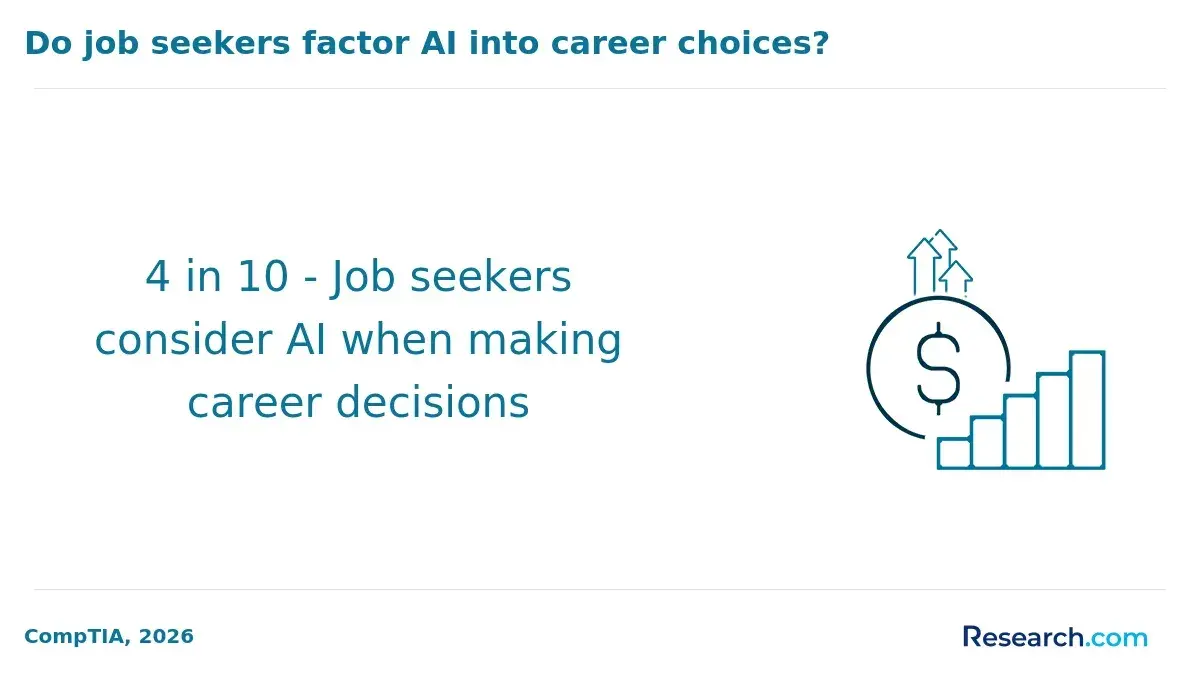
Executives selecting LinkedIn Learning AI courses should focus on applications relevant to their industry and role. For instance, healthcare leaders might prioritize AI-driven diagnostics and patient data management, while finance executives focus on AI for fraud detection and risk assessment. Aligning courses with practical industry challenges ensures the knowledge gained is actionable.
Course depth is crucial: strategic roles require coverage of AI governance, ethics, and organizational change. A Deloitte study noted 78% of organizations accelerated AI deployments recently, yet only 28% have formal AI governance with executive accountability, underscoring the need for ethical and policy-focused training.
Evaluating instructor credentials and course delivery is important. Courses featuring case studies or simulations reflecting current market conditions provide practical insights. Those managing technical teams might combine fundamentals with leadership, while C-suite leaders should seek AI strategy integration and risk management training.
Practical factors such as course duration, flexibility, and content updates matter given AI's rapid evolution. Certifications recognized within industries boost credibility and support career advancement.
- Identify courses targeting your specific AI application needs
- Prioritize governance and ethical frameworks alongside technical skills
- Choose programs featuring real-world case studies and qualified instructors
- Consider course flexibility and recognized certifications for ongoing learning
Selecting courses by these standards enables executives to bridge knowledge gaps, lead responsible AI adoption, and meet rising leadership accountability demands.
How do LinkedIn Learning executive AI courses integrate with professional certifications and microcredentials?
LinkedIn Learning offers executive AI courses that enhance professional certifications and microcredentials by focusing on targeted skills linked to industry-recognized credentials. These courses help learners develop expertise in data-driven decision making, machine learning applications, and AI strategy. For instance, many prepare executives for certifications like the Certified Analytics Professional (CAP) as well as microcredentials in AI ethics and governance, integrating theoretical knowledge with practical use.
This approach enables professionals to gain applicable skills while fulfilling continuing education requirements. Emphasizing executive-level topics such as analytics for leadership and strategic AI implementation keeps credential holders aligned with evolving industry standards.
Executives benefit from real-world scenarios like leveraging AI analytics to improve business outcomes. According to PwC's 2024 AI Jobs Barometer, leaders in AI-intensive companies are five times more likely to influence strategic decisions through data analytics, with those firms achieving up to 25% higher productivity growth.
LinkedIn Learning's flexible courses allow blending microcredentials with formal certifications tailored to career goals. For example, executives can earn microcredentials in AI governance alongside broader certificates in data science leadership, validating skills while demonstrating commitment to AI proficiency and innovation.
What are typical time commitments, learning formats, and costs for executive AI training on LinkedIn?
LinkedIn Learning offers executive AI training that fits into busy schedules with typical course durations ranging from 2 to 10 hours. These courses feature modular video lessons lasting 5 to 15 minutes each, allowing professionals to learn flexibly and incrementally. Some programs include additional case studies and real-world examples, extending learning time up to 15 hours to deepen practical understanding.
The learning format is primarily self-paced videos paired with downloadable resources such as quizzes, practice exercises, and slide decks. While some courses have discussion boards, live instructor sessions are uncommon. This approach suits executives seeking actionable AI insights, including topics like AI strategy, ethical considerations, and business transformation through AI.
Subscription to LinkedIn Learning costs around $29.99 per month or $239.88 annually, granting unlimited course access. This is significantly more affordable than specialized AI programs that often cost thousands of dollars. Many organizations also provide LinkedIn Learning access to their executives, reducing individual expenses.
Effective AI leadership is crucial, as highlighted in Accenture's AI: Built to Scale study, which found that companies led by AI-savvy executives are 2.6 times more likely to succeed in scaling AI initiatives. Investing manageable time in LinkedIn Learning can enhance strategic leadership in AI adoption and support career growth in technology-driven environments.
How do employers, universities, and hiring managers view LinkedIn Learning executive AI credentials?
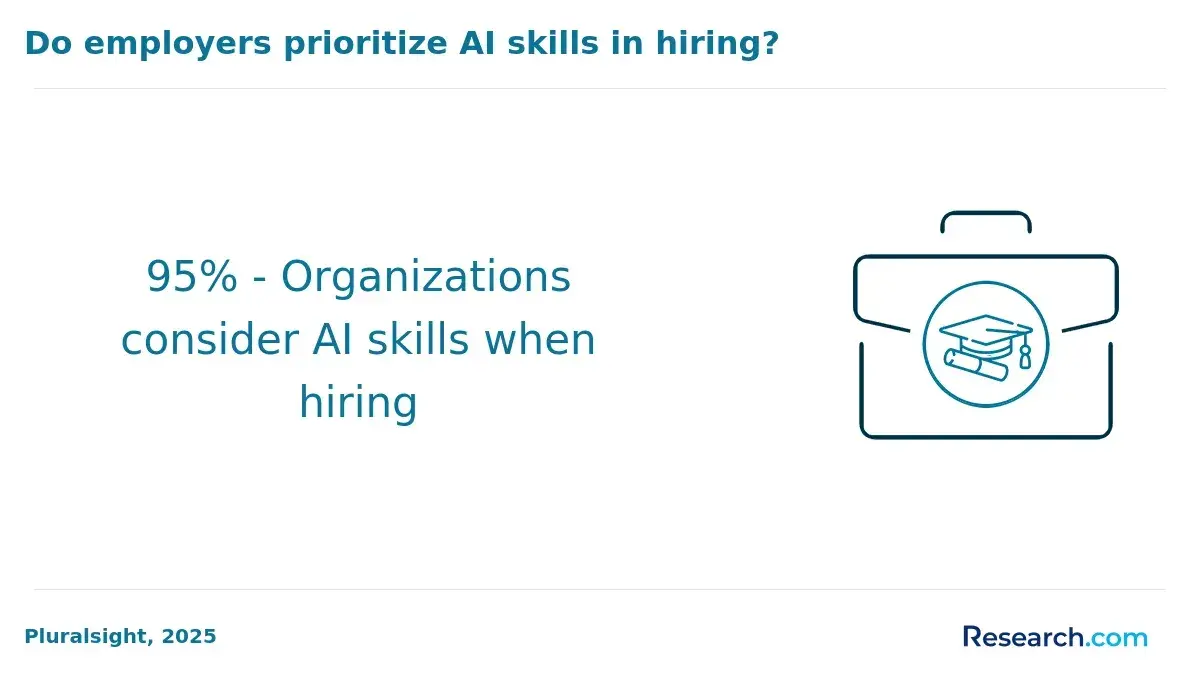
LinkedIn Learning executive AI credentials are increasingly valued by employers, universities, and hiring managers as proof of leadership skills in artificial intelligence strategy and execution. These credentials highlight the ability to connect technical AI insights with business objectives, a crucial skill for senior roles overseeing AI projects with strategic and cross-functional demands.
IBM's Global AI Adoption Index reveals a 35% median improvement in time-to-value for AI initiatives when managers receive focused AI leadership training. This improvement underpins why organizations prioritize these credentials when hiring-they correlate with faster project delivery and stronger alignment of AI efforts with business goals.
Universities integrating these credentials into curricula see them as evidence of readiness for AI-driven leadership roles. Hiring managers often distinguish candidates with LinkedIn Learning executive AI credentials, recognizing their preparedness for AI project management, strategy, and innovation leadership over those without formal AI leadership training.
Key advantages include:
- Demonstrating practical knowledge of AI beyond technical coding
- Validating leadership-specific AI capabilities to shorten learning curves
- Enhancing communication between technical teams and business units
For prospective students and professionals, these credentials represent an investment in skills that advance AI integration and deliver measurable organizational impact, increasing competitiveness in the dynamic AI job market.
How can learners build a long-term AI education pathway beyond LinkedIn Learning executive courses?
Learners seeking to develop long-term expertise in artificial intelligence should adopt a multi-faceted approach that goes beyond executive courses like those offered on LinkedIn Learning. The World Economic Forum's 2025 Future of Jobs data projects a 44% rise in AI literacy needs among managers and executives by 2030, while 62% of employers plan to prioritize AI-related training for leaders within the next three years. This underscores the need for continuous, structured learning.
To build strong AI capabilities, professionals can:
- Enroll in advanced workshops or certifications from reputable institutions such as MIT, Stanford, or IBM to master machine learning, data ethics, and AI strategy.
- Attend industry conferences and webinars focused on emerging AI applications relevant to their sectors to stay informed about new trends and real-world uses.
- Participate in AI-focused leadership forums and professional groups for networking and peer learning about practical AI challenges.
- Develop interdisciplinary skills by linking AI knowledge with business analytics, change management, and digital transformation to improve adoption and implementation.
- Gain hands-on experience through engagement with open-source platforms and AI communities to better understand technical aspects of AI deployment.
This approach helps executives acquire foundational knowledge, practical skills, and strategic insight, addressing the evolving employer demand for AI-proficient leadership in rapidly changing business environments.
Other Things You Should Know About Artificial Intelligence
In 2027, LinkedIn Learning offers several top-rated AI courses for executives, including "AI Strategy for Business Leaders," "Leveraging AI for Competitive Advantage," and "Ethical AI Implementations." These courses focus on strategic integration, competitive positioning, and ethical considerations in AI deployment.
Artificial intelligence enhances decision-making by providing executives with data-driven insights and predictive analytics. AI tools can identify patterns and forecast trends faster than traditional methods, enabling more informed and timely strategic decisions. However, executives should combine AI input with human judgment to achieve the best outcomes.
Companies often struggle with integrating AI into existing systems, managing data quality, and hiring skilled talent. Resistance to change among employees and concerns about transparency in AI models also pose significant hurdles. Successful adoption requires clear strategy, ongoing training, and strong leadership support.
AI is transforming industries such as healthcare, finance, manufacturing, and retail by automating routine tasks and enabling personalized customer experiences. In healthcare, AI supports diagnostics and treatment planning, while in finance it improves fraud detection and risk management. This transformation requires executives to rethink traditional business models and processes.
References
- AI Manager | Course for Digital Leadership https://executiveacademy.at/en/management-training/ai-manager
- Professional AI Training: How to Choose the Right Program https://www.strategicaileader.com/professional-ai-training-how-to-choose-the-right-program/
- Choosing the Right AI Course for Business Leaders https://www.tsa-bildung.de/en/blog/choosing-the-right-ai-course-for-business-leaders
- AI Training Costs https://www.infracost.io/resources/glossary/ai-training-costs
- The Future of Lifelong Learning: The Role of Artificial Intelligence and Distance Education | IntechOpen https://www.intechopen.com/chapters/88930
- 10 Top LinkedIn Learning AI Courses to Build Skills in 2025 | DigitalOcean https://www.digitalocean.com/resources/articles/linkedin-learning-ai-courses
- AI Executive Certificate https://esmt.berlin/executive-education/analytics-ai/ai-executive-certificate
- LinkedIn Learning Cost: Monthly vs Annual https://www.hyperclapper.com/blog-posts/linkedin-learning-cost-monthly-vs-annual
- Best AI Courses & Certificates Online 2025 https://everworker.ai/blog/best-ai-courses-certificates-online-2025
- Ultimate Guide: How to Choose the Right AI Training Course to Boost Your Career - ONLC https://www.onlc.com/blog/how-to-choose-ai-training-courses/