2027 Best AI Governance Courses for Ecommerce Customer Support Teams

Co-Founder and Chief Data Scientist
Customer support teams in ecommerce face increasing pressure to integrate AI tools responsibly while maintaining trust and compliance. Poor governance can lead to biased responses, data breaches, or damaged brand reputation. Many professionals lack formal training to navigate these challenges effectively, risking costly mistakes when deploying AI-driven solutions.
This article highlights top courses designed to equip customer support teams with governance strategies that ensure ethical, transparent, and compliant use of AI. The focus is on identifying flexible, accredited programs that bridge knowledge gaps and empower teams to manage AI responsibly in ecommerce environments.
Key Things You Should Know
- Leading AI governance courses for ecommerce customer support in 2026 emphasize ethical data management, boosting customer trust and reducing regulatory risks, with 72% of firms reporting improved compliance.
- Curricula integrate practical machine learning fairness and transparency training, essential as 68% of ecommerce brands adopt AI-driven support tools.
- Most programs offer real-world case studies and simulation labs, increasing team readiness for AI oversight, critical as automation handles 55% of customer inquiries.
Advance Your Career with AI Online Courses
Artificial Intelligence: Implications for Business Strategy
This program provides an introduction to Artificial Intelligence and their implications for business strategy. Earn an official digital certificate.

Oxford Artificial Intelligence Programme
Explore this Oxford Artificial Intelligence programme offered in a flexible learning environment and explore topics like machine learning, automation, and robotics.

Implementing Agentic AI: Building Your Organizational Playbook
This online MIT Agentic AI course offers a practical approach to deploying AI agents in your organization, including a custom playbook. 3 weeks, exclusive launch price.

AI Adoption: Driving Business Value and Impact
This online MIT AI Adoption: Driving Business Value and Impact offers practical frameworks to close the gap between AI potential and business reality.

Artificial Intelligence in Pharma and Biotech
Discover the applications and limitations of artificial intelligence in pharma and biotech with this MIT online short course.

What is AI governance for ecommerce customer support teams and why does it matter?
AI governance frameworks for ecommerce support teams establish essential policies and controls to oversee ethical, secure, and effective use of AI tools like chatbots and generative AI models. These frameworks prioritize data privacy, bias mitigation, and transparency in AI decision-making while aligning with customer experience objectives. Despite 63% of service organizations employing generative AI, only 45% have formal governance, highlighting risks such as misinformation and compliance issues that can damage brand reputation.
Implementing AI governance in ecommerce customer service is crucial to managing risks related to inconsistent support and unregulated AI actions. Effective governance offers clear roles for AI oversight, sets performance metrics to ensure accuracy and satisfaction, enforces ethical guidelines to prevent bias, and maintains robust data security standards. Additionally, it allows AI behavior to adapt dynamically to shifting company policies and legal requirements.
For professionals aspiring to excel in AI-driven customer service roles, grasping the importance of AI governance in ecommerce customer service is vital to leveraging AI's benefits responsibly. Those interested in deepening their expertise may consider pursuing an online computer science degree to gain foundational knowledge in AI technologies and governance principles.
Advance Your Career with AI Online Courses
Artificial Intelligence: Implications for Business Strategy
This program provides an introduction to Artificial Intelligence and their implications for business strategy. Earn an official digital certificate.
Oxford Artificial Intelligence Programme
Explore this Oxford Artificial Intelligence programme offered in a flexible learning environment and explore topics like machine learning, automation, and robotics.
Implementing Agentic AI: Building Your Organizational Playbook
This online MIT Agentic AI course offers a practical approach to deploying AI agents in your organization, including a custom playbook. 3 weeks, exclusive launch price.
What types of AI governance courses are most valuable for ecommerce support leaders?
Courses that emphasize data governance and regulatory compliance are crucial for ecommerce support leaders managing AI systems. IBM's 2024 Global AI Adoption Index reports that 55% of organizations see data privacy and security risks as major barriers to AI scaling, with 45% highlighting regulatory compliance as vital concerns. The best ai ethics and compliance courses for ecommerce teams focus on customer data protection, secure AI deployment, and navigating legal frameworks like GDPR and CCPA.
AI governance training programs for ecommerce support leaders should address ethical AI use and transparency in automated support responses. Topics such as bias mitigation and explainability help ensure AI-driven customer interactions are fair and auditable, preventing discriminatory outcomes. Ecommerce teams deploying chatbots, for instance, need to understand how biased training data can impact service equity.
Hands-on training covering incident response and monitoring model behavior equips leaders to quickly identify and address AI failures or security breaches. Lifecycle management of AI, including proper documentation and ongoing evaluation, supports compliance with internal policies and external audits.
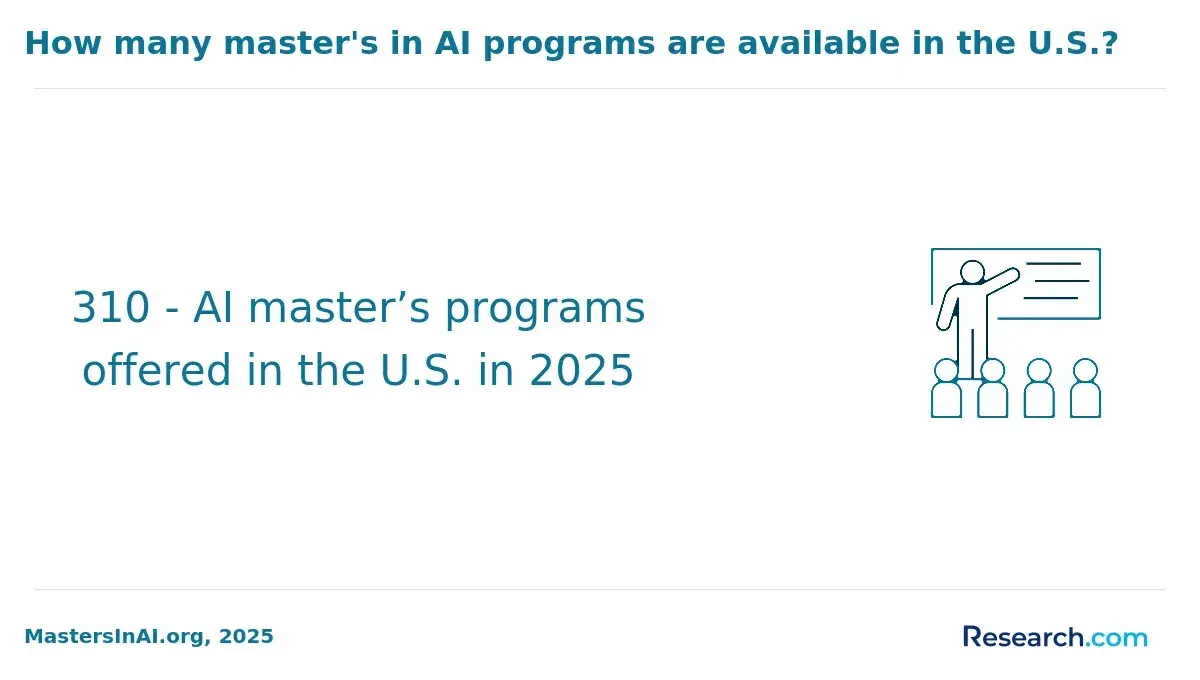
Additional focus areas include risk assessment methods tailored to ecommerce and case studies of AI governance failures that damaged customer trust. These real-world scenarios enhance the decision-making skills essential for high-stakes support roles. Professionals interested in advancing their expertise may explore an online masters in AI to deepen their knowledge and leadership capabilities.
How do you choose the best AI governance course specifically for ecommerce customer service?
Choosing the best AI governance course for ecommerce customer support means focusing on programs that provide practical frameworks tailored to customer service environments. Key factors include coverage of compliance, risk management, and ethical AI use specifically within omni-channel ecommerce settings. Top courses address data privacy, bias mitigation, and real-time monitoring of AI-driven interactions to maintain quality control.
Including change management is essential, as McKinsey's research shows companies combining AI deployment with strong governance and change management achieve 20-40% lower contact center operating costs and 10-20% higher customer satisfaction. This demonstrates top criteria for choosing ecommerce AI governance training programs should emphasize operational improvements alongside policy compliance.
Curriculum relevance is crucial-look for courses featuring case studies or simulations on AI-powered chatbots, automated ticketing, and sentiment analysis geared toward ecommerce customers. Effective programs also teach integration of governance policies with existing CRM systems and AI oversight tools.
Instructor expertise and provider reputation matter, especially those with industry ties or partnerships. Practical workshops on AI audit trails or compliance reporting deepen skills beyond theory.
Delivery formats should suit your team's availability, with blended learning combining live and on-demand content. Measurable certification outcomes recognized by ecommerce or AI governance bodies ensure credentials demonstrate proficiency.
For those starting, exploring a cybersecurity online degree can also provide foundational knowledge relevant to AI governance roles.
What core topics and skills do AI governance courses for ecommerce support typically cover?
AI governance frameworks for ecommerce support teams focus on ensuring responsible, compliant, and effective AI use in customer service. A critical area covered is data privacy and protection, guiding teams to handle customer data securely while adhering to regulations such as GDPR and CCPA. This is especially vital, as Cisco's 2024 Data Privacy Benchmark Study reveals that 94% of organizations believe customers won't buy from them if data protection is inadequate.
Essential skills for managing AI in ecommerce customer service include transparency and explainability. Support teams learn to interpret AI recommendations and clearly communicate decisions to customers, which helps reduce misunderstandings and fosters trust. Risk assessment is also emphasized, training staff to detect and address biases, errors, or unintended effects that could impact user experience or legal compliance.
Courses often incorporate ethical frameworks and accountability practices, enabling teams to assess AI tools against fairness and societal impact criteria. Integration skills train personnel to use AI effectively alongside human judgment across multichannel support environments. Practical abilities include monitoring AI performance, analyzing customer feedback, and updating governance policies in response to evolving technologies and regulations.
Case studies illustrate real challenges, such as managing AI errors during sensitive transactions within complex ecommerce ecosystems. These combined skills equip teams to use AI responsibly, maintain trust, and meet strict data governance requirements. For professionals interested in advancing such expertise, pursuing a data science doctorate online can provide deeper insights into AI governance and data management strategies.
Are there accredited universities or business schools offering AI governance programs relevant to ecommerce?
Several accredited universities and business schools offer AI governance programs tailored to ecommerce customer support teams. These programs emphasize ethical AI deployment, risk management, and regulatory compliance-essential for managing AI-driven customer interactions involving sensitive data.
Institutions such as New York University Stern School of Business and the University of California, Berkeley provide specialized courses within technology management or business ethics departments focusing on transparency and accountability.
These offerings are available as graduate certificates, MBA specializations, or executive education. For instance, Columbia Business School features an executive program on AI ethics and governance designed for managers overseeing AI in customer service.
Similarly, MIT Sloan's AI: Implications for Business Strategy course highlights governance frameworks important for ecommerce leaders implementing AI chatbots and automation.
The World Economic Forum's 2024 Global Cybersecurity Outlook notes that 73% of organizations plan to increase training on AI risk and governance for business leaders within 12 months, reflecting growing industry demand. These accredited programs equip professionals to identify AI bias, comply with data privacy laws, and apply responsible monitoring practices.
Prospective students should seek curricula strong in regulatory compliance and real-world case studies on AI ethics in customer support. Short-term certifications and tailored executive courses offer practical upskilling without full degree commitments.
How do online AI governance programs compare with campus-based options for working support teams?
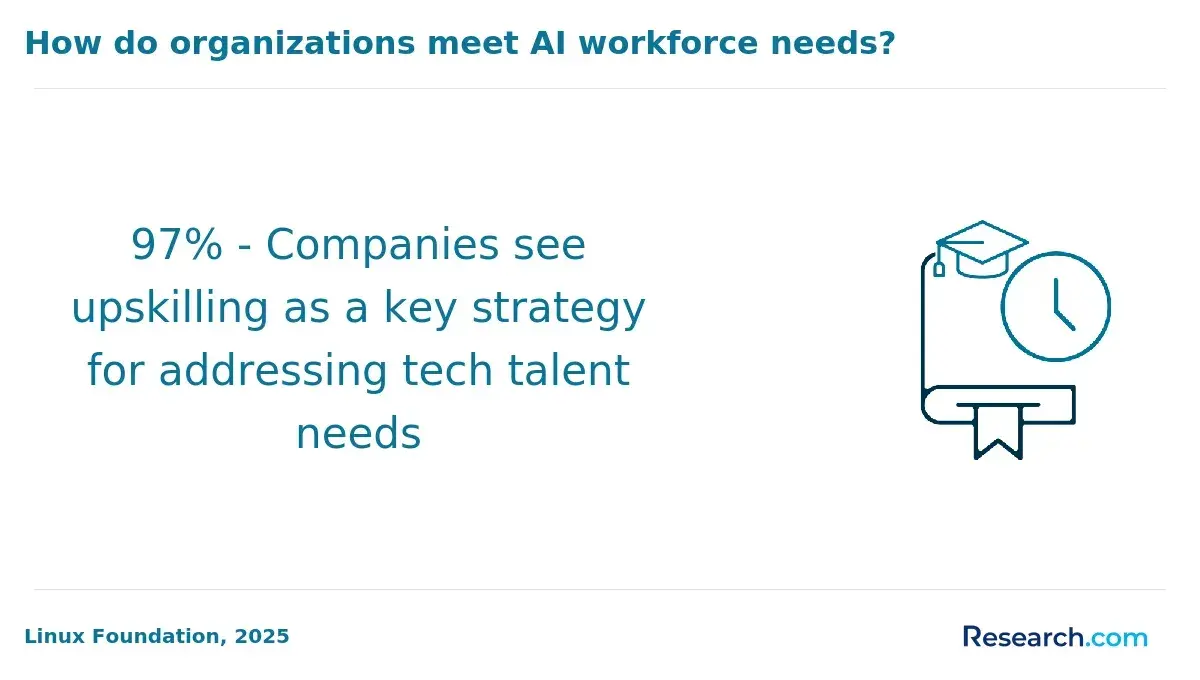
Online AI governance programs offer flexibility ideal for ecommerce customer support teams balancing work and study. These programs typically use asynchronous modules accessible anytime and anywhere, avoiding the fixed schedules and in-person attendance required by campus-based courses. This makes online learning especially suitable for those managing shift work or busy routines.
Online options often present the latest content reflecting rapid advances in AI governance policies, tools, and ethics. This timely updating is crucial for teams handling customer data under evolving regulations. Although campus programs provide valuable face-to-face interaction, networking, and hands-on labs, their curriculum updates can be slower.
According to (ISC)²'s 2024 Cybersecurity Workforce Study, 57% of security leaders expect at least one team member to hold formal AI or AI-governance-related certification. Online courses frequently offer recognized credentials promptly after completion, aligning with current industry demands.
Teams should weigh factors such as scheduling flexibility, cost, and the need for live interaction:
- Online micro-credentials and stackable certificates fit those requiring immediate, flexible upskilling.
- Campus programs suit teams seeking immersive learning and stronger peer collaboration.
- Hybrid models combine online theory with occasional in-person sessions for tailored learning.
Ultimately, online AI governance education delivers agility and timely certification essential for fast-paced ecommerce environments, while campus options serve those valuing in-depth academic and networking experiences.
How long do AI governance courses take and what do they cost for ecommerce professionals?
AI governance courses for ecommerce customer support teams typically range from 8 to 40 hours, depending on content and format. Short workshops lasting 8-12 hours cover foundational topics such as ethical AI use, data privacy, and governance frameworks.
More extensive programs of 30-40 hours include detailed modules on training data management, escalation protocols, and human-in-the-loop workflows, often featuring practical case studies and policy drafting exercises tailored to ecommerce.
Costs vary widely: entry-level online courses range between $200 and $600, while advanced certificate programs from accredited institutions can cost $1,500 to $4,000. Pricing often depends on access duration, course materials, and whether live instruction is included. Corporate training packages may be negotiated based on team size and customization needs.
For ecommerce professionals, evaluating price-to-duration is key. For instance, a brief 10-hour module at $300 might introduce governance basics but omit complex issues like generative AI oversight or escalation workflows. This gap is significant given Gartner's survey predicting that 80% of organizations will use generative AI by 2025, yet only 20% will have documented governance in place.
When selecting AI governance training, prioritize programs emphasizing documented data governance, escalation processes, and human intervention strategies to address prevalent industry shortfalls and responsibly manage AI tools.
What are the admission requirements for AI governance certificates or microcredentials in the U.S.?
Admission requirements for AI governance certificates or microcredentials in the U.S. typically emphasize foundational education and relevant professional experience, especially related to ecommerce customer support teams. Most programs require a high school diploma or equivalent, with some preferring a bachelor's degree in business, technology, or related fields. Prior experience in customer service, operations, legal compliance, or leadership often improves admission chances due to the specialized nature of AI governance training.
Common application materials include:
- Proof of prior education such as transcripts or diplomas
- Resume highlighting relevant work experience in ecommerce or customer support
- Statement of purpose or personal essay focused on responsible AI governance
- Basic digital literacy and familiarity with AI concepts
- Prerequisite coursework in data privacy, ethics, or compliance for some programs
Employers are increasingly promoting role-specific AI governance education. Deloitte's 2024 Responsible AI report finds that organizations with tailored AI training are 3.5 times more likely to have high trust in AI-driven customer interactions than those using generic training. This highlights the rising demand for specialized knowledge suited to operational, legal, and leadership roles within ecommerce teams.
Candidates should document experience managing AI tools and compliance protocols and understand the regulatory frameworks relevant to AI in customer support. Varying program lengths and formats require careful consideration of time commitments and practical learning opportunities to align with career goals.
What career paths, roles, and promotion opportunities can AI governance training open in ecommerce?
AI governance training in ecommerce customer support opens pathways into compliance, risk management, and ethical technology roles. Professionals trained in this area may become AI compliance officers responsible for ensuring adherence to AI policies or AI ethicists who focus on transparency and fairness in automated systems.
Other career options include AI policy analysts, who translate complex regulations into clear company guidelines that address growing consumer demand for transparency. According to KPMG's AI Trust Survey, 86% of consumers say a company's transparency about AI governance in customer interactions influences their willingness to share personal data.
Advancement opportunities include management roles in AI governance departments and leadership positions that combine AI oversight with customer experience strategy. Technical experts can progress from monitoring AI models to governance roles emphasizing explainability and disclosure-key factors in maintaining consumer trust. Ecommerce companies also require AI audit specialists to evaluate AI systems for compliance and ethical risks, creating technical career tracks.
Skills in AI governance also facilitate movement into broader regulatory affairs or corporate social responsibility teams. Higher-level roles such as Chief AI Ethics Officer or Director of Responsible AI allow professionals to shape policies aligning AI use with legal and ethical standards. Candidates should pursue courses in data privacy laws, AI bias mitigation, and communication techniques for disclosing AI use effectively.
Are there industry certifications or compliance standards tied to AI governance in ecommerce support?
Industry certifications and compliance standards are vital as ecommerce customer support increasingly integrates artificial intelligence tools. While no single certification is mandatory, recognized frameworks help ensure ethical AI use and data protection. The ISO/IEC 42001 standard, designed for AI management systems, provides guidance for organizations seeking formal AI governance structures.
Compliance with regulations like the General Data Protection Regulation (GDPR) and California Consumer Privacy Act (CCPA) is especially important when handling personal customer data through AI systems.
Certifications such as the AI Ethics Certification from the IEEE Global Initiative and specialized courses from organizations like the Data & Marketing Association (DMA) emphasize responsible AI deployment, focusing on transparency, bias mitigation, and accountability. Ecommerce support teams with these certifications are better equipped to manage risks linked to automated decision-making and chatbot interactions.
Companies investing in continuous AI upskilling gain significant productivity benefits-PwC's 2024 AI Jobs Barometer reports roles needing AI skills grow 3.5 times faster, with up to 27% higher productivity from ongoing education.
This highlights the importance of sustained learning paths that combine technical skills with compliance knowledge. Ecommerce professionals should prioritize continual certification and training to adapt to evolving AI governance challenges effectively.
Other Things You Should Know About Artificial Intelligence
One key challenge is balancing automation benefits with maintaining a human touch in customer interactions. Teams also encounter difficulties establishing clear accountability and managing bias in AI models. Additionally, staying compliant with data protection regulations while integrating AI-driven tools complicates governance efforts.
Yes, effective AI governance helps ensure AI systems provide accurate, consistent, and fair responses, which directly enhances customer satisfaction. By minimizing errors and biases, governance frameworks support higher-quality interactions and faster issue resolution, building trust between customers and ecommerce brands.
Transparency is vital for fostering trust among customers and support agents. It involves clear communication about how AI tools operate, what data they use, and how decisions are made. Transparent AI governance helps users understand and challenge AI-driven outcomes, reducing risks of misunderstanding or misuse.
References
- The Selection of the Right AI Platform for Your Business https://www.cm.com/blog/from-selection-to-success-how-to-choose-the-right-ai-platform/
- How should ecommerce teams govern customer-facing AI that can influence purchases? https://nhimg.org/faq/how-should-ecommerce-teams-govern-customer-facing-ai-that-can-influence-purchase/
- AI Compliance Requirements: The Definitive Guide | Mirantis https://www.mirantis.com/blog/ai-compliance-requirements-the-definitive-guide/
- AI Governance Careers: 20 Roles, Salary & Path (2026) https://techjacksolutions.com/careers/ai-governance-careers/
- EU AI Act | Online Training, Exam, Certificate of Completion https://www.artificial-intelligence-act.com/Artificial_Intelligence_Act_Trained_Professional_(AIActTPro).html
- An AI governance certification will boost your career | The Corporate Governance Institute https://www.thecorporategovernanceinstitute.com/insights/guides/an-ai-governance-certification-will-boost-your-career/
- AI Governance Course For Enterprise Leaders https://cxotransform.com/p/ai-governance-course
- What Topics are Covered in an Artificial Intelligence online Course? | H2K Infosys Blog https://www.h2kinfosys.com/blog/topics-covered-in-artificial-intelligence-course/
- Best AI customer service chatbots for e-commerce (2026) https://letsengaige.com/blog/best-ai-customer-service-chatbot-e-commerce
- Global AI Governance Overview: Understanding Regulatory Requirements Across Global Jurisdictions https://arxiv.org/html/2512.02046v1