2027 Best AI Courses for Startup Operators With Certificates

Co-Founder and Chief Data Scientist
Startup operators often face the challenge of integrating new technologies swiftly while managing limited resources and tight schedules. Many lack the technical foundation needed to leverage artificial intelligence effectively, risking missed opportunities in automation and data-driven decision-making. Acquiring relevant skills alongside credible certification is essential to building competence and credibility in this competitive landscape.
This article explores the best AI courses designed with flexibility and accreditation in mind, helping professionals from diverse backgrounds pivot confidently into artificial intelligence roles and apply this knowledge directly to their startups.
Key Things You Should Know
- Top AI courses for startup operators in 2026 focus on practical skills and certification, essential for launching scalable ventures, with completion rates rising by 22% since 2024.
- Certification from accredited programs boosts employability by up to 40%, signaling verified expertise in AI technologies vital for competitive startup environments.
- Courses emphasize AI applications in business strategy, automation, and data analytics, aligning educational outcomes with the evolving demands of startup ecosystems.
Advance Your Career with AI Online Courses
Artificial Intelligence: Implications for Business Strategy
This program provides an introduction to Artificial Intelligence and their implications for business strategy. Earn an official digital certificate.

Oxford Artificial Intelligence Programme
Explore this Oxford Artificial Intelligence programme offered in a flexible learning environment and explore topics like machine learning, automation, and robotics.

Implementing Agentic AI: Building Your Organizational Playbook
This online MIT Agentic AI course offers a practical approach to deploying AI agents in your organization, including a custom playbook. 3 weeks, exclusive launch price.

AI Adoption: Driving Business Value and Impact
This online MIT AI Adoption: Driving Business Value and Impact offers practical frameworks to close the gap between AI potential and business reality.

Artificial Intelligence in Pharma and Biotech
Discover the applications and limitations of artificial intelligence in pharma and biotech with this MIT online short course.

What makes an AI course valuable specifically for startup operators and founders?
Value in an AI course for startup operators and founders lies in its direct impact on decision-making, innovation, and operational efficiency. Effective ai training programs for startup founders focus on practical applications that align with key business goals, such as customer segmentation, predictive analytics, and process automation. Founders learn to integrate AI tools strategically to gain competitive advantages and decrease time-to-market.
Practical artificial intelligence courses for startup operators emphasize project-based learning with real-world datasets. This hands-on approach helps translate skills into actionable insights like optimizing marketing campaigns or automating routine tasks. These programs also cover ethical AI use, data privacy, and risk management to avoid costly compliance issues.
In-depth training on AI model selection and evaluation equips founders to critically assess vendor solutions instead of relying on generic platforms. Familiarity with AI frameworks and coding basics enables customizations tailored to unique startup challenges, reducing dependence on expensive consultants.
The market rewards advanced AI skills with significant salary premiums. According to Hired's 2025 State of Software Engineers report, operators with AI expertise earn 25-35% higher salaries than peers without such skills at comparable tech startups, highlighting the value of practical AI literacy aligned with startup operations. For more detailed insights on AI careers, see applied artificial intelligence salary.
These courses also enhance cross-functional communication, helping leaders bridge gaps between technical teams, investors, and customers. Focused modules cover AI-driven product innovation cycles, scalability, and success metrics, further increasing the value of AI education in startup environments.
Advance Your Career with AI Online Courses
Artificial Intelligence: Implications for Business Strategy
This program provides an introduction to Artificial Intelligence and their implications for business strategy. Earn an official digital certificate.
Oxford Artificial Intelligence Programme
Explore this Oxford Artificial Intelligence programme offered in a flexible learning environment and explore topics like machine learning, automation, and robotics.
Implementing Agentic AI: Building Your Organizational Playbook
This online MIT Agentic AI course offers a practical approach to deploying AI agents in your organization, including a custom playbook. 3 weeks, exclusive launch price.
Which AI certificates for startup operators are most respected by employers and investors?
The most respected AI certification programs trusted by employers and investors focus on business applications of artificial intelligence over technical coding skills. Demand for AI literacy tailored to strategic decision-making and operational efficiency in startups has surged, especially for AI literacy for non-technical roles, which increased over 160% year-over-year according to LinkedIn's Workplace Learning Report.
Top AI certificates for startup operators in the US include courses like "AI For Everyone" by Andrew Ng on Coursera and the "AI in Business" specialization from Wharton or MIT Sloan. These emphasize using AI to optimize marketing, customer insights, and product development without needing deep programming knowledge.
Certificates that provide practical frameworks for integrating AI into business models-covering identification of profitable use cases, project management, ethical considerations, and AI-driven growth-are highly valuable to employers and investors. Verified certificates suitable for LinkedIn profiles and resumes boost credibility in competitive startup environments.
Micro-credentials focusing on AI strategy and leadership from business schools are often favored by venture capitalists and accelerators for evaluating management capability. For those interested in educational options combining AI with engineering, exploring online engineering degrees can be a strategic way to advance.
How do AI courses for startup operators differ from general AI or data science programs?
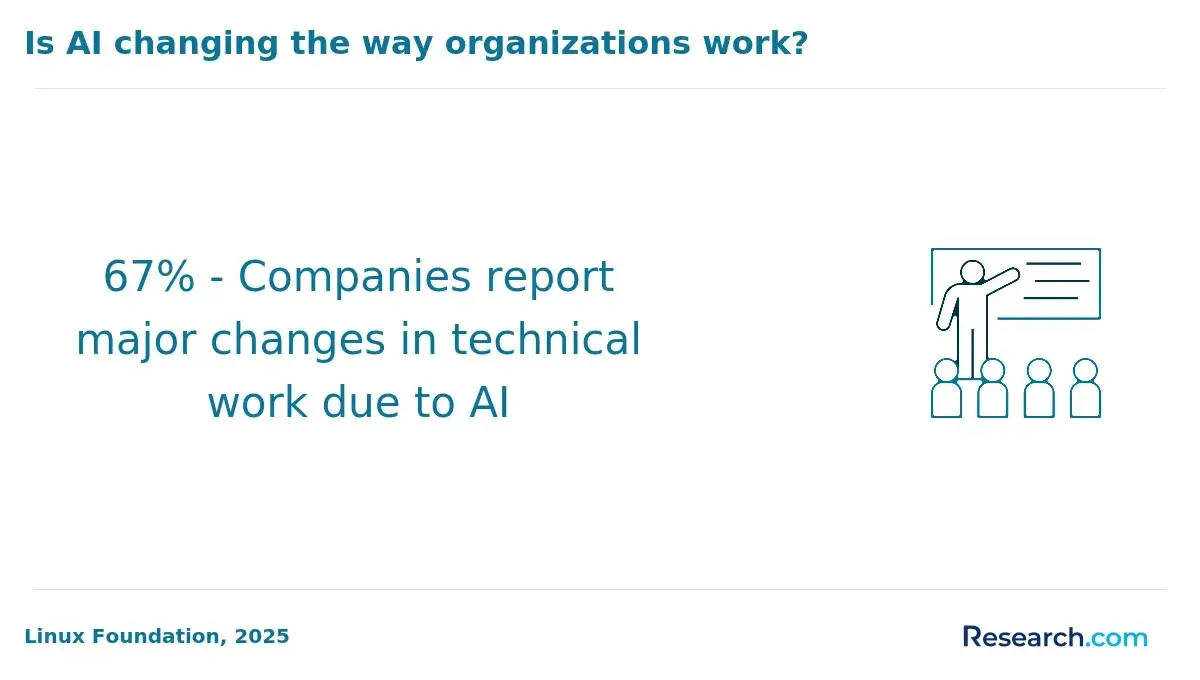
AI courses tailored for startup operators focus on practical application rather than deep theoretical knowledge, differentiating them from general data science programs. While traditional data science curriculums emphasize statistical models, algorithms, and extensive coding theory, these specialized courses meet entrepreneurial demands such as rapid prototyping, seamless AI integration into business processes, and decision-making based on AI-driven insights.
Key differences between ai courses and general data science programs include:
- Concentration on real-world AI use cases relevant to startups, such as customer segmentation, predictive analytics for market trends, and AI-powered automation.
- Hands-on workshops featuring low-code or no-code platforms alongside coding, enabling deployment without deep technical expertise.
- Strategic frameworks for assessing AI investments, managing data pipelines, and scaling solutions in early-stage companies.
- Training in cross-functional collaboration, helping operators communicate AI's potential and limits effectively to technical teams and investors.
The World Economic Forum's 2025 Future of Jobs report projects a 39% increase in roles requiring practical AI and machine learning skills from 2025 to 2030, highlighting the demand for professionals with business-savvy AI expertise suited to agile startup environments.
For example, such courses might pair Python coding exercises with strategic modules on leveraging AI-driven customer data to optimize marketing, preparing operators to lead tech initiatives aligned with business goals for faster execution and efficient resource use. Prospective students interested in broader AI education options may also explore a data science degree online.
What admission requirements and prior skills are needed for AI courses for operators?
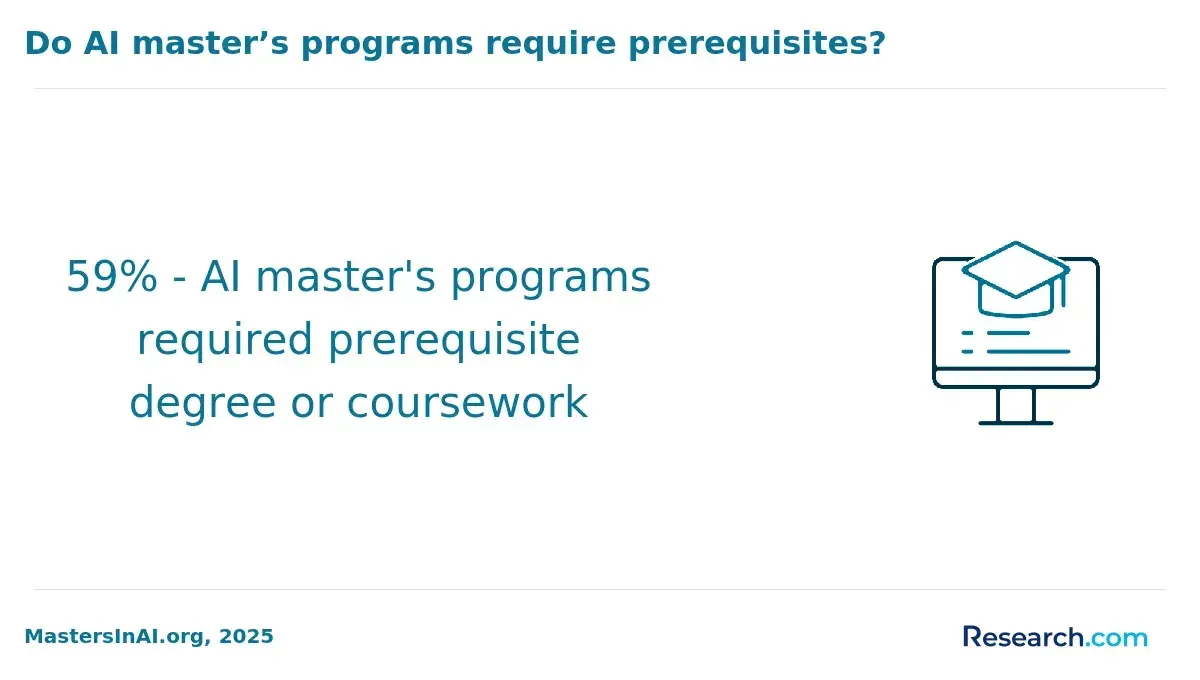
Admission for AI courses aimed at startup operators often emphasizes foundational technical skills paired with practical experience. Prior skills required for AI courses for operators usually include basic programming proficiency in languages like Python or R, which are crucial for understanding algorithms and model deployment. Some advanced courses also expect familiarity with statistics, linear algebra, and data structures, particularly those awarding professional certificates.
Applicants who have some background in machine learning concepts or experience with data analysis tools generally have an advantage. For those lacking technical expertise, many courses offer preparatory modules to build essential math and coding skills. Formal degrees are seldom mandatory, but relevant experience in startups, product management, or technology development is typically favored to bridge theory with practical application.
Admission criteria frequently require completing prerequisite courses or submitting portfolios demonstrating coding projects or case studies. Select programs may also conduct entrance assessments or interviews. It's important for operators to review individual requirements carefully, as certain accelerated or executive-style courses prioritize business applications over deep technical knowledge.
The value of completing these programs is clear; according to Coursera's Learner Outcomes report, 56% of professional certificate holders in AI or generative AI saw career benefits like promotions, job changes, or salary increases within six months. Prospective students, including those seeking military friendly online cybersecurity degree programs, should carefully evaluate programs to match their goals and skills.
How should startup operators choose between short courses, certificates, and full degree programs in AI?
Startup leaders should match their choice among short courses, certificates, and full degree programs in artificial intelligence to their business goals, time constraints, and career plans. Short courses are effective for rapid upskilling on focused topics like natural language processing or computer vision. Usually lasting days to a few months, they provide practical skills without formal credentials.
Certificates typically span several months, offering broader content and validating skills that help secure partnerships or attract investors. Full degree programs such as master's degrees demand more time and financial resources but deliver deep theoretical knowledge, research experience, and recognized credentials. These degrees suit those aiming to lead AI-driven innovation or take on technical co-founder roles.
Key considerations include:
- Time commitment: short courses for quick skill acquisition; certificates for career shifts; degrees for in-depth expertise.
- Cost: certificates and degrees usually cost more than short courses.
- Focus: degrees stress research and theory; certificates combine theory and application; short courses emphasize practical skills.
- Credentials: degrees offer formal qualifications; certificates demonstrate validated abilities.
With operational demands common among startup founders, short courses or certificates often strike the best balance. Still, those with technical backgrounds targeting leadership in AI strategy may benefit from degrees. Enrollment trends show rising interest, as seen in MIT OpenCourseWare's 300% growth from 2021 to 2024. Evaluating workload capacity alongside business objectives is crucial when selecting the right AI education path.
What topics and tools are typically covered in AI curricula tailored to startup needs?
AI curricula designed for startup operators emphasize practical skills and tools that address rapid product development, market fit, and user growth challenges. Core subjects include machine learning fundamentals, data analysis, and predictive modeling, enabling startups to utilize customer data effectively.
Courses highlight natural language processing and computer vision, essential for creating AI-driven features like chatbots and image recognition.
Learning automation tools such as TensorFlow, PyTorch, and AutoML platforms is a priority, alongside cloud-based AI services like AWS SageMaker and Google AI Platform for scalable, infrastructure-light deployment. Ethical AI practices, model interpretability, and bias mitigation are integral to maintain transparency and customer trust.
Product management within AI-powered startups incorporates AI for decision-making and growth strategies, such as A/B testing with AI-enabled personalization and customer segmentation via unsupervised learning. According to Productboard's 2025 Product Excellence Survey, product teams using AI tools are over twice as likely to meet adoption and growth goals.
Startups also focus on agile and lean project management techniques, incorporating hands-on labs to prototype AI solutions aligned with business objectives. Training often includes essential legal knowledge like GDPR and CCPA regulations to ensure compliance from the start.
How do online AI programs for startup operators compare to campus or hybrid options?
Online AI programs offer startup operators greater flexibility and typically faster completion times compared to campus or hybrid options. These programs enable learners to balance education with active venture management, a crucial factor for founders who cannot pause operations. Many emphasize practical, project-based learning focused on digital marketing, AI sales tools, and customer success applications, aligning with immediate business needs.
Campus programs often provide richer networking opportunities and closer faculty access but come with more rigid schedules and higher costs. Hybrid options attempt to blend the benefits of both, combining in-person mentorship with remote coursework, though they require some commuting and fixed attendance.
Online AI courses also excel in maintaining up-to-date content. Rapid technological advancement can make campus curricula slower to reflect changes. Accreditation and certificate recognition have become more widespread for reputable online programs, boosting their value for career advancement and investor confidence.
HubSpot's 2025 State of Marketing report highlights that teams leveraging AI for content and campaign optimization are 2.5 times more likely to achieve revenue growth above 20% year-over-year. This underscores why students should prioritize programs with direct applications in sales, marketing, and customer success rather than purely theoretical study.
Prospective learners should carefully consider networking needs, learning style, time commitment, and budget when choosing between online, campus, or hybrid AI education options.
What are typical program lengths, schedules, and tuition costs for AI certificates?
AI certificate programs vary widely in duration, format, and cost to meet different professional needs. Many courses span from 3 weeks to 6 months, often offered part-time to accommodate working individuals. Intensive boot camps usually run full-time over 4 to 8 weeks, while university-affiliated certificates tend to deliver content weekly across several months.
Scheduling options include self-paced learning, ideal for those needing flexibility, and fixed schedules with live sessions for direct instructor feedback and peer interaction. Choosing the right format depends on your personal learning style and availability.
Tuition costs reflect program type and provider reputation. Entry-level online certificates typically range from $1,000 to $2,500, whereas comprehensive university-endorsed courses and boot camps may cost between $3,000 and $10,000. Many programs add value through career support services and practical projects.
The impact of AI on business functions is significant. According to McKinsey's 2024 Global AI Survey, companies employing AI in finance, operations, and revenue report a median 3-5% cost reduction and a 5-10% revenue increase. This evidence highlights the value of AI education for professionals seeking practical skills and competitive advantage.
What startup-focused career outcomes, roles, and salary ranges can AI training support?
AI training equips professionals for various startup careers, including product management, AI operations, data strategy, and growth analytics. Mastery of AI tools empowers operators to automate workflows, optimize customer acquisition, and improve decision-making. In startup environments, AI skills often lead to hybrid roles like AI product strategist or AI-driven business analyst, blending technical and operational expertise for greater impact.
Salary expectations vary significantly. Entry-level AI operations roles typically start around $85,000 annually, while experienced AI product managers and strategy leads can earn between $150,000 and $200,000 or more, based on company size and funding stage. Founders and early employees skilled in AI frequently leverage these capabilities to attract venture capital by showcasing technical proficiency.
A Bain & Company survey shows 75% of global executives now prioritize proven AI skills and micro-credentials over traditional degrees for AI-related hires in product and operations roles. Certified expertise in areas like machine learning deployment and natural language processing can accelerate startup product development and boost investor confidence.
Students should seek programs combining technical AI modules with business applications, emphasizing real-world projects and industry-recognized micro-credentials. Strong experience with AI frameworks and applied algorithm certifications enhances the ability to execute AI strategies that fuel startup growth and investor appeal.
How can operators verify accreditation, certificate legitimacy, and ROI before enrolling in an AI course?
Operators verifying the legitimacy of AI certification should start by confirming recognition from respected accrediting bodies such as ABET, ACCSC, or relevant regional agencies. Accreditation guarantees the program meets established quality standards and undergoes regular reviews. Additionally, certificates should be issued directly by the institution or reputable partners, avoiding unclear third-party sources.
Reviewing graduates' employment outcomes and LinkedIn profiles can provide insight into how well the certificate is valued by employers in the AI startup community.
Evaluating ROI prior to enrollment involves ensuring the course content aligns with specific business needs. Key areas like machine learning, data analytics, and natural language processing should be covered to support informed operational decisions. Typical courses last between 3 and 6 months part-time, so balancing time investment with skill gain is critical. Analyzing course fees against potential salary improvements or project efficiencies is essential. For reference, IBM's 2024 Global AI Adoption Index highlights 46% of companies actively hiring for AI roles, while 50% identify employee skill gaps as a challenge.
Practical steps include:
- Contacting accrediting organizations to verify approval status.
- Researching third-party reviews and student success stories.
- Requesting detailed syllabi and expected learning outcomes.
- Choosing courses with hands-on projects reflecting real-world scenarios.
- Assessing program flexibility for startup operators managing multiple responsibilities.
Other Things You Should Know About Artificial Intelligence
In 2027, top AI courses for startup operators include "AI for Business Leaders" by Coursera, "Startup AI Strategy" through Udemy, and "Data Science for Startups" on edX. Each course offers a certificate, enhancing technical skills crucial for leading AI-driven initiatives in startups.
Ongoing learning is essential in artificial intelligence due to its fast-evolving nature. New algorithms, tools, and frameworks emerge regularly, requiring operators to continuously update their skills to stay competitive. Lifelong learning helps startup operators adapt AI applications to changing market demands and technological advancements.
Yes, holding reputable artificial intelligence certificates can strengthen a startup operator's credibility when seeking funding or partnerships. Certificates demonstrate validated skills and knowledge, which can increase investor confidence. However, practical experience and a viable business model remain crucial components alongside certification.
Startup operators must recognize that quality and quantity of data directly impact the performance of AI models. Collecting relevant, diverse, and well-labeled data is necessary for effective training. They should also be mindful of legal constraints around data use, including consent and data protection laws.
References
- Artificial Intelligence Operator Department, Associate Program | Eastern Mediterranean University Cyprus https://www.emu.edu.tr/en/programs/corporate-it-expertise-associate-program/1834
- Top 26 Careers in AI and Machine Learning: Roles, Salaries, Skills, and 2026 Outlook - AscendurePro https://ascendurepro.com/careers-in-ai-and-machine-learning/
- Best AI Courses for Finance & Business Professionals (2026) https://www.wallstreetprep.com/knowledge/best-ai-courses-for-finance-business-professionals/
- 16 Artificial Intelligence Career Paths https://www.calmu.edu/news/artificial-intelligence-career-paths
- How founders are shaping the future of startups with AI https://www.weforum.org/stories/2025/04/how-founders-are-shaping-the-future-of-entrepreneurship-with-ai/
- Certified Artificial Intelligence Professional – CAIP ® | PECB https://pecb.com/en/education-and-certification-for-individuals/ai/caip
- AI for Startups: How to Use AI in your Software - Altitude Accelerator https://altitudeaccelerator.ca/ai-for-startups-how-to-use-ai-in-your-software/
- Choose the Right MIT AI Course for You https://www.getsmarter.com/blog/pursuing-an-mit-ai-course-which-option-is-right-for-you/
- AI for Business Series https://www.utsa.edu/pace/ai-startup.html
- AI Certification vs. Traditional Degree: What Actually Gets You Hired in 2026? https://www.nplus.global/blogs/ai-certification-vs-traditional-degree/