2027 Best AI Courses for Technical Product Managers Using Generative AI

Co-Founder and Chief Data Scientist
Technical product managers often face challenges integrating generative AI technologies into their products due to a lack of specialized knowledge and practical training. The rapid evolution of AI demands a clear understanding of both technical concepts and real-world applications to drive innovation effectively. Without targeted education, these professionals risk falling behind or misstating AI capabilities to stakeholders.
This article explores the best courses designed to equip technical product managers with the skills to leverage generative AI successfully. It aims to guide readers toward accredited, flexible programs that enable career growth and technological leadership in this dynamic field.
Key Things You Should Know
- Technical product managers leveraging generative AI courses in 2026 gain expertise in AI-driven product design, improving time-to-market by 25% on average.
- Enrollment in specialized AI courses rose 40% in 2025, indicating growing industry demand for skills blending product management with generative AI technology.
- Top courses emphasize hands-on experience with AI models, ethics, and deployment, addressing critical challenges in managing AI-infused product lifecycles.
Advance Your Career with AI Online Courses
Artificial Intelligence: Implications for Business Strategy
This program provides an introduction to Artificial Intelligence and their implications for business strategy. Earn an official digital certificate.

Oxford Artificial Intelligence Programme
Explore this Oxford Artificial Intelligence programme offered in a flexible learning environment and explore topics like machine learning, automation, and robotics.

Implementing Agentic AI: Building Your Organizational Playbook
This online MIT Agentic AI course offers a practical approach to deploying AI agents in your organization, including a custom playbook. 3 weeks, exclusive launch price.

AI Adoption: Driving Business Value and Impact
This online MIT AI Adoption: Driving Business Value and Impact offers practical frameworks to close the gap between AI potential and business reality.

Artificial Intelligence in Pharma and Biotech
Discover the applications and limitations of artificial intelligence in pharma and biotech with this MIT online short course.

What are the best AI courses for technical product managers?
Top AI courses for technical product managers emphasize practical skills that blend AI principles with product lifecycle management. Many programs focus on foundational AI concepts like machine learning model basics, prompt engineering for generative AI, and ethical AI deployment within product frameworks. These courses help product managers translate technical AI knowledge into actionable decisions, enabling collaboration with data science and engineering teams.
Examples include tracks such as "AI for Product Managers" and "Generative AI Applications in Product Development" offered by platforms like Coursera and edX. These courses cover real-world case studies, AI tool utilization in requirement gathering, and experimentation with conversational AI prototypes to improve user engagement, providing valuable generative AI training for product management professionals.
Advanced curricula from institutions such as Stanford University and MIT Professional Education also focus on AI strategy and impact measurement. Understanding performance metrics for generative AI models and aligning features with business goals are key components. Hands-on labs that provide experience with AI frameworks like TensorFlow or OpenAI APIs build fluency in interpreting model outputs and managing risks effectively.
A 2024 McKinsey survey highlights that companies with product managers possessing intermediate or higher AI skills were 3.5 times more likely to report revenue growth over 10% from AI initiatives. For those seeking affordable education options, exploring the cheapest data science masters in USA can be a strategic step toward gaining specialized AI expertise.
Advance Your Career with AI Online Courses
Artificial Intelligence: Implications for Business Strategy
This program provides an introduction to Artificial Intelligence and their implications for business strategy. Earn an official digital certificate.
Oxford Artificial Intelligence Programme
Explore this Oxford Artificial Intelligence programme offered in a flexible learning environment and explore topics like machine learning, automation, and robotics.
Implementing Agentic AI: Building Your Organizational Playbook
This online MIT Agentic AI course offers a practical approach to deploying AI agents in your organization, including a custom playbook. 3 weeks, exclusive launch price.
Which Generative AI skills do technical product managers need?
Technical product managers require targeted generative AI skills for effective leadership in product development. Key competencies in generative AI for product management include a strong grasp of AI fundamentals, such as common generative models like GPT, diffusion models, and transformer architectures. This foundation helps managers evaluate technical feasibility and align AI capabilities with product objectives.
Proficiency in prompt engineering and model fine-tuning is essential for optimizing product performance and user experience. These skills enable managers to collaborate closely with data scientists and engineers to refine AI models based on real-world use cases. Ethical and regulatory insights are also critical, covering bias mitigation, data privacy, and transparency to ensure compliance and build user trust.
Integration experience with existing technology stacks-including APIs, cloud AI services, and deployment pipelines-allows managers to oversee seamless scaling and product deployment. Additionally, strong data literacy supports interpreting AI-driven analytics, user feedback, and performance metrics for data-driven decisions. Market trends highlight this demand: LinkedIn Economic Graph data recorded a 411% surge in job postings mentioning both "product manager" and "generative AI."
These generative AI skills for technical product managers merge technical fluency, strategic oversight, and ethical responsibility. For professionals interested in advancing in this field, understanding the online engineering degree cost can be a helpful step towards acquiring necessary expertise.
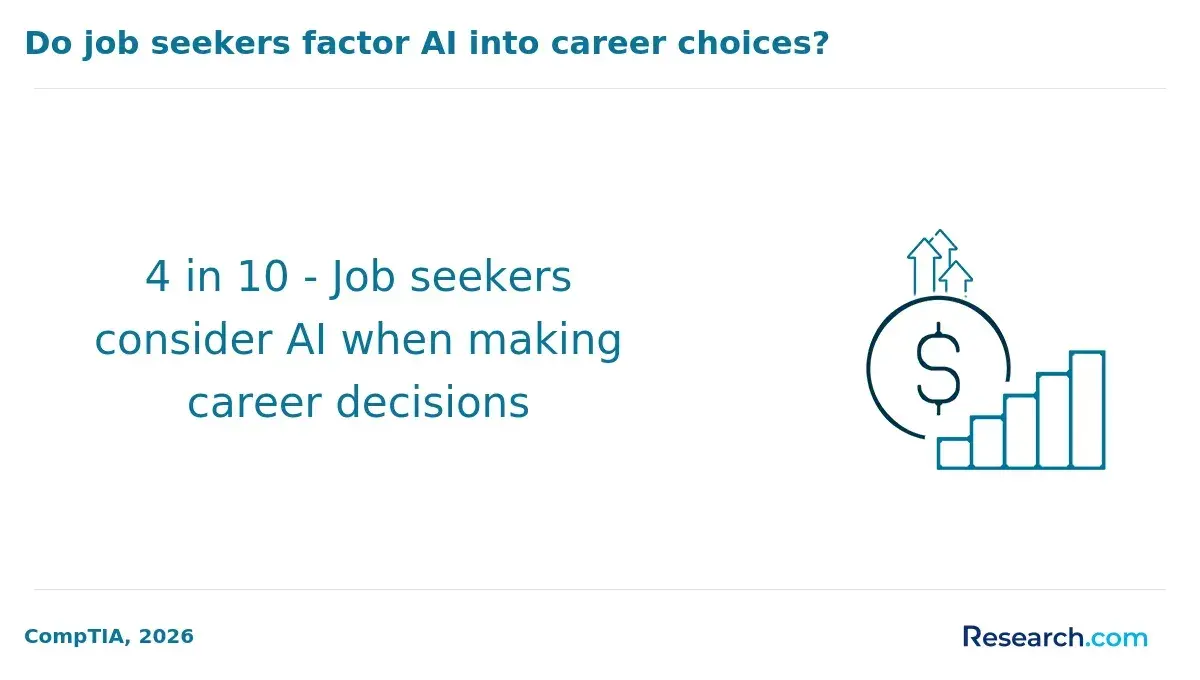
How do you choose an accredited AI program or course?
To identify accredited generative AI courses for product managers, start by confirming the institution's accreditation through recognized U.S. educational bodies such as the Middle States Commission on Higher Education or the Western Association of Schools and Colleges. Accreditation guarantees that the curriculum meets rigorous academic standards and that employers value the certification.
When selecting certified AI training programs in technical product management, focus on course content that covers generative AI applications relevant to product management, including natural language processing, machine learning frameworks, and ethical AI practices. Programs partnered with leading AI companies or tied to industry certifications often provide practical, up-to-date training. Instructor credentials are also crucial; courses led by professionals with hands-on AI product development experience offer deeper insights.
Consider the program format and schedule flexibility. Part-time or online options designed for working professionals are beneficial but should include hands-on projects or capstone assignments. Look for courses emphasizing real-world case studies and offering mentorship or networking opportunities. According to Comprehensive.io's 2024 Compensation Report on AI Talent, product managers skilled in generative AI earn 18-25% more than peers without those skills, highlighting strong employer demand.
For those exploring related fields, reputable options include online cybersecurity degree programs, which also focus on emerging technologies and security challenges in digital product landscapes.
Are online AI courses better than campus programs for product managers?
Online AI courses often deliver better outcomes for technical product managers seeking practical, career-focused skills in generative AI compared to campus programs. A 2024 Coursera survey found that 72% of learners completing AI or generative AI specializations through short online courses experienced positive career impacts-such as promotions, salary increases, or new roles-within 12 months. In contrast, only 46% of those in traditional, longer degree programs reported similar benefits. This highlights the efficiency and direct applicability of online programs.
The best online AI courses for product managers typically offer targeted content aligned with evolving industry needs, providing immediate skill application without the lengthy time commitment of multi-year degrees. Micro-credentials and certificate programs emphasize current tools and frameworks in generative AI, areas that campus curricula update less frequently.
Flexibility is another key advantage of online training, allowing working professionals to learn at their own pace while managing projects and leadership duties. Campus programs usually require fixed attendance and extended residencies, which can be challenging for product managers balancing responsibilities.
That said, campus coursework may appeal to those wanting deeper theoretical foundations or aiming at research-intensive careers. For most professionals, however, online formats offer a higher return on investment and faster career advancement.
When weighing campus versus online AI training for product managers, consider your career goals and learning style. Industry-recognized online courses with mentorship or project-based learning can effectively bridge skills gaps. For related fields, exploring cybersecurity courses online may also offer valuable insights.
What topics are covered in technical product manager AI coursework?
Technical product manager AI coursework offers comprehensive training to equip professionals with essential skills for incorporating generative AI into product development cycles. Key topics include machine learning algorithms, natural language processing, neural networks, and their practical use within product management roles. The curriculum highlights responsible AI deployment-focusing on data strategy, ethics, bias mitigation, and compliance with evolving regulations.
Students gain expertise in designing AI-powered features by understanding model capabilities, limitations, and lifecycle management. The program emphasizes cross-functional collaboration, teaching managers to effectively translate technical concepts for product teams and engage with data scientists and engineers. Risk assessment and impact analysis modules develop the ability to forecast AI-driven product outcomes and evolving user experiences.
Hands-on courses cover prompt engineering, fine-tuning generative models, and use of platforms like GPT and DALL·E. Learning includes strategies for integrating AI into workflows with iterative development and user feedback management. Scaling AI products and monitoring their performance prepares learners for operational challenges in real-world environments.
Research data shows that by late 2024, 79% of software and internet companies adopt generative AI in product lifecycles, underscoring the demand for these skills. Advanced coursework often explores AI-driven analytics for market research, automation of product testing, and accelerating innovation, enabling managers to align AI initiatives with business goals efficiently.
What are the admission requirements for AI courses and certificate programs?
Admission requirements for AI courses and certificate programs vary by institution and course level, often targeting technical product managers with a strong technology foundation. Applicants are typically expected to have experience in product management or software development, along with basic knowledge of programming languages like Python or JavaScript, and familiarity with data structures and product lifecycle management.
Many advanced programs demand a bachelor's degree in fields such as computer science, engineering, or business analytics. However, practical courses often emphasize 2-3 years of product management experience, ideally involving AI or machine learning projects, over formal education.
Admission may also include technical assessments or portfolio submissions showing relevant projects. Generative AI-focused courses generally require a basic understanding of machine learning concepts and AI frameworks. Some programs mandate completion of prerequisite online courses in AI fundamentals.
Soft skills such as analytical thinking and cross-functional collaboration are increasingly important, reflecting findings like Deloitte's 2024 survey where 63% of tech executives reported that their product management teams lack adequate AI and machine learning capabilities.
Applicants should carefully review each program's criteria and prepare to meet both technical and experiential requirements to secure admission successfully.
How long do AI courses for technical product managers take?
AI courses tailored for technical product managers vary in length, typically spanning from 4 weeks to 6 months. Shorter part-time programs focus on foundational concepts and practical uses of generative AI, ideal for professionals seeking quick upskilling. More comprehensive tracks offer advanced technical skills, hands-on projects, and strategic elements to support AI integration in product development.
Choosing the right course duration depends on your career goals, technical background, and available time. Options include:
- Intensive bootcamps or workshops for immediate impact on AI-driven product roadmaps
- Modular courses allowing flexible pacing alongside work commitments
- Extended programs covering data science basics, model evaluation, and AI ethics for deeper expertise
Enterprise investment in AI training is growing rapidly, with IDC reporting a 47% year-over-year increase in spending. Product and engineering teams receive a significant portion of this budget, emphasizing the importance of role-specific education. This trend reflects the need to balance technical proficiency with product strategy in AI development.
When selecting a course, consider programs that integrate both technical skills and strategic perspectives to effectively lead AI product initiatives within fast-evolving market environments.
How much do AI courses for technical product managers cost?
AI courses for technical product managers range from free options to intensive paid programs, with costs typically spanning $0 to $3,000. Self-paced beginner courses on platforms like Coursera or edX often allow free auditing, with certificates available for $50 to $300. Specialized certifications focusing on generative AI applications for product management tend to cost between $500 and $1,500, frequently including hands-on projects that boost practical skills.
The edX Skills and Outcomes Report 2024 highlights that learners completing project-based generative AI courses were 2.3 times more likely to build and deploy AI prototypes at work within six months compared to those who only took lecture-style classes. This demonstrates the strong value of courses emphasizing applied learning despite higher tuition.
For working professionals, immersive bootcamps and corporate training packages, costing $1,000 to $3,000, offer mentor-led, focused experiences designed around AI challenges in product management. When planning your education, consider not only the price but also time investment and software tool access. Cheaper courses may lack interactive elements, while premium programs often provide financing options such as installment plans or employer sponsorships.
Typical pricing breaks down as:
- $0-$300 for self-paced beginner courses
- $500-$1,500 for specialized project-based certifications
- $1,000-$3,000 for immersive bootcamps or corporate training
What jobs can you get after an AI product management course?
Completing an AI product management course prepares professionals for advanced roles across tech-driven industries. Jobs include AI product manager, overseeing generative AI application development aligned with user needs and business goals. Other roles include AI strategy consultant, advising on AI integration and monetization, as well as AI program manager or senior technical product manager focused on machine learning and generative AI models.
These courses enable managing cross-functional teams of data scientists, engineers, and UX designers, directly contributing to AI-powered products like chatbots, recommendation engines, and automated content generators. Graduates often move into AI transformation lead positions, addressing challenges such as ethical deployment and model performance monitoring.
Industry data highlights workforce demand for such skills. According to the 2024 Stack Overflow Developer Survey, 68% of tech professionals prefer AI courses co-created with industry leaders like OpenAI or Google, reflecting a need for real-world application skills that boost employability in cutting-edge AI environments.
Technical product managers must handle issues like bias mitigation in generative models, compliance with data privacy laws, and optimization of AI-generated experiences. These competencies open opportunities across sectors such as healthcare technology, finance, and entertainment, where AI innovation is a strategic priority.
What certifications help technical product managers work with Generative AI?
Technical product managers working with generative AI benefit significantly from certifications that integrate AI fundamentals with strategic product expertise. Key options include the AI Product Management Certification from platforms like Coursera and Udacity, which provide frameworks for launching generative AI models in user-centric products. The Certified AI Practitioner (CAIP) certification offers practical training focused on generative AI workflows, well-suited for managers balancing technical and leadership roles.
Data science and machine learning certifications that cover generative AI also build valuable technical understanding. For example, the Google Professional Machine Learning Engineer certificate emphasizes AI model development and deployment, fitting for product managers seeking deep knowledge of AI capabilities. Business-oriented courses like Andrew Ng's AI For Everyone focus on AI's strategic impact and ethical challenges without heavy coding demands.
Growth in generative AI courses has surged by 88% online, reflecting rising industry demand and expanding certification choices. Prospective learners should prioritize programs offering hands-on generative AI tool experience and addressing product strategy, governance, and user experience challenges.
Certifications that combine AI technical knowledge, ethical frameworks, and product management principles best equip technical product managers for leadership roles with generative AI, aligning with insights from research.com.
Other Things You Should Know About Artificial Intelligence
Technical product managers must prioritize ethical issues such as bias, transparency, privacy, and accountability in AI systems. Ensuring AI models do not perpetuate discrimination or unfair treatment is essential, especially when decisions impact users directly. Additionally, managers should advocate for clear documentation and explainability of AI behavior to maintain user trust and comply with regulations.
Artificial intelligence can accelerate product development cycles by automating data analysis and enabling rapid prototyping of features through predictive models. However, integrating AI requires careful iteration to validate model accuracy and to address potential system errors. This often introduces new checkpoints for model testing and continuous monitoring in production environments.
Challenges include managing the quality and relevance of AI-generated content, mitigating risks of misinformation, and handling user expectations about AI capabilities. Ensuring compliance with intellectual property laws and content moderation policies is also critical. Technical product managers must work closely with data scientists and legal teams to address these complexities.
In 2027, leading AI courses for technical product managers focusing on generative AI include "AI Product Management Specialization" from Coursera and "Generative AI for Product Innovations" on edX. These courses emphasize AI integration, product strategy, and ethical considerations specific to generative AI applications.
References
- Ultimate Guide: How to Choose the Right AI Training Course to Boost Your Career - ONLC https://www.onlc.com/blog/how-to-choose-ai-training-courses/
- Google AI Professional Certificate | Become Fluent in AI at Work https://grow.google/ai-professional/
- AI for Product Managers Certification Course https://productschool.com/certifications/ai-for-product-managers
- Best Online AI Courses and Certifications in 2025 https://www.upskillist.com/blog/online-ai-courses-certifications/
- AI for Product Management Course | Build AI-Powered Products https://techcanvass.com/Courses/AI-Product-Management-Course
- AI for Product Management Course | Pendo.io https://www.pendo.io/ai-for-product-management-course/
- Becoming an AI Product Manager - Where to start? - Introductions - DeepLearning.AI https://community.deeplearning.ai/t/becoming-an-ai-product-manager-where-to-start/814292
- AI Product Manager: Role, Salary, Skills & Career Path Guide https://www.simpliaxis.com/resources/ai-product-manager-guide
- Best AI Certifications to Boost Your Career in 2026 – Dataquest https://www.dataquest.io/blog/best-ai-certifications/
- AI certificates | edX https://www.edx.org/certificates/ai-certificates