2027 Best Agentic AI Courses for Chief People Officers

Co-Founder and Chief Data Scientist
Chief People Officers face growing pressure to integrate agentic ai solutions to enhance workforce management and drive strategic decisions. However, finding flexible, accredited courses tailored to executives without a technical background can be challenging. Many programs lack practical relevance or accessibility, delaying the leadership's ability to harness emerging technologies effectively. This article explores the best agentic ai courses designed specifically for Chief People Officers aiming to bridge this knowledge gap. It offers clear guidance on program quality, flexibility, and real-world applicability to support career advancement and organizational innovation through targeted learning paths.
Key Things You Should Know
- Agentic AI courses for Chief People Officers in 2026 emphasize leadership skills to integrate AI-driven decision-making in HR, improving workforce management by up to 40% according to 2025 industry reports.
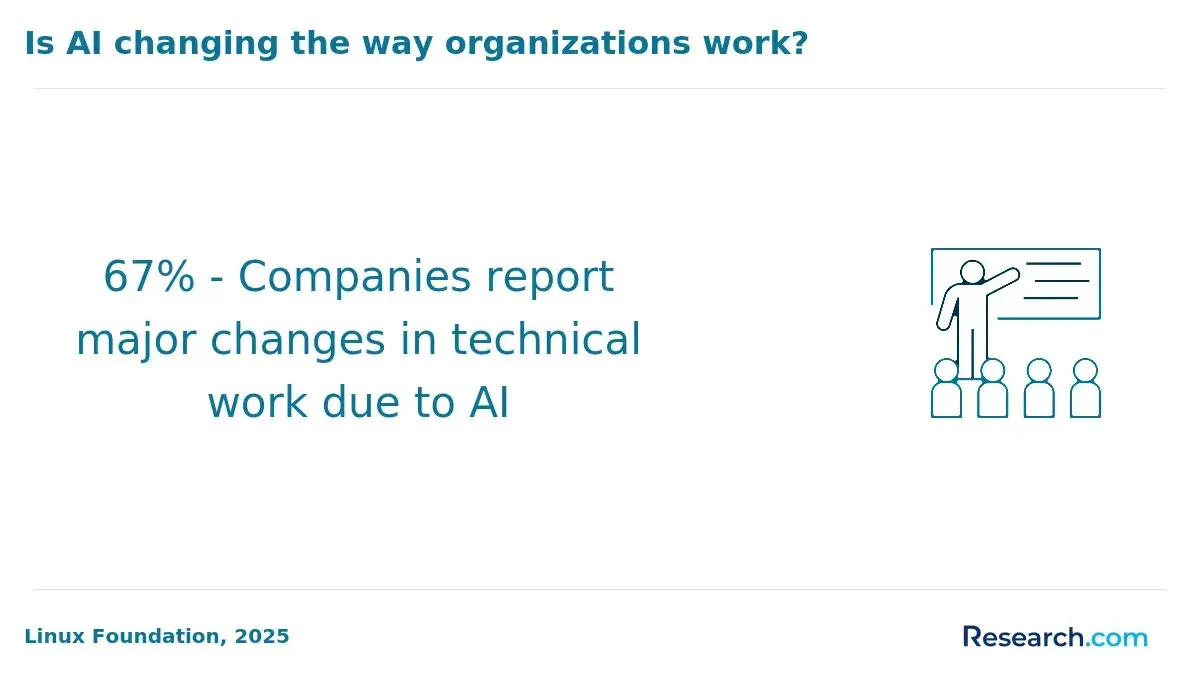
- Programs increasingly focus on ethical AI use, preparing executives to address bias, transparency, and compliance challenges, critical as 67% of U.S. companies adopt AI tools in HR by 2025.
- Courses combine technical knowledge with strategic insights, enabling CPOs to leverage AI for talent analytics, enhancing retention rates and predictive hiring by 30% in recent case studies.
Advance Your Career with AI Online Courses
Artificial Intelligence: Implications for Business Strategy
This program provides an introduction to Artificial Intelligence and their implications for business strategy. Earn an official digital certificate.

Oxford Artificial Intelligence Programme
Explore this Oxford Artificial Intelligence programme offered in a flexible learning environment and explore topics like machine learning, automation, and robotics.

Implementing Agentic AI: Building Your Organizational Playbook
This online MIT Agentic AI course offers a practical approach to deploying AI agents in your organization, including a custom playbook. 3 weeks, exclusive launch price.

AI Adoption: Driving Business Value and Impact
This online MIT AI Adoption: Driving Business Value and Impact offers practical frameworks to close the gap between AI potential and business reality.

Artificial Intelligence in Pharma and Biotech
Discover the applications and limitations of artificial intelligence in pharma and biotech with this MIT online short course.

What is agentic AI and why does it matter for modern Chief People Officers?
Agentic AI refers to systems that make autonomous decisions and perform actions with minimal human input, significantly impacting hr leadership roles. Chief People Officers (CPOs) benefit from these technologies by automating routine HR tasks and enhancing complex decision-making processes. This innovation enables efficient management of recruitment, employee engagement, performance evaluations, and workforce analytics, all while adapting to changing organizational needs.
The impact of agentic AI on Chief People Officers includes the responsibility to integrate AI tools ethically and strategically within their workforce strategy. AI-driven chatbots can independently resolve employee queries about benefits, and predictive models can forecast turnover risks ahead of time. These capabilities reduce administrative workloads, allowing HR teams to focus on higher-value objectives like talent development and cultural change.
By 2028, 40% of HR leaders expect generative and agentic AI to replace or consolidate some roles, while 56% anticipate new AI-augmented positions emerging. This trend underscores the importance for CPOs to reskill their teams and redesign organizational structures to leverage AI effectively.
CPOs should consider critical questions:
- Which hr processes benefit most from autonomous AI without losing employee trust?
- How can AI complement rather than replace human judgment?
- What ethical frameworks should guide agentic AI in workforce management?
Mastering agentic AI applications in hr leadership allows CPOs to create agile, data-driven HR departments that improve employee experience and drive competitive advantage. Those interested in advancing their AI skills might explore an accelerated bachelor's degree computer science online to prepare for future leadership in this evolving field.
Advance Your Career with AI Online Courses
Artificial Intelligence: Implications for Business Strategy
This program provides an introduction to Artificial Intelligence and their implications for business strategy. Earn an official digital certificate.
Oxford Artificial Intelligence Programme
Explore this Oxford Artificial Intelligence programme offered in a flexible learning environment and explore topics like machine learning, automation, and robotics.
Implementing Agentic AI: Building Your Organizational Playbook
This online MIT Agentic AI course offers a practical approach to deploying AI agents in your organization, including a custom playbook. 3 weeks, exclusive launch price.
What should Chief People Officers look for in the best agentic AI courses?
Chief People Officers focused on agentic AI courses benefit most from programs emphasizing practical applications in talent acquisition and skills management, the fastest-growing areas within this technology. These courses should offer hands-on training with AI tools that enhance decision-making autonomy, such as predictive analytics for workforce planning and AI-driven candidate screening systems. Balancing AI recommendations with human judgment remains critical to uphold ethical hiring and sustain employee trust, a key skill needed for Chief People Officers in agentic AI adoption.
Programs with strong data literacy modules enable CPOs to critically assess AI outputs, while courses integrating AI governance and compliance address growing regulatory demands on automated HR decisions. Including case studies from leading companies offers insight into real-world challenges like bias mitigation and employee engagement analytics.
With global investment in agentic AI projected to reach $12.2 billion by 2028 and a CAGR exceeding 35%, programs covering future trends and emerging AI capabilities help CPOs stay ahead. Multidisciplinary approaches that blend HR expertise with AI development and ethics, alongside flexible learning formats such as online blended or modular tracks, best serve busy professionals.
Access to AI platforms or simulation environments enhances practical skills. For those exploring further education options, consider affordable fields like a mechanical engineering degree online as an example of investing in tech-related disciplines supporting AI familiarity.
Ultimately, the best agentic AI courses equip CPOs with technical proficiency, strategic insight, and ethical frameworks necessary to lead AI-driven workforce transformation effectively.
How can agentic AI training transform people strategy, HR operations, and employee experience?
Agentic AI training for enhancing HR operations enables chief people officers to transform workforce strategy by automating data-driven decisions and improving planning accuracy. Organizations integrating agentic AI report an 11-14% reduction in people-operations costs and up to 30% faster time-to-hire, according to Eightfold AI's CHRO survey. This efficiency lets HR teams focus on strategic goals rather than routine administrative tasks.
In workforce strategy, agentic AI uses predictive analytics to identify skill gaps and forecast talent needs. This supports succession planning and tailored employee development. AI-driven talent mapping highlights internal candidates ready for promotion, cutting down external hiring expenses and timelines.
Operational improvements include AI-driven resume screening, interview scheduling, and candidate engagement automation. Hiring cycles accelerate and candidate experiences improve with timely communication and personalized journeys. AI-powered chatbots provide 24/7 employee support, resolving routine HR questions quickly and enabling HR professionals to focus on complex issues.
Transforming employee experience with agentic AI involves personalized learning paths that boost engagement and retention. Real-time sentiment analysis detects early burnout signs, prompting timely interventions. Continuous feedback loops integrate pulse surveys and performance data to create transparent communication cultures.
Prospective students interested in advancing their careers through AI can explore data science degrees that provide relevant skills for this evolving field.
Which types of programs teach agentic AI to HR executives: certificates, degrees, or bootcamps?
CPOs looking to gain expertise in agentic AI can choose from three main educational paths: certificates, degrees, and bootcamps. Agentic AI certificate programs for HR executives are the most common entry point, typically lasting weeks to months. These focus on AI applications in HR, governance frameworks, and ethical issues. Notably, only 24% of HR functions have formal AI governance despite 71% experimenting with these tools, highlighting the importance of responsible AI adoption.
Degree programs, such as master's degrees in AI, data science, or human capital management with AI specializations, offer comprehensive theoretical and practical training over one to two years. These prepare CPOs for strategic leadership roles where deep knowledge and strong credentials matter. For those concerned about cost, exploring the cheapest online computer science degree options can be a practical first step.
Bootcamps offer short, intensive training designed to build hands-on skills quickly. They emphasize AI tool implementation and governance best practices, ideal for executives needing rapid upskilling to integrate agentic AI effectively into HR workflows. Many professionals combine certificates for targeted insights and bootcamps for applied skills to balance theory and practice efficiently.
For strategic career pivots or long-term AI leadership, degrees remain the strongest credential. The variety of agentic AI bootcamps and degree options for chief people officers ensures flexibility to meet diverse professional goals and timelines.
How do online, hybrid, and on-campus agentic AI programs compare for busy C-suite leaders?
Agentic AI programs for chief people officers (CPOs) come in online, hybrid, and on-campus formats, each with unique benefits. Online programs offer flexibility and often combine asynchronous lessons with live virtual sessions, making it easier to fit learning into demanding schedules. Hybrid models blend online coursework with in-person residencies, allowing immersive networking and practical experience without fully sacrificing convenience. On-campus programs provide direct access to faculty and peers, offering deep engagement but requiring more time and travel commitments.
Only 17% of HR leaders consider their senior people-leadership teams "highly competent" in AI and data literacy, while 62% see these gaps as obstacles to generating business value. Selecting a program that aligns with a CPO's availability and preferred learning style is crucial. Strong support and real-world case studies help translate AI theory into effective HR strategies.
- Seamless integration of learning with daily work (best with online)
- Peer engagement and leadership coaching opportunities (stronger in hybrid and on-campus)
- Access to institutional resources and advanced research (highest on-campus)
Maximizing outcomes requires programs offering applied projects and AI tools relevant to talent management. Balancing depth and flexibility determines the best approach to close the AI capability gap in HR leadership.
What core topics and real-world projects do agentic AI courses for CPOs typically include?
Agentic AI courses designed for chief people officers (CPOs) integrate advanced AI with human-centric leadership. These programs emphasize strategic AI adoption, ethical workforce automation, and data-driven talent management. CPOs gain skills to interpret AI insights, ensuring that AI aligns with organizational goals without undermining employee engagement, diversity, or inclusion efforts.
Hands-on projects help CPOs apply their learning, such as building AI-powered employee experience models, creating bias-mitigation strategies for AI recruitment, and developing governance frameworks specific to HR. For instance, participants might audit hiring algorithms to reduce discrimination or enhance AI-based performance evaluations to reflect company values.
Change management training equips CPOs to lead AI adoption effectively, including communication strategies that build employee trust. Scenario-based exercises simulate AI failures, enabling preparation of contingency plans. Additionally, data literacy is emphasized through workforce analytics projects, identifying trends like turnover risks and skill gaps, enabling proactive decision-making.
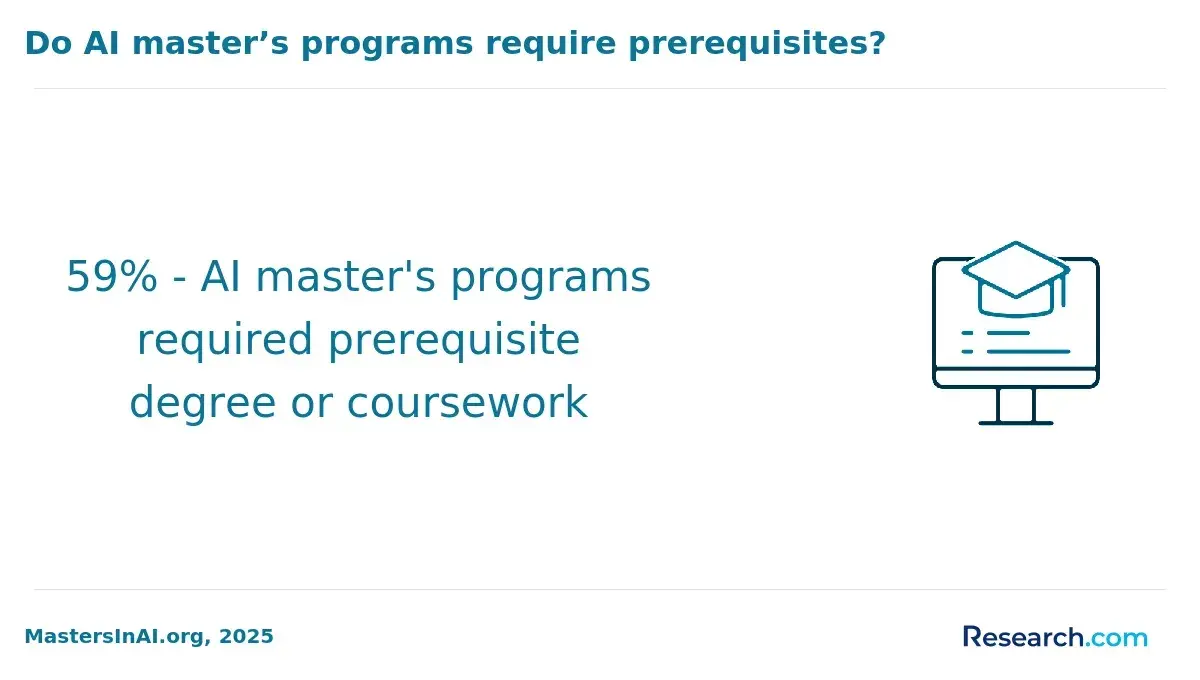
Enrollment in executive AI and agentic AI programs is rising sharply, with more than 60% of learners coming from non-technical backgrounds such as HR. This trend underscores the growing importance of AI expertise for people management roles without requiring a tech background.
Research confirms that mastering AI integration and ethical application in HR is essential for modern CPOs navigating digital transformation.
How can Chief People Officers evaluate accreditation and credibility of agentic AI programs?
Chief People Officers (CPOs) can determine the accreditation and credibility of agentic AI programs by focusing on established standards, institutional reputation, and measurable outcomes. Key factors include whether the program is accredited by recognized bodies like AACSB, ABET, or regional agencies, ensuring a curriculum aligned with academic rigor and industry needs. The involvement of reputable AI researchers or industry leaders in curriculum design is another strong indicator of relevance and technical accuracy.
Practical applicability is crucial. Programs offering hands-on experience through case studies, project work, or partnerships with tech firms often provide superior learning outcomes. Alumni success, particularly graduates advancing into leadership roles or influencing AI strategy within HR, further validates program quality. Transparency about faculty qualifications and active research in AI ethics, governance, and agentic AI applications strengthens credibility.
Formal industry endorsements or certifications connected to vendor-neutral AI frameworks are additional evidence of a program's value. According to IBM's "CEO and CHRO Guide to Generative AI" study, companies with senior HR leaders who completed structured AI training programs realized up to 1.8× higher ROI on AI initiatives and were 2× more likely to expand AI beyond pilot stages. This highlights the benefits of selecting accredited, credible programs aligned with strategic HR transformation goals.
What admission requirements and prior experience are expected for executive-level agentic AI courses?
Executive-level agentic AI courses for chief people officers (CPOs) typically require candidates to have extensive leadership experience in HR or related fields, usually between 8 and 15 years. Applicants are generally expected to have a background in driving strategic organizational change and a solid foundation in ai concepts or data analytics, proven through prior certifications, coursework, or hands-on projects.
Common prerequisites include:
- Leadership roles involving cross-functional collaboration and technology adoption
- Experience managing or influencing advanced HR technologies and ai tools
- Business acumen to align ai applications with organizational goals
- Completion of preparatory modules or assessments demonstrating ai literacy and strategic thinking
Some programs offer flexible admission pathways for candidates lacking formal ai education but who bring relevant operational experience, often requiring these candidates to complete preparatory content first. Additionally, some courses ask for a project proposal detailing how the applicant plans to integrate agentic AI into talent management or workforce planning.
This selective admission reflects a growing investment in ai education for HR leaders. According to Deloitte's 2024 Global Human Capital Trends report, 54% of large enterprises increased their HR tech and ai-skills budget by at least 20%, with ai leadership education prioritized by 47% of CHROs. This indicates that executives enrolling in such courses are expected to lead AI-driven transformations.
How much do high-quality agentic AI programs for HR leaders cost, and who pays?
High-quality agentic AI courses for chief people officers typically cost between $2,000 and $8,000 per participant. Executive and certificate programs from leading business schools or specialized AI institutes fall within this range, reflecting their advanced curricula and expert instruction. Custom corporate training may exceed $15,000 per learner depending on the program's scope and support services.
Most organizations fund these courses through professional development or learning and development (L&D) budgets. This is supported by McKinsey & Company's 2024 "State of AI in Organizations" report, which highlights that AI-mature HR functions are 3.1× more likely to be top-quartile financial performers and 2.4× more likely to have high employee engagement. Such data underlines why employers consider agentic AI mastery essential for leadership that drives measurable business outcomes.
Some HR leaders cover costs themselves, especially during career transitions or lateral moves requiring AI expertise. Partial reimbursements or tuition assistance may be negotiated.
Additional costs include time off work, technology access, and supplementary materials. Online courses tend to be more affordable and flexible, while in-person executive residencies command premium fees but offer valuable networking opportunities.
Expect to invest several thousand dollars per course, with payment often borne by organizations focused on AI-driven HR transformation.
How does agentic AI expertise affect CPO compensation, career mobility, and future job security?
Agentic AI expertise significantly boosts chief people officers' (CPO) compensation, career mobility, and job security. As AI-driven talent management systems gain adoption, CPOs with strong knowledge of agentic AI earn higher salaries, reflecting their role in leading complex digital transformations. Forrester Research forecasts that by 2030, 80% of large enterprises will integrate agentic AI into core talent processes, with over 60% of these initiatives sponsored by CHROs or CPOs. This leadership involvement strongly correlates with increased compensation, as companies emphasize strategic AI implementation within HR functions.
Career opportunities expand for CPOs skilled in agentic AI. Expertise in AI-driven workforce analytics and automated talent acquisition makes these professionals highly sought after across industries. Such skills often pave the way for progression into broader leadership roles like chief digital officer or COO, due to their influence on organizational efficiency.
Job security also depends heavily on AI capabilities. CPOs without agentic AI knowledge risk becoming obsolete as HR evolves. Those adept at using AI to improve employee engagement, performance management, and diversity hiring maintain an essential advantage.
Examples include CPOs who lead AI-powered succession planning systems to enhance talent retention or develop AI ethics frameworks for workforce algorithms, positioning themselves as indispensable in the future workplace.
Other Things You Should Know About Artificial Intelligence
Ethical considerations in AI for HR include ensuring transparency, avoiding bias in algorithms, and protecting employee privacy. Chief People Officers must oversee the use of AI tools to maintain fairness and compliance with labor laws while fostering trust among employees. Responsible AI implementation involves continuous monitoring and updating of systems to prevent discriminatory outcomes.
Chief People Officers can stay current by enrolling in 2027's best AI courses tailored for HR leaders, attending AI-focused industry conferences, subscribing to relevant publications, and participating in professional networks dedicated to AI in human resources. These steps will help them remain knowledgeable and effectively implement AI strategies.
Using AI in HR raises significant data privacy concerns because sensitive employee information is processed and analyzed. Chief People Officers must navigate compliance with regulations like GDPR and CCPA while ensuring data security. They should implement strict access controls, data anonymization, and transparent consent policies to protect employee data.
References
- Generative AI and Agentic AI Strategies https://my.idc.com/getdoc.jsp
- Automating HR Work with AI Agents https://www.aihr.com/courses/ai-agents-for-hr/
- NVIDIA Agentic AI LLMs Certification https://www.nvidia.com/en-us/learn/certification/agentic-ai-professional/
- 5 Ways Agentic AI Transforms Employee Experiences https://www.processmaker.com/blog/5-ways-agentic-ai-transforms-employee-experiences/
- Hands-on Agentic AI for Leaders by James Gray on Maven https://maven.com/james-gray/hands-on-ai-for-leaders
- Agentic AI in HR: What HR Needs to Know https://www.hrci.org/community/blogs-and-announcements/hr-leads-business-blog/hr-leads-business/2025/08/21/agentic-ai-in-hr
- Best AI Agent Courses for C-Level Leaders (2026 Guide) https://aiagentsacademy.ai/blog/best-ai-agent-courses-c-level-leaders-2026
- Harvard Data Science Review Agentic AI Intensive https://live.hdsrcourses.org/agentic-ai-intensive
- Agentic AI Course with Advanced Training and Certification https://www.edureka.co/agentic-ai-training-course
- How top HR leaders are putting agentic AI to work https://www.hr-brew.com/stories/cpos-chros-agentic-ai-use-cases