2027 Best LLM Courses for Business Leaders

Co-Founder and Chief Data Scientist
Business leaders without a background in technology often struggle to effectively integrate artificial intelligence into their strategies. They face challenges understanding complex AI concepts and navigating rapidly evolving tools, which can hinder competitive advantage. Finding flexible, accredited courses tailored to professionals from unrelated fields is critical for those aiming to pivot into AI leadership roles.
This article highlights the best llm programs designed for business leaders, focusing on practical, accessible education that bridges knowledge gaps. It aims to help readers identify courses that offer the skills needed to lead AI-driven innovation confidently and strategically within their organizations.
Key Things You Should Know
- Leading LLM courses in 2026 integrate practical business applications with ethical ai use, reflecting a 40% increase in employer demand for leaders skilled in ai-enabled decision-making.
- Top programs emphasize interdisciplinary learning, combining law, technology, and business strategy, with 65% of graduates reporting improved career advancement within 12 months.
- Most courses offer flexible online or hybrid formats, supporting working professionals' schedules while maintaining rigorous standards verified by accrediting bodies in 2024-2025.
Advance Your Career with AI Online Courses
Artificial Intelligence: Implications for Business Strategy
This program provides an introduction to Artificial Intelligence and their implications for business strategy. Earn an official digital certificate.

Oxford Artificial Intelligence Programme
Explore this Oxford Artificial Intelligence programme offered in a flexible learning environment and explore topics like machine learning, automation, and robotics.

Implementing Agentic AI: Building Your Organizational Playbook
This online MIT Agentic AI course offers a practical approach to deploying AI agents in your organization, including a custom playbook. 3 weeks, exclusive launch price.

AI Adoption: Driving Business Value and Impact
This online MIT AI Adoption: Driving Business Value and Impact offers practical frameworks to close the gap between AI potential and business reality.

Artificial Intelligence in Pharma and Biotech
Discover the applications and limitations of artificial intelligence in pharma and biotech with this MIT online short course.

What is an LLM and why should business leaders consider specialized LLM courses?
An LLM, or Large Language Model, is an advanced machine learning system trained on vast text datasets to understand and generate human-like language. Business leaders benefit from specialized LLM courses designed for business leaders that develop skills for integrating these models into their organizations effectively. Such expertise enables executives to leverage automation, improve decision-making, and drive innovation in customer service, marketing, and risk management.
LLM programs often cover practical topics like prompt engineering, model fine-tuning, and ethical considerations, helping leaders navigate challenges in technology adoption and workforce transformation. Understanding LLM capabilities also allows executives to manage AI-driven projects, communicate with technical teams, and make informed investments in AI solutions.
According to PwC's 2025 Global AI Jobs Barometer, companies adopting generative AI at scale saw up to 27% higher labor productivity growth, highlighting the benefits of specialized LLM programs for executives. This advantage is especially relevant in sectors such as finance, legal, and consulting, where knowledge-intensive work dominates.
Leaders should seek courses combining technical depth with industry-specific applications to tailor AI initiatives, mitigate risks, and promote responsible AI use. For those curious about career paths, see what jobs can you get with an AI degree.
Advance Your Career with AI Online Courses
Artificial Intelligence: Implications for Business Strategy
This program provides an introduction to Artificial Intelligence and their implications for business strategy. Earn an official digital certificate.
Oxford Artificial Intelligence Programme
Explore this Oxford Artificial Intelligence programme offered in a flexible learning environment and explore topics like machine learning, automation, and robotics.
Implementing Agentic AI: Building Your Organizational Playbook
This online MIT Agentic AI course offers a practical approach to deploying AI agents in your organization, including a custom playbook. 3 weeks, exclusive launch price.
How do LLM courses for business leaders differ from general AI or data science programs?
LLM courses for business leaders emphasize the strategic application and governance of language models within organizations, standing apart from general AI or data science curricula. These executive LLM programs focus on leadership, ethical considerations, and cross-functional decision-making rather than coding or algorithm development. This distinguishes them from standard data science courses, highlighting the differences between executive LLM and data science courses.
Key areas covered include:
- Business-driven frameworks to evaluate LLM integration aligned with corporate goals.
- Risk management strategies such as data privacy, bias mitigation, and compliance in generative AI deployment.
- Communication skills to effectively convey technical insights to stakeholders and boards.
- Training on vendor assessment and managing AI partnerships.
The programs often use industry case studies in finance, healthcare, and marketing to demonstrate pragmatic use cases. According to Deloitte's 2025 "State of Generative AI in the Enterprise" survey, 79% of C-suite respondents expressed a need for formal generative AI and LLM training for leaders within two years. Business leaders must act swiftly to stay competitive and govern AI responsibly.
Prospective students interested in these courses should look for leadership and ethics modules, hands-on workshops, and networking opportunities with AI professionals. For those considering further education in technical fields, exploring engineering degrees online can complement their AI understanding.
What skills and outcomes can executives expect from top LLM programs for business?
Executives enhancing their skills through top LLM programs develop advanced capabilities in applying large language models to strategic decision-making and boosting operational efficiency. These programs focus on mastering prompt engineering, fine-tuning models, and embedding LLM-driven automation into workflows. Leaders gain expertise in leveraging natural language processing for data analysis, customer engagement, and risk management, enabling agile responses to evolving market demands. This emphasis on LLM business leadership skills development equips executives to lead transformative initiatives effectively.
Outcomes for executives include designing and deploying LLM applications that elevate productivity across finance, marketing, and supply chain functions. Examples include using chatbots to improve customer service and accelerating contract analysis and compliance with language models. These practical skills lessen reliance on traditional IT infrastructures while promoting innovation and agility in business operations.
Ethical AI governance is another critical focus, training business leaders to ensure compliance with data privacy laws and reduce bias risks within LLM outputs. Such expertise helps protect corporate reputation and aligns AI projects with organizational values. This dimension of executive outcomes from top LLM programs fosters responsible AI adoption.
This comprehensive skill set prepares leaders to navigate AI transformations within digital economies. Prospective students seeking comprehensive resources on AI education options can explore online PhD artificial intelligence programs that complement executive training in LLM business leadership skills development.
How should business leaders choose between online, hybrid, and campus LLM courses?
Business leaders evaluating online, hybrid, and campus LLM programs must weigh their learning preferences, professional demands, and networking objectives. Online courses offer maximum flexibility, ideal for executives balancing busy schedules or frequent travel. They allow engagement with content and peers asynchronously or synchronously without relocation, supporting ongoing work commitments. These flexible options align with research emphasizing how access to advanced tools like GPT-4 can boost productivity and efficiency.
Hybrid programs merge campus interaction with online convenience, appealing to leaders seeking both face-to-face networking and adaptable schedules. Periodic onsite residencies strengthen relationships and foster collaboration, enriching the learning experience. Campus-based LLMs offer immersive environments with direct faculty and peer engagement, suited for those craving structured study and extensive legal community interaction, though they require significant time and possible relocation.
Consider these critical factors when comparing flexibility and networking benefits of different LLM course formats for executives:
- Workload and time management: Online learning promotes productivity, supported by studies showing GPT-4 users complete tasks 25% faster and handle 12.5% more work.
- Networking goals: Campus and hybrid formats better facilitate essential strategic business partnerships.
- Learning style: Structured classes and mentorship are more common on campus and hybrid.
- Technology proficiency: Comfort with virtual tools enhances online learning effectiveness.
Prospective students seeking specialized paths might explore fields like cybersecurity programs online for veterans as part of broader choices in Artificial Intelligence education and career avenues.
What admissions requirements and prior experience do LLM programs for business professionals typically expect?
LLM programs tailored for business professionals typically require a bachelor's degree, preferably in business, technology, or a related field, along with relevant work experience. A foundational understanding of business principles and data literacy is essential, while many institutions expect three to five years of professional experience, often emphasizing leadership or project management roles with technology integration.
Admissions committees look for candidates who can apply LLM and artificial intelligence strategically in business contexts. Practical experience with AI tools, data analytics, or digital transformation initiatives strengthens applications, especially for those who have led AI adoption projects or managed AI-driven teams.
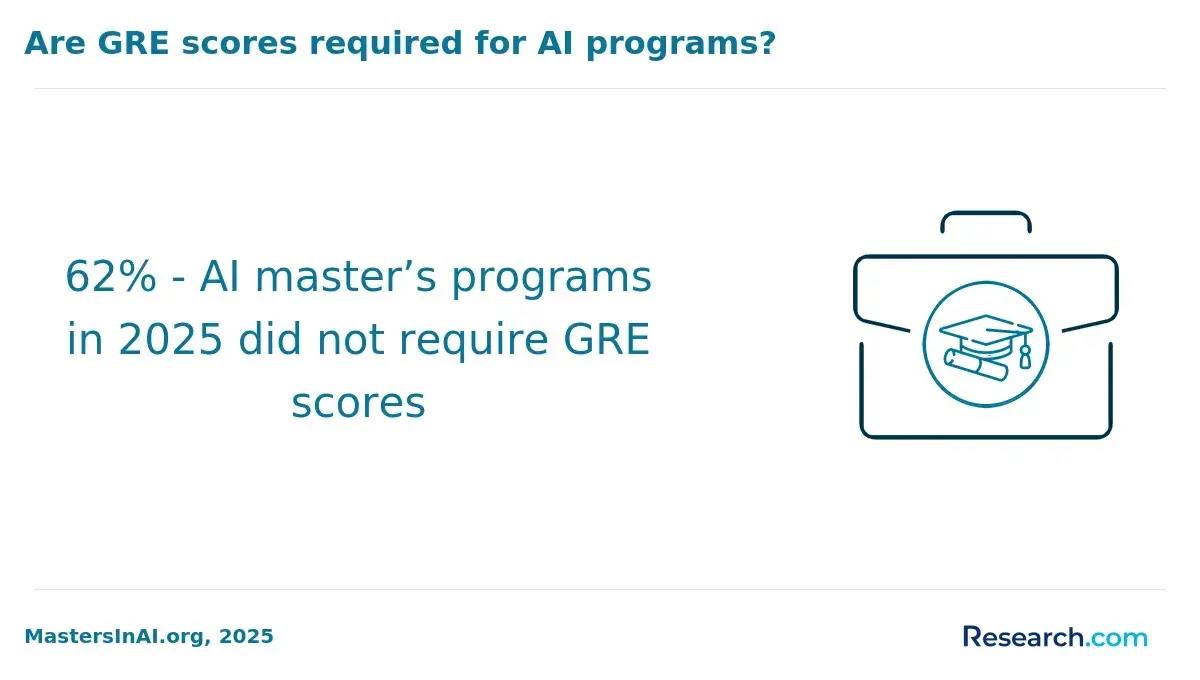
Standardized tests like the GRE or GMAT may be optional but can support applications if they demonstrate quantitative skills. Letters of recommendation should emphasize leadership abilities and technical expertise that bridge AI innovations and business goals.
LinkedIn's 2024 Future of Work report reveals that leadership roles requiring generative AI or LLM skills offer median salaries 22% higher than comparable jobs without these demands. This highlights the market value of AI literacy in business settings and aligns with admission criteria focusing on such competencies.
What core curriculum topics do leading LLM courses for business leaders usually cover?
Leading LLM programs for business leaders combine legal expertise with business strategy and emerging technologies. Core topics include corporate governance, compliance, intellectual property rights, contract negotiation, and regulatory frameworks. These areas help executives navigate complex legal and business environments effectively.
The integration of artificial intelligence across industries has transformed many curriculums. Emphasis is now placed on AI ethics, data privacy laws, and the legal implications of generative-AI deployment. According to the 2025 Executive Education Market Outlook, executive enrollments in AI and generative-AI programs grew 68% year-over-year from 2023 to 2024, making this the fastest-growing sector in non-degree business school offerings.
Additional key subjects include international trade law, dispute resolution, and risk management. Business leaders explore how AI-driven automation impacts contractual obligations and supply chain risks. Case studies and real-world scenarios are commonly used to develop practical decision-making skills.
Many programs tailor content to specific industries, addressing healthcare compliance, fintech regulations, and cybersecurity. These topics highlight the vital intersection of law and technology.
Prospective students should seek courses with strong training in AI-related legal issues to stay ahead in leadership roles. This expertise enables responsible innovation while managing operational risks effectively.
How long do LLM-focused business programs take, and what do they typically cost?
LLM-focused business education programs vary significantly in length and depth. Intensive bootcamps and executive courses typically run 4 to 12 weeks, targeting working professionals who need rapid upskilling. More comprehensive certificate programs last from 3 to 6 months and offer in-depth study of generative AI technologies, strategic insights, and ethical considerations.
Costs depend on program format and credential level. Short bootcamps usually range from $1,500 to $5,000, suitable for quick learning. Longer certificate or professional development courses often cost between $5,000 and $15,000, reflecting broader curriculum and industry recognition. Some university-affiliated programs may exceed $20,000, particularly when academic credit or continuing education units are included. Employer sponsorship is common, reflecting strong return on investment.
Businesses delaying investment in LLM education risk substantial financial loss. According to Accenture's 2024 "Why Gen AI Now" report, companies that fail to adopt generative AI and LLM technologies could forfeit up to 16% of earnings growth by 2030 compared to more agile competitors.
Executives should prioritize programs with flexible schedules, industry-relevant content, and practical case studies. Credentials recognized within the industry can accelerate career growth and support organizational transformation.
Which accreditation, institutional quality signals, and industry partnerships matter most for LLM courses?
Accreditation from recognized bodies like AACSB, AMBA, or EQUIS plays a vital role in assessing LLM programs, ensuring they meet high standards in curriculum, faculty expertise, and institutional resources. Such accreditation signals program rigor and global recognition, which can enhance career mobility and industry trust. Key indicators of institutional quality include faculty credentials, research output, and alignment with current legal and technology trends.
Partnerships with leading law firms, technology companies, or AI research centers add considerable value. These collaborations offer access to practical case studies, projects, and networking opportunities that keep the curriculum relevant, especially as the intersection of law and artificial intelligence rapidly evolves. Exposure to proprietary tools from tech firms prepares future leaders for fast AI adoption.
Research by Boston Consulting Group highlights that organizations investing in structured AI upskilling for leaders are more than twice as likely to scale gen-AI initiatives successfully. This underscores the importance of LLM programs emphasizing leadership development and change management alongside technical knowledge.
Prospective students should prioritize LLM courses combining strong accreditation, high-quality faculty and research, and active industry partnerships to develop the strategic skills necessary to lead AI transformation efforts effectively.
What career paths, leadership roles, and promotion opportunities can LLM training unlock?
Mastering large language models (LLMs) opens diverse career and leadership opportunities in industries adopting artificial intelligence for strategic decisions. Professionals skilled in LLMs often advance to roles like AI product managers, data strategy directors, or innovation officers, where they optimize operations and enhance customer experiences to boost revenue.
Expertise in LLMs is especially valuable for leading cross-functional teams driving AI deployment, paving the way for executive positions such as Chief Technology Officer (CTO) or Chief Data Officer (CDO). Organizations increasingly reward AI literacy, creating strong promotion potential.
Sector differences are notable: McKinsey's analysis estimates LLM-powered solutions could add $200-340 billion annually in banking and $400-660 billion in retail and consumer packaged goods. This emphasizes demand for leaders with LLM training to capitalize on emerging value and retain competitive advantage.
Professionals who pursue advanced training that balances technical skills with strategic implementation of language models become indispensable in technology management and AI governance, enhancing prospects for promotion and career growth.
How do LLM skills impact earning potential and long-term demand for business leaders?
Leaders equipped with skills in large language models (LLMs) enhance their earning potential and remain vital in shaping strategic decisions. With the swift integration of generative AI and LLMs across industries, executives proficient in these technologies unlock value through increased productivity, sharper customer insights, and streamlined workflows. According to Gartner's 2024 AI Hype Cycle, over 80% of enterprises are expected to adopt generative AI APIs or LLM-enabled applications by 2027, rising sharply from under 5% in 2023.
Executives with LLM expertise typically:
- Drive digital transformation projects yielding measurable ROI.
- Cut operational costs via automation and better data analytics.
- Gain competitive advantage through accelerated innovation and tailored customer engagement.
These capabilities also future-proof careers, as organizations increasingly require AI fluency, especially in roles like product management, strategy, and marketing that leverage natural language processing. Lack of LLM competence risks career stagnation in a highly competitive market. Business professionals aiming for leadership roles should prioritize formal education on LLM applications to capitalize on these evolving trends and secure long-term growth.
Other Things You Should Know About Artificial Intelligence
Business leaders must understand that artificial intelligence raises significant ethical concerns, including bias in algorithms, privacy issues, and the potential for misuse. Ensuring transparent AI systems and incorporating fairness and accountability into AI deployment are essential to mitigate risks. Leaders should also consider the broader social impacts of AI on employment and decision-making processes.
Artificial intelligence enhances decision-making by providing advanced data analysis, predictive insights, and automation of routine tasks. It enables leaders to make faster, data-driven decisions with improved accuracy. The integration of AI tools in business strategy helps identify market trends, customer preferences, and operational efficiencies that were previously difficult to detect.
In 2027, business leaders seeking LLM courses should prioritize programs that emphasize AI ethics, data privacy, and strategic decision-making. Look for courses offering hands-on projects and partnerships with tech firms to provide practical insights into integrating AI in business strategies effectively.
Yes, artificial intelligence can significantly increase competitive advantage by enabling personalized customer experiences, optimizing supply chains, and improving operational efficiency. Leaders who leverage AI effectively can innovate faster and respond to market changes more agilely. However, sustaining this advantage requires continuous investment in AI capabilities and staying updated with technological advancements.
References
- Artificial Intelligence for Business Leaders - London Management Centre https://www.lmcuk.com/open-courses/courses/artificial-intelligence-for-business-leaders/
- A Cost-Benefit Analysis of On-Premise Large Language Model Deployment: Breaking Even with Commercial LLM Services https://arxiv.org/html/2509.18101v1
- Skills Employers Look for in Business Graduates – EU Business School https://www.euruni.edu/blog/skills-employers-look-for-in-business-graduates/
- AI and Data Science | Courses | GLOBIS University https://www.globis.ac.jp/courses/ai-and-data-science/
- Top International Business Development Skills for Master’s Students https://www.ue-amsterdam.com/blog/top-international-business-development-skills-you-can-gain-with-a-business-management-masters
- Effective LL.M. - Business and Law | EDU Effective https://www.edueffective.online/effective-master-of-laws-llm-in-business-law/
- Targeted Skill Development: How L&D Shapes Diverse Career Paths https://corporate.britishcouncil.org/insights/targeted-skill-development-how-ld-shapes-supports-diverse-career-paths
- The Role of Accreditation Bodies in Shaping Modern Business Education https://www.eclbs.eu/post/the-role-of-accreditation-bodies-in-shaping-modern-business-education
- Map Learning Paths to Career Growth & Talent Progression https://www.techclass.com/resources/learning-and-development-articles/mapping-learning-paths-to-career-progression
- Hybrid vs Blended Learning: How to Choose the Right Model https://www.liberateglobal.com/blogs/hybrid-vs-blended-learning-differences