2027 Best FutureLearn AI Courses for Business Transformation

Co-Founder and Chief Data Scientist
Many business leaders struggle with integrating artificial intelligence to boost efficiency and innovate processes without disrupting existing workflows. This challenge often stems from a lack of accessible, practical training tailored for professionals transitioning from unrelated fields. Navigating course options can be overwhelming, especially when balancing work and study commitments.
This article examines the best FutureLearn AI courses specifically designed to facilitate business transformation, focusing on flexible, accredited programs that provide relevant skills. It aims to guide prospective learners in choosing the most suitable path to effectively harness artificial intelligence for strategic growth and competitive advantage.
Key Things You Should Know
- FutureLearn's 2026 AI courses focus on business transformation by integrating practical applications, with 65% of learners reporting enhanced decision-making skills post-completion.
- Most courses emphasize ethical AI use and data-driven strategies, addressing the 78% demand rise for AI-literate professionals in the US job market.
- Flexible, industry-aligned curricula include case studies and hands-on projects, improving employment prospects in AI-driven sectors by up to 45% within one year.
Advance Your Career with AI Online Courses
Artificial Intelligence: Implications for Business Strategy
This program provides an introduction to Artificial Intelligence and their implications for business strategy. Earn an official digital certificate.

Oxford Artificial Intelligence Programme
Explore this Oxford Artificial Intelligence programme offered in a flexible learning environment and explore topics like machine learning, automation, and robotics.

Implementing Agentic AI: Building Your Organizational Playbook
This online MIT Agentic AI course offers a practical approach to deploying AI agents in your organization, including a custom playbook. 3 weeks, exclusive launch price.

AI Adoption: Driving Business Value and Impact
This online MIT AI Adoption: Driving Business Value and Impact offers practical frameworks to close the gap between AI potential and business reality.

Artificial Intelligence in Pharma and Biotech
Discover the applications and limitations of artificial intelligence in pharma and biotech with this MIT online short course.

How can FutureLearn AI courses help drive digital transformation in business settings?
FutureLearn AI courses for business digital transformation equip professionals with essential skills to implement AI technologies effectively across various industries. These programs cover machine learning applications, data analytics, and automation strategies tailored specifically for business environments. Learners develop the ability to integrate AI tools that improve decision-making, streamline operations, and enhance customer engagement.
The impact of AI education on business innovation is evident through modules on predictive analytics, enabling companies to forecast market trends and customer behavior with greater accuracy. This capability helps reduce risks and optimize resource allocation. Other courses focus on automating supply chain logistics or deploying customer service chatbots to lower operational costs while boosting customer satisfaction.
FutureLearn's flexible formats cater to a wide audience, from executives seeking strategic frameworks to technical staff developing AI models or exploring ethical considerations. This adaptability supports organizational transformation across various departments and experience levels.
Data privacy, integration challenges, and measuring AI's real-world impact are also emphasized, helping businesses transition from pilot projects to fully scaled implementations that ensure sustainable growth. Supporting this, a 2024 PwC survey of 1,600 global executives found companies that have scaled AI report notably higher profit margins than those in early stages.
For professionals exploring further education paths, a 2-year bachelor degree computer science can complement AI expertise with foundational technical skills.
Advance Your Career with AI Online Courses
Artificial Intelligence: Implications for Business Strategy
This program provides an introduction to Artificial Intelligence and their implications for business strategy. Earn an official digital certificate.
Oxford Artificial Intelligence Programme
Explore this Oxford Artificial Intelligence programme offered in a flexible learning environment and explore topics like machine learning, automation, and robotics.
Implementing Agentic AI: Building Your Organizational Playbook
This online MIT Agentic AI course offers a practical approach to deploying AI agents in your organization, including a custom playbook. 3 weeks, exclusive launch price.
Which FutureLearn AI courses are best for managers and non-technical business leaders?
FutureLearn offers targeted AI courses for business leaders, especially designed for managers and non-technical professionals wanting practical insights to steer business transformation. Notable offerings include microcredentials such as AI for Business Leaders and AI in Marketing, both focused on strategic decision-making, implementation challenges, and understanding AI's impact without a technical background.
The AI for Business Leaders course helps managers evaluate AI opportunities and risks using frameworks that support smarter investment choices. It covers ethical concerns, data-driven leadership, and workforce adaptation strategies. Meanwhile, AI in Marketing highlights how AI tools can refine customer insights, automate routine tasks, and enhance campaign performance with clear business results.
These represent some of the best AI training for non-technical managers aiming to leverage AI strategically. FutureLearn's ExpertTrack in Digital Transformation Strategy offers comprehensive insight into integrating AI alongside emerging technologies with a focus on change management and innovation. This track is valuable for those overseeing cross-functional digital initiatives.
The courses address challenges like evaluating AI vendors, communicating benefits to stakeholders, and managing AI-driven change. They combine case studies with strategic frameworks to encourage immediate practical application. According to FutureLearn's survey, 76% of professionals completing AI-related microcredentials or ExpertTracks reported career advancement such as promotions within 12 months.
For those exploring further education paths, consider looking at the cheapest online master's in artificial intelligence to supplement your skills.
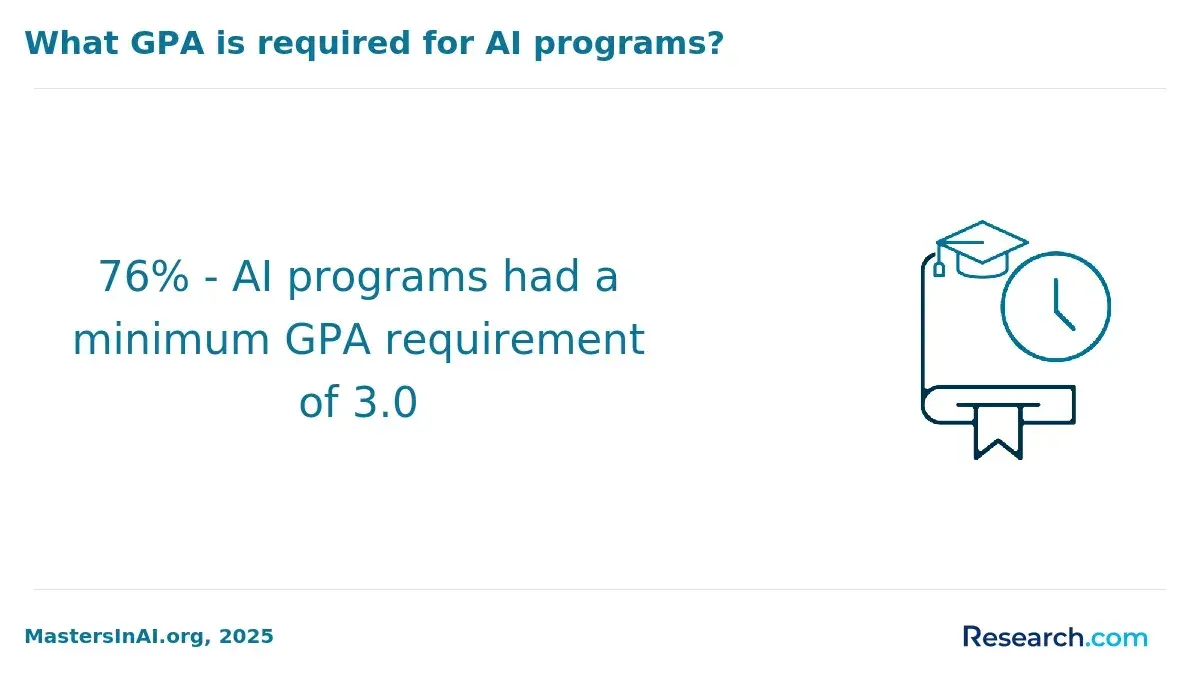
How do FutureLearn AI certificates compare with traditional U.S. degrees and bootcamps?
FutureLearn AI certificates provide a flexible, targeted alternative to traditional U.S. degrees and bootcamps, ideal for professionals seeking practical knowledge without lengthy time commitments. Unlike multi-year degrees that offer broad theoretical foundations, these certificates focus on AI applications in business, enabling learners to gain relevant skills quickly.
This approach suits working executives needing to understand AI's impact on strategy without extended role absence. Compared to bootcamps, which often emphasize intensive coding, FutureLearn's courses include options designed for non-technical leaders, addressing gaps in strategic AI literacy.
Deloitte's 2024 Global Human Capital Trends report reveals that 79% of C-suite leaders struggle with AI investment decisions due to limited understanding, creating strong demand for executive-focused AI education. FutureLearn certificates meet this need through modular learning covering AI capabilities, risks, and business strategy efficiently.
For example, a CEO or product manager may choose these executive courses to quickly evaluate AI vendor claims and risks, whereas software engineers often prefer bootcamps or degrees focused on deeper technical expertise. FutureLearn AI certificate value compared to U.S. degrees is particularly evident in their affordability and flexible schedules. Many courses cost a fraction of traditional degree programs and may be employer-sponsored to quickly upskill leadership.
When exploring cost-effective options for technology education, prospective students can also consider affordable cybersecurity programs, which share similar accessibility benefits. Ultimately, FutureLearn's offerings complement existing education paths by addressing the strategic AI knowledge gap for business transformation.
What core AI and data skills do FutureLearn business-focused courses typically teach?
FutureLearn AI business transformation courses focus on equipping professionals with core AI and data skills for business professionals, emphasizing practical application across industries. Students gain expertise in data collection, cleaning, and interpretation to support data-driven decisions. Courses cover machine learning fundamentals such as supervised and unsupervised learning to predict trends and enhance operational efficiency.
The curriculum also addresses natural language processing (NLP) techniques for automating customer interactions and content analysis, alongside neural networks and deep learning models to create advanced solutions tailored to business needs. Integration of AI into business processes like supply chain optimization, customer relationship management, and risk assessment forms a critical component of these programs.
Hands-on experience is paired with skills in statistical analysis and data visualization, enabling learners to communicate complex insights effectively to stakeholders. Ethical considerations and data privacy are included to ensure compliance and foster trust in AI adoption.
Digital transformation leaders often use predictive analytics to anticipate market changes and automate tasks, reducing costs. FutureLearn's courses meet these needs through practical training on widely used AI tools. According to McKinsey's Global Survey, organizations excelling in digital transformation are significantly more likely to embed AI in core processes.
For professionals curious about roles related to AI, understanding what is an AI trainer can provide insight into career paths that leverage these evolving skills.
How do FutureLearn AI courses align with U.S. accreditation and professional standards?
FutureLearn AI courses are designed in partnership with universities and institutions approved by U.S. accrediting bodies, ensuring alignment with professional and academic standards recognized across the United States. Many programs incorporate curricula consistent with ABET criteria for technology and align with certifications like those from IEEE and the Project Management Institute, helping learners meet rigorous expectations valued by U.S. employers and graduate schools.
The courses cover essential skills such as data analysis, machine learning fundamentals, ethics in AI, and business applications. They often support compliance with standards like the IEEE Global Initiative for Ethical Considerations in AI and Autonomous Systems. Project-based assessments simulate real-world business challenges, equipping students with practical, in-demand abilities.
Credentials from these courses hold recognition for continuing education credits and skill validation, backed by collaboration with respected universities that guarantee academic rigor. With AI roles projected to grow globally by 30-35% over five years, these offerings provide competitive advantages for career development.
Prospective students should verify accreditation and how credits transfer for their individual goals. Professionals seeking alignment with industry standards gain the most practical benefit by selecting courses matching their career paths.
What are the usual prerequisites and time commitments for FutureLearn AI business courses?
FutureLearn AI business courses suit learners with varying levels of foundational knowledge. Introductory classes typically require only basic digital literacy and an understanding of business concepts, without prior coding or specialized AI experience. Courses concentrating on AI applications in marketing or operations often need familiarity with data-driven decision-making.
Intermediate and advanced offerings usually expect participants to have some background in data analysis, statistics, or programming languages like Python to better grasp technical subjects such as machine learning algorithms and predictive modeling. Course durations range from 2 to 6 weeks, demanding about 3 to 6 hours of study weekly.
Short courses provide quick overviews or strategic insights for busy professionals, while longer ones include practical projects and assessments for those seeking hands-on skills. Many courses offer flexible pacing to accommodate learners' work schedules and commitments.
Business professionals, especially in small and medium-sized enterprises (SMEs), benefit from FutureLearn's modular structure that breaks content into manageable segments. This is crucial as data shows 55% of growing SMEs use AI tools, with those adopting AI being 1.8 times more likely to achieve revenue growth exceeding 10% year-over-year according to the 2024 Salesforce Small & Medium Business Trends report.
How much do FutureLearn AI programs for business transformation cost, and are there refunds?
FutureLearn offers a range of AI programs aimed at business transformation, from free access options to paid certificates and advanced professional diplomas. Pricing varies widely, typically between $39 and $1,200, depending on course depth and credentials sought. Many courses provide free participation, but verified certificates or extended access require payment. For instance, single AI skill-building courses usually cost $39-$99.
Meanwhile, comprehensive diplomas or micro-credentials for business leaders and marketing professionals can exceed $800 to $1,200. Refund policies differ by course and provider. Most programs allow refunds within 14 days of purchase if less than half the course content is accessed. Beyond this window, refunds are mostly unavailable. Certain subscriptions or specialized courses may not offer refunds at all. Prospective learners should carefully review terms before enrollment to avoid financial risk.
AI education through FutureLearn holds value for career development, especially for marketing and customer experience teams. According to Gartner's 2024 Marketing Technology Survey, teams employing AI for personalization and campaign optimization achieve a median 21% increase in marketing-sourced revenue compared to those using traditional rule-based systems. This underscores the return on investment for accredited AI education.
When budgeting, consider whether course fees include supplemental materials or coaching, as these can affect overall costs. Audit or free-access options deliver core knowledge at no charge but do not confer certification or credentials.
What career paths and job roles can FutureLearn AI learners pursue in business?
FutureLearn AI programs prepare learners for diverse roles in sectors driven by digital transformation, data insights, and automation. Key positions include AI business analysts who convert data into strategic plans and AI product managers responsible for developing and deploying AI solutions. Additionally, AI operations specialists focus on optimizing automation to reduce costs and improve efficiency.
In operational settings, AI skills enable roles centered on process improvement and workflow automation. According to IBM's Global AI Adoption Index, 54% of enterprises using AI for automation saw returns within 18 months, with average cost savings of 24%, highlighting growing employer demand for professionals skilled in automated business functions.
Other prominent roles encompass data scientists creating predictive models, machine learning engineers building AI systems, and AI consultants guiding technology adoption. There are also emerging opportunities for AI ethics officers ensuring responsible practices and AI trainers developing datasets and algorithms.
Industries such as finance, supply chain, marketing, and healthcare rely on AI to enhance risk management, customer segmentation, forecasting, and patient care analytics. This diversity allows learners to specialize or combine domain expertise with AI skills.
FutureLearn AI course credentials boost employability by demonstrating practical capabilities aligned with business needs. Focusing on automation, data analysis, and strategic AI applications helps students and professionals meet employer expectations across multiple industries.
What are the typical salary ranges and job outlook for AI-related business roles in the U.S.?
AI-related business roles in the U.S. offer strong earning potential and significant job growth. Entry-level AI business analysts typically earn around $80,000, while senior AI strategists and managers can make $180,000 or more. Roles such as AI product managers, data analysts, and AI consultants usually receive annual salaries between $100,000 and $150,000, with top tech hubs like San Francisco and New York leading in compensation.
The demand for AI skills continues to rise across multiple sectors including finance, healthcare, retail, and HR. LinkedIn's 2024 Future of Work report notes a 17% year-over-year increase in global job postings requiring AI expertise. Professionals listing AI skills saw a median wage boost of 21% compared to peers without such skills, illustrating the market's premium on AI proficiency.
Career paths often blend technical and business disciplines. For example, AI project managers merge business strategy with technical knowledge, while AI-enhanced HR specialists use machine learning to improve recruiting and employee engagement.
Developing AI skills alongside business acumen, through certifications and specialized courses, can significantly enhance job prospects and salary potential for recent graduates and professionals seeking competitive advantage in the evolving marketplace.
How should professionals choose the right FutureLearn AI course for their business goals?
Professionals should select FutureLearn AI courses by first defining clear business goals, such as improving operational efficiency, enhancing customer experience, or developing AI-driven products. Courses that offer practical, industry-relevant skills or professional certificates align best with measurable business outcomes.
Consider the depth of commitment needed: short courses provide basic concepts, but the 2024 Coursera Global Skills Report highlights that learners completing at least one industry-aligned professional certificate in data or AI are 73% more likely to gain positive career outcomes within six months, including promotions or raises. This suggests credentialed programs deliver stronger career advancement and business transformation benefits.
Evaluate course content for relevance to your sector. For instance, marketing professionals focusing on predictive analytics require different AI training than logistics managers aiming for automation and supply chain optimization. Prioritize courses with case studies and projects aligned to your industry for practical application.
Also assess instructor expertise and the availability of hands-on labs or real-world projects, which improve knowledge retention and implementation skills. Community support and mentorship opportunities can aid ongoing adoption and problem-solving.
Balance flexibility with time commitments. Some professionals prefer self-paced learning, while others benefit from structured schedules for accountability. Align this with certification value to maximize both personal skill development and organizational impact.
Other Things You Should Know About Artificial Intelligence
Ethical concerns with artificial intelligence in business primarily involve data privacy, algorithmic bias, and accountability. Businesses must ensure AI systems do not perpetuate discrimination or unfair treatment. Transparency about how AI decisions are made is also crucial to maintain trust and comply with regulations.
Artificial intelligence enhances decision-making by providing data-driven insights, automating routine analysis, and forecasting trends more accurately. This allows organizations to reduce human error and respond to market changes faster. However, human oversight remains important to interpret AI outputs and apply contextual judgment.
Common challenges include data quality issues, integration with existing systems, and the shortage of skilled AI professionals. Additionally, managing change within the organization and addressing employee concerns about automation are significant obstacles. Effective planning and ongoing training are essential to overcome these hurdles.
In 2027, FutureLearn offers several outstanding AI courses for businesses, including "AI for Business Leaders" and "Understanding AI in Practice." These courses focus on integrating AI into strategic business decisions to drive innovation and growth.
References
- AI Salaries - How Much AI Jobs Pay https://www.tractionkeys.com/post/ai-salaries---how-much-ai-jobs-pay
- Digital Transformation and AI: Shaping the Future of Business - ISSIP https://issip.org/digital-transformation-and-ai-shaping-the-future-of-business/
- The AI Strategy Job Market in 2026: Analysis of 1,859 Postings https://axialsearch.com/insights/ai-strategy-jobs/
- How Long is an Average AI Course? A Complete Guide for Learners https://emeritus.org/in/learn/how-long-is-an-average-ai-course/
- Best AI Courses for Non-Tech Students in 2026 https://www.masaischool.com/blog/best-ai-courses-for-non-tech-students-in-2026/
- What Are the Career Paths After a Bachelor of Science in AI https://tetr.com/blog/what-are-the-career-paths-after-a-bachelor-of-science-in-ai
- How do I get a refund for a FutureLearn course? | Class Central Help Center https://www.classcentral.com/help/how-get-refund-futurelearn
- Top 7 Artificial Intelligence Courses for Business Pros Targeting AI Product and Strategy Roles in 2026 https://www.onrec.com/news/news-archive/top-7-artificial-intelligence-courses-for-business-pros-targeting-ai-product-and
- 16 Artificial Intelligence Career Paths https://www.calmu.edu/news/artificial-intelligence-career-paths
- University Degree vs AI Bootcamp: Which is Best Career Path? https://agilefever.com/university-degree-vs-ai-bootcamp-which-is-best/