2027 Best AI Courses for Talent Acquisition Teams Managing AI Adoption

Co-Founder and Chief Data Scientist
Many talent acquisition teams struggle to identify candidates who understand the complexities of managing AI adoption within organizations. Rapid technological changes demand professionals capable of bridging technical and strategic gaps. Without proper training, hiring efforts often miss qualified individuals who can effectively integrate AI tools and processes. This disconnect slows innovation and risks costly misalignments during digital transformation projects.
This article explores the best courses designed to equip talent acquisition professionals with the skills necessary to identify, attract, and retain candidates proficient in AI adoption management, helping to streamline hiring strategies and support organizational growth.
Key Things You Should Know
- Talent acquisition teams increasingly rely on AI courses to navigate evolving recruitment technologies, with 62% of HR professionals adopting AI-driven hiring tools by 2025.
- Effective AI adoption training combines practical skill-building and ethical considerations, as bias mitigation remains a critical challenge in AI-powered recruiting.
- Top AI courses emphasize data literacy and machine learning fundamentals, equipping teams to analyze candidate data and optimize talent strategies efficiently.
Advance Your Career with AI Online Courses
Artificial Intelligence: Implications for Business Strategy
This program provides an introduction to Artificial Intelligence and their implications for business strategy. Earn an official digital certificate.

Oxford Artificial Intelligence Programme
Explore this Oxford Artificial Intelligence programme offered in a flexible learning environment and explore topics like machine learning, automation, and robotics.

Implementing Agentic AI: Building Your Organizational Playbook
This online MIT Agentic AI course offers a practical approach to deploying AI agents in your organization, including a custom playbook. 3 weeks, exclusive launch price.

AI Adoption: Driving Business Value and Impact
This online MIT AI Adoption: Driving Business Value and Impact offers practical frameworks to close the gap between AI potential and business reality.

Artificial Intelligence in Pharma and Biotech
Discover the applications and limitations of artificial intelligence in pharma and biotech with this MIT online short course.

What are AI courses for talent acquisition teams and why do they matter now?
AI courses for talent acquisition teams designed to improve adoption strategies provide essential training on integrating AI tools into recruiting, hiring, and employee management processes. Despite 73% of HR leaders adopting generative AI in at least one talent process, only 16% report high proficiency, revealing a critical gap that these courses address.
Talent acquisition professionals benefit from AI training programs by developing skills in AI-powered candidate sourcing, resume screening, interview scheduling, and predictive analytics. Without such expertise, teams risk inefficient adoption, bias, and missed strategic hiring opportunities. Practical knowledge includes understanding algorithmic bias, data privacy compliance, and interpreting AI-driven candidate matching.
Common course topics include AI fundamentals for recruiting, machine learning applications, natural language processing to analyze candidate responses, and AI ethics. These programs also empower teams to evaluate AI tool effectiveness and promote responsible AI use within organizations, making them invaluable for competitive hiring strategies.
As AI reshapes talent attraction and retention, proficiency in AI tools has become a baseline skill. Talent acquisition professionals lacking formal AI training may fall behind, underscoring the benefits of AI training programs for talent acquisition professionals. For those seeking further education in related fields, the data science master degree ranking offers insights into affordable advancement options.
Advance Your Career with AI Online Courses
Artificial Intelligence: Implications for Business Strategy
This program provides an introduction to Artificial Intelligence and their implications for business strategy. Earn an official digital certificate.
Oxford Artificial Intelligence Programme
Explore this Oxford Artificial Intelligence programme offered in a flexible learning environment and explore topics like machine learning, automation, and robotics.
Implementing Agentic AI: Building Your Organizational Playbook
This online MIT Agentic AI course offers a practical approach to deploying AI agents in your organization, including a custom playbook. 3 weeks, exclusive launch price.
Which types of AI programs best support HR and talent acquisition professionals?
AI training programs for HR and talent acquisition teams focus on practical skills that enhance recruitment efficiency and decision-making. Courses covering AI-driven candidate sourcing, resume screening, and predictive analytics equip professionals to reduce time-to-hire and improve applicant quality. Training in natural language processing (NLP) tools, for example, helps recruiters analyze large volumes of resumes swiftly and identify top talent.
The best AI adoption courses for recruitment professionals often include modules on integrating AI with applicant tracking systems (ATS), enabling automation and data-driven insights in daily workflows. Despite AI technologies reducing time-to-hire by 30-35%, 62% of organizations underutilize AI due to lack of proper training (LinkedIn Global Talent Trends, Eightfold AI).
Ethical AI use and bias mitigation are critical components in these programs. HR teams learn about algorithmic fairness to uphold diversity and comply with legal regulations. Understanding how to interpret AI-generated candidate evaluations also prevents overreliance on automated systems, ensuring balanced human oversight.
Hands-on labs and simulations provide realistic experience with AI recruitment platforms and may include specialized tracks in talent acquisition analytics, strategic workforce planning powered by AI, or chatbot implementation for candidate engagement. This comprehensive approach combines technical skills, ethical awareness, and workflow integration to empower HR teams.
For professionals wanting to expand their expertise beyond recruitment, pursuing an online degree in mechanical engineering can provide complementary technical skills that enhance AI understanding in broader contexts.
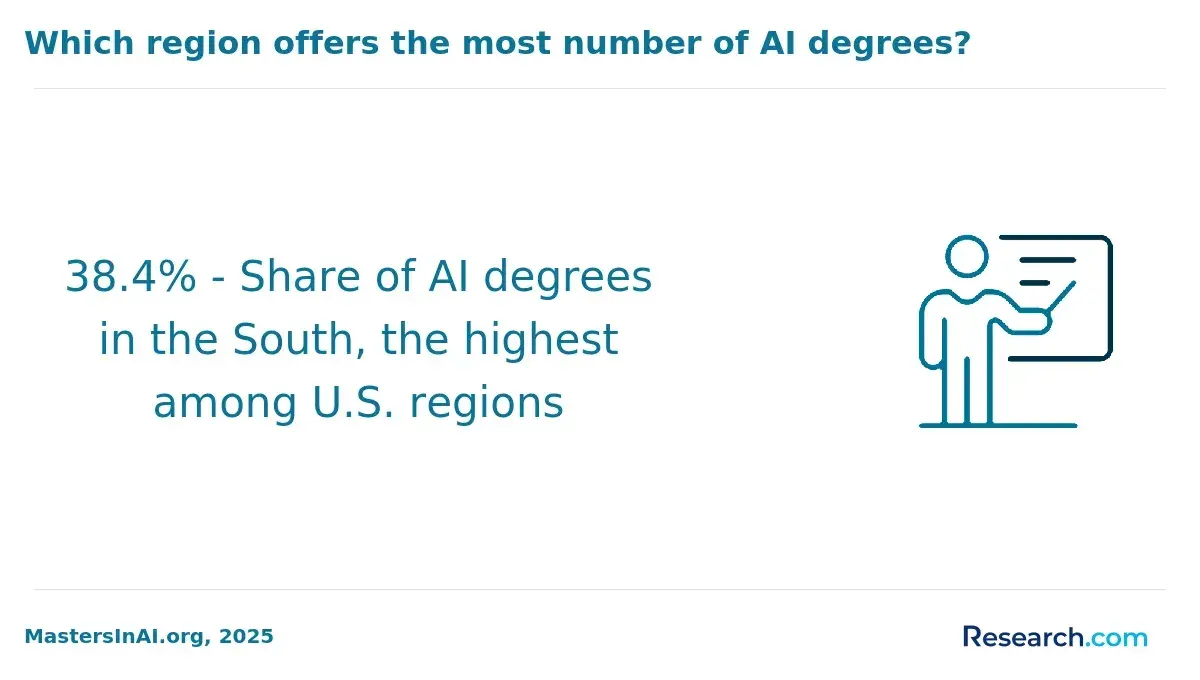
How can talent acquisition leaders choose the best AI course for their team's needs?
Talent acquisition leaders must carefully select AI training tailored to their team's specific skill gaps and strategic goals. Assessing the current AI literacy across recruitment teams is essential. Foundational courses delivering basic AI literacy to all members are critical, as companies investing in broad training report significantly higher productivity gains from AI adoption, according to the Microsoft Work Trend Index.
Key factors in choosing AI courses for recruitment teams include clarifying goals such as improving data-driven decision-making, automating repetitive tasks, or enhancing candidate experience. Recruiters may benefit from hands-on training on AI-powered applicant tracking systems, while talent acquisition leaders should prioritize interdisciplinary courses covering ethics, data privacy, and algorithmic bias.
Leaders should request course previews or syllabi to confirm alignment with organizational needs. Selecting offerings with flexible formats like microlearning or blended delivery helps accommodate diverse schedules. Courses featuring applied projects or case studies relevant to hiring scenarios improve knowledge retention and transfer.
Consider certification or credentials to validate learning for stakeholders. Ongoing support and updates matter, as AI tools and best practices evolve swiftly. Continuous learning opportunities sustain competitive advantages better than one-time training.
For professionals exploring AI education options, also consider programs such as the video game design degree to expand technical expertise in related fields and broaden career versatility.
What AI skills and topics should talent acquisition-focused curricula cover?
Talent acquisition-focused AI curricula blend technical, analytical, and ethical skills tailored for recruitment teams. Key topics cover AI-driven candidate sourcing tools, natural language processing (NLP) for resume screening, and predictive analytics to anticipate hiring needs and candidate success. Training must also address bias mitigation within AI algorithms to promote equitable hiring practices.
Practical skills include interpreting AI-generated data critically rather than accepting it at face value. Recruiters should understand how machine learning models operate, recognize their limitations, and validate algorithmic recommendations. Combining AI insights with human judgment improves candidate fit beyond automated shortlisting.
Hands-on experience with popular AI recruitment platforms that automate tasks such as outreach or interview scheduling is essential. Integrating AI with existing applicant tracking systems (ATS) ensures smooth workflow adoption. Soft skills training emphasizes clear communication about AI processes within hiring teams and with candidates, fostering transparency and addressing concerns about automation in recruitment.
According to the AIHR "State of AI in HR" Survey, recruiters completing function-specific AI training were 1.8 times more likely to exceed hiring goals and filled roles 21% faster than those without training, highlighting the impact of tailored AI education. The use of AI-driven talent acquisition strategies enhances both efficiency and hiring quality.
Prospective students interested in advancing their skills in related fields may also consider a fast cyber security degree as part of a broader strategy for technical expertise development.
Are there accredited degrees, certificates, or microcredentials in AI for HR and recruiting?
Accredited degrees, certificates, and microcredentials focused on artificial intelligence for HR and recruiting are becoming more accessible to meet evolving industry needs. Various universities offer specialized programs that integrate AI fundamentals with human resources applications, preparing professionals to responsibly implement AI in talent acquisition.
Examples include master's degrees in Human Resource Management featuring AI modules and graduate certificates specifically centered on AI in HR. These programs address AI-driven candidate sourcing, bias reduction techniques, and data analytics for workforce planning.
Microcredentials provide flexible, targeted learning options, often delivered online, ideal for working professionals. Typical course content covers AI ethics in recruitment, deploying AI hiring tools, and establishing governance frameworks for AI use in HR. Many credentials come from recognized accrediting bodies or respected institutions, ensuring relevance and quality.
Research from Deloitte Human Capital Trends 2024 highlights that HR leaders trained in AI strategy are three times more likely to have formal AI governance frameworks and 2.4 times less likely to face risks from unregulated "shadow AI" systems. This reduces compliance issues and bias.
Prospective students should carefully assess programs by curriculum depth, instructor expertise, and alignment with HR regulations. Credentials that blend technical AI skills with recruitment workflows and legal knowledge help professionals deploy AI tools effectively while promoting fairness and transparency in hiring decisions.
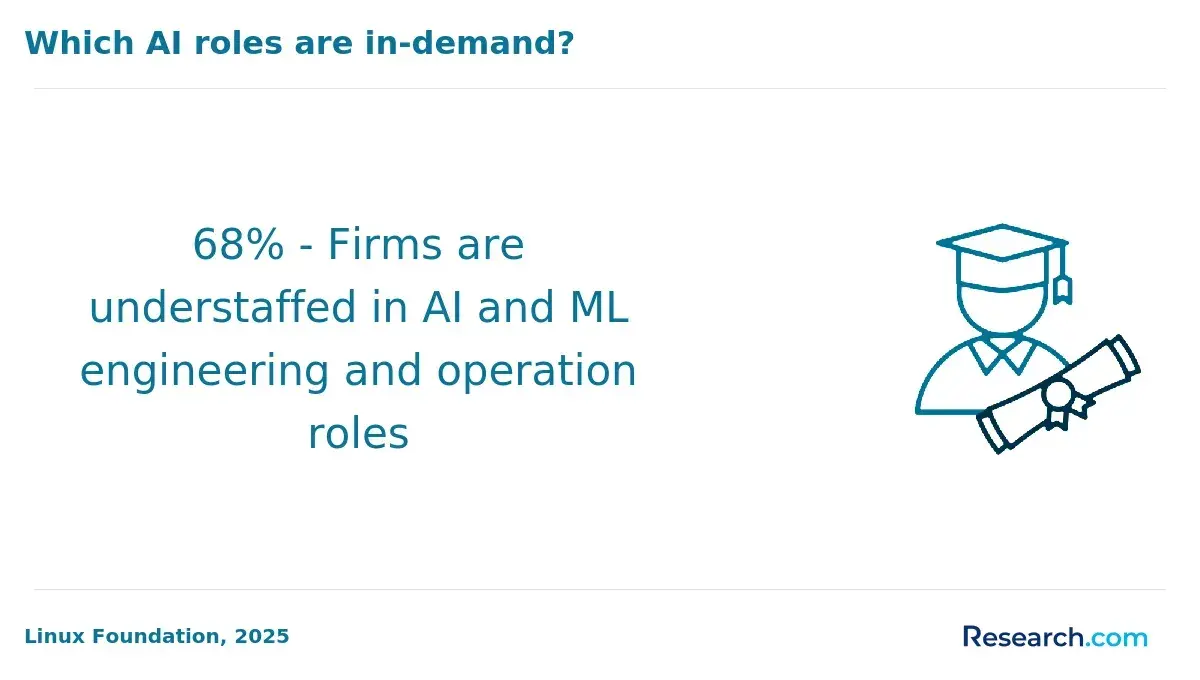
How do online, hybrid, and on-campus AI programs for TA teams compare?
AI programs for talent acquisition (TA) teams come in online, hybrid, and on-campus formats, each offering unique benefits. Online programs excel in flexibility, allowing professionals to learn on their own schedule through video lectures, quizzes, and forums, though they may lack hands-on experience. Hybrid programs blend online access with occasional in-person sessions, combining theory with practical application.
On-campus AI training delivers immersive, collaborative experiences with direct instructor interaction, peer learning, and hands-on labs. This format supports project-based learning tailored to recruitment roles, fostering better skill retention. According to the Coursera Global Skills Report, 2024, enterprises focusing on hands-on labs and role-based projects see a 46% higher skills-retention rate than those relying solely on lectures.
TA leaders should evaluate programs based on the level of applied learning, since some online offerings incorporate virtual simulations or capstone projects that approach the benefits of hybrid or on-campus formats. Purely lecture-based models often miss practical skill development essential for effective AI adoption in recruitment.
Considerations such as cost, time availability, and technology access also impact program suitability. Hybrid programs help minimize commuting while enabling hands-on practice, whereas on-campus training demands more time but often builds stronger professional networks. Prioritizing experiential learning aligned with recruitment roles maximizes skills retention and readiness for AI integration.
What are typical admission requirements for AI courses aimed at HR and recruiting staff?
Admission requirements for AI courses designed for HR and recruiting professionals typically focus on relevant experience and foundational knowledge. Most programs prefer candidates with a background in human resources, recruiting, or related fields, often requiring at least one year of experience in talent acquisition or workforce planning. Some advanced courses expect familiarity with basic data analysis or prior exposure to HR technologies.
Applicants may need to demonstrate proficiency in recruiting software or applicant tracking systems, as many AI courses emphasize using AI tools within these platforms. Entry-level offerings generally have minimal prerequisites, making them accessible to recent graduates or those transitioning into recruitment roles. More specialized or certificate programs might require completing AI fundamentals or machine learning modules beforehand.
Additional requirements can include submitting a statement of purpose detailing career goals and how AI knowledge will enhance recruiting outcomes. Some courses also require passing a technical assessment focused on data literacy or logic. Group-based workshops often involve collaboration on projects, reflecting AI's practical applications in recruitment workflows.
Organizations investing in AI training for talent teams report a median 260% ROI within a year, driven by lower cost-per-hire and reduced agency reliance (IBM Institute for Business Value, 2024). Meeting these admission standards ensures candidates are prepared to leverage AI effectively to improve hiring results.
How long do AI programs for talent acquisition usually take, and what do they cost?
AI programs for talent acquisition range from brief workshops lasting a few hours to in-depth courses spanning 8 to 12 weeks. Intensive bootcamps or corporate training sessions usually take 1 to 3 days, focusing on practical applications such as recruitment analytics and automation tools.
More comprehensive certificate programs covering ethical AI, machine learning basics, and talent data analysis generally run between 6 and 12 weeks. The course duration largely depends on the learner's role, with HR professionals benefiting from modules on compliance, bias mitigation, and AI's influence on hiring.
Costs vary widely based on format and provider, including:
- Free to a few hundred dollars for short workshops and webinars
- $500 to $3,000 for professional certificate programs
- Over $5,000 for university-level or personalized courses with coaching or projects
- $1,000 to $4,000 per participant for tailored corporate group training
Addressing ethical concerns is a critical component. A SHRM AI in HR Survey revealed that 74% of firms are wary of legal and bias risks in AI hiring, yet only 27% require ethics training for HR staff. Programs mixing technical AI skills with mandatory ethics education-emphasizing compliance, bias detection, and transparency-equip talent acquisition teams to manage risks while leveraging AI effectively.
What career outcomes, roles, and advancement paths can AI training unlock in talent acquisition?
AI training in talent acquisition opens pathways to roles such as AI recruitment specialist, talent data analyst, and workforce planning strategist. Professionals develop skills to automate candidate sourcing, optimize screening algorithms, and analyze hiring data, making recruitment more efficient and unbiased.
Career growth often progresses from operational tasks-where AI tools handle routine processes-to leadership roles emphasizing AI strategy and ethics. For instance, recruiters skilled in AI may advance to managing intelligent applicant tracking systems or improving AI-driven candidate experience tools. Meanwhile, talent acquisition analysts gain expertise in interpreting AI insights to support workforce planning decisions.
Experiential learning combined with formal AI education boosts adoption rates of AI tools by 54%, according to the Lattice "AI Training for Every Team" Report. Hands-on projects enhance problem-solving abilities, increasing professionals' value within organizations.
Key hiring questions involve measuring AI effectiveness and addressing bias in recruitment algorithms. Trained talent acquisition professionals evaluate AI outcomes to meet diversity and inclusion standards while applying practical knowledge of AI ethics and data privacy regulations-a significant advantage for career advancement.
AI education equips talent acquisition teams with analytic, operational, and strategic skills necessary for managing AI integration and fostering innovation in hiring practices.
Which certifications, ethics standards, and compliance issues matter for AI use in hiring?
Certifications and compliance standards are crucial for responsible use of artificial intelligence in hiring. Talent acquisition teams should focus on credentials addressing AI ethics, bias mitigation, and legal compliance to support fair recruitment practices. Important certifications include the AI Ethics Certification from organizations such as IEEE, which emphasize transparency, fairness, and data privacy-key factors when using AI-driven applicant tracking or resume screening systems.
Understanding regulatory frameworks like the Equal Employment Opportunity Commission (EEOC) guidelines helps prevent discriminatory hiring outcomes related to race, gender, age, or disability. The General Data Protection Regulation (GDPR) also influences U.S. companies working with EU candidates, enforcing strict data use and consent requirements.
The IEEE's Ethically Aligned Design standard guides AI developers and users to prioritize human rights and reduce bias risks. Incorporating such principles can prevent AI from unintentionally harming protected groups or compromising fairness.
Ongoing education remains essential. The World Economic Forum's Future of Jobs Report highlights that by 2028, 44% of core HR and talent acquisition skills will evolve due to AI and automation. Continuous learning is needed to keep pace with shifting ethics and compliance demands.
- Enroll in courses that merge AI ethics and HR law to grasp complex hiring impacts.
- Stay informed about legal changes affecting data handling and bias prevention.
- Use AI audit trails to track hiring decisions and ensure accountability.
Other Things You Should Know About Artificial Intelligence
In 2027, top AI courses for talent acquisition teams include "AI for Talent Management" by Coursera, "AI in HR" offered by LinkedIn Learning, "AI Strategies for Talent Acquisition" from Udacity, and "AI Adoption in TA" by edX. These courses highlight practical applications and effective strategies for integrating AI into recruitment processes.
Artificial intelligence automates repetitive tasks such as resume screening, interview scheduling, and candidate sourcing, which reduces time-to-hire. It also enhances data-driven decision-making by providing predictive analytics on candidate success and job fit. This integration improves efficiency but requires ethical frameworks to ensure transparency and fairness.
While artificial intelligence can handle many administrative and data processing functions, it cannot fully replicate the human elements of recruitment such as relationship building, empathy, and nuanced interviewing. AI acts as a tool to augment recruiters' capabilities rather than replace them, allowing human professionals to focus on strategic and interpersonal aspects.
Professionals need to build skills in data literacy to interpret AI-driven analytics effectively. They should also cultivate ethical awareness to address bias and compliance issues in AI applications. Additionally, continuous learning in AI advancements and strong communication abilities remain essential to integrate these tools successfully within recruitment workflows.
References
- Ethical AI and Responsible AI: Are Your Recruitment Practices Compliant? https://recruitmentsmart.com/blogs/ethical-ai-and-responsible-ai-are-your-recruitment-practices-compliant
- AI Governance in Recruiting: Ensuring Fair & Compliant AI Adoption https://blog.rpoassociation.org/blog/ai-governance-in-recruiting-how-to-ensure-fair-and-compliant-ai-adoption
- The Best AI Training Courses for HR, Managers, and Employees in 2026 | Article | Lattice https://lattice.com/articles/ai-training-courses-for-every-team
- Top AI Recruiting Tools | Automated Hiring Software https://www.petegabi.com/ai-recruiting-automation-tools/
- AI Recruiting Software | Top 22 AI Tools For Talent Acquisition To Help You Hire https://vervoe.com/ai-tools-for-talent-acquisition/
- Talent Acquisition Platform: Definition + How to Choose (2026) https://www.thehirehub.ai/guides/talent-acquisition-platform
- AI Certification for Human Resources and TA | Cielo https://www.cielotalent.com/resources/events/ai-certification-for-hr-and-ta/
- Artificial Intelligence (AI) for HR https://informaconnect.com/cipd-artificial-intelligence-ai-for-hr/
- 6 AI Skills You Need to Lead Talent Acquisition - Rally® Recruitment Marketing https://rallyrecruitmentmarketing.com/2023/11/six-ai-skills-you-need-to-lead-talent-acquisition/
- 30 AI-driven Tools to Optimize Your Talent Acquisition Process https://www.aihr.com/blog/artificial-intelligence-talent-acquisition/