2027 Best AI Strategy Courses for Media and Entertainment Teams

Co-Founder and Chief Data Scientist
Media and entertainment teams face rapid shifts driven by artificial intelligence integration, yet many lack the strategic expertise to harness these technologies effectively. This gap hampers their ability to innovate, optimize workflows, and stay competitive amid evolving consumer demands and production complexities. Without targeted training, professionals risk falling behind as AI reshapes content creation, distribution, and audience engagement.
This article explores top courses that equip media and entertainment professionals with practical AI strategy skills. It guides readers toward flexible, accredited options to pivot successfully into this dynamic field and drive transformative outcomes in their organizations.
Key Things You Should Know
- AI strategy courses for media and entertainment increasingly emphasize practical applications like content personalization, automating workflows, and transformative storytelling driven by deep learning models.
- The demand for AI skills in media grows rapidly, with a 27% annual job increase projected through 2030, pushing educational programs to integrate real-world industry challenges.
- Top programs from 2024 to 2026 highlight cross-disciplinary learning, combining AI techniques with media business insights to prepare teams for competitive digital landscapes.
Advance Your Career with AI Online Courses
Artificial Intelligence: Implications for Business Strategy
This program provides an introduction to Artificial Intelligence and their implications for business strategy. Earn an official digital certificate.

Oxford Artificial Intelligence Programme
Explore this Oxford Artificial Intelligence programme offered in a flexible learning environment and explore topics like machine learning, automation, and robotics.

Implementing Agentic AI: Building Your Organizational Playbook
This online MIT Agentic AI course offers a practical approach to deploying AI agents in your organization, including a custom playbook. 3 weeks, exclusive launch price.

AI Adoption: Driving Business Value and Impact
This online MIT AI Adoption: Driving Business Value and Impact offers practical frameworks to close the gap between AI potential and business reality.

Artificial Intelligence in Pharma and Biotech
Discover the applications and limitations of artificial intelligence in pharma and biotech with this MIT online short course.

What is an AI strategy course for media and entertainment teams and who should take it?
Courses in ai strategy for media professionals focus on integrating artificial intelligence technologies into content creation, distribution, and audience engagement in entertainment sectors. These courses cover tools like generative AI for scriptwriting, visual effects automation, personalized streaming recommendations, and data-driven marketing strategies, aiming to optimize workflows and foster innovation.
Key participants in ai integration training for entertainment teams include producers, content strategists, editors, data analysts, and marketing specialists active in film, television, and streaming services. Team leaders responsible for digital transformation also gain valuable skills to guide AI adoption. For instance, producers leveraging AI-driven content analysis can enhance story development decisions, while marketers tailor campaigns based on viewer data insights.
By 2026, over 90% of media companies will incorporate generative AI into their pipelines, a sharp increase from 20% in 2023, highlighting the demand for skilled professionals who understand AI's creative and technical aspects. Core curriculum often spans AI fundamentals, ethics, real-world case studies, and practical training with current AI tools. Challenges like intellectual property, algorithmic bias, and maintaining creativity alongside automation are also addressed.
Those interested in advancing their skills can explore options highlighted in the data science master program ranking, which may support further specialization in AI applied to media and entertainment.
Advance Your Career with AI Online Courses
Artificial Intelligence: Implications for Business Strategy
This program provides an introduction to Artificial Intelligence and their implications for business strategy. Earn an official digital certificate.
Oxford Artificial Intelligence Programme
Explore this Oxford Artificial Intelligence programme offered in a flexible learning environment and explore topics like machine learning, automation, and robotics.
Implementing Agentic AI: Building Your Organizational Playbook
This online MIT Agentic AI course offers a practical approach to deploying AI agents in your organization, including a custom playbook. 3 weeks, exclusive launch price.
How can AI strategy training transform workflows in film, TV, gaming, publishing, and music?
AI strategy training transforms workflows across film, TV, gaming, publishing, and music by automating complex, time-consuming tasks. In film and TV, generative AI tools help streamline scripting and previsualization, cutting down the hours needed for drafts and storyboarding. This accelerates project completion and lets creative teams focus on strategic decisions.
For gaming, ai strategy courses for media and entertainment teams emphasize building adaptive narratives and procedural content, enhancing player engagement while reducing manual work. Publishing benefits from ai training to improve workflows in film tv gaming publishing music through AI-driven content analysis and automated editing, enhancing accuracy and speed. Music production gains new creative possibilities by using AI for composition, mixing, and mastering.
McKinsey's 2024 report predicts a 20-40% cost reduction in media production by 2027 due to generative AI adoption, driven by automation and better resource management. Key benefits include:
- Enhanced collaboration using AI tools that generate real-time assets and feedback
- Reduced repetitive manual work, freeing creative professionals for innovation
- Data-driven decision-making for audience targeting and personalization
- Expanded creative potential with AI-assisted ideation and prototyping
Those interested in advancing their careers can explore Ai degrees online to gain the skills necessary to integrate AI technology effectively and maintain a competitive edge in this evolving industry.
What types of AI strategy programs exist for media professionals, from short courses to degrees?
AI strategy programs for media professionals vary widely to accommodate different career stages and learning goals. Short courses often focus on practical skills like AI-driven content personalization, data analytics, and automation tools, usually lasting from a few hours to several weeks. These courses are ideal for working professionals seeking to enhance specific expertise quickly. For instance, machine learning applications in media can increase customer engagement by 10-30%, supporting a 5-15% revenue uplift, according to McKinsey's research.
Mid-level certificate programs deepen strategic knowledge by covering AI ethics, strategy formulation, and technology integration within content workflows. These tracks prepare professionals to lead AI initiatives in media companies or streaming platforms. AI strategy certificate programs for media professionals often include case studies showing how personalized recommendations can drive audience growth and revenue.
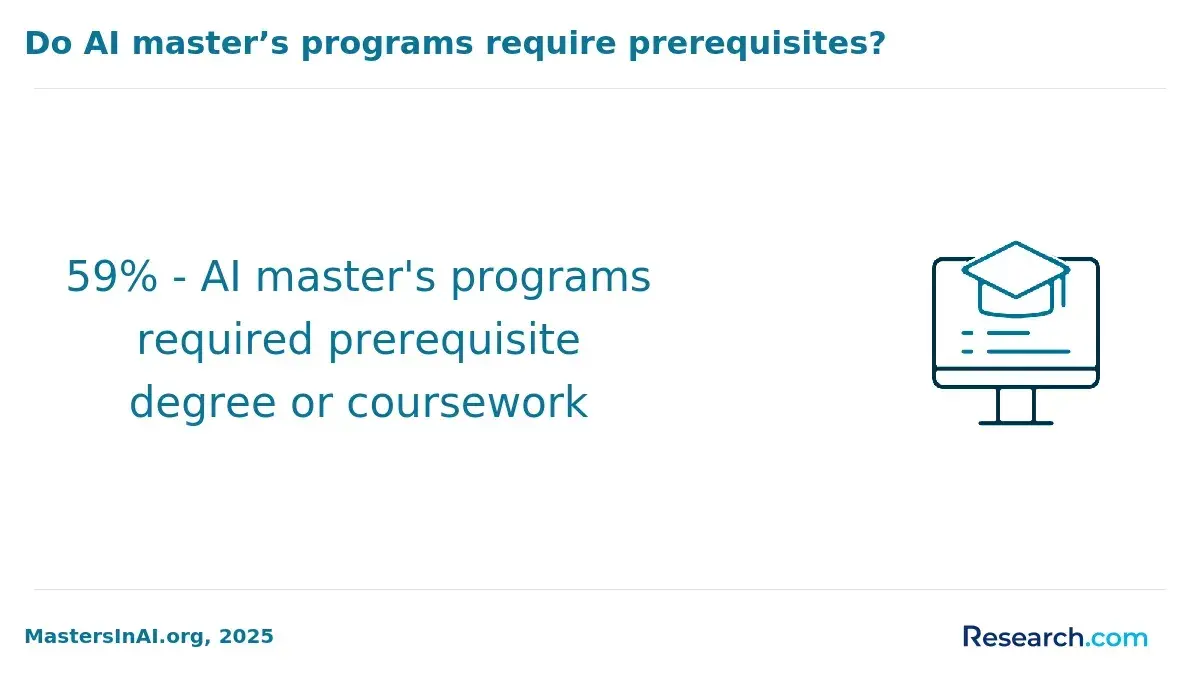
Degree programs, such as master's degrees in AI strategy or media technologies, provide comprehensive education spanning technical foundations and strategic business applications. They suit career changers, graduates, or those aiming for leadership roles in AI-enabled media environments. These degrees emphasize a multidisciplinary approach combining computer science, data science, and media management, offering authoritative expertise.
Choosing the right program depends on your role and timeline. Short courses deliver targeted skills rapidly, certificates build strategic depth, and degrees offer extensive preparation. For those interested in security as a specialization or related fields, exploring an online cyber security degree could complement AI knowledge. Degree programs in AI strategy for entertainment teams often intersect with such areas, broadening career pathways.
How do online AI strategy courses compare with campus and hybrid options for media teams?
Online AI strategy courses offer media teams critical flexibility and rapidly updated content, addressing the growing AI skills gap more effectively than many campus programs. PwC's Global AI Jobs Barometer highlights that 71% of media and tech executives see a shortage of AI and machine learning skills, emphasizing the need for accessible, scalable education. These courses frequently update their curriculum to reflect emerging AI trends, ensuring professionals gain strategic insights that align with industry innovation.
Differences between hybrid and online AI strategy training for entertainment professionals often come down to scheduling and learning style. Hybrid programs mix online lessons with in-person workshops, beneficial for hands-on application, while fully online courses allow asynchronous learning essential for busy professionals balancing work demands.
Media teams should consider objectives such as AI's strategic use in content creation or audience analysis when choosing a format. Online courses typically emphasize practical case studies and tool proficiency, helping immediate workplace integration, whereas campus courses provide broader theoretical foundations and formal credential benefits.
Addressing challenges like rapid AI advances and workflow transformation is easier in online settings that offer live webinars and quickly updated content, unlike campus curricula which may lag due to academic cycles. Those seeking immersive experiences or formal degrees may prefer hybrid or campus options.
For those aiming to deepen their expertise, exploring a doctorate in data analytics online can further enhance career prospects.
What core skills and topics do the best AI strategy courses for media and entertainment cover?
AI strategy courses for media and entertainment focus on merging creative skills with technical AI expertise. Core areas include machine learning fundamentals applied to content creation, data-driven audience analytics, and the ethical challenges of AI in media. Practical applications, such as natural language processing for scriptwriting, computer vision for editing, and generative AI for storytelling, are emphasized to enhance creative workflows.
Participants develop AI-driven content strategies that boost engagement through personalization. Instruction covers how to integrate AI into production workflows, enabling automation of tasks like metadata tagging, content recommendation, and trend forecasting. Familiarity with AI platforms tailored for media professionals and collaboration between creative and technical teams are key components.
The courses also address media-specific challenges including dataset biases impacting representation and maintaining transparency to build audience trust. Legal topics such as intellectual property and copyright in AI-generated content are integral to the curriculum.
- Machine learning basics for media applications
- AI-powered audience segmentation and predictive analytics
- Ethics, bias, and transparency in AI content
- Automation in production and post-production workflows
- Legal frameworks for AI-generated creative work
AI-literate roles in media command a 23% higher median salary than comparable creative roles, highlighting the career advantage gained from mastering these skills. Training that bridges creativity with AI fluency is crucial for media professionals who want to lead innovation and enhance their careers.
How can media professionals evaluate accreditation and institutional quality for AI strategy programs?
Accreditation by recognized agencies like the Accrediting Commission for Career Schools and Colleges (ACCSC) or regional bodies such as the Middle States Commission on Higher Education (MSCHE) is essential for credible AI strategy programs. This ensures the institution adheres to rigorous educational standards valued by media professionals seeking advanced training.
Program curricula should blend AI fundamentals with media-specific applications, including content generation, audience analytics, and AI-driven marketing strategies. Additionally, strong programs emphasize ethical ai use, data privacy, and regulatory compliance-issues critical to media and entertainment sectors.
Faculty qualifications matter: look for instructors with both academic credentials and practical experience in AI and media. Collaborations with technology firms or media organizations often provide hands-on projects and real-world case studies, enhancing learning outcomes.
Alumni success and employment rates are valuable indicators of a program's effectiveness. Higher job placement or career advancement among graduates reflects well on institutional quality and alignment with industry needs.
Financially, organizations investing in structured ai education experience a 3.5× higher likelihood of significant cost savings and revenue gains, according to IBM's Global AI Adoption Index. This demonstrates how accredited, quality programs can drive measurable impact in media professionals' strategic capabilities and company performance.
What are typical admission requirements, timelines, and application materials for AI strategy programs?
Admission requirements for ai strategy programs in media and entertainment often include a bachelor's degree in fields like business, communication, computer science, or media studies. Many programs look for candidates with 1-3 years of professional experience in media, marketing, or technology to ensure practical knowledge. While some still require GRE scores, this is becoming less common. Application materials typically include a detailed resume, a statement of purpose outlining career goals in ai strategy, and letters of recommendation. Applicants may also need to submit a portfolio showcasing work related to content creation, campaign management, or technology use in media.
Application timelines usually open 6-9 months before the program start date, with deadlines 3-4 months prior-often between December and February for fall admissions. Early decision options may notify candidates by March or April, while rolling admissions are rare but possible in some online programs.
Interviews may assess strategic thinking and familiarity with generative ai tools in media. Executive-level programs might require leadership experience summaries or project case studies. Given the rapid rise in generative ai usage-79% of marketing and media leaders reported adoption by late 2024-demonstrating hands-on skills and awareness of ai tools strengthens applications and aligns with industry demand.
How much do AI strategy courses for media and entertainment cost, and what funding exists?
AI strategy courses tailored for media and entertainment professionals show a wide price range, from approximately $500 for brief online modules to more than $5,000 for extensive certificate programs provided by universities or industry leaders. Mid-tier options typically cost between $1,200 and $3,000, depending on course duration, instructor expertise, and the inclusion of practical case studies relevant to media workflows.
Higher-end executive programs, often exceeding $7,000, cater to senior managers and strategic planners addressing complex AI governance challenges. Funding options are increasingly accessible; many employers subsidize training as part of workforce development, while tuition reimbursement plans, scholarships from AI ethics foundations, and industry grants may help cover costs for eligible professionals.
With 61% of media executives identifying legal and ethical risks as primary barriers to AI adoption-but only 29% having formal training-courses that emphasize governance and ethical frameworks are crucial. These programs help teams manage issues like intellectual property, deepfakes, and algorithmic bias.
Course formats include:
- Self-paced online courses priced from $500 to $1,500
- Live virtual bootcamps costing between $2,000 and $4,000
- University-led certificate programs ranging from $3,000 to $5,000
- Executive education sessions exceeding $7,000 for senior professionals
What careers, job titles, and advancement paths can AI strategy training open in media?
AI strategy training in media paves the way for diverse careers spanning creative, technical, and managerial roles. Professionals in this field typically hold titles such as AI strategy manager, media AI consultant, production technologist, data analyst for creative teams, or AI product manager. These roles emphasize the use of AI to enhance content creation, distribution, user engagement, and revenue models.
Career advancement often leads to leadership positions like AI innovation director, chief technology officer (CTO) in media companies, or head of digital transformation. AI strategy specialists also bring valuable expertise to negotiating vendor contracts and integrating scalable AI tools. For instance, they might support project teams in deploying machine learning to automate video editing or perform real-time audience analysis.
Progression typically begins with roles such as media analyst or junior AI specialist, eventually transitioning to strategic advisory positions. Additional career paths include AI ethics consultant and AI-driven marketing strategist, reflecting growing industry focus on AI governance and compliance related to data security and ethical content production.
With spending on AI software for media forecasted to reach $8.7 billion by 2027-growing at a 26% compound annual rate since 2023-job demand for AI strategy expertise is increasing. This trend offers sustainable growth and opportunities for skills development across technology and business disciplines.
What are the salary ranges and job outlook for AI-focused roles in media and entertainment?
In media and entertainment, salaries for AI-focused roles range widely as experience and job functions vary. Entry-level AI engineers or data scientists earn between $85,000 and $110,000 annually. Mid-level professionals with 3 to 5 years of experience typically earn from $110,000 to $150,000. Senior specialists, such as AI architects or machine learning leads, command between $150,000 and $220,000 or more. Leadership roles like AI product managers or strategy directors often surpass these amounts due to added responsibilities.
The sector actively seeks talent skilled in applying AI to tasks such as automating video editing, optimizing recommendation engines, and enhancing user engagement through predictive analytics. Roles increasingly seen include AI research scientists specializing in natural language processing for script analysis and computer vision experts for automated effects.
Organizations investing in continuous AI upskilling are 2.4× more likely to be acknowledged as "AI leaders" and 1.7× more likely to outperform peers in revenue growth, according to Deloitte's 2024 Enterprise AI Readiness survey. This underscores the importance of ongoing education for career advancement.
Prospective candidates should focus on mastering machine learning frameworks, deep learning, and domain-specific AI applications in media. Developing these skills not only boosts earning potential but also opens doors to leadership roles and innovative projects.
Other Things You Should Know About Artificial Intelligence
Artificial intelligence tools can analyze large datasets of consumer preferences and past content performance to inform creative decisions, such as story development, casting, and marketing strategies. This data-driven insight helps media teams create content that is more targeted and engaging for their audiences. However, AI complements rather than replaces human creativity, supporting decision-makers with actionable intelligence.
Consider courses that focus on industry-specific applications, cutting-edge tools, and ethical implications in the media and entertainment sector. Look for up-to-date content, experienced instructors, and practical projects to gain hands-on experience with AI technologies relevant to your team's needs in 2027.
Artificial intelligence enables real-time audience measurement by processing and interpreting streaming data from multiple platforms, including social media and digital broadcasts. This allows media companies to track viewer engagement and preferences with high precision. The insights generated help optimize programming schedules, advertising placements, and content personalization.
Yes, artificial intelligence can automate various production tasks such as video editing, subtitling, and visual effects generation. AI-driven automation reduces time and costs associated with post-production, enabling faster turnaround without compromising quality. It also supports workflows by handling repetitive tasks so that creative teams can focus on innovation and storytelling.
References
- Master AI & Digital Strategy | EIT Deep Tech Talent Initiative https://www.eitdeeptechtalent.eu/courses/master-ai-digital-strategy/
- AI Training for Creatives - MPTS https://www.mpts.london/ai-training
- AMCC | Blog - The Importance of AI in the Media Industry and for Professionals' Training https://a-mcc.eu/en/blog/importance-of-ai-in-media/
- 16 Artificial Intelligence Career Paths https://www.calmu.edu/news/artificial-intelligence-career-paths
- CHEA/CIQG Webinar-The Changing Landscape of Quality Assurance: How Does AI Make a Difference? | Council for Higher Education Accreditation https://www.chea.org/cheaciqg-webinar-changing-landscape-quality-assurance-how-does-ai-make-difference
- AI - Artificial Intelligence | London Business School https://www.london.edu/executive-education/ai
- AI pricing: how much does AI cost in 2025? | Future Processing https://www.future-processing.com/blog/ai-pricing-is-ai-expensive/
- AI in the Broadcasting and Entertainment Industry - Artificial intelligence 2025 - BEGINNER - Skillsoft https://www.skillsoft.com/course/ai-in-the-broadcasting-and-entertainment-industry-477d47ca-b338-4ab5-86f1-b06ebc011ccd
- Artificial intelligence for PR and corporate communication - U!REKA https://ureka.eu/course/artificial-intelligence-public-relations-corporate-communication/
- AI in media and entertainment: Use cases, benefits and solution https://www.leewayhertz.com/ai-in-media-and-entertainment/