2027 Best AI Quality Assurance Courses Online

Co-Founder and Chief Data Scientist
Many professionals with unrelated undergraduate degrees struggle to enter the AI industry due to a lack of targeted skills in quality assurance and testing.
Without specialized training, navigating the rapidly evolving field of artificial intelligence quality assurance can seem overwhelming. This gap limits career growth and adaptation to industry demands. Identifying credible, flexible online courses that offer accredited pathways becomes essential for career pivoters.
This article examines top AI quality assurance courses available online, highlighting their structure, accreditation, and suitability for those seeking a practical transition into AI-focused roles.
Key Things You Should Know
- Top AI quality assurance courses in 2026 emphasize practical training in machine learning testing, with 78% of programs integrating automated testing tools to enhance efficiency and accuracy.
- Industry demand for AI QA specialists grew by 40% since 2024, reflecting the critical need for professionals skilled in ethical AI validation and error mitigation strategies.
- Online learning platforms offer flexible, modular curricula averaging 40 hours, enabling working professionals to acquire AI QA expertise without interrupting their careers.
Advance Your Career with AI Online Courses
Artificial Intelligence: Implications for Business Strategy
This program provides an introduction to Artificial Intelligence and their implications for business strategy. Earn an official digital certificate.

Oxford Artificial Intelligence Programme
Explore this Oxford Artificial Intelligence programme offered in a flexible learning environment and explore topics like machine learning, automation, and robotics.

Implementing Agentic AI: Building Your Organizational Playbook
This online MIT Agentic AI course offers a practical approach to deploying AI agents in your organization, including a custom playbook. 3 weeks, exclusive launch price.

AI Adoption: Driving Business Value and Impact
This online MIT AI Adoption: Driving Business Value and Impact offers practical frameworks to close the gap between AI potential and business reality.

Artificial Intelligence in Pharma and Biotech
Discover the applications and limitations of artificial intelligence in pharma and biotech with this MIT online short course.

What is AI quality assurance, and why are online courses important for this field?
AI quality assurance fundamentals and best practices leverage artificial intelligence techniques to improve software testing by automating defect detection, enhancing test coverage, and speeding up quality analysis through machine learning and data-driven methods. This approach addresses challenges such as identifying intricate bugs, forecasting failure points, and making testing workflows more efficient compared to traditional manual processes.
Online courses play a critical role in mastering AI quality assurance by offering flexible, current training on essential skills like AI model validation, data annotation, automated test development, and the integration of AI within quality management systems. These programs provide hands-on experience with AI testing frameworks and real-world applications, which is invaluable for practical expertise.
The importance of online courses for mastering AI quality assurance continues to grow as the AI quality management market is projected to expand from $2.2 billion to $7.3 billion by 2029 at a 23.1% CAGR. This growth fuels demand for skilled professionals who can adapt to evolving regulations, develop data quality assessment techniques, and mitigate bias.
Key benefits of these courses include:
- Understanding AI algorithms for defect detection and predictive analytics
- Gaining experience with AI-powered test automation tools
- Adapting to new regulatory and compliance standards involving AI
- Building expertise in data quality assessment and bias mitigation
For many U.S. professionals, enrolling in online AI courses offers a path into a high-demand field without disrupting work commitments.
To begin, some may consider pursuing a 2 year bachelor degree computer science that can accelerate entry into AI-focused roles within quality assurance.
Advance Your Career with AI Online Courses
Artificial Intelligence: Implications for Business Strategy
This program provides an introduction to Artificial Intelligence and their implications for business strategy. Earn an official digital certificate.
Oxford Artificial Intelligence Programme
Explore this Oxford Artificial Intelligence programme offered in a flexible learning environment and explore topics like machine learning, automation, and robotics.
Implementing Agentic AI: Building Your Organizational Playbook
This online MIT Agentic AI course offers a practical approach to deploying AI agents in your organization, including a custom playbook. 3 weeks, exclusive launch price.
What types of AI quality assurance courses are available online, from certificates to degrees?
AI quality assurance online certificate programs offer foundational skills such as machine learning testing methods, AI model validation, and automated test creation. These short-term certificates suit professionals seeking rapid specialization in roles like AI test engineer or ML quality engineer.
Associate and bachelor's degrees increasingly integrate AI-specific quality assurance coursework within broader computer science or software engineering tracks. These programs provide comprehensive education covering AI algorithms, data integrity, and intelligent system reliability. Students aspiring to technical depth combined with AI QA expertise often pursue these online AI quality assurance degree options.
At the graduate level, master's degrees focusing on AI quality assurance or machine learning engineering deliver advanced theoretical knowledge and research experience. They prepare graduates to develop robust AI testing frameworks and address critical ethical, security, and compliance challenges in AI deployments.
Industry certifications complement formal education by emphasizing practical skills with tools such as Python testing libraries and AI explainability software, offering measurable credentials for career advancement.
With a significant rise in AI and software quality job postings, targeted education boosts employability across career stages. For those also interested in engineering, exploring an online mechanical engineer degree can provide additional technical pathways.
How do you choose the best AI quality assurance course online for your career goals?
Choose the best AI quality assurance courses for career growth by focusing on those that align with your specific goals. Identify key skills such as test automation, machine learning model validation, or AI-driven defect analysis.
Prioritize training programs that dive deep into these areas rather than covering general QA topics. Top online AI quality assurance training programs often include practical projects simulating real-world AI testing with tools like TensorFlow, Selenium integrated with AI, or Python-based test scripts to boost job readiness.
Consider course length and flexibility to fit your schedule, whether you're a working professional or a recent graduate. Verify if the program offers industry-recognized certification, as this strengthens your resume and signals competency. Check instructor credentials and reviews to ensure quality teaching and valuable industry insights.
Demand for AI QA expertise is increasing rapidly. For example, a 2024 World Quality Report survey showed that 72% of organizations plan to upskill QA teams in AI/ML-based test automation within 12-24 months.
Look for courses addressing automation frameworks and machine learning quality assurance to meet this trend. Also, consider longer-term learning paths offering ongoing support or community access to help tackle challenges as you advance.
For those interested in expanding into data science alongside AI QA, a master data science online can complement your skill set and open further career opportunities.
What accreditation and institutional quality factors matter for AI quality assurance programs?
Accreditation is a key factor in evaluating AI quality assurance program accreditation standards in the United States. Regional accreditation ensures programs meet recognized academic standards, which increases credibility with employers, other schools, and certification entities.
Additionally, programmatic accreditation, such as from ABET for computing and engineering fields, provides confidence in curriculum quality and relevance to industry demands.
Institutional reputation and certification for AI quality assurance courses play a significant role in program quality. Universities with dedicated AI or machine learning departments often maintain strong industry and research partnerships, offering students access to cutting-edge tools and expert faculty. These affiliations also help keep curricula current and foster better career pathways.
Effective programs cover critical areas like machine learning validation, bias detection, algorithm auditing, and regulatory compliance. They balance theoretical knowledge with practical projects to increase job readiness.
According to Coursera reports, completing an entry-level AI/ML certificate boosts the likelihood of positive career outcomes by 22% within six months.
Employers increasingly seek candidates with recognized certificates or degrees and value programs that include industry partnerships or co-op opportunities for hands-on experience.
Prospective students may also consider military friendly online cybersecurity degree programs as comparable models for practical, employment-focused education.
What skills and topics do AI quality assurance courses typically cover in their curriculum?
AI quality assurance courses combine foundational knowledge, technical expertise, and practical skills designed to improve and automate testing processes. Key topics typically include:
- Machine learning model comprehension and its impact on software testing.
- Development of test automation using AI-driven frameworks.
- Data validation methods to evaluate model stability and performance.
- Use of AI algorithms for defect prediction and anomaly detection.
- Creation and management of test datasets focusing on data quality and bias mitigation.
- Programming languages common in AI and automation, such as Python, Java, and JavaScript.
- Exposure to continuous integration/continuous deployment (CI/CD) automation.
- Consideration of ethical issues and regulatory requirements in AI testing.
Hands-on projects often complement theory, featuring real-world applications like automating UI tests or validating natural language processing components. Advanced training for experienced testers increasingly merges AI techniques with test automation frameworks.
Udemy Business 2024 reports a 160% growth in enrollment for courses combining AI and test automation among enterprise learners, highlighting industry demand. This trend underscores the necessity for quality assurance professionals to harness AI for precise error detection and optimized testing cycles.
Students should expect a curriculum balancing theory, applied coding, and strategic test development, preparing them for roles where AI fluency enhances quality assurance effectiveness.
How do online AI quality assurance courses compare with campus-based programs in flexibility and outcomes?
Online AI quality assurance courses offer unmatched flexibility, allowing students to learn at their own pace and schedule. This suits working professionals and those with other commitments, unlike traditional campus programs with fixed hours.
Many online courses provide 24/7 access to materials and recorded lectures, helping learners revisit complex topics anytime. This reduces geographical and commuting barriers, making AI QA education widely accessible across the U.S.
Both online and campus formats aim to develop comparable skills. Campus programs feature hands-on labs and face-to-face mentoring, enhancing practical mastery.
However, many online courses now include virtual labs, live instructor sessions, and peer collaboration, closely simulating in-person experiences. Employers increasingly recognize well-structured online courses, especially paired with accredited certifications.
Industry data from QA Ltd's 2025 "Top 10 Must Have AI Certifications" report shows 87% of IT decision-makers consider role-based AI certifications essential for hiring or promotions. This highlights the importance of certification quality over delivery mode.
Prospective students should evaluate providers based on accreditation, industry connections, practical training, and certification relevance to market needs.
Online Delivery of AI Programs, by Institution Type

What are the typical admission requirements and prerequisites for AI quality assurance courses?
Admission requirements for AI quality assurance courses usually include a bachelor's degree in computer science, engineering, information technology, or a related STEM field.
Many programs also consider candidates with extensive professional experience in software development, testing, or data science. Essential skills often include programming languages like Python or Java and a basic understanding of machine learning concepts.
Prerequisites commonly focus on proficiency in statistics, algorithms, and software testing methodologies. Applicants may need prior coursework in data structures, software engineering, or foundational AI principles.
Some advanced programs ask for proven experience with test automation tools, version control, or cloud platforms used for AI model deployment.
Course structures often offer beginner, intermediate, and advanced tracks to suit varied skill levels. Beginners might complete preparatory modules on math basics and introductory programming before tackling AI-specific quality assurance topics.
Advanced certifications sometimes require previous AI or machine learning coursework, enabling students to handle complex validation methods.
Applicants typically must submit a resume, academic transcripts, and sometimes a statement of purpose outlining their motivation and relevant background. Work samples like code repositories or documented testing projects enhance applications, especially for competitive courses.
Candidates should also verify if synchronous class attendance and familiarity with cloud or containerization technologies are necessary.
According to Comparing Costs, Formats & ROI of AI QA Courses, 84% of participants in MIT Professional Education's Applied AI & Data Science online program recouped full tuition via salary gains or promotions within 18 months, underscoring the value of meeting these entry standards effectively.
How long do AI quality assurance courses take, and what do they cost?
AI quality assurance courses vary in length, from short bootcamps lasting 4 to 12 weeks to more extensive part-time programs up to six months or longer.
Short-term programs typically focus on practical skills like AI model testing, automation frameworks, and data validation. Longer courses often cover AI ethics, algorithm auditing, and advanced quality management techniques, blending theory with hands-on experience.
Costs range significantly depending on the program and institution. Basic online courses start at $500 to $1,500, while intensive bootcamps and specialized certificates cost between $2,000 and $6,000.
University-affiliated or professional certification programs can exceed $8,000, reflecting deeper curricula and mentoring opportunities.
The 2024 World Quality Report notes 69% of organizations create career pathways for QA engineers to transition into AI-specific roles such as AI test strategist or quality engineer in AI. This trend highlights the need to budget for targeted training within manageable timeframes to stay competitive.
Practical tips for prospective students include:
What careers can AI quality assurance training lead to, and what do these jobs involve?
Careers in AI quality assurance include roles such as AI quality assurance engineer, data quality analyst, machine learning tester, and AI systems validation specialist. These professionals focus on ensuring AI models are accurate, reliable, and ethically compliant.
For instance, an AI quality assurance engineer tests algorithms to detect errors pre-deployment, guaranteeing performance across varied datasets. Data quality analysts handle training datasets, verifying completeness and consistency to avoid biased or incorrect outputs.
Machine learning testers create and run testing frameworks designed for AI products, assessing robustness and performance under different conditions. AI systems validation specialists ensure AI applications comply with regulatory standards and organizational goals, often emphasizing transparency and fairness.
Typical tasks involve designing automated test scripts, analyzing failures, collaborating with developers to enhance models, and documenting results for ongoing improvement. Essential skills include programming languages like Python, statistics, and AI ethics.
Research from EdX shows that learners dedicating at least five hours weekly are over three times more likely to finish AI and machine learning courses than those studying less than two hours. This commitment aids mastery of complex QA methods.
Challenges in this field include adapting to evolving AI architectures, managing real-world data complexities, and meeting increasing demands for transparent AI use in critical sectors such as healthcare and finance.
What salaries, certifications, and job outlook can AI quality assurance professionals expect?
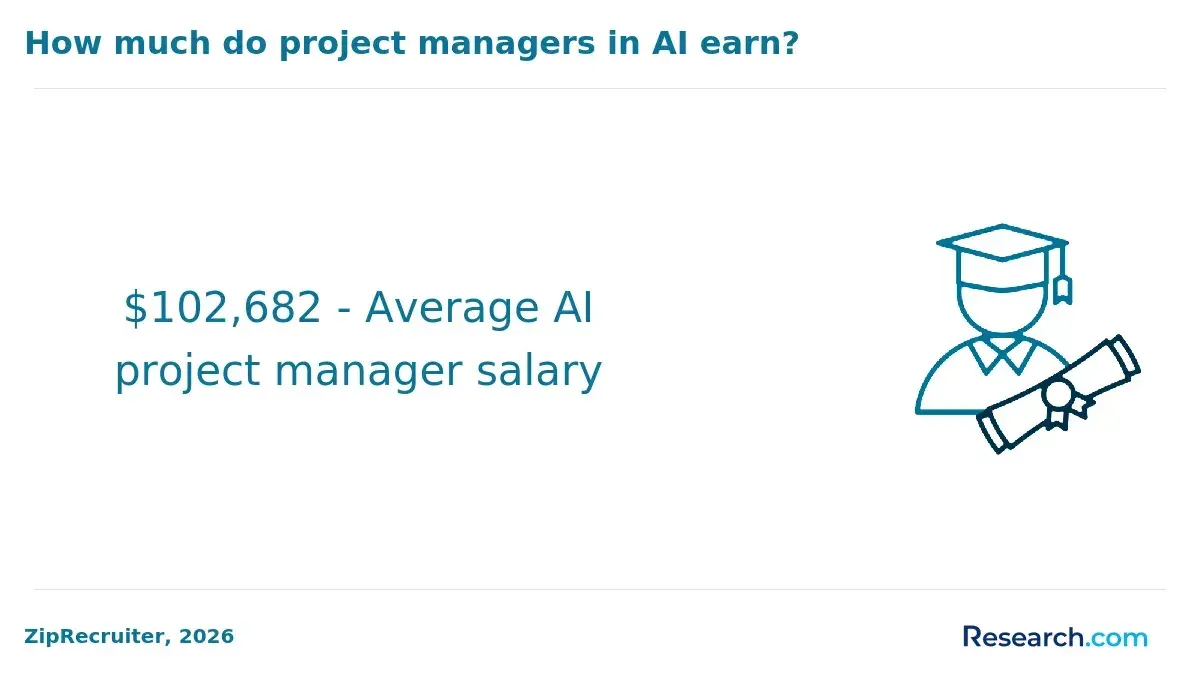
Salaries for AI quality assurance (QA) professionals depend heavily on experience, location, and specialized skills. Entry-level roles start near $75,000 annually, while those with several years of experience often earn between $95,000 and $120,000.
Senior AI QA engineers or managers, particularly in tech hubs such as San Francisco and New York, can make upwards of $140,000. Specialized expertise in areas like machine learning model validation or AI ethics testing typically commands higher pay within these ranges.
Certifications play a crucial role in boosting both employability and salary potential. Industry-recognized credentials include the Certified Software Quality Analyst (CSQA), ISTQB Advanced Level Test Automation Engineer, and AI-specific certifications like the Microsoft Certified: Azure AI Engineer Associate.
These validate proficiency in software testing methodologies, quality assurance frameworks, and AI system evaluation. Combining QA certifications with data science or machine learning certificates increases competitiveness.
The World Economic Forum's "Future of Jobs" report projects a 39% growth in employment for AI and machine learning specialists, including AI QA roles, by 2028. This growth reflects widespread adoption of AI technologies in sectors such as healthcare, finance, autonomous vehicles, and cybersecurity. Experts who ensure AI system reliability, accuracy, and ethical compliance are in high demand.
Success in this field requires continuous learning and a cross-disciplinary approach that blends AI fundamentals, software testing, and domain expertise. Staying current with evolving AI standards and toolchains is essential, as is demonstrating practical QA applications in AI environments.
Other Things You Should Know About Artificial Intelligence
In 2027, top online courses for AI QA include offerings from platform giants like Coursera, edX, and Udacity. Courses such as "AI Strategy and Operations" on Coursera and "AI in Business: Implementing Ethical AI Solutions" on edX provide in-depth expertise and up-to-date insights on quality management in AI systems.
Yes, many AI quality assurance courses include modules on ethics to address issues like bias, privacy, and accountability in AI systems. Understanding these ethical challenges is vital for professionals tasked with validating AI behavior to ensure fair and responsible deployment. This knowledge supports compliance with industry standards and regulations.
Programming skills are crucial in AI quality assurance for creating test scripts, automating evaluations, and analyzing AI model behavior. Common languages include Python and R, frequently used in AI development and testing frameworks. While some courses may accommodate beginners, a solid understanding of coding improves effectiveness in this field.
Many updated AI quality assurance courses address emerging areas such as explainable AI (XAI) to help professionals interpret and validate AI decisions transparently. This focus enables testers to evaluate model reasoning, which is increasingly important in regulated industries. Staying current with these trends enhances a professional's ability to improve AI trustworthiness.
References
- Ultimate Guide: How to Choose the Right AI Training Course to Boost Your Career - ONLC https://www.onlc.com/blog/how-to-choose-ai-training-courses/
- The Future of Quality Assurance in Online and AI-Driven Learning: Ensuring Trust, Innovation, and Global Standards https://iacde.org/uncategorized/the-future-of-quality-assurance-in-online-and-ai-driven-learning-ensuring-trust-innovation-and-global-standards/
- Introduction to quality assurance of machine learning applications | AI training course https://www.dnv.com/training/introduction-to-quality-assurance-of-machine-learning-applications/
- What Can Students Expect to Learn in AI Courses? | University of Bridgeport https://www.bridgeport.edu/news/ai-course-expectations/
- Quality Assurance with AI and Automation: The Prospects for Educational Assessment https://www.ieac.org.uk/40-Quality-Assurance-with-AI-and-Automation-The-Prospects-for-Educational-Assessment-blog.php
- Strategic Quality Assurance in Higher Education - OAED Website https://oxfordacademy.org.uk/strategic-quality-assurance-in-higher-education/
- What are the requirements for completing the Introduction to AI and Building AI courses? https://www.elementsofai.com/faq/what-are-the-requirements-for-completing-the-introduction-to-ai-and-building-ai-courses-2
- The Changing Landscape of Quality Assurance: How Does AI Make a Difference? | Council for Higher Education Accreditation https://www.chea.org/changing-landscape-quality-assurance-how-does-ai-make-difference