2027 Best AI Governance Courses for Healthcare Strategy Teams

Co-Founder and Chief Data Scientist
Healthcare strategy teams often face challenges in integrating ethical frameworks and regulatory compliance while deploying artificial intelligence tools. These hurdles include managing data privacy, reducing algorithmic bias, and ensuring transparent decision-making processes. Without specialized governance knowledge, teams risk flawed implementations that could harm patient outcomes or invite legal scrutiny. This article examines the top courses designed to equip healthcare professionals with the skills to navigate these complexities effectively. It aims to guide readers toward flexible, accredited education paths that enhance competency in artificial intelligence governance tailored specifically for healthcare strategy applications.
Key Things You Should Know
- AI governance courses for healthcare strategy teams emphasize ethical frameworks, regulatory compliance, and risk management to ensure patient safety and data privacy.
- By 2025, over 60% of healthcare organizations plan to train teams in AI governance to address growing AI integration challenges and health equity concerns.
- Top programs integrate case studies on bias mitigation and legal accountability, preparing professionals for evolving policies and technical oversight in healthcare AI applications.
Advance Your Career with AI Online Courses
Artificial Intelligence: Implications for Business Strategy
This program provides an introduction to Artificial Intelligence and their implications for business strategy. Earn an official digital certificate.

Oxford Artificial Intelligence Programme
Explore this Oxford Artificial Intelligence programme offered in a flexible learning environment and explore topics like machine learning, automation, and robotics.

Implementing Agentic AI: Building Your Organizational Playbook
This online MIT Agentic AI course offers a practical approach to deploying AI agents in your organization, including a custom playbook. 3 weeks, exclusive launch price.

AI Adoption: Driving Business Value and Impact
This online MIT AI Adoption: Driving Business Value and Impact offers practical frameworks to close the gap between AI potential and business reality.

Artificial Intelligence in Pharma and Biotech
Discover the applications and limitations of artificial intelligence in pharma and biotech with this MIT online short course.

What is AI governance in healthcare, and why should strategy teams study it?
AI governance frameworks for healthcare strategy are critical in mitigating risks such as algorithmic bias, patient safety issues, and regulatory challenges. A significant study found that 77% of health systems using AI experienced at least one safety incident related to these factors, yet formal training in AI governance remains limited. This gap emphasizes the importance of AI ethics in healthcare management, particularly in developing oversight structures that continuously ensure AI safety and effectiveness.
Healthcare leaders who develop expertise in AI governance can:
- Identify and mitigate risks from biased or inaccurate AI algorithms before deployment.
- Navigate changing federal and state regulations related to clinical AI use.
- Foster transparency and trust among clinicians, patients, and regulators.
- Align AI initiatives with organizational ethics and patient-centered care.
For strategy teams, balancing innovation with risk management and ensuring interdisciplinary collaboration are ongoing challenges. Rigorous AI governance training equips professionals with tools to proactively address audits, incident investigations, and compliance, enhancing patient welfare and organizational trust. Those interested in careers involving these skills can explore applied artificial intelligence jobs to find roles that blend technology, ethics, and healthcare.
Advance Your Career with AI Online Courses
Artificial Intelligence: Implications for Business Strategy
This program provides an introduction to Artificial Intelligence and their implications for business strategy. Earn an official digital certificate.
Oxford Artificial Intelligence Programme
Explore this Oxford Artificial Intelligence programme offered in a flexible learning environment and explore topics like machine learning, automation, and robotics.
Implementing Agentic AI: Building Your Organizational Playbook
This online MIT Agentic AI course offers a practical approach to deploying AI agents in your organization, including a custom playbook. 3 weeks, exclusive launch price.
What types of AI governance courses are best for healthcare strategy professionals?
Healthcare strategy professionals engaging in AI governance certification programs for healthcare strategists gain critical skills blending technical knowledge with healthcare-specific ethical and regulatory frameworks. These courses emphasize responsible AI deployment focused on patient safety, data privacy, and compliance with mandates like HIPAA. Practical learning includes risk management and bias mitigation within clinical decision support systems, crucial for strategic leadership.
Strong healthcare strategy AI compliance and risk management courses often include:
- Overview of AI lifecycle management tailored to healthcare applications
- Strategies for ethical AI use addressing health disparities and equitable care
- Regulatory compliance frameworks and data stewardship principles
- Case studies on AI failures and successes in medical settings
Programs offering hands-on workshops or simulations using healthcare datasets prepare professionals for real-world AI risk assessment and policy development. Executive courses integrating leadership training with AI oversight sharpen governance capabilities for organizational roles shaping AI policies.
LinkedIn's analysis revealed that healthcare leadership job postings mentioning "AI governance" or "responsible AI" rose by 421% from 2021 to 2024, with an 18% median salary premium indicating strong demand for this expertise. For those considering broader education options alongside AI governance, one can explore an online degree in mechanical engineering for diversified technical skills.
The most effective courses adopt a multidisciplinary approach covering technical, ethical, regulatory, and strategic areas, equipping healthcare strategists to manage AI risks and opportunities with confidence and compliance.
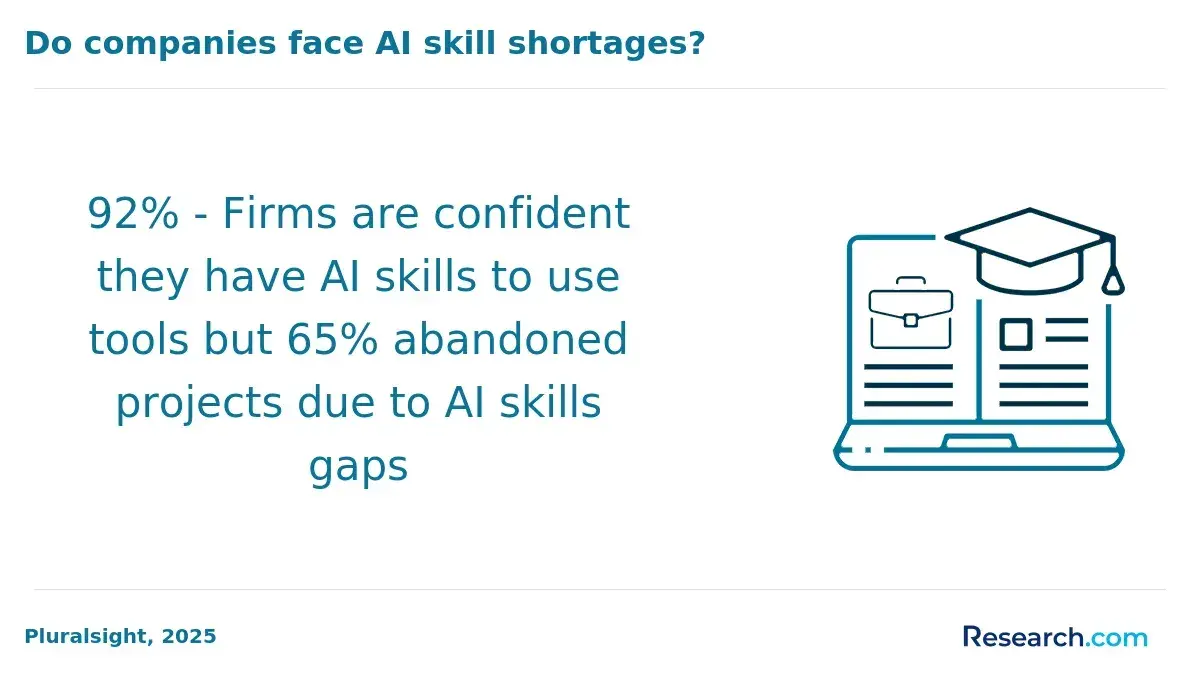
How do AI governance courses for healthcare differ from general AI ethics programs?
AI governance courses tailored for healthcare compliance differ markedly from general AI ethics training programs due to their specialized focus on regulatory adherence, patient safety, and clinical application. These healthcare-specific AI ethics training programs dive into navigating stringent laws such as FDA regulations, HIPAA, and emerging state-level mandates, preparing strategy teams to address risks like patient data privacy and algorithmic bias affecting clinical outcomes.
- Training emphasizes regulatory frameworks including FDA oversight of AI tools in diagnostics and treatment.
- Courses provide clinical validation and risk management techniques to ensure patient safety.
- Guidance is offered on integrating AI governance into healthcare workflows to align compliance and clinical operations.
- Interprofessional collaboration between data scientists, clinicians, and compliance officers is highlighted for ethical AI adoption.
Continuous monitoring of AI system performance against clinical benchmarks and embedding governance in electronic health record (EHR) systems are key topics often absent in broader ethics programs. A recent 2024 IEEE/AMIA survey found that 64% of large U.S. provider organizations plan to boost AI compliance training budgets by at least 25% by 2026, underscoring growing demand for healthcare governance expertise.
Such specialized courses equip professionals with governance literacy that goes beyond ethics to include rigorous compliance and practical implementation-ensuring AI technologies enhance care without legal or ethical breaches. Those interested in related educational paths might also explore game design degrees, which illustrate the expanding scope of technology-focused training options today.
Which U.S. universities and organizations offer leading AI governance courses for healthcare?
Several leading U.S. universities and organizations provide AI governance courses for healthcare strategy teams, including the Massachusetts Institute of Technology (MIT), Stanford University, Johns Hopkins University, and the Mayo Clinic. MIT's Schwarzman College of Computing offers focused programs on AI ethics and governance, centering on healthcare applications and regulatory frameworks. Stanford's Center for Biomedical Informatics Research blends AI innovation with governance policies to reduce risks in clinical settings. Johns Hopkins designs interdisciplinary programs emphasizing AI oversight, documentation, and risk management to minimize diagnostic errors in healthcare delivery. The Mayo Clinic's Center for Digital Health provides continuing education on AI governance structures, focusing on key compliance and oversight issues in medical environments.
Top organizations in the United States providing AI governance education for healthcare teams reflect the growing need to address risks associated with poor AI governance. A Willis Towers Watson medical liability report reveals that AI-related diagnostic error claims, while relatively few, have projected costs 22% higher than non-AI claims when governance controls like oversight committees and documentation are lacking. Practical training helps healthcare strategy teams develop AI usage policies, establish clinical oversight committees, and maintain AI audit trails.
Healthcare professionals learn to evaluate AI bias, enhance transparency, and align AI deployment with patient safety standards, thereby reducing liability and improving clinical decision-making. For those exploring career pathways in this field, resources such as how to become an AI trainer with no experience offer valuable insights into roles related to AI governance education.
How can I compare online, hybrid, and campus-based AI governance programs for healthcare?
Online, hybrid, and campus-based AI governance programs for healthcare, even data scientist degree, each offer unique advantages depending on delivery format, interaction, and learning style. Online formats provide flexibility and accessibility, ideal for working professionals, though they may offer limited hands-on experiences. Hybrid programs combine online content with occasional in-person sessions, balancing convenience with engagement. Campus-based options deliver immersive face-to-face collaboration and networking, supporting team cohesion and access to institutional resources.
Program content should align with healthcare strategy needs, covering regulatory frameworks, ethical concerns, and clinical workflow integration. Look for curricula featuring case studies and simulations tailored to healthcare settings to enhance practical governance skills. Faculty expertise and industry connections greatly influence the depth of real-world insights.
Technology infrastructure matters: online platforms must support interactive modules and peer collaboration, while campus programs often provide AI labs and mentorship. Consider program duration and schedules to fit your organization's training needs.
Cost and ROI also vary. The 2024 HIMSS "State of Healthcare AI" survey noted organizations with formal AI governance training were 2.3 times likelier to achieve system-wide AI deployment and 34% more likely to see positive financial returns. Key questions include how programs customize content for healthcare regulations, balance theory with application, and support team-based training aligned with healthcare strategy roles.
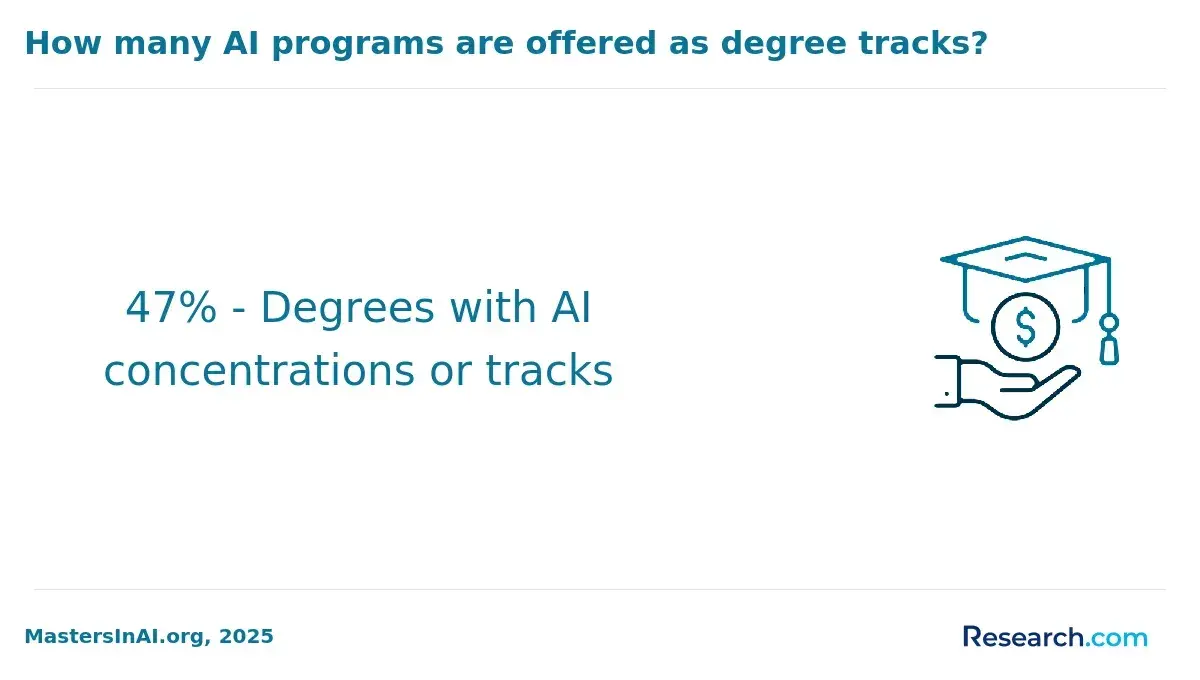
What curriculum topics are covered in AI governance courses for healthcare strategy teams?
AI governance courses tailored for healthcare strategy teams cover essential topics that enable effective use of AI in clinical and operational settings. Key subjects address ethical frameworks, focusing on bias, fairness, transparency, and patient privacy laws such as HIPAA compliance.
Regulatory content includes FDA guidance on AI medical devices and evolving state and federal policies affecting AI deployment. Risk management is a vital component, guiding professionals to identify, assess, and mitigate potential harms in diagnostics, treatment recommendations, and patient data handling.
Technical modules cover explainability and interpretability, empowering strategists to evaluate AI outputs critically and communicate insights effectively. Leadership training fosters alignment of AI governance with organizational goals and promotes collaboration between clinical, technical, and compliance teams.
Data governance is emphasized, highlighting data provenance, quality assurance, and secure sharing protocols to ensure trustworthy AI systems. Practical elements include case studies on AI failures in healthcare and frameworks for monitoring post-deployment performance.
Accountability mechanisms like audit trails and incident reporting systems are integral to continuous governance. According to Coursera's 2024 Global Skills Report, professionals completing healthcare-focused AI governance credentials saw a 47% increase in interview callbacks for AI roles within six months, compared to 19% for general data science courses, signaling strong market demand for this expertise.
What admission requirements, prerequisites, and professional background do these programs expect?
Admission criteria for AI governance courses aimed at healthcare strategy professionals typically require a strong background in healthcare management, data analytics, or similar fields. Applicants usually need at least a bachelor's degree in healthcare administration, public health, computer science, or business. Many programs expect familiarity with data-driven decision-making or introductory AI concepts to prepare students for advanced governance topics.
Experience in healthcare systems is often emphasized, especially in strategic, planning, or operational leadership roles. Candidates with 3-5 years managing projects related to technology adoption or digital transformation are preferred, as practical exposure strengthens understanding of governance frameworks and compliance challenges.
Some advanced courses require documented involvement in AI projects, knowledge of regulatory standards, or ethical AI applications. Preparatory modules may be available for those lacking technical skills but possessing relevant strategic experience.
Healthcare strategy teams should demonstrate competencies in:
- Health system workflows and challenges
- Basic statistical or analytical skills
- Project management in clinical or administrative settings
- Stakeholder communication
The American Hospital Association Digital and Data Transformation Survey found that 71% of U.S. health systems with AI governance councils require at least one member to complete formal AI governance training. These hospitals report 28% fewer unplanned AI project terminations, highlighting the value of targeted education bridging technical and strategic perspectives.
How long do AI governance programs for healthcare take, and what do they cost?
AI governance programs designed for healthcare strategy teams vary in length from 4 weeks to 6 months, depending on the depth of material and delivery style. Shorter courses of 4 to 6 weeks typically offer around 10 to 20 hours of focused instruction, covering foundational knowledge and practical frameworks. More extensive programs, lasting 3 to 6 months, dive deeper into regulatory compliance, ethics, data management, and AI model oversight, often incorporating case studies relevant to biopharma and payer sectors.
Pricing for these courses varies widely by provider and format:
- Online certificate courses generally range from $1,000 to $2,500, ideal for professionals seeking targeted upskilling without committing to a full degree.
- Executive education or specialized bootcamps can cost between $3,000 and $8,000, offering strategic insights and personalized mentorship.
- University-affiliated programs with credit toward certificates or master's degrees may exceed $10,000.
Choosing the right program involves balancing time, cost, and content. For instance, a 6-week online course priced near $1,500 might emphasize AI ethics and governance fundamentals, while a 4-month hybrid course over $6,000 could focus on clinical trial optimization and utilization management using AI governance frameworks.
According to a 2024 McKinsey survey of biopharma and payer executives, firms offering structured AI governance training to commercial and R&D strategy leaders were 1.8 times more likely to report significant revenue impact from AI use cases such as pricing optimization, trial design, and utilization management.
What roles, salaries, and career paths can AI governance training unlock in healthcare?
AI governance roles in healthcare encompass managing and overseeing the safe, ethical application of AI technologies. Key positions include AI governance lead, clinical AI strategist, compliance officer specializing in AI, data ethics analyst, and healthcare AI project manager. Salaries vary widely, typically ranging between $90,000 and $160,000 annually based on experience and location.
Professionals entering this field often come from clinical, IT, legal, or strategic backgrounds, reflecting the interdisciplinary demands of AI governance. Clinicians may focus on ensuring AI aligns with patient safety, IT experts handle model monitoring and validation, and legal specialists manage compliance and risk mitigation.
Cross-functional training is increasingly valued as organizations strive to integrate clinical, technical, and legal perspectives. According to a 2024 survey by the College of Healthcare Information Management Executives (CHIME), health systems with multidisciplinary AI oversight committees reduced AI model performance drift by 36% over 12 months compared to those without such governance.
- Entry-level roles such as AI governance analyst and compliance specialist offer salaries from $90,000 to $110,000.
- Mid-level positions like AI program manager and clinical AI lead generally range from $120,000 to $140,000.
- Senior roles in strategic oversight and AI ethics can command salaries over $150,000 annually.
Career growth often involves certifications in AI ethics, healthcare compliance, or data science. Building expertise in AI risk assessment, algorithm validation, and interdisciplinary collaboration positions professionals as vital contributors to healthcare innovation.
How do I evaluate accreditation, certificates, and industry recognition for AI governance programs?
When evaluating AI governance programs, consider accreditation, certificate credibility, and industry recognition to ensure quality and career value. Accreditation by recognized bodies, such as regional accreditors approved by the U.S. Department of Education or specialized technology and healthcare organizations, guarantees curriculum rigor and relevance.
Certificate value depends largely on the issuing institution. Established providers with alignment to recognized frameworks like NIST AI Risk Management or ISO standards on AI ethics offer credentials that carry greater weight in the job market.
Industry endorsements from organizations like the Healthcare Financial Management Association (HFMA) or trusted consortiums enhance program credibility. Look for courses incorporating case studies, regulatory updates, and compliance training to reflect real-world applications.
Investing in accredited and recognized training proves financially sound. For example, a HFMA report shows mid-size hospitals allocating 0.5-1% of their IT budget annually to AI governance education achieved a 19% reduction in avoidable costs related to re-implementation and vendor-switching over three years.
Review curricula details, instructor expertise, and alumni outcomes carefully. Prioritize programs offering certification renewal or continuing education credits to maintain ongoing relevance in this fast-evolving field.
Other Things You Should Know About Artificial Intelligence
In 2027, top AI governance courses for healthcare strategy teams include offerings from MIT's Sloan School, Stanford University, and the World Health Organization (WHO). These courses focus on ethical AI deployment, patient data management, and compliance with global healthcare regulations.
AI governance helps to establish protocols that ensure AI applications in healthcare do not compromise patient safety. This includes continuous monitoring of AI outputs, validating models against clinical standards, and setting clear accountability for errors or unintended consequences. Good governance reduces risks of harm from incorrect or biased AI decisions.
Data quality is critical because AI models depend on accurate, representative, and complete data to function reliably. Poor data quality can lead to flawed predictions and biased outcomes. AI governance frameworks emphasize rigorous data management, validation, and updates to maintain model integrity over time.
Effective AI governance frameworks are designed to be flexible and scalable to accommodate new AI advancements. They incorporate continuous learning cycles, stakeholder feedback, and regular policy reviews to stay current with evolving technologies. This adaptability is essential for maintaining compliance and efficacy in dynamic healthcare environments.
References
- AI Governance Certifications HUB - AI Governance Library, Articles, Ressources https://aigouvernance.com/certifications/
- Hybrid AI models governance https://verifywise.ai/lexicon/hybrid-ai-models-governance
- 16 Artificial Intelligence Career Paths https://www.calmu.edu/news/artificial-intelligence-career-paths
- AI Governance Jobs: Your Ultimate Career Guide https://www.peopleinai.com/blog/ai-governance-jobs-guide
- The best AI training courses for doctors and healthcare professionals (2026) https://lecercle.ai/en/blog/meilleures-formations-ia-medecins/
- AI Governance in Higher Education: Policies That Enable Innovation https://feedbackfruits.com/blog/ai-governance-higher-education
- Understanding the Prerequisite Requirements for 6 Popular Graduate Programs - Prereqcourses https://www.prereqcourses.com/prerequisite-requirements-for-6-programs/
- Advancing healthcare AI governance through a comprehensive maturity model based on systematic review - npj Digital Medicine https://www.nature.com/articles/s41746-026-02418-7
- Artificial Intelligence and its Governance in Healthcare https://learn.achs.org.au/pages/artificial-intelligence-and-its-governance-in-healthcare
- Best AI Training for Healthcare Teams (2026) — HIPAA Safe https://iternal.ai/ai-training-for-healthcare