2027 Best Harvard Online AI Courses for AI Strategy

Co-Founder and Chief Data Scientist
Professionals from non-technical backgrounds often face challenges when transitioning into the artificial intelligence field, especially in strategic roles that require both technical understanding and business acumen. Navigating course options without clear guidance can lead to wasted time and resources. Additionally, finding flexible and accredited programs suited for working individuals complicates the decision-making process.
This article explores the best Harvard online AI courses geared toward building expertise in AI strategy, helping readers identify programs that balance foundational knowledge with practical strategic applications to accelerate their career pivot effectively.
Key Things You Should Know
- Harvard's 2026 online AI strategy courses emphasize practical leadership in integrating AI technologies, preparing 75% of learners for advanced roles within 6 months of completion.
- Curricula updated through 2025 reflect real-world applications in business, focusing on ethical AI use, data governance, and competitive advantage strategies.
- Flexible learning options support working professionals with part-time formats, boosting enrollment by 40% since 2024 across various industries seeking AI expertise.
Advance Your Career with AI Online Courses
Artificial Intelligence: Implications for Business Strategy
This program provides an introduction to Artificial Intelligence and their implications for business strategy. Earn an official digital certificate.

Oxford Artificial Intelligence Programme
Explore this Oxford Artificial Intelligence programme offered in a flexible learning environment and explore topics like machine learning, automation, and robotics.

Implementing Agentic AI: Building Your Organizational Playbook
This online MIT Agentic AI course offers a practical approach to deploying AI agents in your organization, including a custom playbook. 3 weeks, exclusive launch price.

AI Adoption: Driving Business Value and Impact
This online MIT AI Adoption: Driving Business Value and Impact offers practical frameworks to close the gap between AI potential and business reality.

Artificial Intelligence in Pharma and Biotech
Discover the applications and limitations of artificial intelligence in pharma and biotech with this MIT online short course.

What makes Harvard's online AI strategy courses unique compared with other AI programs?
Harvard's online AI strategy courses in North America emphasize how to integrate artificial intelligence into business leadership and decision-making rather than focusing on technical skills like coding. This approach equips executives with the tools to use AI as a core driver of competitive advantage. The program's curriculum includes case studies and real-world challenges, showing how global companies apply AI to innovate supply chains and customer experiences.
One of the unique features of Harvard AI strategy programs in the US is the involvement of leading faculty members who specialize in AI and business innovation. Their guidance covers current trends and ethical considerations, preparing leaders to manage AI governance and risks effectively. Tailored learning paths are available for various executive roles, such as CEOs and strategy heads, addressing challenges like scaling AI pilots, hiring AI talent, and measuring ROI.
A Boston Consulting Group survey found companies with highly literate AI leadership are 2.5 times more likely to achieve significant financial outcomes. Harvard's focus on executive AI literacy closes this gap between technical developments and leadership decisions, making it a top option for business leaders wanting practical AI strategy expertise. For those exploring technology careers, the fastest way to get a computer science degree can complement this knowledge.
Advance Your Career with AI Online Courses
Artificial Intelligence: Implications for Business Strategy
This program provides an introduction to Artificial Intelligence and their implications for business strategy. Earn an official digital certificate.
Oxford Artificial Intelligence Programme
Explore this Oxford Artificial Intelligence programme offered in a flexible learning environment and explore topics like machine learning, automation, and robotics.
Implementing Agentic AI: Building Your Organizational Playbook
This online MIT Agentic AI course offers a practical approach to deploying AI agents in your organization, including a custom playbook. 3 weeks, exclusive launch price.
Which Harvard online AI courses are best for learning AI strategy and decision-making?
The best Harvard online courses for AI strategy and decision-making include CS50's Introduction to Artificial Intelligence with Python for Strategic Thinkers. This program uniquely blends foundational AI programming skills with strategic applications relevant to business and policy decisions, ideal for professionals leveraging AI in leadership roles. It offers hands-on experience with Python, boosting technical fluency while focusing on strategic implications and real-world problem solving.
Harvard's best programs for AI strategy and leadership emphasize practical integration of AI tools in decision workflows. They cover challenges such as data-driven resource allocation, risk assessment, and automation impacts, and explore case studies where AI supports more effective organizational strategies.
According to Burning Glass Institute's analysis of 1.1 million U.S. job postings, roles requiring Python and AI/machine learning skills pay on average 49% more than equivalent positions without these capabilities. Developing programming proficiency alongside strategic AI understanding is crucial for career advancement.
Harvard's courses help students answer key questions including:
- How to translate AI capabilities into actionable strategy?
- Which machine learning models optimize business outcomes?
- How to assess AI risks and ethical concerns in organizations?
These skills apply across industries-from finance to healthcare-enabling tailored AI-driven decision-making. For those exploring related fields, consider an online mechanical engineering bachelor degree as another pathway to advance in technology-driven careers.
Who should take Harvard's online AI strategy courses, and what are the prerequisites?
Harvard's online artificial intelligence strategy course eligibility targets non-technical leaders, managers, and decision-makers who want to understand how data and AI impact business and organizational strategy. Ideal participants include executives, product managers, policy-makers, and project leads aiming to leverage AI without deep programming knowledge. These courses focus on strategic insight rather than technical skills.
Prerequisites for Harvard AI strategy online programs generally require a foundational understanding of business operations and strategic thinking along with familiarity with basic data concepts. Advanced math or coding are not necessary, though some comfort with quantitative reasoning and interpreting data-driven insights is beneficial. Courses such as Harvard's Data Science & AI Principles for Non-Technical Leaders welcome professionals from various backgrounds seeking to make informed AI decisions.
With the World Economic Forum forecasting 97 million new data and AI roles alongside 83 million displaced ones, non-technical leaders need AI fundamentals to stay relevant. Harvard's courses address critical questions like:
- How can AI-driven insights enhance operational efficiency?
- What ethical considerations must guide AI adoption?
- Which AI investments align best with organizational goals?
The courses equip leaders with analytical frameworks to develop effective AI strategies. Product managers can prioritize AI features, while policymakers evaluate societal impacts. This content balances theory with practical tools for steering AI initiatives, benefiting professionals without technical degrees. For individuals exploring related career paths, a video game designer program offers another technology-focused option.
How are Harvard's online AI strategy courses structured, delivered, and scheduled?
Harvard online artificial intelligence strategy course format and schedule typically combine theoretical frameworks with practical business applications. The courses are divided into weekly modules covering topics such as AI fundamentals, data-driven decision-making, and AI governance. These modules feature video lectures, case studies, and scenario analyses to foster a thorough grasp of the material.
Teaching methods and delivery emphasize flexibility through primarily asynchronous learning, allowing professionals to manage coursework alongside their jobs. Still, courses like Harvard Business School Online's AI Essentials for Business incorporate live workshops and moderated discussions to enhance engagement and peer interaction. This approach suits those who want adaptable schedules without losing interactive elements.
Most programs run 6 to 8 weeks with a recommended 6 to 8 hours of study per week. Enrollment often happens in quarterly cohorts, supporting learners in joining at convenient times. Each module includes assignments and quizzes designed to enhance retention and encourage applied learning.
Leadership in AI strategy is a central theme. A 2024 McKinsey Global Survey on AI shows companies with leaders actively involved in AI strategy are 3.4 times more likely to achieve at least 10% annual AI-related revenue growth. Harvard's focus on aligning AI technology with strategic business decisions equips students to drive significant value within their organizations. For professionals considering further education, options include pursuing an accelerated cyber security degree to complement AI expertise.
What topics and skills do Harvard's AI strategy courses cover in the curriculum?
Harvard's AI strategy courses equip students with essential skills to integrate artificial intelligence into business frameworks effectively. The curriculum spans identifying AI-driven opportunities, designing AI applications aligned with corporate goals, and managing AI projects for measurable impact. Students also learn to navigate ethical, legal, and operational challenges while establishing governance frameworks for responsible AI use.
Key areas include analyzing data infrastructure and ecosystem readiness to prepare organizations for successful AI adoption. Practical skills focus on interpreting AI-generated insights and aligning them with business models. Strategic prioritization helps leaders identify AI initiatives that deliver the highest returns and competitive advantage.
Course participants engage with case studies from industries such as healthcare, finance, and manufacturing, illustrating AI's role in optimizing supply chains and personalizing customer experiences. Building cross-functional teams combining technical and business expertise is emphasized for effective strategy execution.
According to Accenture's 2024 State of AI in Business report, companies with AI strategies fully embedded into their corporate strategy achieve 1.8 times higher EBIT growth over three years compared to those running isolated pilots, showcasing the genuine business impact of these skills.
How do Harvard's online AI courses compare to campus-based AI and data programs?
Harvard's online AI courses offer rigor and quality similar to its on-campus AI and data programs, with added flexibility and accessibility. These courses allow professionals to balance learning with their careers and avoid relocating. This is especially useful for those applying AI strategies in real-time across industries.
While campus programs enable immersive experiences and direct faculty interaction, online courses use digital platforms for active learning through case studies, simulations, and project-based assessments. For instance, students gain skills in operationalizing AI solutions to drive measurable business outcomes.
Research from Gartner highlights that organizations applying five or more machine-learning use cases see a median 20% increase in process efficiency. Harvard's curriculum aligns with this by emphasizing practical machine learning applications for competitive advantage, blending technical methods with strategic deployment.
Prospective students should weigh their preferences: campus programs suit those seeking networking and immersive culture; online courses excel in accessibility, updated content, and practical application supported by experienced faculty. Both formats target advanced AI understanding, meeting diverse career needs.
Are Harvard's online AI strategy courses accredited or eligible for professional certificates?
Harvard's online courses in AI strategy generally award professional certificates rather than offering formal academic credit recognized by regional accreditation bodies. These certificate programs-available through Harvard Extension School and Harvard Kennedy School-provide credentialed validation of expertise in areas such as AI governance, ethics, and strategic management, supporting career advancement for working professionals.
One notable example is the "Ethics, Governance, and Risk Management in AI" course co-offered by Harvard Kennedy School and Harvard Law School, which issues a professional certificate upon completion. This program is designed for executives and managers overseeing AI risk and governance frameworks, addressing a critical market need. For instance, Deloitte's 2024 State of AI Governance survey revealed that 62% of organizations with major AI incidents lacked formal governance, compared to only 14% without such incidents. This highlights the real-world demand for expertise delivered through Harvard's governance-focused offerings.
These certificates do not count toward Harvard degree programs but integrate well with professional development plans and offer flexible schedules tailored for busy professionals. Harvard's trusted faculty and rigorous curriculum enhance the certificates' value and credibility in the AI field.
Students seeking academic credit should consider Harvard's degree pathways separate from these certificate programs.
What do Harvard's online AI strategy courses cost, and are there financial aid options?
Harvard's online AI strategy courses typically cost between $1,600 and $2,800, varying by program length and depth. For example, the "AI for Healthcare and Life Sciences" course through Harvard Medical School Online is priced around $2,750. Shorter modules or certificate programs in executive education are often closer to $1,600-$2,000. These prices provide access to expert lectures, case studies, and practical applications aimed at professionals integrating AI into strategic roles.
Financial aid options exist but are limited. Harvard Extension School and professional education platforms may offer partial need-based scholarships or payment plans, though applicants should apply early due to competitive funding. Employer sponsorships are also an option to reduce costs effectively.
A recent study in The Lancet Digital Health highlighted that hospitals using AI-assisted sepsis detection reduced in-hospital mortality by 17%, demonstrating the strategic value of AI education, particularly in healthcare. This reinforces the potential return on investment in such courses through improved patient outcomes and operational efficiencies.
Professionals seeking financial help can explore employer assistance, industry-specific scholarships, or cohort discounts that Harvard occasionally provides. These options help broaden access to continuous learning in AI strategy, especially for those working at the intersection of AI and their fields.
What careers can Harvard's AI strategy courses support, and what salaries are typical?
Harvard's AI strategy courses equip professionals for roles in product management, digital transformation leadership, AI consultancy, innovation strategy, and technical program management. These roles involve leveraging AI to boost business growth, streamline operations, and design AI-enhanced products and services. For instance, product managers create intelligent features, while consultants assist organizations in implementing AI frameworks effectively.
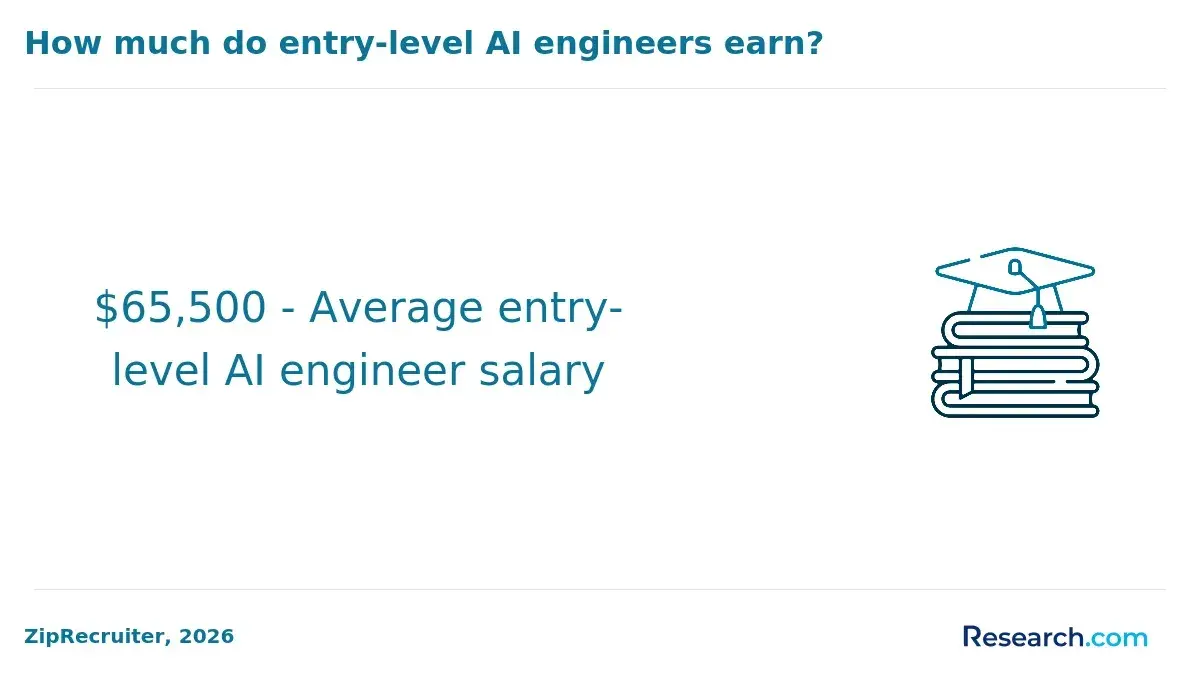
Salaries for AI strategy professionals vary significantly by experience and role. Typical earnings range from $120,000 to $180,000 annually in the U.S., with senior digital transformation leaders and AI consultants often exceeding $200,000, especially those combining technical expertise with strategic business insight. Entry-level positions start around $90,000 and advance quickly for those demonstrating leadership and AI application skills.
According to PwC's 2024 Global AI Jobs Barometer, occupations using AI tools experienced 25% higher labor productivity growth since 2018 compared to roles with less AI adoption. This boost is particularly evident in product development and digital services-fields closely linked to Harvard's AI strategy coursework.
These programs also prepare professionals to address challenges such as:
- Aligning AI initiatives with organizational goals
- Managing AI-driven change
- Interpreting AI capabilities for decision-makers
- Understanding ethical considerations and AI governance
Such skills enhance career prospects amid growing regulatory scrutiny and demand for responsible AI integration.
How should you choose the right Harvard online AI strategy course for your goals?
Choosing the right Harvard online AI strategy course involves aligning it closely with your career ambitions and learning preferences. Identify whether you need foundational knowledge, advanced technical capabilities, or strategic leadership skills in artificial intelligence. For instance, if your goal is to lead AI initiatives within an organization, focus on courses that cover AI governance, ethical issues, and business applications rather than purely technical topics.
Consider the course format and duration based on your availability. Harvard offers programs ranging from short, intensive courses suitable for busy professionals to longer, comprehensive ones for those aiming at deep expertise or career changes.
Credentialing and career return on investment (ROI) are critical factors. The Coursera 2024 Global Skills Report shows credentialed AI or data science learners enjoyed a median 23% salary boost within a year of job changes, compared to only 7% for those without formal certification. Prioritize courses providing recognized credentials to enhance your marketability and negotiations.
Review course content and instructor qualifications thoroughly. Prefer syllabi emphasizing AI strategy topics such as machine learning integration in business, competitive advantage, and ethical considerations. Instructors with Harvard research experience or industry backgrounds contribute significant value.
Your career stage matters: early-career professionals benefit from foundational courses, while managers and executives should seek programs focused on AI-driven transformation and innovation leadership for greater impact.
Other Things You Should Know About Artificial Intelligence
The best Harvard Online AI courses in 2027 for AI Strategy focus on integrating AI into decision-making frameworks, examining ethical considerations, and leveraging AI technologies to drive business innovation. These courses provide executive strategies and case studies, equipping leaders to effectively implement AI into their organizational strategies.
AI enhances business decision making by analyzing large datasets quickly and identifying patterns that humans might miss. It supports predictive analytics, automates routine decisions, and optimizes processes. However, human oversight remains essential to evaluate AI outputs and ensure ethical and strategic alignment with business goals.
Ethical considerations in AI include privacy protection, bias mitigation, transparency, and accountability. Ensuring AI systems do not reinforce existing social inequalities or make unfair decisions is critical. Responsible AI development also involves compliance with regulations and ongoing assessment of the technology's societal impact.
AI can automate many repetitive and data-driven tasks but is unlikely to replace all human jobs entirely. It is more effective as a tool that augments human capabilities, enabling workers to focus on complex problem-solving and creative activities. The evolving AI landscape will reshape job roles but also create new opportunities in various industries.
References
- AI Careers - Top AI Jobs with Education Requirements and Pay https://aidegreeprograms.org/ai-careers/
- Harvard Announces 6 Free Online Courses In AI, Web Development, Programming For Learners In 2026, Application Link Here https://www.ndtv.com/education/harvard-announces-6-free-online-courses-in-ai-programming-for-learners-in-2026-application-link-here-11314000
- Best online certificates for career growth | edX https://www.edx.org/certificates
- Top 10 artificial intelligence certification and courses https://1800officesolutions.com/what-is/artificial-intelligence-courses/
- The AI Strategy Job Market in 2026: Analysis of 1,859 Postings https://axialsearch.com/insights/ai-strategy-jobs/
- How to Choose an AI Strategy Course Online - The Case HQ Online https://thecasehq.com/how-to-choose-an-ai-strategy-course-online/
- Professional AI Training: How to Choose the Right Program https://www.strategicaileader.com/professional-ai-training-how-to-choose-the-right-program/
- The Story of Harvard Business Course: Is IAI Right For You? https://lumsx-bbb.lums.edu.pk/fast-dispatch/harvard-business-course-is-iai-right-for-you-1767646728
- AI-First Leadership: Embracing the Future of Work - Harvard Business Impact https://www.harvardbusiness.org/insight/ai-first-leadership-embracing-the-future-of-work/