2027 Best AI Governance Courses for Finance Leaders in Regulated Industries

Co-Founder and Chief Data Scientist
Finance leaders in regulated industries face growing pressure to incorporate robust AI governance while ensuring compliance with complex regulations. Mismanaging AI risks can lead to severe legal and financial consequences, especially as regulatory scrutiny intensifies. Many professionals lack formal training tailored to the intersection of AI governance and financial regulation, limiting their ability to implement effective oversight. This gap leaves organizations vulnerable to operational failures and reputational damage. This article explores top AI governance courses designed specifically for finance professionals in regulated sectors, offering flexible, accredited options to help navigate compliance challenges and build essential expertise in emerging AI regulatory landscapes.
Key Things You Should Know
- Leading 2026 courses emphasize AI governance frameworks tailored for finance leaders navigating stringent regulations like Dodd-Frank and Basel III compliance.
- Programs increasingly integrate ethics, risk management, and transparency, reflecting a 40% growth in demand for AI governance skills since 2024.
- Top courses blend practical case studies with emerging technologies to prepare professionals for evolving regulatory environments and AI audit requirements.
Advance Your Career with AI Online Courses
Artificial Intelligence: Implications for Business Strategy
This program provides an introduction to Artificial Intelligence and their implications for business strategy. Earn an official digital certificate.

Oxford Artificial Intelligence Programme
Explore this Oxford Artificial Intelligence programme offered in a flexible learning environment and explore topics like machine learning, automation, and robotics.

Implementing Agentic AI: Building Your Organizational Playbook
This online MIT Agentic AI course offers a practical approach to deploying AI agents in your organization, including a custom playbook. 3 weeks, exclusive launch price.

AI Adoption: Driving Business Value and Impact
This online MIT AI Adoption: Driving Business Value and Impact offers practical frameworks to close the gap between AI potential and business reality.

Artificial Intelligence in Pharma and Biotech
Discover the applications and limitations of artificial intelligence in pharma and biotech with this MIT online short course.

What are AI governance courses for finance leaders?
AI governance training for finance professionals in regulated industries helps equip leaders with the skills needed to manage ethical, regulatory, and operational risks linked to AI technologies in finance. These courses offer frameworks to ensure accountability, transparency, and compliance in AI-driven decision-making. Key topics include risk assessment of AI models, data privacy, regulatory standards such as GDPR and the SEC's guidelines, and strategies to mitigate model bias and errors.
Compliance-focused AI governance courses for finance leaders cover practical elements like case studies on successes and failures in AI implementation, regulatory reporting requirements, and developing organizational policies that support responsible AI usage. Some courses delve deeper into cybersecurity risks related to AI, ethical issues in automated lending, and oversight of AI in fraud detection systems.
Finance leaders learn to integrate AI governance into their risk and compliance frameworks, a critical skill given that globally, financial firms were projected to spend $206.5 billion on risk and regulatory compliance driven by AI and analytics. This training also focuses on challenges such as maintaining model explainability for regulators, preserving audit trails, and balancing innovation with compliance.
For those seeking advanced education in related fields, exploring options like the cheapest data science masters in USA can provide strong foundational skills supporting effective AI governance within finance.
Advance Your Career with AI Online Courses
Artificial Intelligence: Implications for Business Strategy
This program provides an introduction to Artificial Intelligence and their implications for business strategy. Earn an official digital certificate.
Oxford Artificial Intelligence Programme
Explore this Oxford Artificial Intelligence programme offered in a flexible learning environment and explore topics like machine learning, automation, and robotics.
Implementing Agentic AI: Building Your Organizational Playbook
This online MIT Agentic AI course offers a practical approach to deploying AI agents in your organization, including a custom playbook. 3 weeks, exclusive launch price.
Which accreditation matters for AI governance programs?
Accreditation plays a vital role in shaping AI governance accreditation for finance professionals in regulated industries by ensuring that programs meet industry standards and compliance requirements. For U.S.-based finance leaders, certifications from respected organizations like the Global Association of Risk Professionals (GARP) or the CFA Institute offer significant credibility. These accreditations help confirm that the curriculum aligns with legal frameworks and best practices essential in regulated financial environments.
Programs with international recognition from bodies such as the International Organization for Standardization (ISO) or those following the OECD's AI Policy Observatory guidelines demonstrate adherence to rigorous ethical and regulatory standards. Over 90% of global GDP falls within jurisdictions with AI-specific regulations or proposals, underscoring the importance of staying current with evolving rules.
Recognized certification programs for AI governance compliance in finance often include region- or industry-specific regulatory compliance elements, such as GDPR in Europe or SEC mandates in the U.S. These practical certifications provide candidates with relevant case studies and risk management strategies tailored to financial institutions.
Finance professionals should be cautious of non-accredited courses that may lack the necessary rigor or fail to adapt to rapid regulatory changes. Prioritizing accredited programs ensures transparent, ethical, and actionable knowledge valued by employers and regulators alike.
For those evaluating educational options, factors like affordability also matter. A helpful resource for understanding costs is available at mechanical engineering degree online cost, which can guide budget-conscious decisions while exploring related STEM fields.
What should finance leaders learn in AI governance training?
Finance leaders in regulated industries must navigate AI governance frameworks for finance leaders in regulated industries to manage risks and ensure compliance effectively. Critical training includes understanding regulatory requirements from bodies like the SEC and CFPB, alongside emerging AI-specific frameworks that emphasize transparency, fairness, and accountability in algorithmic decision-making.
Risk assessment skills are vital, involving identifying and mitigating AI-related risks such as model bias, data privacy breaches, and operational failures. This includes ongoing monitoring and model validation to maintain reliable AI system performance under evolving conditions.
Ethical practices are crucial for aligning AI use with corporate social responsibility and preventing discriminatory outcomes. Leaders in financial services need compliance strategies in artificial intelligence governance for financial services that address data sourcing, model design, and outcomes assessment through ethical standards.
Technical literacy helps leaders grasp basic AI concepts and data quality issues, fostering better collaboration with technical teams and enhanced oversight. Integrating AI risk management with enterprise risk frameworks and internal controls enables transparent communication with stakeholders about AI risks and regulatory compliance.
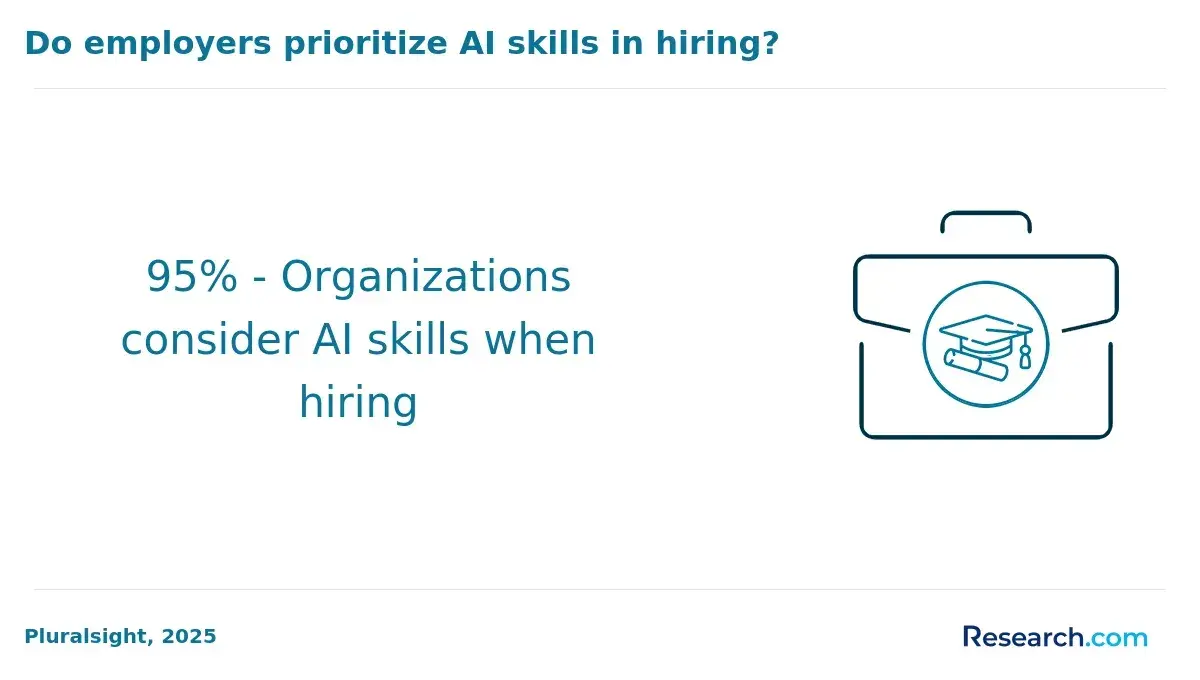
Job postings referencing "AI governance" or "AI risk" rose by about 170% from 2022 to 2024, reflecting increased demand for proficiency in this field. For professionals interested in advancing their expertise, pursuing the cheapest online PhD in cyber security can provide a valuable foundation.
Are online AI governance courses better than campus programs?
Online AI governance courses offer significant benefits compared to traditional campus programs for finance leaders in regulated industries. The flexibility of online AI governance training enables professionals to balance demanding work commitments with ongoing education, a crucial advantage for those managing regulatory compliance and risk oversight. These courses frequently update content to keep pace with evolving regulations like GDPR, the AI Act, and U.S. SEC guidelines, providing more timely learning than many campus alternatives.
Additionally, online platforms integrate industry-specific case studies, simulations, and expert webinars tailored to finance and regulatory contexts. This approach helps finance leaders immediately apply governance principles to real-world scenarios, especially in sectors such as banking where AI decisions directly affect compliance. Campus offerings may go deeper but often lack the agility to adapt to regulatory changes and emerging AI risks quickly.
Finance leaders face challenges in acquiring practical governance skills amidst regulatory complexity. Online courses focus on creating effective governance frameworks grounded in risk assessments and audit readiness, directly relevant to workplace needs. Data from J.P. Morgan's Corporate & Investment Bank talent insights team shows finance professionals with AI and machine learning expertise earn salary premiums of 20-40% over peers without these skills, demonstrating the career impact of specialized education.
For those interested in advancing further, exploring an online data science doctorate can be a valuable next step toward leadership roles that require deep technical and governance knowledge.
What admission requirements do AI governance courses usually have?
Admission to AI governance courses in finance generally requires a bachelor's degree or equivalent experience in fields like finance, risk management, compliance, or data science. Senior-level programs often seek candidates familiar with regulatory frameworks and digital transformation. Documented experience, typically three to five years in financial institutions with roles in model risk management or technology oversight, is commonly required.
Applicants are usually asked to provide a detailed resume and a statement of purpose explaining their AI governance objectives. Letters of recommendation highlighting leadership skills and knowledge of AI's effect on financial services may also be necessary. Some executive education options offer flexible admission paths for mid-career professionals lacking formal degrees but possessing significant experience.
Quantitative aptitude and foundational AI concepts are often prerequisites or strongly recommended. Preparatory online modules or assessments help verify baseline skills. Familiarity with compliance frameworks such as SOX, GDPR, or Basel III benefits candidates targeting roles in regulated environments.
Over 60% of large financial institutions use external AI training programs for senior leaders, reflecting demand for candidates who can shape AI governance policies effectively. This trend underscores the importance of specialized admissions criteria that align with the evolving regulatory landscape.
How long do AI governance courses take to complete?
AI governance courses designed for finance leaders in regulated industries vary in length from two days to eight weeks, reflecting the program's focus and delivery format. Short executive workshops or bootcamps typically run two to five days, offering concentrated insights into compliance frameworks, risk management, and ethics-ideal for busy professionals seeking quick expertise.
More extensive certificate programs or multi-module courses span four to eight weeks, enabling deep dives into AI policy development, regulatory compliance, and data governance. These are often enriched with case studies, practical assignments, and peer collaboration, suitable for leaders pursuing comprehensive mastery.
Flexible, self-paced online courses present 15 to 40 hours of content to be completed over weeks or months, accommodating professionals balancing continuing education with work. Hybrid formats that combine live sessions with asynchronous study are growing in popularity for blending convenience and interaction.
When choosing course length, finance executives should assess their goals, schedules, and organizational backing. McKinsey's 2024 Global AI Survey highlights that organizations investing heavily in formal AI and analytics education for executives are 2.3 times more likely to achieve significant financial returns.
Before committing, verify course accreditation, relevance to specific regulatory contexts, and networking opportunities with peers facing similar governance challenges.
How much do AI governance courses cost?
AI governance courses for finance leaders in regulated industries typically cost between $1,000 and $5,000 per participant, varying by program depth, institution, and format. Short executive workshops priced from $1,000 to $2,500 offer focused learning over a few days, while more comprehensive certificate or multi-week courses often range from $3,000 to $5,000. Premium options with personalized coaching or project work can exceed $5,000.
Delivery format affects pricing as well: online courses are generally more affordable, whereas in-person sessions with direct engagement tend to be pricier. Employers frequently fund these programs as part of professional development, given evidence linking investment in AI governance education to higher returns. According to BCG's 2024 study, banks and insurers recognized as "AI leaders" achieved 5-10% greater pre-tax earnings from analytics and AI compared to "AI laggards."
For finance professionals weighing affordability and time, free introductory webinars or modular courses can provide accessible entry points. Industry associations sometimes offer discounted rates to members, helping to reduce these costs. Given the regulatory complexity in finance, tailored AI governance training supports both compliance and competitive advantage.
Organizations should balance course costs with potential earnings uplift and risk mitigation benefits reported by leading research, recognizing the strategic value in AI governance education.
Which jobs use AI governance skills in regulated industries?
AI governance skills play a crucial role in finance positions dealing with risk, compliance, and data integrity within regulated industries. Professionals like risk managers must oversee algorithmic decisions to comply with financial regulations. Compliance officers ensure AI initiatives meet standards such as SEC rules and anti-money laundering laws. Financial auditors apply AI governance knowledge to detect bias or errors in AI-driven reports and models.
Data governance specialists protect sensitive financial data by enforcing privacy, quality, and ethical AI policies. Chief risk officers incorporate AI tools into enterprise risk strategies while effectively communicating potential risks to stakeholders. Meanwhile, financial product managers and fintech innovation leaders use AI governance skills to balance innovation with regulatory compliance, guaranteeing new AI-powered services satisfy legal and ethical requirements.
Industry research highlights a significant skills gap: only 18% of financial risk leaders express strong confidence in their organization's AI governance capability. This gap emphasizes the need for expertise addressing model transparency, algorithmic bias, and compliance accountability. Roles in regulatory reporting, credit risk assessment, and anti-fraud also increasingly rely on these skills to improve decision accuracy and regulatory adherence.
- Risk managers overseeing algorithmic compliance
- Compliance officers aligning AI with regulations
- Financial auditors evaluating AI-driven reports
- Data governance specialists safeguarding privacy and ethics
- Chief risk officers integrating AI in risk frameworks
- Product managers balancing innovation with regulation
Mastering AI governance enhances career prospects across diverse finance functions, reflecting its interdisciplinary importance in regulated sectors. For insights on advancing your AI education, explore resources specifically focused on integrating AI governance into finance careers.
What salary can AI governance professionals expect?
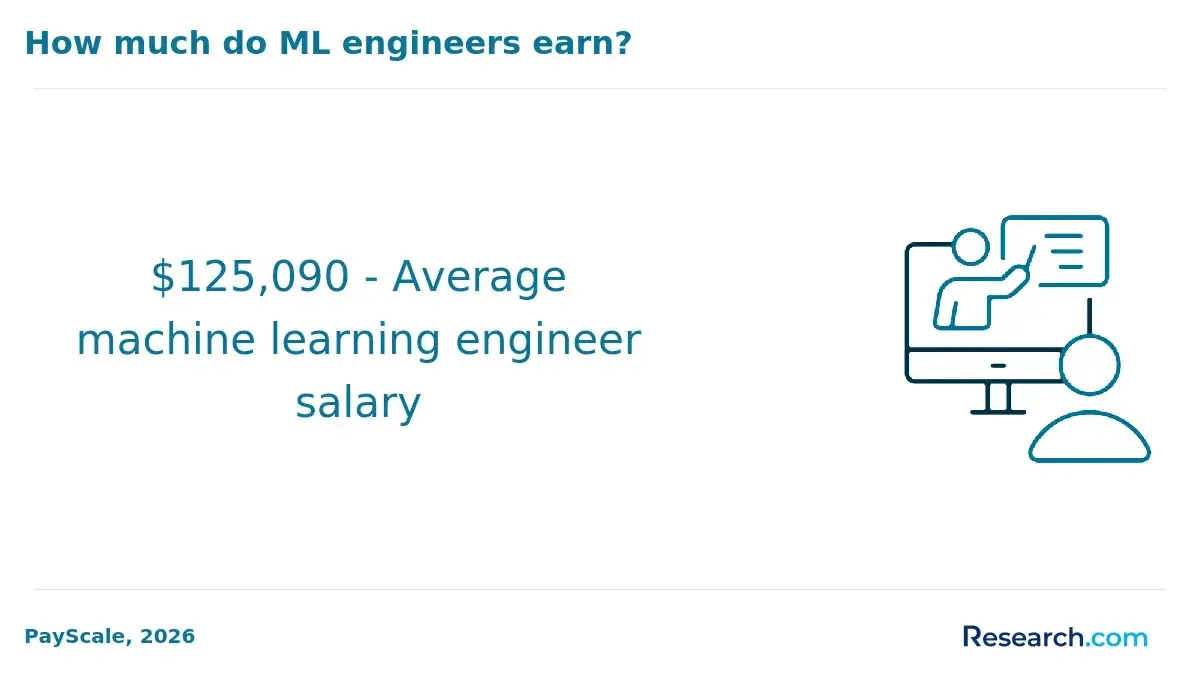
AI governance roles within regulated financial sectors offer competitive salaries that correspond with the growing strategic importance of these positions. Entry-level salaries start near $85,000 annually, while mid-career specialists typically earn between $120,000 and $160,000. Senior leaders responsible for compliance and risk management across major organizations often receive compensation exceeding $200,000. Salary variability depends on institution size, location, and regulatory complexity.
Demand for AI governance professionals is increasing due to stricter regulatory requirements and evolving risk management challenges. IBM's 2024 AI Adoption in the Enterprise report shows 42% of financial services firms are actively implementing or expanding AI governance tools and training, up from 24% in 2022. This growth signals strong job security and upward salary trends.
Expertise in compliance frameworks such as GDPR, SEC AI guidelines, and model risk management is highly valued. Professionals skilled in ensuring AI explainability, fairness, and auditability earn a premium, with contract rates ranging from $75 to $150 or more per hour. Finance leaders should pursue certification in ethics, legal compliance, and risk mitigation to enhance salary prospects.
Strong policy development and cross-functional team management skills align closely with top-tier compensation in AI governance careers within finance.
Which certifications support AI governance careers in finance?
Certifications supporting AI governance careers in finance emphasize compliance, risk management, ethical frameworks, and strategy implementation. Key credentials include the Certified Artificial Intelligence Governance Professional (CAIGP), which focuses on regulatory requirements and ethical risk controls tailored for finance. This certification prepares professionals to navigate compliance with frameworks like the SEC's AI guidelines and Basel Committee principles.
The AI Ethics and Governance Certificate from recognized business schools incorporates finance-focused case studies, highlighting bias mitigation and model accountability essential for regulated industries. Risk managers benefit significantly from the Financial Risk Manager (FRM) certification paired with AI governance modules, which build expertise in assessing AI-driven financial products and their regulatory impact.
Another practical option is the Certified Information Systems Auditor (CISA) with an AI governance specialization, suited for finance leaders in technology oversight and audit compliance, including GDPR and CCPA standards. These certifications enable professionals to translate governance frameworks into actionable policies addressing challenges like model explainability and cross-border data management.
Gartner's survey of CIOs and CFOs found that organizations in the top quartile for AI governance maturity were 3.8 times more likely to realize measurable cost reductions from AI projects. This underscores the competitive edge gained through formal certification in AI governance, combining regulatory knowledge, ethical governance, and practical risk management to lead AI integration effectively in finance.
Other Things You Should Know About Artificial Intelligence
In 2027, Harvard Business School offers the "AI Governance and Ethics in Finance" course, focusing on mitigating bias. Similarly, MIT Sloan’s "Responsible AI for Financial Leaders" equips executives with tools to identify and manage biases within AI systems tailored for finance professionals.
Transparency is essential for validating AI decisions and ensuring accountability in finance. Regulation often requires that AI models are explainable so stakeholders, including regulators and customers, can understand how outcomes are derived. Transparent AI governance supports risk management and ethical compliance.
Yes, robust AI governance frameworks are designed to be flexible and regularly updated to reflect evolving regulations and industry standards. Finance leaders must ensure their governance policies incorporate mechanisms for continuous monitoring and adaptation in a fast-changing regulatory environment.
Poor AI governance can result in non-compliance fines, reputational damage, and operational failures due to inaccurate or unethical AI outputs. It can also expose institutions to increased fraud, security breaches, and legal liabilities. Strong governance reduces these risks by enforcing control and oversight.
References
- AI Governance Professional Training - Swiss Cyber Institute https://swisscyberinstitute.com/ai-governance-professional-training/
- How to Get Your First AI Governance Job: A Career Guide https://governance.aicareer.pro/blog/landing-your-first-job-in-ai-governance
- An AI governance certification will boost your career | The Corporate Governance Institute https://www.thecorporategovernanceinstitute.com/insights/guides/an-ai-governance-certification-will-boost-your-career/
- Artificial Intelligence in Health Care - URAC https://www.urac.org/accreditation-cert/healthcareai/
- Why Universities Need AI Governance https://www.ruffalonl.com/blog/artificial-intelligence/why-universities-need-ai-governance/
- AI in Finance Course: Finance Leadership Certification https://certifications.spjain.org/ai-in-finance-leadership-course-certification
- Top 5 AI Governance Certification Programs and How to Choose the Right One - AI Governance Library, Articles, Ressources https://aigouvernance.com/top-5-ai-governance-certification-programs/
- AI Training for CFOs: Strategy, Governance and Finance Function Capability in 2026 https://www.learnsignal.com/blog/ai-training-cfos-strategy-governance-2026/
- AI Governance Professional (AIGP) Online Training https://store.iapp.org/ai-governance-professional-aigp-online-training/
- AI governance salaries 2026: what does the market pay? https://verifywise.ai/blog/ai-governance-salary-report-2026