2027 Best AI Adoption Courses for Ecommerce Personalization Teams

Co-Founder and Chief Data Scientist
Ecommerce personalization teams often struggle to integrate complex ai tools effectively, resulting in missed opportunities for targeted marketing and customer engagement. Many professionals lack the structured knowledge needed to adopt ai strategies that truly enhance user experiences and drive sales. This gap limits the potential of personalization efforts across platforms and can hinder business growth.
Organizations seek courses that offer both technical foundations and practical applications without demanding extensive prior experience in technology fields. This article highlights top-ranked education options designed to equip ecommerce teams with essential ai skills, enabling seamless adoption and improved personalization outcomes.
Key Things You Should Know
- In 2026, ecommerce personalization teams increasingly rely on ai adoption courses focused on machine learning and customer data analytics to improve user experience and sales conversion.
- Recent studies show 67% of retailers using ai-driven personalization report revenue growth exceeding 15%, highlighting the value of specialized educational programs.
- Top courses emphasize practical skills in real-time data integration, predictive modeling, and ethical ai deployment, addressing both technical competence and regulatory compliance.
Advance Your Career with AI Online Courses
Artificial Intelligence: Implications for Business Strategy
This program provides an introduction to Artificial Intelligence and their implications for business strategy. Earn an official digital certificate.

Oxford Artificial Intelligence Programme
Explore this Oxford Artificial Intelligence programme offered in a flexible learning environment and explore topics like machine learning, automation, and robotics.

Implementing Agentic AI: Building Your Organizational Playbook
This online MIT Agentic AI course offers a practical approach to deploying AI agents in your organization, including a custom playbook. 3 weeks, exclusive launch price.

AI Adoption: Driving Business Value and Impact
This online MIT AI Adoption: Driving Business Value and Impact offers practical frameworks to close the gap between AI potential and business reality.

Artificial Intelligence in Pharma and Biotech
Discover the applications and limitations of artificial intelligence in pharma and biotech with this MIT online short course.

What are AI adoption courses for ecommerce personalization teams and who are they best for?
AI adoption courses for ecommerce personalization teams equip professionals with skills to integrate artificial intelligence tools that enhance customer experiences and boost sales. These courses emphasize machine learning models, data analytics, and automation applied to product recommendations, dynamic pricing, and targeted marketing campaigns. They are ideal for ecommerce managers, marketing strategists, data analysts, and product owners focused on delivering personalization initiatives.
The best training programs for ecommerce personalization using artificial intelligence typically cover customer segmentation through predictive analytics, implementation of recommender systems, and assessment of AI-driven personalization results. Advanced modules offer hands-on practice with AI platforms and programming languages like Python and SQL, enabling teams to leverage data-driven insights beyond basic methods.
Personalization leaders with advanced AI capabilities generate 1.5-2.5 times more revenue uplift from personalization programs compared to peers with basic skills, highlighting the financial impact of specialized training, according to McKinsey's State of Personalization report. Furthermore, these courses improve collaboration between IT and marketing teams by helping product managers translate AI into business requirements and allowing data scientists to understand ecommerce-specific challenges.
Professionals aiming to transition into AI-focused roles within retail technology can benefit greatly from such courses. Those interested in applied artificial intelligence jobs can develop important domain-specific expertise by participating in these programs, supporting career growth and technical proficiency.
Advance Your Career with AI Online Courses
Artificial Intelligence: Implications for Business Strategy
This program provides an introduction to Artificial Intelligence and their implications for business strategy. Earn an official digital certificate.
Oxford Artificial Intelligence Programme
Explore this Oxford Artificial Intelligence programme offered in a flexible learning environment and explore topics like machine learning, automation, and robotics.
Implementing Agentic AI: Building Your Organizational Playbook
This online MIT Agentic AI course offers a practical approach to deploying AI agents in your organization, including a custom playbook. 3 weeks, exclusive launch price.
How can AI adoption training improve ecommerce personalization, conversion rates, and customer lifetime value?
AI adoption training benefits for ecommerce personalization teams by equipping them with skills to utilize machine learning models and data analytics effectively. This training enables highly targeted product recommendations that adapt in real time, boosting conversion rates and customer lifetime value with personalized experiences. For instance, teams trained in AI-powered customer segmentation can identify valuable groups and tailor campaigns to increase engagement and retention.
Improving conversion rates and customer lifetime value with AI training also helps teams overcome the technical challenges of integrating personalization algorithms into ecommerce platforms. This leads to faster deployment of personalized features and can increase conversion rates by up to 15%. Additionally, understanding AI-driven analysis of browsing behaviors allows for continuous refinement in personalization strategies, fostering greater customer loyalty.
Key benefits include improved product and content recommendation accuracy through supervised learning, efficient data use to reduce churn, dynamic pricing tailored to individuals, and stronger alignment across marketing, sales, and data science teams. AI education also prepares professionals to measure personalization ROI more accurately using predictive analytics.
With global retail spending on AI-driven personalization projected to reach $11.6 billion by 2025, gaining AI adoption training is crucial for sustaining competitive advantage. For those interested in enhancing their skills through formal education, exploring programs like the cheapest online mechanical engineering degree can be a valuable step toward a career integrating AI and ecommerce technology.
What types of AI adoption programs exist for ecommerce teams, from short courses to degrees?
AI adoption courses for ecommerce teams vary significantly in depth and duration, ranging from brief, skill-focused sessions to full degree programs. Short-term online courses concentrate on practical uses such as machine learning for customer segmentation, recommendation engines, and predictive analytics. These are ideal for professionals looking to upskill quickly without disrupting their workflow.
More immersive ecommerce personalization AI training programs include professional certificate courses that blend hands-on projects with foundational AI theory, lasting several months. These programs help close the AI and data skills gaps reported by 68% of retailers in recent surveys by focusing on coding, model deployment, and data interpretation.
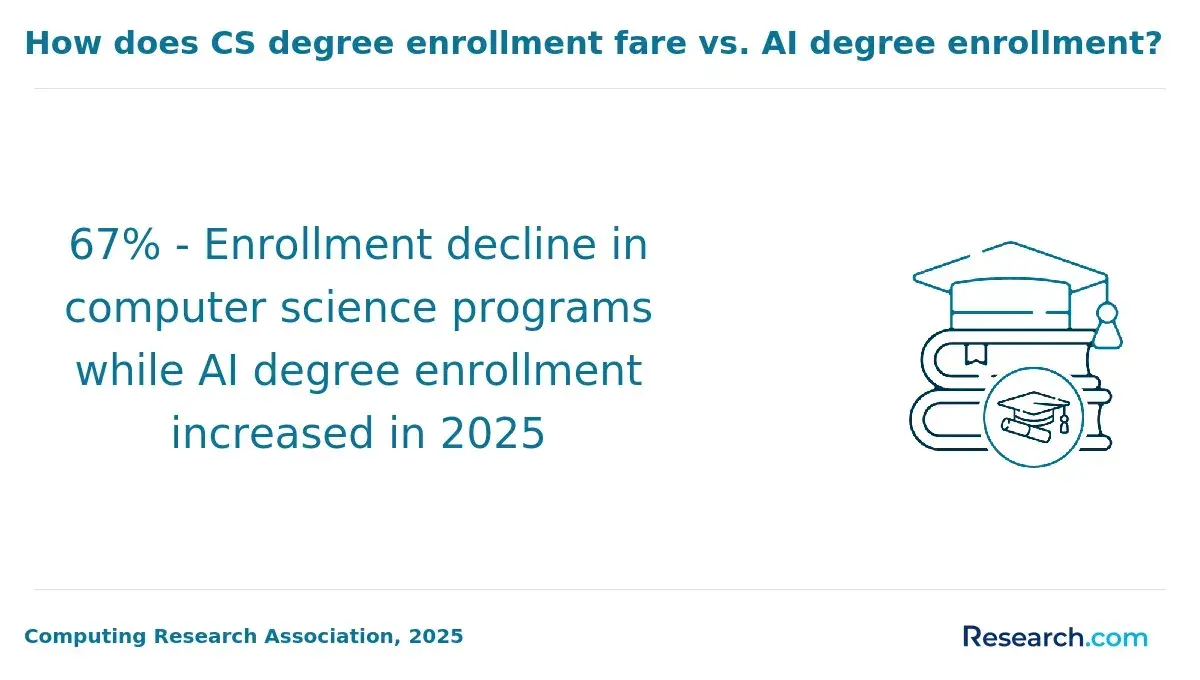
For a thorough education, undergraduate or graduate degrees in AI, data science, or computer science cover algorithm design, ethical AI applications, and large-scale data engineering. Such degrees develop leadership capabilities but require significant time and financial investment. Many students explore options through resources like the best data science master's programs.
Hybrid options like bootcamps and nanodegrees offer a balanced approach emphasizing ecommerce-specific AI use cases, mentorship, and real-world projects. Choosing the right program depends on team skill levels, budget, and goals. Combining multiple program types creates effective tiered learning paths that address diverse team needs efficiently.
What should you look for in an accredited AI adoption course for ecommerce personalization?
Accredited AI adoption courses for ecommerce personalization certification criteria involve a blend of technical depth and practical application. The best practical training in AI for ecommerce teams includes foundational concepts and specific tools like machine learning algorithms for customer segmentation and next-best-action strategies. Courses should emphasize how to implement AI solutions that deliver measurable business outcomes rather than just theoretical knowledge.
Look for programs that integrate case studies and real-world examples with clear performance metrics. McKinsey's research reveals companies using AI-driven next-best-action personalization achieve revenue uplifts of 10-15%, a 20% increase in average order value, and up to 30% higher customer lifetime value. Practical training on these metrics helps translate AI adoption into tangible ecommerce growth.
Curriculums must address data quality, integration challenges, and privacy compliance, since AI models rely heavily on accurate customer and transactional data. Instruction should cover data pipelines and dashboarding to maintain AI effectiveness over time.
Adaptability is key: courses should update content regularly to reflect advances in AI, personalization frameworks, and ecommerce technology stacks. Certifications demonstrating mastery of platforms such as TensorFlow or PyTorch are highly valued by employers.
Strong courses provide hands-on projects and assessments that simulate real-world problems, often through collaborative assignments or capstone projects with ecommerce datasets. This personalizes learning for roles from marketing analysts to data scientists. Finally, consider instructor qualifications and institutional accreditation to ensure credibility. Those pursuing careers as an AI trainer will find accredited courses endorsed by recognized bodies especially beneficial.
How do online AI adoption courses compare with campus and hybrid options for ecommerce professionals?
Online ai adoption courses provide ecommerce personalization teams with unmatched flexibility and specialized content compared to campus or hybrid programs. Unlike traditional campus courses, which often require relocation and fixed schedules, online options allow marketing professionals to learn at their own pace while continuing full-time employment. This flexibility is ideal for those seeking to gain ai skills without interrupting their careers.
Campus programs offer immersive, hands-on environments emphasizing foundational knowledge, structured curricula, and networking opportunities. They enable direct interaction with instructors but may lack rapidly updated ecommerce-specific ai content, which online platforms often provide to reflect current industry trends.
Hybrid models blend online convenience with some in-person collaboration, supporting experiential learning but sometimes presenting logistical challenges and reduced continuous engagement compared to fully on-site courses. Research data from the US Bureau of Labor Statistics and Robert Half shows marketing professionals with ai and personalization expertise earn 20-30% higher median salaries than those without these skills. This highlights the value of selecting courses with practical, ecommerce-focused ai competencies, often available through specialized online platforms.
What core skills and topics do the best AI adoption courses cover for ecommerce personalization?
Effective ai adoption courses for ecommerce personalization teams blend technical skills with strategic insight. Core competencies include data literacy, such as data collection, cleaning, and analyzing customer behavior to enhance marketing precision. Mastery of machine learning fundamentals is critical, especially algorithms tailored for recommendation systems, segmentation, and dynamic content generation.
Proficiency in AI tools and platforms is emphasized, covering Python libraries like TensorFlow and scikit-learn, plus commercial AI SaaS solutions. Hands-on experience with predictive modeling, A/B testing, and personalization optimization ensures practical readiness. Additionally, knowledge of integrating AI within ecommerce infrastructure-CRM, content management, and product databases-facilitates smooth deployment.
Ethics and data privacy compliance, including regulations such as GDPR and CCPA, are vital to maintaining consumer trust. Strategic training aligns AI initiatives with business objectives, focusing on ROI measurement and enhancing customer lifetime value through personalization. According to the LinkedIn Workplace Learning Report, 64% of L&D leaders prioritize AI and data literacy for external training. Organizations heavily investing in AI education see 39% stronger revenue growth, highlighting the direct impact of these skills on business performance.
What are typical admission requirements, time commitments, and tuition costs for these programs?
Admission to ai adoption courses for ecommerce personalization teams typically requires a bachelor's degree in fields like computer science, data science, business analytics, or marketing technology. Foundational knowledge of programming languages such as Python or R is often expected. Some programs allow professional certificates or relevant project experience as alternatives to formal degrees, benefiting working professionals aiming to upskill.
Course durations vary significantly depending on depth and format:
- Short bootcamps: 4 to 12 weeks, 5 to 15 hours weekly
- Part-time certificate programs: 3 to 6 months, combining theory and projects
- Full academic or postgraduate certificates: up to 1 year
According to data from the IBM Institute for Business Value, companies with structured ai upskilling cut AI project time-to-value by 30-50%, highlighting the impact of effective training schedules.
What ecommerce roles and career paths can AI adoption and personalization training lead to?
AI adoption and personalization training in ecommerce unlock diverse career opportunities focused on enhancing customer experiences and driving business success. Key roles include AI personalization specialists who develop algorithms to tailor product recommendations and marketing in real time, and data analysts who leverage customer data platforms (CDPs) and machine learning to generate actionable insights.
Marketing automation managers use AI-powered email service providers (ESPs) and behavior-based triggers to deliver segmented campaigns aligned with shopper preferences. Customer experience managers apply personalization tools to improve user journeys, boosting engagement and conversions. Product managers with AI expertise lead teams to embed personalization features within ecommerce platforms effectively.
Technical professionals such as AI solutions architects design scalable systems integrating CDPs, recommender engines, and ESPs, ensuring seamless data flow. Business analysts with AI skills assess the impact of personalization on revenue and retention, supporting strategic decisions. Professionals trained in AI also find opportunities in consulting, advising retailers on best practices for technology adoption and integration.
According to a 2024 Segment (Twilio) benchmark, teams trained specifically in CDP and AI personalization features were over twice as likely to fully implement use cases compared to those without targeted education.
What salary ranges and job outlook can ecommerce personalization specialists with AI skills expect?
Ecommerce personalization specialists with AI skills typically earn between $80,000 and $140,000 annually, based on experience, location, and company size. Entry-level roles start around $75,000, while experts in machine learning-driven personalization and data strategy can exceed $150,000 in major tech hubs. Combining AI proficiency with customer segmentation, predictive analytics, and dynamic content delivery raises demand and compensation.
The job outlook is robust, driven by growing demand for tailored shopping experiences and automation in ecommerce. Data-centric roles related to AI are projected to grow over 30% by the end of the decade. A 2024 Deloitte Global AI Adoption survey found that companies blending AI training with change-management initiatives are 3.5 times more likely to succeed in organization-wide AI adoption, emphasizing the value of professionals who facilitate AI implementation beyond technology.
Those aiming to excel should develop skills in cross-functional collaboration, change management, cloud platforms, and real-time data processing. Demonstrating measurable improvements in conversion rates or customer retention through AI personalization can lead to premium compensation.
Are there industry-recognized AI or ecommerce certifications that strengthen personalization careers?
Industry-recognized certifications in ai and ecommerce play a crucial role in strengthening careers within personalization teams. These certifications validate expertise, boost credibility, and show familiarity with the latest technologies and strategies. For ecommerce personalization professionals, they close the gap between theory and practical application, qualities highly sought after by employers.
Key certifications to consider include:
- Certified Artificial Intelligence Practitioner (CAIP) - specializing in machine learning algorithms relevant to ecommerce personalization.
- Google Analytics Individual Qualification (GAIQ) - essential for customer segmentation and data-driven personalization.
- Salesforce Einstein Certification - focuses on AI-powered CRM personalization within ecommerce platforms.
- IBM Data Science Professional Certificate - provides a strong foundation in AI tools and data analysis to deliver personalized experiences.
These credentials help address common challenges such as integrating ai models into marketing funnels and optimizing recommendation algorithms for better conversion rates. According to the World Economic Forum's Future of Jobs report, 44% of workers' core skills will shift by 2027, with ai and data analytics among the fastest-growing skills in digital commerce roles. This highlights the value of earning formal certifications.
Specialized courses on platforms like Coursera and edX offer targeted certificates specifically for ecommerce personalization using ai. Employers increasingly prioritize candidates with these verifiable skills to ensure effective implementation of ai-driven customization strategies that boost customer engagement and loyalty.
Other Things You Should Know About Artificial Intelligence
Ecommerce teams often encounter challenges such as data quality issues, integration complexities, and the need for specialized technical skills when implementing artificial intelligence. Ensuring that AI models are trained on relevant, accurate data is crucial for personalization effectiveness. Additionally, businesses must balance automation with customer privacy and regulatory compliance.
The top AI adoption courses for ecommerce teams in 2027 include "AI Strategies for Ecommerce Personalization" offered by Stanford, "Machine Learning for Personalization" from Coursera, and "Ecommerce AI Mastery" by Udacity. These courses provide comprehensive strategies and practical knowledge to enhance personalization efforts using AI technologies.
Yes, small ecommerce businesses can benefit from artificial intelligence personalization, especially through scalable and cost-effective AI tools. Cloud-based AI solutions and pre-built platforms enable smaller teams to leverage personalization without large upfront investments. This can lead to improved customer experiences and competitive differentiation.
Ethical considerations include respecting customer privacy, avoiding biased algorithms, and ensuring transparency in how data is used. Ecommerce teams must handle personal data responsibly and comply with regulations such as GDPR and CCPA. Preventing discriminatory outcomes and maintaining user trust are essential for sustainable AI adoption.
References
- Top 10 Generative AI eCommerce Development Companies Leading in Retail Innovation https://www.novacloud.io/blog/generative-ai-ecommerce-development-companies
- 2026 promises generous pay for IT pros, but you’d better know AI - Spiceworks https://www.spiceworks.com/it-careers/2026-promises-generous-pay-for-it-pros-but-youd-better-know-ai/
- AI and ML in e-commerce. Strategies, trends, and future insights https://www.mindtheproduct.com/ai-and-ml-in-e-commerce-strategies-trends-and-future-insights/
- Best AI Certifications to Boost Your Career in 2026 – Dataquest https://www.dataquest.io/blog/best-ai-certifications/
- SALESmanago's scalable Customer Engagement Platform (CEP) https://www.salesmanago.com/blog/5-skills-for-marketers
- Ecommerce Personalization 2026: The Complete Guide | Releva https://releva.ai/blog/ecommerce-personalization-guide/
- 15 Best AI Tools for Ecommerce in 2026 https://fin.ai/learn/best-ai-tools-ecommerce
- AI in E-Commerce: 7 Ways It’s Redefining Shopping in 2026 https://insiderone.com/ai-ecommerce-shopping/
- Using AI for Hyper-Personalization in E-commerce https://www.objectedge.com/blog/using-ai-for-hyper-personalization-in-e-commerce
- Professional Post-Graduate Certificate Management of AI in E-commerce and Retail Marketing - UBI Business School - QS Top 20 worldwide https://ubi.edu/programs/professional-pg-certificate-ai-in-e-commerce-and-retail-marketing/