2027 Best AI Courses for Executive Teams

Co-Founder and Chief Data Scientist
Executive teams face urgent pressure to adopt effective AI strategies amid rapid technological advances and shifting market demands. Many leaders struggle with understanding which courses offer relevant, actionable knowledge tailored to their responsibilities. Time constraints and the need for flexible learning options add to the challenge.
Without a clear path to gaining essential AI skills, decision-makers risk falling behind competitors who harness these technologies more efficiently. This article reviews top AI courses designed specifically for executive teams, highlighting flexible, accredited programs that facilitate a seamless transition into AI-driven leadership roles.
Key Things You Should Know
- Executive teams benefit from AI courses that focus on strategic implementation, boosting decision-making efficiency by up to 40% according to recent 2025 industry surveys.
- Top AI programs in 2026 incorporate ethics, governance, and AI risk management, addressing growing demands for responsible AI use in corporate leadership.
- Hybrid learning models combining live workshops and digital modules are favored, improving skill retention rate by 25% compared to traditional training approaches in 2024 studies.
Advance Your Career with AI Online Courses
Artificial Intelligence: Implications for Business Strategy
This program provides an introduction to Artificial Intelligence and their implications for business strategy. Earn an official digital certificate.

Oxford Artificial Intelligence Programme
Explore this Oxford Artificial Intelligence programme offered in a flexible learning environment and explore topics like machine learning, automation, and robotics.

Implementing Agentic AI: Building Your Organizational Playbook
This online MIT Agentic AI course offers a practical approach to deploying AI agents in your organization, including a custom playbook. 3 weeks, exclusive launch price.

AI Adoption: Driving Business Value and Impact
This online MIT AI Adoption: Driving Business Value and Impact offers practical frameworks to close the gap between AI potential and business reality.

Artificial Intelligence in Pharma and Biotech
Discover the applications and limitations of artificial intelligence in pharma and biotech with this MIT online short course.

What are the best AI courses for executive teams?
The best AI leadership courses for executive teams emphasize strategic insights, practical applications, and ethical considerations in artificial intelligence. Programs like MIT Sloan's Artificial Intelligence: Implications for Business Strategy and Stanford's AI for Executives blend technical overviews with real-world case studies, helping leaders understand AI's operational and value creation impacts.
PwC's 27th Annual Global CEO Survey highlights that 66% of CEOs anticipate AI will transform value generation within three years, yet only 29% feel their organizations are prepared. This gap calls for targeted AI upskilling tailored to executive roles.
Top AI training programs for business executives generally cover:
- AI fundamentals focused on business benefits rather than deep technical details
- Identifying use cases to align AI investments with corporate objectives
- Essential data literacy to oversee AI-driven decision-making
- Ethical and governance frameworks for responsible AI deployment
- Leadership approaches for managing AI transformation and workforce adaptation
Executives benefit most from interactive formats such as workshops or live simulations that foster critical thinking about integrating AI. Modular courses also allow busy leaders to tailor learning toward challenges like supply chain optimization or improving customer experiences. Institutions such as Wharton and INSEAD offer executive-focused AI programs blending technology insight with leadership skills.
For professionals interested in enhancing their technical foundation alongside leadership training, a 1 year computer science degree online can be an excellent complement to executive education, providing a solid base in AI concepts and implementation.
Advance Your Career with AI Online Courses
Artificial Intelligence: Implications for Business Strategy
This program provides an introduction to Artificial Intelligence and their implications for business strategy. Earn an official digital certificate.
Oxford Artificial Intelligence Programme
Explore this Oxford Artificial Intelligence programme offered in a flexible learning environment and explore topics like machine learning, automation, and robotics.
Implementing Agentic AI: Building Your Organizational Playbook
This online MIT Agentic AI course offers a practical approach to deploying AI agents in your organization, including a custom playbook. 3 weeks, exclusive launch price.
Which AI course format suits executives: online, hybrid, or in person?
Executive teams often find short, focused AI course formats most effective, especially when they fit demanding schedules. Programs under eight weeks, delivered online or in hybrid formats, tend to balance depth with flexibility. According to the LinkedIn Learning Workplace Learning Report (2024), executives who completed short-form AI and data literacy programs were 1.7 times more likely to achieve notable productivity gains within a year compared to those without such training.
Online executive AI training offers asynchronous learning, allowing leaders to study at their own pace without disrupting their responsibilities. This mode also grants access to cutting-edge content from top institutions worldwide, eliminating the need for travel. However, the absence of direct interaction may limit valuable networking and hands-on practice, which are critical for leadership roles.
Hybrid courses combine the advantages of virtual learning with periodic in-person sessions, such as weekend workshops for collaboration and networking, alongside online modules to reinforce technical skills. This format supports both knowledge retention and application in real-world scenarios.
In-person executive AI training suits those who prefer immersive environments and immediate instructor access but often demands more time and may conflict with busy schedules. Choosing the best executive AI training online hybrid in person depends on individual availability, learning style, and organizational support.
For leaders interested in related fields, exploring an online mechanical engineer degree can offer additional career pathways in technology-driven industries.
How do you choose a credible AI course provider?
Choosing credible AI course providers involves evaluating key criteria that ensure program quality and strategic relevance for executive teams. Top criteria for selecting an AI training program include institutional affiliation with reputable business schools or academic institutions known for rigor and expert faculty. Programs from MIT Sloan, Stanford Graduate School of Business, and Wharton exemplify this standard, frequently updating their content and fostering strong corporate partnerships.
Course curriculum should focus on practical application over technical depth, emphasizing frameworks for integrating AI into business strategies, governance, and risk management. Look for courses that include case studies, simulations, or real-world corporate challenges to enhance learning outcomes. Instructor expertise is another vital factor; faculty experienced in AI implementation across industries can offer insights bridging theory and practice.
Program format and duration also matter, as flexible schedules with concise modules tend to suit busy executives better than lengthy, technical courses. Additional factors include accreditation, alumni success, and peer reviews showcasing leadership roles and measurable business impact achieved by graduates.
For professionals exploring advanced studies related to AI, exploring options like a cybersecurity masters online can complement expertise and open interdisciplinary career pathways.
Overall, knowing how to identify credible AI course providers requires balancing these elements to ensure relevant, impactful executive education.
What topics do executive AI courses usually cover?
Executive AI training programs cover key topics essential for leaders to strategically apply AI within their organizations. These include foundational concepts such as machine learning, natural language processing, and computer vision, presented in accessible terms to promote shared understanding across business units. Emphasis on data literacy equips executives with skills to interpret AI model outputs, evaluate data quality, and oversee governance, addressing crucial aspects of AI deployment.
Essential skills covered in AI courses for executives extend to strategic implications like identifying AI-driven business opportunities and integrating AI into innovation processes. Risk management and ethical considerations are also prioritized, including bias mitigation, privacy compliance, and transparency to maintain trust and regulatory alignment.
Many programs focus on practical frameworks for AI project management, helping leaders define use cases, select vendors, and measure AI performance and ROI. Change management is a vital component, preparing executives to navigate cultural resistance and foster collaboration between technical and non-technical teams.
Case studies, workshops on AI strategy, and sessions on future AI trends commonly feature to prepare decision-makers for evolving challenges. This approach aligns with findings showing that organizations with non-technical leaders trained in AI are more likely to sponsor AI projects outside IT.
For professionals considering the right educational path, exploring options like a fastest online cyber security degree can complement AI knowledge with crucial cybersecurity expertise.
What are the admission requirements for executive AI courses?
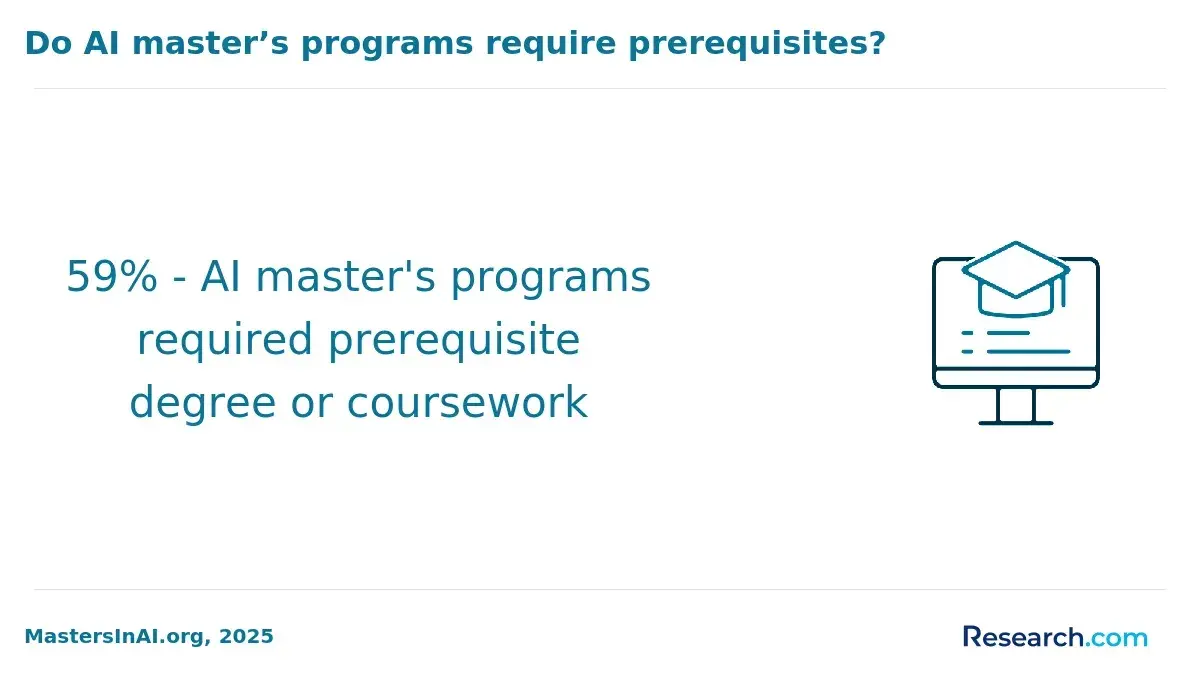
Admission requirements for executive artificial intelligence courses generally combine significant professional experience, educational credentials, and leadership skills. Candidates are often expected to have five to ten years in senior or executive management roles, ensuring readiness for strategic-level discussions. A bachelor's degree is typically required, with many programs preferring advanced degrees like an MBA or relevant master's in technical fields.
Some programs request prior knowledge of AI fundamentals, either through coursework or practical experience, although most cater to diverse technical backgrounds, emphasizing business applications and governance instead. Application packets usually include a detailed resume highlighting leadership accomplishments, a statement of purpose outlining AI training goals, and references from senior professionals. Interviews may also be part of the process to evaluate motivation and alignment with course objectives.
Programs focused on AI governance often seek candidates with experience in risk management, compliance, or ethics. This reflects the growing need for executives who understand AI's organizational impact, especially as only 21% of organizations currently have a formal AI governance framework-despite 79% of board members discussing AI risks quarterly (Deloitte Global Boardroom Survey on AI Governance).
Overall, executive AI courses prioritize leadership experience, relevant education, and risk-aware perspectives to prepare professionals for ethical, strategic AI implementation at senior levels.
How long do executive AI courses usually take?
Executive AI courses vary widely in length and depth, tailored to different professional needs. Intensive boot camps lasting 2-5 days provide executives with a foundational overview, focusing on strategic applications and business-relevant case studies rather than technical details. These short programs are well-suited for busy leaders seeking quick insights into AI's impact across industries.
For a more comprehensive experience, courses of 4-8 weeks combine live instruction, project work, and interactive discussions. These are ideal for leadership teams aiming to embed AI into operations, finance, or marketing functions thoroughly. Some programs offer modular, part-time formats spanning several months, allowing executives to apply AI concepts directly to ongoing projects and drive tangible business results.
Course durations often reflect intended outcomes:
- 2-5 days: overview of AI fundamentals and industry trends
- 4-8 weeks: strategic implementation frameworks and cross-functional AI use cases
- 3+ months: customized cohorts with hands-on projects targeting specific business functions
Companies adopting AI across primary functions report a 3-5% average revenue increase and 2-4% cost reduction. Longer executive courses empower leaders to leverage AI more effectively, with top firms achieving over 10% revenue growth. Choosing the right program length depends on your team's AI maturity, strategic goals, and availability for training.
How much do executive AI courses cost?
Executive AI courses typically range between $2,000 and $15,000 per participant, influenced by factors such as program length, institution, and content depth. Short, intensive workshops offered by business schools or private training firms usually cost $2,000 to $5,000, while comprehensive certificate programs spanning several weeks with hands-on projects often fall between $7,000 and $15,000.
Pricing also depends on delivery format. Virtual instructor-led courses tend to be more affordable than on-site sessions, which incur additional facility and travel expenses. Some elite universities charge fees over $10,000 for flagship AI leadership programs. Group or cohort pricing can provide discounts when multiple executives enroll simultaneously.
Organizations should account for internal opportunity costs, such as time away from operational duties. Research from the Microsoft Work Trend Index (2024) shows companies upskilling more than 10% of their workforce are 2.2 times more likely to achieve high or very high AI adoption across business units than those limiting training to specialist teams.
For budget-conscious learners, tailored corporate programs or modular courses offer flexibility in pricing and duration. Vendors may offer scalable fees based on the number of executives and customization needs. Prospective students are advised to request detailed pricing breakdowns and inquire about return on investment metrics specific to executive cohorts before enrolling.
What AI roles can executive training support?
Executive training in artificial intelligence empowers key leaders such as CEOs, CIOs, Chief Data Officers, and Chief Analytics Officers to make strategic decisions on AI investments, governance, and implementation. These programs also benefit executives in product development, marketing, and operations by clarifying how AI can enhance workflows, efficiency, and innovation.
Challenges addressed in training include interpreting AI impact projections, managing cross-functional teams, and handling ethical or regulatory concerns. For example, finance leaders evaluate AI-driven risk models, while HR professionals explore AI's role in talent management and recruitment. This ensures AI integration aligns with business goals across departments.
Effective AI adoption requires executives to bridge technical and managerial gaps by asking critical questions such as: How should AI investments be prioritized? Which AI risks need mitigation? What metrics track AI success? Training focused on these aspects cultivates strong organizational leadership in AI.
Companies investing over $500 per employee annually in AI and analytics training experienced a 43% higher likelihood of positive ROI on AI projects within two years compared to those spending less than $100 per employee, according to the BCG "AI at Scale" global study.
What salary benefits can AI training bring to executives?
AI training enhances executives' earning potential by providing skills essential for leading digital transformation, improving operational efficiency, and uncovering new revenue sources. Those with AI expertise can command salary premiums between 10% and 25% over peers without such credentials. This is due to their ability to drive data-driven decision-making and foster innovation, both critical in today's competitive markets.
Executives in industries such as finance, healthcare, and technology who earn advanced AI certificates often access higher base salaries and performance bonuses linked to AI project success. For instance, AI-savvy chief data officers and product leaders frequently negotiate salaries exceeding $200,000 annually, reflecting the high demand for leaders who understand both business strategy and AI.
Enrollment in executive AI and data analytics certificates grew 67% year-over-year from 2023 to 2024, outpacing other executive education areas (GMAC/ExecutiveCourses.com). Employers reward AI-trained executives with:
- Increased base compensation reflective of specialized knowledge
- Performance incentives based on AI-driven business results
- Improved promotion opportunities to chief technology or innovation roles
Furthermore, AI credentials signal proactive leadership critical for board-level positions and consultancy roles. Companies pay premiums for executives who can design AI strategies that reduce risks and create competitive advantages, making AI training a key factor in both immediate and long-term executive compensation growth.
What certifications or credentials do executive AI courses offer?
Executive AI courses offer various certifications to validate leadership skills in AI strategy, governance, and implementation. These credentials often include certificate programs from accredited universities, professional badges from leading AI organizations, and executive education certificates emphasizing practical AI knowledge. Many programs provide certifications in AI leadership or AI strategy, indicating expertise in integrating AI into business processes.
Specialized certifications are also available in areas such as AI ethics, data-driven decision-making, and AI risk management, helping executives address governance challenges and balance technical with managerial aspects of AI deployment.
Highly regarded professional designations, like the AI Executive Credential from institutions such as MIT Sloan and Stanford, typically require rigorous coursework and capstone projects that demonstrate strategic AI leadership capabilities.
Selecting the right credential can be challenging: while 79% of executives plan to invest in AI learning, only 34% feel confident about choosing the right mix without guidance. Additionally, 62% describe navigating AI course options as difficult (LinkedIn Global Skills and Education Trends Report, 2025). Prioritizing programs with industry recognition, organizational alignment, and actionable AI skills is essential.
When evaluating certificates, consider:
- Whether the credential thoroughly covers AI strategy and ethics
- The reputation of the issuing institution
- Practical elements like case studies or leadership projects
- Alignment with your organization's AI maturity level
These criteria improve the relevance and credibility of credentials, supporting executives in leading AI-driven transformations effectively.
Other Things You Should Know About Artificial Intelligence
In 2027, industries such as healthcare, finance, automotive, and retail are most impacted by artificial intelligence. AI-enhanced diagnostics, automated trading, autonomous vehicles, and personalized shopping experiences are some ways AI is transforming these sectors.
Yes, many AI courses designed for executives focus on strategic and managerial aspects rather than deep technical details. These programs aim to equip leaders with a clear understanding of AI capabilities, risks, and business applications without requiring programming skills. This approach helps executives make informed decisions about AI adoption and investment.
Artificial intelligence is transforming business strategy by enabling data-driven decision-making, automating routine processes, and creating new customer engagement models. It allows organizations to identify market trends quickly, optimize operations, and develop innovative products or services. Executives leveraging AI insights can gain competitive advantages in rapidly evolving markets.
References
- Why AI Training Should Be in Employee Development https://www.techclass.com/resources/learning-and-development-articles/why-ai-training-should-be-part-of-every-employees-development-plan
- AI Training for Employees & Businesses: Why It’s Essential for Success https://www.teamland.com/post/why-corporate-ai-training-essential-for-businesses-and-professionals
- Best AI Agent Courses for C-Level Leaders (2026 Guide) https://aiagentsacademy.ai/blog/best-ai-agent-courses-c-level-leaders-2026
- AI - Artificial Intelligence | London Business School https://www.london.edu/executive-education/ai
- AI certificates | edX https://www.edx.org/certificates/ai-certificates
- AI Executive Training for Leaders https://inferencegroup.com/ai-executive-training/
- Top AI courses to supercharge your career | Jotform Blog https://www.jotform.com/ai/ai-courses/
- How Much Does AI Training for Businesses Cost? - Bizzuka https://www.bizzuka.com/how-much-does-ai-training-for-businesses-cost/
- Team AI Training | Lead with AI https://www.leadwithai.co/team-ai-training
- MastersInAI.org. (2025). 2025 AI Degree Report: The Landscape of AI Degrees in the United States. https://www.mastersinai.org/ai-degree-report