2027 Best AI Adoption Courses for Merchandising Teams

Co-Founder and Chief Data Scientist
Merchandising teams often struggle to leverage AI tools effectively, leading to missed opportunities in inventory management and personalized marketing. Without foundational knowledge, adopting AI solutions can feel overwhelming and disconnected from daily workflows. This gap hinders the team's ability to stay competitive and agile in a rapidly evolving retail landscape.
The article highlights curated courses designed to equip merchandising professionals with practical AI skills. It aims to guide readers through flexible, accredited programs that blend theoretical understanding with real-world application to enhance decision-making and operational efficiency.
Key Things You Should Know
- AI adoption courses for merchandising teams in 2026 emphasize practical skills in machine learning to optimize inventory and customer personalization, reflecting a 35% rise in retail AI investments since 2024.
- Top programs integrate data analytics and ethical AI use, addressing growing concerns over algorithmic bias and consumer privacy in merchandising strategies.
- Certification completion boosts employability by 27% in retail sectors, with courses increasingly offering hands-on projects simulating real-world merchandising challenges using AI tools.
Advance Your Career with AI Online Courses
Artificial Intelligence: Implications for Business Strategy
This program provides an introduction to Artificial Intelligence and their implications for business strategy. Earn an official digital certificate.

Oxford Artificial Intelligence Programme
Explore this Oxford Artificial Intelligence programme offered in a flexible learning environment and explore topics like machine learning, automation, and robotics.

Implementing Agentic AI: Building Your Organizational Playbook
This online MIT Agentic AI course offers a practical approach to deploying AI agents in your organization, including a custom playbook. 3 weeks, exclusive launch price.

AI Adoption: Driving Business Value and Impact
This online MIT AI Adoption: Driving Business Value and Impact offers practical frameworks to close the gap between AI potential and business reality.

Artificial Intelligence in Pharma and Biotech
Discover the applications and limitations of artificial intelligence in pharma and biotech with this MIT online short course.

What are the best AI adoption courses specifically designed for merchandising and retail teams?
Top AI adoption courses for merchandising teams emphasize integrating AI-driven analytics and automation across pricing, inventory, and customer engagement strategies. These ai training programs tailored for retail and merchandising professionals prepare teams to use data for real-time decision-making and predictive merchandising. High-impact offerings include "AI for Retail Management," which focuses on demand forecasting and product assortment optimization through practical applications.
The "Applied Machine Learning for Merchandising" course trains participants to build and interpret AI models that enhance pricing accuracy and reduce inventory costs. Such courses blend theoretical AI concepts with retail case studies to ensure practical relevance.
Certification programs like the "Retail AI Strategy Certificate" from renowned business schools cover integrating generative AI tools in merchandising workflows, addressing challenges like dynamic pricing and personalized promotions. These programs empower merchandisers to adapt quickly to shifting consumer patterns using AI insights.
Merchandising teams must prioritize AI upskilling given that generative AI could add $400-$660 billion in annual retail value, largely driven by improvements in merchandising strategies and inventory management. Teams with AI expertise are positioned to implement data-driven processes that maximize this value.
Key features to seek include hands-on AI software training, retail-specific applications, and measurable results such as a 20% improvement in sales forecasting accuracy or a 15% reduction in stockouts. Selecting programs affiliated with credible academic or industry partners ensures updated content aligned with evolving AI capabilities.
Those exploring career options can learn more about artificial intelligence career paths to understand how this expertise can expand opportunities in retail and beyond.
Advance Your Career with AI Online Courses
Artificial Intelligence: Implications for Business Strategy
This program provides an introduction to Artificial Intelligence and their implications for business strategy. Earn an official digital certificate.
Oxford Artificial Intelligence Programme
Explore this Oxford Artificial Intelligence programme offered in a flexible learning environment and explore topics like machine learning, automation, and robotics.
Implementing Agentic AI: Building Your Organizational Playbook
This online MIT Agentic AI course offers a practical approach to deploying AI agents in your organization, including a custom playbook. 3 weeks, exclusive launch price.
How do AI adoption courses help merchandising teams use data, pricing, and inventory tools effectively?
AI adoption courses empower merchandising teams to utilize data, pricing, and inventory tools with greater precision by offering focused training on essential technologies and methods. These programs help professionals analyze sales data, uncovering trends and customer preferences that lead to optimized product assortments tailored to distinct markets.
By mastering dynamic pricing models driven by AI, merchandisers can update prices in real time, enhancing competitiveness and boosting profit margins. Inventory management modules emphasize predictive analytics to forecast stock requirements accurately, reducing excess inventory and shortages.
Training often includes hands-on experience with AI-driven software platforms designed for automation and strategic decision-making. For instance, machine learning instruction enables merchandisers to predict demand more accurately than traditional techniques, increasing supply chain efficiency and minimizing lost sales, especially for seasonal or trending items. Using artificial intelligence for pricing and inventory management is central to these skill sets.
A BCG/X survey found that companies expanding AI usage reported a 16% higher EBIT compared to those in pilot stages. The greatest impacts were seen in pricing, assortment, and personalization. Practical case studies in these courses help demystify complex pricing algorithms and streamline data integration challenges, making AI tools actionable and accessible. Teams trained in AI can dynamically customize inventory mixes and pricing, leading to improved customer satisfaction and profitability.
Prospective students interested in formal education related to these themes may consider exploring degrees in AI to deepen their expertise and career prospects.
What skills and learning outcomes should a high-quality AI merchandising course provide?
High-quality AI merchandising courses equip professionals with essential skills to harness data-driven insights effectively. Core competencies include demand forecasting with machine learning algorithms, reducing forecasting errors by up to 50%, which is vital for optimizing inventory and product assortments to boost sales and profitability.
Participants develop proficiency in data analysis techniques like clustering and classification to detect customer trends and preferences. Understanding the learning outcomes of AI merchandising courses involves interpreting AI-driven recommendations to align merchandising strategies with business objectives.
Practical skills include deploying AI-powered pricing models and promotional optimization, enabling dynamic adjustments based on market and consumer behavior. Ethical considerations and data privacy remain key components to ensure responsible use of sensitive customer data.
Advanced training may cover natural language processing for merchandise categorization and sentiment analysis, with hands-on exposure to real retail data to predict product demand across seasons and regions. The curriculum also addresses troubleshooting AI model limitations, enhancing critical decision-making skills for merchandising professionals.
Effective courses foster collaboration between data scientists and merchandising teams for actionable AI insights driving measurable outcomes. Those interested in integrating technology and creativity can explore programs like an online game development degree, broadening their technical expertise alongside merchandising.
AI skills for merchandising professionals are invaluable for adapting to evolving market demands and competitive environments.
What types of AI adoption programs exist for merchandising teams, and how do online and on-campus options compare?
AI adoption programs for merchandising teams generally fall into two main types: short, focused microcredential courses and broad certificate programs. Microcredentials typically last a few weeks to a couple of months and emphasize practical skills like demand forecasting, inventory optimization, and customer analytics. Comprehensive certificates, meanwhile, cover wider curricula over several months to a year, blending theory with hands-on projects in merchandising contexts.
Online versus on-campus merchandising AI courses each have distinct advantages. Online courses offer flexibility, interactive modules, real-time case studies, and networking opportunities, making them ideal for working professionals. On-campus programs provide immersive learning with direct faculty interaction and peer collaboration, which benefits those seeking deeper strategic understanding of AI tool integration. However, on-campus options often require more time and possible relocation.
Choice depends on career goals and availability: merchandising analysts needing quick skill upgrades often prefer short online microcredentials, while those targeting managerial roles might find comprehensive on-campus certificates more valuable. A 2024 Coursera/Gallup study found that 75% of business learners who completed an industry microcredential reported positive career outcomes within 12 months, highlighting the importance of targeted skill development.
For professionals aiming to deepen their expertise, programs like an MS in data analytics can enhance both AI knowledge and practical merchandising insights, further advancing career prospects.
Which accredited universities, business schools, and providers offer reputable AI merchandising courses?
Several reputable universities and business schools offer specialized AI merchandising courses designed for merchandising teams aiming to enhance decision-making with AI-driven tools. The Massachusetts Institute of Technology (MIT) Sloan School of Management provides focused programs on AI applications in supply chain and retail analytics, highlighting assortment optimization and demand forecasting. Similarly, the University of Pennsylvania's Wharton School integrates AI merchandising modules into its Business Analytics curriculum, emphasizing data-driven category management.
Online platforms like EdX and Coursera partner with institutions such as Stanford University and the University of Michigan to deliver flexible AI merchandising courses. These cover essential topics including machine learning for retail assortment and pricing strategies, making them accessible for professionals balancing work and study.
Specialized providers like the Retail AI Institute offer focused education on AI-powered assortment and allocation, addressing practical merchandising challenges with hands-on AI tools proven to boost efficiency.
According to a retail AI benchmark by Toolio, retailers utilizing AI-driven assortment and allocation tools raised full-price sell-through rates by 5-10% compared to traditional methods. This highlights the importance of courses that combine predictive modeling, real-world retail data analysis, and AI strategy for both immediate skill application and long-term career growth.
What are the typical admission requirements and prerequisites for AI adoption courses in merchandising?
Admission to AI adoption courses in merchandising often requires a foundational understanding of data analytics, statistics, or basic programming. Many programs prefer applicants with a background in business, marketing, supply chain management, or related disciplines to effectively apply AI tools in retail contexts.
Some advanced courses ask for experience with machine learning concepts or skills in languages like Python or R, enabling students to handle AI algorithms and tools efficiently. Executive education options may require several years of professional experience in retail or merchandising to add practical insights during case studies.
Common prerequisites include:
- Completion of introductory courses in data science or AI basics.
- Knowledge of retail merchandising principles and key performance indicators (KPIs).
- Familiarity with database management and software for pricing or inventory optimization.
- Quantitative skills to interpret AI-driven analytics results.
- Work experience in pricing, promotions, or markdown optimization is often preferred for specialized tracks.
Some programs administer assessments or prerequisite exams to confirm candidates' readiness, while others offer bridge modules for skill gaps. According to McKinsey, AI-powered dynamic pricing and promotion strategies can boost retail margins by 2-5%, underscoring the value of practical AI knowledge in merchandising. Admissions committees emphasize analytical aptitude combined with industry expertise to ensure candidates gain maximum benefit from these courses.
How long do AI merchandising adoption programs usually take, and what do they cost?
AI merchandising adoption programs vary from 6 weeks to 6 months, depending on course depth and specialization. Shorter courses, typically 4 to 8 weeks, focus on fundamental AI applications like inventory forecasting and demand planning.
More comprehensive training for merchandising teams includes machine learning, data analysis, and strategic decision-making, often lasting 3 to 6 months. These timelines balance technical skills with practical retail applications.
Program costs depend on content, institution, and format. Online certificate courses generally range between $500 and $2,500, while intensive bootcamps or university-affiliated programs cost from $3,000 to $10,000. Customized corporate training for merchandising teams can be more expensive, reflecting tailored curricula and ongoing support.
Retailers using AI for inventory planning report up to 65% reduction in stockouts and 30% less excess inventory, highlighting the impact of well-designed AI merchandising programs that merge data science with retail expertise.
When selecting a course, consider:
- Program length suitable for your workload and goals
- Balance between AI theory and real-world retail scenarios
- Access to real data for hands-on experience
- Industry-recognized certification
What core topics and tools are covered in AI adoption curricula for merchandising professionals?
Merchandising professionals benefit from AI-focused curricula that prioritize practical skills and essential knowledge for ecommerce success. Key learning areas include machine learning concepts such as recommendation algorithms, predictive analytics, and natural language processing for search optimization. These skills help students analyze data patterns influencing product placement, pricing, and personalized customer experiences.
Hands-on training centers around applying AI-driven search and merchandising tools that directly improve business outcomes. Research from Bloomreach shows AI-enhanced ecommerce search can increase revenue per visitor by 5-15% and boost conversion rates by 20-30%, underscoring the value of mastering these technologies.
Coursework often covers proficiency with platforms like Adobe Sensei, Google Cloud AI, and custom AI frameworks to automate product tagging, inventory forecasting, and customer segmentation. Integration techniques for syncing AI systems with current merchandising software and data practices are emphasized.
Critical skills include assessing AI model outputs for bias and relevance, ensuring ethical use of AI in merchandising decisions, and continuously optimizing based on performance metrics. Students typically engage in projects deploying AI-powered search filters, dynamic promotions, and chatbots to enhance customer interaction.
Advanced topics may address AI-driven supply chain analytics and real-time price optimization, equipping professionals to elevate engagement and efficiency through data-driven AI strategies.
What merchandising job roles, career paths, and salary ranges align with AI adoption training?
Merchandising roles that integrate AI adoption training include merchandising analysts, category managers, inventory planners, and demand forecasting specialists. These professionals leverage AI to enhance data-driven decisions, optimize inventory, and spot emerging customer trends. Career advancement may lead to positions such as AI strategy consultants for retail, digital merchandisers, and AI product managers who focus on retail technology integration.
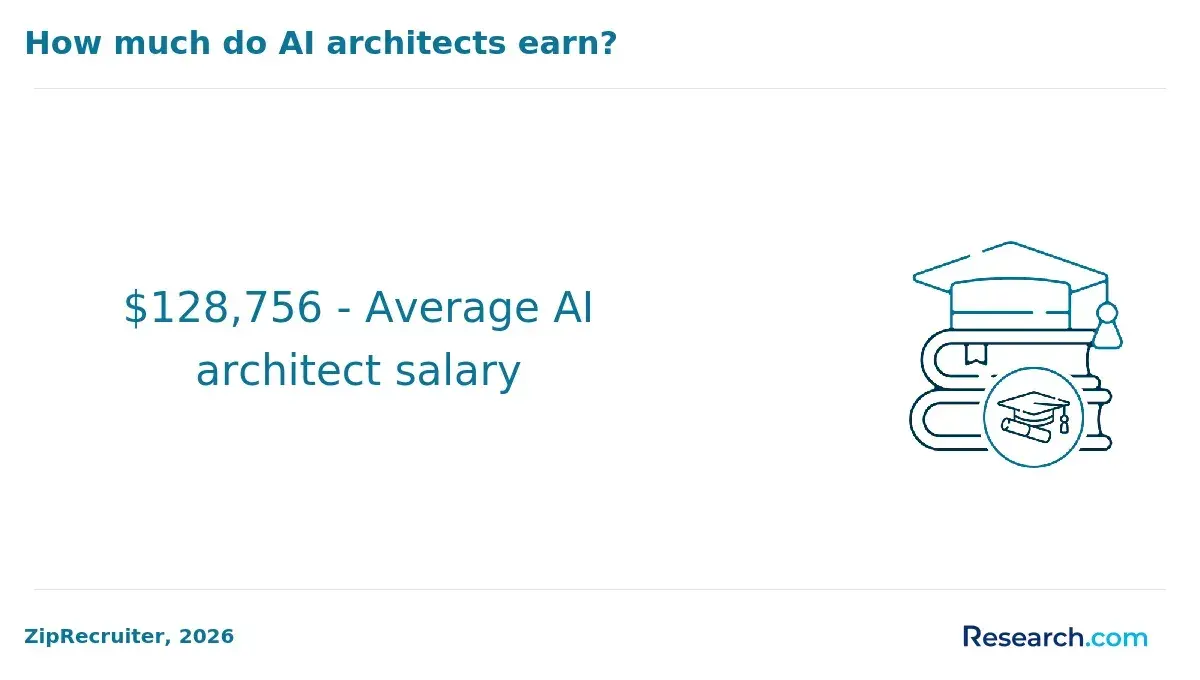
Salary ranges depend on experience and role. Entry-level merchandising analysts with AI skills generally earn between $55,000 and $75,000 annually. Mid-level category managers and inventory planners can expect $80,000 to $110,000. Senior positions like AI-driven merchandising strategists or product managers often earn $120,000 to $160,000 or more, reflecting the demand for expertise blending merchandising and AI.
A global IBM study found that 69% of high-performing companies provide structured AI training for non-technical business teams, compared to only 21% of less successful firms. This difference underscores the value of AI skills in merchandising careers.
Key areas to focus on include machine learning basics, predictive analytics, and AI-enabled automation tools. Practical experience with AI-powered merchandising platforms is crucial, as is ongoing education to keep pace with evolving AI capabilities in retail.
Are there industry-recognized certifications or badges for AI skills in merchandising and retail analytics?
Industry-recognized certifications and badges tailored to AI skills in merchandising and retail analytics validate a professional's ability to optimize inventory management, demand forecasting, and customer insights using AI tools. Key credentials include the Certified Retail Analyst (CRA) with AI specialization from organizations like the Retail Analytics Council, and vendor-specific certifications such as Google Cloud's Retail AI Certification. These programs emphasize practical skills in machine learning, data modeling, and AI-driven merchandising platforms.
Employers highly value these credentials as proof of proficiency in emerging AI technologies vital for retail success. Training programs often combine analytics with merchandising scenarios, enabling participants to apply AI for enhanced category performance, pricing, and stock turnover rates. For example, Toolio's retail case studies found that teams using AI-enabled merchandising platforms improved forecast accuracy by 30-50% and increased inventory turns by 10-20% within a year.
Additional badges from software providers like Salesforce Einstein Analytics and Microsoft Azure AI for Retail support teams deploying AI-driven insights in daily merchandising decisions.
Choosing certifications aligned with both industry standards and the specific AI tools professionals use ensures relevance and practical impact. These targeted credentials address rapidly evolving technology while advancing careers and improving key merchandising metrics.
Other Things You Should Know About Artificial Intelligence
As of 2027, leading AI adoption courses for merchandising teams include "AI in Retail: Strategy and Implementation" by Coursera, "The Fashion Retail Future: AI and Advanced Technologies" from FutureLearn, and "Merchandising with AI: Trends and Innovations" offered through edX. These courses focus on integrating AI technologies into merchandising practices effectively.
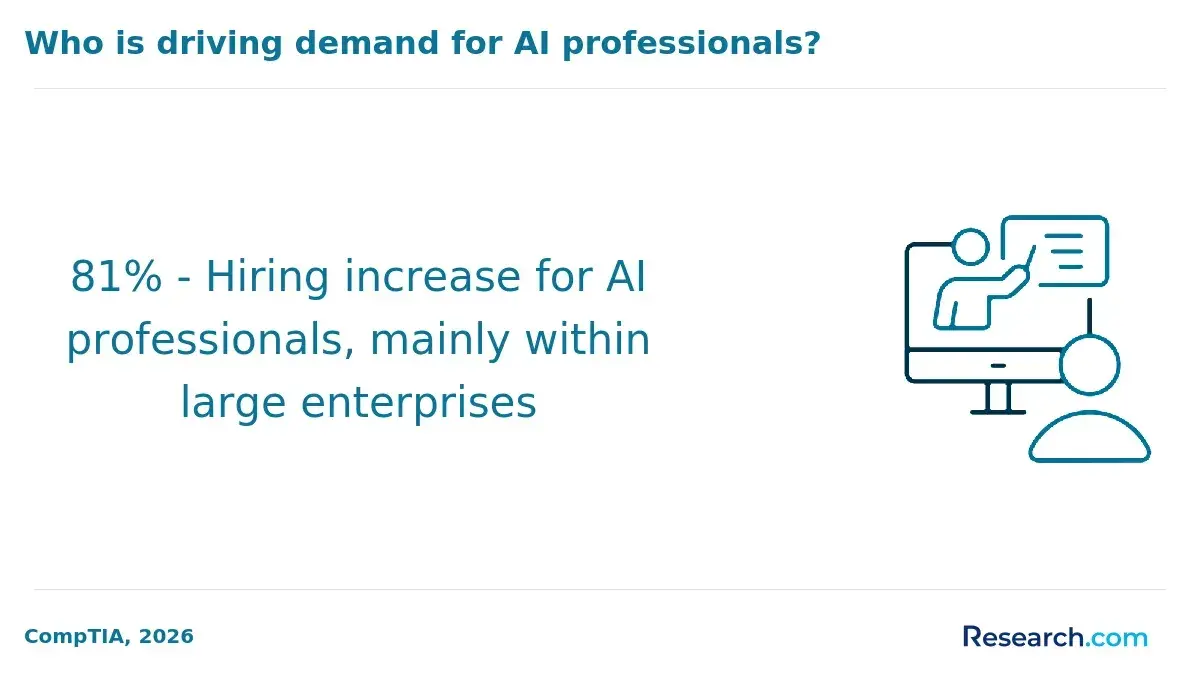
One of the primary challenges is data quality, as inaccurate or incomplete data can reduce the effectiveness of AI models. Integration with existing retail systems can also be complex and resource-intensive. Furthermore, there may be resistance to adopting AI technologies due to a lack of understanding or fear of job displacement among staff members.
While artificial intelligence offers powerful analytical capabilities, it does not fully replace human intuition in merchandising. AI excels at processing large datasets and identifying patterns, but human expertise is essential for interpreting insights within the context of market trends, brand identity, and customer relationships. The most effective approach combines AI tools with skilled human judgment.
Merchandising teams can anticipate increased adoption of AI-powered real-time analytics and automation in supply chain management. Emerging trends include the use of augmented reality for product visualization and AI-driven chatbots for enhanced customer service. Additionally, ethical AI and transparency in algorithmic decision-making will gain prominence as companies strive for responsible technology use.
References
- Bachelor of Arts in Artificial Intelligence for Business Digital https://www.euruni.edu/en/Bachelor-s/Artificial-Intelligence-for-Business-Digital.html
- Cross https://www.datacamp.com/business/retail-industry
- Current State of AI Adoption & Chatbots for Ecommerce Brands https://gobrandwoven.com/resources/articles/current-state-ai-adoption-chatbots-ecommerce-brands/
- AI Certificate Program & Online AI Courses | Coursiv https://coursiv.io/courses/generative-ai-for-retail
- AI in Marketing Career Path: Skills, Strategy & Roadmap to Future-Proof Growth https://cxl.com/b2b-marketing-career-guide/ai-in-marketing-career-guide/
- How AI merchandising is transforming retail operations https://axonify.com/blog/ai-merchandising/
- AI skills tools package https://www.gov.uk/government/publications/ai-skills-for-the-uk-workforce/ai-skills-tools-package
- Merchandising in the era of artificial intelligence (AI) https://www.algolia.com/resources/asset/ebook-merchandising-ai-era
- AI Merchandising: Definition, Benefits, & Best Practices https://www.salesforce.com/commerce/ai/ai-merchandising/
- Your comprehensive guide to retail AI adoption is the key https://wair.ai/retail-ai-adoption-people-strategy/