2027 Best AI Adoption Courses for Retail Operations Leaders

Co-Founder and Chief Data Scientist
Retail operations leaders face increasing pressure to integrate artificial intelligence into their workflows to enhance efficiency and customer engagement. Many struggle with identifying reliable, practical training that fits their demanding schedules and varied educational backgrounds. Without targeted knowledge, investments in AI risk underperformance or misalignment with business goals. This challenge intensifies as technology rapidly evolves, requiring up-to-date skills and strategic insight. This article explores top AI adoption courses designed specifically for retail leaders, focusing on flexible, accredited programs that bridge the gap between foundational understanding and real-world application, enabling informed leadership in a competitive market.
Key Things You Should Know
- Retail leaders adopting artificial intelligence courses in 2026 gain skills in automation, predictive analytics, and customer personalization, improving operational efficiency by up to 40%, per 2025 industry reports.
- Top programs emphasize practical applications in inventory management and demand forecasting, with over 60% of graduates securing leadership roles within 12 months.
- Investment in artificial intelligence education for retail is growing rapidly, with enrollment increasing 35% annually, reflecting the sector's critical reliance on AI-driven strategies.
Advance Your Career with AI Online Courses
Artificial Intelligence: Implications for Business Strategy
This program provides an introduction to Artificial Intelligence and their implications for business strategy. Earn an official digital certificate.

Oxford Artificial Intelligence Programme
Explore this Oxford Artificial Intelligence programme offered in a flexible learning environment and explore topics like machine learning, automation, and robotics.

Implementing Agentic AI: Building Your Organizational Playbook
This online MIT Agentic AI course offers a practical approach to deploying AI agents in your organization, including a custom playbook. 3 weeks, exclusive launch price.

AI Adoption: Driving Business Value and Impact
This online MIT AI Adoption: Driving Business Value and Impact offers practical frameworks to close the gap between AI potential and business reality.

Artificial Intelligence in Pharma and Biotech
Discover the applications and limitations of artificial intelligence in pharma and biotech with this MIT online short course.

What are the best AI adoption courses for retail operations leaders and who are they for?
Courses focused on AI adoption for retail operations leaders emphasize practical tools to optimize pricing, promotions, supply chains, and store workflows. Targeted at mid- to senior-level managers and executives, these programs integrate data-driven decision-making frameworks and industry-specific AI roadmaps.
Topics often include machine learning fundamentals, predictive analytics, and process automation tailored to retail environments. Such AI training programs for retail operations management frequently incorporate case studies on inventory management, customer behavior, and dynamic pricing models to sharpen real-world skills.
For instance, AI-driven demand forecasting modules help leaders anticipate market trends and avoid costly stockouts. Addressing digital transformation challenges and legacy systems is also key, with lessons on change management and AI adoption strategies that facilitate smoother transitions.
Executive education from renowned schools like Wharton and MIT Sloan delivers sector-specific insights and emphasizes ROI-driven AI implementation alongside ethical AI use and risk mitigation, which are critical for compliance and consumer trust.
McKinsey highlights AI's financial impact by estimating it could unlock $400-800 billion in annual EBITDA for global retail by 2026, mainly through improved pricing, supply chain efficiency, and store operations. Retail leaders seeking to lead successful AI initiatives should explore the best AI adoption courses for retail leaders that blend strategic frameworks with hands-on experience.
In broader STEM fields, accelerated programs provide pathways for those aiming to upskill quickly, including options such as accelerated computer science programs that complement AI expertise for long-term career growth.
Advance Your Career with AI Online Courses
Artificial Intelligence: Implications for Business Strategy
This program provides an introduction to Artificial Intelligence and their implications for business strategy. Earn an official digital certificate.
Oxford Artificial Intelligence Programme
Explore this Oxford Artificial Intelligence programme offered in a flexible learning environment and explore topics like machine learning, automation, and robotics.
Implementing Agentic AI: Building Your Organizational Playbook
This online MIT Agentic AI course offers a practical approach to deploying AI agents in your organization, including a custom playbook. 3 weeks, exclusive launch price.
How do AI adoption courses prepare retail operations leaders to implement AI in stores and supply chains?
AI adoption courses equip retail leaders to integrate AI tools effectively in stores and supply chains, focusing on demand forecasting, inventory optimization, and workforce scheduling. These skills enable data-driven decisions that improve efficiency and reduce costs.
Implementing AI in retail stores and supply chain management also requires change management strategies. Leaders learn how to train employees, align stakeholders, and overcome resistance to new technology, ensuring sustainable transformation rather than one-time tech adoption.
Training in AI ethics and data governance is crucial, helping leaders comply with privacy laws and build consumer trust when handling sensitive data. Scenario-based exercises often simulate supply chain disruptions or fluctuating demand, preparing managers to apply AI solutions confidently.
Gartner reports organizations investing in AI skills with strong change management are 80% more likely to achieve quantifiable business value compared to those focusing solely on technology. For instance, AI-driven predictive analytics can reduce stockouts by up to 30%, while automation streamlines order fulfillment to cut labor costs by 15%.
Those interested can explore a mechanical engineering online degree to build complementary technical skills that support AI initiatives in retail environments.
How AI adoption training enhances retail operations leadership skills by increasing agility and improving customer experiences across the value chain.
What types of AI adoption programs exist for retail leaders, and how do certificates, bootcamps, and degrees compare?
AI adoption certification programs for retail leaders commonly include certificates, bootcamps, and degrees, each catering to different needs in the retail industry. Certificate programs offer specialized, short-term training on specific AI applications like demand forecasting or inventory management. These programs, often lasting 3 to 6 months, focus on practical skills and tools, ideal for professionals seeking targeted, efficient learning without a long-term commitment.
Bootcamps deliver immersive, hands-on experiences spanning weeks or months, emphasizing project-based learning to simulate real retail scenarios. They help leaders rapidly develop AI integration skills and strategic execution, requiring more weekly time commitment but usually costing less than degrees.
Degrees, such as bachelor's or master's in data science, business analytics, or AI, cover comprehensive theoretical and technical knowledge. Spanning 1 to 4 years, they prepare leaders to design AI frameworks and lead organization-wide initiatives. Though more time-consuming and expensive, degrees equip professionals aiming for strategic leadership roles in retail AI.
- Certificate programs suit those focused on specific, actionable skills.
- Bootcamps work for leaders needing fast, applied training in AI use cases.
- Degrees prepare leaders for strategic, organization-wide AI initiatives.
Choosing the right program depends on skill level, time availability, and career goals. For those exploring broader educational paths, an accelerated cyber security degree online might offer insights into complementary tech fields. Comparison of AI bootcamps, certificates, and degree programs in retail operations highlights their distinct advantages for career advancement.
Which AI adoption courses for retail operations are accredited or offered by reputable U.S. universities?
Several reputable U.S. university programs for AI in retail operations offer accredited courses tailored to retail leaders aiming to implement artificial intelligence effectively. The Massachusetts Institute of Technology (MIT) provides the "AI in Business" certificate through its Sloan School of Management, focusing on AI deployment strategies relevant to retail workforce management and demand forecasting.
Carnegie Mellon University's Heinz College of Information Systems and Public Policy features a specialized course in AI for retail analytics, emphasizing inventory optimization and customer behavior prediction-key areas for those driving AI adoption in retail environments.
Northwestern University's Kellogg School of Management delivers executive education focused on operationalizing artificial intelligence in retail. The program highlights AI-driven labor scheduling, supported by UKG data showing that retailers using AI workforce management can reduce labor costs by 4-8% while maintaining service quality.
These AI adoption courses accredited by top U.S. universities typically blend data science fundamentals with retail-specific AI use cases. They address challenges like integrating AI with legacy systems and enhancing demand-based scheduling. Students should verify program accreditation and assess hands-on learning opportunities.
Prospective learners interested in workforce optimization through AI should compare offerings based on faculty expertise, industry collaborations, and practical implementation support. For more comprehensive educational options, see the best masters in data analytics programs.
What core topics and tools are covered in AI adoption curricula focused on retail operations?
Retail operations leaders studying artificial intelligence learn essential skills to integrate AI into business functions like demand forecasting, inventory management, and customer behavior analysis. Training covers AI-driven merchandising strategies and tools such as machine learning platforms, Python libraries (TensorFlow, scikit-learn), and cloud-based analytics services like Azure AI and Google AI tools.
Practical experience includes predictive algorithms that dynamically adjust stock levels and natural language processing for personalized marketing or chatbots.
Courses emphasize dynamic pricing and promotion optimization, showing how AI models boost profitability by adjusting prices based on consumer trends and competitor data. Research by BCG and Google highlights an average 2-5% increase in gross margin and 10-20% lift in incremental sales for large retailers using these AI-powered solutions, underlining the real-world benefits.
Leaders also develop skills to interpret AI-generated insights for operational decisions while managing change within retail teams adopting AI technologies. Ethical considerations and data governance are critical parts of the curriculum, ensuring compliance with privacy laws and responsible AI use.
This comprehensive approach equips leaders with both technical expertise and strategic understanding to leverage artificial intelligence for improved efficiency and competitive advantage in retail.
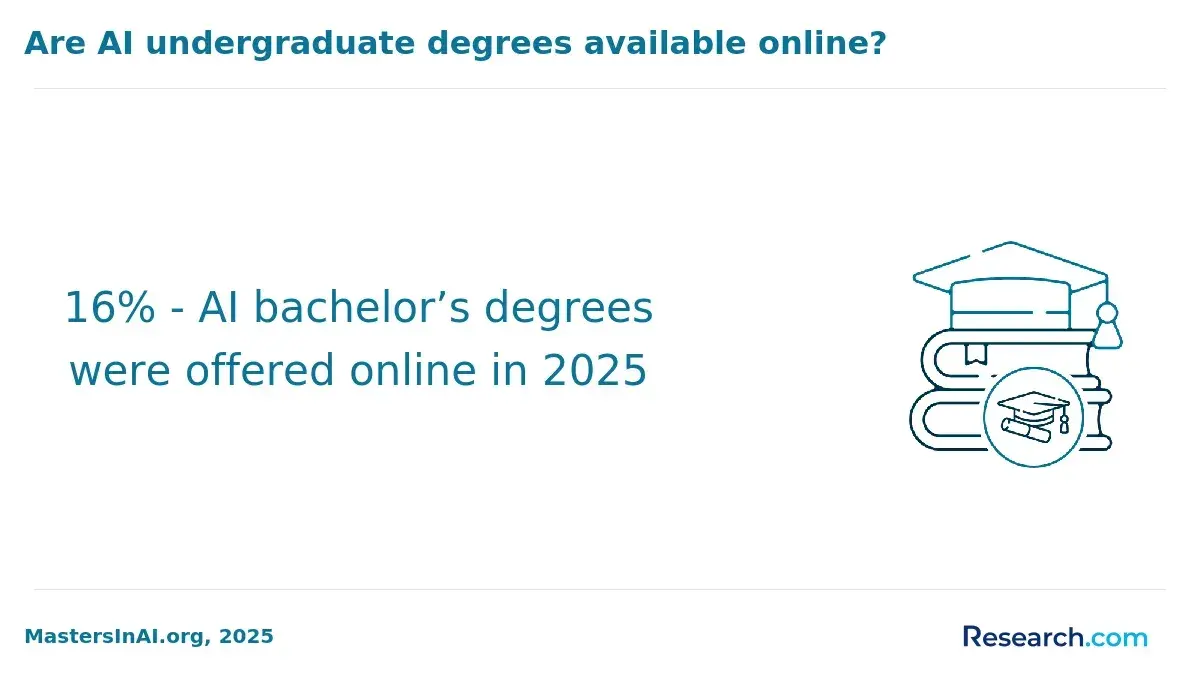
How do online AI adoption programs for retail executives compare with campus or hybrid formats?
Online AI adoption programs offer retail executives flexibility and accessibility that campus or hybrid formats often cannot match. These programs enable learning at an individual's pace without interfering with demanding work schedules or travel. This flexibility suits retail leaders managing fast-evolving operational challenges.
Campus programs provide immersive, face-to-face interaction and direct faculty access, fostering deeper networking and hands-on experiences with AI integrated on-site. Hybrid programs blend online learning with in-person elements, accommodating those seeking both convenience and direct engagement.
Online courses typically include comprehensive video lectures, interactive simulations, and case studies. These tools help participants understand AI applications like inventory optimization and AI-powered demand forecasting-areas where McKinsey research highlights AI's ability to reduce forecasting errors by up to 50% and cut lost sales from stockouts by as much as 65%.
Campus courses, while requiring greater time and financial resources, often offer collaborative workshops and access to proprietary retail data, valuable for executives focused on practical skills.
Retail executives should consider their needs for flexibility, networking, and hands-on experiences. Those with limited time or remote locations tend to benefit most from online programs, while those seeking intensive interaction and stronger academic credentials often choose hybrid or campus-based training.
What are the typical admission requirements, time commitment, and costs for AI adoption courses in retail?
Admission to AI adoption courses in retail often requires a bachelor's degree in business, information technology, data science, or related fields. Many programs expect foundational knowledge of retail operations or prior experience with data analytics. Advanced courses usually ask for experience in retail management or technology implementation.
Institutions commonly offer prerequisite modules or recommend introductory classes in machine learning and data handling for those lacking technical background. Some certification programs also accept professional experience as a substitute for formal education.
Course durations vary significantly by format: intensive bootcamps last 4 to 8 weeks with 40 to 60 hours of total instruction, while part-time certification courses run 3 to 6 months requiring 5 to 10 hours weekly. Graduate-level courses span 12 to 15 weeks and include projects and exams, whereas online self-paced options generally allow 6 to 12 months for completion.
Costs range widely, from around $1,000 for short certifications to $10,000 or more for comprehensive graduate diplomas. Free or low-cost introductory programs exist but may lack retail-specific content. Financial aid and employer tuition support can be available in select offerings.
Retailers who scale AI personalization typically see 1-2% incremental revenue growth for physical stores and 10-20% for digital channels, per McKinsey's latest omnichannel personalization benchmarks. This underscores the value of quality education blending practical retail insights with AI application expertise.
What retail leadership roles and career paths can AI adoption training help you qualify for?
AI adoption training in retail prepares professionals for leadership roles requiring expertise in data strategy, operational efficiency, and customer experience innovation. Key career paths include retail operations managers who integrate AI tools to optimize inventory and supply chain logistics, and product category managers who enhance predictive analytics to align stock with consumer demand.
Emerging roles like AI project leads and AI ethics officers focus on responsible AI use and data governance, addressing challenges noted by Deloitte's Consumer Industry AI survey, where 73% of retail executives cite data quality and governance as the primary barrier to scaling AI.
Data scientists and analytics managers increasingly need AI proficiency to analyze complex data and drive actionable strategies. Customer experience directors leverage AI insights for personalized marketing, while supply chain executives use AI to forecast disruptions and plan contingencies.
Retail professionals transitioning from traditional roles, such as store managers or merchandising specialists, can use AI training to advance into strategic roles bridging technology with business goals.
These careers often demand addressing issues like data integrity, algorithmic bias, and regulatory compliance. Training that focuses on these critical areas aligns with industry needs, making graduates competitive for leadership roles responsible for scaling AI responsibly across retail operations.
What salary ranges and promotion potential can retail operations leaders expect after AI upskilling?
Retail operations leaders who develop AI skills often see significant salary boosts and better promotion prospects. According to IBM's Global AI Adoption Index, nearly 80% of top-performing companies invest heavily in AI training for their business leaders, compared to fewer than 40% of underperforming firms. This disparity aligns with higher pay and faster career advancement among those with AI expertise.
After upskilling in AI, mid-level retail operations managers can expect starting salaries around $90,000 annually, while senior leaders who effectively implement AI-driven strategies may earn over $140,000. Professionals skilled in AI-powered demand forecasting, inventory optimization, or customer analytics can command salaries 15-30% above peers lacking these capabilities.
Promotion opportunities improve because AI competency enables leaders to spearhead innovation and improve operational efficiency. Retailers view AI-savvy leaders as critical to digital transformation, often promoting them quickly to roles such as Director of Retail Operations, VP of Store Strategy, or Chief Digital Officer within 3 to 5 years.
Typical outcomes of AI upskilling include:
- Expanded responsibility managing cross-functional AI projects
- Leading data-driven decision-making teams
- Influencing technology investment decisions
Choosing courses that focus on practical AI applications in retail workflows supports stronger performance reviews and promotion cases, leading to compensation packages that reflect these enhanced business results.
How can retail leaders evaluate and choose a high-quality AI adoption course aligned with their goals?
Retail leaders should align AI adoption courses with their specific business objectives and operational needs. Focus on courses that emphasize practical applications such as inventory optimization, customer behavior analytics, and supply chain automation-areas where AI delivers measurable benefits in retail.
Assess the credibility of the course provider by examining industry partnerships and instructor expertise in retail AI solutions. Look for courses featuring real-world case studies or projects relevant to retail scenarios, as well as hands-on experience with AI tools like machine learning platforms for sales forecasting.
Course format and length matter for busy professionals; modular, shorter courses may facilitate efficient skill acquisition. Support structures such as mentorship and peer forums help deepen understanding of complex AI topics and encourage ongoing learning.
Cost should be weighed against the value and potential return on investment. According to LinkedIn's 2024 Workplace Learning Report, training budgets for AI skills have increased by 60% year-over-year, reflecting a growing priority on quality AI education.
- Does the course cover AI tools commonly used in your company?
- Will it improve decision-making speed and accuracy?
- Are certifications recognized by retail industry bodies?
Asking these targeted questions ensures AI training is tightly aligned with strategic retail goals and operational realities.
Other Things You Should Know About Artificial Intelligence
The main challenges retail leaders encounter include integrating AI systems with existing infrastructure, managing data privacy concerns, and overcoming workforce resistance to new technology. Additionally, leaders must ensure that AI solutions are scalable and aligned with strategic business goals to achieve measurable benefits.
In 2027, retail operations leaders can enhance customer experience using AI by personalizing marketing strategies, offering targeted product recommendations, and optimizing inventory management. AI-driven solutions can analyze customer behavior and preferences, enabling leaders to tailor services and promote seamless shopping experiences.
Retail leaders need to address issues such as algorithmic bias, transparency in AI decision-making, and securing customer data against misuse. Ensuring AI applications comply with legal and ethical standards helps maintain consumer trust and prevents potential reputational damage.
Yes, AI can significantly reduce operational costs by automating routine tasks, optimizing supply chain logistics, and minimizing waste through precise demand forecasting. These efficiencies allow retailers to allocate resources more effectively and improve overall profitability.
References
- Retail AI Strategy: Ultimate Implementation Guide for Leaders | Endear Blog https://endearhq.com/blog/ultimate-guide-to-implementing-ai-for-retail-directors
- Skills and Talent Development in the Age of AI https://www.jff.org/idea/skills-and-talent-development-in-the-age-of-ai/
- Retail’s AI Revolution - IMD business school for management and leadership courses https://www.imd.org/news/artificial-intelligence/retails-ai-revolution/
- AI use cases in retail: A practical guide (2026) https://www.druidai.com/blog/ai-use-cases-in-retail-guide
- Retail and AI: what are the changes in skills? https://www.neobrain.io/en/blog/retail-ai-skills-changes
- Understanding the use of AI among small businesses https://www.jpmorganchase.com/institute/all-topics/business-growth-and-entrepreneurship/understanding-ai-use-by-small-businesses
- Artificial Intelligence in Business: Complete Guide 2026 https://www.scu.edu/business/blog/silicon-valley/artificial-intelligence-in-business/
- The True Cost of Implementing AI in Business in 2026 - Riseup Labs https://riseuplabs.com/cost-of-implementing-ai-in-business/
- INAIR Reaches a Key Milestone: The AI Core Curriculum for Retail MSMEs is Now Available https://www.ai4retail.eu/en/news/ai-core-curriculum-publication
- Navigating the Complexity of AI Adoption in Retail https://apptad.com/insights/navigating-the-complexity-of-ai-adoption-in-the-retail-industry/